Stories

December 1, 2023

SHARE:

In a world where living spaces are getting smaller and furniture quality is declining, one entrepreneur is striving to make a difference.

Yvonne Hung, a city-dweller who has lived in some of the world’s largest metropolitan areas, knows firsthand the challenges and constraints of living in small apartments. It can be difficult to have friends over because there isn’t enough space or seats.

For this reason, she founded Otelier in 2020, a San Francisco-based furniture studio with a focus on sustainability, and providing innovative products that are useful even for small spaces.

Yvonne believes that the home is the most intimate social space, and people shouldn’t have to sacrifice that due to a lack of space. Her latest project is called the Quartet, a multi-functional side table that unstacks into four stools.

While the retail industry and consumers have embraced fast furniture with low prices, poor construction, copied designs, and single usage, Otelier is committed to changing that. Yvonne and her team are determined to create sustainable, high-quality furniture that will stand the test of time. With Otelier, urban dwellers no longer have to choose between comfort and the environment, and Quartet is just the beginning of a new era in furniture design.

Quartet, a side table that transforms into four stools.

OTELIER STRADDLES BETWEEN A DESIGN STUDIO AND AN E-COMMERCE BRAND

I’ve always had an obsession with cities—the way they develop over time, how they are shaped by their geographies and industries, and of course how culture and way of life make each city unique.

In fact, I started my career in urban planning, which is what I studied at the Harvard Graduate School of Design. My goal, as cheesy as it sounds, has always been to make the world a better place to live for all. With Otelier, I’m trying to do it at a much smaller scale—the home—because that allows me to get up close and personal with users, and also be hands-on with the creative process.

So much of my design principles still go back to urban planning. For example, I chose to focus on apartment living because higher-density housing is a much more efficient and sustainable way to accommodate a growing population, as compared to single-family homes which encourage urban sprawl. Likewise, sustainability and the cradle-to-cradle approach is always a huge factor in the product design process because protecting the earth is always top of mind.

This generation is going through a lot of changes—higher housing prices, more frequent moving, and smaller apartments are some trends that make life different from what it was 20+ years ago. Activities that used to take place in person, such as work and meetings, now happen online. Social media is both hastening new ideas and increasing anxiety. I think there are many opportunities to address these issues. For me, it’s starting with the most intimate space, the home, and how we can make it a happy experience.

Otelier straddles between a design studio and an e-commerce brand. It’s rare to be both. Most consumer furniture brands aren’t strong on design—there’s a lot of copying of whatever’s trending—and most design studios don’t follow through with the manufacturing and sales process. 

I aspire to do both under Otelier. As a designer, I want to explore and experiment, whether it’s with product ideas, new materials, or collaborations with little constraint. And as an entrepreneur, I want to create an e-commerce brand whose products make an impact at scale.  I’m still figuring out how to do both with very limited resources as a solopreneur.

BIGGEST CHALLENGES AND OPPORTUNITIES IN SUSTAINABLE FURNITURE DESIGN

It seems there’s a race to the bottom in the consumer furniture industry—make it as cheap as possible, sell more, and maximize profits. It’s no wonder why the EPA says the US produces 12 million tons of furnishing waste a year. Not only are these items going into the landfill, but they also contain a lot of non-recyclable and/or non-biodegradable materials. The challenge is that now consumers are trained to believe their furniture should be dirt cheap and don’t realize these problems, similar to the case of fast fashion. 

There’s also a lot of greenwashing everywhere. For example, using recycled plastic bottles is great, but turning them into something that cannot be recycled again is worse than just making another plastic bottle from it because it could then be recycled several more times.

One of my pet peeves is when companies call plastic leather vegan leather. It’s just plastic! Otelier is far from perfect, but I am committed to being honest and looking for the best alternatives that are currently available and financially feasible.

Fortunately, I do think there is a subset of mindful consumers that want high-quality furniture that’s sustainably produced. There are several smaller independent brands, like Otelier, that are trying to address this problem in the furniture space, and a lot of material science and manufacturing companies exploring more sustainable alternatives.

That said, when it comes to innovation on the sustainability front, it’s easy to design or prototype a concept, but much harder to make it commercially viable. I’m fascinated by a lot of the new materials that are currently in development, such as bioplastics. I’m also interested in blockchain for tracking supply chains. But in reality, these ideas are far from being commercially available, especially to small companies like Otelier.

My long-term goal is to have two areas of focus: one for blue sky explorations, including the use of new materials, and a second for producing durable and commercially viable products for the masses. For now, since I’m bootstrapping, the current focus is more on commercially viable products using what’s available today.

There’s plenty we can do now to improve the furniture industry. Taking a methodical approach, I typically break down a product into its materials, manufacturing, logistics & transportation, usage, and end-of-life condition, and then minimize the footprint for each factor. 

MAKING SURE OTELIER PRODUCTS ARE SUSTAINABLE

I use materials that are biodegradable and/or recyclable and minimize the use of petroleum-based plastics for both our products and packaging. The Quartet, for example, uses wood and suppliers that are certified by the Forest Stewardship Council (FSC) to ensure that we’re sourcing from sustainably managed forests. I also use hardwood because it’s more durable since longevity is key to sustainability. Metals are also great for durability and recyclability. My hope is that we create zero landfill waste.  

Otelier is not perfect; I still rely on the existing transportation and energy systems that are available today. For what I cannot control, I use carbon offsets so that our products are carbon neutral. And I also plant trees to compensate for the wood used in our products.

If all businesses take responsibility for their own environmental footprint, we’d be in a much better place.

THE GOAL IS TO ENCOURAGE MENTAL AND PHYSICAL WELLNESS AT HOME

I’m still at a very early stage with Otelier, but I have so many ideas! It takes me a lot of time to develop each since I work alone. 

I think the way this generation lives, post-COVID, requires more flexibility from our home, no matter if you’re living alone or have a family with kids. Some recurring themes in my furniture are multi-functionality and space-saving features. I also am fascinated by objects that are interactive. In a way, I enjoy designing experiences enabled by an object rather than the object itself. For example, the Quartet is a side table that unstacks into four stools. But the goal is to encourage friendship and bonding at home. The furniture is a means to that end.

Eat-Work Table, designed for people working from their kitchen or dining rooms. The height-adjustable table can be used as a dining table.

LONG-TERM GOALS FOR OTELIER

The ultimate goal is to build a brand that creates beautiful and useful furniture that enriches the lives of urban citizens, while also being sustainable and accessible. I hope Otelier will be an international brand, given that apartment living is relevant everywhere. 

From a service perspective, my vision is to create a platform that sells both new and used Otelier furniture.Resale is really a key to countering the fast-furniture problem. Although our furniture is heirloom quality, I think most people of this generation would prefer to just sell their used furniture rather than passing it down to their kids and grandkids. So making resale easy is a service that could benefit everyone.

Innovation is really important to me. I’m not here to create what already exists. I really hope that Otelier can pioneer commercializing some of the sustainable materials that are currently in development. It’s still early days, so there are lots to explore, learn, and create.

CONNECT WITH YVONNE

Website: https://otelier.com

Instagram: @otelier_home

Facebook: @otelierhome

Tiktok: @otelier.com

Kickstarter: https://www.kickstarter.com/projects/otelier/quartet-a-side-table-that-transforms-into-four-stools?ref=8rnt6m
Related Articles

{"ARInfo":{"IsUseAR":false},"Version":"1.0.0","MakeupInfo":{"IsUseMakeup":false},"FaceliftInfo":{"IsChangeEyeLift":true,"IsChangeFacelift":false,"IsChangePostureLift":false,"IsChangeNose":false,"IsChangeFaceChin":false,"IsChangeMouth":false,"IsChangeThinFace":false},"BeautyInfo":{"SwitchMedicatedAcne":false,"IsAIBeauty":false,"IsBrightEyes":false,"IsSharpen":false,"IsOldBeauty":false,"IsReduceBlackEyes":false},"HandlerInfo":{"AppName":2},"FilterInfo":{"IsUseFilter":false}}

Stories

How Benny Yap and Jae Tan Drive TGFX Agency’s Success

Benny Yap and Jae Tan are not just co-founders of TGFX Agency; they are a powerhouse duo transforming businesses through innovative branding and marketing.

Benny Yap, a seasoned entrepreneur, is renowned for his outstanding achievements in the marketing and advertising industry. His expertise encompasses advertising, branding, illustration, and ideation. Benny Yap’s leadership and artistic vision play a pivotal role in shaping TGFX’s distinctive approach to branding and marketing, driving its success.

Jae Tan is a dedicated and results-driven entrepreneur with over a decade of experience in branding, web development, and video production. Under his strategic guidance and leadership, Jae has propelled TGFX to unprecedented success.

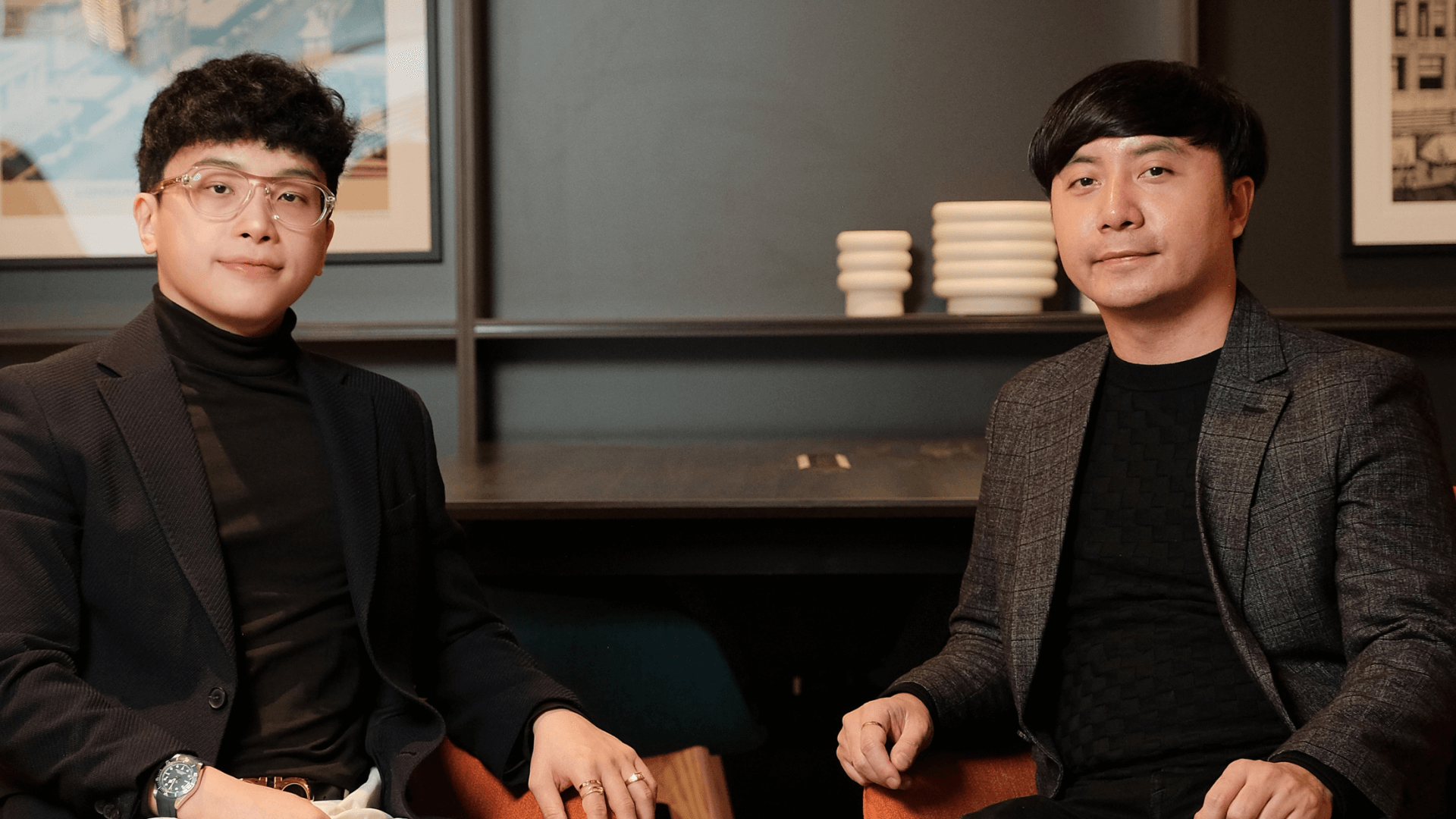
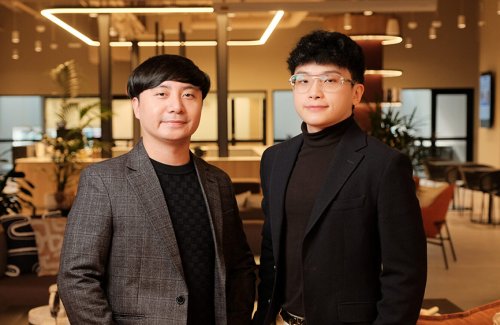
Jae Tan (left) and Benny Yap in a meeting.

In an exclusive interview with Asian Hustle Network, Benny and Jae share their journey, challenges, and insights, offering a glimpse into the dynamic partnership driving TGFX. Read on to discover how they are transforming brands and making a lasting impact on the marketing industry.

EARLY CAREER AND THE BIRTH OF TGFX

Benny Yap and Jae Tan both studied graphic design and advertising and initially met through a design project. This collaboration not only brought them together as best friends but also sparked the idea of starting a business together. They realized that by combining their forces—their creativity and design skills—they could tackle the business world more effectively as a team. This shared vision and partnership led them to start TGFX.

OVERCOMING INITIAL CHALLENGES

Benny and Jae faced significant challenges when starting TGFX, especially during the COVID period. One of the biggest hurdles was adapting their business model. Initially, they focused on one-off jobs, but they soon realized the need for stability and consistent cash flow.

They decided to pivot to a retainer basis, particularly in social media marketing. This shift not only helped them navigate through a difficult time but also allowed them to build stronger, long-term relationships with their clients.

DYNAMIC PARTNERSHIP

As co-founders, Benny and Jae complement each other perfectly in running TGFX. Benny, previously from BBDO Advertising agency, brings a wealth of creativity and innovative ideas, driving the creative direction and ensuring the campaigns are cutting-edge, Meanwhile, Jae excels in managing operations and strategic planning, providing a solid foundation for the business. This dynamic allows them to leverage their individual strengths, resulting in a well-balanced and effective partnership.

TGFX’S MISSION AND CORE VALUES

TGFX’s mission is to help businesses across Australia succeed and thrive. Their core values include providing world-class services and being recognized as one of the best and most innovative agencies in Australia. They emphasize treating clients like family and growing alongside them, fostering strong, long-term relationships built on trust and mutual success. 

INDUSTRY-SPECIFIC CHALLENGES

Having worked with numerous businesses across various industries, TGFX encounters several industry-specific challenges. Key issues include maintaining brand consistency, attracting the right customers, and building a loyal customer base.

TGFX addresses these challenges by tackling each core issue one day at a time and maintaining consistency in everything they do for the brand. This methodical and dedicated approach helps their clients overcome obstacles and achieve long-term success.

IMPACT ON THE ASIAN COMMUNITY

As entrepreneurs with roots in the Asian community, Benny and Jae see TGFX Agency as having a significant impact and contribution to this community. With 80% of their clientele being Asian-owned businesses, TGFX Agency is dedicated to helping the Asian business community in Australia thrive. By providing tailored branding and marketing strategies, they support these businesses in achieving success and growth.

Jae Tan (left) and Benny Yap
With TGFX, the duo aim to uplift Asian businesses in Australia.

ADVICE FOR ASPIRING ENTREPRENEURS

Benny and Jae emphasize the importance of adding value to the marketplace. Aspiring entrepreneurs should understand their consumers’ needs and preferences thoroughly, conduct extensive market research, and stay attuned to industry trends and client feedback.

“Persistence is key—never give up, even when faced with challenges. Building a successful agency requires resilience, continuous learning, and an unwavering commitment to delivering exceptional service and results. In addition to that, our team is the cornerstone of our success. Without their dedication and hard work, we wouldn’t have achieved our current position. Each member plays a crucial role in our accomplishments, bringing unique skills and perspectives that drive our progress forward. We are deeply grateful for their commitment and contribution to our shared goals. Together, we continue to grow and thrive, thanks to their invaluable efforts,” Benny and Jae shared.

Benny Yap (left) and Jae Tan
Benny (left) and Jae highlight persistence, market research, and a strong team as keys to success.

FUTURE VISION AND GOALS

TGFX Agency continually strives to expand into new areas across Australia and different industries, aiming to deliver data-driven results to businesses in need of growth. They are also committed to expanding their Malaysia agency, bringing on new businesses, and growing the team there.

Benny and Jae are excited about the future and look forward to furthering their impact on businesses both locally and internationally. Their advice to others is to stay focused, and consistent, and always strive to add value. Understand your customers’ needs and don’t shy away from innovation.

CONNECT WITH TGFX

Website: tgfx.com.au

Instagram: @tgfx.agency

Kevin Tan

Awaken* newsletter

From Bytes to Bites, A Conversation with Snackpass Co-founder and CEO Kevin Tan

If you’ve ever ordered boba, you’ve probably used Snackpass before. Snackpass is a fast-growing startup that operates a social food-ordering app alongside a suite of software and hardware solutions for restaurant operations.

Boasting a $400 million valuation, Snackpass is backed by a slew of the best investors around, including Craft Ventures, a16z, General Catalyst, First Round, and Y Combinator. I had the pleasure to sit down with Snackpass’s co-founder and CEO, Kevin Tan, to talk about his background and experiences.

JOURNEY TO BECOMING A FOUNDER

My first question was if Kevin did anything entrepreneurial before Snackpass:

I had multiple projects before SnackPass. As a kid, I shot a movie with friends and made a comic book to sell. In college, I picked up programming, which sparked my interest in technology startups. I started that in my sophomore year. I tried a few different projects or companies and started SnackPass in my senior year.

Back in college, Kevin actually majored in Physics, not Computer Science. I asked Kevin what made him decide to pursue software over a career in Physics, and also why he decided to start a company as opposed to joining a big tech company:

I actually initially started in the humanities. After a year of humanities, I went and moved into Physics and started programming at the same time. I chose software because I felt that things were a bit more fast-paced in the world of technology. Also, I didn’t feel that I was going to be a top 1% physicist–though I still really enjoy Physics. As far as pursuing a startup instead of big tech, I did actually apply to Google for an internship, but I didn’t get in. One of my favorite things about startups is that you don’t necessarily need to impress any gatekeepers who hold power over your next job, you can go make your own! That’s something that made me super excited about startups.

STORIES AND THOUGHTS ABOUT SNACKPASS

I remember sometimes to get to the restaurant owners, I would set up a meeting and then trek across campus in the cold and in two feet of snow only for the owner to say “Oh, I rescheduled”, yet I always followed up and went back to meet them.

Kevin Tan

In an article by Free Ventures about Snackpass, I read “In the beginning, they partnered with restaurants by going door to door to mom-and-pop shops and talking personally with the owners. They also posted a bunch of flyers around campus and created referral mechanisms on the app to get the word out.” I asked Kevin what that experience was like:

Back then, we didn’t have any funding. We got rejected from Yale’s incubator, let alone venture capital. But we were able to get pretty far because I was able to code and go door to door to bootstrap our first set of customers. I’ve always had a very determined attitude about things and am willing to brute force it if I have to. I remember sometimes to get to the restaurant owners, I would set up a meeting and then trek across campus in the cold and in two feet of snow only for the owner to say “Oh, I rescheduled”, yet I always followed up and went back to meet them. Obviously, there needs to be a more efficient way to do that, but if you’re trying to learn something very quickly. That’s one way to do it. 

Even to this day, we’ll go to new installs and try to embody the customer as much as possible. It’s very hectic behind the restaurant counter. To make a product like ours work, we have to get very deep into how the staff interacts with our tech and how they are receiving orders. Like, were the printers printing? Were they able to confirm the order or did it get missed? 

As Kevin hinted in his answer, Snackpass started at Yale, then expanded to other colleges, and is now expanding to all restaurants. I asked Kevin how he decided it was time to expand to new markets:

There’s this blog post from Marc Andreessen about how there are two phases of a startup. One is before product-market fit, where you should do everything to find it. The second is after product-market fit, where you should do everything you can to exploit it. I think you don’t want to scale anything up before you have really strong product-market fit and a repeatable engine for driving revenue or growth. You can have an amazing product, but if you can’t get it out efficiently, that’s going to be a problem. 

Whenever I think about the restaurant business, one of the first things that comes to mind is the pandemic. I asked Kevin how the pandemic affected Snackpass:

It was definitely a huge curveball. At the height of the pandemic, people were asking if college campus restaurants would stay in business. People went back home. We saw a big dip in our volume in the same way a lot of local marketplaces did. We used that time to ask how we were going to expand outside of college campuses. The pandemic motivated us to shift our whole business model. We shifted into focusing on building an operating system for these restaurants, and we’re still playing that out today. 

I asked Kevin how Snackpass’s go-to-market motion has evolved over the company’s lifetime:

In terms of target customers, we’ve grown from just SMB restaurants to having some multi-location mid-market brands using us. In terms of how we acquire new customers, we get some inbound by being a market leader. Having a brand name and social proof is very important. Other channels that have worked for us are referrals and social media such as Instagram and Tiktok.

In a previous conversation I had with Gusto’s cofounder, Eddie Kim, he talked about the idea of sometimes needing to turn down larger customers and contracts to remain focused on the target customer. I asked Kevin if he ever thought about this:

Yes, we’ve definitely had to turn down some large potential customers. As a rule of thumb, larger and more enterprise-y customers tend to have more requirements, move slower, and want integrations and things that are not standardizable. These are often one-offs so we don’t get as much leverage with what we’re building. 

Unless your strategy is enterprise-focused, you probably want to focus your angle of attack on one segment. There’s a good book called Crossing the Chasm. One point it makes is that the market you go after should be a single entity, one with a common set of characteristics and needs that you can address as a whole. We’ve definitely had to find our niche because there were customers asking all sorts of things. In the world of restaurants, especially, there are so many different varieties operation-wise, that you can get pulled in many different directions. Sometimes it’s tempting to chase revenue, but that can easily lead to a very overreaching product surface area. It’s better to have a narrower angle of attack, generally speaking.

A key differentiator of Snackpass compared to other food-ordering apps is the social components of the app. In Snackpass, you are able to gift points to a friend with each order you make. Once you accumulate enough points from someone, you hatch a mini digital chicken–sort of like a minigame. I asked Kevin for some cool or surprising ways he has seen people using these features:

Oh, there are tons. There’s a feed where you can see who’s sending gifts to whom. The idea behind the feature was to give users a social way to figure out what restaurants are interesting or popular, but we’ve heard some people use it to see who’s flirting with whom. It’s kind of a sneaky way to get a closer look at some people’s relationships. Another cool one is that we’ve heard many anecdotes of someone sending points to all their co-workers in an office and then they not only try out Snackpass but also try out the restaurant the person ordered it from. It’s a win-win.

BUILDING A TEAM

I’ve talked to many founders and culture is brought up time and time again as something that is extremely hard but important to get right. To kick things off, I asked Kevin how to fire people in a way that minimizes the negative effect on the wider team:

I believe this is something that I, and probably many others, can always improve upon. I strive to excel in this area, though I’m not sure if I’ve reached that point yet. Having clear expectations, like a Performance Improvement Plan (PIP) process, is crucial. This way, it’s not a surprise when someone is let go. If we fire someone,  even though they may not realize it yet, they’re better off being successful somewhere else than being unsuccessful here.  It’s painful at the moment to be rejected or to reject someone, but it’s a necessary step to ensure both sides are in a situation where they can thrive.

I also asked Kevin what Snackpass’s cultural tenets are, and what he does to implement those tenets in practice:

Our slogan is that we are humble and hungry. On the humble side, part of it is being easy to work with, which facilitates collaboration. It’s also about asking questions, acknowledging fallibility, and striving to prove yourself wrong. It’s about starting from a position where you just want to learn and get closer to the truth. Having an ego can blind you to the truth, I’m also guilty of this. Sometimes pride prevents you from admitting you’re wrong, even subconsciously. You have to put that aside to find the right answer. That’s the humility side. The hungry part, obviously, we’re a food company, but we also look for people who have a chip on their shoulder and are willing to work hard. There’s nothing more demotivating than having part of your team that’s really hard-working and driving towards success, and then having others who are indifferent about it. So we generally want a team that is really hungry, ambitious, and genuinely cares about the outcome.

Some founders say they want to be completely authentic with their team, sharing their concerns or fears. Others want to always project confidence to avoid worrying the team. I asked Kevin how he prefers to show up:

I tend to wear my emotions on my sleeve and I’m quite transparent. If I’m excited or annoyed about something, I’ll show it. My co-founder, on the other hand, is better at separating her outward expressions from her inner feelings. It’s just a stylistic thing. I’m quite transparent. My co-founder and I balance each other out in many ways, including our aptitudes, styles, and communication methods.

Being a founder comes with a lot of very low lows, so I asked Kevin how he copes with the lows:

I realized that being unhealthy doesn’t make you better at your job. So, I started going to the gym and running. I see time away from the computer as just as valuable. Sometimes, you might be working hard in the wrong direction. It’s better to pause and think for a moment. The concept of working smarter, not harder, is crucial in technology and startups. You can spend years going down the wrong path. It’s important to always be asking questions and self-correcting your direction. This doesn’t always require hours of grinding. Sometimes, it just takes a clear head. 

I asked Kevin if his reflection time always took the form of exercise, or if it was anything away from work:

It could be taking walks or reading. There are some really good books that provide frameworks that expand the problem space even further or help me view problems from a different perspective. I like to read a lot. I also like to exercise and play music. It’s just something that isn’t focusing on the immediate problems in front of me. Sometimes, you can think really hard about something, but once you talk it through with someone or test it, you get so much more information quickly. You get out of the narrow set of parameters you’re working with.

ASIAN AMERICAN TALK

Anecdotally, I’ve noticed that a lot of places that use Snackpass are Asian restaurants. I asked Kevin if this lined up with reality, or if it was all in my head:

No, it’s not just you. We’re at a lot of Boba shops, for example. Part of it is because we initially launched on college campuses and there’s a lot of Boba near colleges, especially at Berkeley. I think it’s one of the most dense Boba areas in the country. We started off with just mobile order and pickup, and that has evolved into self-serve kiosks and digitizing the experience without a human in the loop. This has been particularly popular with Asians, especially Boba shops. It’s an interesting question as to why. I think we’ve found that Asian owners and operators are very practical. They see that it saves them money and increases efficiency, so they adopt it.

Next, I asked Kevin to tell me about his Asian background, and how it has impacted his own life journey, especially as a founder:

I was brought up by Chinese parents. They came from China for grad school. My dad arrived with only $50 in his pocket. My mom worked a full-time job while also taking care of me. I also spent a lot of time with my grandparents since my parents were working full-time, so they were also hugely influential for me.

I grew up in Ohio, where there weren’t a lot of Asians, so I grew up with a deep-seated feeling of being different and being an outsider. As a child or a teenager, I wished to fit in more with the mainstream. At some point, I learned to embrace going against the mainstream and being different. To this day, all my heroes are people who are counterculture and really go against the grain. As a founder, having a strong STEM background is helpful and I thank my family for that. My grandfather taught me math several years ahead of what I learned in school. It’s cool to see Asian-American founders like Jensen Huang or Tony Xu rising to the top. If you look at top leadership, a huge amount of them are Asian American, so I’d say that there’s a good match between tech and our culture. But, there’s also a sense of a bamboo ceiling. It takes time to break through that. The more examples there are of successful Asian leaders, the less of a bias there will be.

You know, the recent popularity of Asian culture has been incredible. Take K-pop for example, it’s like the new Hollywood in Korea. I feel like the 20th century was a century of unspeakable suffering for a ton of Asian countries. Our parents, my dad grew up in the cultural revolution and his dad went through the worst century of humiliation. Now, in the 21st century, I feel like they suffered for us to really thrive. Maybe this is the century where you see Asians globally–not just producing semiconductors or T-shirts–but being the cultural center of the world. 

SHOUTOUTS

Leaning into the cultural aspect, Kevin wanted to shout out a few of his favorite Asian American artists, namely EDM artist ZHU and the 88rising crew, especially Joji, please go check them out!

Also, if you ever find yourself looking to order food, consider using Snackpass! They often have great discounts and you can earn loyalty points which can be used to redeem free items. You can download Snackpass on any of the major app stores.

 If you own a quick-serve restaurant, please check out Snackpass’s offerings at https://www.snackpass.co/. Snackpass’s platform is trusted by many mom-and-pop shops as well as brands such as Sharetea, Somi Somi, and Pokeworks.

Thank you for coming to the newsletter, Kevin!

Creators Podcast- The Creative Minds Behind Tubby Nugget And Their Mission To Spread Joy -jpg

Stories

Creators Podcast: The Creative Minds Behind Tubby Nugget and Their Mission to Spread Joy

AHN and Meta Prosper have partnered on a new podcast series highlighting API creators. Meta Prosper is dedicated to amplifying and supporting the API community and driving economic growth and equitable representation. The Creators Podcast series delivers stories on how creators achieved success and created impact through their platforms, serving as an inspiration for the community.

Welcome to the third installment of the Creators Podcast series, where we delve into the inspiring stories behind some of the most beloved and innovative content creators. In this episode, we explore the charming and uplifting world of Tubby Nugget, a social media sensation dedicated to promoting self-love and mental health awareness.

Tubby Nugget is a delightful character from the whimsical universe of Nuggetville. This adorable alien loves eating chicken and has descended to Earth with a mission to spread positivity, laughter, and messages of self-care. With a growing presence on social media, Tubby Nugget offers a daily dose of joy and encouragement to fans around the world, reminding everyone to embrace their inner quirks and look after their mental well-being.

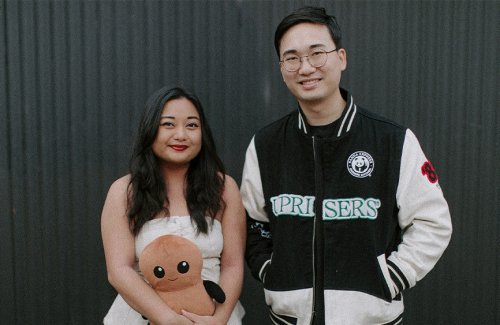
The creative minds behind Tubby Nugget are Joshua Jackson and Jenine Pastores.

Joshua, a skilled director, motion graphics artist, and film editor, has an impressive background working with notable media giants like Netflix, VEVO, and Jubilee Media. Leveraging his artistic expertise, he brings Tubby Nugget to life with vibrant animations and engaging storytelling. As the CEO and co-founder of Nuggetverse Inc., Joshua leads the team with a vision of spreading happiness through their unique content.

Jenine Pastores, the Chief Creative Officer of Nuggetverse, has a rich history as a creative producer and screenwriter, having collaborated with luminaries such as Jon M. Chu and companies like Jubilee Media, Alabaster Co., and VEVO. From a young age, Jenine’s passion for storytelling was nurtured by her love for books and her father’s bedtime stories. Pursuing a degree in screenwriting, she discovered the profound impact of storytelling in connecting people.

The story of Joshua and Jenine’s collaboration begins in 2015 during the Film Fellowship Program at Jubilee Media. Joshua, newly relocated from New Jersey to Los Angeles, met Jenine, who was already pursuing her screenwriting degree in LA. Their partnership started with Joshua directing a film that Jenine was involved in, marking the beginning of a creative journey that would eventually lead to the creation of Tubby Nugget.

Tubby Nugget’s mission is to provide a daily reminder of the importance of self-care and mental health. With a playful and humorous approach, Tubby Nugget encourages fans to embrace their unique selves and find joy in everyday moments.

Listen to the Creators Podcast featuring the creative minds behind Tubby Nugget here.

CONNECT WITH TUBBY NUGGET

Instagram: @tubbynugget

Facebook: Tubby Nugget

Website: tubbynugget.com

Stories

The Rise of Lola’s Fine Hot Sauce From Local Markets to 4000+ Walmart Stores

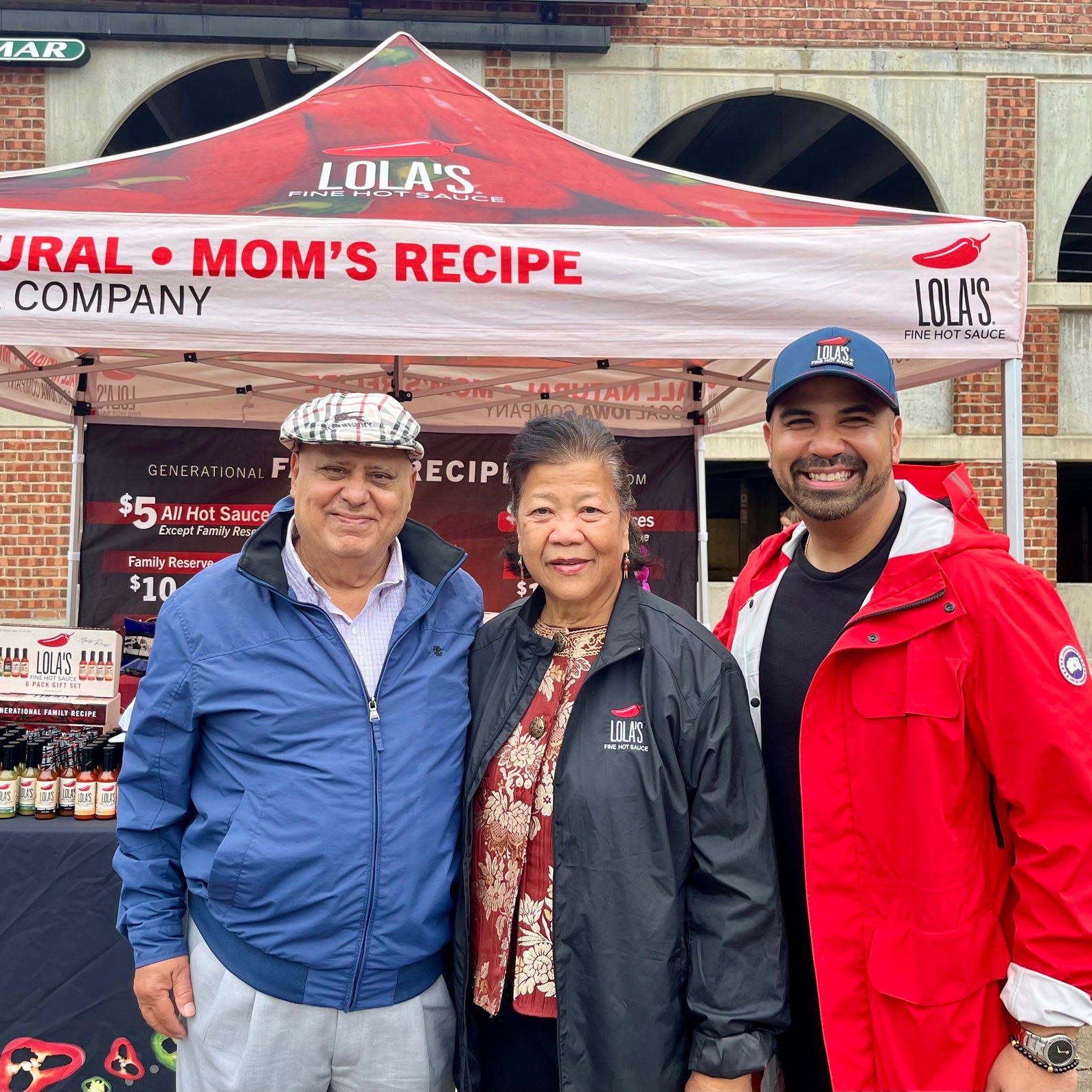
Last year, we had the pleasure of sharing the inspiring story of Taufeek Shah and Lola’s Fine Hot Sauce in the article “The Success Behind The First-Ever National Asian-Filipino-Owned Hot Sauce Brand,” delving into the brand’s multicultural roots and its recipe for success. With a unique blend of Filipino and Pakistani flavors, Lola’s Fine Hot Sauce, founded by Taufeek and his mother, has captured the hearts and taste buds of many across the United States.

Since then, Lola’s Fine Hot Sauce has achieved remarkable growth. From expanding its product line to securing a significant distribution agreement with Walmart, the brand has continued to build on its success.

We had the honor of interviewing their CEO and founder Taufeek Shah once again to discuss the latest updates and achievements of Lola’s Fine Hot Sauce. Join us and get inspired.

I remember when it was just my mom and I selling at farmers markets and now to see her recipes in every Walmart store in America is truly the American Dream.

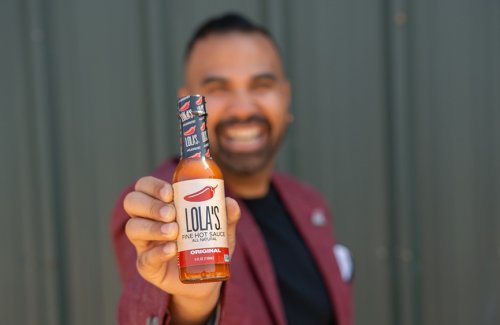
Taufeek Shah, CEO and Founder of Lola’s Fine Hot Sauce

WHAT’S NEW WITH LOLA’S FINE HOT SAUCE

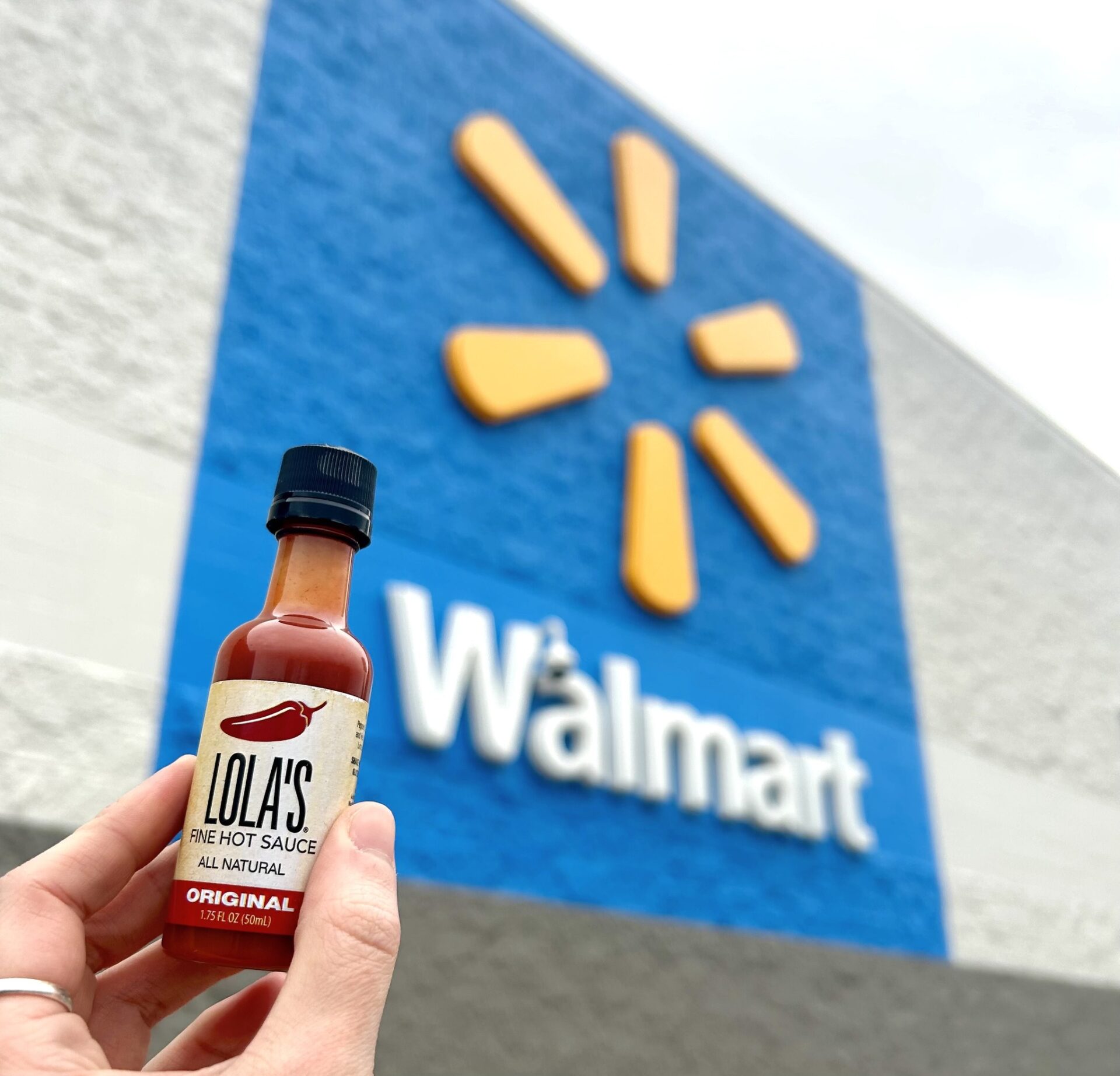
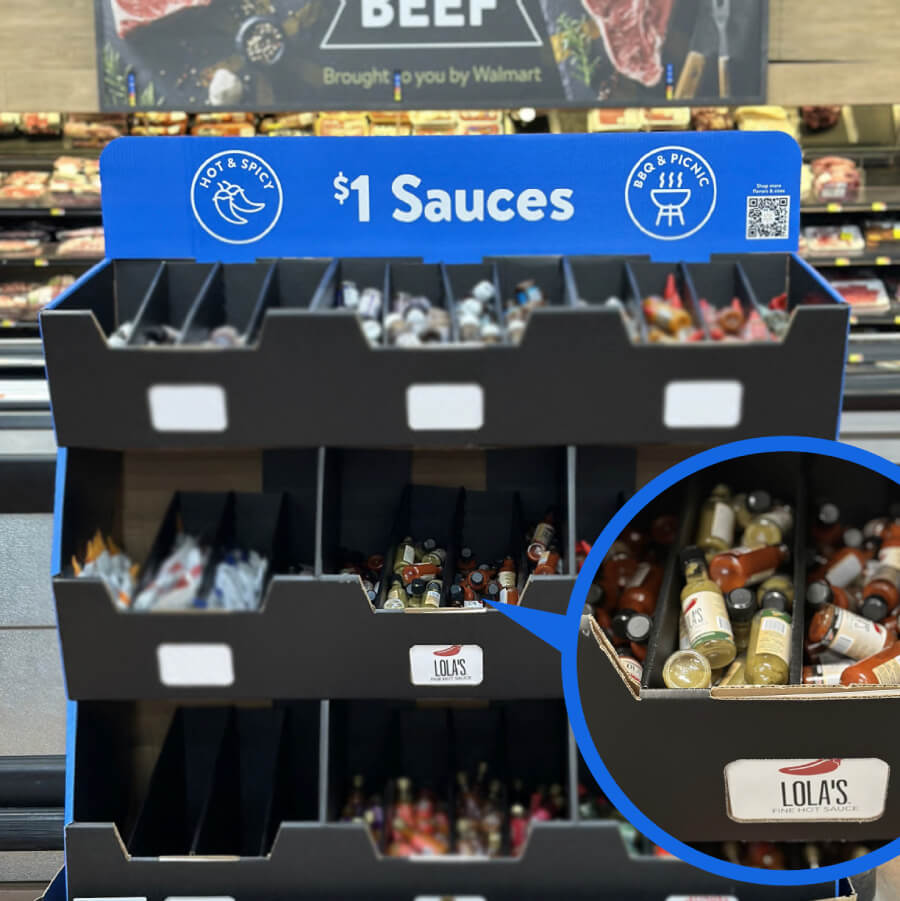
Since last year, Lola’s Fine Hot Sauce has achieved several significant milestones. We’ve expanded our product line by releasing Lola’s Fine Spicy Ketchup and AE Dairy Spicy Party Dip and introduced convenient mini bottles. Our distribution network has grown substantially, highlighted by a major partnership with Walmart: bringing our sauces to over 4,000 stores nationwide.

Product

We’ve also partnered with local farmers, packaging companies, and local supply chains to make sure our products are proudly made in America featuring fresh real all-natural ingredients.  Additionally, we’ve received numerous awards like the Best for Your Pantry Award by Better Homes and Gardens, awards in supplier diversity, and positive reviews, solidifying our reputation for quality and flavor. Overall, our growth and achievements reflect our commitment to bringing not only the best hot sauce but also our family’s recipe hot sauce to our customers while making a positive impact on the community.

HOW IT FEELS TO NOW BE AVAILABLE IN OVER 4000 WALMART STORES

It feels incredibly rewarding and humbling to see our family recipe hot sauces on the shelves of Walmart stores across the country! I remember when it was just my mom and I selling at farmers markets and now to see her recipes in every Walmart store in America is truly the American Dream.  This milestone represents years of hard work and dedication from our entire team, and it’s amazing to see our brand reach such a wide audience.

OVERCOMING PRODUCTION CHALLENGES

One of the major challenges was scaling up production to meet the demand of over 4,000 stores without compromising on quality. We had to streamline our processes, invest in new equipment, partners, and logistics, and ensure our supply chain could handle the increased volume. Great communication and great relationships with our current partners and new partners helped create new jobs within our community and also helped us understand our sauce better. Being all-natural and the amount of pepper/garlic and more that we brought in truly created an all-ships-rise in collaboration.

KEY LEARNINGS ON LARGE-SCALE PRODUCTION AND DISTRIBUTION

We’ve learned the importance of robust logistics and supply chain management. Ensuring that we have a reliable source of ingredients and efficient distribution channels is crucial. We also realized the value of maintaining flexibility in our production processes to adapt to unexpected changes in demand or supply. Additionally, building strong relationships with our retail partners has been essential in facilitating smooth operations.

FEEDBACK FROM THE CUSTOMERS

The feedback has been overwhelmingly positive. Customers love the convenience of our mini bottles, which are perfect for on-the-go use and trying out different flavors without committing to a full-sized bottle. Our expanded product line, including unique flavors like our Green Jalapeno & Serrano along with our coveted Original, has been well-received for its unique tastes with rich garlic nodes and just the right amount of heat and flavor.

LOOKING AHEAD

In the next few years, we aim to expand our product line with new and innovative flavors as well as continue to drive our signature original in both food service and retail. We also have a hot honey launching in the next few days which features a delicious flavor profile that matches our hot sauce with an all-natural honey.

We’re also looking to enter new international markets and increase our presence in existing ones. Another goal is to enhance our online shopping experience, increase direct-to-consumer sales, and expand internationally.

ADVICE FOR OTHER MINORITY-OWNED BUSINESSES

Stay true to your vision and values. Build a strong, dedicated team that believes in your mission. Networking and building relationships within the industry are crucial. Don’t be afraid to seek mentorship. But most importantly hustle – grinding hard and outworking everyone with the belief in your brand or product will get you to where you want to be.

CONCLUSION

We’re excited about the future of Lola’s Fine Hot Sauce and grateful for the support we’ve received from our customers and partners. We’re committed to continuing our journey of delivering high-quality, flavorful family recipe hot sauces while making a positive impact on our community and supplier diversity proudly made in America while staying true to our Filipino/Pakistani roots.

CONNECT WITH LOLA’S FINE HOT SAUCE

Website: lolasfinehotsauce.com

Instagram: @lolasfinehotsauce

TikTok: @lolasfinehotsauce

Facebook: Lola’s Fine Hot Sauce

X: @lolafinehotsauce