Stories

June 23, 2025

SHARE:

For over two decades, the New York Asian Film Festival (NYAFF) has stayed at the forefront of Asian cinema in North America. Going into its 24th year, NYAFF is a project designed to remind the world that Asian cinema is here to stay and thrive, providing platforms for both well-established and rising filmmakers. At the helm of this meaningful festival is Samuel Jamier, a Korean French curator, filmmaker, and consultant whose passion and vision for Asian cinema drive NYAFF forward.

AHN had a chance to interview the talented Jamier on the festival’s inspiration and mission, and the future of Asian American Pacific Islander (AAPI) and Pan-Asian cinema.

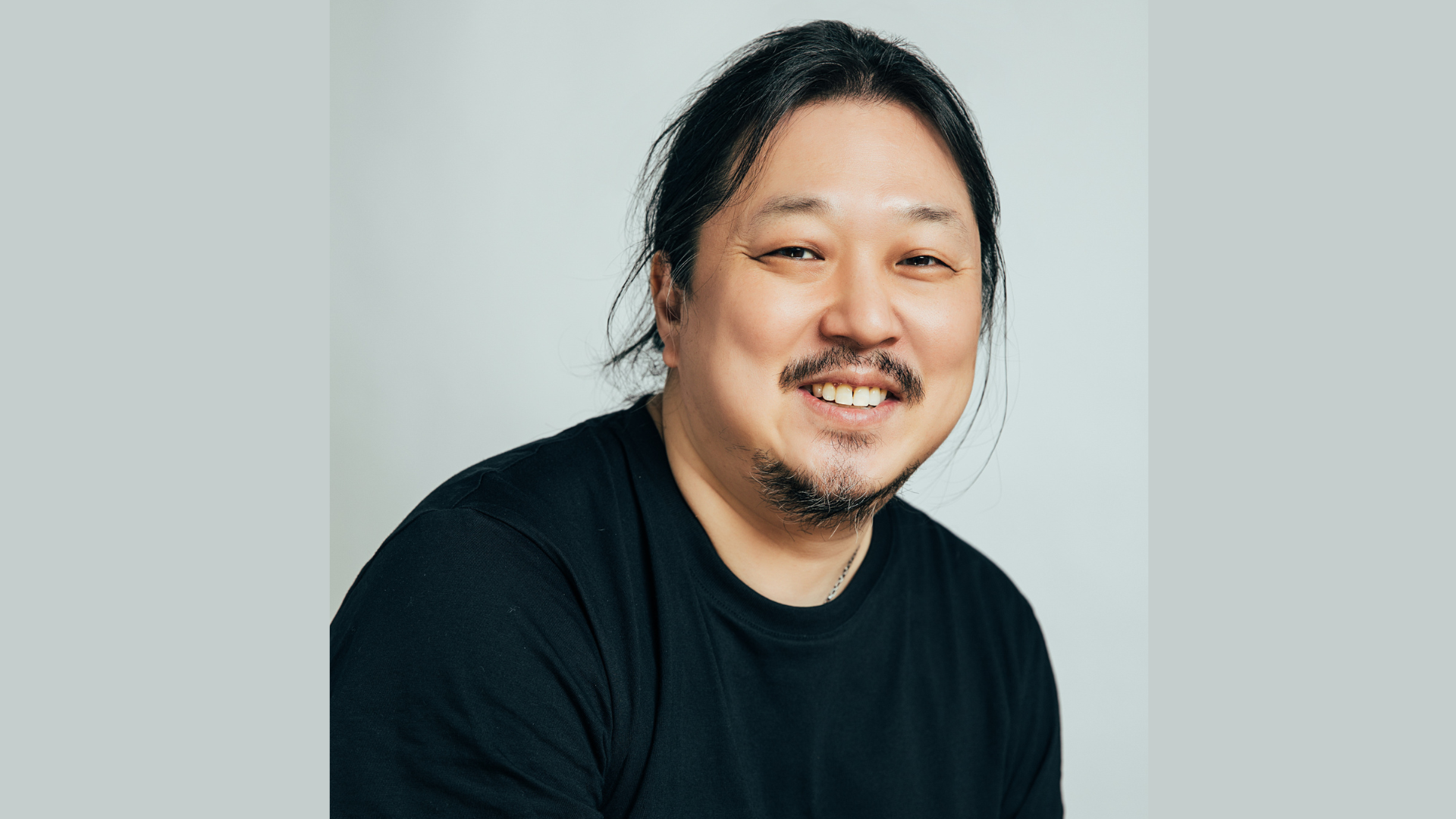
Samuel Jamier | President and Executive Director of the New York Asian Film Festival and Foundation

Bridging Cultures Through Film

Over the course of his well-established career, Jamier has proved himself to be an avid enthusiast for Asian cinema who shows a clear commitment to its artistry and cultural authenticity. Jamier has gone from Chargé de Mission for the Cultural Services of the French Embassy, through his experience working with The Korea Society, The Japan Society, to becoming the guiding force behind NYAFF. 

As a Korean adoptee raised in the idyllic Brittany of northwestern France, it is natural that his journey was one of cultural navigation and a lingering yearning for heritage connections. All this lifelong commitment to Asian cultures made it intriguing to learn where it all began—turns out not all those who wander are lost.

I was always drawn to stories that challenge conventions, that shake you awake in the middle of the night. My inspiration came from literature, philosophy, and cinema—works that make your heart pound and your mind race like you’ve had too much caffeine.

Traveling and living in different countries in my 20s rewired my brain. Experiencing cinema across different cultures made me realize the immense power of storytelling. I was particularly struck by the underrepresentation of Asian narratives in global film industries, which fueled my drive to bridge that gap through my work at NYAFF and beyond.

Jamier, a Korean adoptee raised in France, has dedicated his career to championing Asian cinema and bridging cultural gaps through storytelling.

Leading a “nomadic” life throughout his 20s has reframed his understanding of storytelling, endowing him with the severely underrated power of Asian narratives in global media. That realization has become some sort of a push for him to challenge stereotypes and redefine Western perceptions of Asian cinema beyond just kung-fu flicks and arthouse genres. 

Breaking Barriers for Asian Filmmakers

Hollywood has become a benchmark for world cinema. It only took a few seconds to look up “film classics” on Google, and most of the recommendations would be Hollywood/ Western. As he revealed that one of his greatest challenges lies in “shifting global perceptions of Asian cinema” and “the industry’s gatekeeping,” his answer underscores a limited spotlight on Asian narratives. 

Historically, Western audiences have viewed Asian films through a narrow lens, often limited to action-packed martial arts films or slow, contemplative arthouse works. This raises concerns over “typecasting” Asians in movies and hindering the potential of the world’s largest region. Through NYAFF, Jamier has worked tirelessly to push back these outdated preconceptions and aimed towards a broader, more nuanced appreciation of Asian storytelling.

Jamier is reshaping global views on Asian cinema, breaking stereotypes and opening doors for new voices worldwide.

Jamier has also successfully secured various global distribution deals for Asian filmmakers, shedding light on emerging talents to international audiences. Back in 2020, the pandemic took over New York City, leaving many film festivals canceled and filmmakers struggling. 

Recognizing the urgency and devastating impact, Jamier and his team at NYAFF quickly adapted, launching virtual screenings and digital initiatives to keep Asian cinema in the spotlight. His commitment to dismantling industry gatekeeping and evolving Asian narratives has provided new opportunities for talents from Asia and the diaspora to gain recognition at major festivals and in Hollywood.

A Bridge Between East and West

Through his work at NYAFF and his consultancy firm, SMLX Consulting, Jamier has become a key figure in ensuring cultural authenticity in Hollywood. He never stops encouraging studios, filmmakers, and screenwriters to represent Asians, collectively drawing diverse and respectful depictions of Asian identities in movies. It’s not just about quantity—to Jamier, it’s about both: quality and quantity. 

Beyond curating films, Jamier is about to make his directorial debut with The Huntress, marking his first endeavor in filmmaking. The film, inspired by World War 2, was a powerful manifesto of women’s roles in resistance movements, bringing overlooked histories to the spotlight while challenging conventional war narratives of Southeast Asian stories on screen. His transition from festival curator to director is a testament to his commitment to elevating untold Asian stories on screen. 

The Future of Asian Cinema with New York Asian Film Festival 2025

Recent years have witnessed an interesting spike in Asian media—from K-dramas to anime—Asian cinema is “at an exciting turning point,” he shares. NYAFF remains dedicated to showcasing the depth and innovation of Asian storytelling, and Jamier encourages audiences to explore the incredible films emerging from Asia.

My mission is to bring authentic, compelling Asian stories to the forefront of global cinema. Whether it’s through NYAFF, my consulting work, or my filmmaking, I want to challenge outdated narratives and create new spaces for Asian filmmakers to be recognized and celebrated.

Jamier is championing a new era for Asian cinema, using NYAFF and beyond to spotlight bold, authentic stories and push the industry forward.

Looking ahead, the 24th edition of the New York Asian Film Festival is set to take place from July 11-27, 2025, promising a lineup that further expands the horizons of Asian storytelling. Jamier remains committed to fostering representation and creating new spaces for Asian filmmakers to thrive.

To support NYAFF’s mission and stay updated on the 2025 festival lineup, visit www.nyaff.org.

Related Articles

250428 (2)-jpg

Blogs, Ideas

Turn Clicks Into Customers: 3 Essential Tips With Asian Hustle Solutions

Creating a website is an easy task, but turning the visitors into loyal customers may take more than that. Here are three tips to help you bring in more customers.

Build Trust Fast

“Show, don’t tell.” People are not going to believe you just because you say big words. Actions matter. Include your portfolios, testimonials, or reviews. People buy from brands they trust.

Build your brand symbol.

Capture Leads Immediately

“Seize the moment.” When leads show any initial interest, don’t just sit still and do nothing. Offer them a freebie (discount or resource) in exchange for their email. Stay in touch and build a fun process to guide them towards a purchase.

Capture Leads Immediately

Make Buying Easy

Simplicity is key. Clear calls-to-action, smooth checkout processes, and multiple payment options make it easy for visitors to say “yes.” Don’t expect leads to commit if the purchase process lasts over three working days.

Why Asian Hustle Solutions?

Getting traffic is just the start—we help you turn visitors into loyal customers. With smart strategies, optimized designs, and proven tools, Asian Hustle Solutions empowers your business to grow faster and stronger online.

If you want to learn more about our services, visit the Asian Hustle Solutions website at asianhustlenetwork.com/services/

250423-jpg

Blogs, Development

Search Intent: The Overlooked SEO Metric That Beats Algorithm Updates

Before choosing SEO keywords, you’ve likely considered high-volume terms and difficulty metrics. But to weather never-ending algorithm updates, search intent might be your golden ticket. Here’s why:

Customer Intention

The most critical factor in keyword selection—it ensures your content aligns with what customers actually need (not just what they search).

customer_intention

Relevance

A keyword may be popular but irrelevant to your brand. Focus on phrases that mirror your customers’ pain points and your solution.

relevance

Existing Ranking

Overlapping words can lead to cannibalization. For every new content, use fresh keyword sets to re-optimize existing assets and further align with customer needs.

existing_ranking

Why AHN Solutions?

Matching keywords to customer search intent requires strategy. We craft bulletproof SEO plans to ensure your success.

If you want to learn more about our services, visit the Asian Hustle Solutions website at asianhustlenetwork.com/services/

Luxury Goods

News

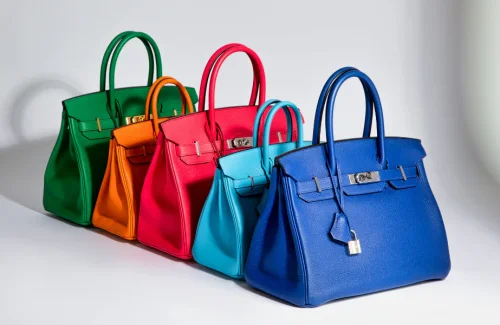
The Price of Perception: What You’re Paying for in Luxury Goods

What makes a luxury product cost so much? The short answer is perceived value. But perception is a fragile thing: it shifts, it evolves, and when it does, things begin to get complicated.

Take a luxury handbag, for example. Whether it’s Gucci, Prada, Louis Vuitton, or Hérmes, many of us are willing to spend thousands for that one beautifully crafted accessory. Why? Because we associate these brands with European sophistication, centuries of artisanal craftsmanship, and impeccable quality. We buy more than a bag; we buy into a story.

Now, imagine buying a bag labeled Made in China. If it’s affordable, you might not care. But if it has a luxury price tag? You might pause. The label alone could influence how you value the item.

The kicker is: Remember the bag you treasure from your favorite luxury brand? Based on the claims of factory workers and viral TikTokers, many high-end luxury products are manufactured in China, then shipped to Europe, to be relabeled and sold as European-made.

This controversial debate has sent the internet into a tailspin, asking: Are we paying for craftsmanship or the illusion of origin?

This is where soft power comes into play. It shapes how we see the world. We look at Hollywood movies and see the U.S. as a place filled with great dreams. We see the beautiful K-pop stars and K-drama idols, and we want Korean beauty products to fulfill our desire to be pretty like them. Customers don’t crave an expensive handbag because it’s objectively better; they buy it because of what luxury products emotionally and symbolically mean to them.  

But in the wake of trade wars and rising consumer awareness, people are beginning to question the true value behind the price tag. Is it about where the product is made, or where we believe it’s made?

Whether this TikTok trend is a fleeting controversy or a wake-up call, one thing is certain: when perception changes, so do buying habits. And that could reshape the entire future of an industry.

https://www.tiktok.com/@sen.bags_/video/7494196205917097262?q=made%20in%20china&t=1745296877126
grateful-being-me-cover-jpg

Stories

How Deena Kong Is Rewriting Representation in Children’s Literature

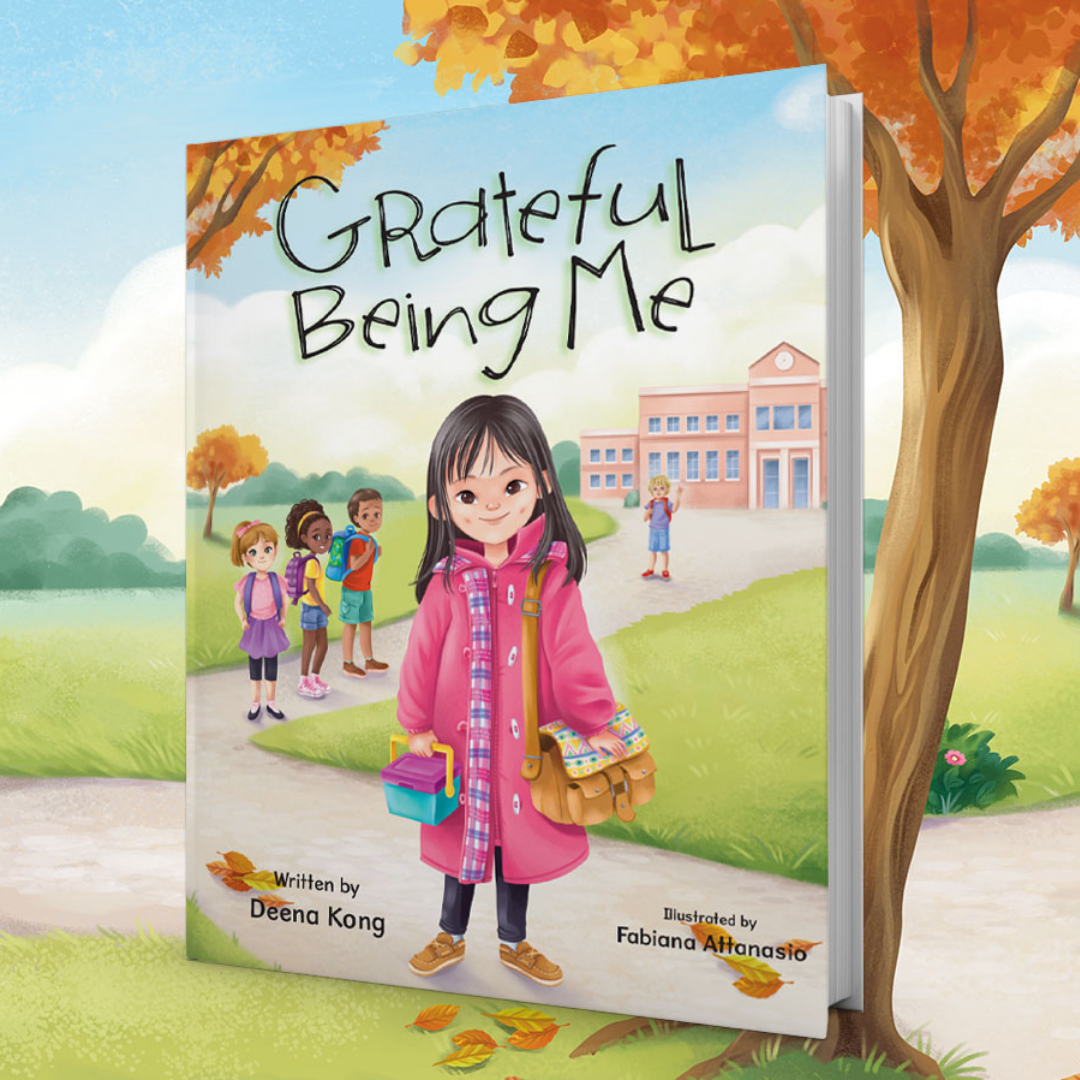
Growing up Cambodian in North America, Deena Kong often felt invisible—a feeling that followed her from Canada to the U.S. and ultimately inspired her to write Grateful Being Me, a book to help children understand representation matters.

Deena Kong with her book Grateful Being Me (Photographed By: Jamie Sutera)

Seeing Herself in Stories

Growing up Cambodian in North America, Deena often felt invisible. 

“I truly believed as a child that no one else could relate to these feelings I was experiencing,” she shares. “That’s why I wanted to share my story with others.” 

Raised by supportive parents, Deena became a passionate reader, ultimately leading her to create a book that would help children from similar backgrounds see themselves represented.

“Representation matters,” Deena explains. “When a child wanders through a library or bookstore, they should be able to find themselves in the stories and pictures. I hope Grateful Being Me encourages self-acceptance, celebrates diversity, and promotes inclusion by empowering children to connect with one another.”

Grateful Being Me (Photographed By: Jamie Sutera)

The Making of Grateful Being Me

Finding time to write proved challenging while working full-time as a Government Contractor in Ethics & Compliance and raising a family. Yet Deena’s determination to promote diversity and inclusion kept her going until her book was ready for publication.

“Modeled after my real-life experiences, this book follows a young girl named Rosila on her adventure in an unfamiliar place,” Deena says proudly. 

The story chronicles Rosila’s first day at a new school in a new country, where she discovers what makes her unique and learns the power of self-love.

“Rosila’s first language isn’t English, so her vocabulary stands out,” Deena notes. “She brings ethnic foods that seem unusual compared to typical American cafeteria lunches. The story captures her nervousness about how classmates will react as she navigates this new environment and makes friends.”

Through Grateful Being Me, Deena offers a powerful tool to help children understand they belong anywhere. The book thoughtfully explores the complex emotions children face when encountering unfamiliar situations, ultimately showing them that their uniqueness is something to be celebrated.

Connect

Instagram: @bydeenakong

Website: Deena Kong

Purchase your copy of Grateful Being Me on Amazon, Barnes & Noble, Walmart, or Books-A-Million.