Stories

August 17, 2023

SHARE:

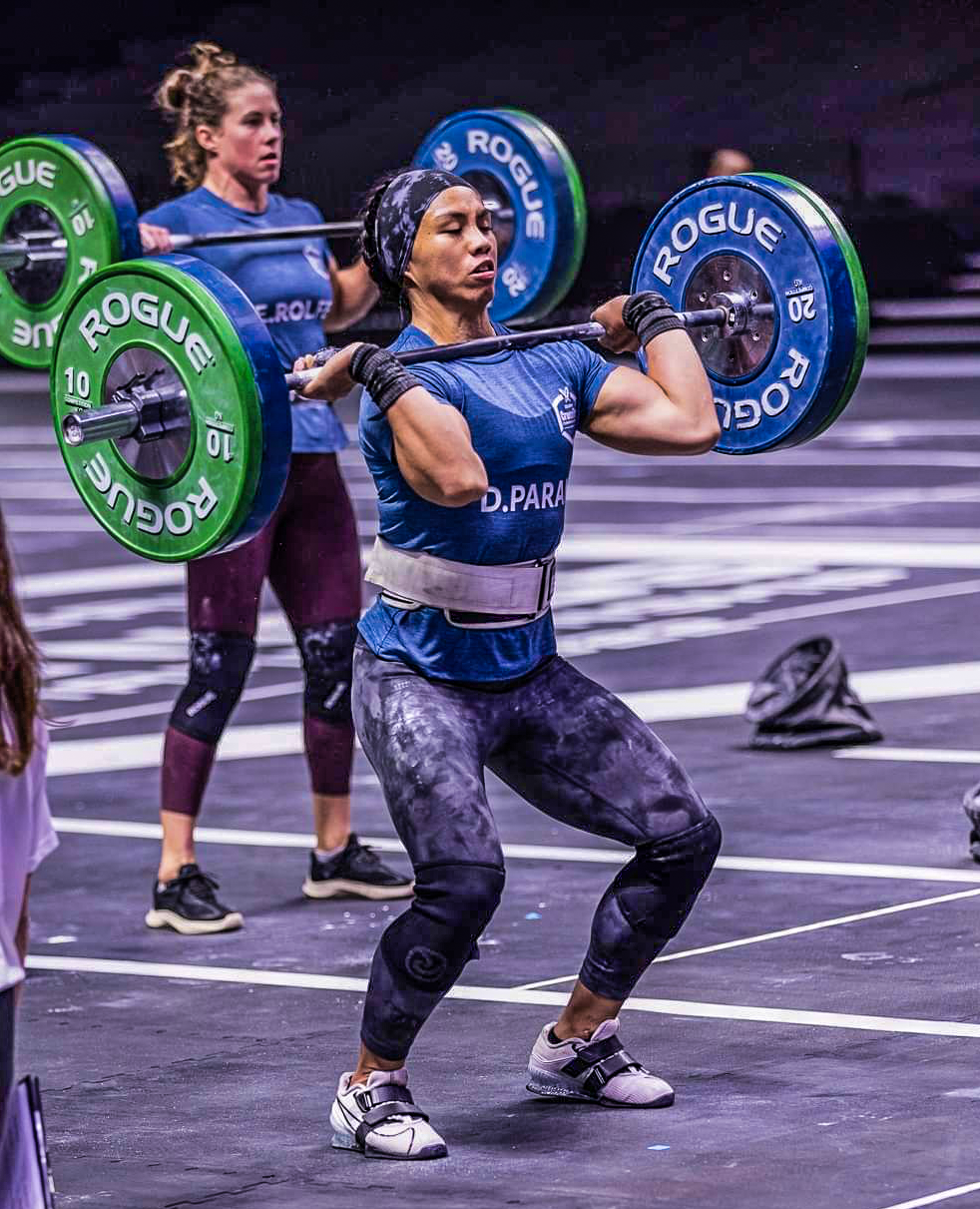
Meet Dana Paran, a Filipino-American athlete who has broken down stereotypes and redefined what it means to be a CrossFit champion. Dana’s path, as one of the first people from her background to make her imprint on the global scene, is a powerful symbol of dedication and diversity.

Dana’s path to success is paved with sacrifices that reflect her unwavering commitment, including a daily routine that revolves around rigorous training, meticulous nutrition, and forsaking ordinary celebrations in pursuit of greatness.

Through an exclusive AHN interview with Dana, we witness not just a remarkable athlete, but a true advocate for change and a trailblazer for a more diverse and inclusive future in sports.

Join us as we discover more about her journey in the world of CrossFit.

HOW DOES IT FEEL TO REPRESENT THE PHILIPPINES AND ASIAN ATHLETES IN THE WORLD OF CROSSFIT?

Mixed emotions. I feel very privileged and extremely proud to represent the Philippines as one of the first Fil-American athletes – the fact that I am one of the first points out the lack of DEI (diversity – equity – inclusion) in the sport.

Representation matters. Seeing professional athletes that represent minorities is crucial for aspiring athletes. I hope that I can inspire Filipino/AAPI/Asian athletes to continue to break stereotypes.

COULD YOU SHARE A SPECIFIC INSTANCE WHERE YOU HAD TO MAKE A SIGNIFICANT SACRIFICE TO PURSUE YOUR GOALS?

Honestly, from the outside looking in, my entire career is one overarching ‘sacrifice.’ My daily activities are all dictated by the fact that I need to be able to train for 5-8 hours, fuel my body to sustain my training, and get enough rest and recovery to do it all again when I wake up.

For now, I miss out on celebrating weddings, date nights, vacations, and holidays all in the pursuit of greatness. On the days that my motivation battery is at 0, I am able to lean on the fact that all of the elements of my training are not actually a ‘sacrifice,’ but a temporary expenditure for tomorrow’s success. 

AS AN ATHLETE WHO HAS COMPETED IN VARIOUS INTERNATIONAL CHAMPIONSHIPS, HOW DO YOU APPROACH THE MENTAL AND EMOTIONAL ASPECTS OF COMPETITION?

“Have courage” is a mantra I repeat to myself in moments of doubt – whether I am training or before the 3-2-1 countdown in competition. To me, having courage means having strength in the face of something that frightens me, hardships, or adversity.

It’s an affirmation to myself that “I belong here & I believe in myself.”

WHAT ARE SOME OF THE CHALLENGES YOU HAVE FACED IN FINDING SUPPORT IN A SPORT WITH LIMITED SPONSORSHIP OPPORTUNITIES FOR ATHLETES LIKE YOU?

CrossFit is a niche sport and Asian brands actively marketing in the CrossFit space seem close to non-existent. I have tried to branch out to brands that market to the general ‘fitness’ industry but have been met with little interest on their end for partnerships. 

While it is discouraging to be rejected, I am hopeful that a “no” today will become a “yes” tomorrow. The reality is every competition I go to I have Asian spectators approach me to say how special it is to see themselves in an Elite athlete. I am hopeful that, as we show that we belong in CrossFit, Asian athletes will have many opportunities to align with brands that mirror who they are.

AS YOU AIM TO ELEVATE YOUR ATHLETIC CAREER TO NEW HEIGHTS, WHAT ARE SOME OF THE GOALS YOU HAVE SET FOR YOURSELF?

The CrossFit Games is the biggest and final stage in our sport.

Only the fittest of the fittest in the world qualify and it is an amazing opportunity to showcase what got you there in the first place. As I work towards that opportunity, I have been sure to ‘stay in my lane,’ recognizing the aspects of my training that are conducive to success and tailoring my training, recovery, and the people around me to ensure that I’m moving forward. 

While competing at the Games (and other Elite level competitions, such as the Rogue Invitational) is an athletic goal, another of my goals will always be encouraging diversity in the sport & making fitness inclusive to those who have historically felt unwelcome. I am actively networking with individuals and brands that align with my purpose to amplify that message. 

WHAT IS THE MOST IMPORTANT PIECE OF ADVICE YOU WOULD GIVE TO ANYONE PURSUING THEIR PASSIONS, WHETHER IT BE IN SPORTS OR ANY OTHER FIELD?

Being successful doesn’t have to come at the expense of your well-being. As a society, we have accepted that drops in physical health should be attended to, but mental health is overlooked or ignored.

I’ve realized that protecting your peace & knowing when to take a step back to “refill your own cup” is incredibly important. You cannot push through with an empty cup & it’s okay to acknowledge that you need to rest and recover in order to keep moving forward.

CONNECT WITH DANA

Instagram: @dvnveverest

Facebook: Dana Paran
Related Articles

1-jpg

Stories

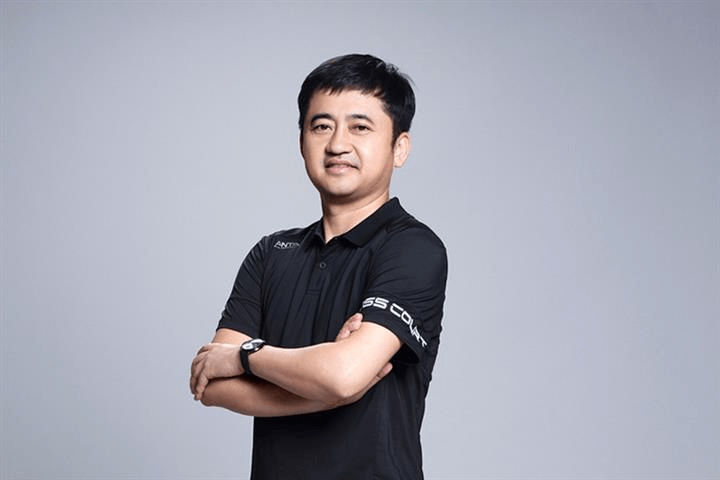
How China’s Anta Became Puma’s Largest Shareholder and the World’s No. 3 Sportswear Giant Behind Nike and Adidas

China’s Anta Sports is making a bold global move, stepping beyond its home market with a major investment in Puma.

The company acquired a 29 percent stake in the German sportswear brand in a $1.8 billion deal, becoming Puma’s largest shareholder.

This signals Anta’s growing ambition to compete head-to-head with the biggest names in the global sportswear industry.

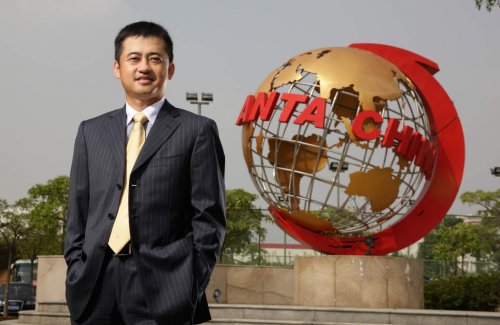
Image Source: Yicai Global

From Small Workshop to Global Brand

Anta’s journey began in 1986 when founder Ding Shizong, a high school dropout from Fujian, borrowed 10,000 yuan from his father to start reselling shoes. After quickly turning a profit, he reinvested his earnings and built a small manufacturing workshop. This early hustle laid the foundation for what would become one of China’s biggest sportswear companies.

By 1991, Anta had officially launched its own brand and began expanding across China. Over time, the company focused on scaling production, improving product quality, and building strong local distribution. These efforts helped Anta grow from a small business into a global brand with a strong foothold in the sportswear market.

Image Source: CGTN

Competing With the World’s Biggest Brands

Today, Anta controls around 23 percent of China’s sportswear market, surpassing both Nike and Adidas within the country. Its dominance at home has helped fuel its rise on the global stage, where it now ranks as the third-largest sportswear company. This growth reflects both strong local demand and strategic expansion beyond China.

Founder Ding Shizong has made it clear that Anta’s vision goes beyond being a regional leader. Rather than becoming the “Nike of China,” he aims to build what he calls the “Anta of the world.” With its recent investment in Puma, the company is taking a major step toward that goal and solidifying its place among the industry’s global giants.

image-png

News

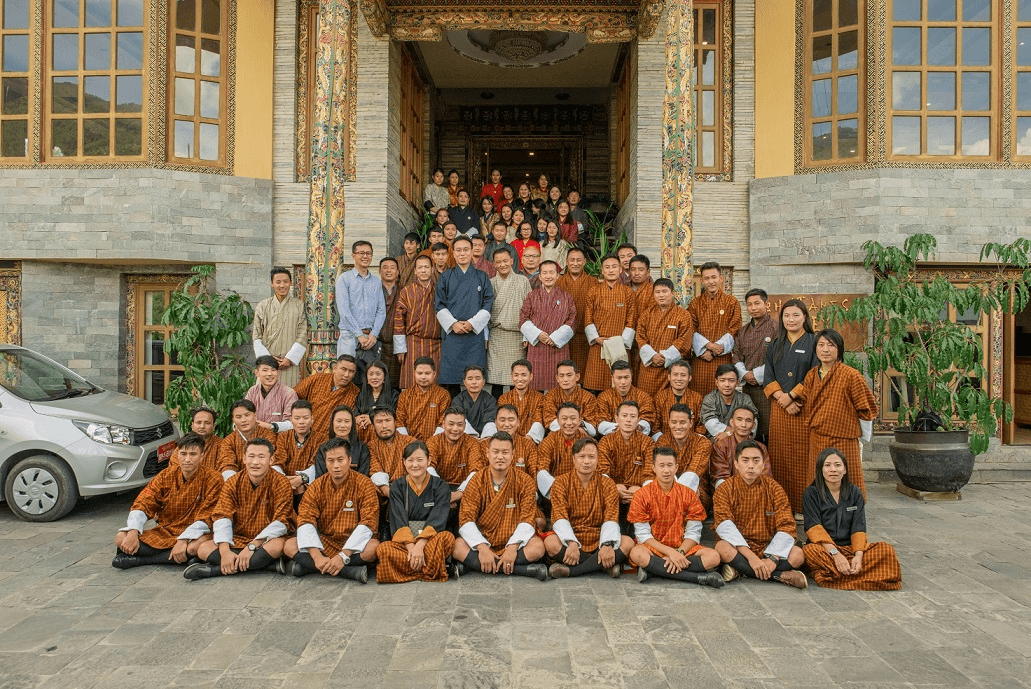
Why Bhutan is the Smartest Place for Founders and Entrepreneurs to Reset in 2026

Most founders today are running on packed schedules but feeling mentally drained, and burnout is quietly becoming part of the routine.

When everything feels urgent, there is barely any space left to think — and decisions made from pressure rarely lead anywhere worth going.

That is exactly where Bhutan comes in. Its slower pace and untouched stillness create the kind of environment that gives ambitious minds the room to pause, reflect, and return with sharper focus.

The Philosophy That Reframes Success

Bhutan approaches progress differently, placing equal importance on well-being and growth. Through its Gross National Happiness framework, the country measures success beyond economic output, and recent data shows that over 93% of the population falls within the happiness gradient. This perspective is not theoretical, it is reflected in how people live and make decisions every day.

You start to notice it in small but meaningful ways, like how conversations are not rushed and how people are fully present. There is a steady rhythm to daily life that feels intentional rather than pressured. That alone creates a different kind of mental space.

For founders and entrepreneurs, being in that environment naturally raises questions about what really drives their decisions. It becomes easier to see how much of leadership is shaped by urgency rather than purpose. That shift in awareness is often where real clarity begins.

The Travel Model That Guards Your Headspace

Bhutan keeps tourism at a manageable level, which helps protect both the experience and the environment. In 2025, the country welcomed nearly 210,000 visitors, a number that is intentionally kept low compared to other destinations. As a result, places feel calm and never overcrowded.

There is also a Sustainable Development Fee of about USD 100 per night, which supports conservation and local communities. This approach ensures that tourism grows in a way that does not take away from what makes Bhutan special. It also sets the tone for a more thoughtful way of traveling.

Because of this model, the pace of each trip feels more balanced and unhurried. Days are not tightly packed, which gives you time to take in each experience without feeling rushed. For founders and entrepreneurs, that space often becomes the most valuable part of the journey.

The Environment That Resets How You Think

Bhutan’s landscapes make it easy to slow down without trying too hard. In places like the Phobjikha Valley, the wide open views and quiet surroundings create a sense of calm that is hard to find elsewhere. Even visiting Tiger’s Nest requires a steady climb, which naturally shifts your pace and focus.

There is no constant noise pulling your attention in different directions. Instead, the stillness gives your mind room to settle and process things more clearly. It is often in these quiet moments that new ideas begin to form.

Over time, you notice a change in how you think and respond to things. Decisions feel less rushed and more intentional, which is something many founders and entrepreneurs struggle to achieve in their usual environment. By the end of the trip, the reset feels real and something you can carry with you.

If you are looking for a reset that goes beyond rest and actually changes how you think, explore Bhutan with Druk Asia here:

📍Website

unnamed-png

Stories

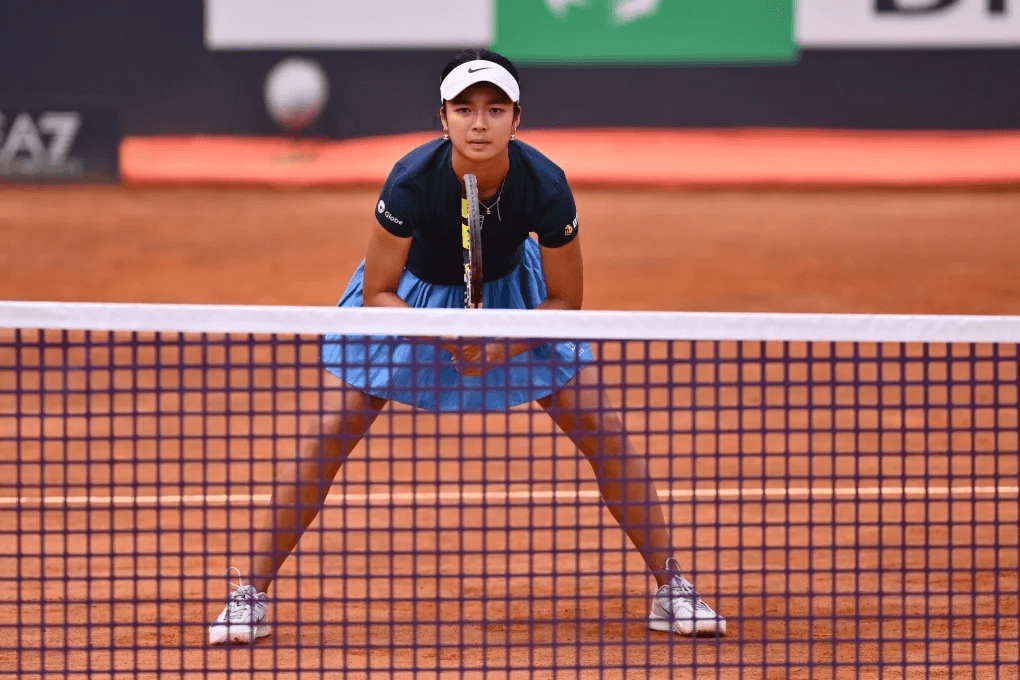
The Journey of 20-Year-Old Alex Eala to the WTA Top 50 After Taking Down the Biggest Names in Women’s Tenn

At just 20 years old, Alex Eala is emerging as one of the most exciting new forces in women’s tennis. The Filipina athlete has captured global attention after defeating some of the sport’s most established champions.

In a sport historically dominated by Western powers, Eala’s rapid climb is a major milestone for Asian representation in tennis. Her growing success signals a shift in the global landscape of the sport.

Image Source: SCMP

A Breakthrough That Turned Heads in Miami

Eala’s breakthrough moment came at the 2025 Miami Open, where she entered the tournament as a wildcard. Few expected the young Filipina to make a deep run, but she quickly stunned the field with a series of commanding victories.

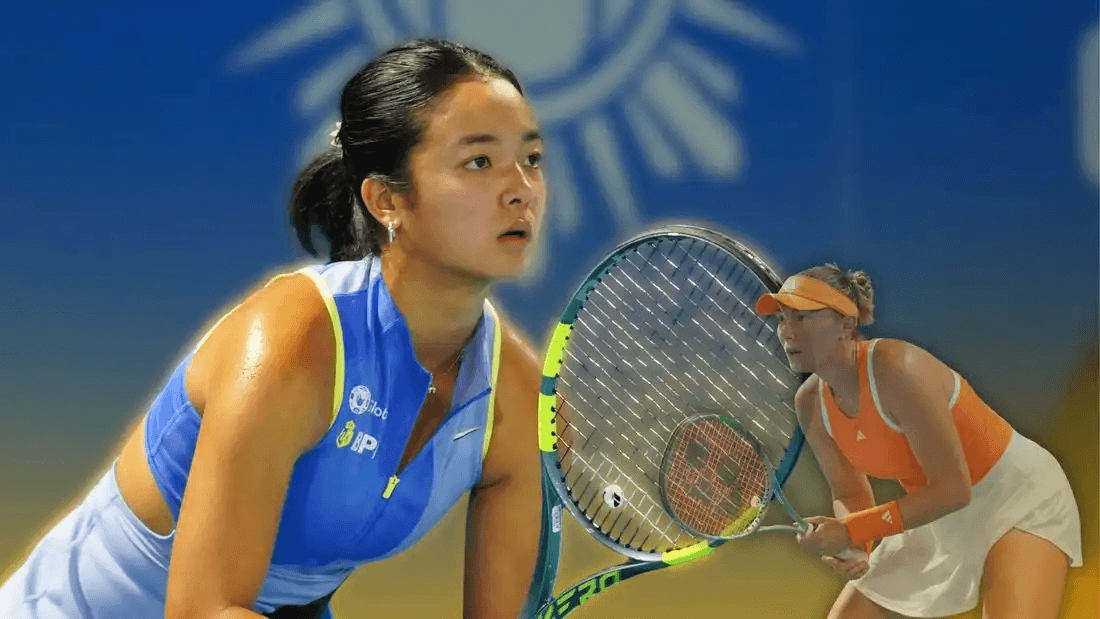
During the tournament, Eala defeated multiple Grand Slam champions, including Iga Świątek, Madison Keys, and Jeļena Ostapenko. She later added a win over Coco Gauff, further proving she could compete against the very best in the sport.

Her run to the semifinals became one of the biggest stories of the tournament. It pushed her ranking into the WTA Top 100 and introduced her to a much wider global audience.

Image Source: DZRH

Climbing Into the WTA Top 50

Following her breakout performance, Eala continued to build momentum throughout the season. Strong results in several tournaments helped her steadily climb the rankings and establish herself among the sport’s rising contenders.

By the end of the year, Eala officially entered the WTA Top 50, becoming the first Filipina player to reach that milestone. The achievement marked a historic moment not only for Philippine tennis but also for Southeast Asian representation in the sport.

More than just a personal accomplishment, her rise is inspiring a new generation of young athletes across Asia. As she continues to compete on the world stage, Alex Eala’s journey shows how talent, discipline, and opportunity can reshape the future of global tennis.

unnamed-jpg

Stories

The Spirit of a Fighter: How Stepping Into a Muay Thai Ring Changed the Way Alice Shikina Works as a Mediator and Negotiation Trainer

The first time Alice Shikina stepped into a Muay Thai ring, the moment felt bigger than the fight itself. The gloves were heavy, but what weighed more was everything she had been carrying in the months before.

She was in her late thirties, newly divorced, and raising two young children on her own. Her kids were just two and five years old, and the life she had carefully built no longer looked the same.

At the same time, she was trying to establish herself as a mediator and build her own business from the ground up. She didn’t know it yet, but the self-trust she was about to forge in that ring would become the foundation of how she led others through their own conflicts.

The Fight Before the Fight

Kickboxing began as a way to cope during a season that felt completely overwhelming. It gave Alice a physical outlet when her thoughts wouldn’t quiet down and her emotions felt too heavy to carry.

A few months later, Alice’s coach asked if she would consider competing. The idea unsettled her because she had never fought before and had never faced someone trained to strike back. For two months, she wrestled with the decision. What frightened her most was not losing, but the possibility of doubting herself under pressure.

When she finally committed, her routine became disciplined and demanding. She trained three hours a day, carving out time in the early mornings and late evenings while continuing to care for her children and grow her work.

The night before her first fight in Iowa, a coach told her that the real fight was already over because it happened during the grueling months of preparation. Once she realized that, her nerves calmed and a quiet steadiness took over. Even as she approached the ring to step in and fight, she felt unusually calm. She didn’t win that match, but she stayed on her feet until the final bell, and for a woman rebuilding her life, that was more than enough.

What the Ring Taught Her About Pressure

Alice went on to fight three more times. Afterwards, Alice turned her sights to competing in triathlons and even placed first in her age group at the Alcatraz Duathlon. While the medals were nice, the real reward was the quiet discipline she built through the discomfort of training.

She came to understand that fear does not simply fade with time. It softens only when you decide to move toward it.

She also learned that preparation changes how you carry yourself in difficult moments. When you put in the work, you stand differently, breathe more steadily, and think more clearly under pressure.

Today, those lessons shape how she sits with couples navigating divorce and teams facing workplace conflict. When emotions rise and conversations begin to unravel, she remains steady, drawing on the same discipline that once kept her composed in the ring.

Building Her Practice on Her Own Terms

Alice now runs Shikina Mediation and Arbitration full-time, helping divorcing couples, families, and organizations reach agreements they once thought were out of reach. Most clients come to her when communication has broken down and trust feels fragile.

Early in her career, she tried building her business by networking with attorneys, but quickly saw the bias against non-attorney mediators in a field long dominated by older white men. Instead of forcing herself into a system that did not fully welcome her, she shifted her focus to working directly with couples and workplace clients, growing her practice into a thriving full-time business over the past decade. In 2025, Alice was awarded the prestigious Raymond Shonholtz Visionary Peacemaker Award by San Francisco’s Community Boards.

Her work has expanded beyond the mediation room. She hosts the podcast, Negotiation with Alice, now over 100 episodes strong. She authored the book Negotiating with Your Kids, and continues to teach communication and conflict resolution to executives and C-Suite staff. As a second-generation Okinawan American whose parents survived the Battle of Okinawa as children, resilience runs deep in her story. 

Nothing in business, she says, will ever feel as intimidating as stepping into a ring to face an unknown opponent. In that ring, she rebuilt her confidence. At the mediation table, she now helps others rebuild their lives with clarity, courage, and peace.

Discover more from Alice Shikina here:

📍LinkedIn

Learn more about Shikina Mediation and Arbitration here:

📍Facebook

📍Website