Stories

August 17, 2023

SHARE:

Meet Dana Paran, a Filipino-American athlete who has broken down stereotypes and redefined what it means to be a CrossFit champion. Dana’s path, as one of the first people from her background to make her imprint on the global scene, is a powerful symbol of dedication and diversity.

Dana’s path to success is paved with sacrifices that reflect her unwavering commitment, including a daily routine that revolves around rigorous training, meticulous nutrition, and forsaking ordinary celebrations in pursuit of greatness.

Through an exclusive AHN interview with Dana, we witness not just a remarkable athlete, but a true advocate for change and a trailblazer for a more diverse and inclusive future in sports.

Join us as we discover more about her journey in the world of CrossFit.

HOW DOES IT FEEL TO REPRESENT THE PHILIPPINES AND ASIAN ATHLETES IN THE WORLD OF CROSSFIT?

Mixed emotions. I feel very privileged and extremely proud to represent the Philippines as one of the first Fil-American athletes – the fact that I am one of the first points out the lack of DEI (diversity – equity – inclusion) in the sport.

Representation matters. Seeing professional athletes that represent minorities is crucial for aspiring athletes. I hope that I can inspire Filipino/AAPI/Asian athletes to continue to break stereotypes.

COULD YOU SHARE A SPECIFIC INSTANCE WHERE YOU HAD TO MAKE A SIGNIFICANT SACRIFICE TO PURSUE YOUR GOALS?

Honestly, from the outside looking in, my entire career is one overarching ‘sacrifice.’ My daily activities are all dictated by the fact that I need to be able to train for 5-8 hours, fuel my body to sustain my training, and get enough rest and recovery to do it all again when I wake up.

For now, I miss out on celebrating weddings, date nights, vacations, and holidays all in the pursuit of greatness. On the days that my motivation battery is at 0, I am able to lean on the fact that all of the elements of my training are not actually a ‘sacrifice,’ but a temporary expenditure for tomorrow’s success. 

AS AN ATHLETE WHO HAS COMPETED IN VARIOUS INTERNATIONAL CHAMPIONSHIPS, HOW DO YOU APPROACH THE MENTAL AND EMOTIONAL ASPECTS OF COMPETITION?

“Have courage” is a mantra I repeat to myself in moments of doubt – whether I am training or before the 3-2-1 countdown in competition. To me, having courage means having strength in the face of something that frightens me, hardships, or adversity.

It’s an affirmation to myself that “I belong here & I believe in myself.”

WHAT ARE SOME OF THE CHALLENGES YOU HAVE FACED IN FINDING SUPPORT IN A SPORT WITH LIMITED SPONSORSHIP OPPORTUNITIES FOR ATHLETES LIKE YOU?

CrossFit is a niche sport and Asian brands actively marketing in the CrossFit space seem close to non-existent. I have tried to branch out to brands that market to the general ‘fitness’ industry but have been met with little interest on their end for partnerships. 

While it is discouraging to be rejected, I am hopeful that a “no” today will become a “yes” tomorrow. The reality is every competition I go to I have Asian spectators approach me to say how special it is to see themselves in an Elite athlete. I am hopeful that, as we show that we belong in CrossFit, Asian athletes will have many opportunities to align with brands that mirror who they are.

AS YOU AIM TO ELEVATE YOUR ATHLETIC CAREER TO NEW HEIGHTS, WHAT ARE SOME OF THE GOALS YOU HAVE SET FOR YOURSELF?

The CrossFit Games is the biggest and final stage in our sport.

Only the fittest of the fittest in the world qualify and it is an amazing opportunity to showcase what got you there in the first place. As I work towards that opportunity, I have been sure to ‘stay in my lane,’ recognizing the aspects of my training that are conducive to success and tailoring my training, recovery, and the people around me to ensure that I’m moving forward. 

While competing at the Games (and other Elite level competitions, such as the Rogue Invitational) is an athletic goal, another of my goals will always be encouraging diversity in the sport & making fitness inclusive to those who have historically felt unwelcome. I am actively networking with individuals and brands that align with my purpose to amplify that message. 

WHAT IS THE MOST IMPORTANT PIECE OF ADVICE YOU WOULD GIVE TO ANYONE PURSUING THEIR PASSIONS, WHETHER IT BE IN SPORTS OR ANY OTHER FIELD?

Being successful doesn’t have to come at the expense of your well-being. As a society, we have accepted that drops in physical health should be attended to, but mental health is overlooked or ignored.

I’ve realized that protecting your peace & knowing when to take a step back to “refill your own cup” is incredibly important. You cannot push through with an empty cup & it’s okay to acknowledge that you need to rest and recover in order to keep moving forward.

CONNECT WITH DANA

Instagram: @dvnveverest

Facebook: Dana Paran
Related Articles

Founder-Images_3-2-scaled-jpg

Stories

Singapore’s Snack Revolution: How The Golden Duck Turned Salted Egg Yolk Into a Premium Global Phenomenon

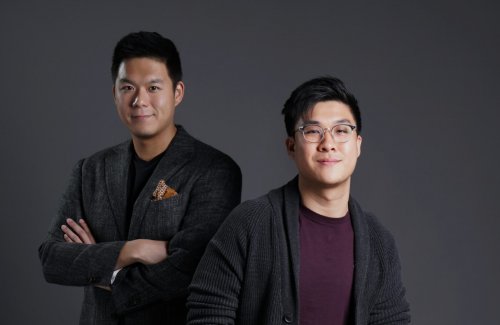
Chris Hwang (left) and Jonathan Shen (right) – founders of The Golden Duck

Growing up with Asian snacks like salted egg yolk chips meant savoring flavors that felt both comforting and unforgettable. Yet when Jonathan Shen and Chris Hwang turned their eyes to the global market, they saw a different reality: these beloved treats were undervalued, underpriced, and largely overlooked by international consumers.

Back in 2015, Singapore’s FMCG market was crowded, dominated by established Western brands. Asian flavors were largely seen as niche, affordable snacks rather than premium products you’d gift or showcase in events.

Jonathan and Chris quickly recognized a gap: millennial consumers craved adventurous, culturally rooted flavors, but no brand was presenting them in a way that made people proud to share them.

They founded The Golden Duck with a vision to elevate Asian snacking to a globally aspirational experience.

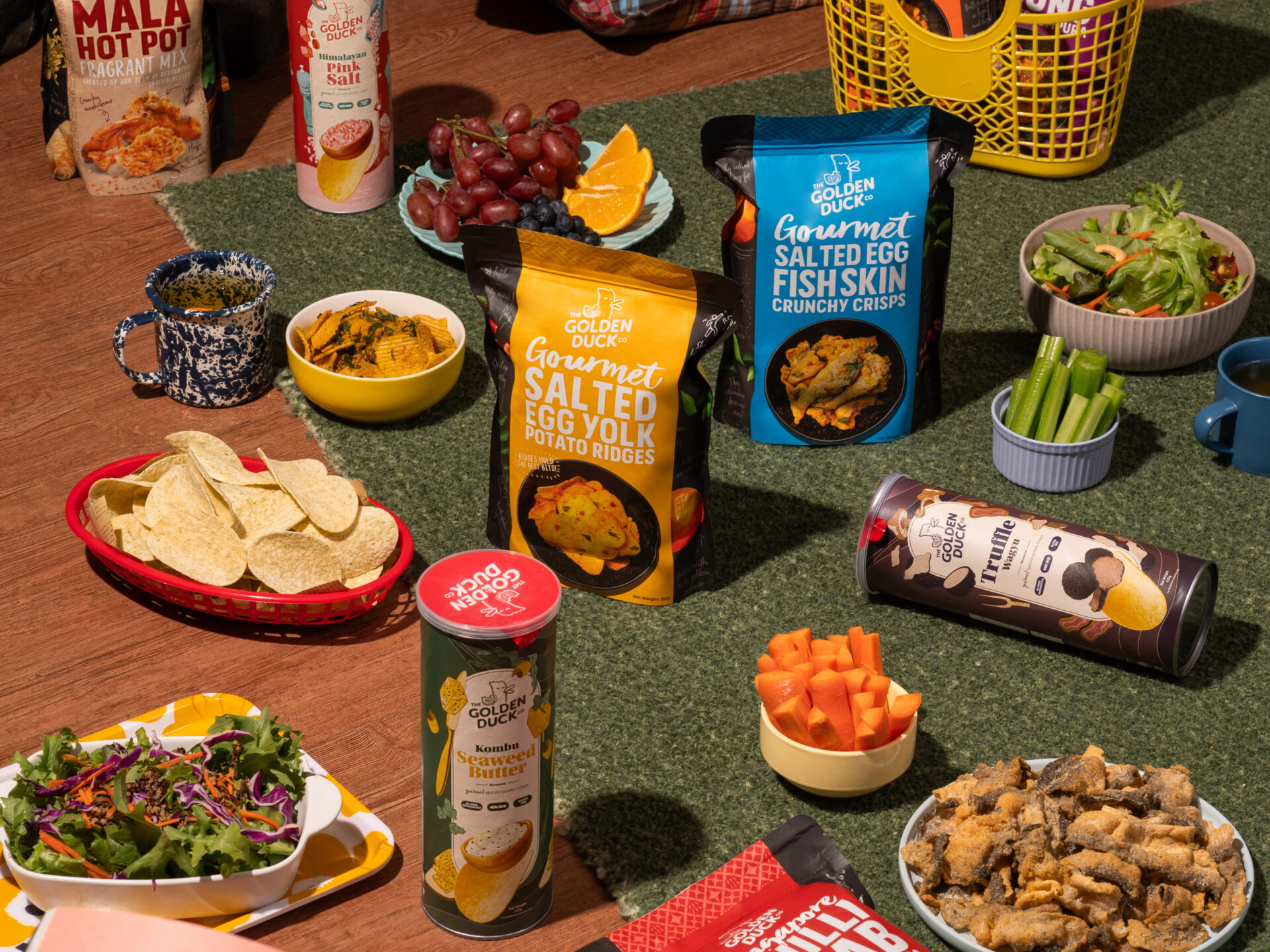
Today, The Golden Duck has sold over 20 million packs worldwide, and is stocked in 650+ Woolworths and Metro stores.

How It Began: Inspiration from a Familiar, Unlikely Flavor

Jonathan Shen and Chris Hwang didn’t start with a massive budget or fancy offices. What they had was complementary expertise, and a shared passion for snacks. 

Jonathan, with a keen eye for branding and marketing, looked at salted egg yolk and asked: what if salted egg yolk could feel luxurious? 

While ubiquitous in Asia, it was rarely found outside hawker stalls or home-cooked dishes.

Chris, a stickler for quality and craftsmanship, understood that getting the recipe and packaging right could make all the difference.

When it launched, crowds queued for hours, wanting to get their hands on chips that tasted like home but looked like luxury. The Golden Duck’s Salted Egg Yolk later earned Jonathan & Chris recognition on Forbes 30 Under 30 Asia.

How It Went: Bold Flavors, Relentless Hustle

Entering a competitive FMCG market without big funding meant bootstrapping everything—from sourcing ingredients to hand-packing orders. They had to balance daring flavors with high-quality production, ensuring every snack met premium standards.

It wasn’t just about product innovation. Breaking into a market dominated by Western brands meant shifting perceptions: convincing consumers that Asian snacks could be modern and premium. Every unconventional pairing, every new flavor, was a calculated risk.

Chris ensured every ingredient and recipe exceeded expectations, while Jonathan told the story in a way that resonated with millennial snack enthusiasts.

They launched pop-ups, engaged directly with customers, and refined details one by one. Salted egg yolk became their signature flavor, but it was only the beginning. The Golden Duck now offers a growing range of gourmet Asian-inspired snacks, from Chilli Crab Seaweed to Tom Yum Goong and Spicy Mala Hot Pot.

What’s Next For The Golden Duck?

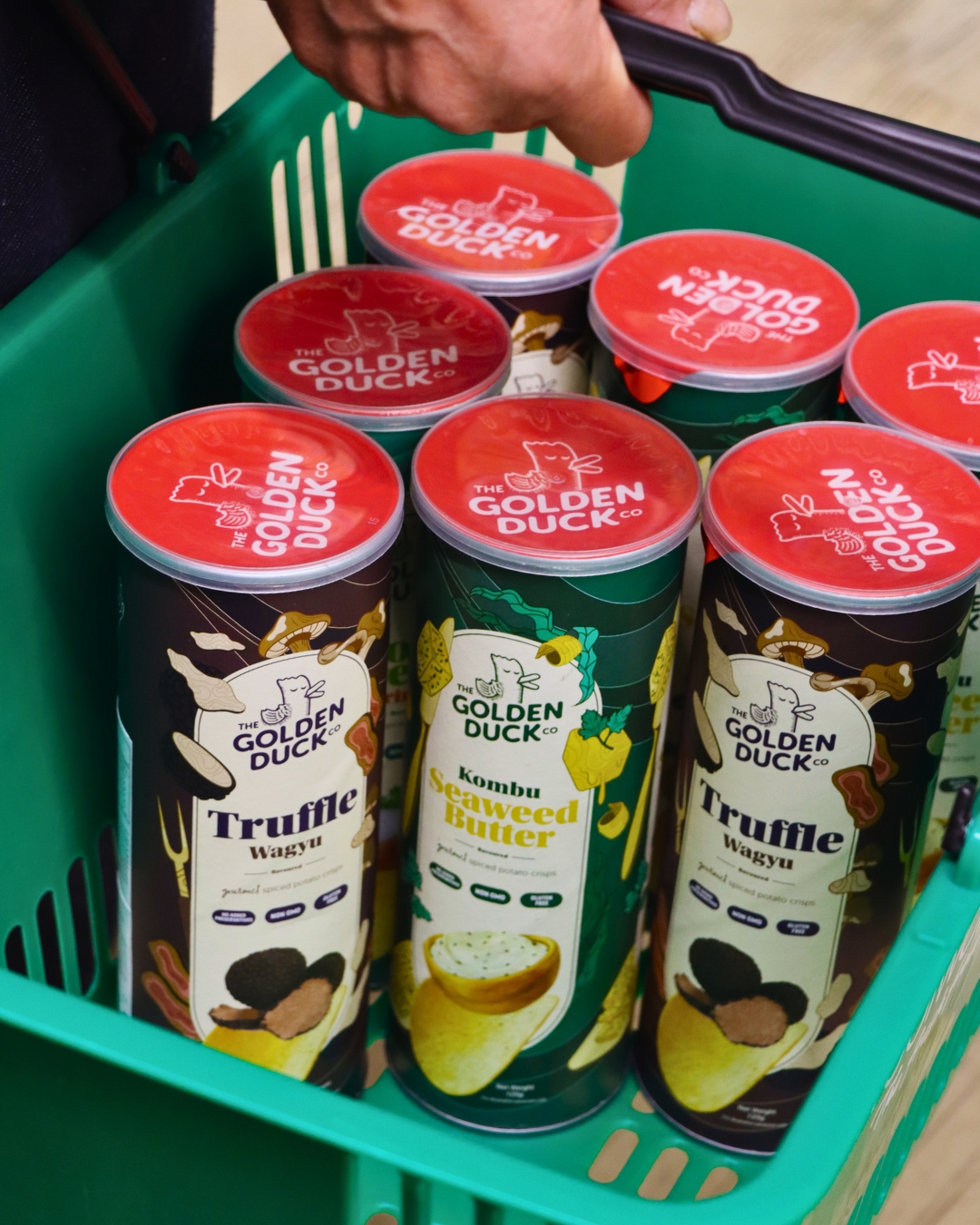
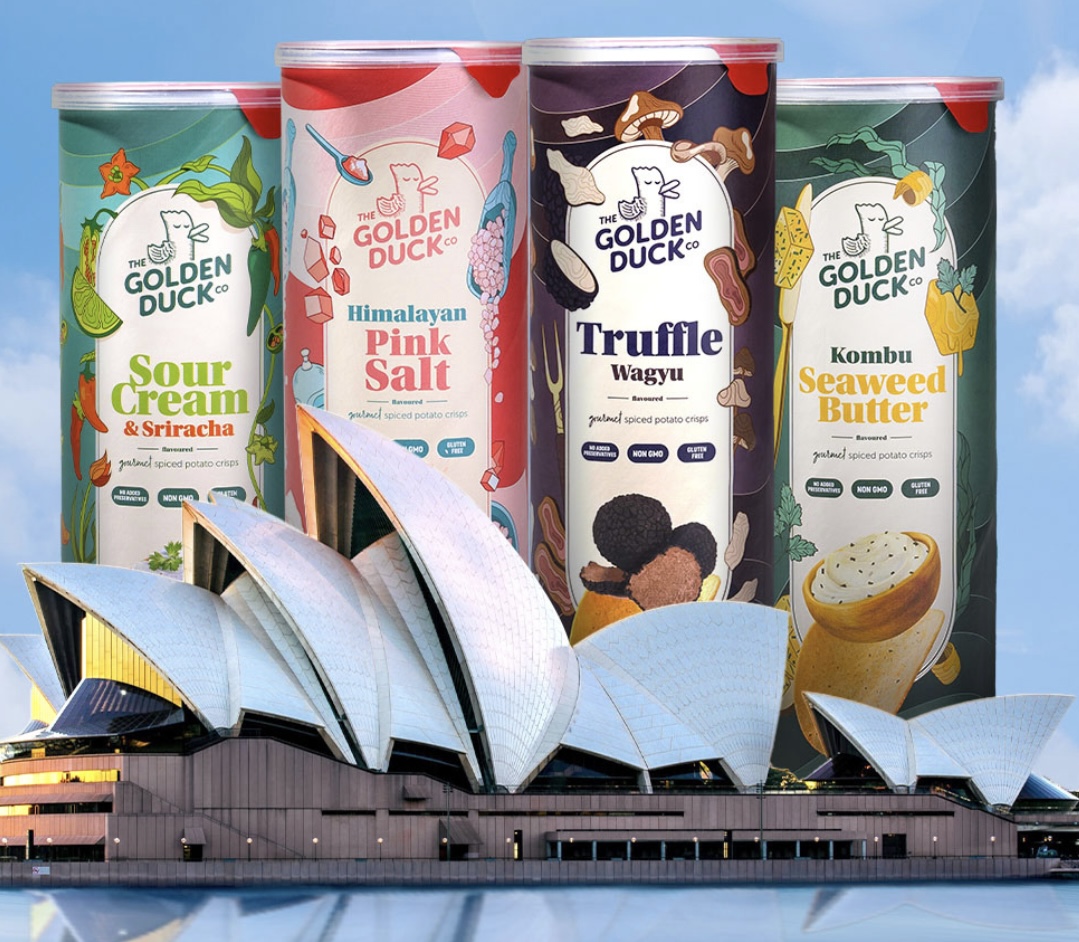
The Golden Duck isn’t slowing down. In 2025, the brand launched a new line of canister chips for Western markets including Australia, the United States, and Canada, with bold flavours like bold flavours like Truffle Wagyu, Kombu Seaweed Butter, and Sour Cream & Sriracha. At the same time, the company is actively entering new markets such as the UK, Europe, and China.

Innovation and sustainability remain at the heart of The Golden Duck’s strategy. The company continues to explore new flavors and formats while sourcing real ingredients to deliver premium, authentic taste experiences.

With every new flavor and product, Jonathan Shen and Chris Hwang are proving that Asian snacks can be premium and globally celebrated. Every bite is a story of heritage, innovation, and taste waiting to be told.

Connect With The Golden Duck

Website: https://www.thegoldenduck.co/

IG: @thegoldenduck.sg

@thegoldenduck.au

IMG_6214 (1)

Stories

From Prison to Purpose: How Tuan Huynh Brewed Redemption Into VietFive Coffee

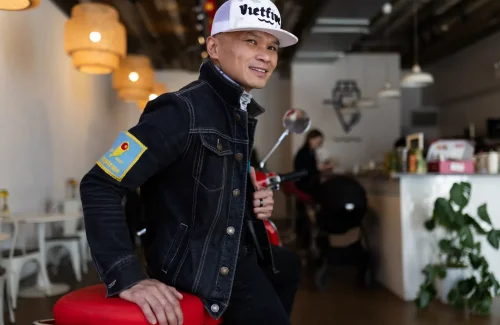
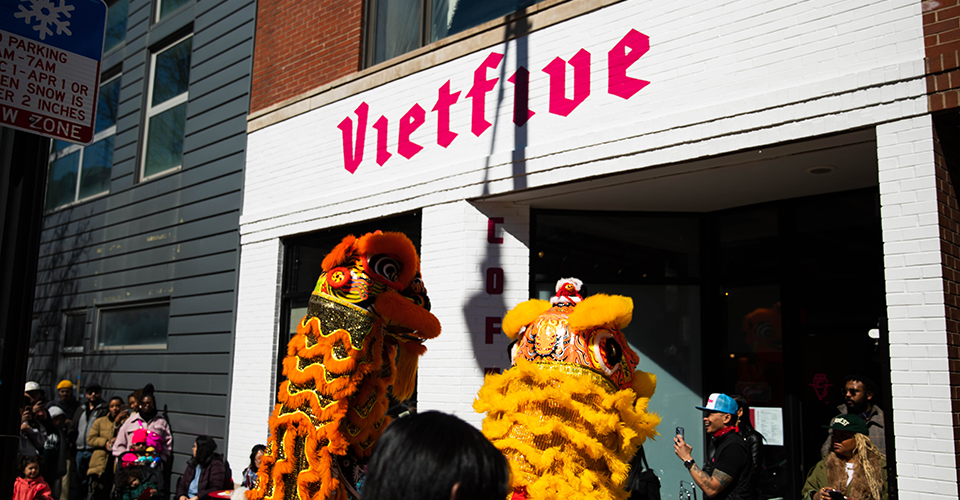
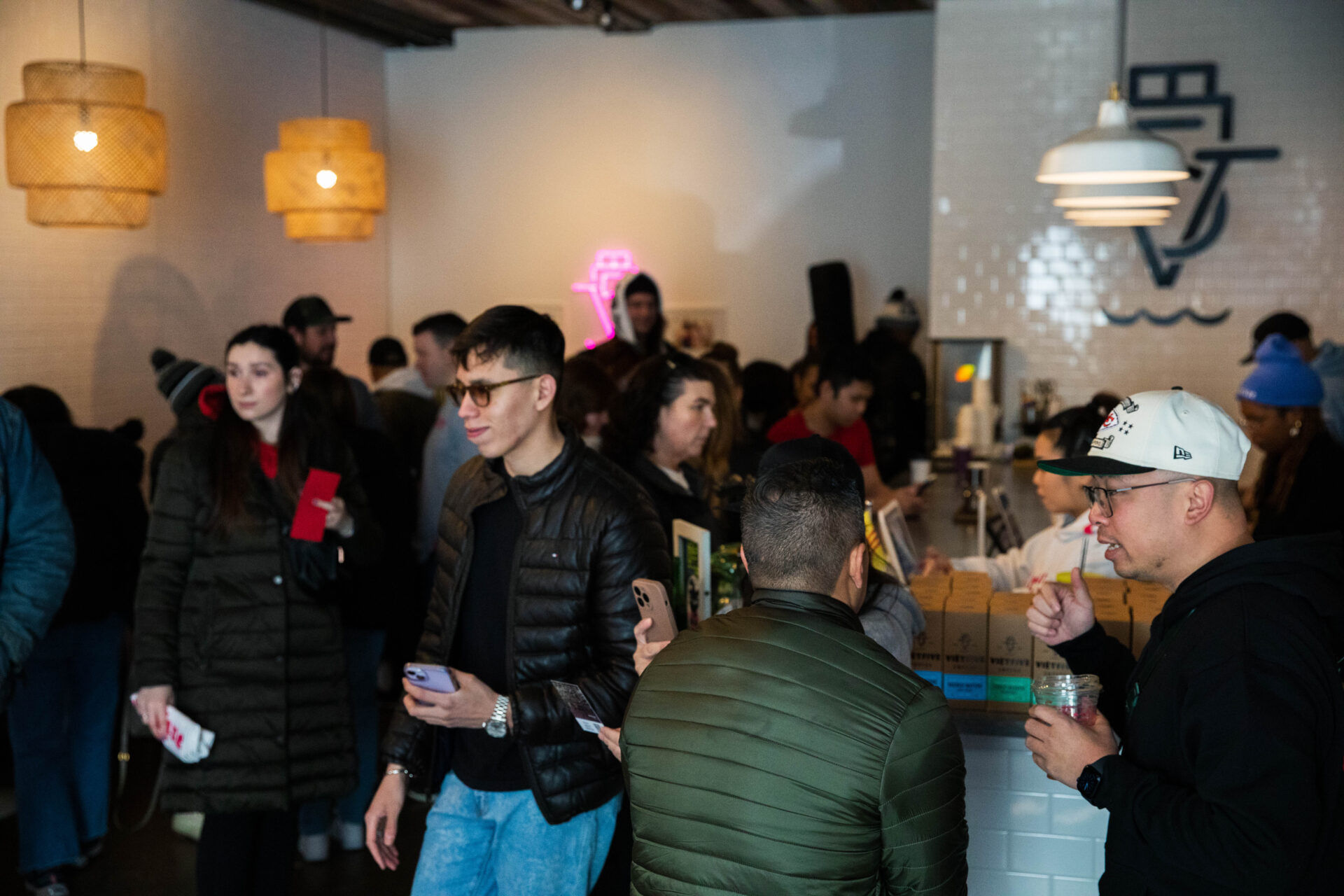
When you walk into VietFive Coffee in Chicago’s West Loop, the first thing you notice isn’t the rich aroma of Vietnamese Robusta beans. It’s the energy. Strangers sit shoulder-to-shoulder, conversations spark, and a sense of belonging fills the air. For founder Tuan Huynh, this space is far more than a café. It’s proof that redemption is real.

Tuan didn’t set out to build a coffee brand. He set out to rewrite a life story that once seemed destined to end behind prison walls. Today, he’s not just serving bold coffee; he’s serving hope, heritage, opportunity, and community.

The Darkest Chapter

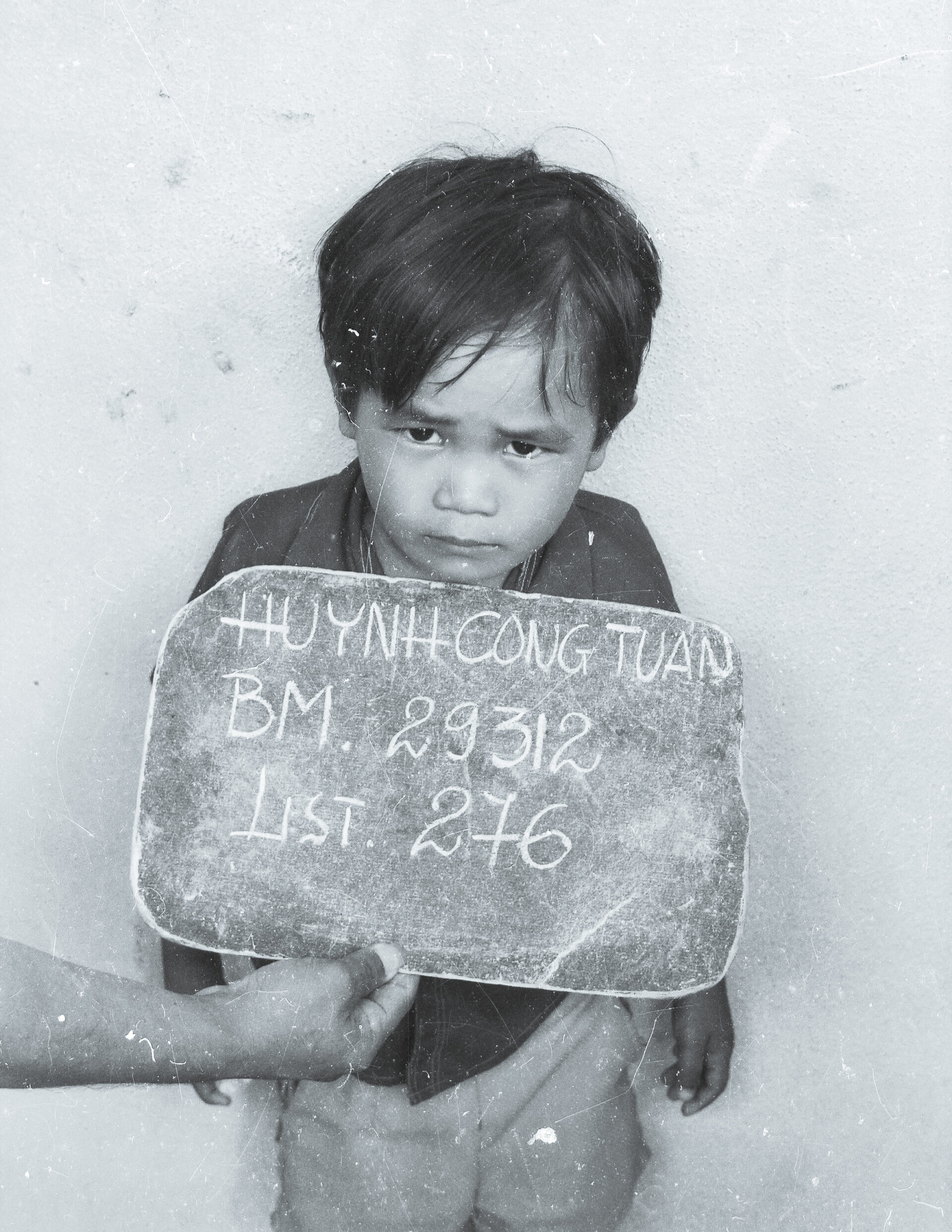
Tuan’s early life was marked by conflict. Born in Vietnam, his family fled to the U.S. when he was just three years old, carrying little more than hope for a better future. They settled in government housing, where poverty pressed down on daily life. Like so many kids searching for belonging, Tuan got swept into the culture of gangs and drugs. At just 18 years old, barely an adult, his life took a devastating turn.

Convicted of first-degree murder, Tuan was sentenced to life in prison with the possibility of parole after 15 years. He spent the next decade and a half in Lansing Correctional Facility, one of the country’s maximum-security prisons.

Prison has a way of stripping people of their identity. For many, it cements a cycle of despair. But for Tuan, it became the crucible where transformation began. “Even in the darkest places,” he says, “I knew my story wasn’t finished.”

Choosing Creativity Over Despair

Inside those walls, during the latter half of his prison experience, Tuan chose to reimagine his life. He leaned into art and design, creative outlets that gave him purpose and revealed a talent for visual storytelling. Every sketch, every concept was an act of defiance against the idea that his future had already been written.

When he was finally paroled on June 21st, 2011, a date and time he still recalls with reverence, Tuan stepped into a world that had changed beyond recognition. He was a free man, but freedom didn’t come with an instruction manual. He carried the stigma of incarceration, the weight of lost time, and the daunting task of rebuilding from scratch.

A Door Opens in the Most Unexpected Place

Determined not to waste his second chance, Tuan pursued higher education, earning a Bachelor of Fine Arts in Conceptual Design. His portfolio caught the attention of the world’s largest advertising agency, which offered him a role in Chicago. For a refugee kid who had once been told he would never amount to anything, it was validation.

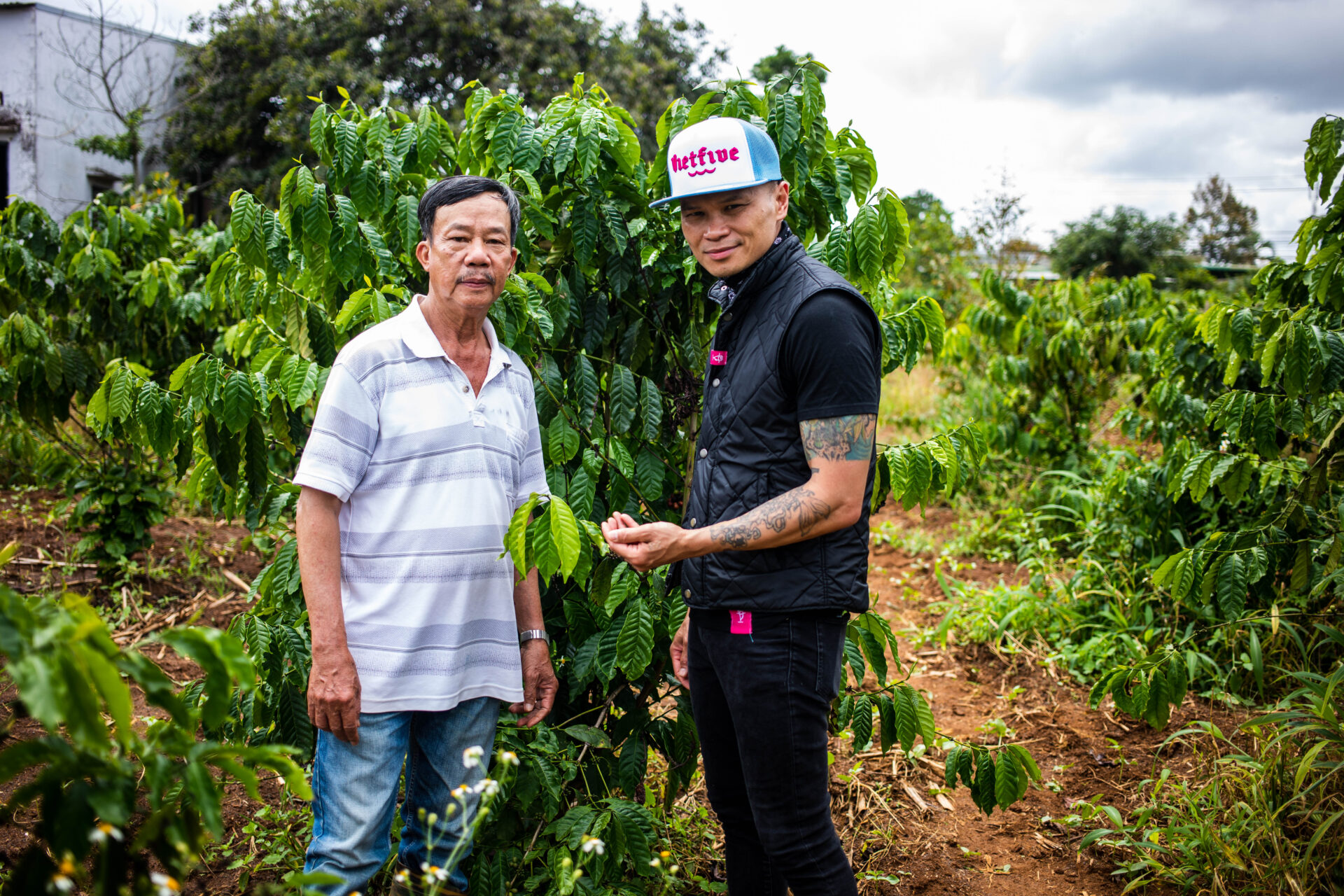
But something was still missing. After eight years in advertising, Tuan felt the pull of something deeper, something personal. On a trip back to Vietnam, the first since leaving as a child, he discovered his family’s legacy: generations of farmers cultivating Robusta coffee. That revelation ignited a vision.

Coffee, he realized, could be the perfect medium. It wasn’t just a drink. It was heritage, resilience, and connection poured into a cup. And with that, VietFive was born.

Tuan Huynh (right) with his uncle

Building VietFive Against All Odds

Launching a business as a formerly incarcerated person was no small feat. Doors closed before Tuan could step through them. Banks hesitated, investors doubted, and skeptics assumed his past would define his future. But Tuan refused to let rejection write his story.

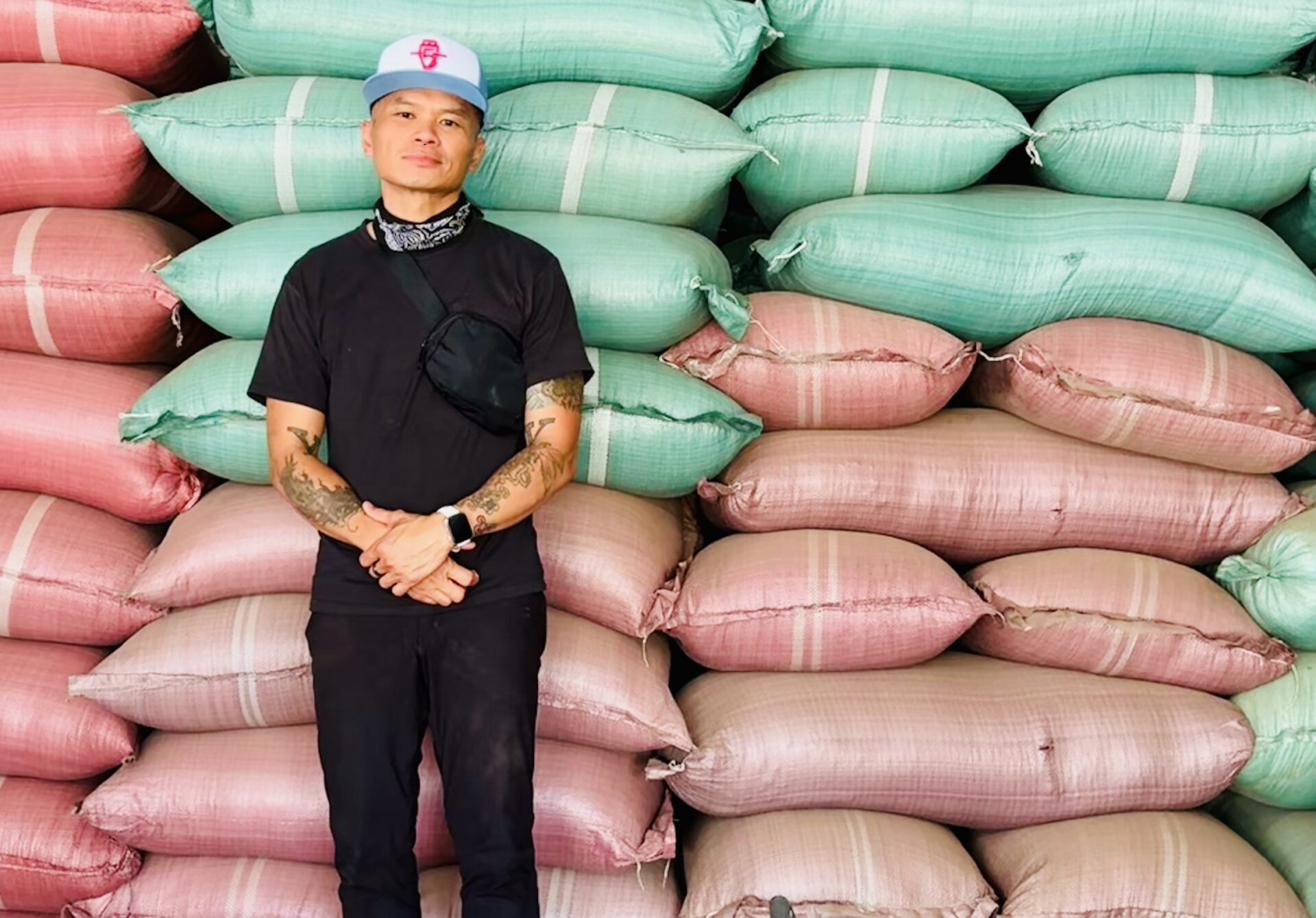
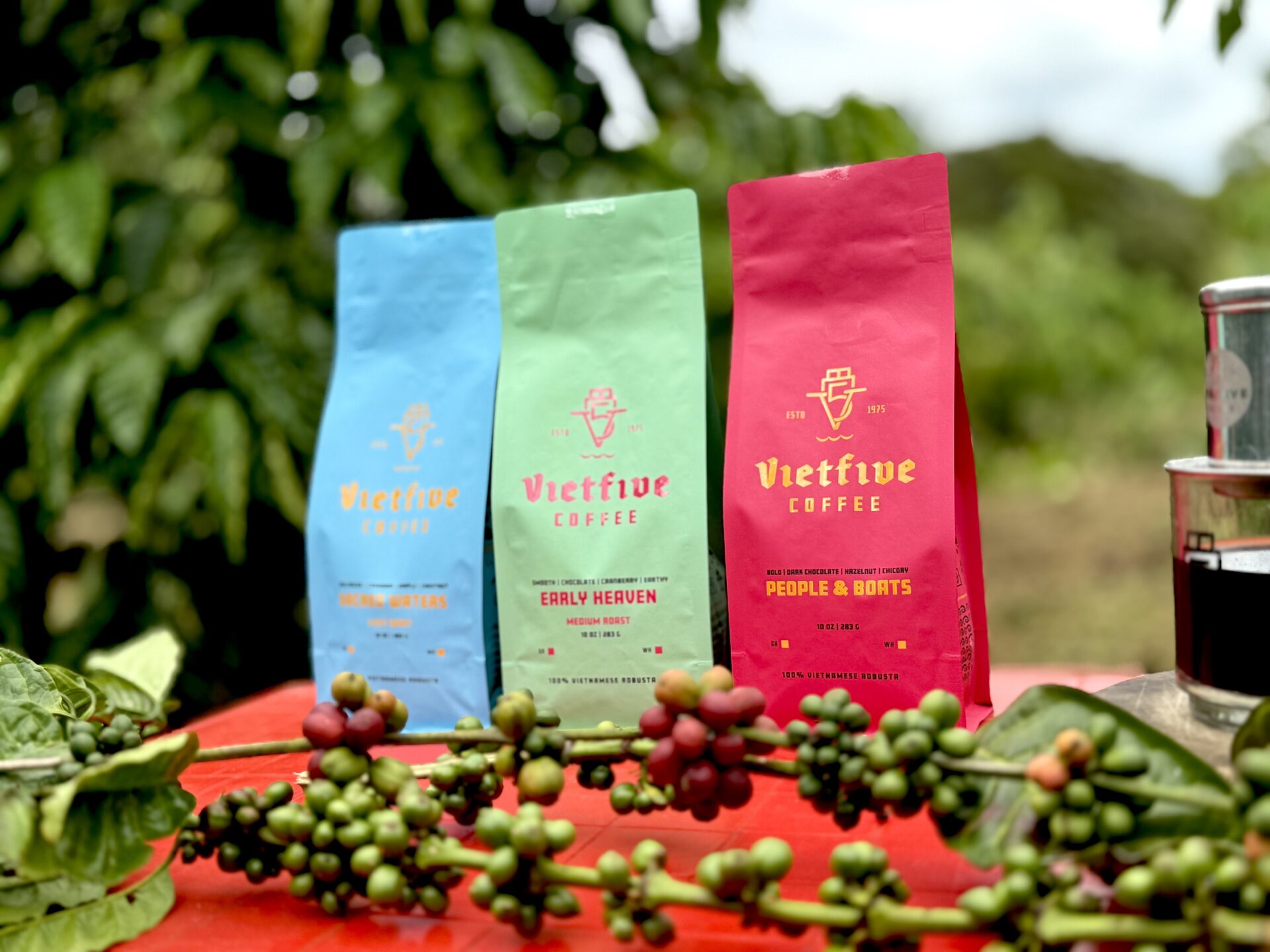
Instead, he built VietFive from the ground up, importing beans from his family’s farm, shaping the brand through design, and pouring his heart into creating not just a business, but a movement.

VietFive is vertically integrated, meaning Tuan controls the process from farm to cup. That ensures authenticity, quality, and fair practices. But more than that, it provides every sip tells a story. A story of Vietnamese resilience. A tale of personal redemption.

The Power of Representation

For Tuan, VietFive is not just about coffee. It’s about representation. Too often, the stories of immigrants, refugees, and formerly incarcerated people are missing from mainstream narratives. By building VietFive, Tuan created a stage where those voices can’t be ignored.

“When people drink our coffee,” he says, “I want them to taste more than flavor. I want them to taste legacy, survival, and pride.”

That representation extends to the community VietFive has built. Walk into the café, and you’ll see it as a true “third space” where all are welcome. From business leaders to students, from immigrants to lifelong Chicagoans, VietFive has become a gathering point for connection.

Turning Pain Into Purpose

Tuan’s proudest achievement isn’t revenue numbers, though VietFive is on track to approach seven figures this year. His real pride is seeing familiar faces return, watching conversations unfold, and knowing that his café has become a home for many.

The struggles he faced, incarceration, rejection, and underrepresentation, didn’t vanish. But he reframed them. Each obstacle became a stepping stone, each “no” a chance to persist, each bias an opportunity to prove that transformation is possible.

In Tuan’s words, “VietFive is not just about beans. It’s about belonging.”

A Vision for the Future

Tuan’s mission is clear: to elevate Vietnamese Robusta on the global stage, to create spaces of connection, and to rewrite narratives that society often overlooks. He envisions VietFive not only as a coffee brand but as a global movement rooted in heritage and social impact.

For the Asian community, VietFive stands as an affirmation, proof that their culture, history, and voices belong at the table. For those who carry the weight of incarceration or failure, it’s a beacon of hope that broken beginnings can lead to beautiful new chapters.

Redemption in Every Cup

At its core, VietFive is more than coffee. It’s a story of redemption steeped into every brew. It’s the story of a refugee child who stumbled, a prisoner who refused despair, and an entrepreneur who now builds bridges where walls once stood.

When you sip VietFive, you’re not just tasting Robusta, you’re tasting resilience. You’re part of a narrative that proves our past does not define our future.

As Tuan Huynh himself puts it: “VietFive is my second chance in a cup. And I want every person who walks through our doors to feel that same possibility, that no matter where you’ve been, there’s always a way forward.”

Connect with Tuan Huynh

AHS EMAIL ANGLE (5)

Blogs, Development

Understand Conversions with Attribution

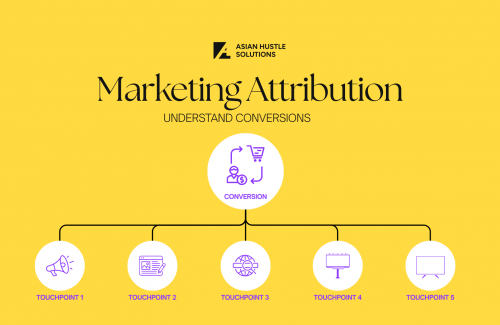
To win your customers, you need to run many marketing activities across multiple channels. And then those conversions came pouring in, but you don’t exactly know where those conversions come from since there are too many ongoing activities. That’s what marketing attribution does. By assigning credit to touchpoints, you can gauge how effective each touchpoint is to the conversion.

There are two types of Attribution:

  • Single-source attribution: Credits are given fully to one touchpoint, assuming that is the most effective one at driving conversion.
  • Multiple-source attribution: More complex models. This type of attribution model acknowledges that multiple touchpoints contribute to the buying decisions and gives partial credit to each.

Understanding attribution will help you to know where the revenue comes from so you can optimize your budget and gain more from your spending. to said touchpoint makes it more effective and less costly. Understanding the journey can help you win the race.

Why Asian Hustle Solutions?

At AHS, we specialize in helping brands capture attention and inspire action — whether you’re launching a new product or scaling your business, we’ll guide you to marketing that resonates and delivers results.

If you want to learn more about our services, visit the Asian Hustle Solutions website at asianhustlenetwork.com/services/

AHS EMAIL ANGLE (4)

Blogs, Development

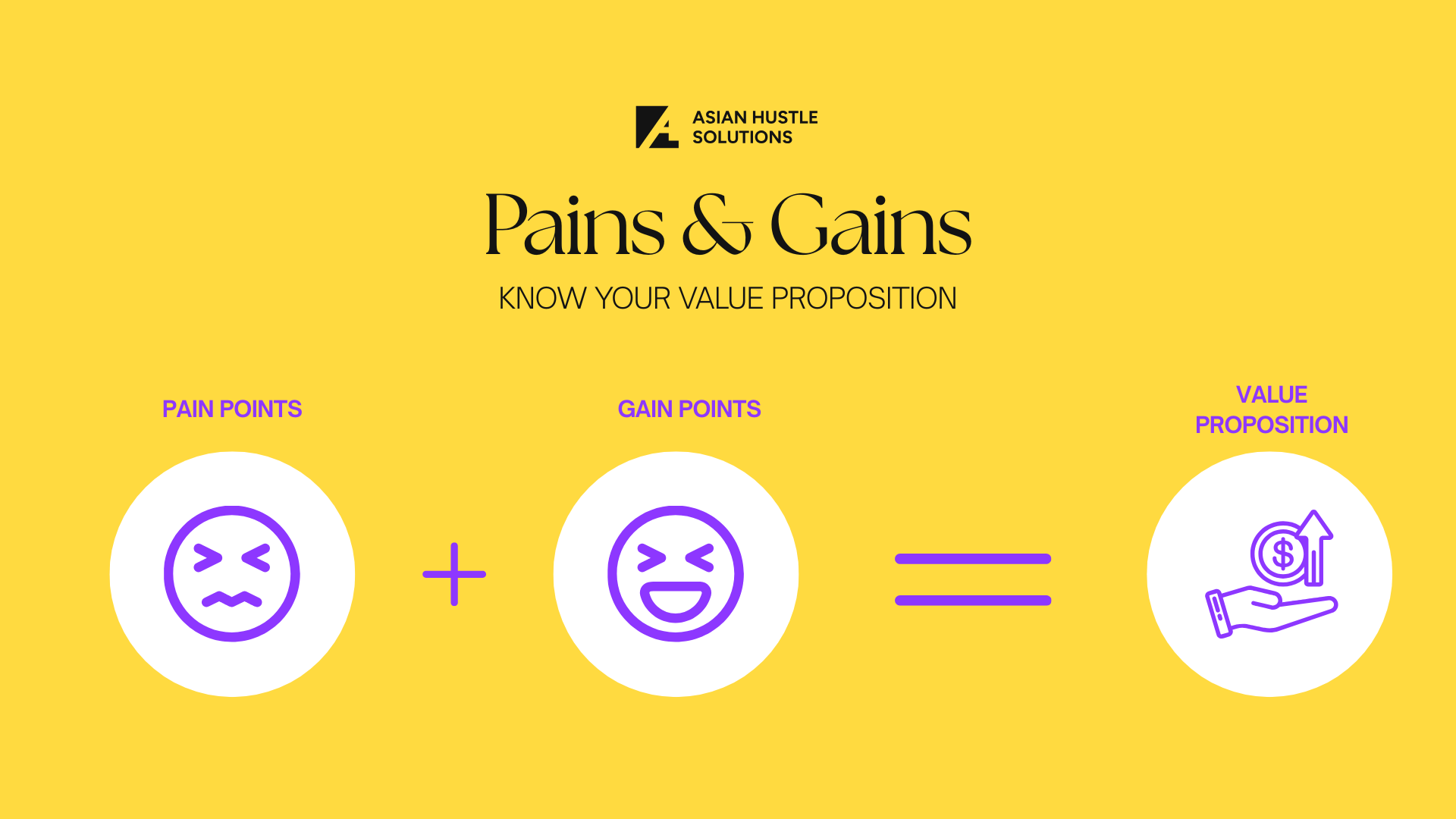
Know Your Value Proposition

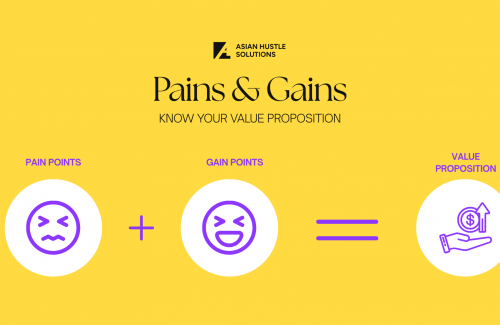
Pain points and gain points are not necessarily new concepts, but some might think they are opposing concepts, when in contrast, the two complement each other. Through customer pain and gain points, you can get a better understanding of your customers’ needs, and offer a unique value proposition.

  • Pain point: As the name suggests, it’s something that “pains” your customers; an issue that they have that needs to be addressed; a challenge that they need to overcome.
  • Gain point: Gain point, on the other hand, is more about you. What can your product or service do for the customers; what can they gain from using your service; what can you help them with?

The two are extremely simple and are a good place to start when you’re trying to advertise your product or service since they consider both your and your customer’s sides to offer a value proposition that is valuable. 

[Book a FREE call with us]
If you want to explore our services more, visit the Asian Hustle Solutions website at AHS.