Stories

August 13, 2023

SHARE:

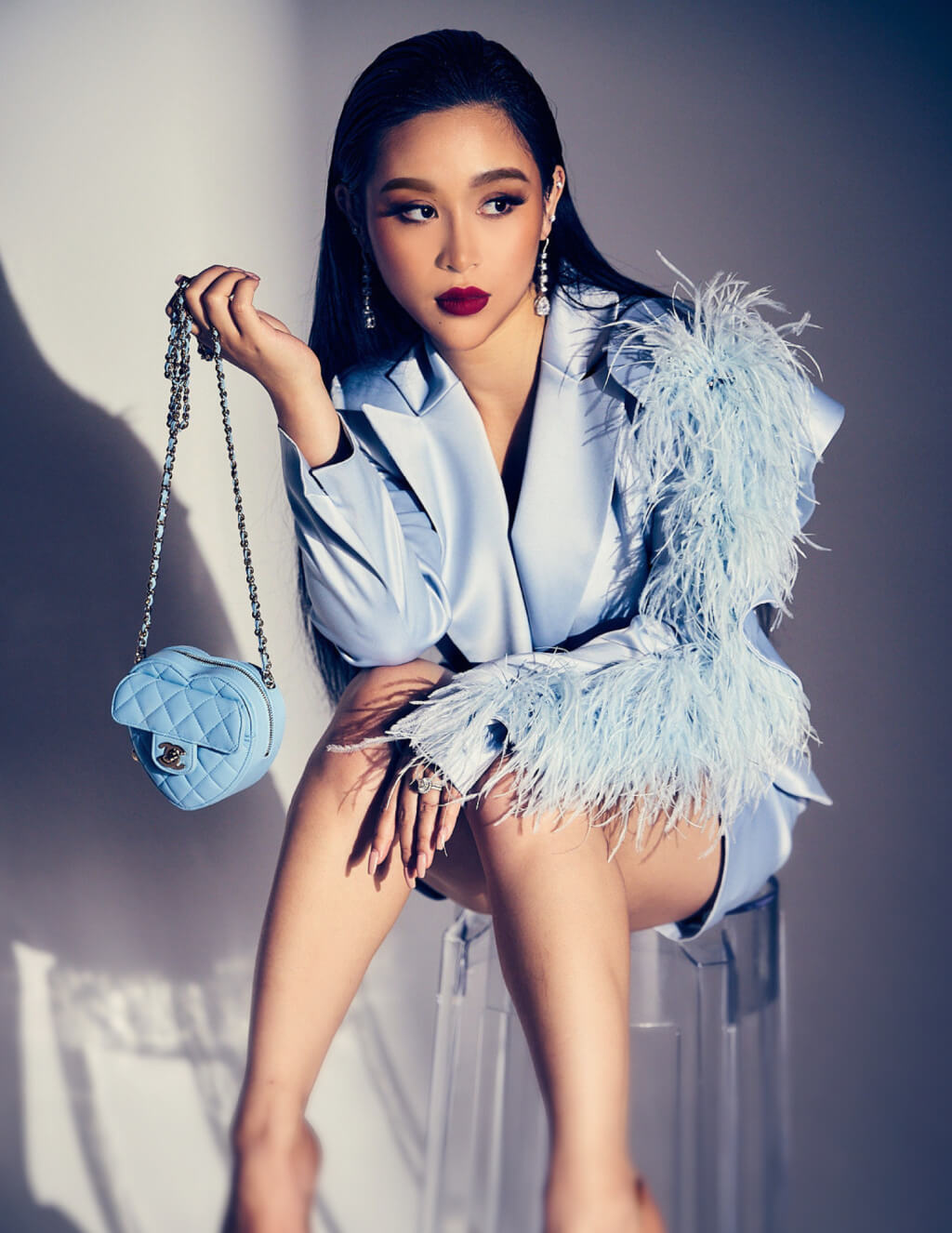
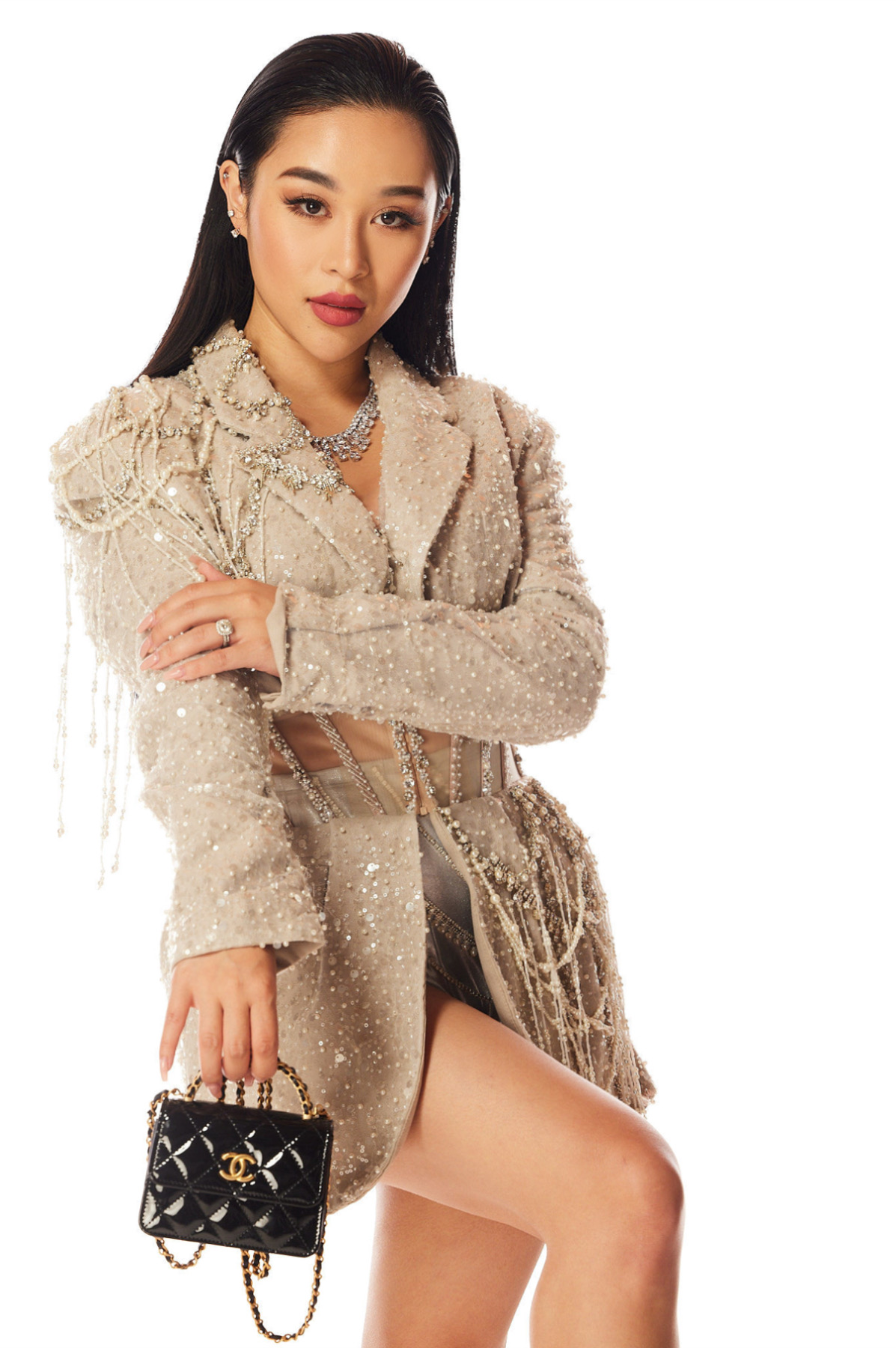
Luxury fashion gets a new face with Luxe Du Jour, a brand driven by innovation and purpose. Tammy Phan, the visionary behind the brand, embarked on this journey to bridge a gap in the market for selling high-end designer handbags. Her pursuit of accessible luxury has reshaped the industry.

Beyond fashion, Luxe Du Jour has redefined the concept of luxury itself. Through Luxe Bag Rental, they’ve unlocked a unique way to experience elegance without the hefty price tag. With a commitment to Recycle, Reuse, and Restore, they’re championing sustainability. Each pre-owned item holds a story of responsible consumption.

Luxe Du Jour’s journey has been marked by challenges, but their ethos remains unwavering. With education and community at the core, they’re leading the charge toward a future where luxury is synonymous with accessibility, ethics, and sustainability.

Join us as we delve deeper into their story.

HOW IT WAS FOUNDED

Luxe Du Jour all started with solving a problem for the founder, Tammy Phan, where she struggled to find a trustworthy place to sell high-end designer handbags. Back then, it was only eBay or your local clothing consignment shop. But eBay was a nightmare of dealing with lowballers, scam payments, and tie wasters and the local clothing consignment shops took 50-60% in commission.

Phan knew there had to be a better way so she started to sell her items on Instagram when the platform was peaking which was the start of the company. Luxe Du Jour ended up building a community on social media and the rest is history!

ABOUT THE FOUNDER

Phan grew up poor to immigrant parents. The typical expectations of her being a doctor or engineer were the only means of success in her parents’ eyes. However, life did not pan out that way for Phan, and she had to drop out of high school to get a job to help support herself, because she thought by doing this—it would be one less child for her parents to worry about financially. 

Phan’s strong desire for luxury stemmed from not growing up around it, and she made it her goal to one day be able to afford a designer handbag. She worked hard, saved enough money and did just that.

Discovering her one Chanel bag increased in value over time and being able to profit on it after she sold it years down the road sparked a joy that she knew she wanted others to experience. Thus beginning an interest in the value of the luxury designer resale market!

Her mission is to make designer luxury more affordable, accessible, and sustainable.
LUXE BAG RENTAL

Shopping for pre owned designer luxury has not changed in the last decade and the prices of designer luxury constantly keep increasing but the shopping experience in store hasn’t changed or evolved to make the price hikes worth it. 

Why are we able to test drive cars before committing thousands of dollars to it and not be able to do that with expensive designer handbags that also cost thousands of dollars even $10,000+?

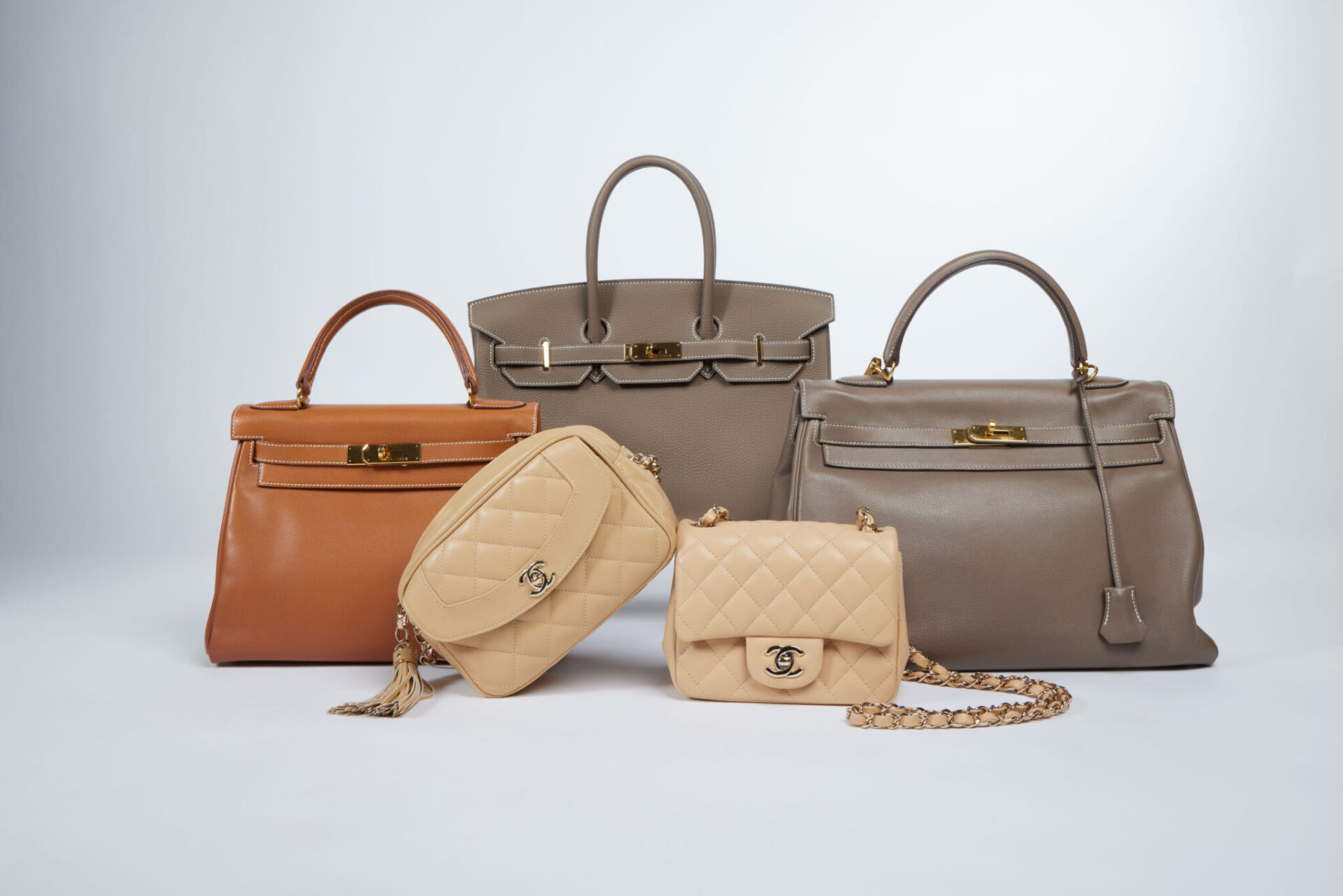
Luxe Bag Rental saw a huge hole in the market that women wanted to constantly switch up their styles more often, try it before they buy it, or just wear an item once for a special event or photoshoot without the hassle of trying to sell it after. Luxe Bag Rental clients now get to experience a completely new way of shopping and trying out designer fashion. If they love the bag, they can opt for rent-to-own. It gives consumers a chance to really experience the items first-hand providing a smarter and more approachable way to shop. 
REDUCE, REUSE, RECYCLE

Everything done at Luxe Du Jour integrates the 3 R’s.

When you shop or sell preowned, you are RECYCLING that designer handbag. When you rent with Luxe Bag Rental you are REUSING that designer handbag and when you restore a bag back to life with Luxe Bag Spa you are REDUCING waste because a bag you were not going to wear anymore due to its damage now has a second chance at being worn and loved again!

It takes up approximately 629 kg of CO2 to produce one leather handbag so we are reducing a lot of carbon emissions every time a designer handbag is sold, rented, or restored! The fashion industry is so wrapped up in having everything brand new, Luxe Du Jour wants to focus on how to normalize pre-owned and continue to find ways to push for positive environmental impact. 

AUTHENTICITY AND SUSTAINABILITY

Authenticity is the core of Luxe Du Jour’s business. A 3-step authentication process is done to ensure authenticity for every item sold or rented out hence why Luxe Du Jour offers a lifetime guarantee or you get your money back.

A rise of counterfeits and fast fashion has flooded the market and Luxe Du Jour focuses on educating our community on the negative impacts of buying counterfeit and fast fashion by building a community and nurturing that community to  fulfill their needs.

LOOKING FORWARD

We aspire for Luxe Du Jour to be a huge disrupter in designer luxury fashion and want to lead the path so that the luxury giants follow and want to be a part of the positive impact we are making for those who love authentic designer luxury.

Luxe Du Jour will continue to be innovative and bring a new look to preowned.

CONNECT WITH LUXE DU JOUR

Website: luxedujour.ca

Instagram: @luxedujour

Tiktok: @shopluxedujour

Facebook: Luxe Du Jour

YouTube: Luxe Du Jour

Pinterest: Luxe Du Jour

Twitter: @luxe_dujour
Related Articles

News

How Wang Xiaokun Turned His Milktea Business into a Billion-Dollar Success

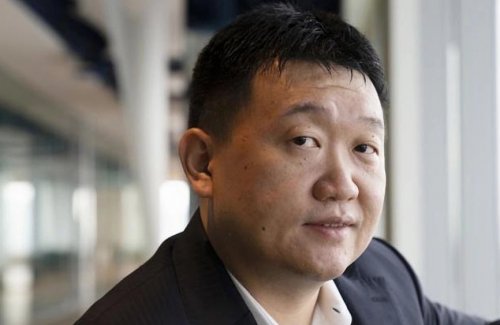
Wang Xiaokun, a 40-year-old Chinese entrepreneur, has achieved a remarkable feat by becoming a billionaire through his milk tea venture. He is the visionary founder of Cha Panda, a Chinese tea chain.

Recent funding rounds have catapulted his tea business’s valuation to an impressive $2.1 billion. Forbes estimates Wang’s personal fortune at a staggering $1.1 billion, primarily due to his substantial 60% ownership stake in the Chengdu-based beverage chain.

Over the past three years, Cha Panda has experienced rapid expansion, now boasting an extensive network of over 7,000 stores. The chain is known for its signature beverages, including mango pomelo sago, taro bubble tea, and jasmine milk green tea, all offered at an affordable price point of $3.60 or less, as reported by Forbes.

Notably, Wang’s wife, Liu Weihong, has also enjoyed a substantial increase in her wealth, with an estimated fortune of $700 million, thanks to her 33% ownership stake in the company. She plays a pivotal role as the chair of the supervisory committee, responsible for overseeing Cha Panda’s daily operations, as indicated in a preliminary prospectus filed with the Hong Kong Stock Exchange. 

According to MSN, the roots of Cha Panda trace back to 2008 when Wang began selling fruit and bubble tea from a modest shop near a school in Chengdu, known for its spicy cuisine and as the home of giant pandas. Over the subsequent decade, Wang diligently expanded Cha Panda’s network of stores to 531 by 2020. However, the pivotal moment occurred when he embraced a franchising model.

Today, Cha Panda focuses on crafting beverage recipes and supplying ingredients like fruit and tea leaves to Cha Panda-branded beverage shops. This innovative approach allows Wang to maintain lower operational costs compared to competitors like Hong Kong-listed Nayuki Holdings, which grapple with higher employee salaries and rental expenses for their directly operated stores.

Featured Image Source: India Times

News

The Success Story of Each-A-Cup in the World of Bubble Tea

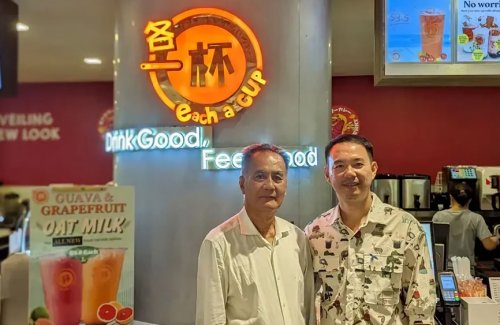
Back in 1999, Singapore was swept by the bubble tea craze. And while a lot of bubble tea shops have come and gone, Each-A-Cup kept thriving. This enduring success story is shown through the experiences of its founders: father and son, Michael and Ivan Chua.

Before entering the F&B industry, Michael Chua enjoyed a successful career as a musician, touring with Taiwanese singer Teresa Teng. However, his entrepreneurial spirit led him to start an ice cream business in Taipei, which later became Gelare. Afterward, he co-founded Healthy 2000, a beverage business in Taiwan. Sensing the growing interest in bubble tea in Singapore, Michael rebranded Healthy 2000 as Each-A-Cup in 1999, marking the beginning of their journey.

During the early years, Each-A-Cup faced fierce competition from rivals like Quickly and Happy Cup. However, they stood out due to the novelty and quality of their offerings, gaining widespread recognition.

The bubble tea industry in Singapore took a downturn in 2001 as prices dropped dramatically, and the market became oversaturated with hundreds of bubble tea shops. Many struggled to maintain quality, and even reputable brands faced losses. However, Michael remained resilient, believing in the enduring appeal of bubble tea.

Recovery came in 2003, and Each-A-Cup began rebuilding the business. Ivan, Michael’s son, joined in 2007, bringing fresh energy and ideas to the brand. The second wave of the bubble tea craze saw new players entering the market, but Each-A-Cup’s commitment to authenticity and quality set them apart.

As the founders, Michael and Ivan Chua, continue to guide the brand, the future of Each-A-Cup looks as bright as ever in the dynamic world of bubble tea.

Featured Image Source: CNA Lifestyle

Collin Hall

Stories

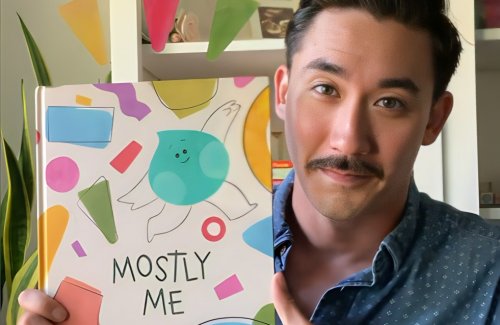
Celebrating Individual Narratives and Multiracial Identities Through the Book ‘Mostly Me’

In a world where the narrative of identity often falls into predefined categories, Mostly Me by Collin Hall emerges as a refreshing beacon of self-discovery.

Released on September 18 by Gloo Books, this picture book takes readers on a captivating journey, skillfully illustrating the complexities of biracial identity.

Author and Illustrator

Written by Collin Hall and beautifully illustrated by Crystal Dawn Chaffee, both of whom share a biracial heritage, Mostly Me is a heartfelt project born from personal experiences. Collin embarked on this creative journey shortly after the birth of his first daughter, driven by a powerful desire to equip her with the tools to embrace her multiracial identity.

Collin Hall is a proud biracial Korean/American based in Austin, TX, offering a voice that resonates deeply with those navigating the intricate terrain of identity.

Diverse Representation

According to the *Cooperative Children’s Book Center’s 2022 Diversity Statistics database, only 0.7% of children’s books published in 2022 were authored by multiracial individuals and focused on multiracial characters.

Collin’s Personal Journey

Collin Hall shares, “The biggest hurdle for this project was the internal identity-wrestling before words were even on paper. Having to re-engage with a part of myself I had avoided for a long time was hard, and typically paired with a good dose of uncertainty and guilt. Finding my own footing was, and is, a process, but one that put me in a much better spot to discuss multiracial identity with my own kids in the future.”

He also shared how re-learning Korean nursery rhymes was also a challenge and that it took longer than he expected.

Embracing In-Between Spaces

Mostly Me may be short and whimsical, but it carries a profound message—it’s entirely acceptable to exist within the fluid spaces of identity. It encourages individuals to wholeheartedly embrace all aspects of their heritage, irrespective of societal expectations.

I’ve got some green, I’ve got some blue. 

Some have asked, “So what are you?” 

Not quite blue, not fully green. 

I’m something new. I’m in-between.

Affirmation and Unity

Mostly Me serves as an affirmation, resonating with Collin and Crystal’s own experiences and the experiences of every multiracial child navigating the intricate landscape of identity. It instills the confidence to boldly claim one’s space in the world, reminding us all that there is no universal guidebook for this journey. Instead, it offers the comfort of shared emotions, questions, and experiences.

Within the pages of Mostly Me, Collin Hall extends an invitation to readers to embark on a profound journey of self-discovery. This remarkable book celebrates the beauty of embracing multiracial identities, encourages us to revel in the uniqueness of our individual narratives, and, above all, empowers us to find the strength to assert our presence in a wonderfully diverse world.

As we eagerly anticipate its release, Mostly Me promises to inspire and resonate with readers of all backgrounds, young and old, seeking to understand the rich tapestry of identity that defines us all.

CONNECT WITH COLLIN HALL / MOSTLY ME

Instagram: @mistercollin

Order here: gloobooks.com/products/mostly-me

Gloo Books: @gloobooks

*Independent analysis of data accessed on 07/02/2023 by Gloo Books using the Cooperative Children’s Book Center (CCBC), School of Education, University of Wisconsin-Madison Diversity Statistics Book Search (https://ccbc.education.wisc.edu/diversity-statistics-book-search/). Permission to publish granted by the CCBC 07/13/2023.

News

Hmong Legacy Market: Bridging Cultures Through Food and Community

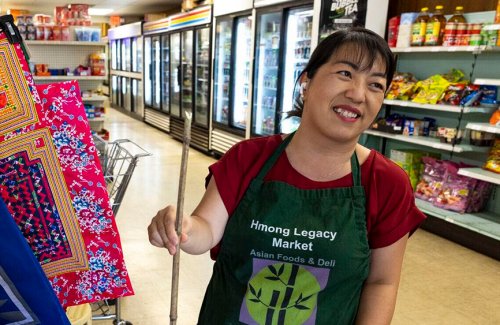
At Hmong Legacy Market, located on Madison’s South Side, you’ll discover a treasure trove of homemade Asian cuisine. From steaming bowls of beef pho to whole roasted tilapia seasoned with herbs and chili, and delightful sesame rice balls filled with mung beans and coconut, this independent Asian grocery store offers a culinary journey.

Ze Yang, one of the owners, can often be found expertly preparing dishes like squash curry. To her, food is more than sustenance; it’s a connector, a storyteller, and a unifying force that brings people together.

As a young child in the 1980s, Ze Yang lived in a refugee camp in Thailand with her family, having fled Laos during the aftermath of the Vietnam War. In 1991, Ze Yang’s family received the opportunity to immigrate to the United States, sponsored by a distant uncle who had settled in California. Their early days in the U.S. were marked by challenges—language barriers, cultural shock, and financial difficulties. However, their farming skills from Laos allowed them to grow crops like green beans, tomatoes, and peppers, which they sold to support their family.

After six years in California, Ze Yang’s family decided to move to Wisconsin, drawn by the promise of better public schools and economic opportunities. Ze Yang’s parents worked tirelessly, holding multiple jobs to make ends meet. This experience inspired Ze Yang to become a teacher, focusing on helping immigrant children adapt to the American education system.

Ze Yang’s family thrived. They bought a house, built a family, the kids went to school, but they also wanted to pursue their entrepreneurial dream. They longed to create a space where people from diverse backgrounds could gather, savor homemade dishes, and access pantry staples from across Asia. This is why they opened Hmong Legacy Market, offering an extensive array of products, from giant spring roll skins to bamboo shoot chili oil, and from mango mochi to traditional Hmong celebratory clothing.

More than just a grocery store, Hmong Legacy Market is committed to the well-being of the community. In 2021, it partnered with Public Health Madison and Dane County to serve as a mobile COVID vaccination clinic. Looking ahead, Ze Yang envisions the store’s legacy continuing to thrive, driven by the spirit of family and the desire to improve and grow.

Featured Image Source: Madison