Stories

March 6, 2026

SHARE:

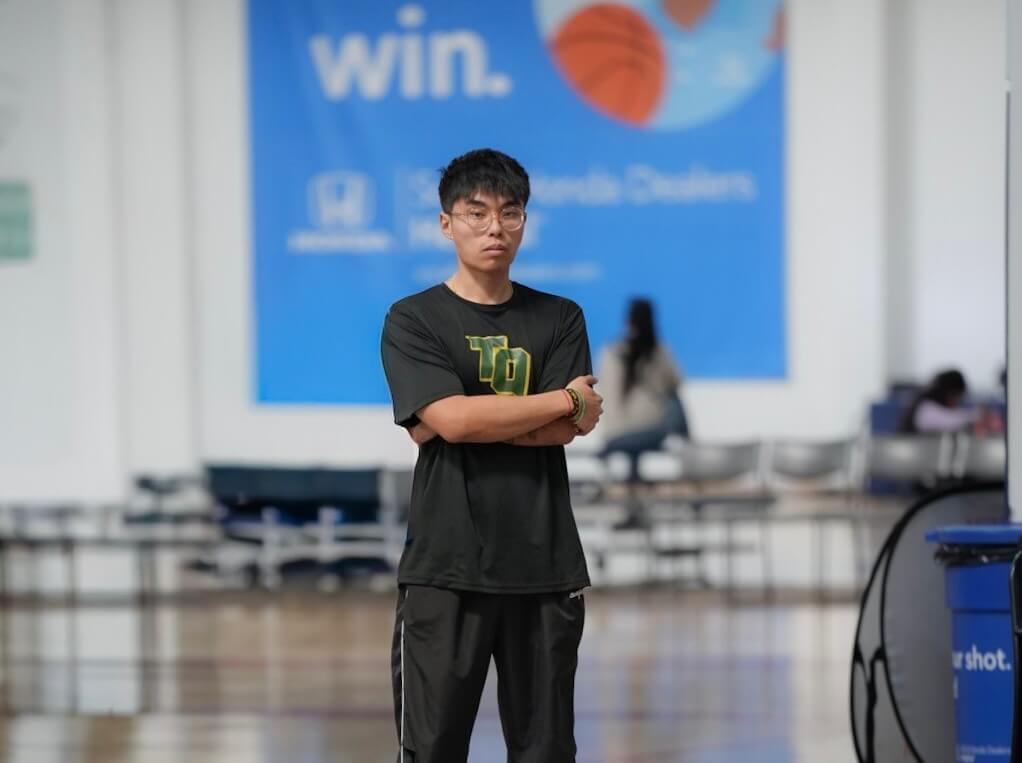
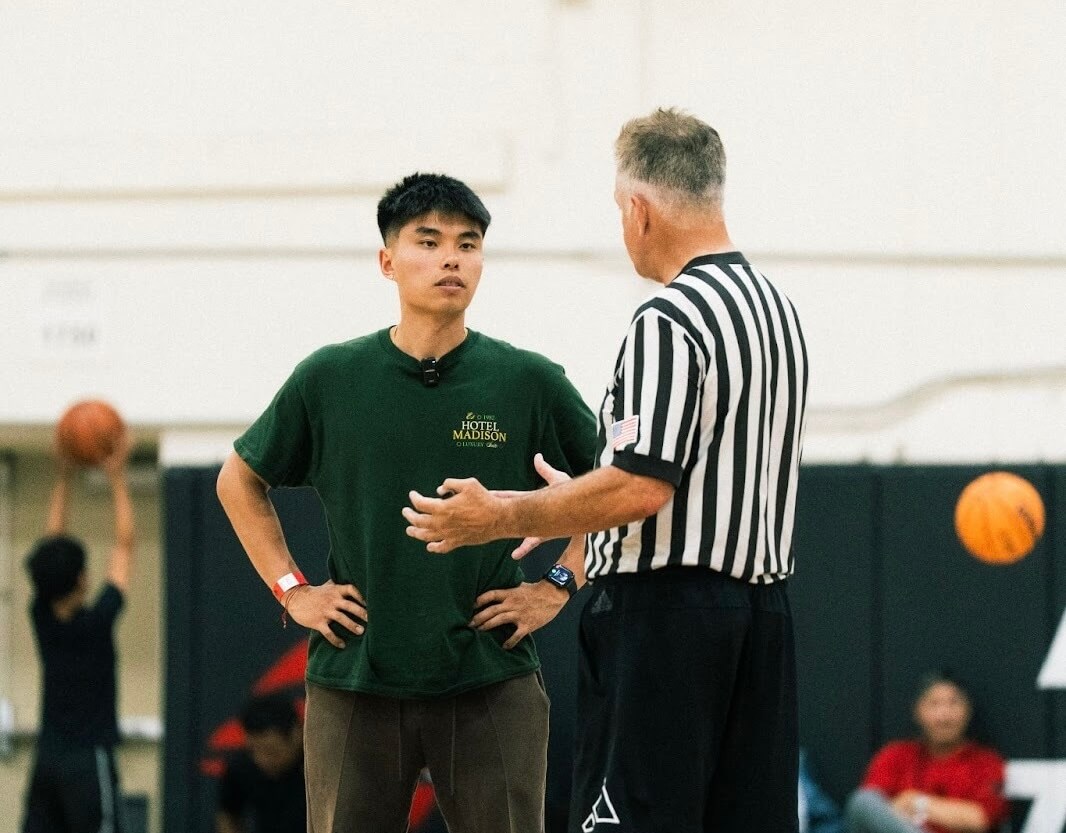
At 19 years old, most people are still trying to figure out who they want to become. Jonathan Quach, who also goes by Johny, was already thinking about how he could create space for others to grow.

He did not have investors backing him or access to elite facilities. What he had was a deep love for basketball and a growing frustration with how many talented kids were being left out of high-level programs simply because they lacked money, connections, or visibility. 

The name Team Quachro (TQ) was originally created just to enter his first eight kids into a local youth league. What started as a play on words from his last name, ended up becoming a staple in the Orange County Basketball community, competing with the other heavy hitters in the industry.
Starting at 19 with Nothing but Belief

Starting a program at 19 meant stepping into rooms where almost everyone was older. Johny had to lead coaches and speak with parents who had decades more life experience than he did. When he had only 50 kids in the program, a handful of larger, established programs recognized the early growth and tried to buy him out from the start.

As Team Quachro began gaining attention and players began leaving other programs to join his team, some competing coaches sent negative emails to others behind his back. Instead of responding with arguments, Johny chose to respond with action. He focused on developing his athletes and strengthening the culture of the program.

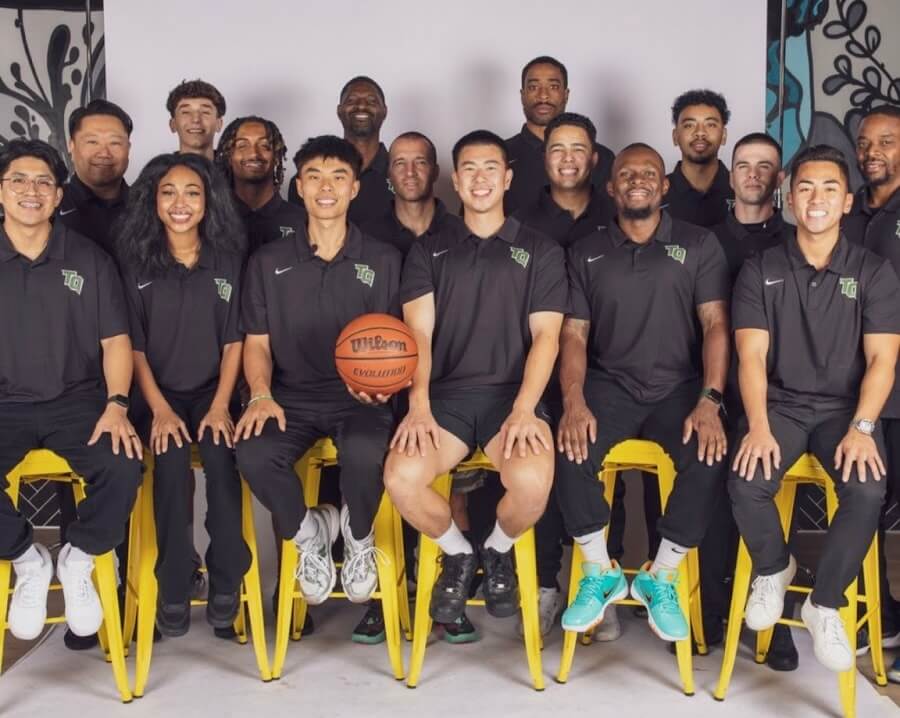
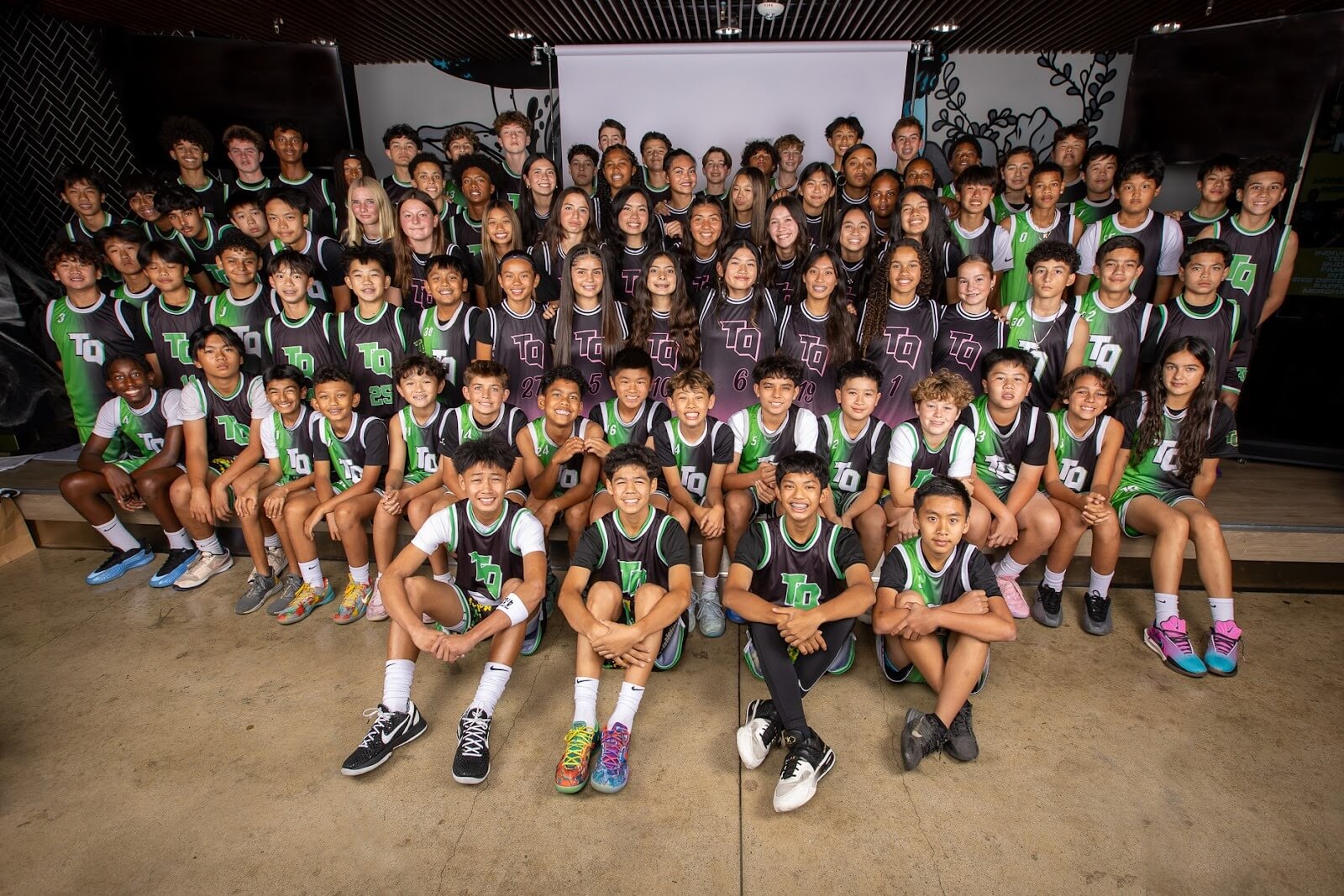
Now 26 years old, Johny has built one of the largest basketball programs and tournament operations in California. By remaining consistent and treating every family with respect, he gradually turned early skepticism into long-term trust. Team Quachro now serves more than 300 athletes, with thousands of families having come through the program over the years.
Carving a New Lane for Asian Leadership

Building one of California’s largest platforms by age 26 is a feat in itself, but doing so as an Asian founder carries even more weight. In the youth basketball world, Asian founders are rarely seen in leadership roles. Johny understood that reality and wanted younger players to see someone who looked like them leading from the front.

Representation, for him, was not about making statements. It was about building something real and lasting that could create opportunity for others. Every partnership and every opportunity had to be earned through persistence and relationship building.

Over time, that work transformed a small training group into one of the most respected sports organizations in California. Johny proved that leadership is not determined by age, background, or stereotype. It is shaped by commitment, integrity, and care for the people you serve.
Leaving a Legacy Bigger Than Trophies

What began as a handful of local training sessions has grown into a thriving ecosystem of teams, tournaments, and mentorship. The results of that dedication are visible at the next level, with TQ athletes playing at the Division I college level, as well as at JUCO and NAIA programs.

Despite that growth, Johny has worked intentionally to keep the heart of the program intact. He continues to cover costs for athletes who cannot afford to participate and organizes free clinics to make the game more accessible. He believes that financial limitations should never be the reason a child cannot pursue their potential.

Johny did not inherit a platform, and he did not receive a head start. Today, the program stands as more than a basketball organization. It stands as a family built on loyalty, mentorship, and shared belief. For him, that culture is the greatest achievement of all, far greater than any trophy or tournament win.

Discover more from Johny Quach here:

📍Instagram

Learn more about Team Quachro Basketball here:
📍Website

Related Articles

News

The Success Story of Each-A-Cup in the World of Bubble Tea

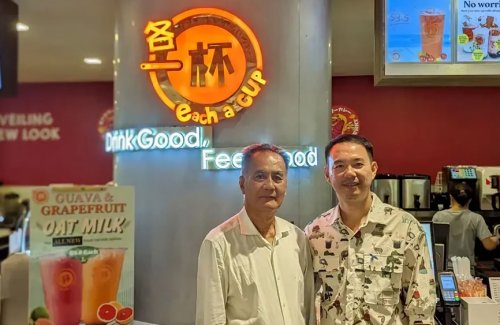
Back in 1999, Singapore was swept by the bubble tea craze. And while a lot of bubble tea shops have come and gone, Each-A-Cup kept thriving. This enduring success story is shown through the experiences of its founders: father and son, Michael and Ivan Chua.

Before entering the F&B industry, Michael Chua enjoyed a successful career as a musician, touring with Taiwanese singer Teresa Teng. However, his entrepreneurial spirit led him to start an ice cream business in Taipei, which later became Gelare. Afterward, he co-founded Healthy 2000, a beverage business in Taiwan. Sensing the growing interest in bubble tea in Singapore, Michael rebranded Healthy 2000 as Each-A-Cup in 1999, marking the beginning of their journey.

During the early years, Each-A-Cup faced fierce competition from rivals like Quickly and Happy Cup. However, they stood out due to the novelty and quality of their offerings, gaining widespread recognition.

The bubble tea industry in Singapore took a downturn in 2001 as prices dropped dramatically, and the market became oversaturated with hundreds of bubble tea shops. Many struggled to maintain quality, and even reputable brands faced losses. However, Michael remained resilient, believing in the enduring appeal of bubble tea.

Recovery came in 2003, and Each-A-Cup began rebuilding the business. Ivan, Michael’s son, joined in 2007, bringing fresh energy and ideas to the brand. The second wave of the bubble tea craze saw new players entering the market, but Each-A-Cup’s commitment to authenticity and quality set them apart.

As the founders, Michael and Ivan Chua, continue to guide the brand, the future of Each-A-Cup looks as bright as ever in the dynamic world of bubble tea.

Featured Image Source: CNA Lifestyle

Collin Hall

Stories

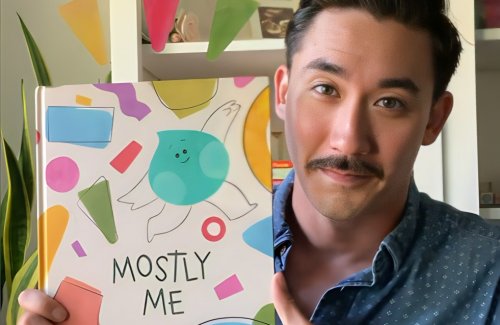
Celebrating Individual Narratives and Multiracial Identities Through the Book ‘Mostly Me’

In a world where the narrative of identity often falls into predefined categories, Mostly Me by Collin Hall emerges as a refreshing beacon of self-discovery.

Released on September 18 by Gloo Books, this picture book takes readers on a captivating journey, skillfully illustrating the complexities of biracial identity.

Author and Illustrator

Written by Collin Hall and beautifully illustrated by Crystal Dawn Chaffee, both of whom share a biracial heritage, Mostly Me is a heartfelt project born from personal experiences. Collin embarked on this creative journey shortly after the birth of his first daughter, driven by a powerful desire to equip her with the tools to embrace her multiracial identity.

Collin Hall is a proud biracial Korean/American based in Austin, TX, offering a voice that resonates deeply with those navigating the intricate terrain of identity.

Diverse Representation

According to the *Cooperative Children’s Book Center’s 2022 Diversity Statistics database, only 0.7% of children’s books published in 2022 were authored by multiracial individuals and focused on multiracial characters.

Collin’s Personal Journey

Collin Hall shares, “The biggest hurdle for this project was the internal identity-wrestling before words were even on paper. Having to re-engage with a part of myself I had avoided for a long time was hard, and typically paired with a good dose of uncertainty and guilt. Finding my own footing was, and is, a process, but one that put me in a much better spot to discuss multiracial identity with my own kids in the future.”

He also shared how re-learning Korean nursery rhymes was also a challenge and that it took longer than he expected.

Embracing In-Between Spaces

Mostly Me may be short and whimsical, but it carries a profound message—it’s entirely acceptable to exist within the fluid spaces of identity. It encourages individuals to wholeheartedly embrace all aspects of their heritage, irrespective of societal expectations.

I’ve got some green, I’ve got some blue. 

Some have asked, “So what are you?” 

Not quite blue, not fully green. 

I’m something new. I’m in-between.

Affirmation and Unity

Mostly Me serves as an affirmation, resonating with Collin and Crystal’s own experiences and the experiences of every multiracial child navigating the intricate landscape of identity. It instills the confidence to boldly claim one’s space in the world, reminding us all that there is no universal guidebook for this journey. Instead, it offers the comfort of shared emotions, questions, and experiences.

Within the pages of Mostly Me, Collin Hall extends an invitation to readers to embark on a profound journey of self-discovery. This remarkable book celebrates the beauty of embracing multiracial identities, encourages us to revel in the uniqueness of our individual narratives, and, above all, empowers us to find the strength to assert our presence in a wonderfully diverse world.

As we eagerly anticipate its release, Mostly Me promises to inspire and resonate with readers of all backgrounds, young and old, seeking to understand the rich tapestry of identity that defines us all.

CONNECT WITH COLLIN HALL / MOSTLY ME

Instagram: @mistercollin

Order here: gloobooks.com/products/mostly-me

Gloo Books: @gloobooks

*Independent analysis of data accessed on 07/02/2023 by Gloo Books using the Cooperative Children’s Book Center (CCBC), School of Education, University of Wisconsin-Madison Diversity Statistics Book Search (https://ccbc.education.wisc.edu/diversity-statistics-book-search/). Permission to publish granted by the CCBC 07/13/2023.

News

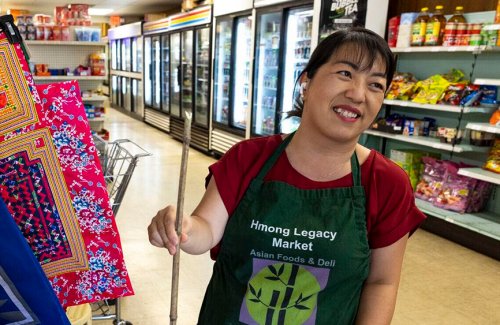
Hmong Legacy Market: Bridging Cultures Through Food and Community

At Hmong Legacy Market, located on Madison’s South Side, you’ll discover a treasure trove of homemade Asian cuisine. From steaming bowls of beef pho to whole roasted tilapia seasoned with herbs and chili, and delightful sesame rice balls filled with mung beans and coconut, this independent Asian grocery store offers a culinary journey.

Ze Yang, one of the owners, can often be found expertly preparing dishes like squash curry. To her, food is more than sustenance; it’s a connector, a storyteller, and a unifying force that brings people together.

As a young child in the 1980s, Ze Yang lived in a refugee camp in Thailand with her family, having fled Laos during the aftermath of the Vietnam War. In 1991, Ze Yang’s family received the opportunity to immigrate to the United States, sponsored by a distant uncle who had settled in California. Their early days in the U.S. were marked by challenges—language barriers, cultural shock, and financial difficulties. However, their farming skills from Laos allowed them to grow crops like green beans, tomatoes, and peppers, which they sold to support their family.

After six years in California, Ze Yang’s family decided to move to Wisconsin, drawn by the promise of better public schools and economic opportunities. Ze Yang’s parents worked tirelessly, holding multiple jobs to make ends meet. This experience inspired Ze Yang to become a teacher, focusing on helping immigrant children adapt to the American education system.

Ze Yang’s family thrived. They bought a house, built a family, the kids went to school, but they also wanted to pursue their entrepreneurial dream. They longed to create a space where people from diverse backgrounds could gather, savor homemade dishes, and access pantry staples from across Asia. This is why they opened Hmong Legacy Market, offering an extensive array of products, from giant spring roll skins to bamboo shoot chili oil, and from mango mochi to traditional Hmong celebratory clothing.

More than just a grocery store, Hmong Legacy Market is committed to the well-being of the community. In 2021, it partnered with Public Health Madison and Dane County to serve as a mobile COVID vaccination clinic. Looking ahead, Ze Yang envisions the store’s legacy continuing to thrive, driven by the spirit of family and the desire to improve and grow.

Featured Image Source: Madison

News

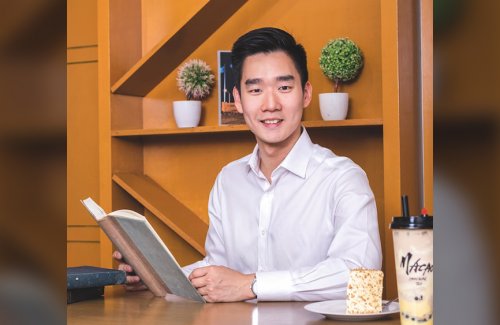
Entrepreneur Avin Ong: From Selling Hangers to CEO of Macao Imperial Tea

Avin Ong, the visionary behind Macao Imperial Tea and CEO of The Fredley Group of Companies, has carved a remarkable path to success in the world of food and beverage. His journey, from humble beginnings to leading a multi-million-dollar empire, reflects his belief that opportunities are abundant for those willing to seize them.

Growing up in a blue-collar family with limited resources, Ong’s early life was far from extravagant. His family’s livelihood revolved around assembling hangers and selling them in the bustling streets of Divisoria, Metro Manila.

Today, Ong oversees a diverse portfolio of businesses, including New York Fries and Dips (NYFD), Nabe Japanese Izakaya and Hot Pot, Café Kitsuné, and the immensely popular Macao Imperial Tea. His recipe for entrepreneurial success is built on several key principles.

Firstly, Ong emphasizes the importance of seizing opportunities when they arise. Having experienced financial hardship in his past, he has become adept at embracing opportunities without hesitation, even if he feels unprepared.

Secondly, Ong stresses the significance of understanding your target market intimately. He recognizes that different consumer segments require tailored approaches. For instance, Café Kitsuné caters to a more upscale audience, while Macao Imperial Tea targets a younger demographic through social media influencers like TikTok. 

Furthermore, Ong emphasizes the scalability of his brands, which has allowed for rapid expansion. Starting with less capital-intensive concepts like NYFD and Macao Imperial Tea, he has achieved impressive milestones, such as opening 13 new stores in a single day.

Innovation and adaptability are also cornerstones of Ong’s success. During the pandemic, while some of his ventures struggled, Macao Imperial Tea’s sales surged by over 300 percent.

Lastly, Ong’s humility shines through in his readiness to admit failures and setbacks. While he had to close some branches, he prioritized retaining his loyal team members by reallocating them to more successful establishments. He shared with Tatler Asia how he acknowledges that surprises are inevitable in life, as exemplified by his initial failure to gain admission to De La Salle University. However, his determination led him to eventually fulfill his dream of attending the esteemed institution.

Featured Image Source: The CEO Magazine