Stories

August 29, 2024

SHARE:

Navigating the world of law and order as an Asian American can be convoluted. However, as John D. Tran Talks about working with start-ups like AHN, overcoming industry barriers, and the power of mentorship.

A fun fact that encapsulates John’s impact is that he was the trademark attorney who helped protect and register the ASIAN HUSTLE NETWORK name back in 2019—a contribution that underscores his dedication to empowering the Asian American community.

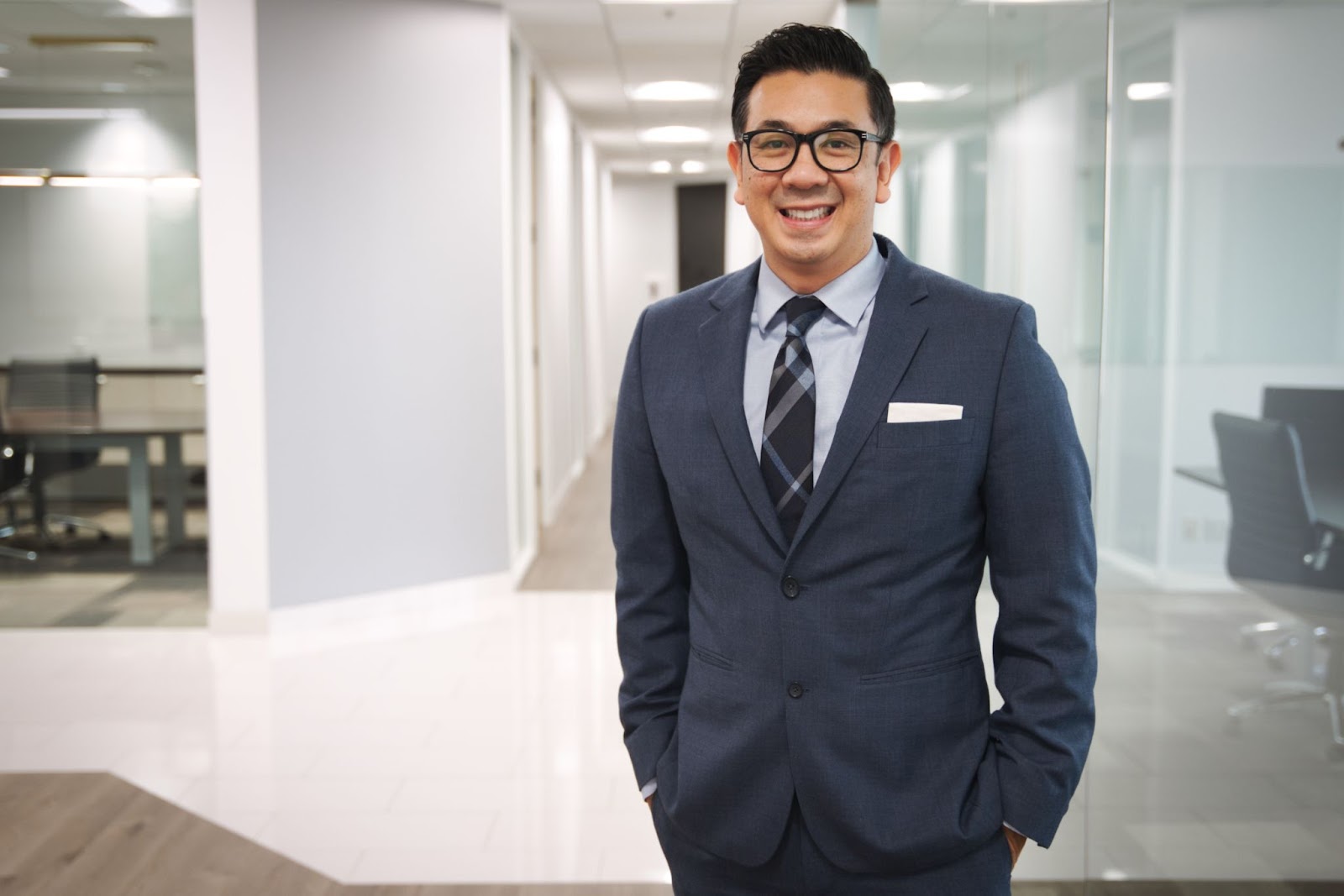
As a Partner at the Rhema Law Group®, John has spent over 20 years working as a Registered Patent Attorney, Intellectual Property Counsel & IP litigator, driven by a mission to aid startups & emerging companies navigating the complex business world. 
Finding Balance & Purpose in the Madness

In 2012, with the arrival of their boy-girl twins, John and his wife Rosalind Ong switched gears. Both seasoned lawyers at larger firms, the duo seized this joyful moment and joined forces to partner at a private law firm, Rhema Law Group, which specializes in intellectual property, business, and corporate law. While people may think being a lawyer trades much of one’s freedom for endless tedious readings into acts and regulations, John finds a nice work/life balance being a “cool” dad to twins (double the coolness), playing basketball, and being an avid sports fan, but finds ultimate enjoyment in spending time with friends and family.  

Protecting the Interests of Start-Ups & Emerging Businesses

Working as a lawyer for startups can be tough, considering how new and fragile they are in the market. While his work requires a focus on quality, integrity, and community, John treats startups with extreme care and attention, prioritizing personalization and case-by-case flexibility for each of his clients. He understands that these new businesses often operate on tight budgets, but also wants his clients to recognize the importance of investing in intellectual property protection right from the start. 

This is not just about legal protection—it’s an act of partnership, building relationships with the clients, getting to know who they are, and helping them grow. John said in an interview with AHN:

“With start-ups, even those backed by investors or venture capitalists, you’re usually dealing with a limited budget that needs to be responsibly allocated across various areas, such as R&D, marketing, sales, employment, and more. A good IP attorney will understand these constraints and focus on identifying the core IP of the start-up that needs to be protected from the outset while determining which IP can be addressed later.

Also, we find it important to conduct IP ‘think tank’ sessions, where we work closely with our clients to identify what protectable IP the company has and then develop an overall IP portfolio strategy. From trademarks, patents, copyrights and even trade secrets, approaching a business’s IP ensures that the start-up’s IP is properly protected at every stage of its growth. It’s incredibly rewarding to work with start-ups and emerging companies, watching them grow and mature over the years, and being a small part of their journey to success.”

John finds pride in working with primarily Vietnamese, Asian and minority-run companies.  His client list ranges from the small entrepreneur with an idea to multi-million dollar manufacturers with hundreds of employees working overseas. 

Building Leaders and Communities

His legal acumen has been shaped by mentorship, as he profoundly affirms his gratitude and advocacy for what mentorship has given him, “I think mentorship is so important, and I wouldn’t be where I am today without being fortunate enough to be mentored by some great people in my life, both professionally and personally.”

Above all, mentorship is not just a veteran-novice work of professional guidance, but, to John, it is a way of personal growth for everyone involved. This mindset coheres with his work ethic, where he hones his expertise (as startups can be quite a hard case to crack, your honor) while supporting their growth. 

“Mentoring builds up individuals, individuals build up communities, and communities raise families, support businesses, and can become the social networks that bring people together. For me, personally, mentorship has been a valued and rewarding part of my life. My wife and I have been fortunate to mentor several individuals for over 15 years, many of whom we met while volunteering at a leadership camp for foster care and at-risk teens.”

For John, mentorship is about time, consistency, and authenticity—qualities he embodies both professionally and personally.

“One particular mentee has become a little brother to me. We have mentored Salesi since he was 12, and then he served in the Army after high school and later worked at our law firm as a paralegal. Now, we’re proud to say that he has just been accepted to law school on scholarship! He was the first in his family to graduate from college and is now on his way to becoming a lawyer. Watching him grow and being there with him through the years has been such a rewarding experience, and it truly highlights the power of mentorship.”

A photo of John D. Tran (L) with his mentee who served in the Army and has just been accepted to law school on scholarship.

Navigating the Legal Landscape as an Asian American

Now, let’s get to the part where most Asian parents will be intrigued to see—being an Asian American attorney. There’s nothing that excites them more than when their kids come home and say “I want to be an attorney.” Respect, stability, and profitability—needless to say more. However, as an Asian American attorney in a predominantly white male-dominated industry, John has faced a sense of isolation and underrepresentation within the industry, forging the urge to always have to outperform himself. 

“I remember the first time I appeared in court on a case—the judge looked at me, smiled, and asked if I was still in law school because I looked so young (haha). It’s that Asian curse! But thinking back now, although there have been great strides made in recent times, the legal industry is still greatly underrepresented when it comes to Asian American attorneys. In my field of intellectual property law, I primarily practice before the federal courts, which are still largely dominated by older white males. That’s just the way it is, and as an Asian American attorney, you can sometimes feel like you’re the only one and feel pressure to prove that you belong in such a competitive space.”

John has overcome them by focusing on his craft and building a reputation for doing great work. John’s advice to aspiring legal professionals all comes down to self-awareness and passion, emphasizing the importance of choosing a practice area that aligns with one’s strengths and personality, as well as the value of giving back through mentorship and community service.

“Matching your personality and skill set to a particular area of law is often overlooked. For example, if you’re an extrovert who likes to be ‘in the action’ of things, becoming a transactional attorney who drafts contracts and agreements at your desk all day may not be the best fit for you. Conversely, if you’re more of an introvert, choosing to become a litigator where you’re in court frequently and presenting oral arguments to a judge or jury may not be a good fit either… Additionally, I think serving on some non-profit organizations and local organizations are things that help provide joy & fulfillment, including what we talked about earlier regarding the power of mentorship.”

Connect With John D. Tran / Rhema Law Group®

“One thing I love about the law is that, for the most part, it is impartial.  So, if you’re a good attorney doing great work, it doesn’t matter if you’re white, black, brown, or blue,, there’s no limits to what you can achieve and accomplish.”

X: @patentjt

Website: www.rhemalaw.com 

Contact:  jdt@rhemalaw.com | 949-852-4430 
Related Articles

14a43197-8fdf-4db7-bc59-5931ce26eb91

Stories

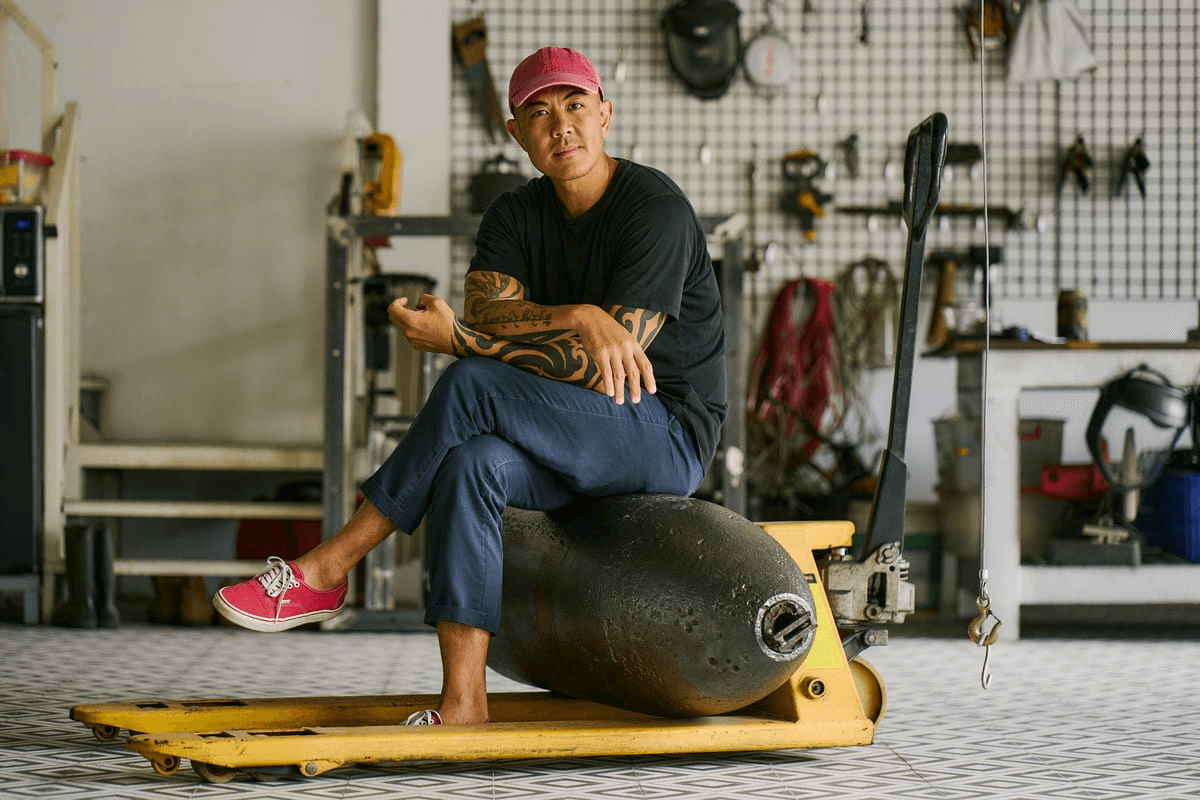
The Healing Power of the 27-Foot Buddha over New York City by Vietnamese Artist Tuan Andrew Nguyen

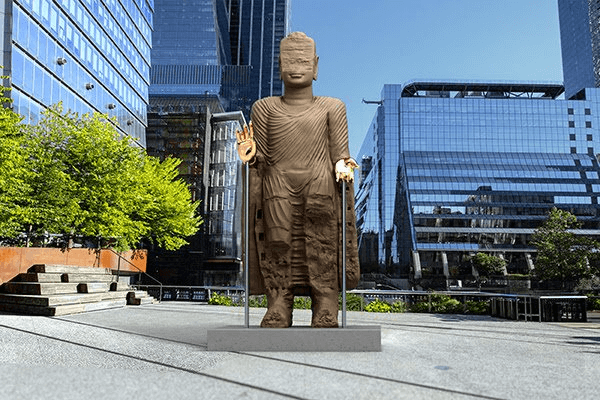
New York City is a place defined by constant noise and fast movement. Starting next spring, a 27-foot-tall Buddha statue will be installed on the High Line Plinth to change that atmosphere.

This 27-foot-tall sculpture is the latest installation on the High Line Plinth, towering over the city as a beacon of reflection. Created by Vietnamese artist Tuan Andrew Nguyen, it represents a profound intersection of ancient spirituality and modern history.

Titled ‘The Light That Shines Through the Universe’, the piece acts as a medium for healing and ancestral memory. More than just a statue, it represents an architectural prayer offered to a city that never stops moving.

Image Source: Art Asia Pacific

Historical Acupuncture: Healing Global Wounds

Tuan Andrew Nguyen describes his creative process as “historical acupuncture,” a method of using art to target and release the pressure of buried traumas. 

By placing this massive Buddha in one of the most active public spaces in the world, Nguyen addresses the deep-seated wounds of war, displacement, and erased histories. 

The sculpture serves as a physical needle intended to stimulate the collective memory of the public, forcing a confrontation with the ghosts of the past. In a city built on constant reinvention, this work insists on the importance of looking back to move forward.

Image Source: The High Line

Weapons into Wisdom: The Alchemy of Brass

The most poignant detail of the sculpture lies in its hands, which are not merely carved but recast from a darker history. 

Nguyen utilized brass artillery shells recovered from war-torn landscapes, melting down the literal tools of death to forge sacred gestures of compassion. This transformation represents a literal and figurative alchemy, turning the debris of violence into a silent blessing for New York City. 

Through this act of recycling and redemption, the artist proves that even materials born of destruction can be repurposed to serve a higher, more peaceful calling.

Image Source: The Collector

A Global Refugee: Resilience in Sandstone

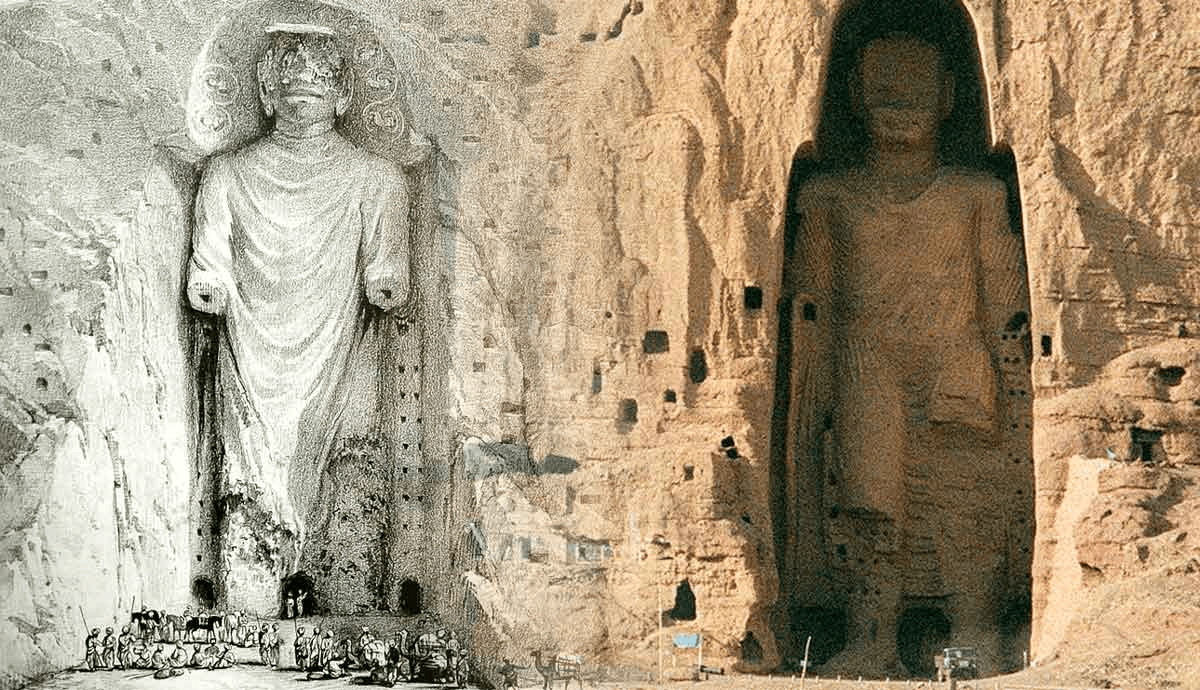
Carved in sandstone, the figure pays a haunting tribute to the Bamiyan Buddhas of Afghanistan, which were destroyed by the Taliban over two decades ago. 

Nguyen reimagines the spirit of those lost monuments as a “global refugee,” traveling from a workshop in Vietnam to find a temporary home in the heart of Manhattan. This journey mirrors the displacement of millions, turning the sculpture into a symbol of cultural endurance. 

It stands as a towering promise that while physical stone can be shattered by hate, the resilience of our shared human heritage remains fundamentally unbroken.

Learn more about Tuan Andrew Nguyen here:

📍Website

image

Stories

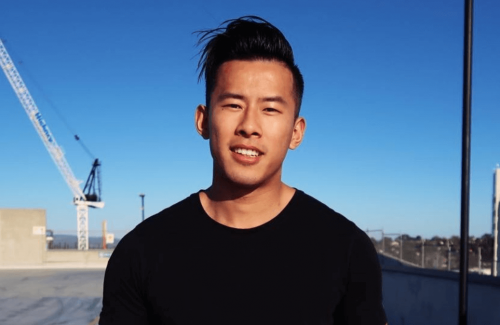
The Fighter Mentality Driving Anthony Kwok, CEO and Co-Founder at ZILIO, to Fix Fashion’s Most Overlooked Problem

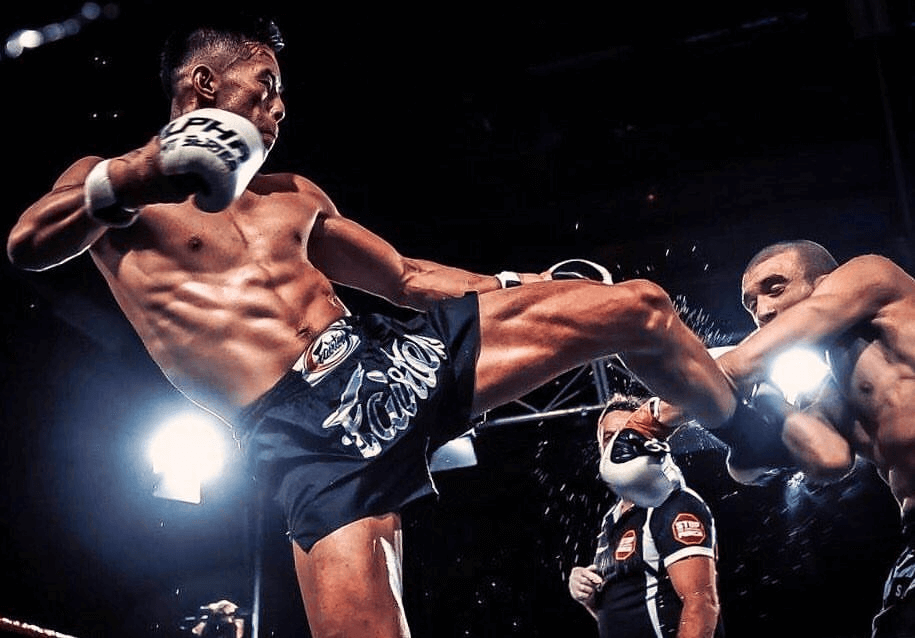
Anthony Kwok’s journey didn’t begin in a boardroom. It began in places that demanded discipline, resilience, and the ability to keep going when things got uncomfortable. First in the ring as a professional fighter, and later through a medical crisis that reshaped how he approached both life and leadership.

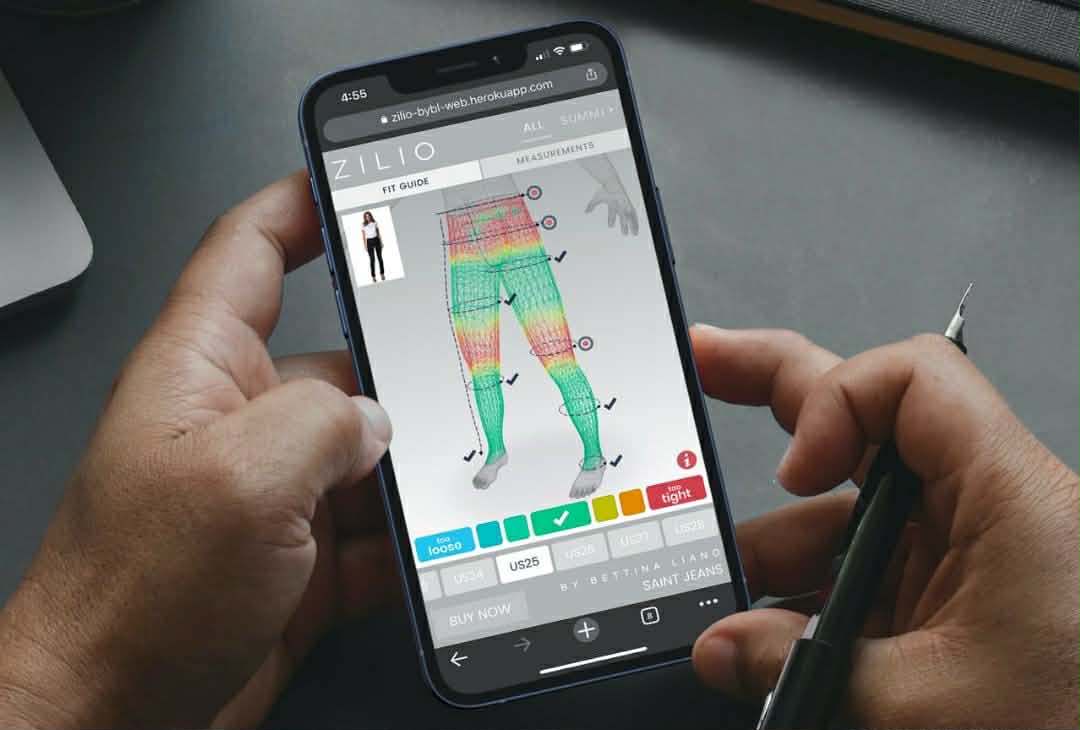
Those experiences now shape how Anthony runs ZILIO, a fashion tech company building AI-powered sizing solutions for brands and uniform providers. What looks like a startup on the surface is really the result of years spent learning how pressure exposes real problems, and how frustration often points to what needs fixing most.

At ZILIO, Anthony brings that mindset to one of fashion’s most overlooked challenges: the perfect fit. Not just as a sizing issue, but as a confidence issue that affects how people show up, move through their day, and feel in their own skin.

The Lessons That Carried Him Through

Before stepping into the tech world, Anthony spent his years as a professional fighter competing on FoxSports. Growing up Asian in a predominantly white environment, he felt he had to work twice as hard to be seen. This drive eventually led him to the ISKA Victorian Title. However, his toughest fight came outside the ring when he suffered two strokes the same year he founded ZILIO.

Walking away would have been understandable. Instead, Anthony leaned into the discipline he learned as a fighter. As he puts it, “Being a professional fighter taught me one non-negotiable principle: Never quit. No matter what. That philosophy carried me through recovery and continues to guide how I build today.”

Solving the “Booty Short” Problem

The idea for ZILIO was born from personal frustration. As an athlete with a specific build, Anthony found online shopping to be a constant gamble. He still remembers ordering gym shorts that arrived fitting like “booty shorts,” an experience that made him wonder why we can dress video game avatars perfectly but struggle to do the same in real life.

ZILIO solves this by replacing confusing size charts with accurate AI recommendations. The company started with corporate uniforms, where poor fit creates massive operational headaches for brands like Coles and Australian Unity. The impact was immediate. ZILIO has helped partners cut returns by 40% and significantly boosted customer engagement by giving them a fit they can trust.

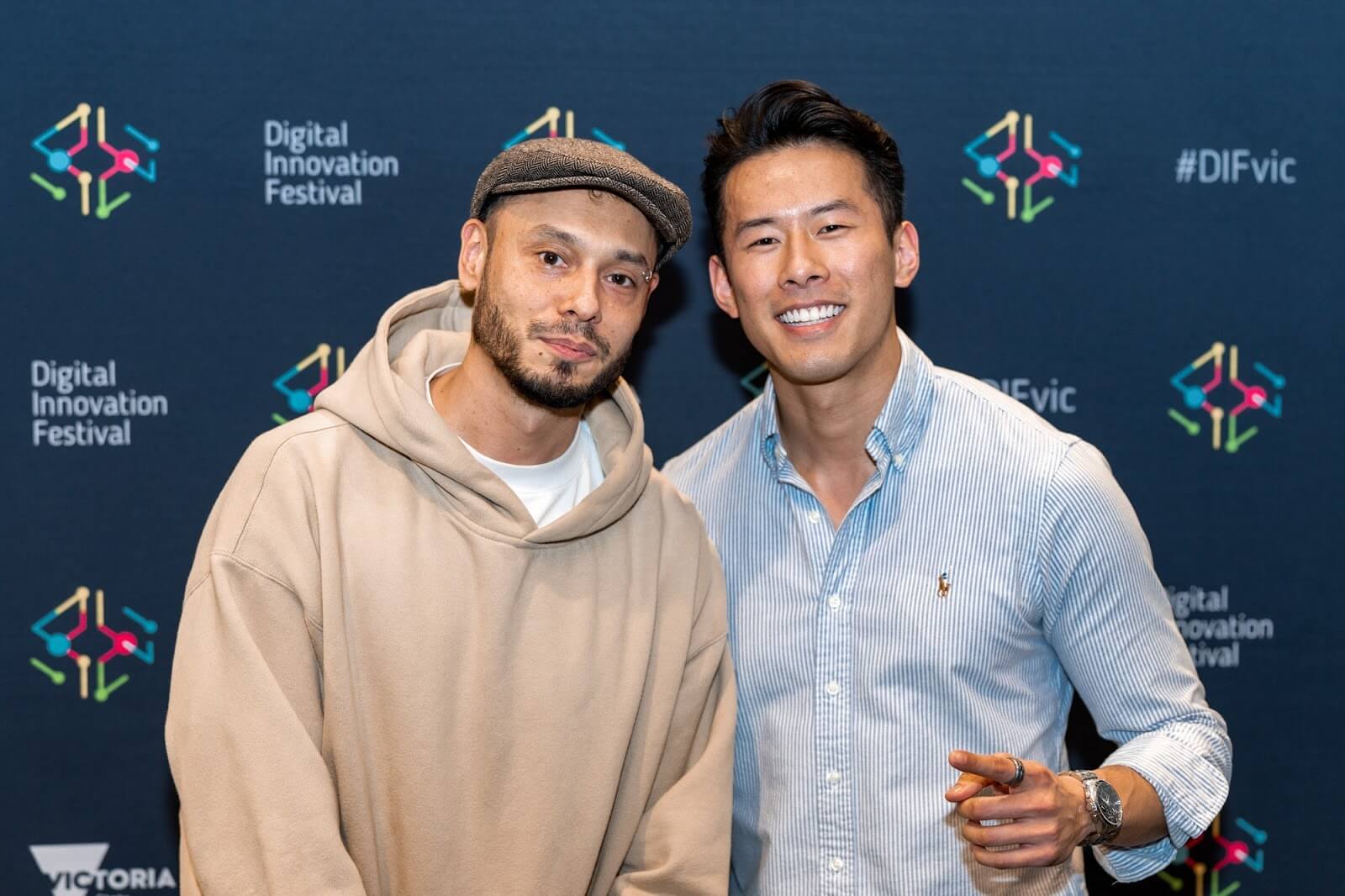
Anthony Kwok (right), CEO and Co-Founder of ZILIO

Helping People Stop Second-Guessing Their Bodies

For Anthony, this mission is personal. He knows that standard size charts often fail people with diverse backgrounds and body types, including many in the Asian community. His goal is to make sizing “invisible” so that people can focus on their style instead of their anxiety.

“Fashion is deeply emotional, and a bad sizing experience can stop someone from exploring style altogether,” Anthony explains. “ZILIO exists to navigate that complexity and give people clarity and confidence, regardless of body type or background.”

With $500,000 in funding and awards like the B&T 30 Under 30, Anthony is proving that a kid with a big imagination can change a global industry. Whether it’s through his upcoming 3D virtual fitting rooms or his work with major brands like Rebel Sport, he is making sure that the next time you shop online, you’re buying a piece of clothing that actually fits your life.

Discover more about Anthony Kwok here:

📍LinkedIn📍Instagram

Learn more about ZILIO here:

📍Website📍Instagram

5fb9cf02-106f-4637-a666-2db06176ce94-jpeg

Stories

From War Survivor to Literary Leader: The Remarkable Rise of Amy M. Le, CEO of Quill Hawk Publishing

Amy M. Le, CEO of Quill Hawk Publishing, has built her life around stories that matter. Not the polished kind that skip the hard parts, but the honest ones shaped by loss, survival, and growth. Her journey reflects how personal history can quietly become a source of strength.

Every stage of Amy’s life pushed her to adapt and redefine what success looked like. She learned early that resilience is not loud or dramatic, but steady and intentional. Over time, those lessons shaped the way she approaches both writing and leadership.

Today, Amy’s work centers on creating space for voices that are often overlooked. Through publishing and community-building, she helps others turn lived experience into stories that resonate far beyond the page.


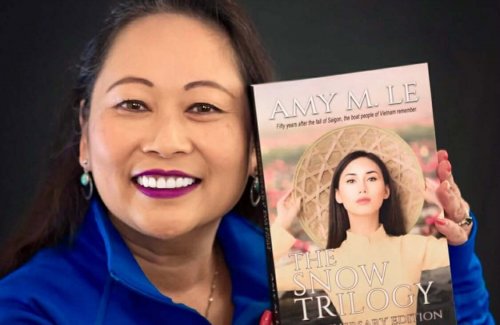
Photo courtesy of Amy M. Le, CEO of Quill Hawk Publishing

Born in War, Saved by Courage

Amy M. Le was born during the final months of the Vietnam War, a period defined by intense fear and systemic instability. As an infant, she faced a life-threatening heart condition that put her future in jeopardy before it had truly begun. Because medical resources were scarce in a war zone, her survival was never a guarantee.

Driven by a mother’s fierce love, her family made the harrowing choice to flee Vietnam in search of safety and essential medical care. This escape carried enormous risks, yet it was fueled by an unwavering hope for a life free from conflict. That courageous decision ultimately changed the trajectory of Amy’s life, setting her on a path toward a new world.

Photo courtesy of Amy M. Le (far right), CEO of Quill Hawk Publishing

A New Life and a Turning Point

Their journey eventually led them to Seattle, where Amy underwent the life-saving heart surgery she so desperately needed. This successful procedure gave her much more than physical health; it provided a second chance and a profound sense of purpose. With this renewed vitality, she grew up determined to make the most of every opportunity her new home provided.

Following this recovery, Amy spent over twenty years navigating the high-pressure tech industry to build a stable and successful career. However, the trajectory of her life shifted once again when she faced the devastating loss of her mother. In the wake of this grief, she turned to writing as an essential lifeline to heal her heart and rebuild her sense of identity.

Photo courtesy of Amy M. Le, CEO of Quill Hawk Publishing

Turning Story into a Mission

That personal healing became The Snow Trilogy, a powerful book series telling the true story of her family’s escape from Vietnam and their new life in America. The books resonated deeply with readers who saw their own stories reflected in its pages. What began as personal healing became a collective connection.

Inspired by that impact, Amy founded Quill Hawk Publishing, a hybrid company built to empower authors without stripping away their creative freedom. In just three years, the company has grown to support 70 authors from Seattle to Sydney, proving that no matter where you begin, you can always rewrite your story and help others tell theirs too.

Discover more from Amy M. Le here:

📍Instagram

Learn more about Quill Hawk Publishing here:

📍Website

40748b69-2f96-4629-bbbe-b024579ea217-jpeg

Stories

4 Creative Ways Trysen Kaneshige Uses Art to Keep Aloha Alive

Some artists create for attention or fleeting trends, but Trysen creates with intention, guided by a deep sense of responsibility to the culture that shaped him. Growing up in Hawaiʻi, he learned that Aloha is not just a feeling, but a way of living rooted in care, respect, and connection.

That belief now guides both his art and his creative studio, Inspire to Create Media. Through murals, design work, and storytelling projects, Trysen uses his business as a platform to protect culture while helping others share their stories with intention.

1. Reviving Local Stories Through Murals


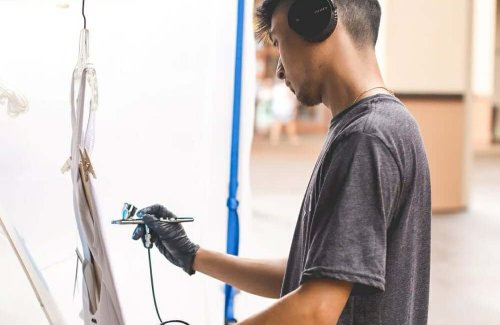
Photo courtesy of Trysen Kaneshige, Founder of Inspire to Create Media

At the core of Trysen’s work is listening. On Kauaʻi, he spends time learning from residents about their histories, struggles, and sources of pride before creating any artwork. This approach reflects the values he also brings into Inspire to Create Media, where storytelling always begins with people.

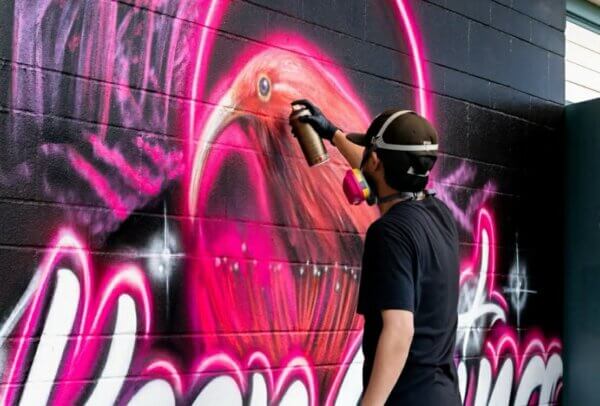
The murals that follow are rooted in real voices. They transform blank walls into visual records that help locals feel represented and allow visitors to understand the island through the community’s lived experience.


2. Designing With Aloha in Mind


Photo courtesy of Trysen Kaneshige, Founder of Inspire to Create Media

Aloha influences how Trysen collaborates, how carefully he considers each element, and how much intention goes into every decision. Design, for him, is about respect as much as aesthetics. That same mindset shapes the design work produced through Inspire to Create Media. 

Whether creating branding, apparel, or custom visuals, his goal is to make work that feels warm and grounded. Each piece is designed to reflect care, balance, and a sense of home rather than fleeting trends.


3. Empowering Youth and Community Spaces


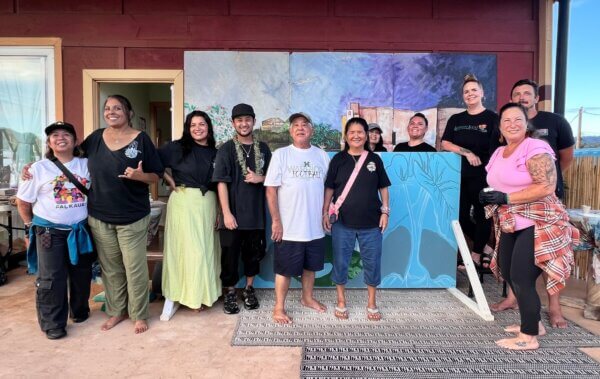
Photo courtesy of Trysen Kaneshige (fourth from left), Founder of Inspire to Create Media

Beyond client work, Trysen uses both his art and his studio to invest in the next generation. Through partnerships with schools and wellness programs, Inspire to Create Media supports projects that turn shared spaces into places for expression and growth.

By involving young people in the creative process, he helps build confidence and identity. These initiatives focus less on the final product and more on giving youth a voice and a stronger connection to their roots.


4. Building a Global Bridge From Island Roots


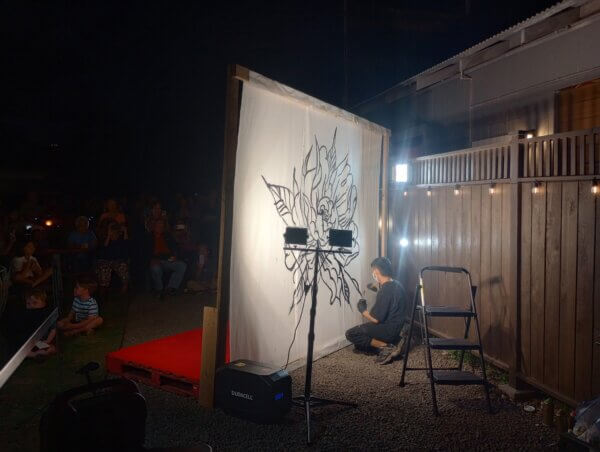
Photo courtesy of Trysen Kaneshige, Founder of Inspire to Create Media

While his work is deeply rooted in Hawaiʻi, its reach continues to grow beyond the islands. Through collaborations with global brands like Volcom and OluKai, Trysen shares an authentic island perspective with a wider audience.

These partnerships amplify his message without compromising its foundation. By staying grounded in culture, he shows that it is possible to connect with the world while remaining true to where you come from.


Photo courtesy of Trysen Kaneshige, Founder of Inspire to Create Media


Carrying Aloha Forward

At its core, Trysen’s work—through his art and his studio, Inspire to Create Media—is an ongoing act of care. Through each project, he honors his home, uplifts his community, and uses creativity as a way to carry Aloha forward with intention, respect, and lasting impact.

More than anything, his work reflects a belief that culture is something you actively protect and pass on. By choosing collaboration over ego and meaning over trends, Trysen ensures that Aloha is not only preserved, but lived, felt, and shared with future generations.

Discover more from Trysen Kaneshige here:

📍Facebook

📍Instagram

Learn more about Inspire to Create Media here:

📍Website

📍Instagram