Stories

December 8, 2025

SHARE:

Where Identity Begins
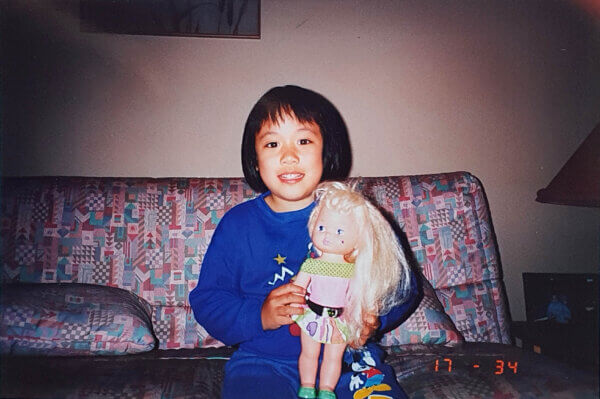
Growing up in Australia as part of a small minority shaped Samantha’s early understanding of identity. It taught her what it feels like to search for belonging, to look for pieces of yourself in the world and not always find them. Those early lessons sat quietly in the background as she moved into adulthood.

Her career began in finance, a path she chose for its stability and predictability. But creativity eventually led her in a different direction. She built a thriving wedding photography studio—one that grew from passion, long nights, and the joy of capturing love stories. It was a life she couldn’t have imagined at the start.

Then the pandemic arrived. Overnight, hundreds of thousands of bookings vanished. The business she had spent years building collapsed in an instant. And in that same period of loss, another reality weighed heavily on her: the rise in anti-Asian hate. As a mother, the headlines and the stories hit differently. Samantha began thinking deeply about the world she wanted for her daughters—what they would grow up seeing, feeling, and believing about themselves.

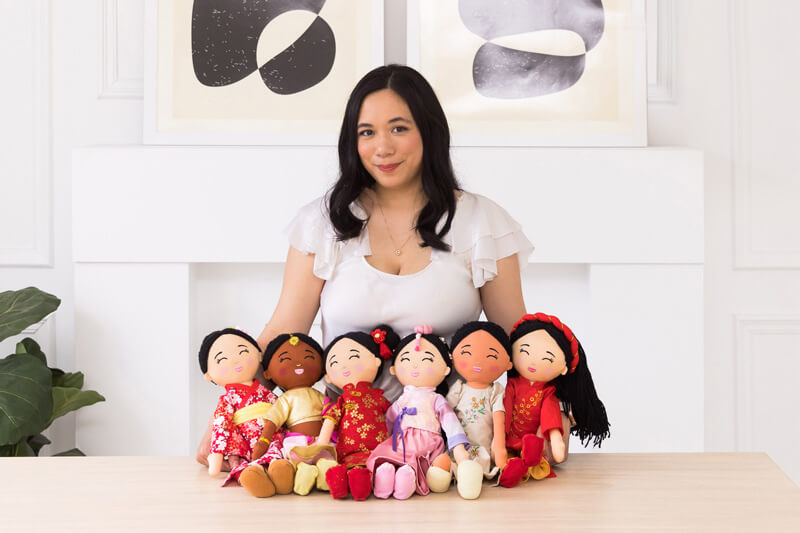
That led her on a simple search: dolls that reflected her daughters’ culture. But what she found were options that were limited, stereotypical, and often too expensive. It was a moment that crystallized something important. Realizing how quickly children learn about who they are, the idea for Joeydolls began to take shape—quietly, but powerfully.

Turning an Idea Into a Brand
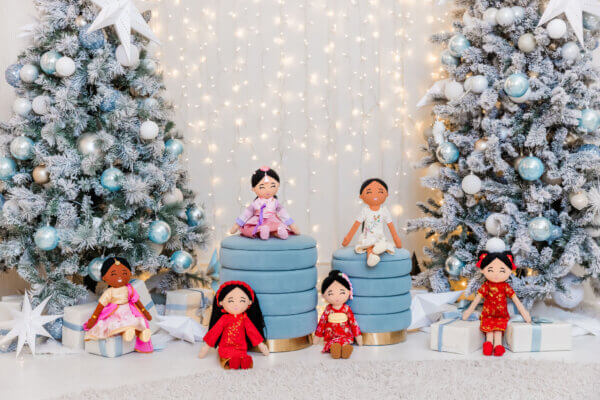
An idea, however, is only the beginning. Turning it into a real toy brand meant stepping into a world Samantha knew nothing about. She had to learn everything from manufacturing to product design to e-commerce—starting from zero. There was no roadmap, just persistence and a mission that felt too important to abandon.

The timing made it even harder. Pandemic rules slowed communication. Shipping delays stretched out timelines from weeks to months. With very little funding, every decision mattered. Every misstep cost time she couldn’t afford to lose.

Then tariffs on goods from China jumped to 145%, and suddenly even the future of the business came into question. There were moments when it all seemed impossible—too expensive, too complex, too overwhelming for one person to navigate.

But Samantha kept going. She kept refining the vision, pushing through setbacks, and holding onto the mission that started it all. And she didn’t do it alone. Throughout the long nights and the uncertainty, she was supported by a husband working multiple jobs so she could stay focused on building the brand their daughters—and so many other children—deserved.

A Brand With a Bigger Purpose
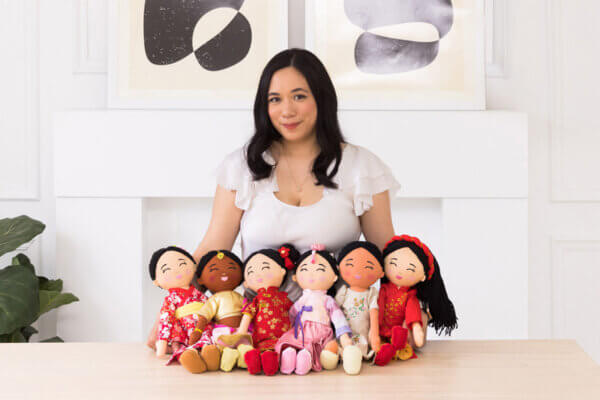
Today, Joeydolls has sold over 15,000 dolls and earned major recognition. But those numbers only tell part of the story. At its heart, the brand is Samantha’s answer to a question that began during one of the hardest moments of her life: How do we help children grow up seeing their cultures celebrated, not erased?

Joeydolls stands as that answer—a way for children to see their cultures reflected with pride, dignity, and everyday joy. What started as a search for her own daughters became a mission to help thousands of children feel seen, valued, and connected to where they come from.

A single doll can seem small. But for many families, it’s a beginning. And for Samantha, it’s proof that representation—when created with care—can grow into something far bigger than one person’s story.

Learn more about her story here: https://www.joeydolls.com/

Related Articles

Image Source: FOX5 New York

News

Manhattan’s Chinatown Receives $20M Funding For 11 Post-pandemic Revitalization Projects

Manhattan’s Chinatown is one of the neighborhoods that has been impacted the most severely by the pandemic.

New York Governor Kathy Hochul unveiled eleven transformational projects that would be part of the initiative to help the Chinatown community reopen corridors, restaurants, businesses, and cultural institutions. 

The projects include:

  • Renovating Kimlau Square
  • Beautifying the Park Row connection to Chinatown
  • Upgrading a section of Sara D. Roosevelt Park
  • Installing murals and light projection art throughout Chinatown
  • Expanding light-up Chinatown street lanterns
  • Opening a community health & wellness center
  • Reopening the childcare and family support center at Smith Houses
  • Creating a Building Upgrades Fund
  • Creating a Chinatown welcome arch/gateway
  • Establishing Asian Culinary Arts of New York
  • Establishing the Chinatown Cultural Welcome Center

“These critical investments will transform the neighborhood and create a more vibrant and inviting destination for locals and visitors alike while enriching the neighborhood by improving foot traffic, economic and cultural activity.” Governor Hochul said in a statement.

Image Source: K.M. Cannon / Las Vegas Review-Journal

News

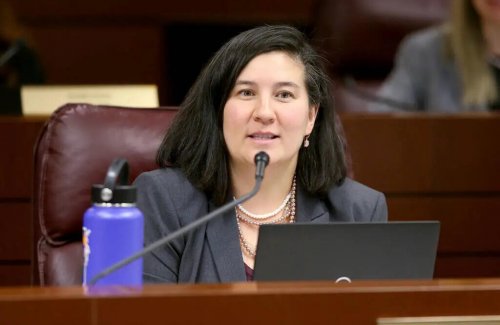
Rochelle Nguyen Sits As The First Asian American Nevada Senator

Clark County Commission appoints Nevada’s first Asian American senator, Rochelle Nguyen, a state assemblywoman. 

“I plan on working hard to ensure we are adequately funding our public schools, that health care is affordable as well as accessible, and that all voices are represented,” Nguyen said, who will replace former state Sen. Chris Brooks for a job in the private sector.

Nguyen was nominated by Senate Majority Leader Nicole Cannizzaro, D-Las Vegas. The new Nevada senator’s appointment to the Finance, Judiciary, and Health and Human Services committees for the next parliamentary session was made public by the Democratic caucus. She will hold the position’s vice chair.

The caucus acknowledged her efforts on “landmark” legislation, which included reforming the criminal justice system, regulating short-term rental agencies, and advocating for victims of domestic abuse.

When Brooks was elected to the state Senate in 2019, Clark County made the decision to nominate Nguyen to replace Brooks in the Assembly. She eventually won the election for the seat in both 2020 and 2022.

Image Source: Vedant Fashions

News

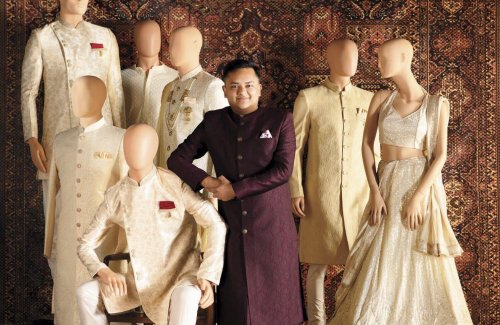
Vedant Fashions Founder Made It To India’s Richest List From Selling Affordable Indian Wedding Couture

Ravi Modi started Vedant Fashions in 1999 with the Manyavar brand, selling pajamas, saris, sherwanis(long-sleeved outer coats), kurtas, lehengas (ankle-length skirt), and salwar sets (trouser-and-tunic combination).

Vedant Fashions designs clothes but outsources bulk of the manufacturing. It currently has 590 outlets in 228 Indian towns and 13 in North America and the UAE. 

Manyavar is its flagship men’s line, while Mohey is its 2015 women’s collection. Both are mid-premium or affordable aspirational.

According to Forbes, Modi listed 15% of the company on the Indian stock exchanges in February—the basis of his $3.75 billion fortune that adds him to the ranks of India’s richest this year for the first time.

Modi grew up with three sisters in Kolkata. His father was a first-generation entrepreneur who opened a clothes company in 1975. Kolkata’s AC Market is one of the city’s earliest air-conditioned markets, including clothing, jewelry, and electronics retailers. 

The 45-year-old billionaire lives in a big bungalow on the outskirts of Kolkata where he grows his own fruits and vegetables. With 30 years of retail expertise, he provides a fresh perspective on money and career. “Earning wealth without earning time is meaningless,” he told Forbes.

Moreover, according to Forbes, he spends a quarter of his time on business, asset management, and philanthropy, and the rest on health, relationships, and learning. His daily activities include meditation, yoga, and studying strategies of retailers such as LVMH, Nike, and Uniqlo.

Image Source: G’s Kpop Kilig Facebook

Stories

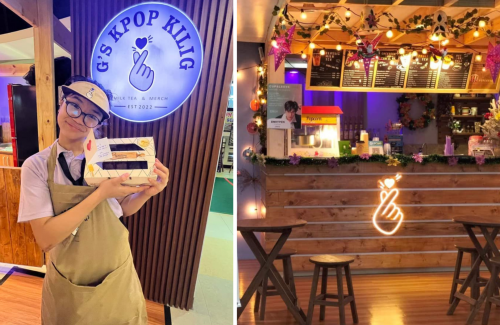
13-Year-Old Took Her Fangirling Into Greater Heights, Opens a K-Pop Inspired Milk Tea Shop

Filipino teenager Given Mendoza turned her fangirling into a business. As a K-Pop fan, she loves collecting merch of her favorite Korean pop idols. 

Given realized that these items can increase in value. She then found a way to earn by reselling them and worked on growing the business.

With the business’ great potential, the 13-year-old launched her online store, G’s KPop Kilig, “I decided to buy some albums for myself. I also bought some extra albums to sell, to see if I can earn profit,” she told the local news.

Later on, she was able to save enough to open a physical store in Baguio City, Philippines, and sells milk tea and K-Pop merch. As an “Army ”of the popular Korean group BTS, she also incorporates some inspiration to her milk teas.