Stories

July 22, 2023

SHARE:

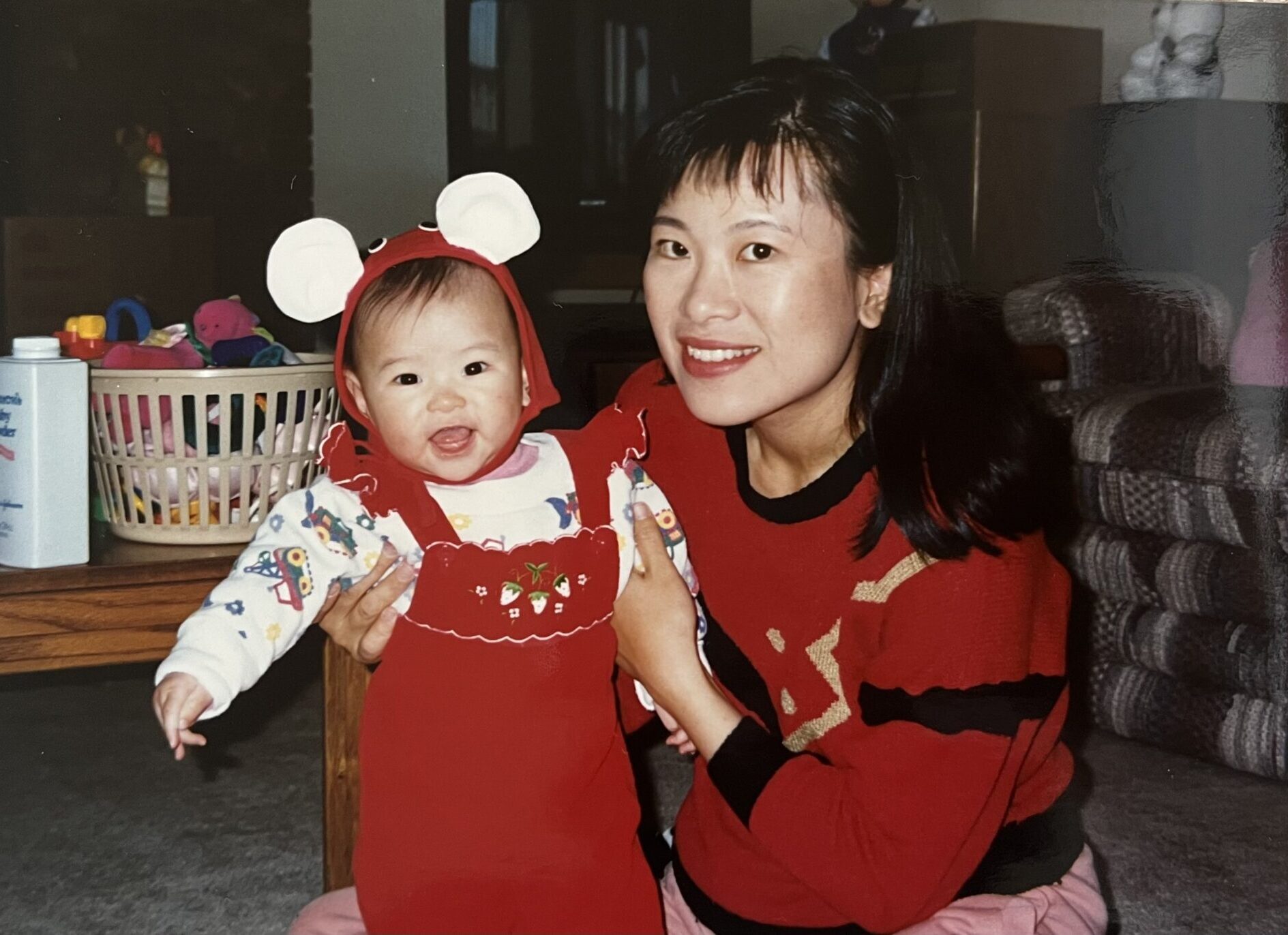
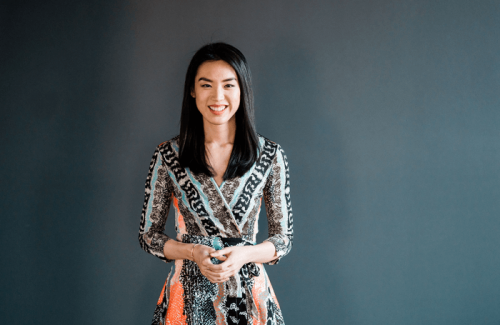
Michelle Jing Chan is a Chinese American artist and children’s book illustrator who, in an interview with Asian Hustle Network, opens up about her mother’s remarkable journey as a first-generation immigrant and the profound impact it has had on their relationship.

Michelle’s mother, May, is a survivor of Mao Zedong’s reign. She emigrated from Guangzhou, China, to California, facing numerous challenges along the way. She pursued her passion for fashion, but eventually put her dreams on hold to raise Michelle and her brother in Colorado.

After retirement, May embarked on a new venture where she creates Chinese-inspired baby clothes and puts them up for sale. The response from the community has been overwhelmingly positive, with many people showing keen interest in purchasing her creations.

In this article, Michelle shares a heartfelt glimpse into her mother’s story and their shared journeys. Join us as we explore May’s experiences as a first-generation immigrant, from surviving challenging times to embracing a new life in the United States.

HER MOTHER’S IMMIGRANT JOURNEY

Michelle: I’m a Chinese American artist and children’s book illustrator. I grew up in Colorado and now live in the Pacific Northwest. Although my background is in engineering and business, my passion is in art and storytelling–particularly in stories that empower queer and Asian youth to be their authentic selves.

My mom is a first-generation immigrant who grew up in Guangzhou, China, and emigrated to California in her early twenties. In China, she and her family survived Mao Zedong’s reign and the struggles that it brought, including facing famine, almost losing one of her sisters in an accident at a labor camp, and being targeted by Red Guards for my grandfather’s opposition to Mao during the Cultural Revolution.

When they emigrated to the US, they lived near LA and had a robust community of other Chinese immigrants. However, my mom and her family were poor and didn’t speak English. The rest of her family all found service jobs. Similarly, my mom worked as a waitress at a restaurant near Hollywood.

PUTTING DREAMS ON HOLD

Early in the morning before the restaurant opened, she would attend adult English classes. She always had an interest in fashion and it became even stronger after working near Hollywood and seeing designers and celebrities come into the restaurant. She saved up enough money to go to school and study fashion design. During that time, she continued to work at the restaurant on weekends and at a fashion company after school.

After completing her program, she planned to enter the fashion industry in California. However, she met my dad, a first-generation immigrant from Hong Kong, through a family friend. They got married and she moved to Colorado where my dad lived, and they had me and my brother shortly afterwards. In Colorado, opportunities in fashion design were much scarcer than in LA.

She decided to put her own dreams on the back burner and became a stay-at-home parent, dedicating the next decade and a half of her life to raising me and my brother. It wasn’t until I was in high school that she started working again, and she didn’t return to the fashion industry until a few additional years later.

MICHELLE’S RELATIONSHIP WITH HER MOM

Growing up, I was very close to my mom, but I don’t think I fully grasped the emotional weight of what it must have been like for her to sacrifice her career for her children. I definitely took for granted the fact that my mom was always able to pick us up after school and had the time and energy to make clothes and Halloween costumes for us, tailor clothes if they didn’t fit, and come up with other creative craft projects to keep us entertained.

As an adult now–especially as a creative myself–I understand more fully how isolating and difficult that sacrifice must have been. Also, our town in Colorado is conservative and not very diverse, so the adjustment for her coming from LA must have also been challenging and lonely. What strikes me now is how unselfish and giving she is. She has never voiced resentment for the educational or creative opportunities that I’ve had even though she didn’t have access to those same doors herself.

While my parents and I didn’t see eye to eye on my career in children’s book illustration at first, they are now some of my biggest cheerleaders. In fact, being in a creative career myself has allowed me to bond with my mom in a new way as she is embarking on her own creative journey. We can now connect over our creative passions, which is a new dimension to our relationship that didn’t exist before.

CREATING CHINESE-INSPIRED BABY CLOTHES

My mom loves kids and designing kids’ clothes. As I mentioned earlier, she made clothes for us growing up–including many of our Halloween costumes! She also loves Chinese fashion and still has suitcases of clothes from her life in LA. As she and my dad are now retired, pursuing this new venture seemed like a natural integration of these interests.

She uses Gerber brand onesies and transforms them into Chinese-inspired designs by adding ribbons, gold fabric, and traditional qipao-style buttons. She sews all these designs by herself in my childhood home.

She’s blown away by the response to her shop so far and is still processing the influx of orders! (Thank you again to the AHN community!) She wants to expand into clothes for toddlers and perhaps someday, older kids as well. In my eyes, the sky’s the limit for her and her talent and I’m excited to see where she goes from here.

VALUES MICHELLE INHERITED FROM HER MOM

The biggest thing she has taught me is how to have a strong work ethic. My mom, dad, and my grandparents work harder than anyone I know. Now as an adult, I carry that with me always.

MICHELLE’S MESSAGE TO HER MOM

Thank you for everything you’ve done for me and my brother. I know it’s a debt I will never be able to repay, but I hope I can give you a small fraction by supporting your creative dreams like you’ve come to support mine.

CONNECT WITH MICHELLE

Instagram: @michellieart

Twitter: @michellieart

Tiktok: @michellieart

Website: michellejingchan.com

CONNECT WITH MAY

Instagram: @pandacub.babywear

Website: etsy.com/shop/PandaCubBabyWear
Related Articles

image-png

Stories

Princeton Engineer Luisa Zhou Left Corporate Life to Build a Million-Dollar Business on Her Own Terms

Luisa Zhou once believed that a Princeton degree and a prestigious engineering title were the ultimate markers of a secure and successful life. However, that sense of safety evaporated the moment her family faced a health crisis and she realized her “perfect” job offered no room for her to actually be there.

She learned the hard way that even a massive salary is a poor substitute for the freedom to prioritize your family during their darkest hours. That realization sparked a fire within her to stop trading her presence for a paycheck and to start building a life where she held the keys.

Image Source: Forbes

Engineering a Great Escape

Luisa did not leave her career on a whim because she understood that true freedom requires a foundation built on more than just hope. She spent two long years working on her consulting business during every stolen lunch break and late night while her colleagues were resting. By applying her logical engineering mind to the world of entrepreneurship, she proved that you can build a bridge to a new life without burning the one you are currently standing on.

This methodical approach allowed her to test her ideas in the real world while the safety of her corporate salary was still intact. She advocates for the slow build because it removes the desperation that often leads new founders to make short-sighted decisions for quick cash. When she finally stepped away from her desk for the last time, she was not taking a leap of faith but rather walking through a door she had already unlocked.

Image Source: Business Insider

Redefining the Million-Dollar Life

By the time Luisa officially left the corporate world, her “side project” was already generating over a million dollars in annual revenue. Now at 36, she has designed a lifestyle where four hours of focused work allows her to sustain a million-dollar business on her own terms. Her daily schedule is no longer a list of demands from a manager but a reflection of the people and passions that she values most in the world.

The most inspiring part of her journey is the fact that her bank account is secondary to the absolute control she now has over her time. Wealth for Luisa is the quiet confidence of knowing she can close her laptop whenever a loved one needs her without seeking anyone’s permission. She has proven to the world that the most valuable thing you can ever own is the right to decide exactly how your day unfolds.

image (1)-png

Stories

From Corporate Rejection to Global Power: The Story of Morris Chang Who Controls 90% of the World’s Advanced Chips

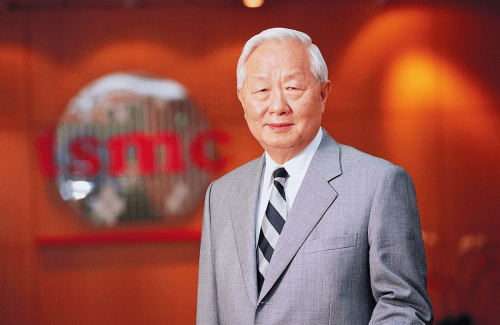
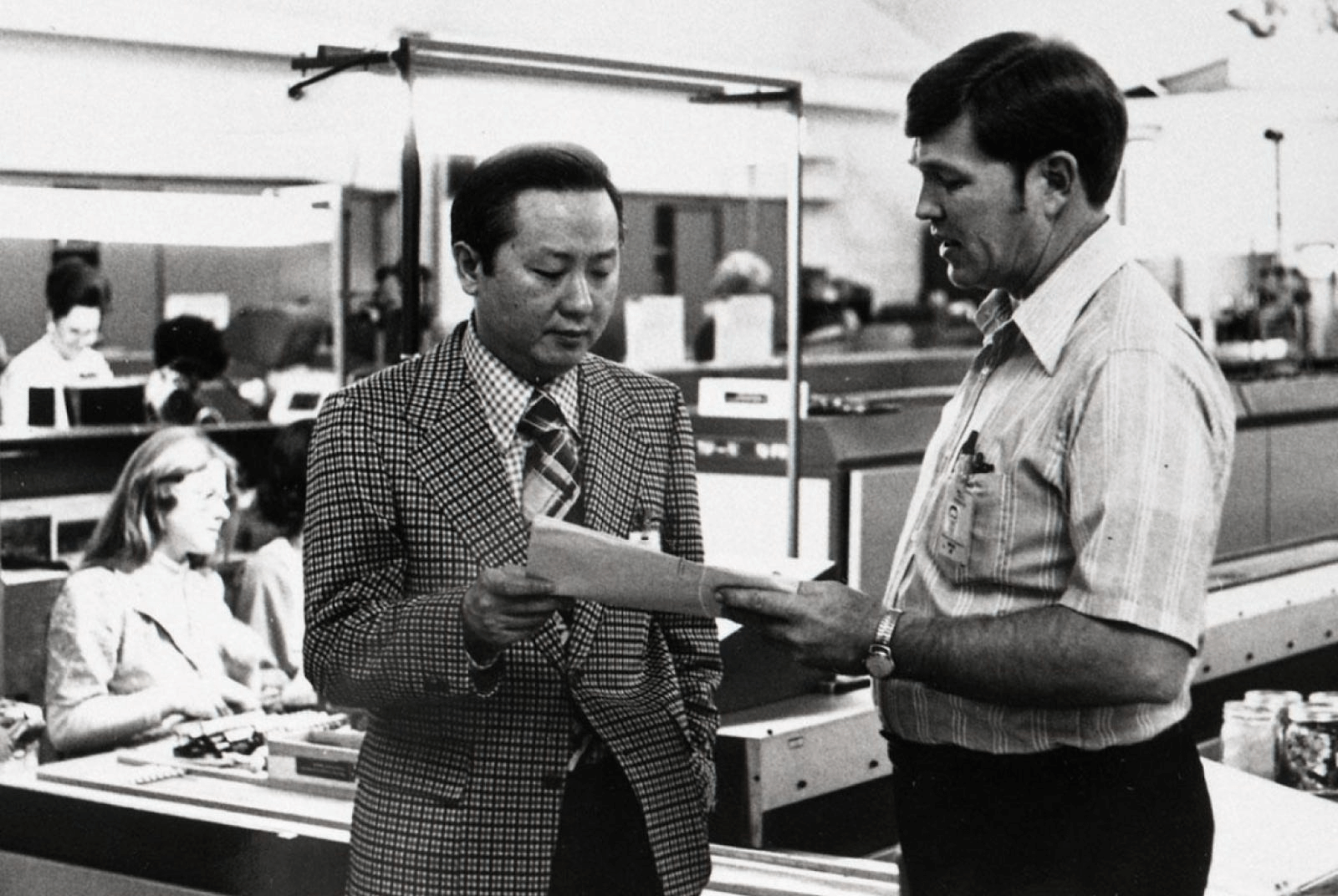
In 1985, Morris Chang reached a professional crossroads after being passed over for the top job at Texas Instruments. At 54 years old, he had a massive resume but felt there was nowhere left to go within the American corporate system. Instead of accepting a quiet retirement, he moved to Taiwan to build a business that addressed a major flaw in how computers were built.

This move was the first step in a journey that eventually placed him in control of the global tech supply chain. By choosing to solve a problem that many other executives ignored, he transformed a career setback into a global revolution. His transition from the United States to Taiwan set the stage for one of the most significant shifts in manufacturing history.

Image Source: Startup Synergy

The Career That Nearly Ended

Back then, if you wanted to design a chip, you had to spend billions to build the factory as well. Chang realized that this massive financial requirement was slowing down progress for everyone in the industry. He envisioned a new model that would allow innovators to focus on their designs while his company handled the heavy lifting of production.

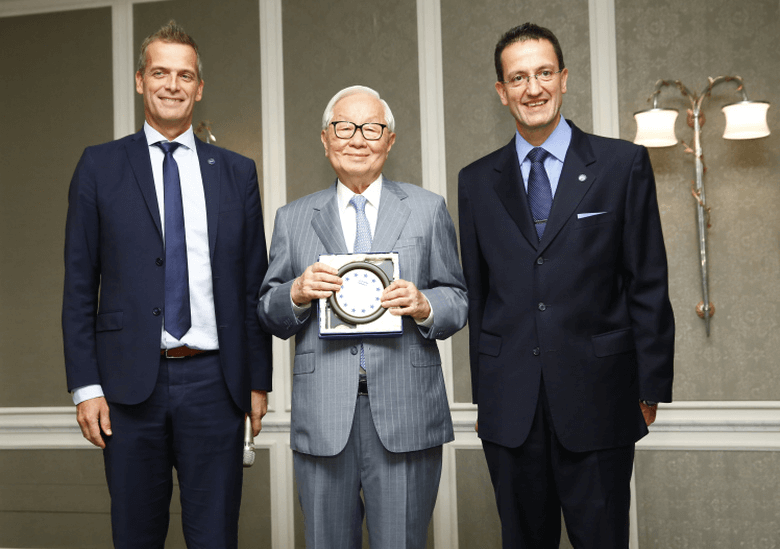
He founded TSMC in 1987 with a disruptive promise that he would manufacture chips for others but never design his own. By refusing to compete with his customers, he gained the trust of global tech giants like Nvidia. This specialized approach allowed these companies to thrive and scale without the burden of owning their own factories.

Image Source: European Chamber of Commerce Taiwan

The Idea Everyone Doubted

Decades of singular focus turned Chang into the most powerful man in tech, with his factories now producing 90% of the world’s advanced semiconductors. This level of market dominance makes TSMC the essential foundation for almost every modern electronic device we use. The sheer scale of his success proves that a single, well-executed idea can reshape the entire global economy.

The importance of his work is highlighted by the fact that if his production stops, the global supply of iPhones, Teslas, and AI systems stops with it. His legacy proves that the future isn’t just built in garages by young people, but by veterans with the grit to see opportunity where others see a dead end. Morris Chang didn’t just build a successful company; he built the infrastructure that the modern world depends on every day.

image (1)

Stories

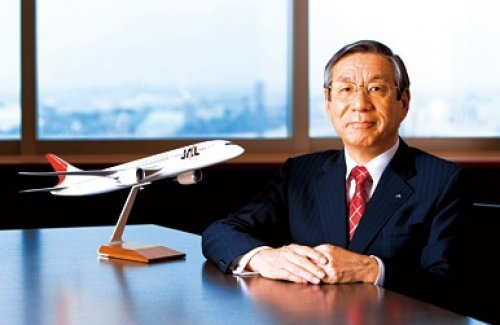
How Haruka Nishimatsu Defined Modern Leadership by Cutting His Salary to $90,000 a Year to Save Jobs

In the modern corporate landscape, it is common to see executives receive massive bonuses even as their companies face financial turmoil. Haruka Nishimatsu, the former head of Japan Airlines, famously broke this cycle by putting his employees’ security before his own wealth. He recognized that a company is only as strong as the people who keep it running every day.

When the airline faced billions in debt and the threat of bankruptcy, Nishimatsu decided to slash his own salary to just $90,000. This move ensured that he was feeling the same economic pressure as the frontline workers he led. His choice was a profound statement that leadership is a responsibility to others rather than a path to personal enrichment.

Image Source: NBC News

Leading by Example Through Shared Sacrifice

Nishimatsu discarded the traditional perks of his high-ranking position to remain grounded with his workforce. He traded a private limousine for the city bus and waited in line for lunch at the staff cafeteria.

These daily actions removed the social distance that typically separates a CEO from the rest of the office. By working at a regular desk in an open-plan room, he made himself accessible to everyone in the building.

Image Source: The Wall Street Journal

Prioritizing People Over Short-Term Profits

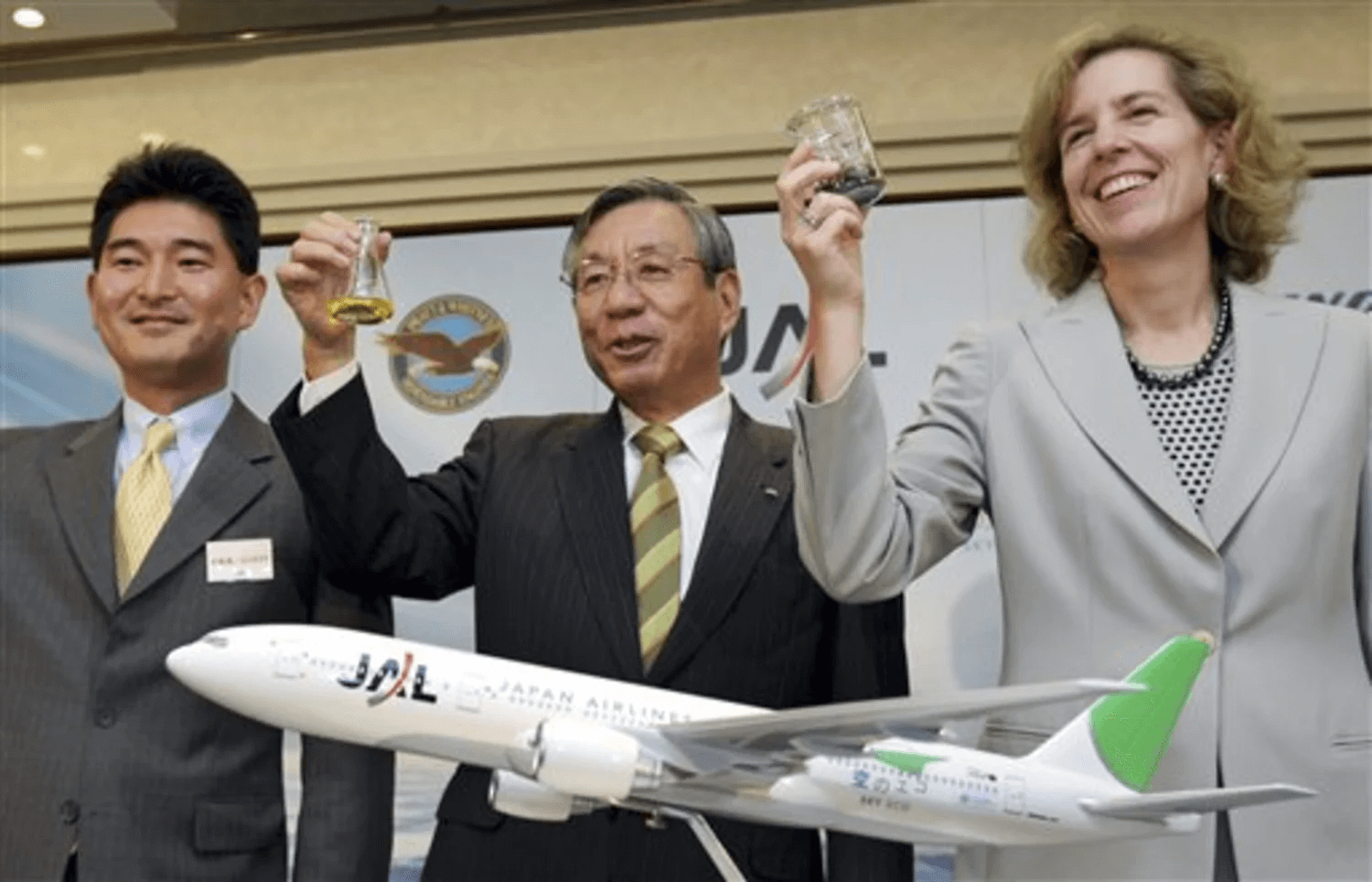
During the 2009 financial crisis, Nishimatsu refused to use mass layoffs as a quick fix for the company’s rising debt. He understood that protecting the livelihoods of his staff was more important than protecting the executive payroll.

This commitment to job security built a deep sense of trust and loyalty throughout the entire organization. His strategy proved that a business can navigate a crisis without ever abandoning its moral compass.

Image Source: The Wall Street Journal

The True Source of Professional Respect

Nishimatsu demonstrated that real authority is earned through character and shared experience rather than a fancy title. He did not need a corner office or a massive paycheck to command the respect of his pilots and flight attendants.

His influence came from the fact that he stood right beside them when the company was struggling. This style of leadership serves as a timeless reminder of what it means to be a true steward of a brand.

image (3)-png

Stories

How Buddhist Values Helped Thai Lee Build a $16B Tech Empire and Become the U.S.’ 5th-Richest Self-Made Woman

Born in Thailand and raised in South Korea, Thai Lee was shaped by constant cultural shifts from a young age. Although her family practiced Christianity, her early education in a Buddhist primary school introduced her to ideas that would quietly guide her life and leadership.

There, she learned that life is marked by suffering, impermanence, and uncertainty. Rather than seeing these as obstacles, she absorbed them as realities to work with—an outlook that later became central to her approach to business and power.

Image Source: Asia Society

Embracing Suffering as a Path to Growth

A core Buddhist teaching Lee internalized early was that suffering is not a failure, but a condition of growth. This belief trained her to stay calm under pressure and to see difficulty as something to be managed, not avoided.

That mental discipline carried her through an intense academic path, including a double major in biology and economics. It also shaped her resilience at Harvard Business School, where she became the first Korean woman to graduate by staying focused on long-term purpose rather than short-term comfort.

Image Source: Freepik

Practicing Utility Over Ego in Business

When Lee purchased a failing IT reseller in 1989 for $1 million and renamed it Software House International, she rejected the idea of growth for growth’s sake. Guided by the Buddhist value of utility, she asked one simple question: does this technology truly help people?

Instead of chasing trends or flashy innovations, she prioritized practical solutions that made work more efficient and reliable. This steady, service-driven approach allowed SHI to earn trust over time, scaling quietly into a $16 billion global company serving major institutions like Boeing and AT&T.

Image Source: Expansión

Right Livelihood as the Measure of Success

As her wealth grew, Lee leaned more deeply into the Buddhist principle of Right Livelihood—earning success through ethical means and responsibility to others. She believes leadership should reduce harm, not amplify ego or excess.

Despite being the fifth-richest self-made woman in the United States, she avoids executive privileges and symbolic power. By parking with employees, managing her own calendar, and staying close to daily operations, she reinforces her belief that real wealth is measured by trust, dignity, and the well-being of the 7,000+ people she leads.

Learn more about Thai Lee here:

📍LinkedIn