Stories

July 5, 2023

SHARE:

Growing up with stereotypical Asian tiger parents, Angie had always been interested in entrepreneurship but was constantly discouraged.

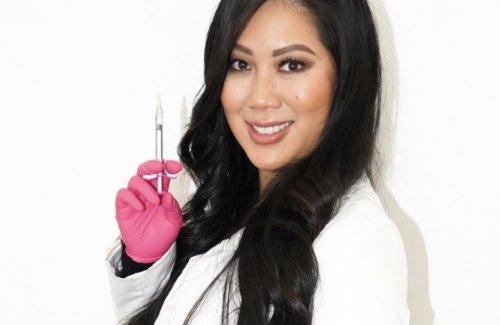
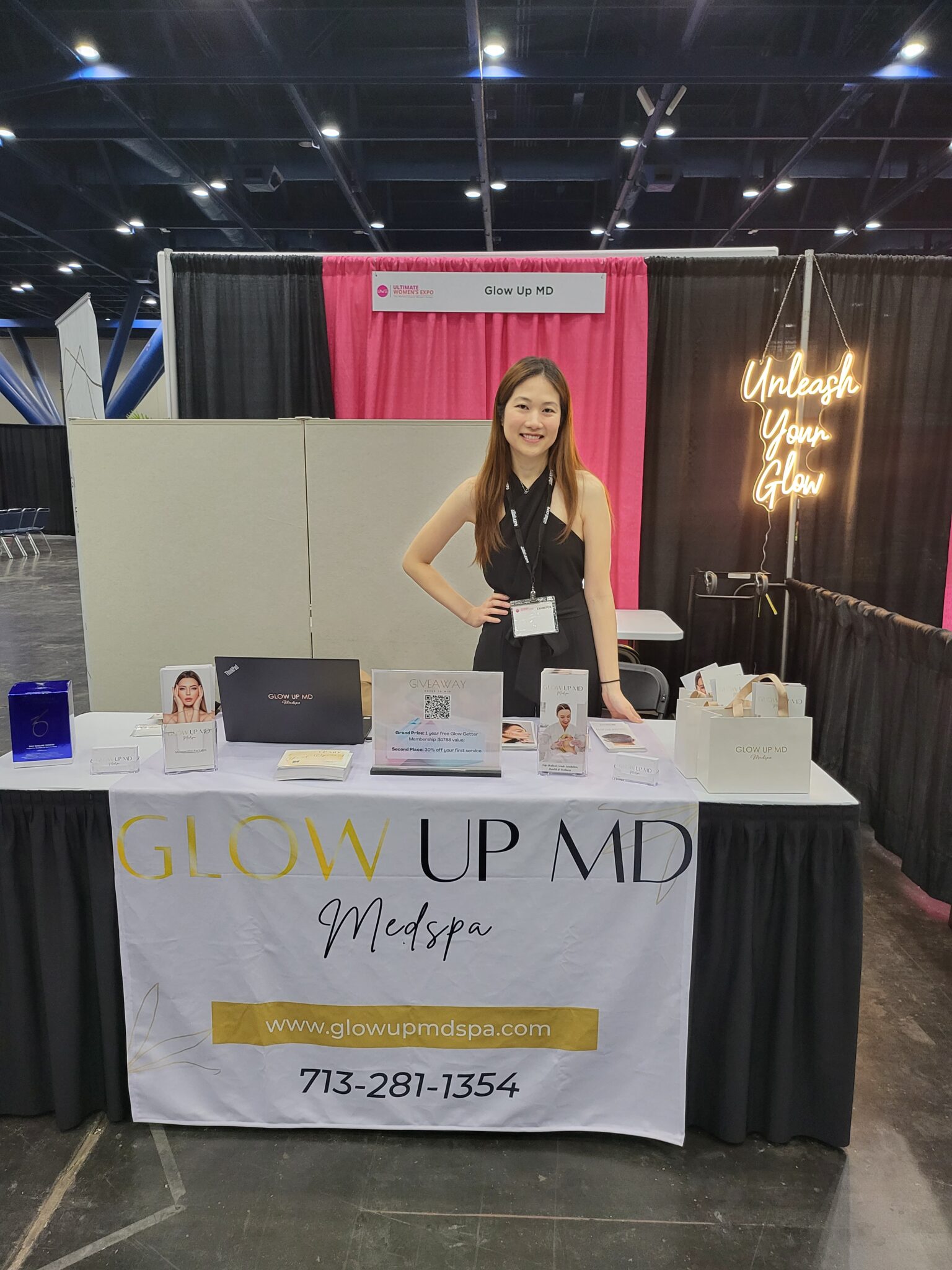
Angie Kim is the physician and CEO of Glow Up MD Medical Aesthetics and Wellness Practice. Her journey to success was far from easy. Angie grew up with traditional Asian immigrant parents who believed that taking risks in business was foolish.

She did all the stereotypical Asian things such as playing piano, being good at math, and going to a good college. She studied engineering and went on to complete medical school. And like most Asian women are expected to be, Angie was very quiet and had low self confidence.

But after completing her medical training, Angie realized that working for someone else was not what she wanted for her life. She refused to work for people without medical education and decided to take a chance on herself.

Starting her own business was an intimidating prospect for her. She had no background in business and had to navigate legal regulations, insurance requirements, and financial planning on her own. But with determination and persistence, she and her husband were able to set up a successful brick and mortar practice within just a few months.

Angie’s journey serves as a reminder that there is never a perfect time to start a business and that sometimes the best way to learn is by doing.

I DID IT ANYWAY

Even in middle school and high school, starting a business always piqued Angie’s interest. She had even presented a few ideas, such as a t-shirt business, to her parents when she was in middle school. Unfortunately, her parents always shot her ideas down, telling her they were stupid.

Angie’s parents have always been extremely risk averse and were against anything that required any type of investment with uncertain return. They wouldn’t even let her spend money to create a website.

Despite the discouragement, Angie was still very interested in entrepreneurship. She would constantly read articles about people who developed new apps or websites that became very popular. However, she had to put those aspirations on the backburner and focus on her education as her parents placed a high emphasis on education.

Even still, she would come up with ideas every so often and kept a list of these on her computer, hoping to return to them one day to get them started. “One thing that’s been constant since my childhood has been that whenever they told me I wouldn’t be able to accomplish something, I did it anyway,” she said.

BIGGEST CHALLENGES

Initially, one of their biggest challenges was trying to figure out the laws surrounding opening a medical practice. They looked at so many sources but kept finding contradicting or incomplete information.

The actual legalese was difficult to understand and they didn’t trust their interpretation of it. They finally spoke to a lawyer who confirmed what they understood. This allowed them to feel comfortable enough to continue on.

As of right now, the biggest challenge they’re facing is marketing and getting the word out. They are still trying to figure out the best way to do this. It has been mostly through trial and error. They are constantly trying different strategies, such as Facebook ads, in-person events, local SEO, local media and print, and direct mailing.

THE TURNING POINT

While working in the hospital, Angie began noticing little things over time that pointed towards the toxicity of the working environment, such as how little control and autonomy physicians have in taking care of their own patients, the backstabbing from other healthcare workers, and how physicians from other healthcare systems all had similar stories.

“I came to the realization that this would not change if I just changed jobs. The only solution was to start my own practice,” she said.

LOOKING BACK ON HER JOURNEY

The most rewarding aspect for Angie is the freedom to practice medicine the way it should be practiced. “I can spend as much time as I need to with patients. I don’t need to spend extra time trying to fight insurance companies. And my patients have been happy with their results,” she said.

She is hoping to grow her practice enough that she can open a second location and eventually franchise it, which would allow her to help even more patients and improve the healthcare system in her own small way.

“If I were to do it all over again, I would document my journey. I thought about it this time, but I felt like I didn’t know what I was doing the whole time.”

ANGIE’S ADVICE FOR OTHERS FACING SIMILAR CHALLENGES FROM THEIR FAMILIES

“People are always going to doubt you when you start, especially those closest to you. You can’t let that get to you. If it’s what you really want and you can’t stop thinking about it, then you should go for it. It’s going to be lonely and somewhat isolating when you start, but it’ll be worth it,” Angie said. 

She believes that there’s always a way to solve a problem. If you feel like you’ve hit a roadblock, you can try looking at the problem from a different perspective.

Right now, Angie still hasn’t told her parents about her business and she’s waiting for the right time when she can finally tell them.

CONNECT WITH ANGIE

Instagram: @glowupmdspa

Facebook: Glow Up MD Medspa
Related Articles

TheBurgNews-jpeg

News

Harrisburg Coffee Shop Celebrates Representation with ‘HAAPI Mornings’

Something special is brewing at Harrisburg’s Elementary Coffee Co.

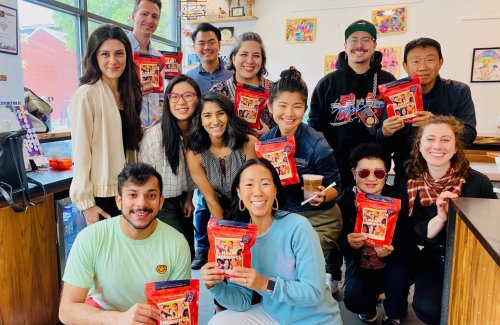
Elementary Coffee Co. partnered with the Harrisburg Asian American Pacific Islander (HAAPI) group to introduce a brand-new coffee called “HAAPI Mornings.” This tasty blend is inspired by Vietnamese flavors and was launched during AAPI Heritage Month in May. The goal is to show more people from different backgrounds and cultures, making them feel included and seen.

“It’s all about visibility and representation,” Ellen Min, a member of HAAPI, said to The Burg News. “The more representation and visibility, the less we are excluded.”

It all started when members of the HAAPI group visited a coffee shop in New York City that had special Asian coffees. They thought it would be great to have something like that in their own city.

So, they talked to Andrea Grove, the owner of Elementary Coffee Co., and she jumped at the idea. They worked together to create a unique blend using beans from India and making it a dark roast for a rich taste.

Besides the yummy “HAAPI Mornings” coffee, Elementary Coffee Co. also offers other special drinks inspired by Vietnam. You can try the traditional Vietnamese hot and iced coffee, as well as the Ube Iced Latte and Saigon Iced Coffee.

Image Source: The Burg News

“Coffee really brings people together, and this coffee is doing that in such an impactful way,” Andrea Grove said to The Burg News.

Featured Image Source: The Burg News

Dr Lanna Photo-jpg

Stories

A Urologic Surgeon’s Entrepreneurial Leap into Aesthetic Medicine

Dr. Lanna Cheuck, an Ivy-League Trained, Board Certified Urologic Surgeon turned entrepreneur has made a significant impact in the field of aesthetic medicine.

Today, she is the proud owner of LC Medical, a medical spa in Manhattan, and also leads FACE Med-Spa Training, where she shares her expertise with fellow medical professionals.

She has been featured in esteemed publications like Forbes and has been recognized as a Key Opinion Leader in the industry. Nevertheless, she remains grounded and motivated by the positive transformations she brings to her patients and the opportunity to guide others on their own professional journeys.

Beyond her entrepreneurial endeavors, Dr. Cheuck continues to excel as a Board Certified Urologic surgeon, practicing at Jacobi Hospital. She is a respected educator, sharing her knowledge on topics such as penile rehabilitation and making significant contributions to the ISSM.

In an interview with Asian Hustle Network, Dr. Lanna Cheuck shares her remarkable journey and insights into the world of aesthetic medicine. Join us as we delve into her experiences, challenges, and triumphs, discovering how she defied conventions and built a thriving career that empowers both herself and others.

HUMBLE BEGINNINGS OF DR. LANNA CHEUCK

I was born in Chinatown in the Smith Housing Projects and was later moved out to live with my grandparents on Long Island in the middle of second grade as the crime was increasing in our building and my parents had been mugged and beaten up multiple times.

My parents immigrated from China during the Cultural Revolution. They built a raft to escape to Macau, then paid to be smuggled through a vegetation boat before coming to Hong Kong. I grew up very poor and was one of five Asians living in a predominantly white neighborhood on Long Island.

For as long as I remember I wanted to become a Urologic Surgeon, but I didn’t realize the sacrifices I would make to get there. While it is a male-dominated field, I remember at the time I was one of 8% of women in urology.

I had my first child born prematurely with special needs and blindness and took off six months to be with her in the ICU. It was at this time that I realized if I wanted to provide for my family, especially my daughter who will be dependent on me and my husband for a very long time, then I would need to find a new trajectory to help me become more financially independent.

DR. LANNA CHEUCK’S RESILIENCE IN THE FACE OF INEQUALITY AS A UROLOGIC SURGEON

I asked the administrator at the hospital for a salary increase and he told me that I needed to prove why I needed to make more. So, I went and got a different job offer to become a program director of a New York City Academic Institution as their residency director with a 40% pay increase. 

When I presented my job offer to the hospital administrator, he took one look and told me that I should leave and he could not match my salary. It was also at this time that my male counterparts were making six figures more than me while I was working with the toughest patients and doing the toughest work.

CHALLENGES AND OBSTACLES SHE OVERCAME

My father started as a busboy in a restaurant, then became a taxi cab driver, worked at a sweatshop, and then got into the spa business. He opened up a Spa called Eden Day Spa on Broadway. He asked me to help and that’s when I figured I can help my family business and go into aesthetics as a physician.

My biggest obstacle was being under the radar and so I couldn’t really grow. I asked the hospital administrator at the hospital for permission to pursue my second job and he gave me permission.

I was working full-time as a urologic surgeon doing the most difficult surgeries and on nights and weekends, I was taking care of my child and working at my father’s spa trying to grow the aesthetics part of the business.

I remember waiting for one patient to come at 9:00 pm because that was the only time I had available. I was missing my newborn and questioning whether this was worth it. In the beginning, it was very tough to garner any patients, I usually had one patient a week and most of the time they were a no-show. I would wait for hours and drive an hour from Harlem in hopes of seeing even one patient. The obstacles were juggling time, family, wondering if I was making the right decision, and whether or not it was worth being away from my child who was also breastfeeding. 

DR. LANNA CHEUCK EMPOWERING THE AESTHETIC MEDICINE COMMUNITY

I realized that if nobody put me on their platform then I would make my own, therefore, I opened my own aesthetic training business.

When I was first starting, I took two training courses and realized that these courses do not prepare you for the field of aesthetic medicine neither clinically nor from a business standpoint.

As a surgeon, I’ve always been the type to see one; do one; teach one, and that’s exactly what I did. I started an online community for physicians to pivot into aesthetic medicine because one of the things we were never taught in school was business. Since then, I’ve trained hundreds–if not thousands–of physicians and nurses. Some other huge and field-relevant accomplishments include being featured in Forbes and named a Key Opinion Leader for InMode and Galderma as well as a GAIN Trainer. 

HER ADVICE TO ASPIRING ENTREPRENEURS

Network with as many people as you know, be a connector.

Help other people and let everyone else know what you need, if you don’t ask you’ll never know how they could’ve helped you. Additionally, since I’m a visionary, I realized that I need processes and systems in place and strong integrators who help me to fulfill my visions.

This means hiring people who have strengths in other areas that I would consider my weaknesses thus allowing me to build a team that is good at operations.

We were never taught business in medical school which means everything from there on out is learning, absorbing, networking, connecting, and making opportunities out of meeting new people and helping others.

MOST REWARDING ASPECT OF HER CAREER TRANSITION

The most rewarding aspects of my career transition include feeling more valued by my work, patients, and staff and being compensated for something I’m good at, my techniques, and making people feel more confident.

I’m lucky to have patients from all walks of life; from the nurse’s aide who puts away money under her mattress to see me, to the successful CEOs, celebrities, models, actors, dancers, teachers, healthcare professionals, etc. What keeps me pushing forward is that I’m able to help other people pivot and transition.

CONNECT WITH DR. LANNA

Instagram: @doctorlanna

Website: doctorlanna.com

Business Insider-jpg

News

Hmong Entrepreneurs are Making an Impact in the US Culinary Cuisine

In recent times, Hmong cuisine and culture have been experiencing a remarkable surge in popularity and recognition within the United States, thanks to the efforts of Hmong restaurateurs and farmers.

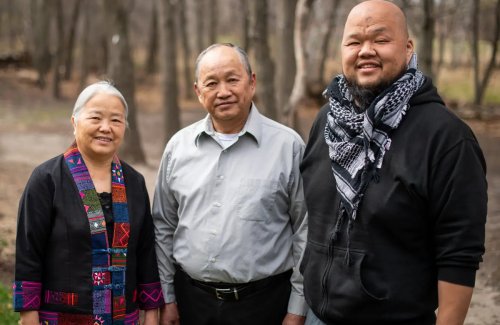
One chef, Yia Vang, defied his parents’ wishes to have a traditional career and decided to follow his passion for cooking. Today, he takes immense pride in showcasing Hmong foodways to the world, weaving incredible stories through his culinary creations.

Different chefs are drawing in new customers by sharing dishes that remind them of home-cooked meals. The use of fresh Hmong-produced ingredients have been appealing to many.

Young Hmong entrepreneurs are also making a difference by starting businesses and helping older Hmong Americans enter larger markets. They have been instrumental in reshaping the economic landscape of the community.

Hmong farmers have also been pivotal in shaping the agricultural landscape of the United States. With over 50% of growers at the Twin Cities’ metro markets being Hmong, they have significantly contributed to the nation’s production of strawberries and poultry.

Initiatives like the Hmong American Farmers Association’s Food Hub have provided farmers with opportunities to grow and sell their produce, allowing the Hmong community to thrive in the agricultural sector.

The future looks promising for Hmong businesses and farmers as they continue to preserve their traditions while embracing new opportunities. Their dedication to their cultural heritage and entrepreneurial spirit are driving innovation and making a positive impact in the US.

Featured Image Source: Business Insider

5280 Magazine-jpg

News

Denver’s First Vietnamese Coffee Shop Celebrates Their Second Anniversary

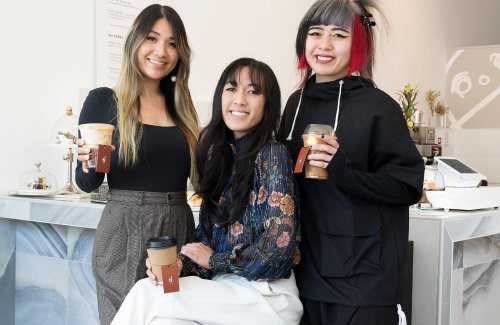
Tí: Cafe Ta, the first-ever Vietnamese coffee shop in Denver, celebrated its second anniversary with joy and pride. Founded by three sisters, Sashaline, Shominic, and Shasitie Nguyen, the café has become a warm and welcoming space for people to connect over coffee and culture.

The idea for the café came from the sisters’ love for their Vietnamese heritage. They wanted to share the joy of Vietnamese coffee with Denver’s residents and visitors. Opening during the pandemic was a leap of faith, but the response has been overwhelmingly positive.

The café offers a unique blend of flavors by using robusta beans and sweet condensed milk in their coffee. They take pride in slow-dripping the coffee through traditional filters, keeping the essence of Vietnamese coffee culture alive.

Beyond coffee, Tí serves up a variety of drinks like Vietnamese egg coffee, sodas with lychee whipped cream, and matcha drinks. They also host themed weeks, like Anime Week, where they serve beverages inspired by popular anime shows.

Despite opening amid the challenges of the pandemic, Tí: Cafe Ta has experienced overwhelming support from Denver residents. They have been embraced as a place where people can gather, share cultural experiences, and engage in conversation.

Looking ahead, the Nguyen sisters aspire to expand their brand while staying true to their roots. The goal is to continue curating new menu items, hosting more events, and fostering an even stronger sense of community within Denver and beyond.

Their vision for the next two decades includes opening new stores in different states, all while maintaining a commitment to delivering authentic Vietnamese coffee culture and providing a warm, inviting space for coffee enthusiasts and curious visitors alike.

Featured Image Source: 5280 Magazine