Stories

July 5, 2023

SHARE:

Growing up with stereotypical Asian tiger parents, Angie had always been interested in entrepreneurship but was constantly discouraged.

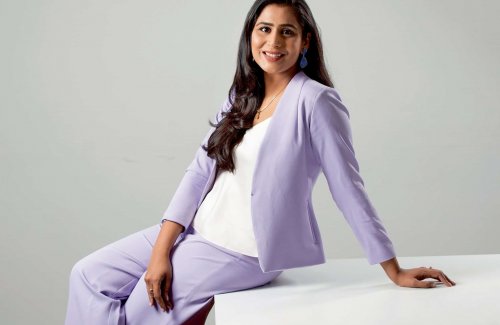
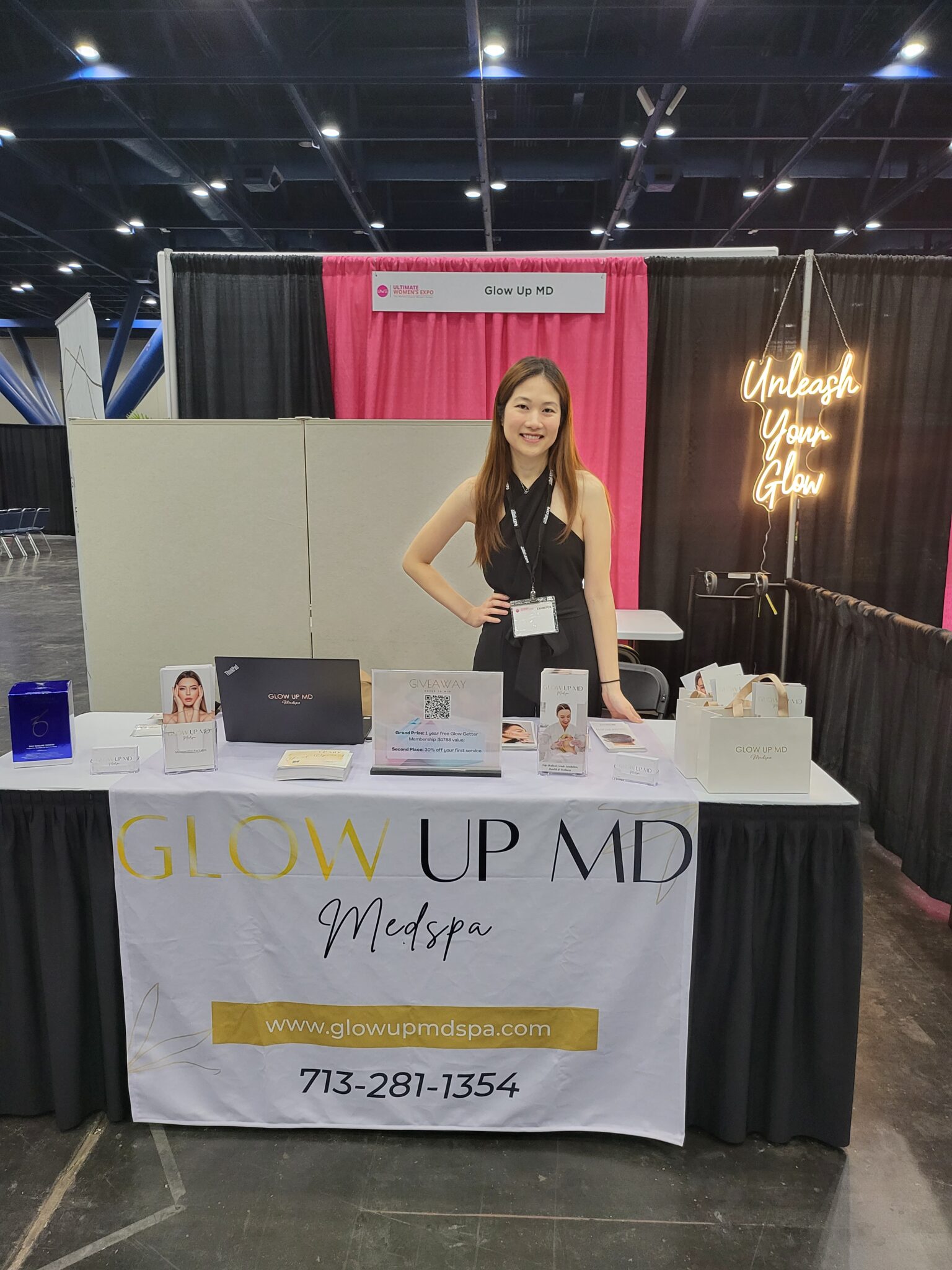
Angie Kim is the physician and CEO of Glow Up MD Medical Aesthetics and Wellness Practice. Her journey to success was far from easy. Angie grew up with traditional Asian immigrant parents who believed that taking risks in business was foolish.

She did all the stereotypical Asian things such as playing piano, being good at math, and going to a good college. She studied engineering and went on to complete medical school. And like most Asian women are expected to be, Angie was very quiet and had low self confidence.

But after completing her medical training, Angie realized that working for someone else was not what she wanted for her life. She refused to work for people without medical education and decided to take a chance on herself.

Starting her own business was an intimidating prospect for her. She had no background in business and had to navigate legal regulations, insurance requirements, and financial planning on her own. But with determination and persistence, she and her husband were able to set up a successful brick and mortar practice within just a few months.

Angie’s journey serves as a reminder that there is never a perfect time to start a business and that sometimes the best way to learn is by doing.

I DID IT ANYWAY

Even in middle school and high school, starting a business always piqued Angie’s interest. She had even presented a few ideas, such as a t-shirt business, to her parents when she was in middle school. Unfortunately, her parents always shot her ideas down, telling her they were stupid.

Angie’s parents have always been extremely risk averse and were against anything that required any type of investment with uncertain return. They wouldn’t even let her spend money to create a website.

Despite the discouragement, Angie was still very interested in entrepreneurship. She would constantly read articles about people who developed new apps or websites that became very popular. However, she had to put those aspirations on the backburner and focus on her education as her parents placed a high emphasis on education.

Even still, she would come up with ideas every so often and kept a list of these on her computer, hoping to return to them one day to get them started. “One thing that’s been constant since my childhood has been that whenever they told me I wouldn’t be able to accomplish something, I did it anyway,” she said.

BIGGEST CHALLENGES

Initially, one of their biggest challenges was trying to figure out the laws surrounding opening a medical practice. They looked at so many sources but kept finding contradicting or incomplete information.

The actual legalese was difficult to understand and they didn’t trust their interpretation of it. They finally spoke to a lawyer who confirmed what they understood. This allowed them to feel comfortable enough to continue on.

As of right now, the biggest challenge they’re facing is marketing and getting the word out. They are still trying to figure out the best way to do this. It has been mostly through trial and error. They are constantly trying different strategies, such as Facebook ads, in-person events, local SEO, local media and print, and direct mailing.

THE TURNING POINT

While working in the hospital, Angie began noticing little things over time that pointed towards the toxicity of the working environment, such as how little control and autonomy physicians have in taking care of their own patients, the backstabbing from other healthcare workers, and how physicians from other healthcare systems all had similar stories.

“I came to the realization that this would not change if I just changed jobs. The only solution was to start my own practice,” she said.

LOOKING BACK ON HER JOURNEY

The most rewarding aspect for Angie is the freedom to practice medicine the way it should be practiced. “I can spend as much time as I need to with patients. I don’t need to spend extra time trying to fight insurance companies. And my patients have been happy with their results,” she said.

She is hoping to grow her practice enough that she can open a second location and eventually franchise it, which would allow her to help even more patients and improve the healthcare system in her own small way.

“If I were to do it all over again, I would document my journey. I thought about it this time, but I felt like I didn’t know what I was doing the whole time.”

ANGIE’S ADVICE FOR OTHERS FACING SIMILAR CHALLENGES FROM THEIR FAMILIES

“People are always going to doubt you when you start, especially those closest to you. You can’t let that get to you. If it’s what you really want and you can’t stop thinking about it, then you should go for it. It’s going to be lonely and somewhat isolating when you start, but it’ll be worth it,” Angie said. 

She believes that there’s always a way to solve a problem. If you feel like you’ve hit a roadblock, you can try looking at the problem from a different perspective.

Right now, Angie still hasn’t told her parents about her business and she’s waiting for the right time when she can finally tell them.

CONNECT WITH ANGIE

Instagram: @glowupmdspa

Facebook: Glow Up MD Medspa
Related Articles

Mike Yam poses in the studio on Thursday, July 14, 2022 in Inglewood, California

Stories

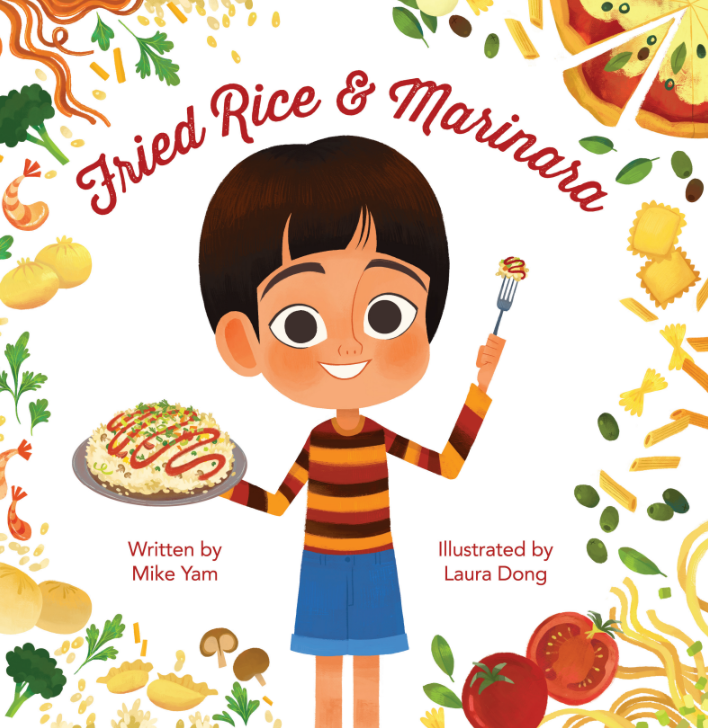
Michael Yam’s Mission to Empower Readers with His Children’s Book ‘Fried Rice and Marinara’

Michael Yam, the host of NFL Total Access on NFL Network, has now ventured into the world of children’s books with his first-ever creation, “Fried Rice and Marinara.”

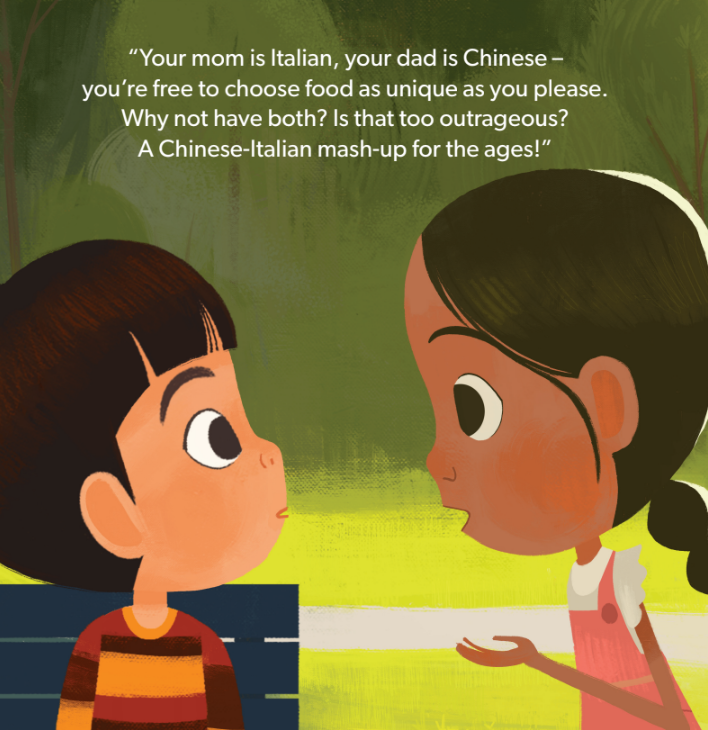
This heartwarming tale revolves around Mikey Yam, a character just like Michael, who cherishes both his Chinese and Italian heritage. Michael wrote this story to show young readers that it’s okay to have a diverse background and to be proud of who they are.

Drawing inspiration from his own life, Michael wanted to share the joy of embracing different cultures with children. In “Fried Rice and Marinara”, he uses the magic of food to bring the story to life and spark curiosity about diverse backgrounds. Through this delightful book, Michael hopes to encourage kids to learn about their own heritage and appreciate the uniqueness of others.

As a first-time children’s book author and illustrator, Michael faced some challenges, but his passion for storytelling and connecting with young readers drove him forward.

Read through as we learn more about Michael and how he aims to inspire all children to feel confident in their identities with his book “Fried Rice and Marinara”, through an interview with Asian Hustle Network.

BREAKING BARRIERS WITH “FRIED RICE AND MARINARA”

During the course of my career, I have been fortunate enough to speak to students about a path in broadcasting. I have always been disheartened by the lack of Asian representation in media classes. Aside from cultural factors, I believe the lack of widespread representation at high levels of sportscasting is a major reason why Asian American students are picking other career paths.

Strengthening the pipeline is one of the ways I think this changes. If young kids can see themselves in stories, I think it can spark an interest in storytelling. 

MIKEY YAM AS A MULTIETHNIC LEAD CHARACTER

As a kid, I didn’t think anything of the different cultures. I always knew I was Chinese and Italian, but as I got older, I realized that my friends didn’t have to think about or balance multiple cultural experiences that were very different.

Part of the reason I wanted to write “Fried Rice and Marinara” was to have young readers see a multiethnic character in a lead role. I also wanted to spark the thought that families with diverse backgrounds are normal.

At times in my childhood, I thought I had to “pick a side”, which is weird to think about now. I really want young kids to be able to embrace their heritage and be proud of their background. I know for my family, food was a backdrop to everything we did. I wanted to use cuisine as a vehicle to bring the story to life.

NAVIGATING BOTH SIDES OF HIS HERITAGE

First and foremost, it’s about embracing both cultures. I think many people focus on the differences between ethnicities, but we would all be in a better place if we gravitated to what’s the same.

Both my Chinese and Italian sides value family and the joy that comes from spending time with each other. I have fond memories of BBQs as a kid and my birthday parties having both Italian and Chinese food. 

CHALLENGES HE FACED IN THE WRITING PROCESS

I’ve spent my career telling the stories of athletes. I’m comfortable in that realm, but with “Fried Rice and Mariana”, it’s the first time I tried to connect with a young audience in a medium I’ve never worked in.

I have always loved having fun with my nieces and nephews, telling them crazy stories at home. I tried to imagine telling them this story as if we were in person. No, I can’t rhyme on the fly like in the book, but it’s about the tone.

I always love asking kids questions to see where their mind goes. If you notice at the back of the book, there is a page that gives kids an opportunity to write their funky food combinations with the ability to draw them, too. It’s really important to me that the experience with the book doesn’t end when they’re finished reading it. 

WHAT HE HOPES FOR READERS TO TAKE FROM HIS BOOK

I want young Asian readers to be able to see themselves as a main character in a story.

According to a study conducted by the University of Wisconsin (2022) you are nearly as likely (39% BIPOC/37% Animal/Object) to see a children’s story about an animal or object than you are to see a story depicting a character from a diverse background. I see that as a problem. 

I want all children to be exposed to various cultures. The child who doesn’t often get to see characters who look like them will hopefully feel confident and have more self-worth. My hope is other children will be exposed to other cultures and develop an appreciation for experiences different from their own.  

CONNECT WITH MIKE YAM

Instagram: @Mike_Yam

Twitter: @Mike_Yam

Threads: @Mike_Yam

OLYMPUS DIGITAL CAMERA

Stories

How Anise Health Addresses the Unique Mental Health Needs of the Asian Community

Anise Health is on a mission to improve mental healthcare for Asian Americans.

Recognizing the lack of health equity in the existing mental healthcare system, especially for people of color, Anise Health aims to create a positive change by offering culturally-responsive care.

Anise Health wants to make mental health care accessible and affordable for everyone. They work with different health plans and offer affordable plans for those who pay themselves. They have big plans to reach more people of color and support them in their mental health journey. 

Anise Health believes that everyone deserves the care and support they need to live a happier and healthier life. Read through the inspiring insights from Anise Health in an interview with Asian Hustle Network.

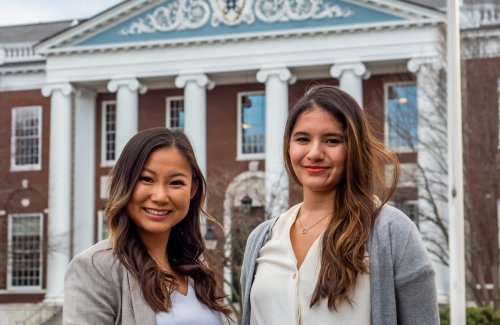
Alice and Nisha, founders of Anise Health

ADDRESSING THE UNIQUE MENTAL HEALTH NEEDS OF THE ASIAN COMMUNITY

Anise Health is building the gold standard of mental healthcare for Asian Americans because there is an urgent need to advance health equity.

People of color are extremely underserved by the existing mental health care system, with 50% dropping out of therapy after just the first session. Specifically, 41% of Asian Americans experience current symptoms of depression and anxiety, yet only 30% report feeling supported today. The sharp increase in anti-Asian hate crimes compounded with the model minority myth means that the Asian community often suffers in silence, leading to devastating consequences such as Asian young adults being the only ethnic group with suicide as the leading cause of death.

Anise is on a mission to change these trends by creating a culturally-responsive digital mental health platform built by and for the Asian community. We’re humbled by the incredible results our clients achieve on our platform, including:

  • 97% completion rate of the first 4 weekly sessions, which far exceeds the industry benchmark of outsized dropouts after the first session
  • 95% of our clients report feeling heard or understood by their provider, demonstrating a strong therapeutic alliance between providers and clients
  • Net promoter score of 84 (46 points above the industry average), indicating unparalleled satisfaction with our provider curation and training

SPECIFIC CHALLENGES THAT INDIVIDUALS FACE WHEN SEEKING MENTAL HEALTH SUPPORT

Asian Americans experience unique stressors such as collectivistic family dynamics, bicultural tension living as a minority in a majority culture, pressure to achieve and perfectionism from reinforced narratives of self-sacrifice, intergenerational trauma from unhealed historical wounds, excessive shame and guilt leading to internalized self-criticism, rigid gender norms and relationship expectations, to name a few. 

Our clinical advisory board comprises pioneering experts in the field who are leading evidence-based research to address these stressors and empower the well-being of the Asian community. We infuse their expertise into our care models and translate this information into digestible educational formats which are curated in our digital resource library.

DESTIGMATIZING MENTAL HEALTH

Anise normalizes mental health by delivering psychoeducational webinars and interactive workshops tailored to Asian Americans. Our clinicians lead these group services across a diverse range of topics for a variety of enterprise partners and schools, including Netflix, LinkedIn, Microsoft, and many more. We also host free community engagement programming with a large network of over two dozen nonprofit partners, as well as speaking at multicultural conferences and celebratory events.

For individuals seeking 1-on-1 services, Anise has developed care models that are clinically validated and culturally tailored, which research shows to be ~5x more effective than one-size-fits-all offerings. We are the only platform providing a holistic suite of services that integrate individual teletherapy, behavioral coaching, peer support groups, alternative medicine, and a curated library of self-service digital resources. Furthermore, our approach enables the accurate assessment of cultural stressors and personalization of care using machine learning technology. Anise’s proprietary clinical care model incorporates cultural adaptation along every step of the client’s journey from intake to blended treatment plans.

THE CULTURALLY-RESPONSIVE CARE MODEL

At Anise, culturally-responsive care means seeing a client as more than just a set of symptoms and diagnoses. Clients are seen as unique individuals whose racial and cultural contexts shape how they experience the world and how their needs are not being met.

Our providers are recruited for their deep expertise in culturally-responsive care and extensive experience supporting Asian clients. Once hired, providers are trained in our proprietary curriculum to explore clients’ intersecting identities and empowered in monthly consultation sessions, which offer providers their own space for connection and continued learning. In fact, our providers are diverse and maintain a wide range of ethnic backgrounds, sexual orientations, language capabilities, and therapy approaches.

Therapists and coaches work together as a dedicated team for clients, where the therapist helps the client navigate through psychological history and set concrete therapy goals, while the coach works with the client to achieve these goals. This empowers Asian clients to achieve lasting outcomes.

TESTIMONIALS

  • Anise Client – “Therapy had not worked for me before, but after meeting my Anise clinician I have regained confidence in the process and am excited to continue working with my therapist.”
  • Anise Clinician – “I found Anise’s clinical model to be such a culturally effective way to provide mental health services for clients and clinicians. Especially the way it incorporated coaching with therapy.”
  • Enterprise Partner – “I had never thought about burnout through the lens of cultural identity and how that may impact me. This session helped me understand deeper elements of what I was dealing with.”

ACCESSIBILITY AND AFFORDABILITY

Anise is in-network with Managed Health Network and Optum, and is in the process of contracting with several large health plans, in addition to accepting HSA and FSA benefits. For self-pay clients, Anise is affordable with subscription plans averaging $200 per month, nearly 1/4 the cost of average private practice rates in New York and California. For clients who want to supplement their holistic health, Anise offers clinician-led peer support circles along a variety of diverse themes at only $25 per week.

LOOKING IN THE FUTURE

We have ambitious growth plans to support the Asian community and people of color more broadly, which include expanding to more states, partnering with universities to support students, and offering our services as covered employee benefits for businesses. We are open to feedback and love piloting solutions with our community. Contact Anise Health’s Head of Growth, Angel Wang, for ideas at angel@anisehealth.co

CONNECT WITH ANISE HEALTH

Website: anisehealth.co

Instagram: @anisehealth

Linkedin: Anise Health

TikTok: @anisehealth

Facebook: Anise Health

the honeycombers-png

News

Samia Khan is Championing Modern South Asian Fashion Through Melange

Melange is a multi-label South Asian fashion platform that shares fashionable items from South Asia.

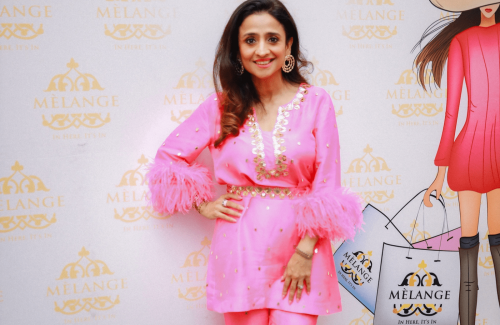
Samia Khan, who lives in Singapore but comes from Mumbai, started Melange in 2015. She wanted to bring attention to modern Indian designs for clothes, jewelry, and other accessories. She loves fashion that’s versatile, meaning you can wear it in different situations. She doesn’t think it’s just for Indian people – anyone can enjoy it.

During a virtual chat with The Peak, she talked about a special event she went to in Mumbai, India. It displayed how famous fashion companies like Yves Saint Laurent, Chanel, and Dior have used Indian fabrics for a long time. Samia was really impressed by this exhibition, and is excited about the growing interest in Indian fashion.

Because of the pandemic, Samia had to move Melange’s business online. This turned out to be good because more people from different countries like the US, UK, and Australia can now enjoy Indian fashion through her website.

Samia wants to keep sharing South Asian fashion and hopes to have a permanent showroom someday. “I want South Asian fashion to be accessible to many more people. I hope to be able to contribute to my heritage in this way,” Samia shares with The Peak.

Featured Image Source: The Honeycombers

ezgif.com-webp-to-jpg-jpg

News

Ghazal Alagh Wanted Safe Products for Her Baby and Built a Billion Dollar Business During Pregnancy

Ghazal Alagh is the co-founder of MamaEarth, a company worth $1.2 billion. She’s not a graduate from fancy colleges like IIT or IIM, but her story is remarkable and full of inspiration.

Ghazal’s journey began in Gurgaon, Haryana, where she grew up in a middle-class family. After finishing her studies in computer application from Punjab University in 2010, she explored her creative side by learning about design and art at the New York Academy of Art. These experiences laid the foundation for her entrepreneurial path.

In 2016, Ghazal and her husband, Varun Alagh, started MamaEarth because they wanted safe and natural products for their soon-to-arrive baby. They cared deeply about the environment, so they made sure their products were organic and packed in materials that could be recycled.

Like many business ventures, their journey wasn’t easy, but eventually, MamaEarth became Asia’s first brand to earn the MadeSafe label, showing that their products were free from harmful stuff. They started selling online but soon expanded to physical stores. They have their own place to create and test products, which helped them achieve big success.

Now, MamaEarth isn’t just about baby stuff; they offer all kinds of personal care items. Over 5 million people use their products in 500 cities. Last year, they made a profit of Rs 14 crores and became a unicorn, now worth $1.2 billion.

Featured Image Source: Fortune India