Stories

April 19, 2024

SHARE:

Social media undoubtedly has brought our society many wonders. The connection it can bring and the impact it can make are undeniable. But along with the rise of platforms that prioritize online personas and shortcut conversations, profound connections feel like an endurance test.

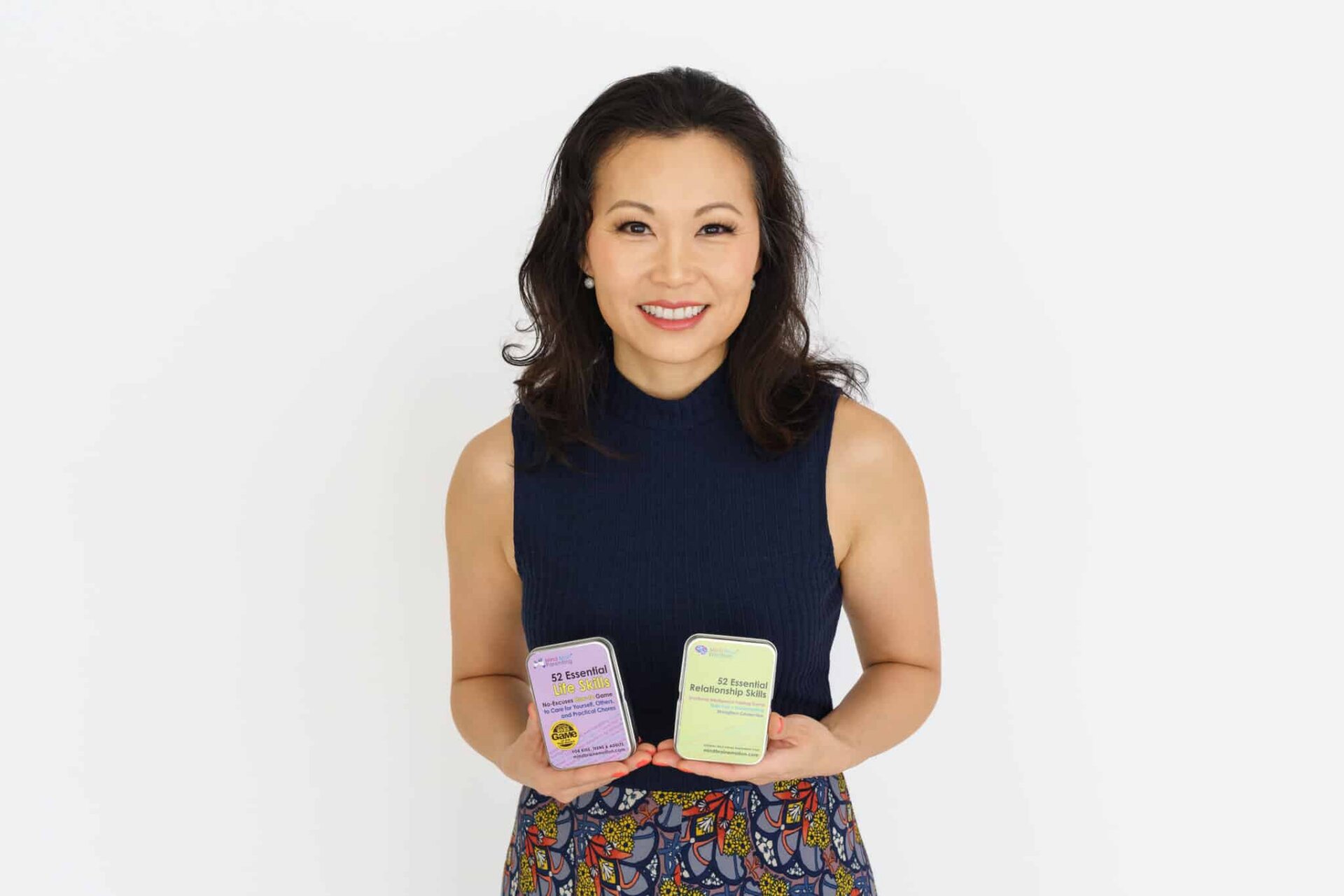
Jenny Woo, taking an emotional and deep-dive reading of this pattern, decided to develop the 52 Essential Conversations. She then established Mind Brain Emotion with the hope of helping people stay in tune with their emotions, building happiness, serenity, and wisdom. 

AN INCUBATION AT HARVARD

It was an insightful experience to have this exclusive interview with Jenny Woo, whose keen observation and curiosity have led her to the creation of Mind Brain Emotion, educational card games, and mental health tools to help people build essential human skills and connections.

Delightfully quipping “I earned enough credentials so that my parents and grandparents could each have an honorary degree,” Jenny showcased a strong personality, one that is “resourceful, resilient, and hard-working.” As she would humorously refer to herself as a “knowledge smuggler,” Jenny dug up the problems in current education towards one’s emotional development:

During my study and research at Harvard, I was drawn to the intersection of emotional intelligence and cultural identity. Self-awareness, social awareness, and relationship skills were three key components of emotional intelligence. As a management consultant, executive coach, and HR leader, I had already observed how essential these skills were for career success. 

And yet, the education system did little to expose students to these skills. Teaching resources were scarce, expensive, and outdated, and only the most expensive private schools had access. I also interviewed Harvard and MIT students on what got them to be where they are today and realized that a large component was having access to essential conversations and connections with mentors and parents. 

Jenny also detailed the inspiration behind her first deck, 52 Essential Conversations, which came from careful investigation into neuroscience and social affairs:

My findings are also aligned with neuroscience research from Harvard/MIT on the power of conversations. For the average Joe or Jenny, like me, we had limited access to social capital and resources like this. So, it inspired me to translate emotional intelligence research and social capital into affordable and relatable card games to help everyone reach their potential. In my research, I also saw a lack of representation and conversations around diversity, equity, and inclusion in the emotional intelligence learning framework. For example, how could we practice self-awareness or social awareness if we didn’t discuss the role of race? Being socially aware is also understanding our privilege and past.

NAVIGATION THROUGH RACISM AND MISOGYNY 

Jenny’s journey was never met with only the appraisals but also the scathing criticism of her success as an Asian American. Her detractors claimed many misogynistic things upon her (“women like this die alone”) and called her a CCP spy, because it was never expected of a woman like her to achieve such success. However, it is the meaning of her work and the applauding reaction of her supporters that have kept her moving forward: 

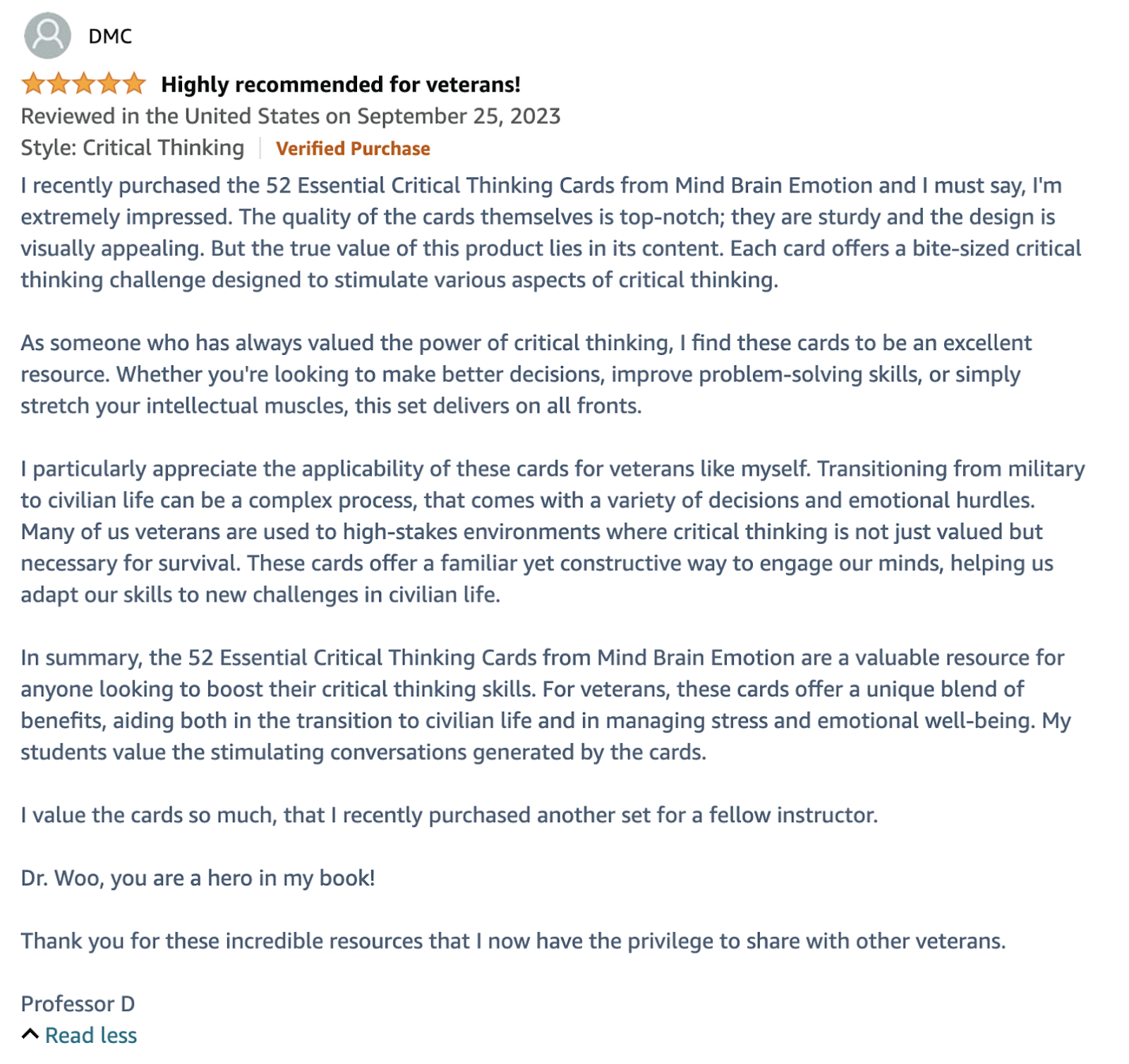
User testimonials are why I do what I do. My card decks are being used in ways that I had never imagined – in veteran hospitals and curriculums, in Federally-funded programs that support homeless youth and displaced families, in trauma-informed social work to help neglected and abused kids and adults, for Ukraine teen refugees, in speech-language therapy to help clients build reading comprehension, in community college and adult learning ESL classes to help immigrants learn language and networking, in gifted and talented programs to help students build both critical thinking and empathy, in workplaces for teambuilding and mentorship, etc. I’ve done university research on the utility of the card decks and it’s amazing to see it benefiting people from all socioeconomic classes, from poverty to affluence. 
At the end of a school district workshop I delivered, the school counselor told me that the divorced parents who had been on toxic non-speaking terms were surprisingly communicating warmly to each other and their child by the end of my hands-on workshop using the card decks. It’s anecdotes like this that keep me going.

AI, GEN Z, AND MIND BRAIN EMOTION

When asked about how AI has transcended society, she brought up the concerns for mental health, fearing the permeating scarcity of personal connection:

I was interviewed on an emerging study on the impact of AI on the mental health of workers (not just in the US, but also in the Asia Pacific) between the ages of 25 – 55. It found that workers were lonelier and craved more social interaction. I love tech and AI, and I believe they have improved the quality of our lives tremendously. However, in the context of emotional intelligence, it’s making it harder for people to experience authentic and unfiltered IRL emotional connections and social interactions. Lately, I’ve been interviewed a lot on emotional intelligence topics like how to initiate a conversation with strangers, phubbing, and how to cope with social anxiety and ghosting. Although people are now much more aware of the importance of mental health, I’m afraid that many are left with little practice (or willingness) for human-to-human connection. 

However, there’s always a silver lining. With the growing acceptance to talk about mental health among younger generations, Jenny sees a glimmer of hope in her products. They have the potential to support young people in fostering greater openness and understanding surrounding mental health issues:

I have a few more decks in the works that support Gen Alpha, GenZers, and Millennials. My card deck topics were created based on user feedback on their needs. For example, I created the 52 Essential Coping Skills during the pandemic to support my college students’ mental health. Many of the cards stemmed from a course I had been teaching, where I created practical Zoom games and assignments to help my students cope with the situations they were confiding in me. My class was oversubscribed with a long waitlist, so I made my exercises into this card game to offer instant support.
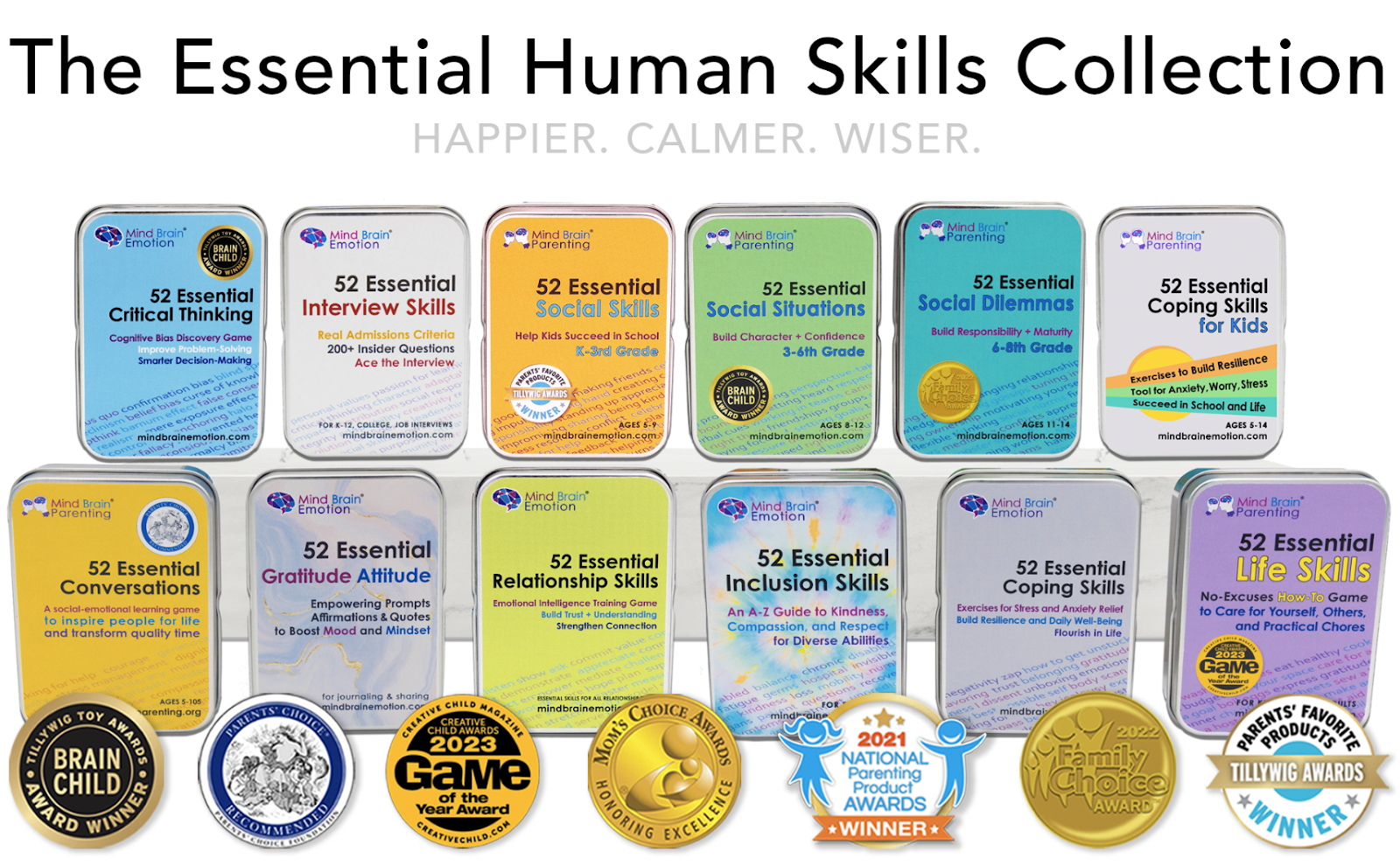
I created the 52 Essential Critical Thinking Skills in response to Black Lives Matter and Asian Hate crimes to give younger generations the tools for activism and advocacy. Most recently, a national youth-centered activism nonprofit organization contacted me to discuss collaborative partnerships to support our younger generations. We want to provide concrete tools to help our youth go from civic-conscious to civic-committed while managing the mental health toll of the geopolitical issues. Lastly, reaching younger generations through social media and YouTube would be great. I would love to collaborate with influencers who care deeply about mental health!

Speaking about her vision for Mind Brain Emotion, she expressed her desire to expand Mind Brain Emotion globally, especially in APAC:

I’d love to connect with publishers and distributors to bring evidence-based emotional intelligence resources into those countries. I believe these resources will benefit both the younger and older generations.

CONNECT WITH JENNY WOO / MIND BRAIN EMOTION

Website: http://mindbrainemotion.com

Socials: 

Related Articles

Image Source: Business Wire

Uncategorized

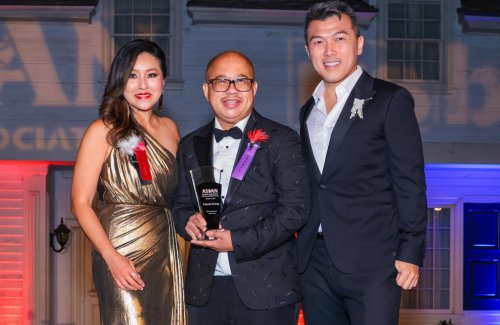
Takashi Cheng Honored With A Special Award For Exemplary Initiatives On Elevating The AAPI Creator Community

The Gala hosted by the Asian Business Association was in full swing during the evening spent celebrating AAAPI contemporaries. The evening’s events revolved around the concept of authentic old Hollywood, and its guest list included several famous personalities. 

Takashi Cheng was honored with the Media Visionary of the Year Award, one of the night’s main highlights. He is one of the business leaders from the Los Angeles community who highlights the accomplishments of prosperous business owners and corporations and has contributed to advancing the ABA’s goals and mission. 

Cheng serves as the Chief Executive Officer of Society One. He is known to be a creative investor and a public intellectual. Cheng has seen many ups and downs, but he credits his success to the American Bar Association (ABA), which he calls a shelter for young professionals seeking mentorship and employment. He attributed a significant portion of his success to the support of his wife and their young children.

Cheng’s Bling Empire castmate and friend Kane Lim called him a visionary. Lim is proud and happy that Cheng is in the spotlight for investing in people and projects that aim to elevate the Asian community. He is amazed at how Cheng invests in people and projects that seek to promote the Asian community.

Besides all the recognition that night, Cheng modestly used his platform to show the world that a large investment in the AAPI creator community is needed to provide a perspective and a complete spectrum of content that better understands the underrepresented. 

Cheng pledged $100 million to create new films, programs, resources, and infrastructure for Asian American business leaders. This showed Society 1’s support for AAPI creators. He concluded that he had “come full circle” from being a spectator in the crowd to receiving recognition from highly regarded community members.

Image Source: Amberlyns Cake / Danica Lynne Casta

Uncategorized

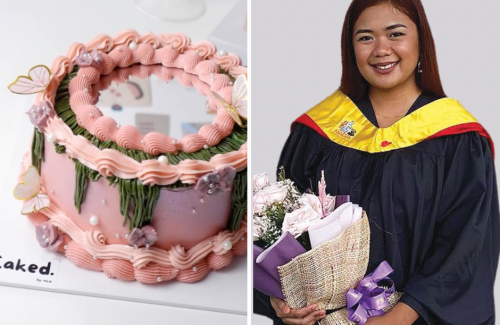
How An Engineering Graduate Trades Hard Hats For Pastry Becomes 6-Figure Baker

For Danica Lynne Casta, an engineer by profession turned baker, success was hers after she risked taking a big step outside her comfort zone. She now manages her online cake business under “Amberlyns Cake.”

The Filipina baker had just graduated from university when the pandemic struck. Danica began to reconsider her professional goals in baking when her family had financial difficulties, so she looked for a short-term position in the online world.  

Danica had limited experience in baking. But through hard work, she persisted in her quest to become a better baker until she became well-known for her delicious “bento cakes”.

The bento cakes were not only delicious but also the perfect size and price for those watching their spending. She also recently launched a “Selfie Mirror Cake” featuring a real mirror on top of the cake. So, you can take one-of-a-kind mirror selfies while taking a snap of your scrumptious cake.

In only one month, she turned a profit into double digits. At that moment, she knew that baking was her true calling in life. “I told my family that I was quitting my job and would be a full-time baker from now on,” she told The Philippine Star, a digital newspaper in the Philippines.

As of writing, Amberlyns Cake (@amberlynscake) got over 178k followers on Instagram and Facebook.

Image Source: CNBC Make It

Uncategorized

25-year-old Who Earns Half A Million Per Year Proves That No One Is Too Young To Be A Real Estate Investor

This millennial will inspire you with his quest for financial independence. Sahil Mehta earns $515,000 a year flipping houses in addition to his full-time job at Golden Gate Sotheby’s.

Mehta grew up in a low-income household. He moved to California at 16, where he started college and graduated early to launch a successful career in real estate. Today, he has already put five rental apartments into the real estate market in Berkeley and has been able to make a profit from them.

He acknowledges that prospective investors require substantial capital even to enter the game. One essential thing he considers in investing his money is making deposits into a personal retirement account. Now, Mehta puts a lot of money into himself and puts away about $10,000 monthly for real estate investments. 

The 25-year-old also invests $1,500 per month, while most financial advisers recommend saving 10% to 15% of income for retirement. Brilliant move to put some of it in an IRA, where it can multiply at 6% to 8% every year.

O’Leary, chairman of O’Shares ETFs and a judge on the new CNBC show “Money Court,” was impressed by Sahil Mehta’s connotations to stock market strategies. “That’s what you’re putting aside for your nest egg when you turn 65.”

Made with Canva

Uncategorized

Eight Trailblazing Asian Women Who Are Slaying It In Startups

When it comes to closing the gender equality gap in entrepreneurship, many barriers remain to be addressed. However, female entrepreneurs in the startup industry are now rising and have been taking center stage.

Fortune recently released a list of the 15 Most Powerful Women in Startups based on PitchBook valuation data. 

Eight women on the list are notable Asian women who are either founders of highly valued startups where they hold important jobs or chief executives of highly valued firms.

Without further ado, here are the most powerful women in charge of the most valuable private companies in the world today.


Melanie Perkins

Cofounder and CEO, Canva

Valuation: $26 billion

The Malaysian-Austrailian cofounder and CEO of design software maker Canva was valued at $40 billion in 2021, which makes it the highest-valued female-founded startup in the world. Launching their new office product, the company is ready to take on Microsoft and Google.


Divya Gokulnath

Cofounder and director, Byju’s

Valuation: $22 billion

Gokulnath cofounded India’s most valuable startup, Byju’s. The firm’s aim is to make learning engaging and effective by leveraging deep pedagogy and cutting edge technology.


Miranda Qu

Cofounder and president, Xiaohongshu

Valuation: $20 billion

Based in Shanghai, the social e-commerce app Xiaohongshu (translation: “Little Red Book”) has been key to the rise of experiential shopping in China. The innovative platform integrates the authentic content shared by its community with commerce, quickly becoming one of the most popular destinations for making lifestyle decisions.


Ruchi Kalra

Cofounder and CFO, OfBusiness; cofounder and CEO, Oxyzo

Valuations: $5 billion (OfBusiness); $1 billion (Oxyzo)

Kalra along with her husband Asish Mohapatra, cofounded the carbon management business OfBusiness and the digital lender Oxyzo. OfBusiness provides India’s SMEs access to cash flow-based financing for buying raw materials through its NBFC ‘Oxyzo Financial Services’.


Adi Tatarko

Cofounder and CEO, Houzz

Valuation: $4 billion

The Israeli-American cofounder and CEO started the home remodeling and design platform where people can browse and save beautiful photos of inspiring home, as well as find and hire the right design and construction professionals.


Eynat Guez

Cofounder and CEO, Papaya Global

Valuation: $3.7 billion

Papaya Global is a payroll platform trusted across 160+ countries and all types of employment. Based in Israel, Guez cofounded the startup after a long career in global workforce management.


April Koh

Cofounder and CEO, Spring Health

Valuation: $2 billion

Koh became the youngest woman to run a multibillion-dollar company when the startup hit its $2 billion valuation in 2021. With the mission to eliminate every barrier to mental health, Spring Health offers mental health care services as an employer-provided health benefit.


Jinglan Wang

Cofounder and CEO, Optimism

Valuation: $1.7 billion

Optimism is an Ethereum-based decentralized infrastructure platform that allows for instant transactions and scalable smart contracts.The company valued at $1.7 billion as it worked to scale Ethereum.