Stories

April 19, 2024

SHARE:

Social media undoubtedly has brought our society many wonders. The connection it can bring and the impact it can make are undeniable. But along with the rise of platforms that prioritize online personas and shortcut conversations, profound connections feel like an endurance test.

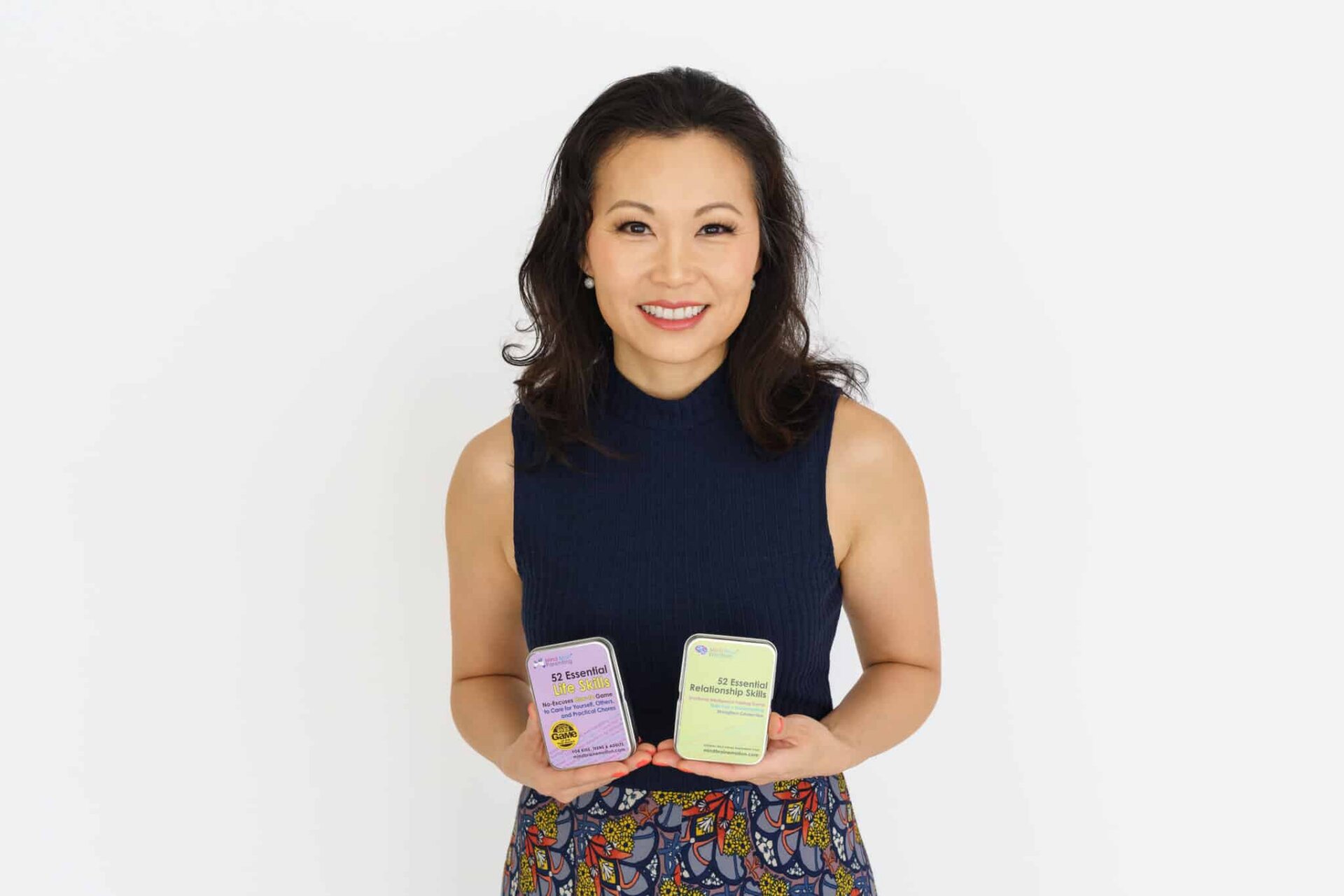
Jenny Woo, taking an emotional and deep-dive reading of this pattern, decided to develop the 52 Essential Conversations. She then established Mind Brain Emotion with the hope of helping people stay in tune with their emotions, building happiness, serenity, and wisdom. 

AN INCUBATION AT HARVARD

It was an insightful experience to have this exclusive interview with Jenny Woo, whose keen observation and curiosity have led her to the creation of Mind Brain Emotion, educational card games, and mental health tools to help people build essential human skills and connections.

Delightfully quipping “I earned enough credentials so that my parents and grandparents could each have an honorary degree,” Jenny showcased a strong personality, one that is “resourceful, resilient, and hard-working.” As she would humorously refer to herself as a “knowledge smuggler,” Jenny dug up the problems in current education towards one’s emotional development:

During my study and research at Harvard, I was drawn to the intersection of emotional intelligence and cultural identity. Self-awareness, social awareness, and relationship skills were three key components of emotional intelligence. As a management consultant, executive coach, and HR leader, I had already observed how essential these skills were for career success. 

And yet, the education system did little to expose students to these skills. Teaching resources were scarce, expensive, and outdated, and only the most expensive private schools had access. I also interviewed Harvard and MIT students on what got them to be where they are today and realized that a large component was having access to essential conversations and connections with mentors and parents. 

Jenny also detailed the inspiration behind her first deck, 52 Essential Conversations, which came from careful investigation into neuroscience and social affairs:

My findings are also aligned with neuroscience research from Harvard/MIT on the power of conversations. For the average Joe or Jenny, like me, we had limited access to social capital and resources like this. So, it inspired me to translate emotional intelligence research and social capital into affordable and relatable card games to help everyone reach their potential. In my research, I also saw a lack of representation and conversations around diversity, equity, and inclusion in the emotional intelligence learning framework. For example, how could we practice self-awareness or social awareness if we didn’t discuss the role of race? Being socially aware is also understanding our privilege and past.

NAVIGATION THROUGH RACISM AND MISOGYNY 

Jenny’s journey was never met with only the appraisals but also the scathing criticism of her success as an Asian American. Her detractors claimed many misogynistic things upon her (“women like this die alone”) and called her a CCP spy, because it was never expected of a woman like her to achieve such success. However, it is the meaning of her work and the applauding reaction of her supporters that have kept her moving forward: 

User testimonials are why I do what I do. My card decks are being used in ways that I had never imagined – in veteran hospitals and curriculums, in Federally-funded programs that support homeless youth and displaced families, in trauma-informed social work to help neglected and abused kids and adults, for Ukraine teen refugees, in speech-language therapy to help clients build reading comprehension, in community college and adult learning ESL classes to help immigrants learn language and networking, in gifted and talented programs to help students build both critical thinking and empathy, in workplaces for teambuilding and mentorship, etc. I’ve done university research on the utility of the card decks and it’s amazing to see it benefiting people from all socioeconomic classes, from poverty to affluence. 
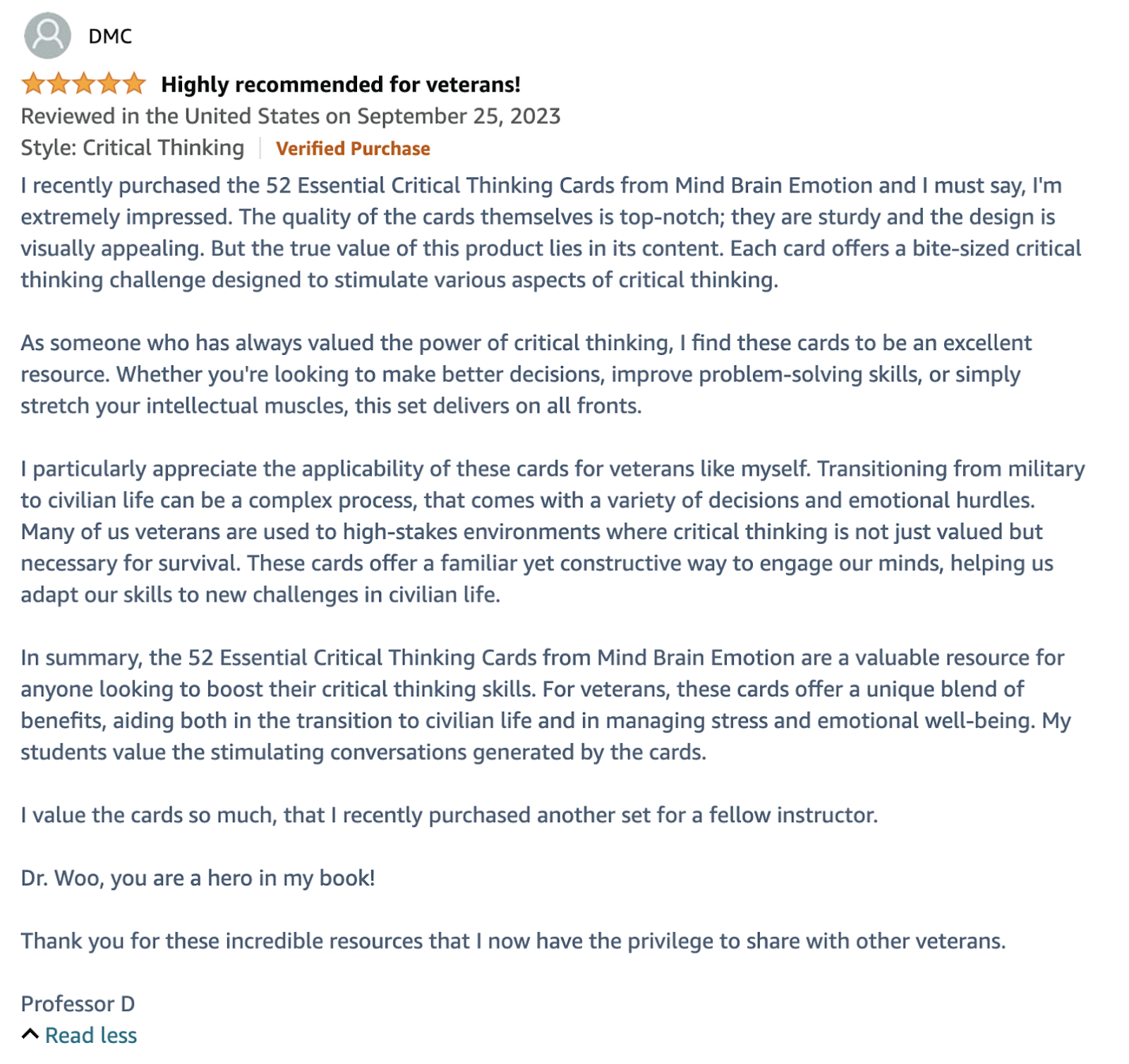
At the end of a school district workshop I delivered, the school counselor told me that the divorced parents who had been on toxic non-speaking terms were surprisingly communicating warmly to each other and their child by the end of my hands-on workshop using the card decks. It’s anecdotes like this that keep me going.

AI, GEN Z, AND MIND BRAIN EMOTION

When asked about how AI has transcended society, she brought up the concerns for mental health, fearing the permeating scarcity of personal connection:

I was interviewed on an emerging study on the impact of AI on the mental health of workers (not just in the US, but also in the Asia Pacific) between the ages of 25 – 55. It found that workers were lonelier and craved more social interaction. I love tech and AI, and I believe they have improved the quality of our lives tremendously. However, in the context of emotional intelligence, it’s making it harder for people to experience authentic and unfiltered IRL emotional connections and social interactions. Lately, I’ve been interviewed a lot on emotional intelligence topics like how to initiate a conversation with strangers, phubbing, and how to cope with social anxiety and ghosting. Although people are now much more aware of the importance of mental health, I’m afraid that many are left with little practice (or willingness) for human-to-human connection. 

However, there’s always a silver lining. With the growing acceptance to talk about mental health among younger generations, Jenny sees a glimmer of hope in her products. They have the potential to support young people in fostering greater openness and understanding surrounding mental health issues:

I have a few more decks in the works that support Gen Alpha, GenZers, and Millennials. My card deck topics were created based on user feedback on their needs. For example, I created the 52 Essential Coping Skills during the pandemic to support my college students’ mental health. Many of the cards stemmed from a course I had been teaching, where I created practical Zoom games and assignments to help my students cope with the situations they were confiding in me. My class was oversubscribed with a long waitlist, so I made my exercises into this card game to offer instant support.
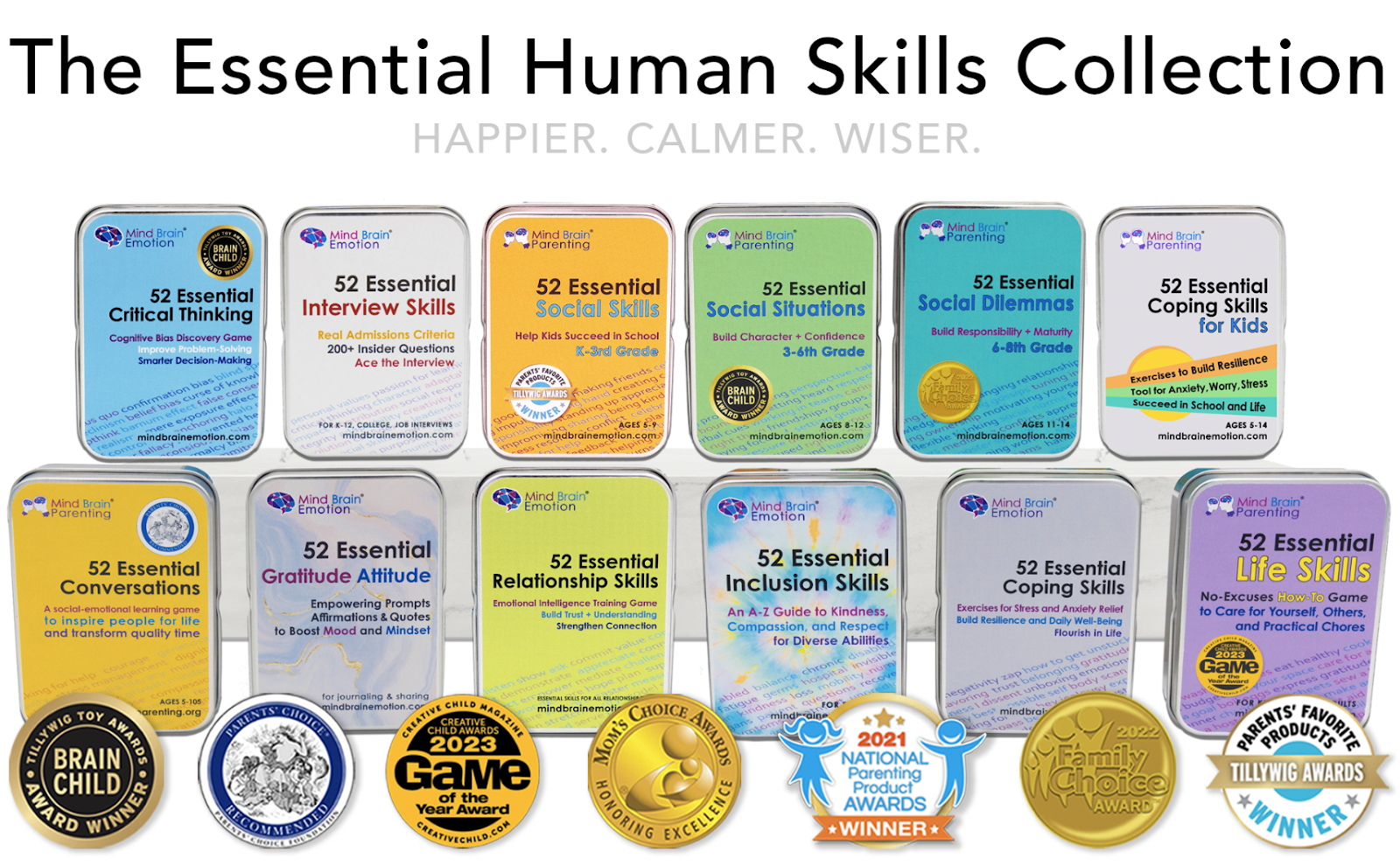
I created the 52 Essential Critical Thinking Skills in response to Black Lives Matter and Asian Hate crimes to give younger generations the tools for activism and advocacy. Most recently, a national youth-centered activism nonprofit organization contacted me to discuss collaborative partnerships to support our younger generations. We want to provide concrete tools to help our youth go from civic-conscious to civic-committed while managing the mental health toll of the geopolitical issues. Lastly, reaching younger generations through social media and YouTube would be great. I would love to collaborate with influencers who care deeply about mental health!

Speaking about her vision for Mind Brain Emotion, she expressed her desire to expand Mind Brain Emotion globally, especially in APAC:

I’d love to connect with publishers and distributors to bring evidence-based emotional intelligence resources into those countries. I believe these resources will benefit both the younger and older generations.

CONNECT WITH JENNY WOO / MIND BRAIN EMOTION

Website: http://mindbrainemotion.com

Socials: 

Related Articles

News

A Global Celebration of API Excellence in the 21st Annual Unforgettable Gala

In a dazzling celebration of Asian and Pacific Islander (API) luminaries in the entertainment industry, Character Media presented the 21st Unforgettable Gala (UNFO). This black-tie event, held at the prestigious Beverly Hilton, attracted over 700 esteemed guests, including influential entertainers, leaders, and prominent API-led brands.

This year, UNFO expanded its reach globally by partnering with AsiaLab, an entertainment platform fostering collaboration among API stars internationally, with an aim to broaden awards categories, recognizing exceptional API contributions on a global scale.

The event, which took place on December 16th, featured an exquisite three-course gourmet dinner, special on-stage moments by honorees, live entertainment, and exclusive performances. The festivities continued at an extravagant after-party, ensuring an unforgettable night for attendees.

Simu Liu, Source: Variety

Special guests, including host Simu Liu, Selection Committee Co-Chairs Destin Daniel Cretton and Lisa Ling, added glamour to the evening. Notable honorees included Charles Melton, Steven Yeun, Greta Lee, Young Mazino, Adele Lim, Sung Jin Lee, Steven Lim, and the cast of “Never Have I Ever.” Global influencers, such as Mackenyu and Byeong Kyu Cho, were recognized for their groundbreaking contributions.

Keynote addresses by Destin Daniel Cretton and Lisa Ling, along with contributions from esteemed committee members, including Apl.de.Ap, Bing Chen, Sujata Day, Ken Jeong, Jeremy Lin, and Janet Yang, added to the event’s significance.

Founder James Ryu expressed pride in overcoming challenges, emphasizing the collective dedication and resilience of the entertainment community. The Gala not only celebrated API excellence but also highlighted the industry’s enduring commitment to inclusivity and representation.

Stories

How Saigon Cider Became The First Vietnamese Organic Cider

In every sip of cider, there’s a story waiting to be told—a narrative of flavors, a journey of craftsmanship, and a celebration of culture.

For Saigon Cider, it all began when Hannah Jefferys left her job as an architect in 2011 and moved to Vietnam when she was just 25 years old. Hannah grew up in a little place in the British countryside called Somerset, where she witnessed how cider evolved from being a farmer-associated drink to a cosmopolitan summer beverage.

Upon reaching Saigon and basking in the daily dose of sunshine, Hannah delved into the rich Vietnamese ‘nhậu’ culture, centered around shared dishes and toasts on plastic chairs lining the pavements of Saigon.

“There’s nothing quite like it elsewhere in the world — certainly not in the UK,” Hannah shared.

Yet, amidst the rich cultural tapestry, there was something she missed… cider.

A STORY OF INSPIRATION

Hannah found inspiration in the everyday scenes of Vietnamese individuals setting up shop just about anywhere and having a go. “Us British tend to think about risk rather than how things might work, and tend not to take the leap,” she says. She was also inspired by some local F&B brands that started their hustle in home kitchens, gradually expanding to a national and global scale.

This is how Saigon Cider was brought to life. What started as a humble stall at Saigon Outcast became the first organic craft cider in Vietnam.

CELEBRATING VICTORIES

Saigon Cider has notched up some impressive achievements on its journey. With their lineup of three ciders, they have been able to win 15 international awards, beating brands from established cider-making countries like the UK, US and France in some of the competitions.

Even despite the hurdles during the global pandemic and the challenges of being a small yet growing company in a bustling market, Saigon Cider has stood tall, and built a strong brand and following.

This year, Saigon Cider is entering new international markets, and they are incredibly proud to be able to share a taste of Vietnam with the world.

A NARRATIVE OF FLAVORS

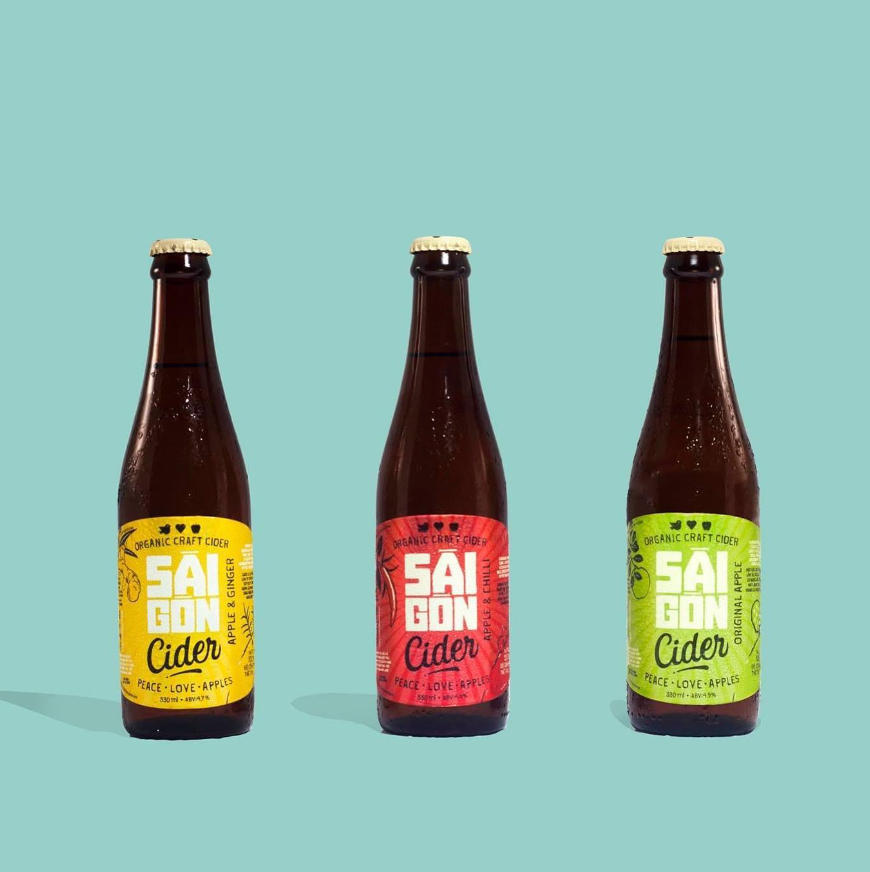
Saigon Cider currently has three delightful flavors to offer:

  1. APPLE & GINGER: A blend featuring organic apples with a punch of Vietnamese ginger. This one is a revitalizing splash of a cider.
  2. ORIGINAL APPLE: This cider is crafted from fuji, gala and other favorite organic apples, perfect for a well deserved chill break after chaos.
  3. APPLE & CHILLI: A combination of organic apples with a Vietnamese chilli kick, delivering a dose of spice and sense of mischief.

Each flavor is thoughtfully crafted to bring a delightful and invigorating experience to everyone’s palate.

A GLOBAL TASTE WITH LOCAL ROOTS

Despite cider being an original British drink, Hannah is proud to present Saigon Cider as a Vietnamese brand.

“From the start, we have been a Vietnamese brand first and foremost, and proudly so. We were created here, grown here and inspired by here and I’m now personally rooted here with my Vietnamese family. 

Our Vietnamese-ness runs through everything we do, our choices of organically farmed ingredients, our labeling and of course, our name. In export markets we retain as much Vietnamese wording on our labels as we can and we hope that we are chosen with pride by Vietnamese and that wider Asian consumers will also feel some sense of ownership over our brand,” Hannah shared with Asian Hustle Network.

The brand currently has openings for exclusive distribution deals in various countries. They would love to grow with overseas Vietnamese distributors who know how to ‘nhậu’, so now is the time to hit them up and be a part of sharing Peace, Love & Apples globally.

CONNECT WITH SAIGON CIDER

Facebook: Saigon Cider

Instagram: @saigoncider

Linkedin: Saigon Cider

Fei-Fei_Li.original-png

News

Fei-Fei Li’s Exclusion from Influential List Fuels Debate on Gender Disparity in AI Leadership

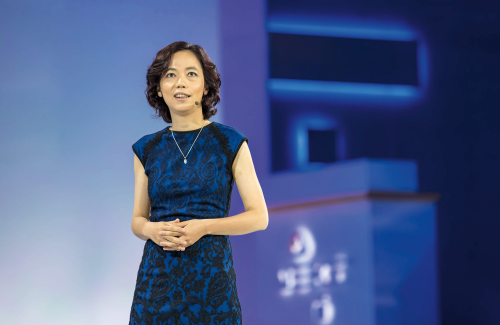
In a recent revelation, the artificial intelligence (AI) community has been thrust into a contentious discussion surrounding gender representation after the omission of Fei-Fei Li from the New York Times’ “Who’s Who Behind the Dawn of the Modern Artificial Intelligence Movement” list.

The list, published on December 3, 2023, spotlighted twelve influential figures instrumental in the growth of AI over the past decade, including industry giants such as Sam Altman, Bill Gates, Elon Musk, and Mark Zuckerberg. However, a striking absence of women, notably Fei-Fei Li, has ignited a broader conversation about gender diversity in the AI landscape.

Image Source: IEEE Spectrum

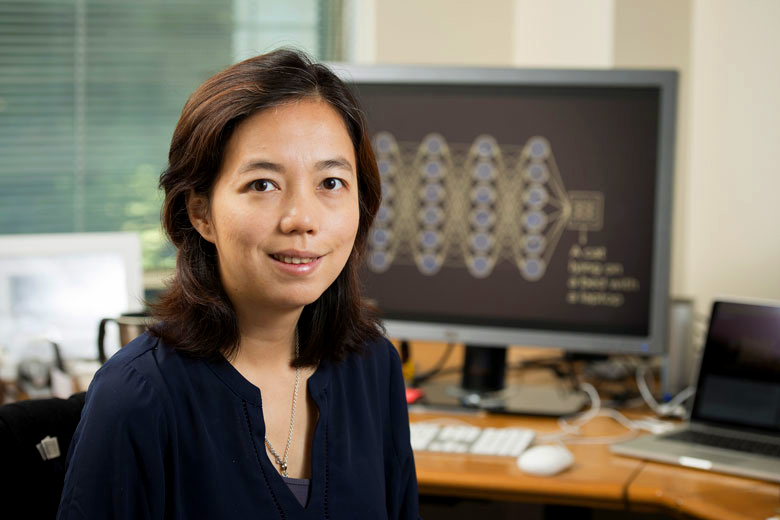
Fei-Fei Li is a distinguished computer science researcher recognized for her creation of ImageNet, a pioneering dataset, that drove progress in computer vision, and paved the way for AlexNet. Her contributions, spanning nearly 15 years as a professor at Stanford University and co-director of the Stanford University Human-Centered AI Institute, have significantly shaped the AI field.

According to VentureBeat, the New York Times described the featured individuals as “a group of researchers, tech executives and venture capitalists” who “had worked for more than a decade to fuel AI” before chatbots “exploded in popularity.”

The list’s lack of gender diversity, particularly the absence of women like Fei-Fei Li, has sparked widespread criticism and calls for a more inclusive representation of the diverse talent within the AI community.

Featured Image Source: Caltech EE

Stories

Husband and Wife Duo Revolutionizing Athleisure and Streetwear with Passion and Community Support

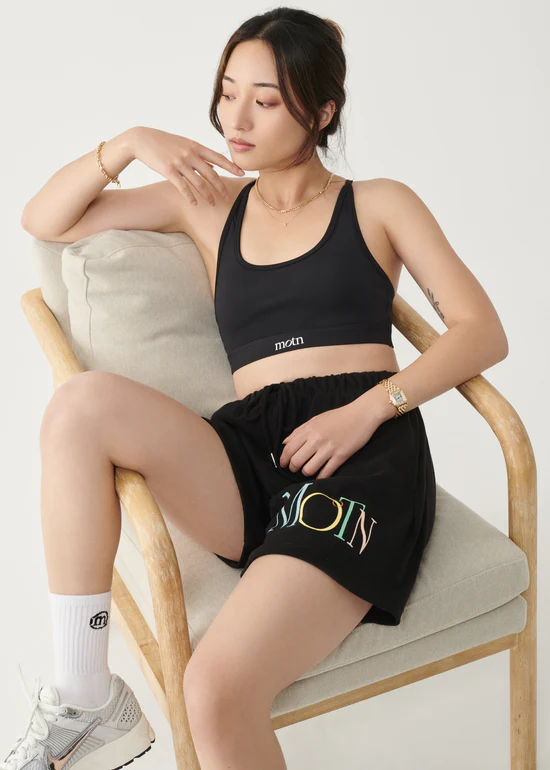
In a world where exercise is becoming increasingly important to maintain a healthy lifestyle, finding comfortable and stylish workout clothes is essential. Unfortunately, many brands in the athletic-wear space have similar designs and aesthetics, leaving little room for uniqueness. That’s where MOTN comes in.

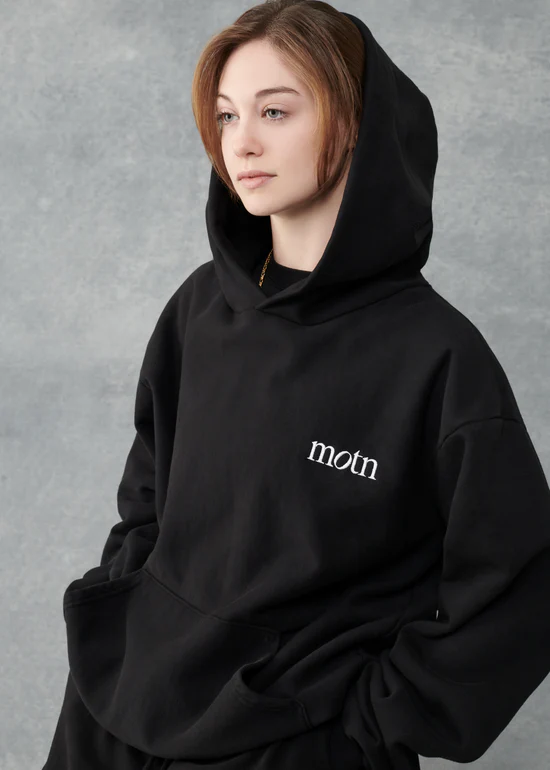
Founded by Alice Kim, with the support of her husband, in Los Angeles, MOTN is an athleisure/streetwear brand that aims to provide clothing that encourages people to stay active or to be “always in motion,” as in their slogan.

With their unique approach to combining fitness and streetwear, MOTN has created a loyal community of individuals who are always in motion. As Alice said, “We need other people to encourage us and support us. This is what I hope people wearing MOTN would also feel – that there is a community of people who are always in motion.”

Inspired by Alice’s love for fitness and Josh’s passion for sneakers and fashion culture, one of the main goals of MOTN is to balance workout gear and streetwear. The couple noticed a gap in the market for brands that emphasized both aspects of fashion.

To make their pieces unique, every collection requires dedicated time and thought to execute the style and design they are going for. They aim to create pieces that differ from every collection and keep customers engaged. MOTN values versatility and flexibility, allowing customers the freedom to mix and match pieces or choose an entire outfit to rock.

Starting a new business came with its fair share of challenges, including moments of doubt and uncertainty. Alice often found herself questioning how their brand would stand out in a market that already had thousands of clothing brands. However, Alice shared, “Throughout the uncertainty, I’ve had an amazing group of friends and family, especially my mom, that pushed me and encouraged me to still give it my all and try to make it work!”

Maintaining quality is also a top priority for MOTN. The brand aims to never compromise on quality, even if it means sacrificing on their end, “ Whether it’s taking longer to sample fabrics/materials, sourcing different fabrics/materials, or even taking a hit financially. We know that when it comes to a brand, customers are always first and so we want to prioritize them,” Alice explained.

As an Asian-owned business, the brand has fortunately not faced any large difficulties in the fashion industry. Alice acknowledges the support from the Asian community and is thankful to have individuals who already support MOTN. However, she wants to make it clear that their brand is all-inclusive and not focused solely on the Asian community.

When asked about her biggest piece of advice for someone starting a business, Alice emphasizes the importance of being passionate about what you do and not comparing yourself to others. Growing up, Alice looked up to her single mom, who worked diligently to get to where she is today. Because of that, she acknowledges that building a successful brand takes a lot of hard work and time, but if you work hard and stay committed, people will see your efforts. Alice also stresses the importance of patience and not getting discouraged by slow progress.

Lastly, Alice highlights the value of community support. “Through launching our brand, I realized how important it is to lean into your community,” she says. “The MOTN team may just be two people but the MOTN family is so much bigger, and we cannot thank our community enough for their love and support.”