Stories

April 19, 2024

SHARE:

Social media undoubtedly has brought our society many wonders. The connection it can bring and the impact it can make are undeniable. But along with the rise of platforms that prioritize online personas and shortcut conversations, profound connections feel like an endurance test.

Jenny Woo, taking an emotional and deep-dive reading of this pattern, decided to develop the 52 Essential Conversations. She then established Mind Brain Emotion with the hope of helping people stay in tune with their emotions, building happiness, serenity, and wisdom. 

AN INCUBATION AT HARVARD

It was an insightful experience to have this exclusive interview with Jenny Woo, whose keen observation and curiosity have led her to the creation of Mind Brain Emotion, educational card games, and mental health tools to help people build essential human skills and connections.

Delightfully quipping “I earned enough credentials so that my parents and grandparents could each have an honorary degree,” Jenny showcased a strong personality, one that is “resourceful, resilient, and hard-working.” As she would humorously refer to herself as a “knowledge smuggler,” Jenny dug up the problems in current education towards one’s emotional development:

During my study and research at Harvard, I was drawn to the intersection of emotional intelligence and cultural identity. Self-awareness, social awareness, and relationship skills were three key components of emotional intelligence. As a management consultant, executive coach, and HR leader, I had already observed how essential these skills were for career success. 
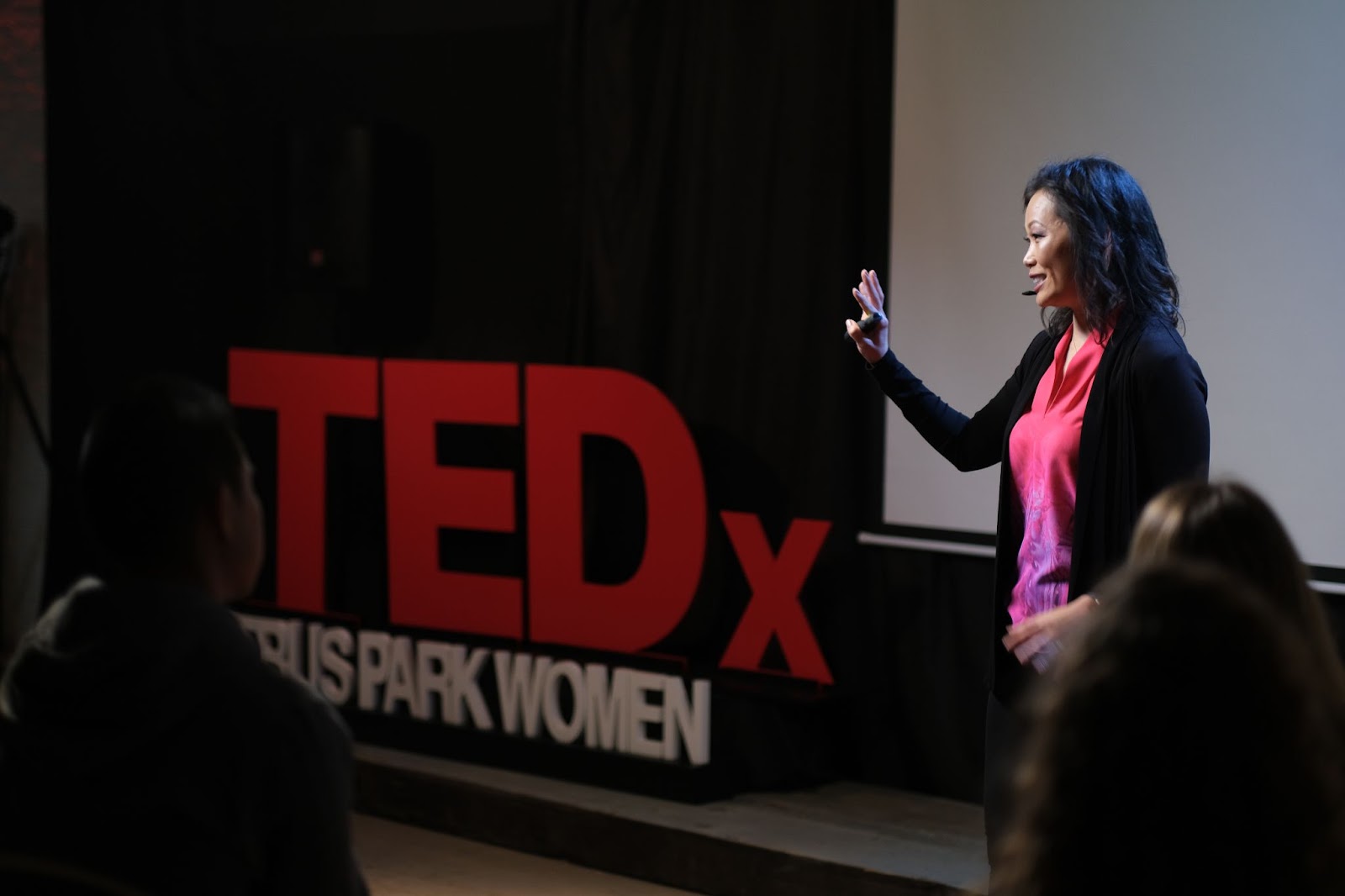
And yet, the education system did little to expose students to these skills. Teaching resources were scarce, expensive, and outdated, and only the most expensive private schools had access. I also interviewed Harvard and MIT students on what got them to be where they are today and realized that a large component was having access to essential conversations and connections with mentors and parents. 

Jenny also detailed the inspiration behind her first deck, 52 Essential Conversations, which came from careful investigation into neuroscience and social affairs:

My findings are also aligned with neuroscience research from Harvard/MIT on the power of conversations. For the average Joe or Jenny, like me, we had limited access to social capital and resources like this. So, it inspired me to translate emotional intelligence research and social capital into affordable and relatable card games to help everyone reach their potential. In my research, I also saw a lack of representation and conversations around diversity, equity, and inclusion in the emotional intelligence learning framework. For example, how could we practice self-awareness or social awareness if we didn’t discuss the role of race? Being socially aware is also understanding our privilege and past.

NAVIGATION THROUGH RACISM AND MISOGYNY 

Jenny’s journey was never met with only the appraisals but also the scathing criticism of her success as an Asian American. Her detractors claimed many misogynistic things upon her (“women like this die alone”) and called her a CCP spy, because it was never expected of a woman like her to achieve such success. However, it is the meaning of her work and the applauding reaction of her supporters that have kept her moving forward: 

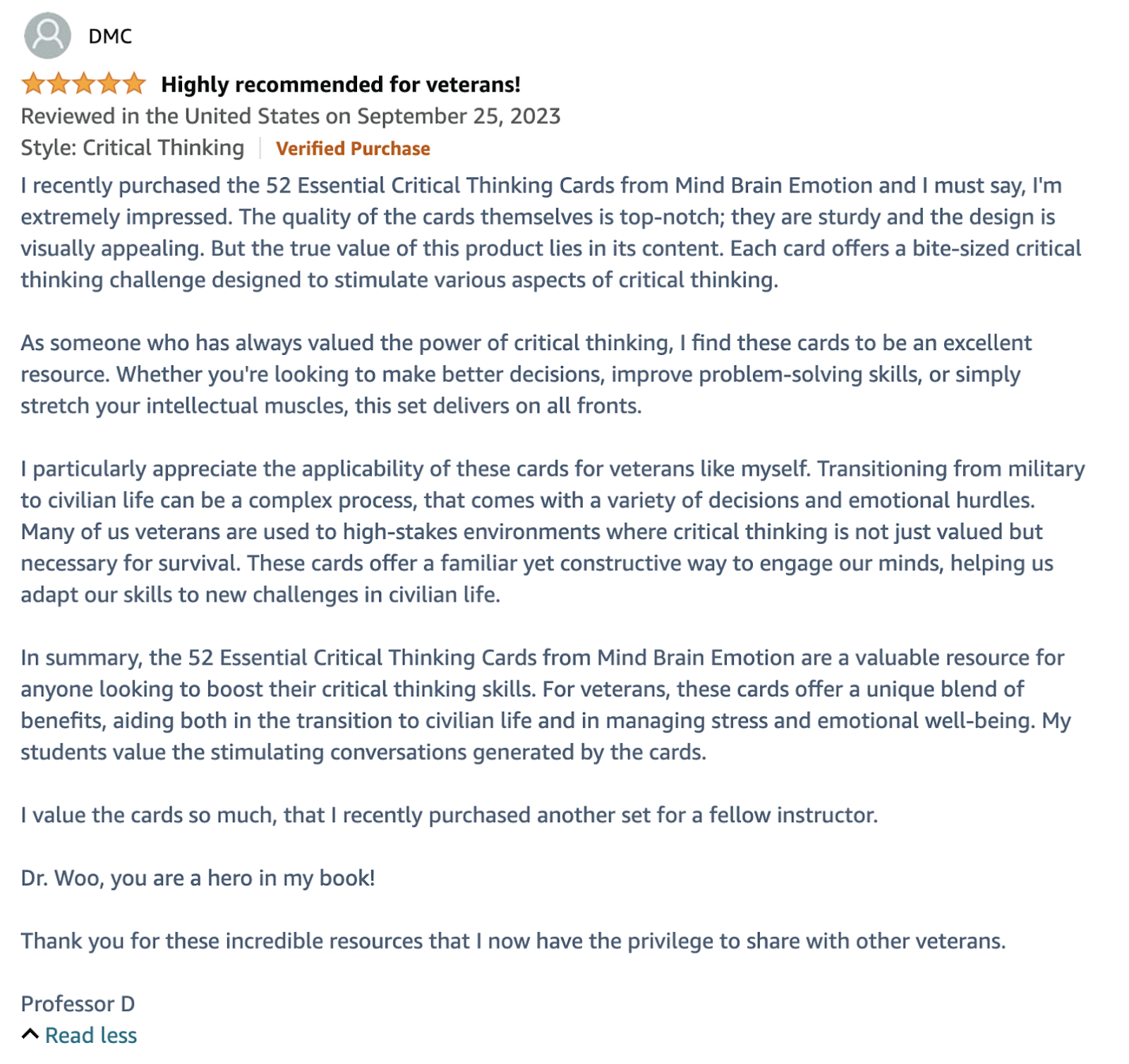
User testimonials are why I do what I do. My card decks are being used in ways that I had never imagined – in veteran hospitals and curriculums, in Federally-funded programs that support homeless youth and displaced families, in trauma-informed social work to help neglected and abused kids and adults, for Ukraine teen refugees, in speech-language therapy to help clients build reading comprehension, in community college and adult learning ESL classes to help immigrants learn language and networking, in gifted and talented programs to help students build both critical thinking and empathy, in workplaces for teambuilding and mentorship, etc. I’ve done university research on the utility of the card decks and it’s amazing to see it benefiting people from all socioeconomic classes, from poverty to affluence. 
At the end of a school district workshop I delivered, the school counselor told me that the divorced parents who had been on toxic non-speaking terms were surprisingly communicating warmly to each other and their child by the end of my hands-on workshop using the card decks. It’s anecdotes like this that keep me going.

AI, GEN Z, AND MIND BRAIN EMOTION

When asked about how AI has transcended society, she brought up the concerns for mental health, fearing the permeating scarcity of personal connection:

I was interviewed on an emerging study on the impact of AI on the mental health of workers (not just in the US, but also in the Asia Pacific) between the ages of 25 – 55. It found that workers were lonelier and craved more social interaction. I love tech and AI, and I believe they have improved the quality of our lives tremendously. However, in the context of emotional intelligence, it’s making it harder for people to experience authentic and unfiltered IRL emotional connections and social interactions. Lately, I’ve been interviewed a lot on emotional intelligence topics like how to initiate a conversation with strangers, phubbing, and how to cope with social anxiety and ghosting. Although people are now much more aware of the importance of mental health, I’m afraid that many are left with little practice (or willingness) for human-to-human connection. 

However, there’s always a silver lining. With the growing acceptance to talk about mental health among younger generations, Jenny sees a glimmer of hope in her products. They have the potential to support young people in fostering greater openness and understanding surrounding mental health issues:

I have a few more decks in the works that support Gen Alpha, GenZers, and Millennials. My card deck topics were created based on user feedback on their needs. For example, I created the 52 Essential Coping Skills during the pandemic to support my college students’ mental health. Many of the cards stemmed from a course I had been teaching, where I created practical Zoom games and assignments to help my students cope with the situations they were confiding in me. My class was oversubscribed with a long waitlist, so I made my exercises into this card game to offer instant support.
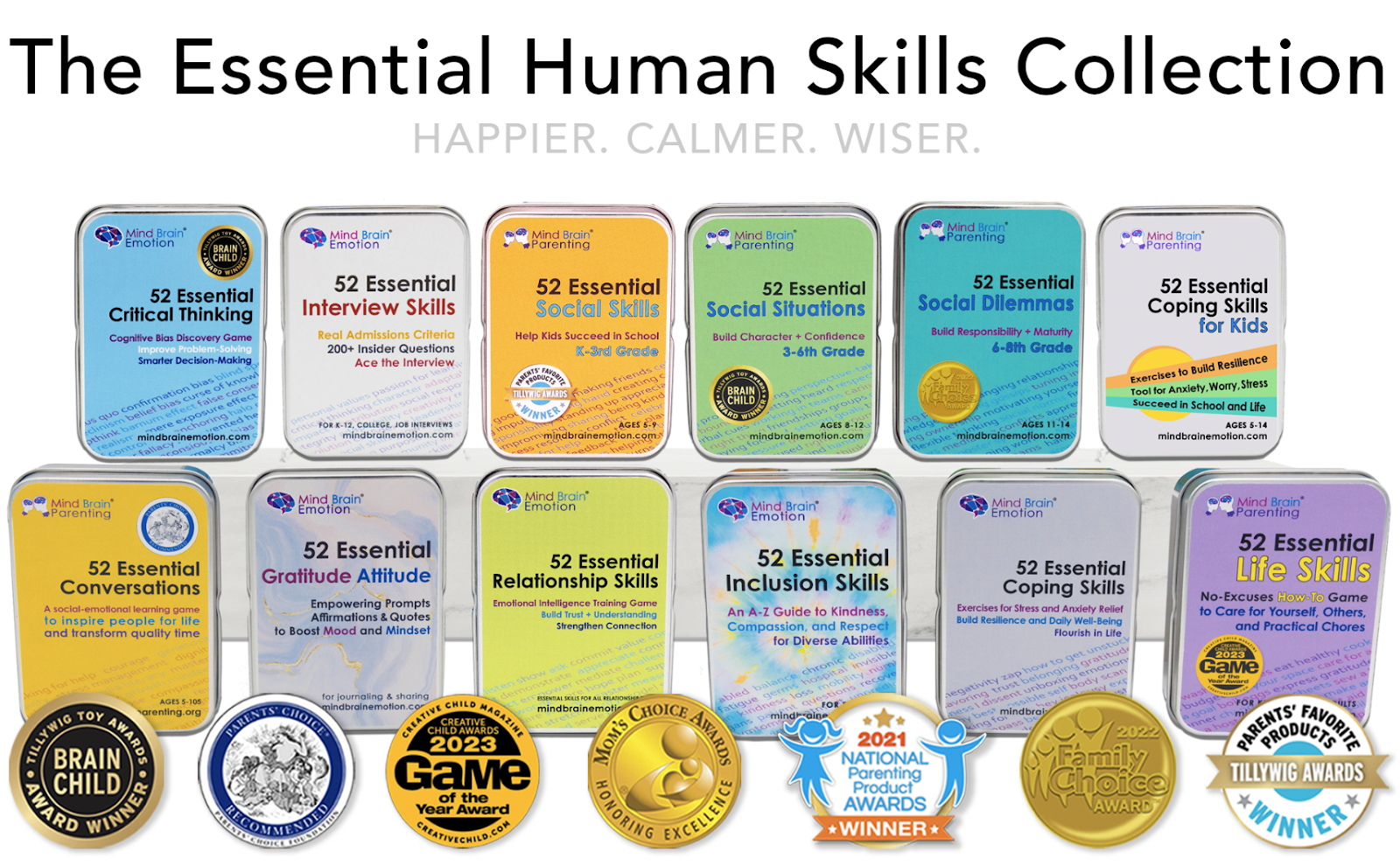
I created the 52 Essential Critical Thinking Skills in response to Black Lives Matter and Asian Hate crimes to give younger generations the tools for activism and advocacy. Most recently, a national youth-centered activism nonprofit organization contacted me to discuss collaborative partnerships to support our younger generations. We want to provide concrete tools to help our youth go from civic-conscious to civic-committed while managing the mental health toll of the geopolitical issues. Lastly, reaching younger generations through social media and YouTube would be great. I would love to collaborate with influencers who care deeply about mental health!

Speaking about her vision for Mind Brain Emotion, she expressed her desire to expand Mind Brain Emotion globally, especially in APAC:

I’d love to connect with publishers and distributors to bring evidence-based emotional intelligence resources into those countries. I believe these resources will benefit both the younger and older generations.

CONNECT WITH JENNY WOO / MIND BRAIN EMOTION

Website: http://mindbrainemotion.com

Socials: 

Related Articles

1-jpg

Stories

How China’s Anta Became Puma’s Largest Shareholder and the World’s No. 3 Sportswear Giant Behind Nike and Adidas

China’s Anta Sports is making a bold global move, stepping beyond its home market with a major investment in Puma.

The company acquired a 29 percent stake in the German sportswear brand in a $1.8 billion deal, becoming Puma’s largest shareholder.

This signals Anta’s growing ambition to compete head-to-head with the biggest names in the global sportswear industry.

Image Source: Yicai Global

From Small Workshop to Global Brand

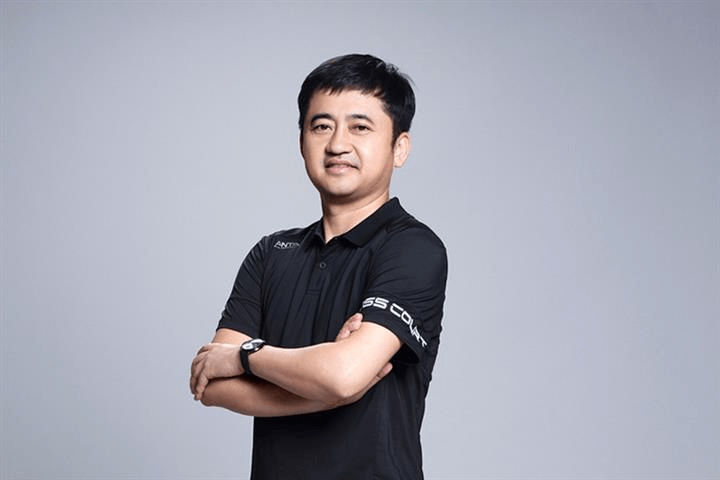
Anta’s journey began in 1986 when founder Ding Shizong, a high school dropout from Fujian, borrowed 10,000 yuan from his father to start reselling shoes. After quickly turning a profit, he reinvested his earnings and built a small manufacturing workshop. This early hustle laid the foundation for what would become one of China’s biggest sportswear companies.

By 1991, Anta had officially launched its own brand and began expanding across China. Over time, the company focused on scaling production, improving product quality, and building strong local distribution. These efforts helped Anta grow from a small business into a global brand with a strong foothold in the sportswear market.

Image Source: CGTN

Competing With the World’s Biggest Brands

Today, Anta controls around 23 percent of China’s sportswear market, surpassing both Nike and Adidas within the country. Its dominance at home has helped fuel its rise on the global stage, where it now ranks as the third-largest sportswear company. This growth reflects both strong local demand and strategic expansion beyond China.

Founder Ding Shizong has made it clear that Anta’s vision goes beyond being a regional leader. Rather than becoming the “Nike of China,” he aims to build what he calls the “Anta of the world.” With its recent investment in Puma, the company is taking a major step toward that goal and solidifying its place among the industry’s global giants.

image-png

News

Why Bhutan is the Smartest Place for Founders and Entrepreneurs to Reset in 2026

Most founders today are running on packed schedules but feeling mentally drained, and burnout is quietly becoming part of the routine.

When everything feels urgent, there is barely any space left to think — and decisions made from pressure rarely lead anywhere worth going.

That is exactly where Bhutan comes in. Its slower pace and untouched stillness create the kind of environment that gives ambitious minds the room to pause, reflect, and return with sharper focus.

The Philosophy That Reframes Success

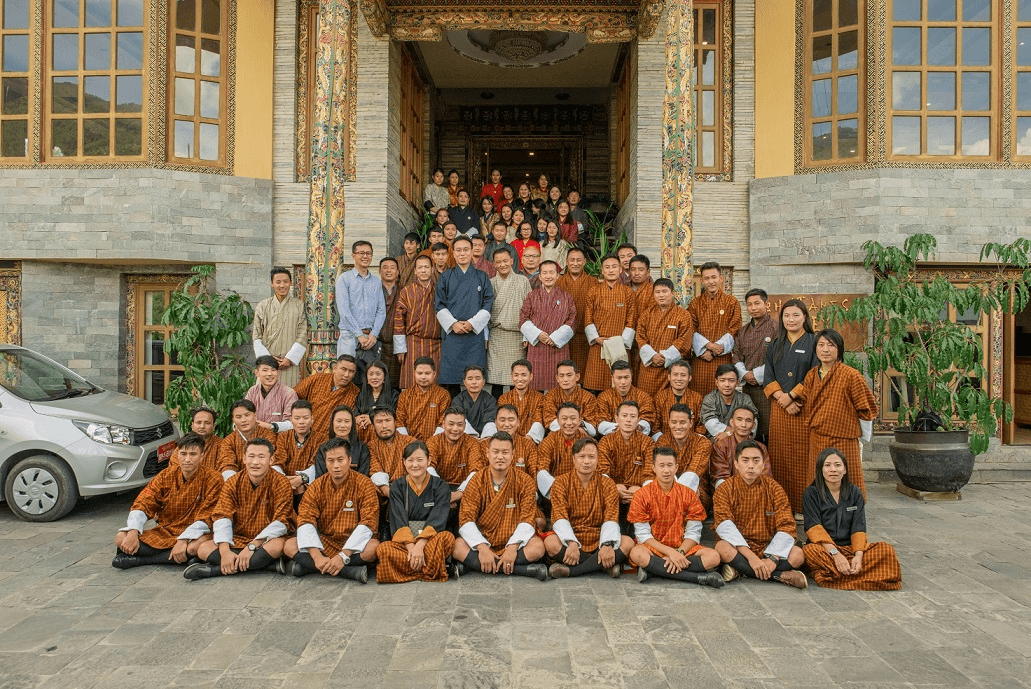
Bhutan approaches progress differently, placing equal importance on well-being and growth. Through its Gross National Happiness framework, the country measures success beyond economic output, and recent data shows that over 93% of the population falls within the happiness gradient. This perspective is not theoretical, it is reflected in how people live and make decisions every day.

You start to notice it in small but meaningful ways, like how conversations are not rushed and how people are fully present. There is a steady rhythm to daily life that feels intentional rather than pressured. That alone creates a different kind of mental space.

For founders and entrepreneurs, being in that environment naturally raises questions about what really drives their decisions. It becomes easier to see how much of leadership is shaped by urgency rather than purpose. That shift in awareness is often where real clarity begins.

The Travel Model That Guards Your Headspace

Bhutan keeps tourism at a manageable level, which helps protect both the experience and the environment. In 2025, the country welcomed nearly 210,000 visitors, a number that is intentionally kept low compared to other destinations. As a result, places feel calm and never overcrowded.

There is also a Sustainable Development Fee of about USD 100 per night, which supports conservation and local communities. This approach ensures that tourism grows in a way that does not take away from what makes Bhutan special. It also sets the tone for a more thoughtful way of traveling.

Because of this model, the pace of each trip feels more balanced and unhurried. Days are not tightly packed, which gives you time to take in each experience without feeling rushed. For founders and entrepreneurs, that space often becomes the most valuable part of the journey.

The Environment That Resets How You Think

Bhutan’s landscapes make it easy to slow down without trying too hard. In places like the Phobjikha Valley, the wide open views and quiet surroundings create a sense of calm that is hard to find elsewhere. Even visiting Tiger’s Nest requires a steady climb, which naturally shifts your pace and focus.

There is no constant noise pulling your attention in different directions. Instead, the stillness gives your mind room to settle and process things more clearly. It is often in these quiet moments that new ideas begin to form.

Over time, you notice a change in how you think and respond to things. Decisions feel less rushed and more intentional, which is something many founders and entrepreneurs struggle to achieve in their usual environment. By the end of the trip, the reset feels real and something you can carry with you.

If you are looking for a reset that goes beyond rest and actually changes how you think, explore Bhutan with Druk Asia here:

📍Website

unnamed-png

Stories

The Journey of 20-Year-Old Alex Eala to the WTA Top 50 After Taking Down the Biggest Names in Women’s Tenn

At just 20 years old, Alex Eala is emerging as one of the most exciting new forces in women’s tennis. The Filipina athlete has captured global attention after defeating some of the sport’s most established champions.

In a sport historically dominated by Western powers, Eala’s rapid climb is a major milestone for Asian representation in tennis. Her growing success signals a shift in the global landscape of the sport.

Image Source: SCMP

A Breakthrough That Turned Heads in Miami

Eala’s breakthrough moment came at the 2025 Miami Open, where she entered the tournament as a wildcard. Few expected the young Filipina to make a deep run, but she quickly stunned the field with a series of commanding victories.

During the tournament, Eala defeated multiple Grand Slam champions, including Iga Świątek, Madison Keys, and Jeļena Ostapenko. She later added a win over Coco Gauff, further proving she could compete against the very best in the sport.

Her run to the semifinals became one of the biggest stories of the tournament. It pushed her ranking into the WTA Top 100 and introduced her to a much wider global audience.

Image Source: DZRH

Climbing Into the WTA Top 50

Following her breakout performance, Eala continued to build momentum throughout the season. Strong results in several tournaments helped her steadily climb the rankings and establish herself among the sport’s rising contenders.

By the end of the year, Eala officially entered the WTA Top 50, becoming the first Filipina player to reach that milestone. The achievement marked a historic moment not only for Philippine tennis but also for Southeast Asian representation in the sport.

More than just a personal accomplishment, her rise is inspiring a new generation of young athletes across Asia. As she continues to compete on the world stage, Alex Eala’s journey shows how talent, discipline, and opportunity can reshape the future of global tennis.

unnamed-jpg

Stories

The Spirit of a Fighter: How Stepping Into a Muay Thai Ring Changed the Way Alice Shikina Works as a Mediator and Negotiation Trainer

The first time Alice Shikina stepped into a Muay Thai ring, the moment felt bigger than the fight itself. The gloves were heavy, but what weighed more was everything she had been carrying in the months before.

She was in her late thirties, newly divorced, and raising two young children on her own. Her kids were just two and five years old, and the life she had carefully built no longer looked the same.

At the same time, she was trying to establish herself as a mediator and build her own business from the ground up. She didn’t know it yet, but the self-trust she was about to forge in that ring would become the foundation of how she led others through their own conflicts.

The Fight Before the Fight

Kickboxing began as a way to cope during a season that felt completely overwhelming. It gave Alice a physical outlet when her thoughts wouldn’t quiet down and her emotions felt too heavy to carry.

A few months later, Alice’s coach asked if she would consider competing. The idea unsettled her because she had never fought before and had never faced someone trained to strike back. For two months, she wrestled with the decision. What frightened her most was not losing, but the possibility of doubting herself under pressure.

When she finally committed, her routine became disciplined and demanding. She trained three hours a day, carving out time in the early mornings and late evenings while continuing to care for her children and grow her work.

The night before her first fight in Iowa, a coach told her that the real fight was already over because it happened during the grueling months of preparation. Once she realized that, her nerves calmed and a quiet steadiness took over. Even as she approached the ring to step in and fight, she felt unusually calm. She didn’t win that match, but she stayed on her feet until the final bell, and for a woman rebuilding her life, that was more than enough.

What the Ring Taught Her About Pressure

Alice went on to fight three more times. Afterwards, Alice turned her sights to competing in triathlons and even placed first in her age group at the Alcatraz Duathlon. While the medals were nice, the real reward was the quiet discipline she built through the discomfort of training.

She came to understand that fear does not simply fade with time. It softens only when you decide to move toward it.

She also learned that preparation changes how you carry yourself in difficult moments. When you put in the work, you stand differently, breathe more steadily, and think more clearly under pressure.

Today, those lessons shape how she sits with couples navigating divorce and teams facing workplace conflict. When emotions rise and conversations begin to unravel, she remains steady, drawing on the same discipline that once kept her composed in the ring.

Building Her Practice on Her Own Terms

Alice now runs Shikina Mediation and Arbitration full-time, helping divorcing couples, families, and organizations reach agreements they once thought were out of reach. Most clients come to her when communication has broken down and trust feels fragile.

Early in her career, she tried building her business by networking with attorneys, but quickly saw the bias against non-attorney mediators in a field long dominated by older white men. Instead of forcing herself into a system that did not fully welcome her, she shifted her focus to working directly with couples and workplace clients, growing her practice into a thriving full-time business over the past decade. In 2025, Alice was awarded the prestigious Raymond Shonholtz Visionary Peacemaker Award by San Francisco’s Community Boards.

Her work has expanded beyond the mediation room. She hosts the podcast, Negotiation with Alice, now over 100 episodes strong. She authored the book Negotiating with Your Kids, and continues to teach communication and conflict resolution to executives and C-Suite staff. As a second-generation Okinawan American whose parents survived the Battle of Okinawa as children, resilience runs deep in her story. 

Nothing in business, she says, will ever feel as intimidating as stepping into a ring to face an unknown opponent. In that ring, she rebuilt her confidence. At the mediation table, she now helps others rebuild their lives with clarity, courage, and peace.

Discover more from Alice Shikina here:

📍LinkedIn

Learn more about Shikina Mediation and Arbitration here:

📍Facebook

📍Website