Stories

April 19, 2024

SHARE:

Social media undoubtedly has brought our society many wonders. The connection it can bring and the impact it can make are undeniable. But along with the rise of platforms that prioritize online personas and shortcut conversations, profound connections feel like an endurance test.

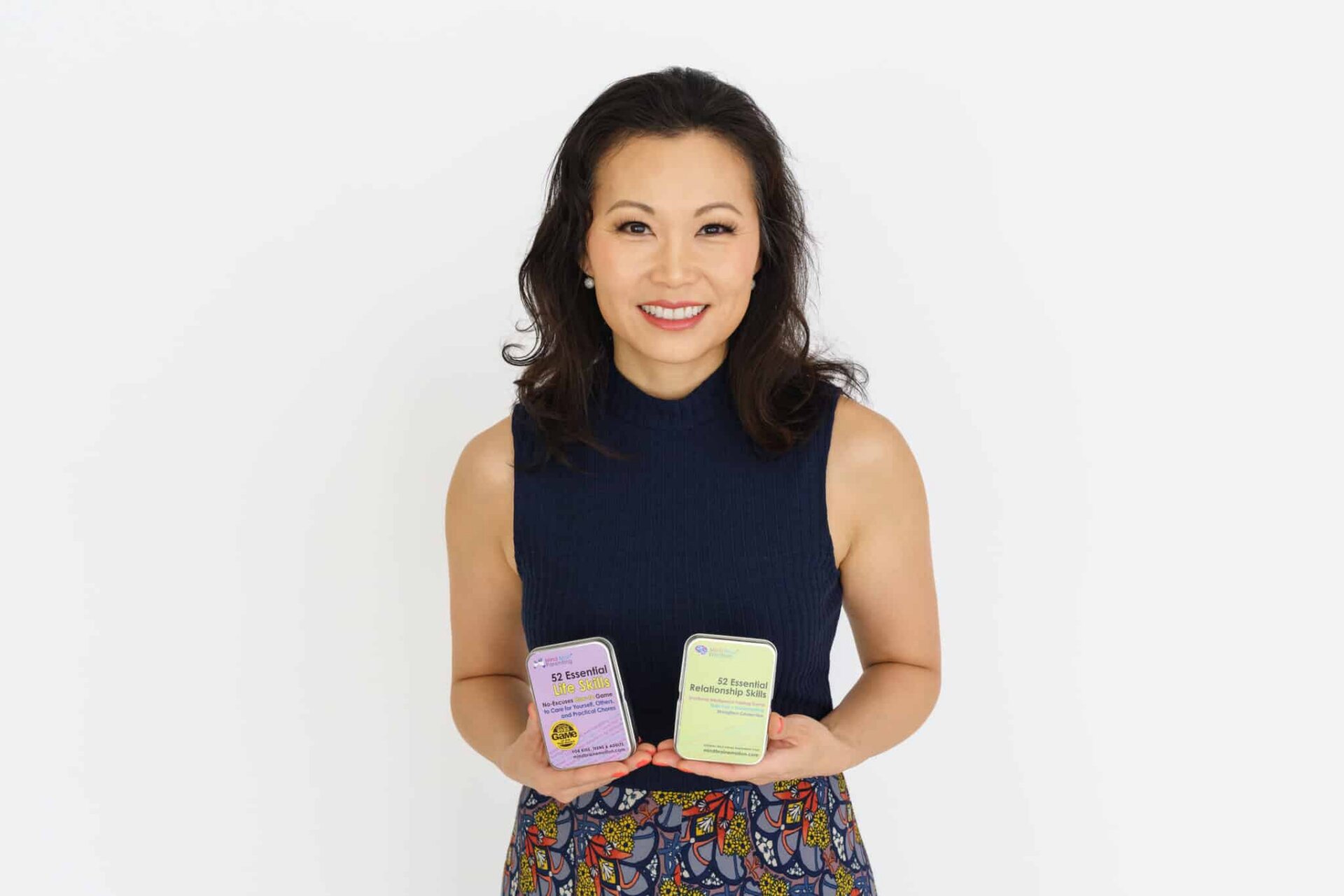
Jenny Woo, taking an emotional and deep-dive reading of this pattern, decided to develop the 52 Essential Conversations. She then established Mind Brain Emotion with the hope of helping people stay in tune with their emotions, building happiness, serenity, and wisdom. 

AN INCUBATION AT HARVARD

It was an insightful experience to have this exclusive interview with Jenny Woo, whose keen observation and curiosity have led her to the creation of Mind Brain Emotion, educational card games, and mental health tools to help people build essential human skills and connections.

Delightfully quipping “I earned enough credentials so that my parents and grandparents could each have an honorary degree,” Jenny showcased a strong personality, one that is “resourceful, resilient, and hard-working.” As she would humorously refer to herself as a “knowledge smuggler,” Jenny dug up the problems in current education towards one’s emotional development:

During my study and research at Harvard, I was drawn to the intersection of emotional intelligence and cultural identity. Self-awareness, social awareness, and relationship skills were three key components of emotional intelligence. As a management consultant, executive coach, and HR leader, I had already observed how essential these skills were for career success. 
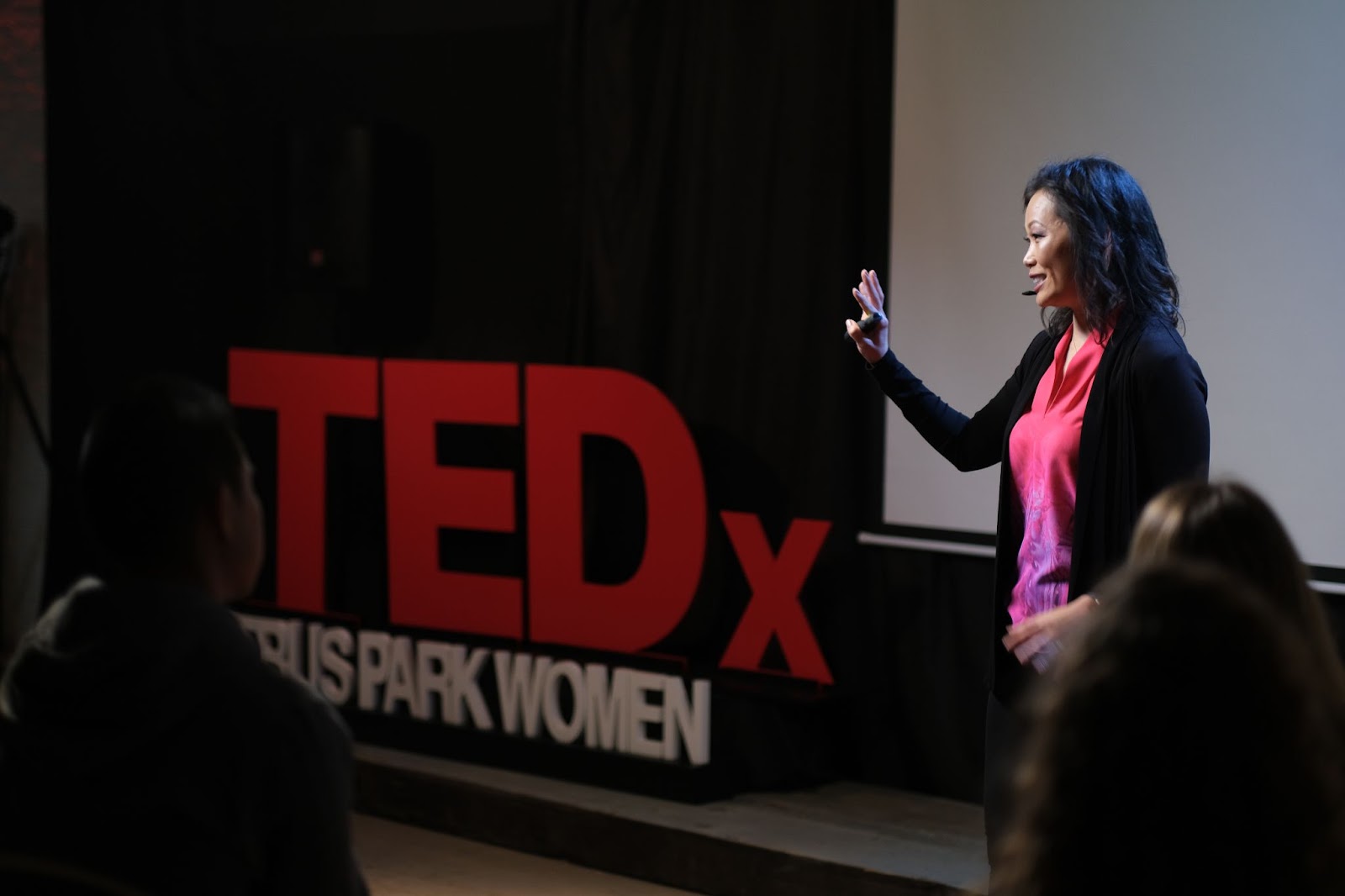
And yet, the education system did little to expose students to these skills. Teaching resources were scarce, expensive, and outdated, and only the most expensive private schools had access. I also interviewed Harvard and MIT students on what got them to be where they are today and realized that a large component was having access to essential conversations and connections with mentors and parents. 

Jenny also detailed the inspiration behind her first deck, 52 Essential Conversations, which came from careful investigation into neuroscience and social affairs:

My findings are also aligned with neuroscience research from Harvard/MIT on the power of conversations. For the average Joe or Jenny, like me, we had limited access to social capital and resources like this. So, it inspired me to translate emotional intelligence research and social capital into affordable and relatable card games to help everyone reach their potential. In my research, I also saw a lack of representation and conversations around diversity, equity, and inclusion in the emotional intelligence learning framework. For example, how could we practice self-awareness or social awareness if we didn’t discuss the role of race? Being socially aware is also understanding our privilege and past.

NAVIGATION THROUGH RACISM AND MISOGYNY 

Jenny’s journey was never met with only the appraisals but also the scathing criticism of her success as an Asian American. Her detractors claimed many misogynistic things upon her (“women like this die alone”) and called her a CCP spy, because it was never expected of a woman like her to achieve such success. However, it is the meaning of her work and the applauding reaction of her supporters that have kept her moving forward: 

User testimonials are why I do what I do. My card decks are being used in ways that I had never imagined – in veteran hospitals and curriculums, in Federally-funded programs that support homeless youth and displaced families, in trauma-informed social work to help neglected and abused kids and adults, for Ukraine teen refugees, in speech-language therapy to help clients build reading comprehension, in community college and adult learning ESL classes to help immigrants learn language and networking, in gifted and talented programs to help students build both critical thinking and empathy, in workplaces for teambuilding and mentorship, etc. I’ve done university research on the utility of the card decks and it’s amazing to see it benefiting people from all socioeconomic classes, from poverty to affluence. 
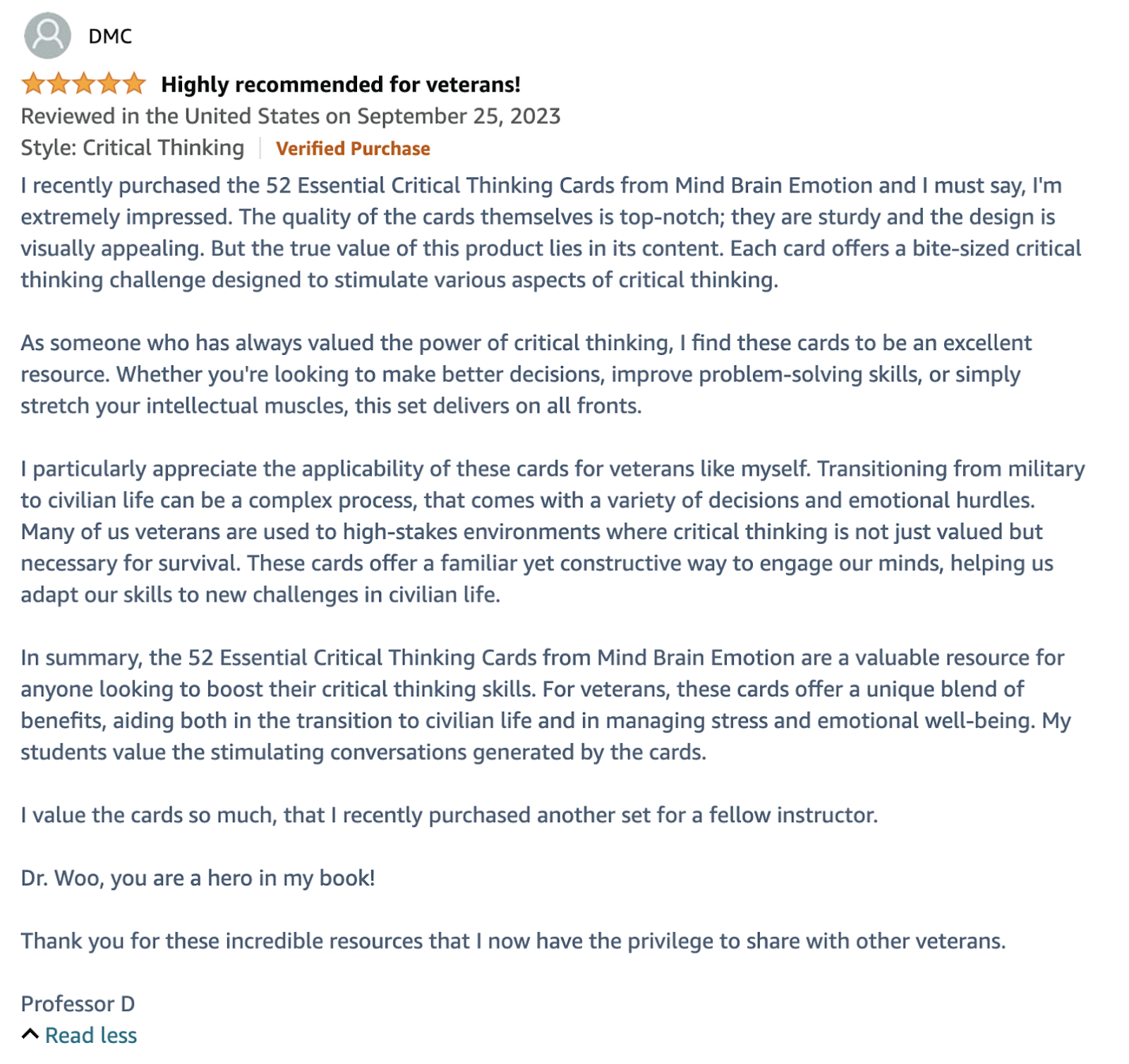
At the end of a school district workshop I delivered, the school counselor told me that the divorced parents who had been on toxic non-speaking terms were surprisingly communicating warmly to each other and their child by the end of my hands-on workshop using the card decks. It’s anecdotes like this that keep me going.

AI, GEN Z, AND MIND BRAIN EMOTION

When asked about how AI has transcended society, she brought up the concerns for mental health, fearing the permeating scarcity of personal connection:

I was interviewed on an emerging study on the impact of AI on the mental health of workers (not just in the US, but also in the Asia Pacific) between the ages of 25 – 55. It found that workers were lonelier and craved more social interaction. I love tech and AI, and I believe they have improved the quality of our lives tremendously. However, in the context of emotional intelligence, it’s making it harder for people to experience authentic and unfiltered IRL emotional connections and social interactions. Lately, I’ve been interviewed a lot on emotional intelligence topics like how to initiate a conversation with strangers, phubbing, and how to cope with social anxiety and ghosting. Although people are now much more aware of the importance of mental health, I’m afraid that many are left with little practice (or willingness) for human-to-human connection. 
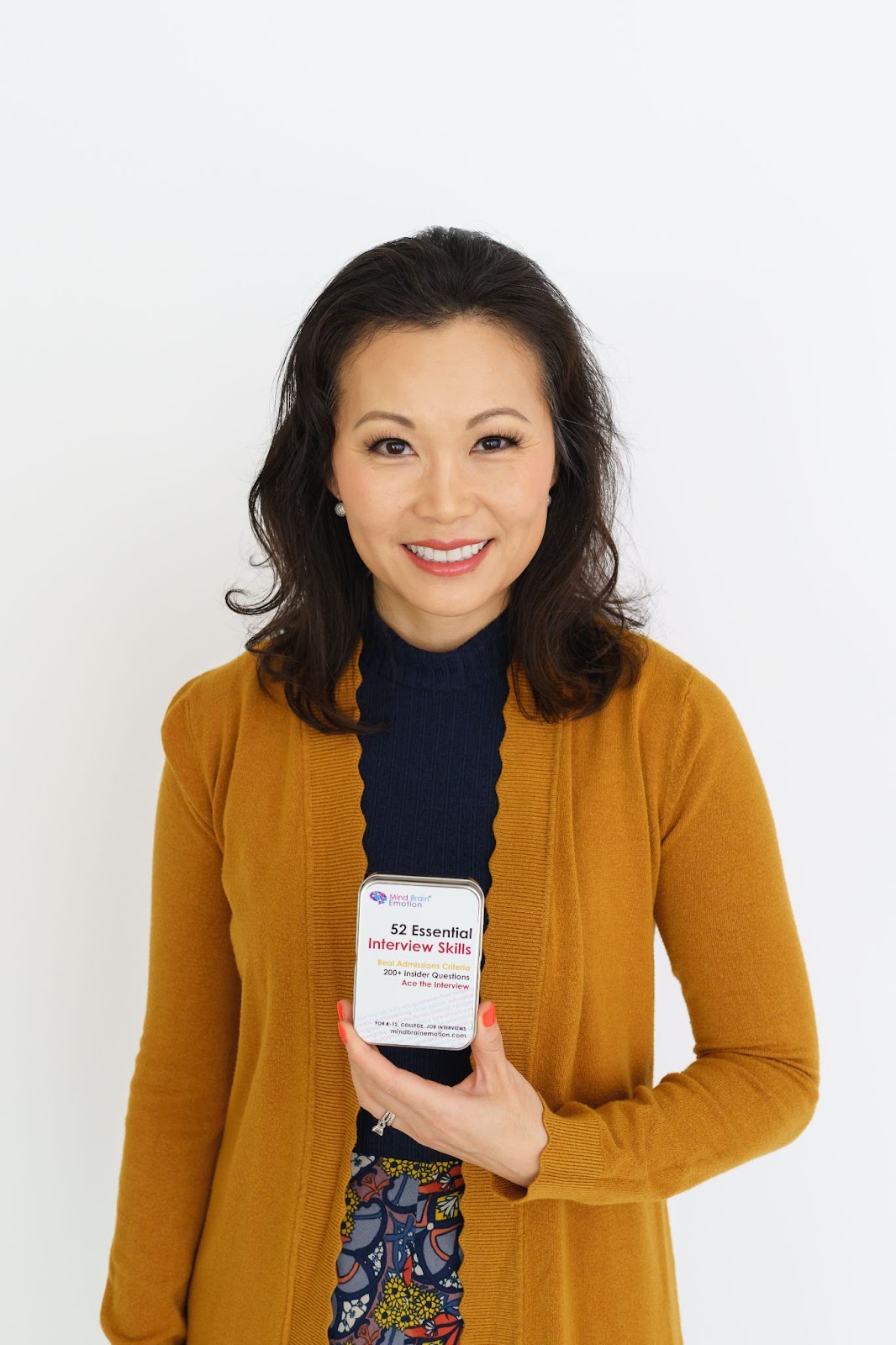
However, there’s always a silver lining. With the growing acceptance to talk about mental health among younger generations, Jenny sees a glimmer of hope in her products. They have the potential to support young people in fostering greater openness and understanding surrounding mental health issues:

I have a few more decks in the works that support Gen Alpha, GenZers, and Millennials. My card deck topics were created based on user feedback on their needs. For example, I created the 52 Essential Coping Skills during the pandemic to support my college students’ mental health. Many of the cards stemmed from a course I had been teaching, where I created practical Zoom games and assignments to help my students cope with the situations they were confiding in me. My class was oversubscribed with a long waitlist, so I made my exercises into this card game to offer instant support.
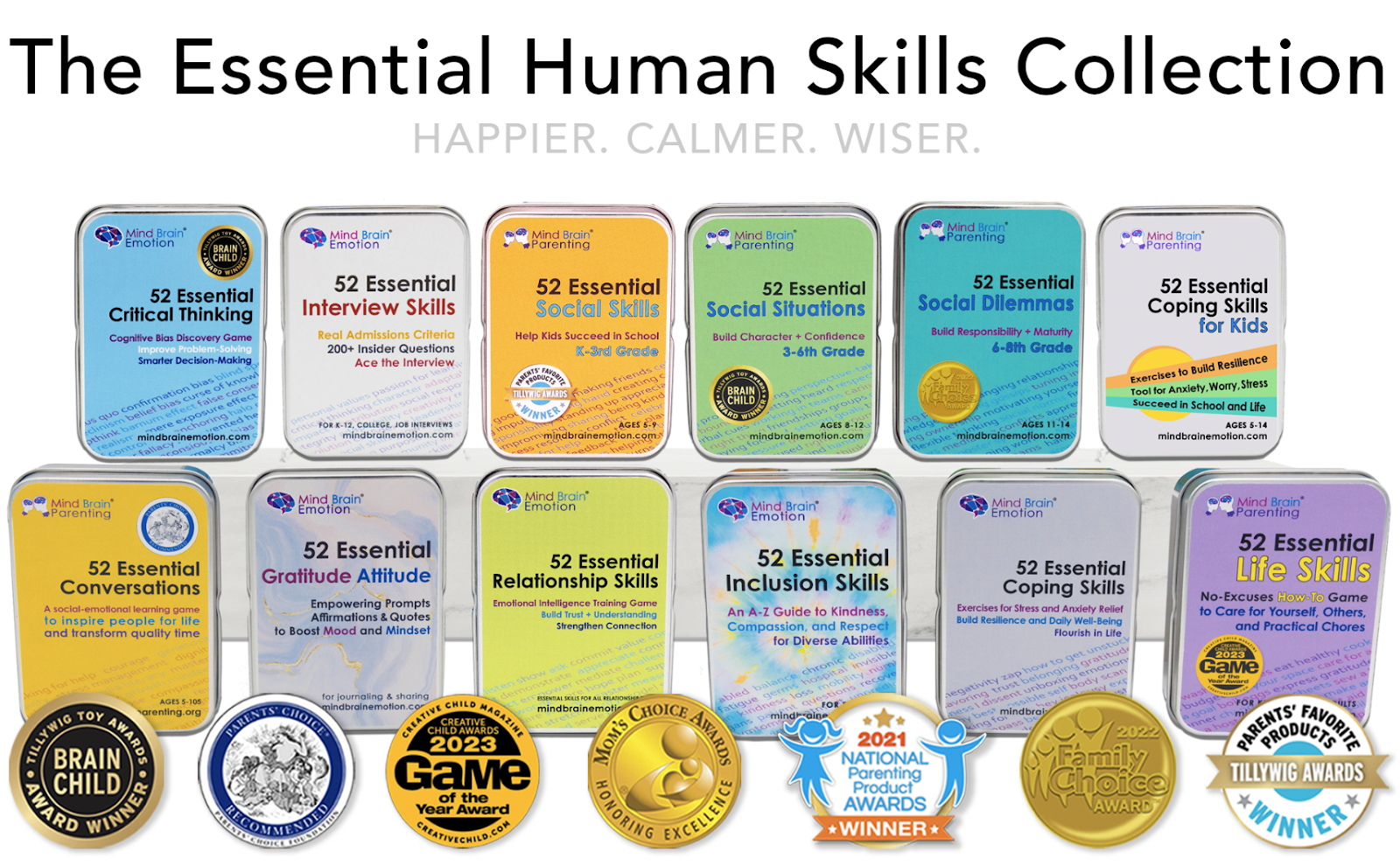
I created the 52 Essential Critical Thinking Skills in response to Black Lives Matter and Asian Hate crimes to give younger generations the tools for activism and advocacy. Most recently, a national youth-centered activism nonprofit organization contacted me to discuss collaborative partnerships to support our younger generations. We want to provide concrete tools to help our youth go from civic-conscious to civic-committed while managing the mental health toll of the geopolitical issues. Lastly, reaching younger generations through social media and YouTube would be great. I would love to collaborate with influencers who care deeply about mental health!

Speaking about her vision for Mind Brain Emotion, she expressed her desire to expand Mind Brain Emotion globally, especially in APAC:

I’d love to connect with publishers and distributors to bring evidence-based emotional intelligence resources into those countries. I believe these resources will benefit both the younger and older generations.

CONNECT WITH JENNY WOO / MIND BRAIN EMOTION

Website: http://mindbrainemotion.com

Socials: 

Related Articles

Melody

Uncategorized

Melody Hahm on Shaping a Diverse Venture Capital Landscape for Entrepreneurs

Melody Hahm has held many roles as an acclaimed business journalist for CNBC and Yahoo Finance and a platform and community manager for venture capital firm Harlem Capital. But her Twitter bio begins with “unapologetically Korean.” That’s a good indicator of the kind of person Melody is. 

In her interview with AHN, Melody is unapologetically honest about her experiences as, often, the only Asian in the room. She shares her journey of finding value in her work and, as a result, recognizing her self-worth to advocate for herself in traditionally male-dominated newsrooms. 

Since joining Harlem Capital in July 2021, she has helped female entrepreneurs and people of color make their mark in history. She leads off-site and operator networking events and content strategy for the firm’s portfolio companies. But she’s doing so much more for the BIPOC community of entrepreneurs by giving them the resources and platform to succeed. 

A CHILD OF KOREAN IMMIGRANTS FINDING HER PASSION FOR JOURNALISM

I was born in New York City and raised in the tri-state area in Connecticut and Jersey. I was a lifelong east coaster. My parents are Korean immigrants who met in the States, and I’m their only child. It became my passion early on to become a journalist. 

I had a dream of telling international stories, given my background as a child of Korean immigrants. Starting in elementary school, I took a liking to my Spanish class, and I performed the best in English reading and comprehension. So, pairing those things together, I was like, I’ll think I’ll figure out what this journalism thing is. It was after a journalism and writing summer program that I did after eighth grade that I realized this is the area I want to focus on. 

I started to write for my school newspaper and contributed to my local newspaper, the New Haven Register. There weren’t necessarily Asian bylines I could look to. There was Connie Chung and a few token Asian women on TV. But I could not envision what my career would look like. 

I’ll never forget what my mom said. She said, if you watch TV or go to a Broadway show and see someone that looks like you, it’s probably the stereotypically nerdy character who has a line or two, but you’ll never see someone who looks like you as the main character. She didn’t mean to discourage my dreams, but I think it was a reality check that perhaps it wasn’t the most practical route. 

“There weren’t necessarily Asian bylines I could look to…I could not envision what my career would look like.” 

-Melody hahm

FROM PRE-LAW TO BUSINESS JOURNALISM AND VENTURE CAPITAL

I went into college pursuing pre-law, but all my internship interests were in journalism. Then, I got a grant through school to go to New Delhi, India, for two months on a broadcast journalism internship. That was a turning point for me. Until that point, I didn’t understand what a real career in journalism could look like. When I got back, I tapped into any potential connection I had in the journalism world. It was through an alum of my school, who was the managing editor of Fortune magazine, who connected me to a couple of folks, and one of his contacts at CNBC reached out to me in my senior year. 

They said a news associate position was open and asked if I wanted it. I had no idea what financial and business journalism was, but it seemed like an opportunity I couldn’t pass on. So, I began my career in financial journalism on CNBC’s flagship morning show, Squawk Box. I produced segments and pitched ideas for startups to be featured on the show. At the time, it was very markets-driven, and I carved a niche for myself. 

I recognized that there wasn’t a platform for women and people of color running interesting startups to share their stories in a mainstream way. I took it upon myself to prove that these companies were going to be meaningful one day. I also wanted more experience on-air and I ended up finding an opportunity as an on-air reporter for Yahoo Finance. It was a great transition because Yahoo Finance is all digital. I got the chance to create content in a medium that I consumed. I hosted a show called Breakouts, which focused on entrepreneurship, especially among women and people of color. 

In July 2021, I left traditional media to join an early-stage venture fund called Harlem Capital which invests in diverse and women entrepreneurs. I lead their community and platform, which essentially means working with the portfolio companies and founders. As well as expanding our purview and reach as we think about democratizing venture capital for people who deserve it. It shouldn’t matter what you look like. 

It’s been a wild journey so far. There are a lot of different hats I wear. Some of my media expertise and savviness does play a role at Harlem, but I’m getting to flex my muscles to help entrepreneurs in a different realm and world, which I’m excited about. 

“I recognized that there wasn’t a platform for women and people of color running interesting startups to share their stories in a mainstream way. I took it upon myself to prove that these companies were going to be meaningful one day.” 

-melody hahm

TAKING STEPS TOWARD WHERE SHE IS TODAY

I would love to say it was well-thought-out, squarely defined, and manifested, but it wasn’t and never is. It’s always messy. Oftentimes, there are little signals along the way that remind you maybe this is not where my attention should be. I initially did not pursue a business or financial journalism career, the opportunity found me. I recognized that it was not my passion to report on the market’s daily moves. I can talk about it, but did I feel like I was getting value? Probably not. Making the 1% richer was never part of my mission. I obviously never went into journalism to make money. 

Being in that corner of media made me reconsider and reflect on who my audience was. Both Yahoo Finance and CNBC served the investor class, which tends to be more affluent and privileged. During COVID, I started excavating a bit. I asked myself how I could play a role in helping entrepreneurs, especially people who look like me, succeed. 

If you wanted to cover a startup in mainstream media, it was always about who backed them. That’s when I first started covering venture capitalists. I interviewed a lot of VCs and participated in conferences to interview VCs and the startups they funded. My mind was open to the opportunity to work at a venture capital firm where I could play a role in the process of helping entrepreneurs and equipping them with tools so they can have a fighting chance in making their mark on history. 

RECOGNIZING SELF-WORTH IN TRADITIONALLY MALE-DOMINATED WORK ENVIRONMENTS

I think my experience working in two traditionally male spaces has only fueled my fire to identify opportunities where I can change the narrative. I am very fortunate to have had mentors and direct bosses sticking their necks out for me, including the person who connected me to CNBC. I met him when I was a college student in 2011, and he ended up becoming my boss at Yahoo Finance. I’ll never forget this one conversation we had. It was our mid-year check-in, and I was so nervous. I knew I deserved a raise, but I didn’t want to be disappointed if I didn’t get it. 

I even went to seminars coaching women on negotiations. So, I was like, “Melody, you can do it. He’s always believed in you.” During the conversation, he gave me a 24% raise. I was going to ask for a third of that. My walkaway number was going to be 8%. That illustrated to me: Why was I valuing myself so little? Part of it is systemic, but I was selling myself short. That was an inflection point for me to recognize that even if this macrosystem is stacked against me, I know my worth, I know my strengths, and I know that I work hard. There are very clear and measurable things to show that makes you believe you deserve more. I recognized that even if the landscape is so male-dominated, that will not deter me. 

Tying it back to the venture capital world, so much it is bleak. Very few top-tier firms have BIPOC partners at all levels. Then, I joined Harlem Capital, which is founded by Black men. We have three Black men who are partners, and four of us are women of color, which is unheard of. You don’t see that in venture capital. I’m the only Asian woman, so it empowers me to know that they value and invest in people of color. I have a seat at the table, and I recognize my fight for my community. 

Our tagline is that we want to invest in 1,000 diverse entrepreneurs over the next 20 years. I think the only way you can do that is if the investor class and the people in the firm reflect the type of people you want to empower. We have the upper hand in understanding the problems and queries facing diverse founders. We’re the ones trying to solve the issues and provide the resources to feel the gap. It feels like a unique position to be in the venture landscape. 

“Even if this macrosystem is stacked against me, I know my worth, I know my strengths, and I know that I work hard. There are very clear and measurable things to show that makes you believe you deserve more.”

-melody hahm

NAVIGATING THE NEWSROOM AS AN ASIAN WOMAN

There were so many incidents of micro and clear aggressions from my colleagues, especially at Yahoo Finance, where I was, for a long time, the token Asian. Over the nearly six years I was at Yahoo Finance, our newsroom really blossomed. We had a flurry of people of color and lots of Asian women who joined the team. But the first couple of years were really difficult. If there was news related to ongoing issues in the Asia continent, I was expected to know the answer. I’m like, I was born in New York. I’m connected to my Korean heritage, but I don’t know the ins and outs of the dynamic of Japan and Korea. The assumption that I would have these answers definitely messed me up a little bit. 

In light of the hate crimes facing Asians, it was difficult for me during the work day because we wouldn’t cover that news. It was only when there was a business angle or organizations pledged tens of millions of dollars that it became a story in the business world. I understood that we weren’t working under a general news system, but at the same time, the lack of care felt disappointing to me. I felt I had to advocate for myself and the Asian community. 

In my current role in the venture world, it’s night and day because my colleagues are all people of color. Even when Michelle Go passed, against this influx in hate crimes was happening, they would check in on me, asking how I was doing on a personal level. To be honest, Harlem Capital has grown over the last couple of years, alongside the deaths of Black Americans like George Floyd and Breonna Taylor. My colleagues recognize how hard it is to compartmentalize pain and trauma as you experience professional success, trying to reconcile the two. I think there’s empathy in my current role and organization that gives me a little bit more strength and hope. 

THE FUTURE OF VCS

I think 20 years from now, we’ll see a magnificent diaspora of Asian, African, and Latino founders who go on to raise future rounds of capital, take their companies public, maybe start their own VCs, and become angel investors. It’s beyond my wildest dreams to think about what that diaspora looks like. Tier one VCs are already investing in Africa and Latin America. We’re seeing people choose to operate in international landscapes, and they’re all contributing to changing the face of entrepreneurship. 

I have no doubt in my mind that when hopefully my child is growing up that if they were an entrepreneur, they could look at the options and say, ‘There’s a partner who looks like me and understands my story.’ It won’t be tokenization as a poster child of diversity. It will be an integration as the DNA of up-and-coming VCs, VCs that have yet to be created, and existing firms where it won’t be an option anymore to not be diverse. This is a one-way street, and if you don’t buy into it, you will get left behind.

“It will be an integration as the DNA of up-and-coming VCs, VCs that have yet to be created, and existing firms where it won’t be an option anymore to not be diverse.”

-melody hahm

HOW TO REACH OUT

You can reach me on Twitter @melodyhahm, on Instagram @melhahm, and on LinkedIn. If you want to learn more about Harlem Capital, or if you want to learn more about my journey, I’m always excited and happy to chat with folks. If anyone is contemplating a move, career or otherwise, feel free to hit me up because I love to talk about those kinds of transitions. 

Interview credit: Tiff Soga

Image Source: Chell Diaz Fernandez Facebook

Uncategorized

‘Mompreneur’ Turned Her Hurdles Into Success And On A Mission To Help Other Moms Start Their Businesses

Filipino entrepreneur Chell Diaz Fernandez is on a mission to inspire other mothers to persevere in pursuing their dreams, regardless of how simple those businesses are or how difficult the road lies ahead.

The “mompreneur” has tried over 15 businesses since 2016 — she has sold in bazaars and had “sari-sari store” or a neighborhood sundry store. She’s also created a party supplies store, started selling secondhand clothes on Facebook live, and even vlogged.

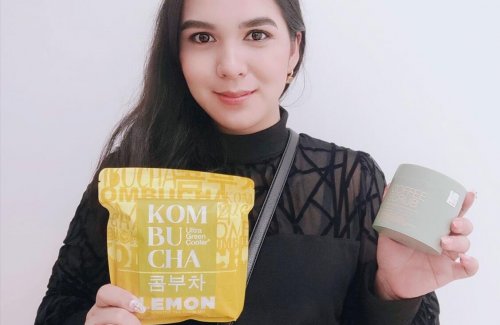
Chell is currently a full-time Ultra Green Coffee business consultant, helping other mothers start coffee enterprises. She aspires to show that being a mother doesn’t limit success in business. She encourages stay-at-home moms to contact her for financial opportunities. “I want to inspire my fellow moms out there that if I can do it, you can too.” she said.

She described how difficult it was initially because her husband insisted that she should only take care of their children and would not allow her to work or start a business. She had to stand up for herself and realize that even as a stay-at-home mom, she is capable of more than she currently does.

As Chell expressed on her journey, she was aware of the many hardships she had experienced. Nonetheless, she pushed on, thinking of her loved ones and not giving up, and would forever be grateful for the pain and adversity she had endured.

She was hopeful that this would pave the way for her future development and success. In the end, she hopes that those who are discouraged will be able to find strength and hope in her motivational story about her business.

Image Source: Dollar Hits Instagram

Uncategorized

Filipino $1 Street Food Restaurant In LA Highlighted On Netflix “Street Food: USA”

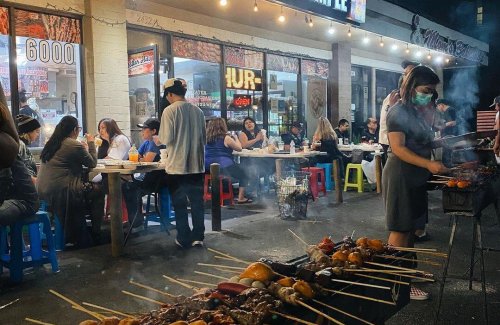
Filipino food in the U.S. is heating up with a flurry of news reports, viral videos, and social media posts about a Pinoy-owned street food eatery in Los Angeles after it was featured on the popular Netflix show “Street Food: USA”.

One of LA’s best and most interesting eateries, Dollar Hits, is owned by Elvira Chan from the city of Pampanga, Philippines. Given how fiercely competitive the market is in Los Angeles, this is quite an accomplishment. 

She is drawing a lot of attention due to the eatery’s excellent food, welcoming crew, and affordable prices. In fact, a lot of people, particularly her “kababayans” or fellow countrymen, have backed and really patronized her business. She stated that her food business was called Dollar Hits because all of her 33 different types of street cuisine on a stick cost “one dollar”.

Having a Kapampangan root, Elvira was exposed to the different Kapampangan delicacies and even barbecue specialties. She and her sisters began their business as a food truck that sells Filipino cuisine to a loyal customer base. 

They decided to buy the market space in order to expand their eatery and accommodate more Filipino diners as their patronage grew.

They have been diligently working to expand the business and expanded locations around LA. Their California locations in Temple and West Covina have already been operating. Another expansion will be located in Woodside, New York, and will be highly anticipated in August of 2022. 

Elvira wants to help out other Filipino-owned businesses in the area, so she wants to buy the entire strip mall where Dollar Hits is now renting space.

The mission of Elvira and her Dollar Hits is to provide an exceptional experience through the food nostalgia of barbecue specialties and other Filipino traditional cuisines. This is a major accomplishment, not just for their perseverance and tenacity, but also for the Filipino-American community in Los Angeles. This is something they can all take pride in.

Image Source Zepto

Uncategorized

Zepto’s Teenager Founders Share How They Built An App With A $900M Valuation

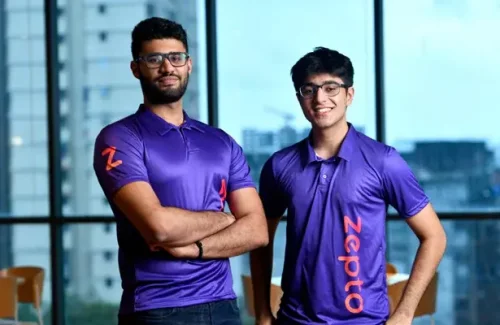
Zepto, an instant grocery delivery startup founded by two teenagers, Kaivalya Vohra and Aadit Palicha, brought their company to a valuation of $900 million in just nine months.

Vohra had “a couple of long conversations” to convince his parents for him to drop out of Stanford for his startup. But pulling them on board wasn’t hard, he added, his parents witnessed how rapidly they grew the business in front of them.

In a recent interview with CNBC Make It, the young founders shared how did they build one of India’s fastest-growing quick commerce apps.

People didn’t take the 19-year-olds seriously due to their age and their “crazy” under-10-minute delivery idea. However, their conviction in their product kept them going and helped them convince investors, senior executives, and government authorities. Zepto’s $200 million in May got it closer to unicorn status.

“If we don’t build it, somebody else will. When you operate with that mentality, everything becomes less intimidating.” Palicha told CNBC. 

During the early stages of Zepto, Palicha and Vohra handled all of the company’s customer service inquiries to determine a clear product-market fit. They even brought goods to customers so that they could have a brief conversation and gain valuable insight from them. Palicha claims that they are still doing it in the present day.

Palicha and Vohra had been friends since they were seven. For Vohra, it’s their ability to “hold each other accountable” that brought them this far. 

“Kaivalya and I really complement each other’s skill set. He has always been more technically sound than I am, so he’s made a great chief technology officer,” said Palicha.