Stories

July 1, 2025

SHARE:

Embracing Heritage Through Style

Kỳ Lân is the first activewear brand deeply rooted in Asian aesthetics, created with a powerful mission: to empower second-generation Asians worldwide to embrace their heritage with pride. Born from Hải’s personal journey growing up Vietnamese in Hungary and struggling to find a sense of belonging, Kỳ Lân reflects what it truly means to live between cultures, and finally feel proud of that identity.

For Hải, Kỳ Lân isn’t just about clothing. It’s about rewriting the narrative for second-generation Asians and bringing Asian representation to the forefront of mainstream sports- and streetwear. 
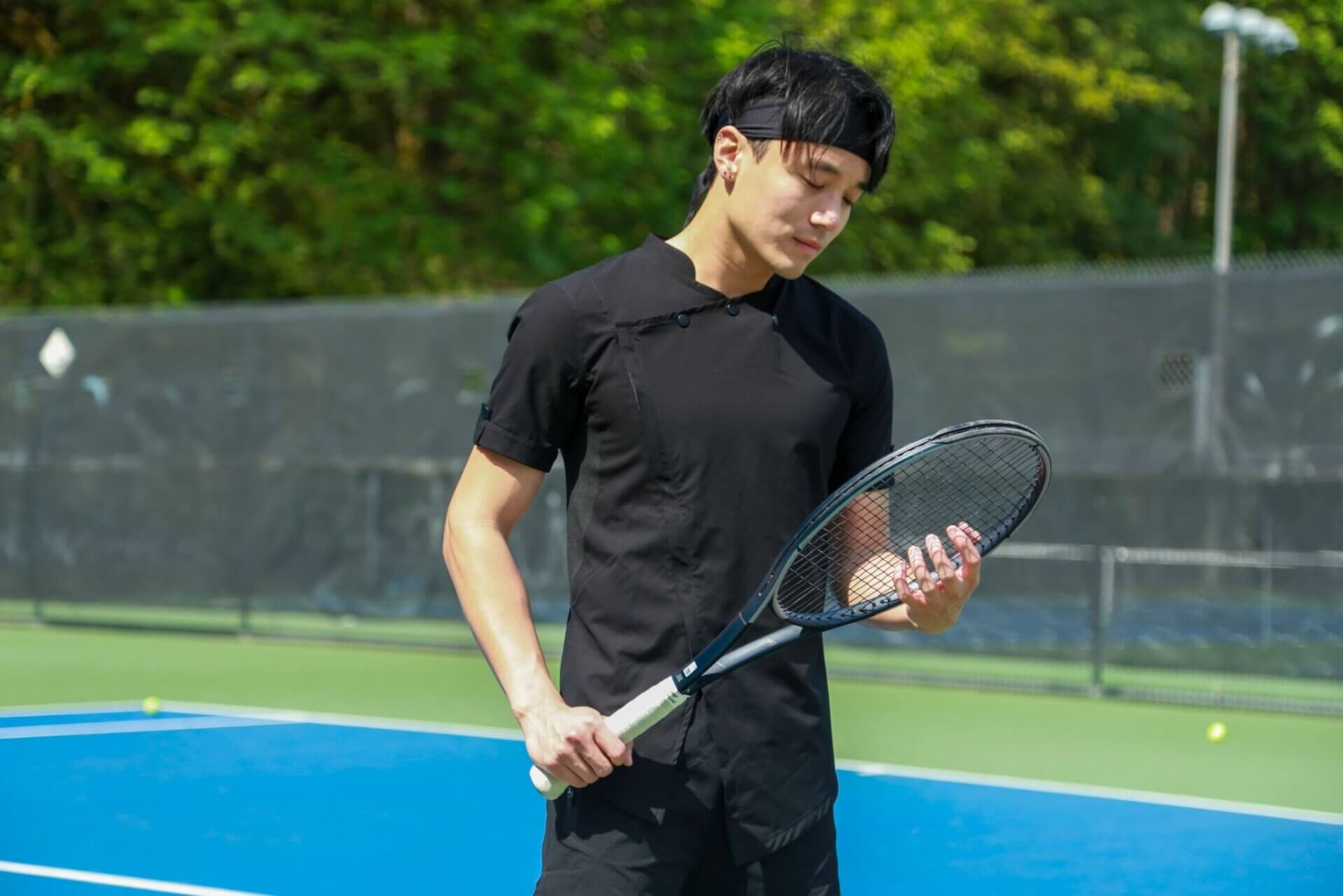
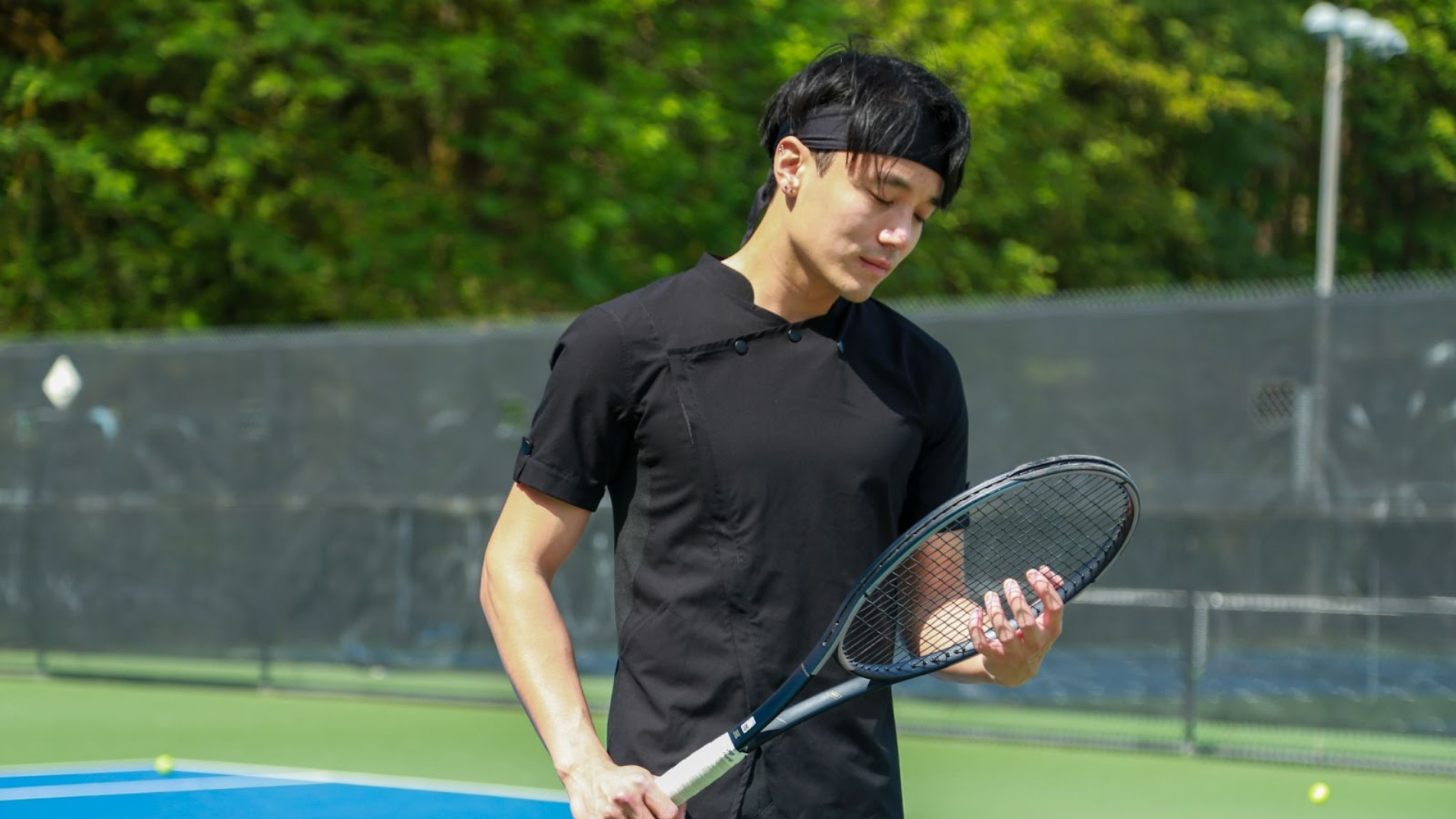
Kỳ Lân’s mission is to help second-gens embrace their Asian heritage through clothing

The Meaning Behind Kỳ Lân: A Symbol of Heritage and Unity

Kỳ Lân is a mythical creature from Asian folklore, often described as having the head of a dragon, the body of a horse, and the tail of a lion. It symbolizes peace, prosperity, and good fortune. Versions of the Kỳ Lân appear in Vietnamese, Chinese (Qilin), Japanese (Kirin), Korean (Girin), and Thai (Kilen) cultures, highlighting the deep cultural connections shared across Asia.

Hải chose this name to honor that shared heritage. As part of his efforts to reconnect with his roots, he began volunteering in the Vietnamese community and eventually became the organizer of a 6,000-member Asian Meetup and Discord group. This community centered around 1.5-generation and second-generation Asians, those who either immigrated as kids or were born abroad to immigrant parents. Together, they explored questions of identity, belonging, and the desire to reconnect. These conversations sparked the idea for Kỳ Lân: a brand that celebrates Asian aesthetics but, more importantly, gives voice to the in-between experience many second-generation live daily.

Kỳ Lân is more than just a clothing brand, it’s a tribute to these stories and a movement towards proudly reclaiming culture.
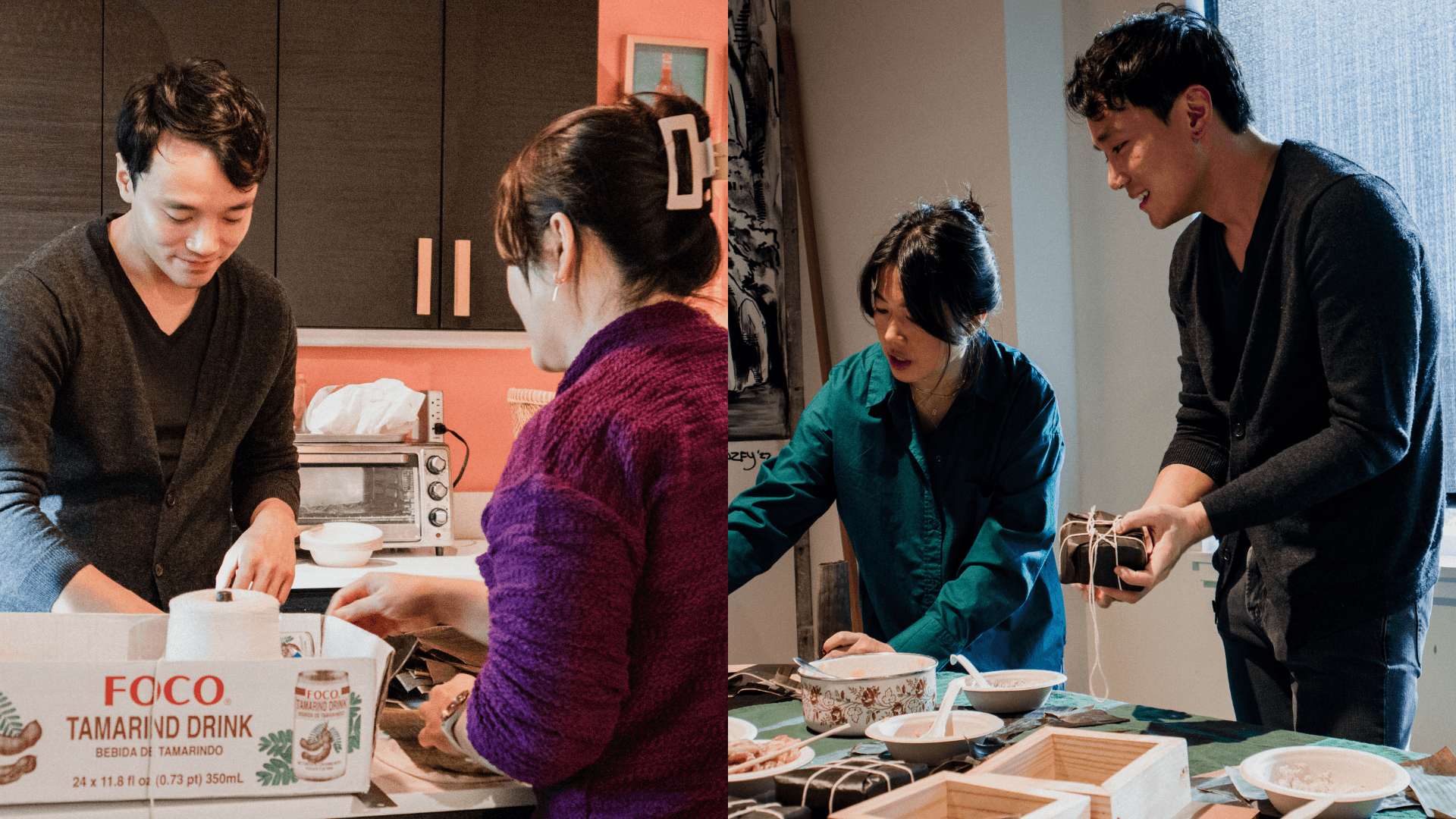
Hải volunteering in his local Vietnamese community

The Origin Story: From Hungary to the U.S. and Back to His Roots

Growing up in Hungary in the 1990s, often as the only Asian kid in school, Hải vividly remembers the bullying, the stares, and the relentless pressure to fit in. Like many second generation Asians, he spent much of his youth trying to blend in, often distancing himself from his Vietnamese roots just to feel accepted.

It wasn’t until years later, after moving to the U.S., that everything shifted. For the first time, Hải saw second-generation Asians unapologetically taking up space, celebrating their identities through art, food, fashion, and film. Vietnamese cafés were opening everywhere, Asian artists topped the charts, and streetwear inspired by Asian heritage became more mainstream. Gradually, pride replaced shame.

He became proud to be Asian, and curiosity toward his culture blossomed.
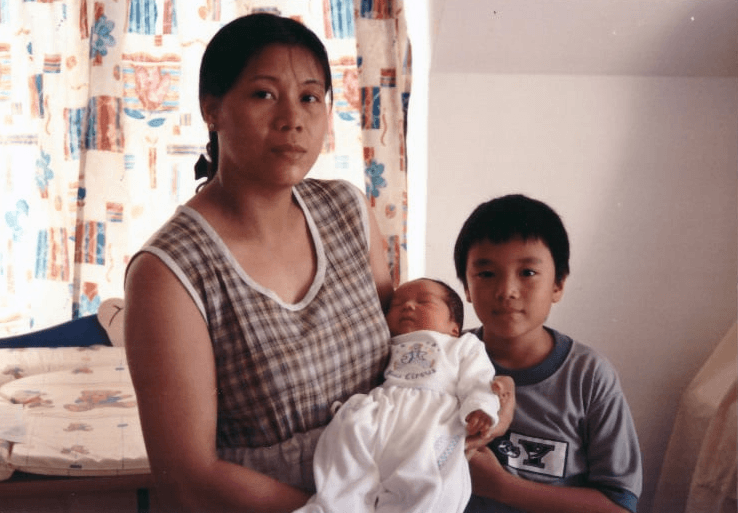
Hải, his little brother and his mom in Budapest

His parents’ story deeply influenced him, too. They immigrated to Soviet-era Hungary on scholarships and chose entrepreneurship over low-paying engineering jobs after graduation. Their hard work and resourcefulness deeply shaped Hải’s values, even though they initially encouraged him to take a safer path.

That growing sense of cultural pride deepened during a visit to Vietnam, where Hải saw relatives and locals running small storefronts straight from their homes. Every corner was buzzing with hustle. “That’s when it clicked,” he says. “Entrepreneurship is ingrained in our DNA. No wonder I felt this constant pull to build something of my own.” 

From Software Engineer to Fashionpreneur: Finding Purpose

For Hải, the realization that entrepreneurship was in his blood didn’t make the decision to quit his job any easier. Like many children of Asian immigrants, he grew up with a very clear definition of success which included stability, a good education and a respectable job. And he achieved exactly this: a successful career in software engineering, after decades of hard work and sacrifice from his parents, who had moved to Hungary in search of a better future.

For a while, he was unsure whether to commit to building a business or return to the comfort of a tech job. However, the dread he felt preparing for software interviews made it clear that he had to make some kind of business idea work, no matter what.

Like so many second-generation Asians, Hải carried an unspoken responsibility to make his parents’ struggles worth it, to succeed and stay on the path they paved.

Eventually, the pull toward his purpose was stronger than the fear of failure.

In a twist of fate, Hải is following in his parents’ footsteps. After immigrating to a foreign country and getting a degree in Engineering, he decided to leave it all behind and pursue Entrepreneurship.
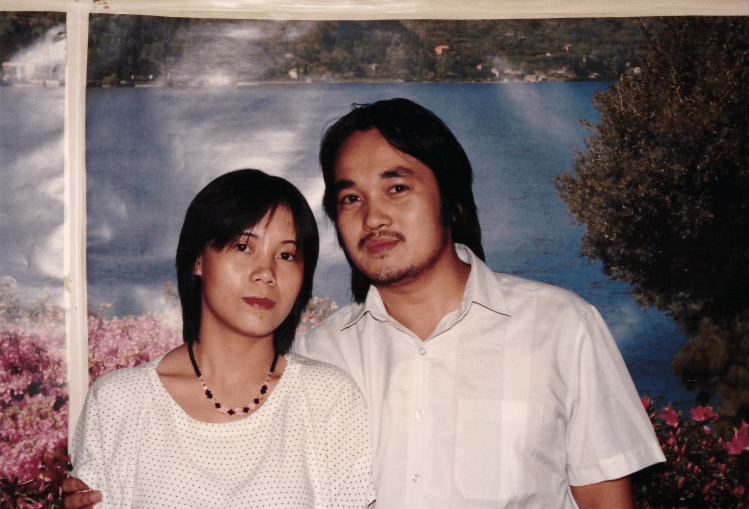
Hải’s parents threw away their Engineering degree to open their heavy metal t-shirt business back in the ‘90s.

The Birth of Kỳ Lân: A Perfect Fit 

Inspired by his parents’ own clothing business selling heavy metal t-shirts at marketplaces, Hải worried initially that they might disapprove of him following a similar path. Instead, they became his biggest supporters once they saw his dedication.

While it might seem like a waste to throw away his engineering career, Hải’s background turned out to be a great asset in building Kỳ Lân. His time at Amazon Ads taught him how to run effective digital campaigns, his logistics experience at Convoy helped him navigate supply chains, and his coding skills meant he could build his own websites without outsourcing. Even his parents’ experience running a clothing business became unexpectedly useful. 

Looking at it all together, it started to make sense. This wasn’t him starting from scratch, it was him finally using all of his skills in one place.

A Movement Rooted in Identity, Representation, and Pride

Kỳ Lân is more than just activewear, it’s a cultural movement. It celebrates the rich fusion of Asian cultures and modern sportsmanship while giving second-generation Asians a platform to proudly reclaim their identities.

Through Kỳ Lân, Hải is not only creating clothing but also rewriting the story for second-generation Asians around the world – one that embraces heritage, community, and pride.
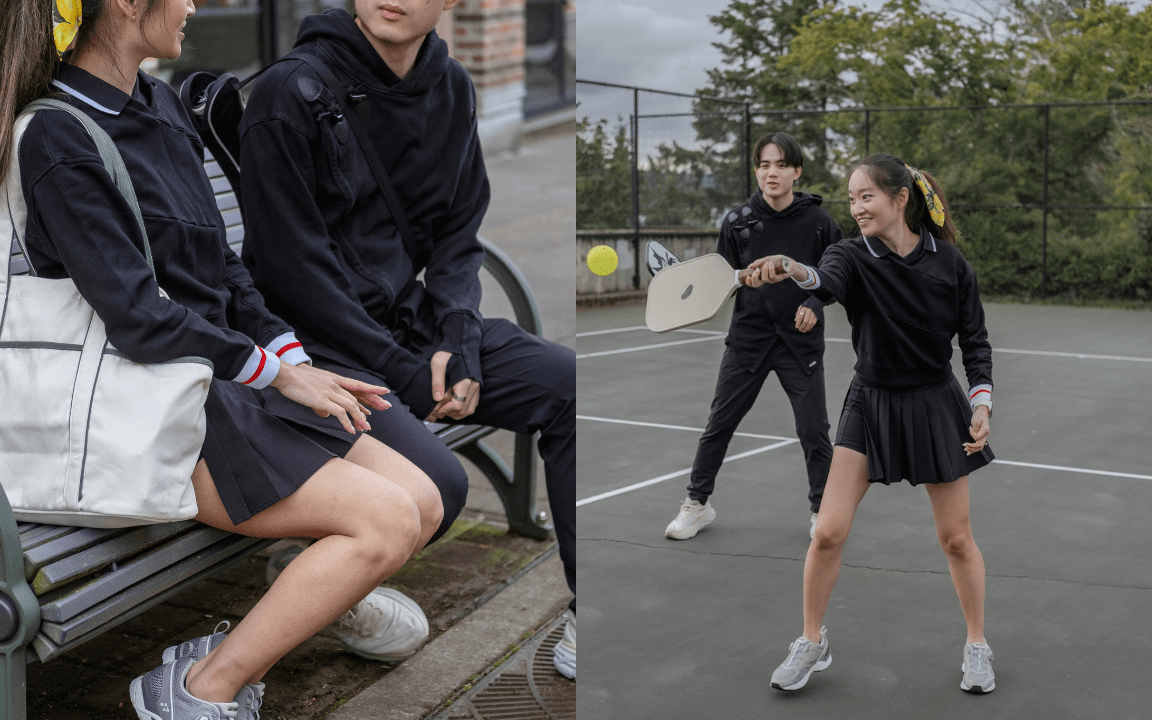
Kỳ Lân’s mission is to help second generation Asians embrace their heritage through clothing

Connect With Hải Bùi & Kỳ Lân Activewear

To celebrate Kỳ Lân’s pre-sale, Kỳ Lân is offering the Asian Hustle Network community an exclusive 20% off with the code AHN20 – valid for one week only.

Website: Kỳ Lân Activewear

IG: @kylan.athletics

Related Articles

Image Source: Las Vegas Review Journal

Uncategorized

Patricia Lee Sculpts History as First Black Asian American To Succeed Seat F In Nevada Supreme Court

Following her victory over the other two candidates, Patricia Lee made history by becoming the first Black and Asian American attorney to hold the vacant Department F seat on the Nevada Supreme Court.

Lee was chosen by Gov. Sisolak from among the candidates put out by the state Judicial Selection Committee to take the place of Justice Abbi Silver, who resigned from her position due to “unexpected circumstances” and a desire to spend enough time with her family.

Being an attorney in Las Vegas, Lee contended with Washoe County District Judge Scott Freeman and Clark County District Judge Tierra Jones.

The Reno Gazette-Journal cited Sisolak saying, “I am thrilled and honored to appoint Patricia to serve on the Nevada Supreme Court. The breadth and depth of her skill set, as well as her personal and professional experience, make her an excellent addition to the State’s highest court.”

Lee will begin serving her term in January 2025 and must run for reelection in two years in order to preserve her position.

Lee’s mother, a native South Korean, and father, an African-American soldier, brought her up in South Korea. She majored in psychology and communications at the University of Southern California, where she also participated in the Black Students’ Union and had her first political experience.

She started working at Hutchison & Steffan in 2003, concentrating on family law, trademark law, medical claims billing, and business and commercial disputes. She later joined the firm as a partner.

Lee is a skilled attorney with a history of being chosen as the chair of the Nevada Crime Commission by the then-Gov. Jim Gibbons, a volunteer with the Children’s Attorney Project in Las Vegas who advocates for abused and abandoned children, has handled pro bono cases at the Legal Aid Center of Southern Nevada.

Nonetheless, Lee is not just a dedicated lawyer but also a devoted family woman being a mother to Brianna and Devin, and a wife to Ronnie.

Image Source: South China Morning Post

Uncategorized

Bankrupt Chinese Restaurant Owner Bounces Back To Pay $6.4 Million Debt Through Sausage-Selling

“We are born with nothing. Why be scared of starting all over again?” says Chinese Tang Jian after starting up a street food stall in Hangzhou, China following his business bankruptcy which left him with $6.4 million.

At 52, the former millionaire Chinese restaurant proprietor is positive of earning funds to pay his multi-million debt by selling barbecued sausages.

Thus, his optimism put netizens in awe as a person, who despite losing his 16-year-old business venture and everything he had because of the unsuccessful investment in the landscape engineering industry, is still hopeful of being able to recover from the downfall.

Tang was once a successful businessman starting at the age of 36. However, because of the fruitless outlay, he was compelled to sell everything he founded through his business including his restaurants, homes, and cars.

Still unable to pay his debts in full, Tang decided to put up the small-time sausage-selling business.

Tang proudly exclaimed that “Every sausage is genuinely filled with meat, and there is no starch in it. When compared with those sold in amusement parks or markets, ours will make you feel safer,” as quoted in South China Morning Post.

Upon knowing that his story trended in social media, Tang explained that it was because all of us face our own challenges in life, however, we must always have that strong spirit of winning each battle. 

He also said that he is really determined to settle his debts although still uncertain when it would be.

Tang shared that bravery is a key to overcoming hardships and going on in life and that we should always seek strength, especially during hard times.

Uncategorized

Virginia Embraces Diversity and Korean Culture, Celebrates First Kimchi Day

Being home to one of the biggest Korean communities in the nation, Virginia had its first-ever Kimchi Day on November 22, through the Korean American Women’s Association.

Held at the Good Shepherd Evangelical Church in  Springfield, the festivity was materialized especially for this motive: acknowledge kimchi as a nonnative dish in Virginia which is specially imported for the increasing number of Korean American citizens in the country. It also reflects how the state has embraced diversity.

During the celebration, roughly 150 people of different colors converged to make their own kimchi, following the traditional and neat process of kimchi preparation. 

Originally, families and acquaintances converge to happily prepare the ingredients, store them in jars, and place them underground for fermentation producing a savory, piquant, and sugary kimchi. This is done every November, a month after harvesting cabbage.

On the other hand, it was officially moved to be celebrated in January through Irene Shin (D), the foremost Korean American servant in the House of Delegates, who acquired two-way support for her proposition.

For Koreans, kimchi is beyond being a cuisine. It narrates Korea’s past, its folks’ tenacity, and its landscape which Koreans are more than proud of. Kimchi is a celebration of family and blessings.

Northern Virginia and Annandale seem to be “Korea Towns” as Korean establishments like diners, worship places, food markets, bakeries, and beauty shops in Hangul inscriptions are all over. The state and Korea have found strong connections with each other that Fairfax County Economic Development Authority can even be found in the latter’s capital.

A Korean American mentioned how Kimchi Day appreciates the essence of exporting not only the product but of Korean culture; a manifestation of how the US whole-heartedly accepted acculturation.

Image Source: Tufts Daily

Uncategorized

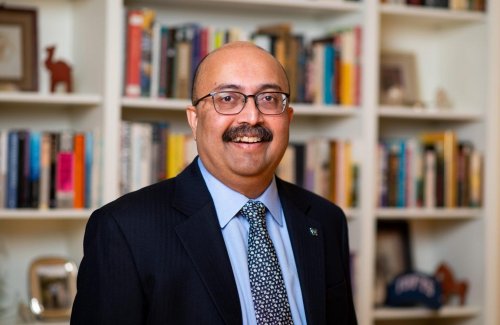
Sunil Kumar To Sit As The First Person Color President of Tufts University in 2023

The Board of Trustees commissioned Indian politician Sunil Kumar as the 14th president of Tufts University, Massachusetts in 2023 succeeding President Anthony P. Monaco, after the latter’s 12-year term.

Kumar is currently a provost and Vice President for Academic Affairs at Johns Hopkins University and was once the dean of the University of Chicago Booth School of Business with a Ph.D. in electrical engineering and is a competent operations manager.

The head of the commission on presidential search and BOT, Peter Dolan, proudly exclaimed that Kumar’s never-ending dedication to providing first-rate tertiary education and extraordinary track in leadership, teaching, and interpersonal skills are essential as a presidential successor. 

Furthermore, Kumar’s colleagues at Johns Hopkins mentioned him as a wholesome partner and co-worker who has the distinct qualifications of an outstanding leader.

Looking back at how Kumar started, he is a son of a police officer who attained his master’s in Computer Science Automation at the Indian Institute of Science, Bangalore two years after he completed his bachelor’s degree at Mangalore University in 1990. While having his master’s, he met a professor from the University of Illinois who enlisted him in the prestigious university for a doctorate program which he finished in 1996.

Kumar had his first teaching experience at Stanford Graduate School of Business where he exclaimed how was amazed to be paid for the work he is passionate about and after more than a decade there, he became the Dean of the University of Chicago Booth School of Business, leading him to the provost and senior vice president posts in Johns Hopkins in 2016.

Nonetheless, he said that being a mathematician served him well in his profession.

Prior to being named as the new president, Kumar already has his eyes on Tufts because of its pursuit of serving not just those who are inside the school but the wider community outside its premises.

As the newly-elected leader to sit on July 1, 2023, Kumar’s mission is to reach out to people to a greater degree by giving them an opportunity to know the school by experience and make that experience extraordinary.