Stories

July 1, 2025

SHARE:

Embracing Heritage Through Style

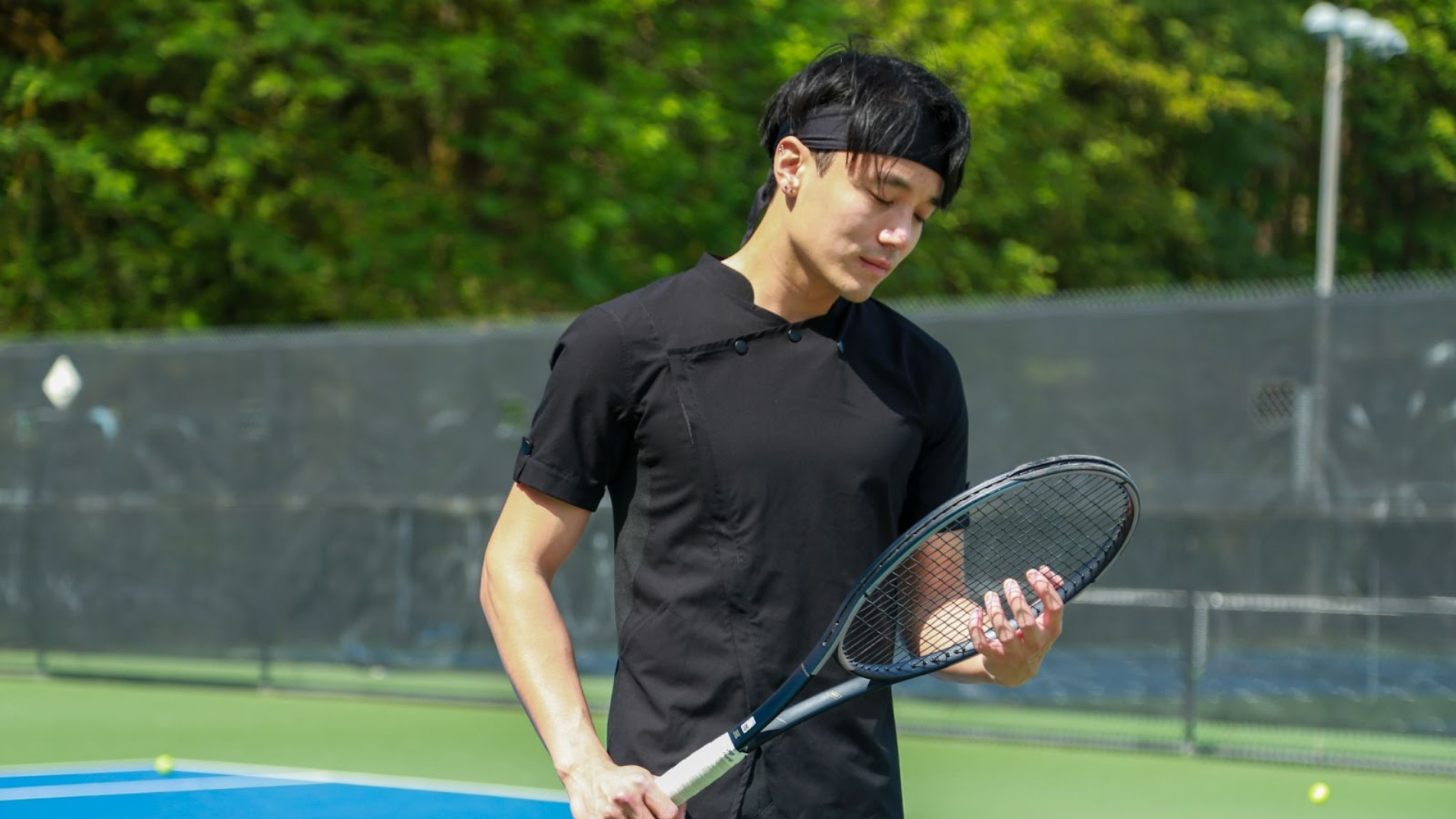
Kỳ Lân is the first activewear brand deeply rooted in Asian aesthetics, created with a powerful mission: to empower second-generation Asians worldwide to embrace their heritage with pride. Born from Hải’s personal journey growing up Vietnamese in Hungary and struggling to find a sense of belonging, Kỳ Lân reflects what it truly means to live between cultures, and finally feel proud of that identity.

For Hải, Kỳ Lân isn’t just about clothing. It’s about rewriting the narrative for second-generation Asians and bringing Asian representation to the forefront of mainstream sports- and streetwear. 
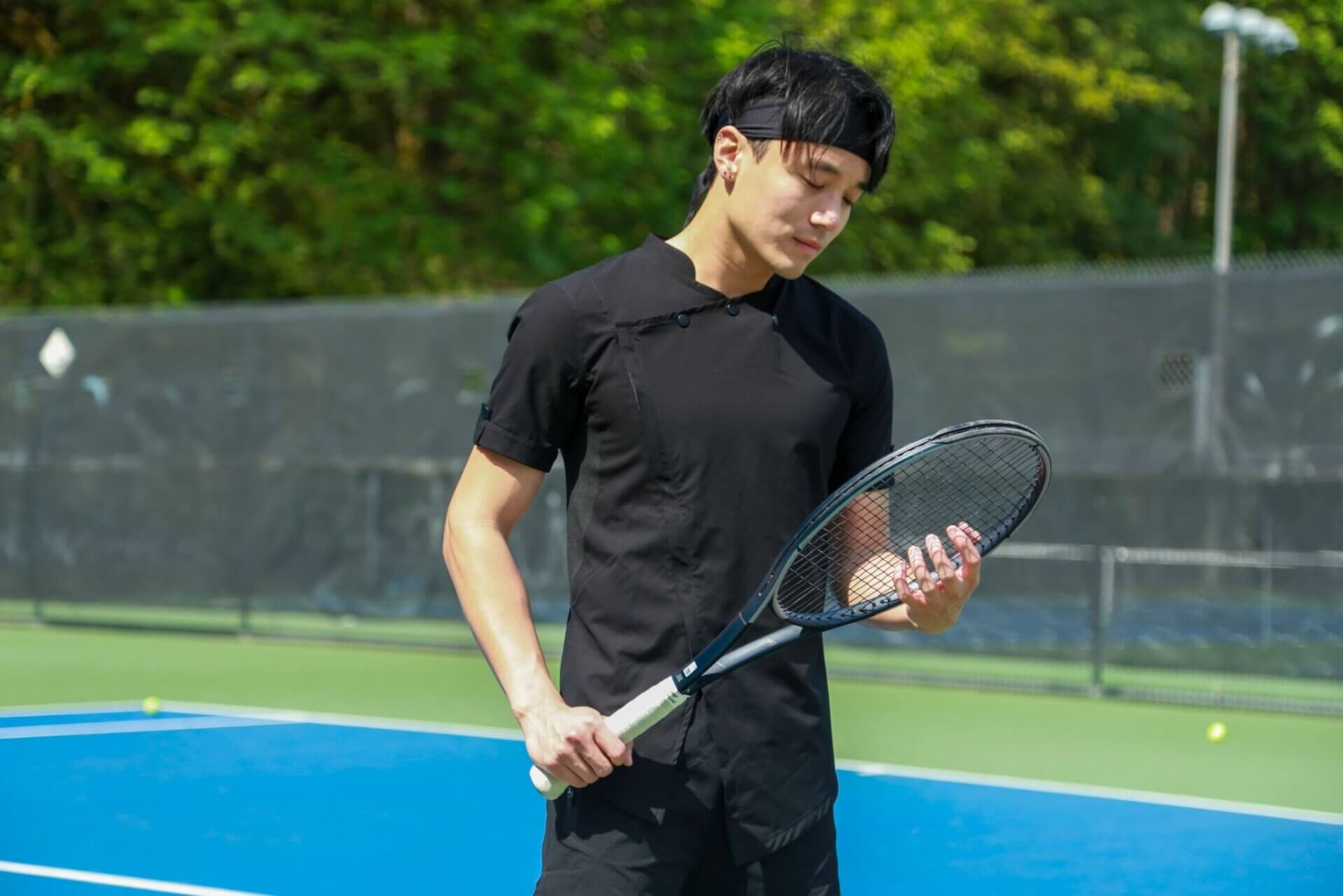
Kỳ Lân’s mission is to help second-gens embrace their Asian heritage through clothing

The Meaning Behind Kỳ Lân: A Symbol of Heritage and Unity

Kỳ Lân is a mythical creature from Asian folklore, often described as having the head of a dragon, the body of a horse, and the tail of a lion. It symbolizes peace, prosperity, and good fortune. Versions of the Kỳ Lân appear in Vietnamese, Chinese (Qilin), Japanese (Kirin), Korean (Girin), and Thai (Kilen) cultures, highlighting the deep cultural connections shared across Asia.

Hải chose this name to honor that shared heritage. As part of his efforts to reconnect with his roots, he began volunteering in the Vietnamese community and eventually became the organizer of a 6,000-member Asian Meetup and Discord group. This community centered around 1.5-generation and second-generation Asians, those who either immigrated as kids or were born abroad to immigrant parents. Together, they explored questions of identity, belonging, and the desire to reconnect. These conversations sparked the idea for Kỳ Lân: a brand that celebrates Asian aesthetics but, more importantly, gives voice to the in-between experience many second-generation live daily.

Kỳ Lân is more than just a clothing brand, it’s a tribute to these stories and a movement towards proudly reclaiming culture.
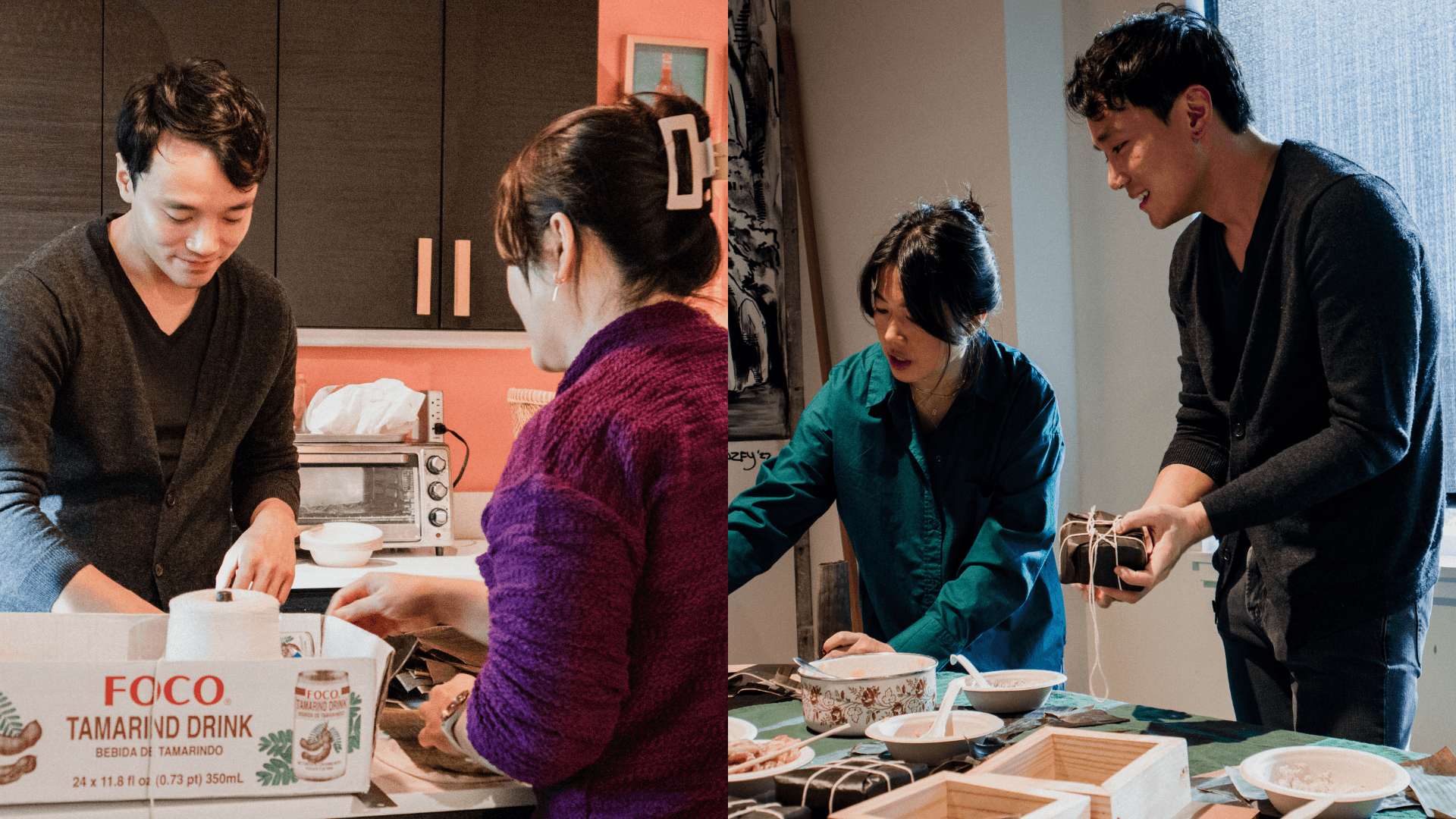
Hải volunteering in his local Vietnamese community

The Origin Story: From Hungary to the U.S. and Back to His Roots

Growing up in Hungary in the 1990s, often as the only Asian kid in school, Hải vividly remembers the bullying, the stares, and the relentless pressure to fit in. Like many second generation Asians, he spent much of his youth trying to blend in, often distancing himself from his Vietnamese roots just to feel accepted.

It wasn’t until years later, after moving to the U.S., that everything shifted. For the first time, Hải saw second-generation Asians unapologetically taking up space, celebrating their identities through art, food, fashion, and film. Vietnamese cafés were opening everywhere, Asian artists topped the charts, and streetwear inspired by Asian heritage became more mainstream. Gradually, pride replaced shame.

He became proud to be Asian, and curiosity toward his culture blossomed.
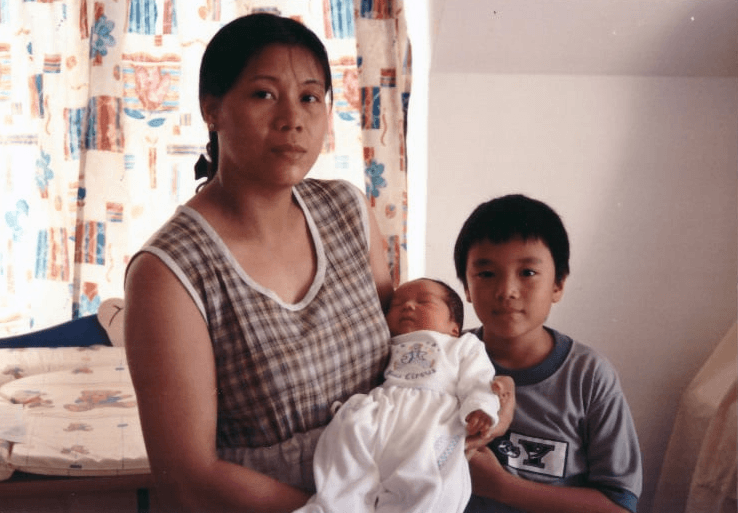
Hải, his little brother and his mom in Budapest

His parents’ story deeply influenced him, too. They immigrated to Soviet-era Hungary on scholarships and chose entrepreneurship over low-paying engineering jobs after graduation. Their hard work and resourcefulness deeply shaped Hải’s values, even though they initially encouraged him to take a safer path.

That growing sense of cultural pride deepened during a visit to Vietnam, where Hải saw relatives and locals running small storefronts straight from their homes. Every corner was buzzing with hustle. “That’s when it clicked,” he says. “Entrepreneurship is ingrained in our DNA. No wonder I felt this constant pull to build something of my own.” 

From Software Engineer to Fashionpreneur: Finding Purpose

For Hải, the realization that entrepreneurship was in his blood didn’t make the decision to quit his job any easier. Like many children of Asian immigrants, he grew up with a very clear definition of success which included stability, a good education and a respectable job. And he achieved exactly this: a successful career in software engineering, after decades of hard work and sacrifice from his parents, who had moved to Hungary in search of a better future.

For a while, he was unsure whether to commit to building a business or return to the comfort of a tech job. However, the dread he felt preparing for software interviews made it clear that he had to make some kind of business idea work, no matter what.

Like so many second-generation Asians, Hải carried an unspoken responsibility to make his parents’ struggles worth it, to succeed and stay on the path they paved.

Eventually, the pull toward his purpose was stronger than the fear of failure.

In a twist of fate, Hải is following in his parents’ footsteps. After immigrating to a foreign country and getting a degree in Engineering, he decided to leave it all behind and pursue Entrepreneurship.
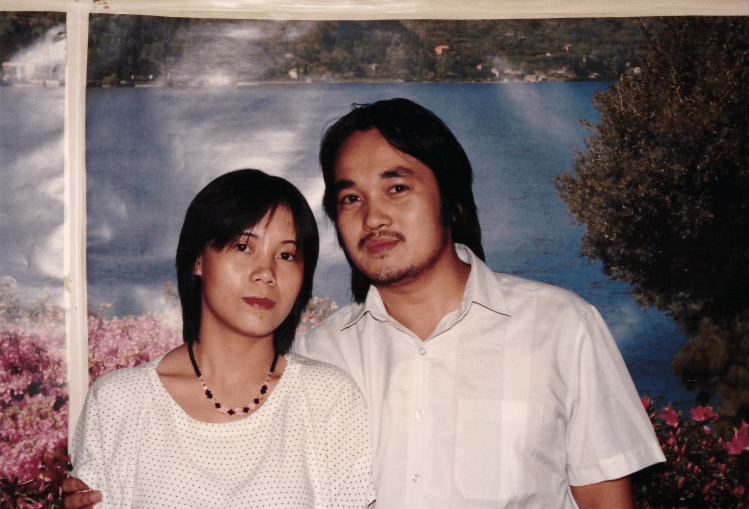
Hải’s parents threw away their Engineering degree to open their heavy metal t-shirt business back in the ‘90s.

The Birth of Kỳ Lân: A Perfect Fit 

Inspired by his parents’ own clothing business selling heavy metal t-shirts at marketplaces, Hải worried initially that they might disapprove of him following a similar path. Instead, they became his biggest supporters once they saw his dedication.

While it might seem like a waste to throw away his engineering career, Hải’s background turned out to be a great asset in building Kỳ Lân. His time at Amazon Ads taught him how to run effective digital campaigns, his logistics experience at Convoy helped him navigate supply chains, and his coding skills meant he could build his own websites without outsourcing. Even his parents’ experience running a clothing business became unexpectedly useful. 

Looking at it all together, it started to make sense. This wasn’t him starting from scratch, it was him finally using all of his skills in one place.

A Movement Rooted in Identity, Representation, and Pride

Kỳ Lân is more than just activewear, it’s a cultural movement. It celebrates the rich fusion of Asian cultures and modern sportsmanship while giving second-generation Asians a platform to proudly reclaim their identities.

Through Kỳ Lân, Hải is not only creating clothing but also rewriting the story for second-generation Asians around the world – one that embraces heritage, community, and pride.
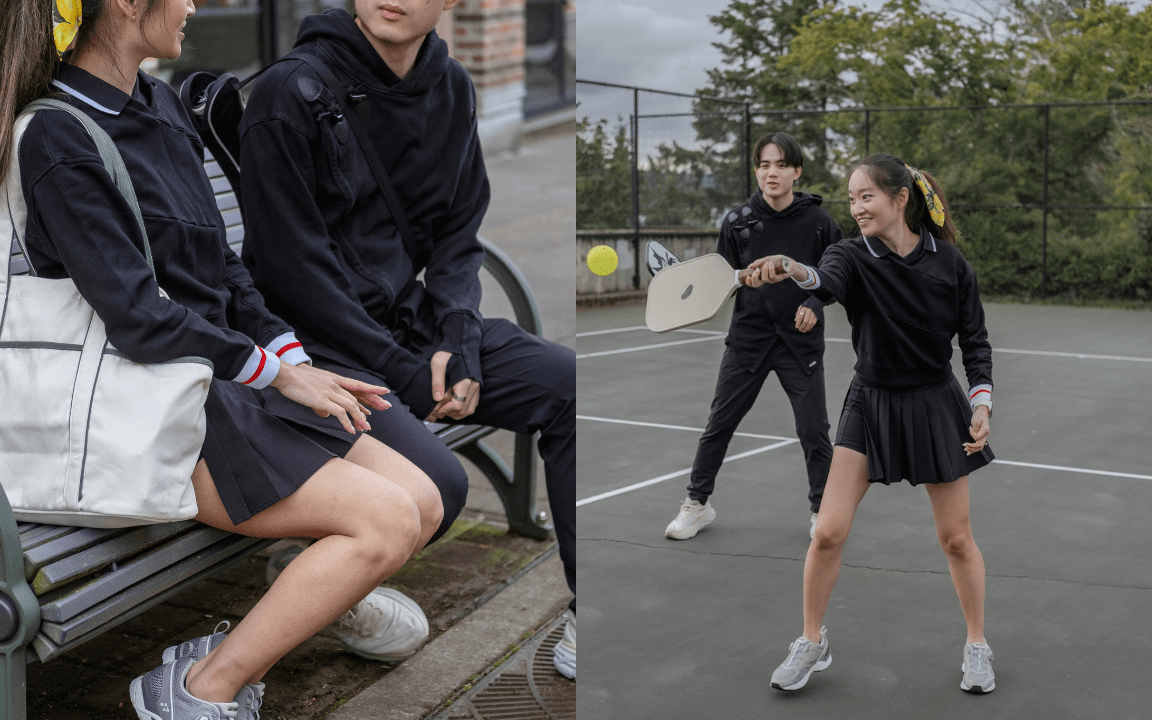
Kỳ Lân’s mission is to help second generation Asians embrace their heritage through clothing

Connect With Hải Bùi & Kỳ Lân Activewear

To celebrate Kỳ Lân’s pre-sale, Kỳ Lân is offering the Asian Hustle Network community an exclusive 20% off with the code AHN20 – valid for one week only.

Website: Kỳ Lân Activewear

IG: @kylan.athletics
Related Articles

News

The Success Story of Each-A-Cup in the World of Bubble Tea

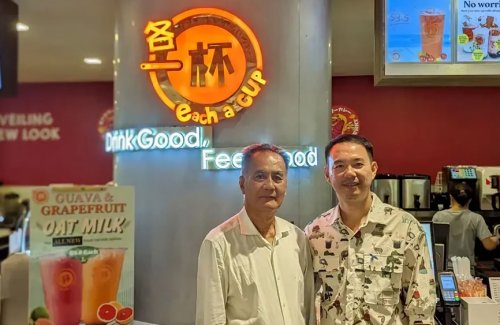
Back in 1999, Singapore was swept by the bubble tea craze. And while a lot of bubble tea shops have come and gone, Each-A-Cup kept thriving. This enduring success story is shown through the experiences of its founders: father and son, Michael and Ivan Chua.

Before entering the F&B industry, Michael Chua enjoyed a successful career as a musician, touring with Taiwanese singer Teresa Teng. However, his entrepreneurial spirit led him to start an ice cream business in Taipei, which later became Gelare. Afterward, he co-founded Healthy 2000, a beverage business in Taiwan. Sensing the growing interest in bubble tea in Singapore, Michael rebranded Healthy 2000 as Each-A-Cup in 1999, marking the beginning of their journey.

During the early years, Each-A-Cup faced fierce competition from rivals like Quickly and Happy Cup. However, they stood out due to the novelty and quality of their offerings, gaining widespread recognition.

The bubble tea industry in Singapore took a downturn in 2001 as prices dropped dramatically, and the market became oversaturated with hundreds of bubble tea shops. Many struggled to maintain quality, and even reputable brands faced losses. However, Michael remained resilient, believing in the enduring appeal of bubble tea.

Recovery came in 2003, and Each-A-Cup began rebuilding the business. Ivan, Michael’s son, joined in 2007, bringing fresh energy and ideas to the brand. The second wave of the bubble tea craze saw new players entering the market, but Each-A-Cup’s commitment to authenticity and quality set them apart.

As the founders, Michael and Ivan Chua, continue to guide the brand, the future of Each-A-Cup looks as bright as ever in the dynamic world of bubble tea.

Featured Image Source: CNA Lifestyle

Collin Hall

Stories

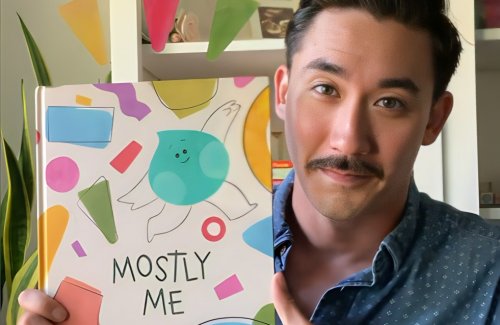
Celebrating Individual Narratives and Multiracial Identities Through the Book ‘Mostly Me’

In a world where the narrative of identity often falls into predefined categories, Mostly Me by Collin Hall emerges as a refreshing beacon of self-discovery.

Released on September 18 by Gloo Books, this picture book takes readers on a captivating journey, skillfully illustrating the complexities of biracial identity.

Author and Illustrator

Written by Collin Hall and beautifully illustrated by Crystal Dawn Chaffee, both of whom share a biracial heritage, Mostly Me is a heartfelt project born from personal experiences. Collin embarked on this creative journey shortly after the birth of his first daughter, driven by a powerful desire to equip her with the tools to embrace her multiracial identity.

Collin Hall is a proud biracial Korean/American based in Austin, TX, offering a voice that resonates deeply with those navigating the intricate terrain of identity.

Diverse Representation

According to the *Cooperative Children’s Book Center’s 2022 Diversity Statistics database, only 0.7% of children’s books published in 2022 were authored by multiracial individuals and focused on multiracial characters.

Collin’s Personal Journey

Collin Hall shares, “The biggest hurdle for this project was the internal identity-wrestling before words were even on paper. Having to re-engage with a part of myself I had avoided for a long time was hard, and typically paired with a good dose of uncertainty and guilt. Finding my own footing was, and is, a process, but one that put me in a much better spot to discuss multiracial identity with my own kids in the future.”

He also shared how re-learning Korean nursery rhymes was also a challenge and that it took longer than he expected.

Embracing In-Between Spaces

Mostly Me may be short and whimsical, but it carries a profound message—it’s entirely acceptable to exist within the fluid spaces of identity. It encourages individuals to wholeheartedly embrace all aspects of their heritage, irrespective of societal expectations.

I’ve got some green, I’ve got some blue. 

Some have asked, “So what are you?” 

Not quite blue, not fully green. 

I’m something new. I’m in-between.

Affirmation and Unity

Mostly Me serves as an affirmation, resonating with Collin and Crystal’s own experiences and the experiences of every multiracial child navigating the intricate landscape of identity. It instills the confidence to boldly claim one’s space in the world, reminding us all that there is no universal guidebook for this journey. Instead, it offers the comfort of shared emotions, questions, and experiences.

Within the pages of Mostly Me, Collin Hall extends an invitation to readers to embark on a profound journey of self-discovery. This remarkable book celebrates the beauty of embracing multiracial identities, encourages us to revel in the uniqueness of our individual narratives, and, above all, empowers us to find the strength to assert our presence in a wonderfully diverse world.

As we eagerly anticipate its release, Mostly Me promises to inspire and resonate with readers of all backgrounds, young and old, seeking to understand the rich tapestry of identity that defines us all.

CONNECT WITH COLLIN HALL / MOSTLY ME

Instagram: @mistercollin

Order here: gloobooks.com/products/mostly-me

Gloo Books: @gloobooks

*Independent analysis of data accessed on 07/02/2023 by Gloo Books using the Cooperative Children’s Book Center (CCBC), School of Education, University of Wisconsin-Madison Diversity Statistics Book Search (https://ccbc.education.wisc.edu/diversity-statistics-book-search/). Permission to publish granted by the CCBC 07/13/2023.

News

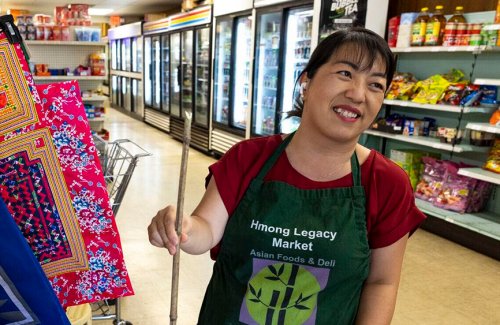
Hmong Legacy Market: Bridging Cultures Through Food and Community

At Hmong Legacy Market, located on Madison’s South Side, you’ll discover a treasure trove of homemade Asian cuisine. From steaming bowls of beef pho to whole roasted tilapia seasoned with herbs and chili, and delightful sesame rice balls filled with mung beans and coconut, this independent Asian grocery store offers a culinary journey.

Ze Yang, one of the owners, can often be found expertly preparing dishes like squash curry. To her, food is more than sustenance; it’s a connector, a storyteller, and a unifying force that brings people together.

As a young child in the 1980s, Ze Yang lived in a refugee camp in Thailand with her family, having fled Laos during the aftermath of the Vietnam War. In 1991, Ze Yang’s family received the opportunity to immigrate to the United States, sponsored by a distant uncle who had settled in California. Their early days in the U.S. were marked by challenges—language barriers, cultural shock, and financial difficulties. However, their farming skills from Laos allowed them to grow crops like green beans, tomatoes, and peppers, which they sold to support their family.

After six years in California, Ze Yang’s family decided to move to Wisconsin, drawn by the promise of better public schools and economic opportunities. Ze Yang’s parents worked tirelessly, holding multiple jobs to make ends meet. This experience inspired Ze Yang to become a teacher, focusing on helping immigrant children adapt to the American education system.

Ze Yang’s family thrived. They bought a house, built a family, the kids went to school, but they also wanted to pursue their entrepreneurial dream. They longed to create a space where people from diverse backgrounds could gather, savor homemade dishes, and access pantry staples from across Asia. This is why they opened Hmong Legacy Market, offering an extensive array of products, from giant spring roll skins to bamboo shoot chili oil, and from mango mochi to traditional Hmong celebratory clothing.

More than just a grocery store, Hmong Legacy Market is committed to the well-being of the community. In 2021, it partnered with Public Health Madison and Dane County to serve as a mobile COVID vaccination clinic. Looking ahead, Ze Yang envisions the store’s legacy continuing to thrive, driven by the spirit of family and the desire to improve and grow.

Featured Image Source: Madison

News

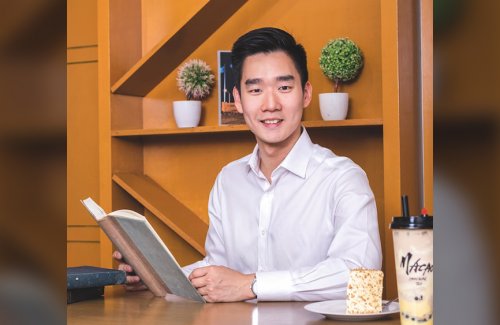
Entrepreneur Avin Ong: From Selling Hangers to CEO of Macao Imperial Tea

Avin Ong, the visionary behind Macao Imperial Tea and CEO of The Fredley Group of Companies, has carved a remarkable path to success in the world of food and beverage. His journey, from humble beginnings to leading a multi-million-dollar empire, reflects his belief that opportunities are abundant for those willing to seize them.

Growing up in a blue-collar family with limited resources, Ong’s early life was far from extravagant. His family’s livelihood revolved around assembling hangers and selling them in the bustling streets of Divisoria, Metro Manila.

Today, Ong oversees a diverse portfolio of businesses, including New York Fries and Dips (NYFD), Nabe Japanese Izakaya and Hot Pot, Café Kitsuné, and the immensely popular Macao Imperial Tea. His recipe for entrepreneurial success is built on several key principles.

Firstly, Ong emphasizes the importance of seizing opportunities when they arise. Having experienced financial hardship in his past, he has become adept at embracing opportunities without hesitation, even if he feels unprepared.

Secondly, Ong stresses the significance of understanding your target market intimately. He recognizes that different consumer segments require tailored approaches. For instance, Café Kitsuné caters to a more upscale audience, while Macao Imperial Tea targets a younger demographic through social media influencers like TikTok. 

Furthermore, Ong emphasizes the scalability of his brands, which has allowed for rapid expansion. Starting with less capital-intensive concepts like NYFD and Macao Imperial Tea, he has achieved impressive milestones, such as opening 13 new stores in a single day.

Innovation and adaptability are also cornerstones of Ong’s success. During the pandemic, while some of his ventures struggled, Macao Imperial Tea’s sales surged by over 300 percent.

Lastly, Ong’s humility shines through in his readiness to admit failures and setbacks. While he had to close some branches, he prioritized retaining his loyal team members by reallocating them to more successful establishments. He shared with Tatler Asia how he acknowledges that surprises are inevitable in life, as exemplified by his initial failure to gain admission to De La Salle University. However, his determination led him to eventually fulfill his dream of attending the esteemed institution.

Featured Image Source: The CEO Magazine