Stories

July 4, 2023

SHARE:

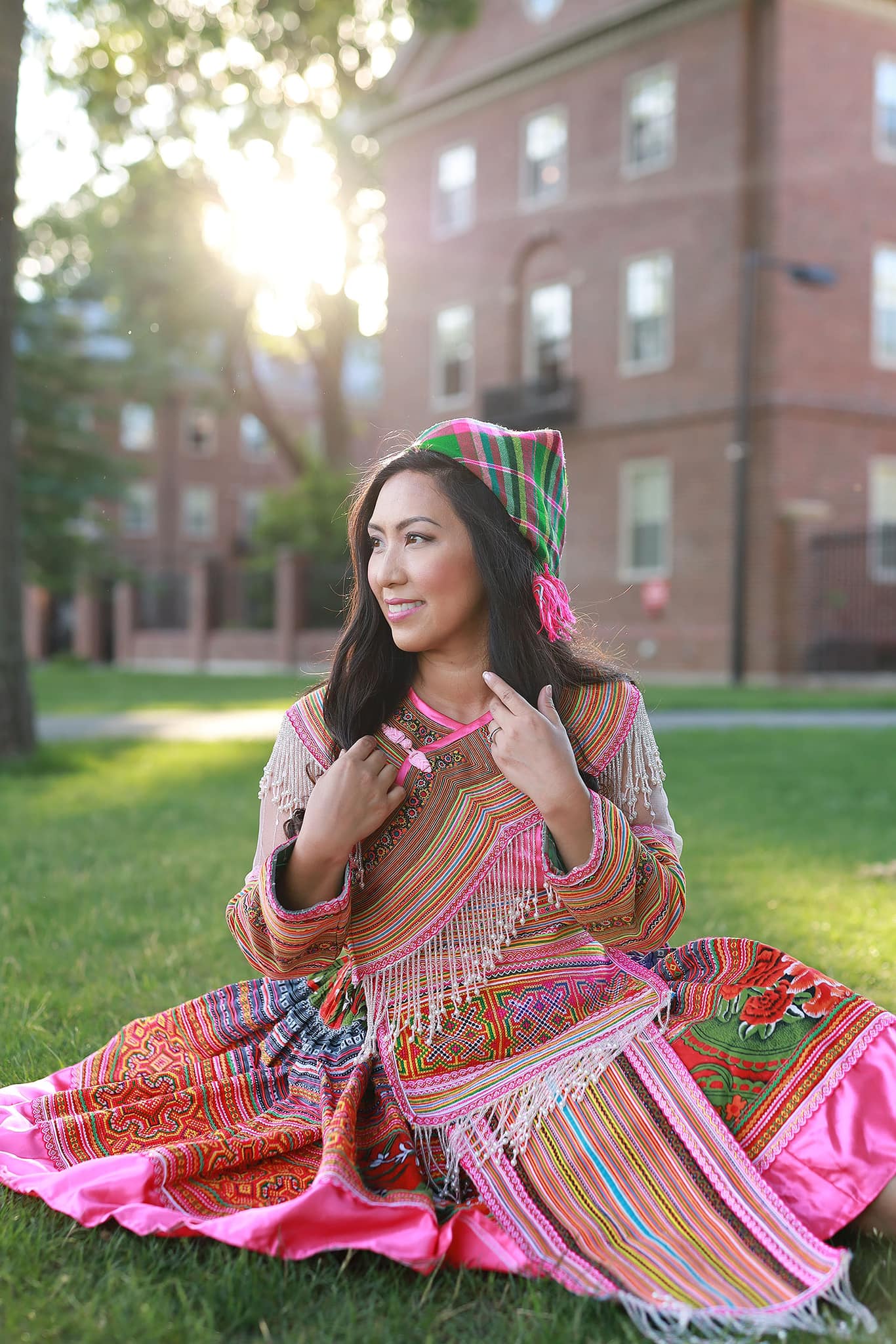
Mai Hlee’s journey is a testament to the power of resilience and hard work.

Mai’s entrepreneurial spirit comes from her mother, who taught her life-long skills. Mai’s resilience is evident in her journey to paying off her student loans, living frugally, and raising a family of 6. She started her first online business documenting her journey on her blog where she shared savings tips to help others save too

Despite experiencing mental health challenges and social anxiety, she found strength in vulnerability and persevered to become a public figure in her community. Her tenacity and resourcefulness show that with hard work and determination, anything is possible.

THE HUSTLE STARTS EARLY

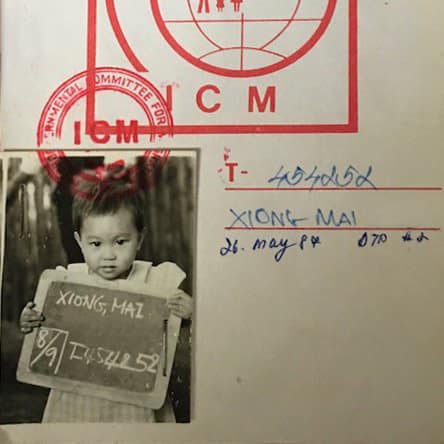
Born in a refugee camp in Thailand after her family fled the aftermath of the Vietnam War, Mai’s parents and older siblings swam across the Mekong River in the middle of the night to escape to Thailand, where they lived in a refugee camp for seven years. Mai was born in 1984 and when she was 3 years old, Mai and her family were accepted into the United States. Mai became the first in her family to receive a full public school education.
Mai learned to hustle at an early age. Her dad was a machine operator and made $6 an hour while her mother found odd jobs and became a seamstress while taking care of her and her other 8 siblings. Mai had to learn how to use a sewing machine at an early age so that she could help her mom. While she was sewing letters on college sweatshirts and hoodies alongside her mom, other kids her age were playing outside. “Now that I look back, I am so grateful for the life-long skills that my mom taught me. My entrepreneurial spirit comes from her,” Mai said.

TURNING ADVERSITY INTO MOTIVATION

When her parents were able to buy their first personal computer that she had to share with her siblings, she took the opportunity to learn how to code in HTML. And at the age of 12, she secured an internship at Ohio.com.

But despite how hard she worked, she still struggled financially in college. There was a time when she had no more than $5 in her pocket and faced the dilemma of using it to either buy gas or get a slice of pizza. You could say that she starved most days.

During her childhood, church people would knock on their door on weekends and bring giant, clear trash bags filled with donuts. Donuts that no one else wanted. It was one of her best memories as a child because she never got to eat sweets. Only to find out that all those years, she has been eating expired donuts. “I came home one night crying my eyeballs out and telling myself that one day I would never ever be poor again or allow my future children to experience what I did.”

FROM FRUGAL LIVING TO INFLUENCER SUCCESS 

After graduating from the College for Creative Studies with her Bachelor of Fine Arts in 2007, she already had a full-time job as a Web Designer lined up for her at an advertising agency. She used the money from her job to publish her own cultural Hmong magazine, with 10,000 in circulation at its peak, and eventually, she went to work for a startup company as a Frontend Developer. She took on side jobs, building websites, designing logos, and doing photography.

When she was pregnant with her first daughter in 2011, she still had over $50,000 in student loan debt, and was paying the bare minimum. She wasn’t taught or prepared to manage her own finances and her parents worked so hard to provide for a family of 11 that even they were stretched thin.

She made a promise to herself to pay off all her loans before her daughter started her own educational path. So she started to live as frugally as possible. She sold anything she had that was worth anything, learned how to extreme coupon. She documented her journey, shared deals and saving tips on a blog and on social media. She amassed a 170,000+ following on Facebook and 50,000 on Instagram.

Before the term Influencer even became popular, she was already working with brands like Nestle, Pampers, Kellogg’s, Walmart, and Sam’s Club. She was able to make multiple six-figures in passive income from Amazon, Google Adsense, and other sources. Eventually, she was able to pay off the full amount of her student loan, and even took her kids to Disney World twice.

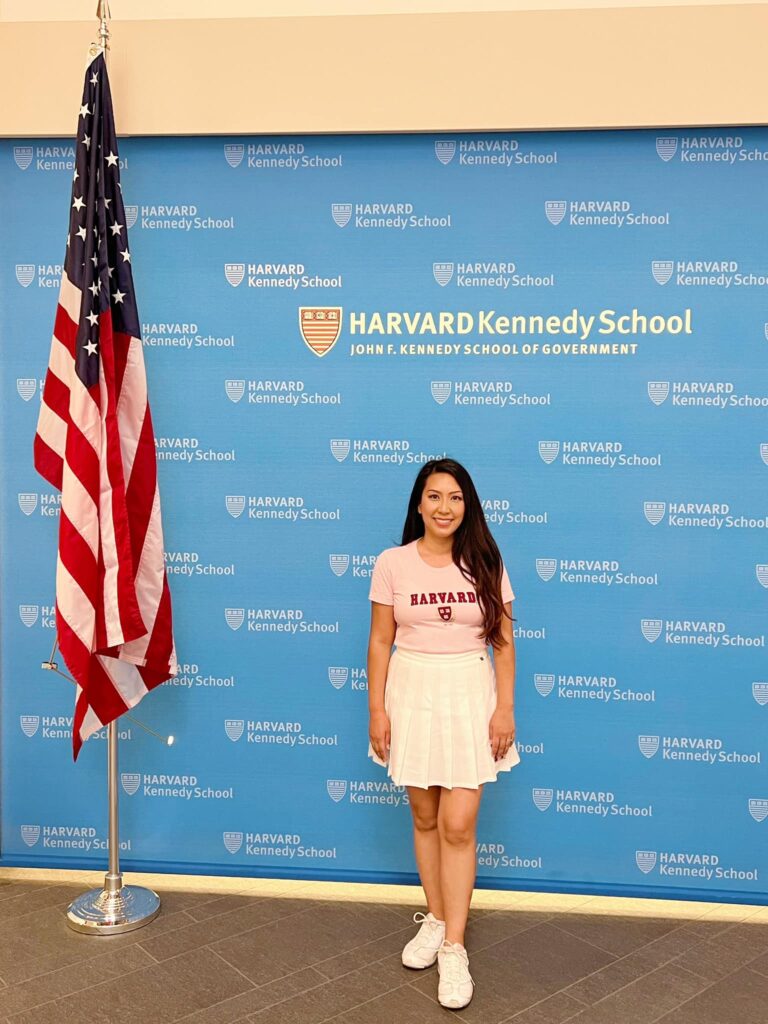
Just last year, Mai received two scholarships and a fellowship to attend Harvard University and Michigan State University to further enhance her public speaking and leadership skills. This year, she became an honorary Ambassador and was chosen to travel to Japan to learn about the culture, economy and its people.
FINDING STRENGTH IN VULNERABILITY

Despite her digital and online success, she was diagnosed with PTSD due to a harrowing situation that caused her to have social anxiety and mental health problems, including self-doubt. “Meeting my husband saved me. While others pointed their fingers and laughed at me, he was my protector and my biggest supporter.”

While Mai was in college, she entered a Hmong pageant and became the Miss Lao-Hmong Wisconsin in 2004 without any experience or formal training. The pageant became a platform for Mai to advocate for her community while bringing awareness to the Hmong genocide in Laos. She joined two more pageants after that but shortly after the last pageant and in the summer of 2008, Mai became the victim of a cyber stalker.

Her perpetrator used social media to harass, terrorize and sabotage her life. He had spent weeks gathering images of her, from creating a fake social media account to friending her, lifting and gathering photos of her, and making video collages with explicit messages to taunt her. 

Mai couldn’t trust anyone around her because she had no idea who it was. She just knew it had to be someone who had been watching her for a long time. She reached out to the police but they were unable to identify the cyberstalker.

One night, she decided to use her technical background in Web Design to track her cyber stalker, and the perpetrator was eventually found and arraigned. However, Mai faced backlash from her community when they found out her cyber stalker was a Hmong man. Relatives that supported her initially turned against her, and the woman she had interviewed for her magazine’s front cover dropped out. Mai’s parents were pressured by the Hmong elders to drop the case. Traditionally, Hmong girls are taught to be quiet, timid, and domesticated at an early age.

But Mai was their daughter, so they supported her. Mai had to face her stalker in court and be judged, after a year of waiting for her case to be brought to a trial because the cyberstalker did not budge or take a plea.

The case lasted one week, and the jury found the stalker guilty.

THE LIGHT AT THE END OF THE TUNNEL

After a decade of healing and overcoming her anxiety and fear of being around people, she was voted by the people to be a public figure in her community. Mai now oversees a more than a billion dollar annual budget, attends conferences, public events and is proud to share her experiences with others.

Overcoming PTSD and her mental health challenges made Mai a more resilient person. After the cyberstalking, becoming an outcast in her community, and facing a grueling trial, she looked back on her life and what she went through and realized that she came out as a stronger person. There was nothing anyone could say or do that would hurt her. She had been at the lowest of the low and now, there was nowhere else to go, but up.

During the trial, Mai met her now husband, Adam. Although he knew what happened to Mai, his kindness and support for her never wavered. While everyone was quick to judge her and cast her away, he protected her.

Mai’s parents didn’t live long enough to see her success, and her husband lost his parents when he was younger, so raising their family has been challenging.

But despite all the hardships she has been through, Mai has overcome adversity and continues to thrive in her personal and professional life through hard work and determination.

“When my darkest clouds lifted, I saw just how beautiful the sunlight really was. There is a light at the end of the tunnel.” -Mai

TIPS ON PASSIVE INCOME

  1. Define your niche. Usually, it’s what you love to do or what you’re very interested in. For me, it was personal finance.
  2. Be consistent. Just like a full-time job, show up on time and schedule your tasks and get them done, consistently  
  3. Show up as your true self and you’ll build the right audience –people who are eager to know you and be in your circle
  4. Pitch to brands that you’re passionate about. I would look at things I already have in my house and look up the brand’s story, the founders, and identify what I can bring to the table to make them even better
  5. Automate or outsource anything that you don’t like to do so that you can focus on the things that spark your passion

ADVICE FROM ONE HUSTLER TO ANOTHER

Don’t ever let people tell you that you can’t do it. Don’t let people define your future. Listen to your intuition, that inside voice that is telling you what feels right. When you get rejected by clients or hiring managers, ask them what you can do to be better next time and the kind of person they’re looking for. 

Forge a different path: when people are “Zig-ing” –you “Zag.”  

CONNECT WITH MAI

Facebook: Mai Hlee

Instagram: @maihleex

Website: maihleex.com

Related Articles

99-jpg

Stories

From a Childhood Dream to the Red Carpet: How Elenor Mak’s Two-Year Mission to Give Michelle Yeoh a Personalized Doll Finally Happened

What started as a small tribute from a mother turned into a two year journey filled with patience, rejection, and hope.

Elenor Mak simply wanted to honor Michelle Yeoh and show her daughter that Asian girls can be the hero of the story too.

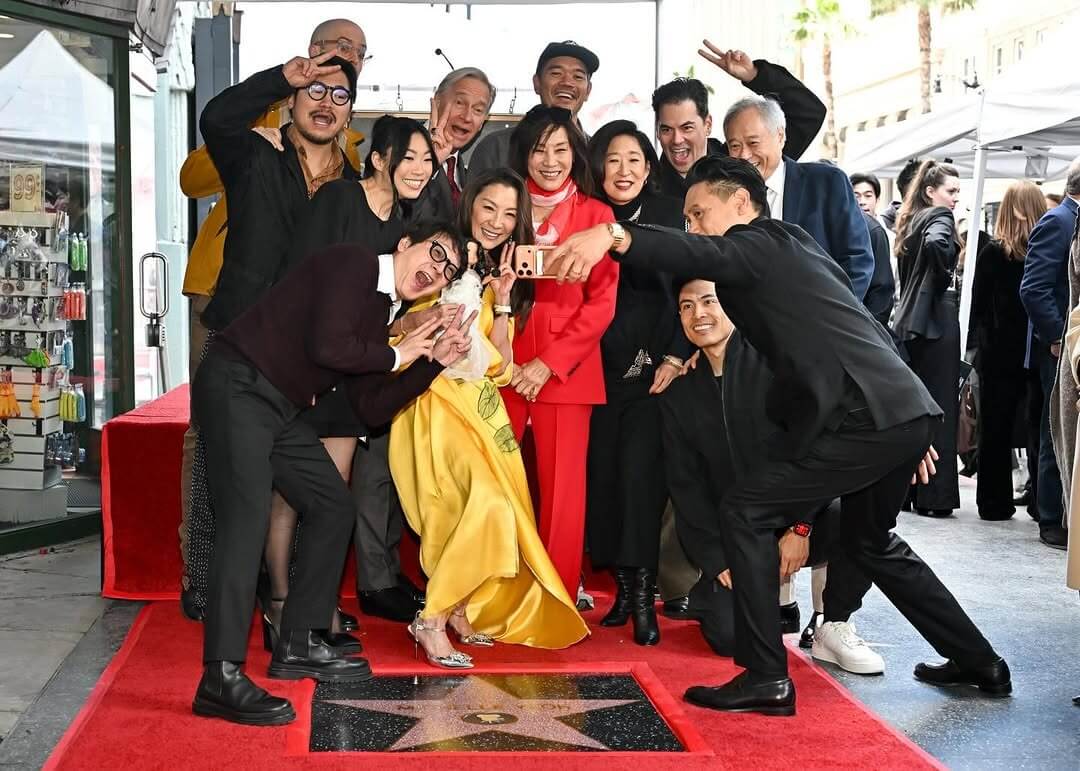
No one expected that the journey would end on the red carpet at the Hollywood Walk of Fame.

Image source: Elenor Mak

The Childhood Inspiration

Elenor Mak grew up watching Michelle Yeoh on Cantonese VHS tapes at home. Seeing an Asian woman lead films and command the screen made a deep impression on her as a child. It showed her that someone who looked like her could be strong, fearless, and at the center of the story. That belief stayed with her for years.

When Michelle Yeoh won the Academy Award for Best Actress, Elenor listened closely to the speech. Michelle spoke about being a beacon of hope for children who were waiting to see themselves represented. The moment felt personal to Elenor. That was when she decided to create a doll that captured that historic win.

Image source: Elenor Mak

A Two Year Mission

Creating the doll was a careful process that took five months. A professional stylist in Los Angeles helped shape the look, while a supporter in Hong Kong hand sewed the detailed feathery gown. Each part was made slowly and thoughtfully. Everyone involved wanted the doll to reflect Michelle Yeoh’s iconic Oscar moment.

At the center of it all was Elenor’s mother. She sat at the kitchen table attaching the final accessories with crazy glue and steady hands. When the doll was finished, the real challenge began. For two years, Elenor tried to find a way to get the doll into Michelle Yeoh’s hands.

Image source: @jonmchu (Instagram)

The Hollywood Moment

When Michelle Yeoh’s Hollywood Walk of Fame ceremony was announced, Elenor knew she had to try again. She flew to Los Angeles with her friend Dion Lim, an Emmy Award winning journalist, hoping for one last chance. They waited behind barricades for hours as the crowd gathered. After hearing no from security several times, they almost gave up.

Then something unexpected happened. Janet Yang, a producer and former head of the Academy, stepped in and helped make the moment possible. Soon after, Michelle Yeoh lifted the doll on the red carpet while Sandra Oh and Awkwafina cheered nearby. For Elenor, the moment meant more than giving a gift. It was for the little girl who once watched Michelle Yeoh on old VHS tapes and believed she could belong too.

IMG_9529-jpeg

Stories

Jonathan Quach Was Told He Was Too Young and Too Asian to Lead—Now He’s Built Team Quachro Into One of California’s Largest Youth Basketball Platforms

At 19 years old, most people are still trying to figure out who they want to become. Jonathan Quach, who also goes by Johny, was already thinking about how he could create space for others to grow.

He did not have investors backing him or access to elite facilities. What he had was a deep love for basketball and a growing frustration with how many talented kids were being left out of high-level programs simply because they lacked money, connections, or visibility. 

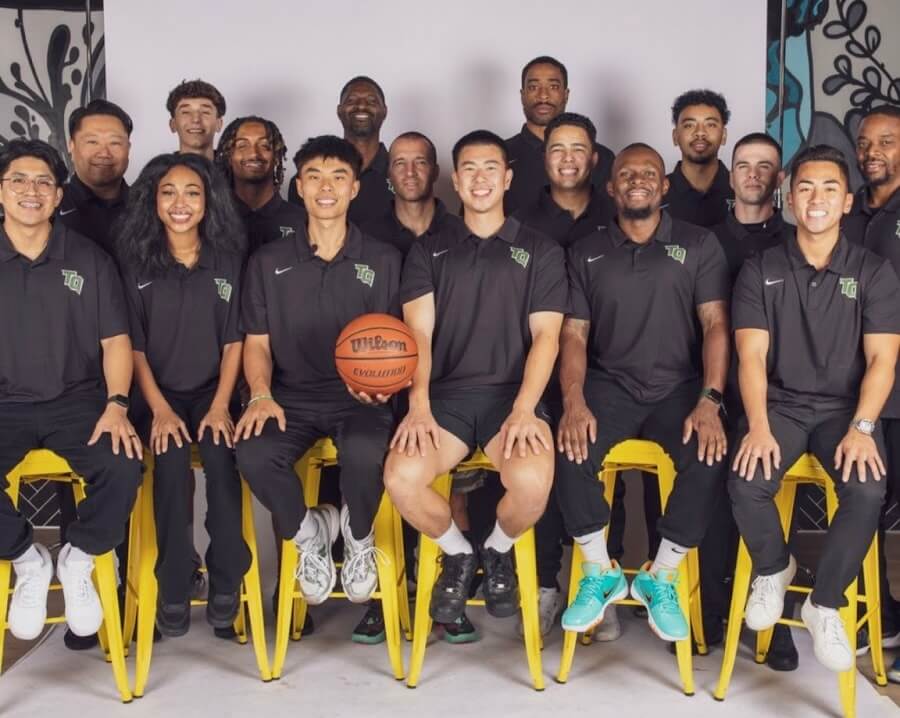
The name Team Quachro (TQ) was originally created just to enter his first eight kids into a local youth league. What started as a play on words from his last name, ended up becoming a staple in the Orange County Basketball community, competing with the other heavy hitters in the industry.

Starting at 19 with Nothing but Belief

Starting a program at 19 meant stepping into rooms where almost everyone was older. Johny had to lead coaches and speak with parents who had decades more life experience than he did. When he had only 50 kids in the program, a handful of larger, established programs recognized the early growth and tried to buy him out from the start.

As Team Quachro began gaining attention and players began leaving other programs to join his team, some competing coaches sent negative emails to others behind his back. Instead of responding with arguments, Johny chose to respond with action. He focused on developing his athletes and strengthening the culture of the program.

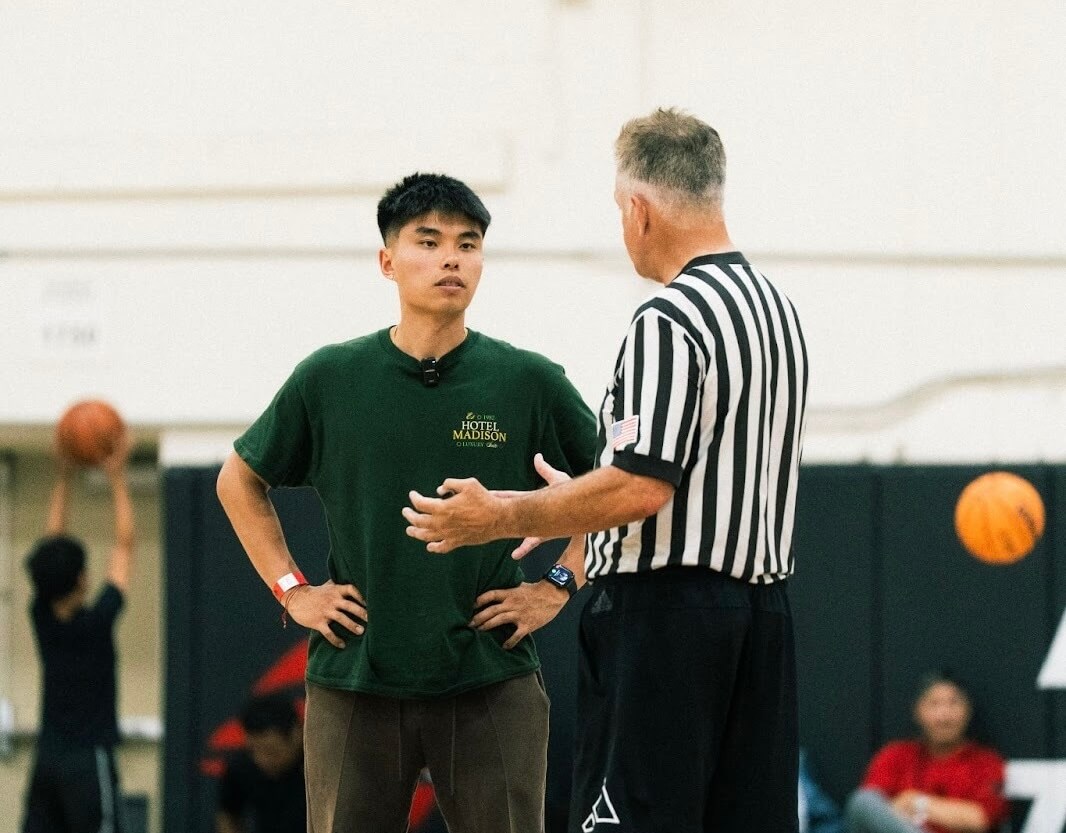
Now 26 years old, Johny has built one of the largest basketball programs and tournament operations in California. By remaining consistent and treating every family with respect, he gradually turned early skepticism into long-term trust. Team Quachro now serves more than 300 athletes, with thousands of families having come through the program over the years.

Carving a New Lane for Asian Leadership

Building one of California’s largest platforms by age 26 is a feat in itself, but doing so as an Asian founder carries even more weight. In the youth basketball world, Asian founders are rarely seen in leadership roles. Johny understood that reality and wanted younger players to see someone who looked like them leading from the front.

Representation, for him, was not about making statements. It was about building something real and lasting that could create opportunity for others. Every partnership and every opportunity had to be earned through persistence and relationship building.

Over time, that work transformed a small training group into one of the most respected sports organizations in California. Johny proved that leadership is not determined by age, background, or stereotype. It is shaped by commitment, integrity, and care for the people you serve.

Leaving a Legacy Bigger Than Trophies

What began as a handful of local training sessions has grown into a thriving ecosystem of teams, tournaments, and mentorship. The results of that dedication are visible at the next level, with TQ athletes playing at the Division I college level, as well as at JUCO and NAIA programs.

Despite that growth, Johny has worked intentionally to keep the heart of the program intact. He continues to cover costs for athletes who cannot afford to participate and organizes free clinics to make the game more accessible. He believes that financial limitations should never be the reason a child cannot pursue their potential.

Johny did not inherit a platform, and he did not receive a head start. Today, the program stands as more than a basketball organization. It stands as a family built on loyalty, mentorship, and shared belief. For him, that culture is the greatest achievement of all, far greater than any trophy or tournament win.

Discover more from Johny Quach here:

📍Instagram

Learn more about Team Quachro Basketball here:

📍Website

image (1)-png

Stories

Taiwan Heir Andre Koo Jr. Steps Beyond a $6.3B Dynasty to Build the Future of AI in New York City

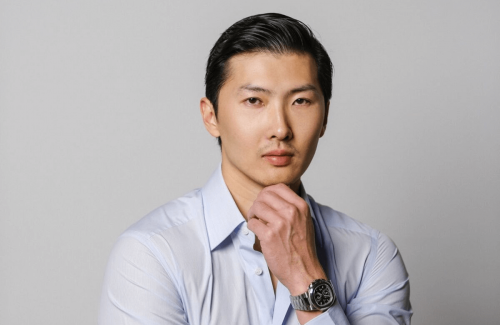
Andre Koo Jr. was born into one of Taiwan’s most influential business families, where legacy and leadership have shaped industries for more than a century.

As a fifth-generation heir to a $6.3 billion empire, he had every reason to remain within the comfort and stability of an established dynasty.

Yet instead of staying home, he chose to build something new in New York, placing a focused bet on the future of artificial intelligence.

Image Source: NYU Stern

Honoring a 130-Year Legacy While Charting His Own Path

For generations, the Koo family has played a defining role in Taiwan’s business landscape, building institutions that span finance, infrastructure, and beyond. Growing up within that environment meant understanding both the privilege and the responsibility tied to the family name. Legacy, in this case, was not just inherited wealth but a long-standing commitment to growth and impact.

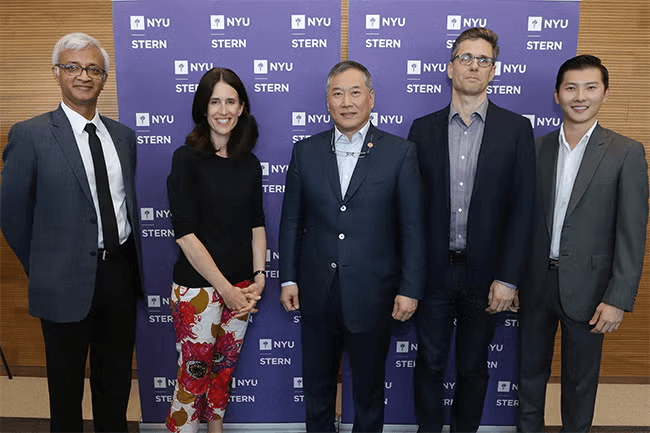
Still, Andre Koo Jr. believed that honoring tradition did not require standing still. While remaining actively involved in the Koo Family Office, he set his sights on expanding the family’s global footprint. His move to Manhattan marked a deliberate step toward independence, signaling a desire to test his vision in one of the world’s most competitive markets.

Image Source: Private Wealth Institute

Building K8 Capital for the AI Era

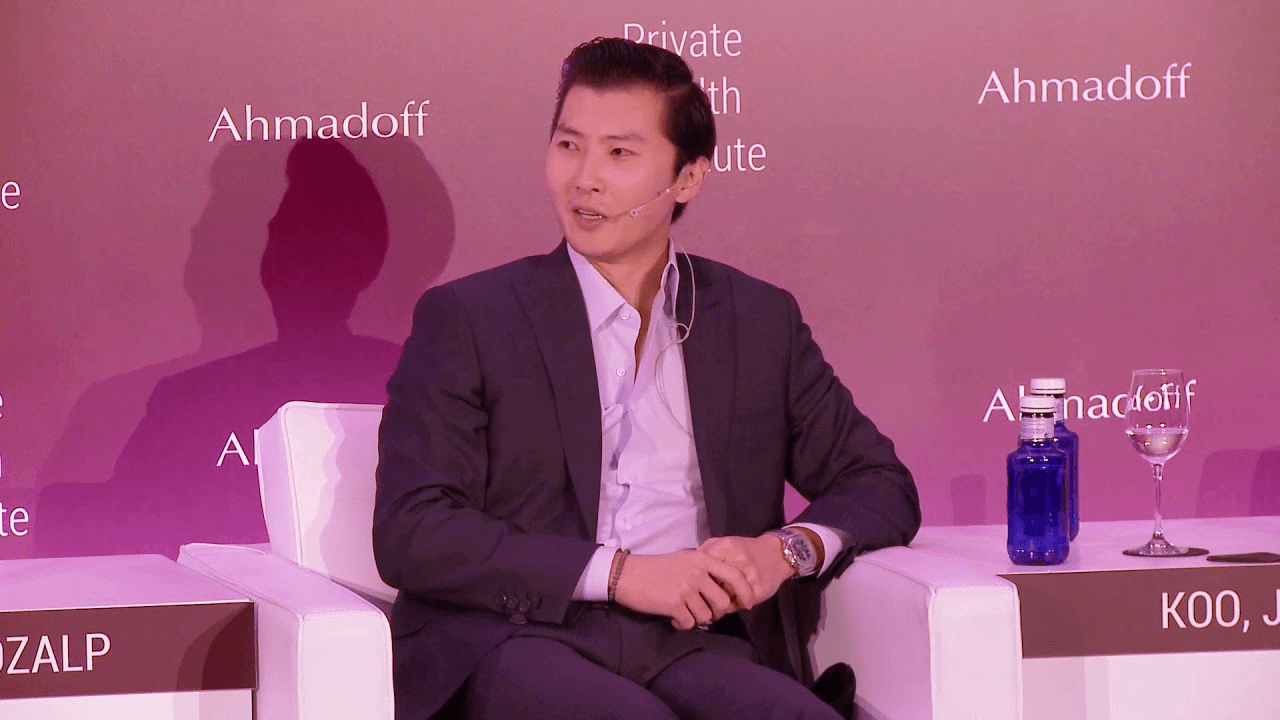
That vision took shape through K8 Capital, a firm designed to invest in artificial intelligence and enterprise software. Rather than following typical venture capital models, Andre structured a hybrid strategy that blends private credit with venture investments. This approach allows him to pursue innovation while maintaining disciplined risk management.

The strategy is already delivering results, with gains of over 50 percent achieved through carefully structured short-term loans. K8 Capital has secured five major investors and is actively deploying capital into promising technology companies. By combining the prudence of established wealth with the speed of modern tech investing, Andre Koo Jr. is building a bridge between a historic dynasty and the next generation of innovation.

image-png

Stories

Asia’s First Person to Reach Space Was Vietnamese Fighter Pilot Pham Tuan, Who Continues to Inspire a New Generation

In 1980, a Vietnamese fighter pilot from a small rural province made history by becoming the first person from Asia to travel into space.

Long before rockets and research labs, Pham Tuan grew up in the rice fields of Thái Bình, far from the world of astronauts and orbiting stations.

Today, his journey beyond Earth remains a powerful story of courage, discipline, and possibility for young people across Asia.

Image Source: Saigoneer

From Rural Fields to the Edge of Space

Before he ever saw space, Pham Tuan built his career as a fighter pilot in the Vietnamese Air Force. His skill and discipline eventually led to his selection for an international space program, a rare opportunity at the height of global political tension. It was a dramatic shift from flying combat missions to preparing for a journey beyond Earth.

The transition demanded years of intense physical and technical training. He had to master new systems, adapt to life in zero gravity, and prepare for risks no one from his continent had faced before. Each step brought him closer to a milestone that would place his name in history.

Image Source: Saigoneer

Seven Days That Changed Asia’s Story

On July 23, 1980, Pham Tuan launched aboard a Soyuz spacecraft and became the first Asian to reach space. He spent seven days aboard the Salyut 6 space station, conducting scientific research and observing Earth from orbit. During that time, he captured images of Vietnam from above, offering a view of his homeland few had ever seen.

After returning to Earth, he resumed life in Hanoi with his family, carrying memories of a journey that reshaped regional history. He continues to reconnect with former crew mates and remains one of only three people of Vietnamese descent to have traveled beyond Earth’s atmosphere. Decades later, his achievement still stands as a symbol of how far determination can take someone, even from the most humble beginnings.