Stories

October 7, 2026

SHARE:

Richard Nguyen grew up on the east side of San Jose, where he became caught up in street life at a young age. Looking back, he believed the path he was on could have ended with either prison or an early death.

Then came the moment that made him reconsider where his life was headed.

He overheard his mother speaking with friends about their children. She talked about relatives who had graduated from college, while Richard felt she had little she could proudly say about him.

“She couldn’t say anything good about me,” Richard recalled.

His mother was raising the family on her own, and hearing her disappointment became a wake-up call. Richard knew he couldn’t continue down the same path and decided he needed to find a different direction.

He took a job he found on Craigslist for $10 an hour, unsure of where it would lead. It became his entry point into an industry where he would spend the next 15 years learning and building experience.

What started as a decision to change his life would eventually become the foundation for something much bigger.

Years later, that experience would bring him together with Jack and David Nguyen and a growing group of IT hardware businesses.
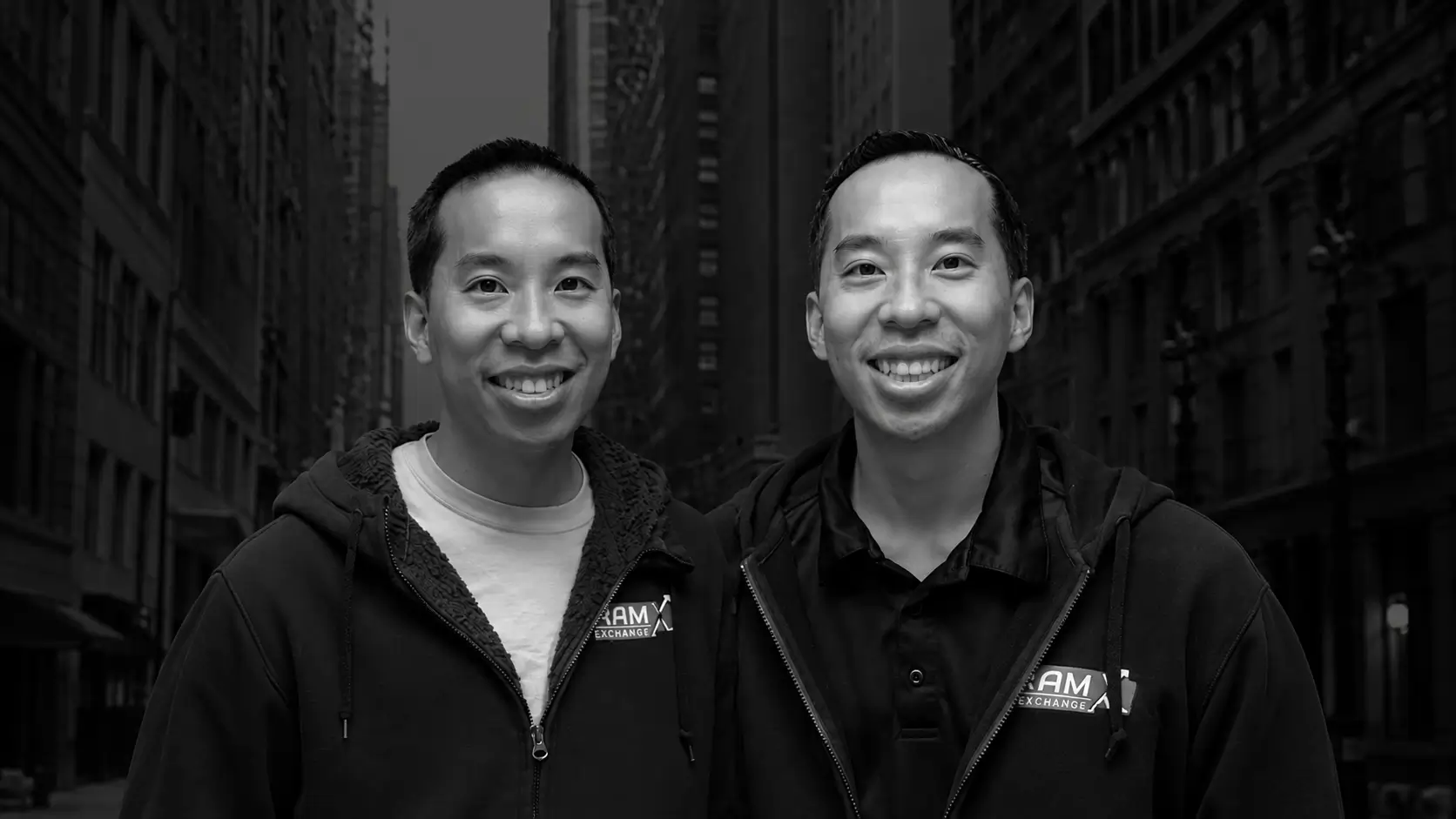
Twin brothers Jack and David Nguyen

The Brothers Behind the Business

Years before Richard partnered with them, twin brothers Jack and David Nguyen were already building their footprint in the IT hardware industry.

Around two decades ago, they saw an opportunity in used computer equipment and began reselling components, primarily semiconductors and RAM. That business became RAM Exchange, which eventually grew into what Jack described as a $50 million-a-year company.

From there, the brothers expanded into servers, networking equipment, drives, and other data center hardware through IT Server Exchange.

By then, Richard had spent years building his own expertise in the same industry. Their paths were about to come together.

Bringing Richard Into the Business

Richard was working for a competitor at the time, but his experience and reputation had already caught Jack and David’s attention. They knew his understanding of the IT hardware business and respected the grit, loyalty, and work ethic he brought to his work.

Eventually, Richard took a risk of his own and started E-XPIRE, focusing on IT asset disposition, secure data destruction, and electronics recycling.

As E-XPIRE grew, Jack and David saw more than Richard’s industry experience. They saw someone who could build a business, lead a team, and execute.

But Richard had already taken the risk of becoming an entrepreneur himself. Bringing him into their business would require more than offering him a position.

The opportunity became a partnership. E-XPIRE and IT Server Exchange merged, bringing Richard’s ITAD expertise together with Jack and David’s established hardware business. Richard became an equal partner in IT Server Exchange and took on the role of COO.

“We gave him the keys,” Jack said.

The merger brought together two complementary sides of the industry and created an opportunity to build something larger. Richard came in ready to rethink how the operation worked, and Jack and David gave him the freedom to make the changes he believed the business needed.

Their roles complemented each other. Richard took the lead on operations, execution, and building the team, while Jack and David provided the business foundation, resources, and support behind him. Jack described himself and David as Richard’s “pillars.”

Together, they continued growing RAM Exchange, IT Server Exchange, and E-XPIRE. Today, the partners say the three companies are on track for around $300 million in combined annual revenue.

What began with Richard taking a chance on himself and building E-XPIRE ultimately became the start of a partnership that would help reshape IT Server Exchange and support the growth of the wider business group.

Leading Through Culture

For Richard, how the team works is just as important as how the business grows.

He describes a culture built around speed, loyalty, and getting things done. Internally, the team uses the phrase “GSD,” short for “get stuff done.”

Richard also sees his employees’ livelihoods as a personal responsibility.

“I work 18-hour days because it’s for my team and my family,” he said.

David credits Richard with creating a culture where employees feel that same sense of loyalty toward the company.

That philosophy is shared by all three partners. Jack said one of their biggest sources of pride is not simply revenue growth, but the impact their businesses have had on employees and their families.

Finding a Reason to Keep Going

For Richard, success still traces back to the conversation he overheard more than two decades ago.

Today, David says Richard’s mother lights up when she talks about him.

“Every time I see her, she smiles,” he said. “She’s so proud of Richard.”

Richard’s advice for people who feel the odds are against them is simple.

“Anyone can make it,” he said. “You just gotta find a reason to do it.”

More than two decades after that conversation, Richard has given his mother plenty to be proud of. That same drive now carries into the work Richard, Jack, and David are building at E-XPIRE.

While companies race to adapt to AI, Jack, David, and Richard focus on what powers it: infrastructure. Their businesses support its lifecycle, from hardware to responsible decommissioning.

Today, E-XPIRE helps businesses securely destroy sensitive data and responsibly manage retired IT equipment. As technology continues to evolve, so does the need to handle what gets left behind.

Learn more about E-XPIRE and its work in IT asset disposition, data destruction, and electronics recycling.

📍Website

Related Articles

6060_Simone Portraits_2259_01_Edited-jpg

Stories

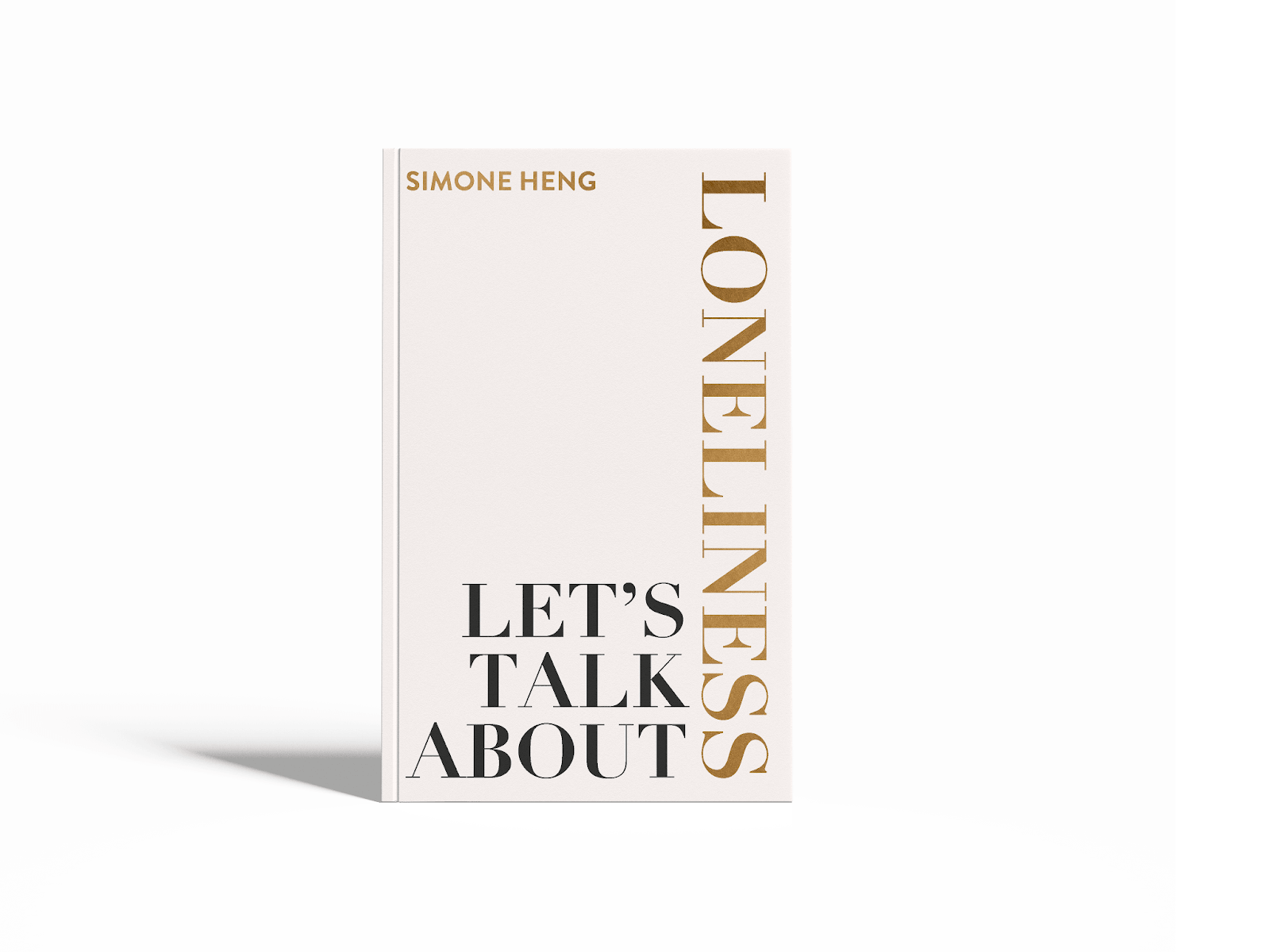
The Mission of Award-Winning Author Simone Heng and How Let’s Talk About Loneliness Expands Its Message Through Its Chinese Launch

Loneliness is often seen as a personal feeling, but for Simone Heng, it became a question worth exploring on a global scale.

Now, with the upcoming Chinese translation of her 2023 book, Let’s Talk About Loneliness, her message is reaching a new audience and entering a new chapter.

What began as a deeply personal experience has grown into a wider mission to make conversations about loneliness more accessible across cultures.

From Personal Isolation to a Written Voice

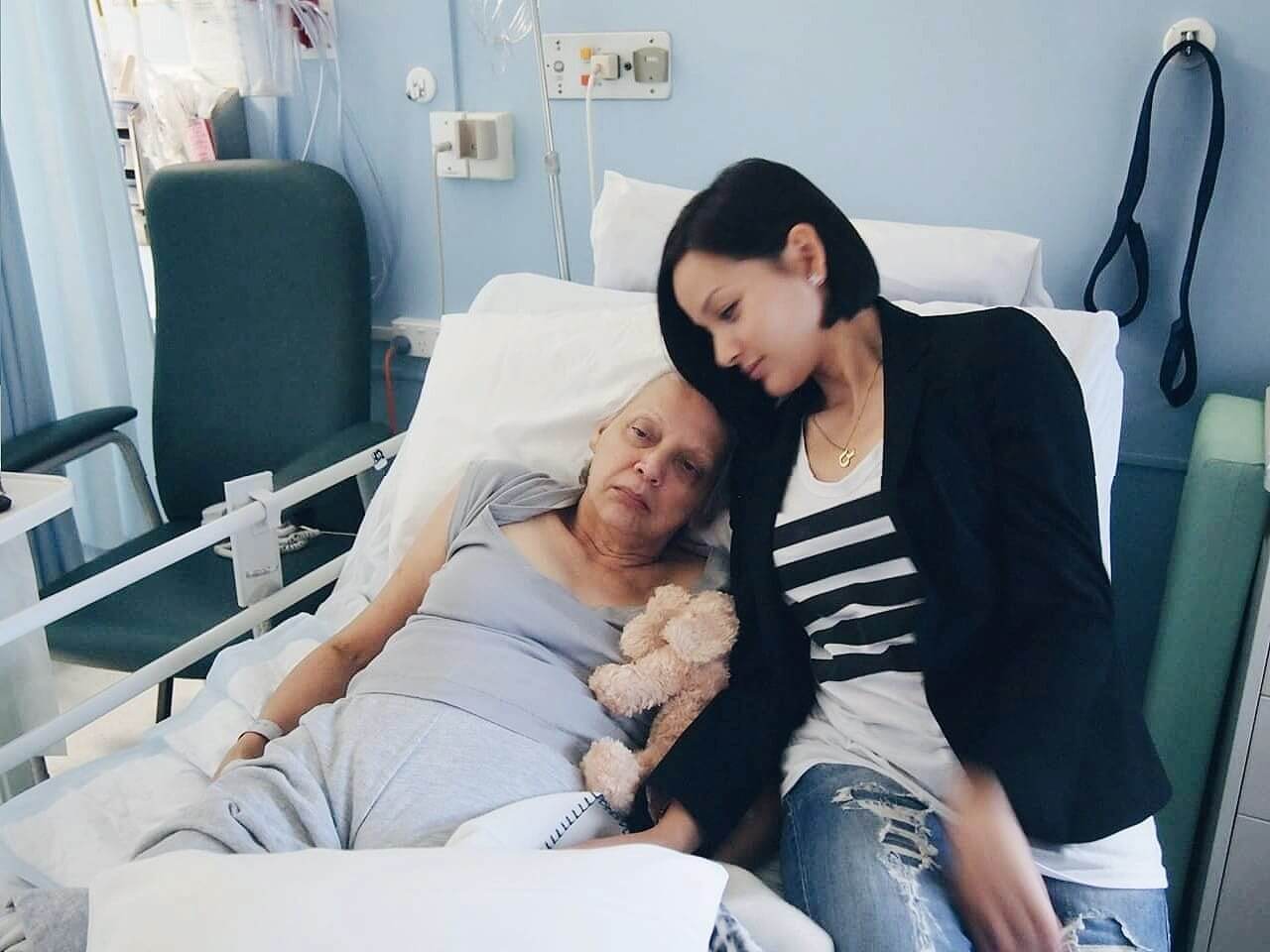
Simone Heng’s book Let’s Talk About Loneliness was born from a period of deep emotional isolation. After leaving her broadcasting career to care for her paralyzed mother, she found herself cut off from her social world. While others were building families and careers, she was navigating caregiving, grief, and isolation.

Before that chapter, her life had always been shaped by movement. She was born and is based in Singapore, grew up in Australia, studied in Switzerland, and worked in the UAE. Her background reflects a mix of cultures, even reflected in her DNA, which shows 11 different ethnicities.

But the defining moments were not just about where she had been, but what she had gone through. She lost her father at 19, and 10 years later, along with her sister, became the main support to her mother. Those experiences reshaped her priorities and slowly pulled her away from the life she was chasing.

In that quieter, more difficult season, she began asking questions she could not ignore. Why does loneliness feel so heavy, even when you are not physically alone? Why is it so hard to talk about?

Over time, Simone realized something that became central to her work. Loneliness is not simply about being alone. It is the gap between the kind and amount of connection a person wants and what they are actually experiencing.

A Book That Challenges Cultural Assumptions

Let’s Talk About Loneliness explores an idea many people overlook. Loneliness can exist even in collectivist societies. Simone highlights how cultural expectations, emotional restraint, and unspoken pressures can make it harder to express isolation. This perspective brought a diverse lens to the dialogue on loneliness often dominated by Western viewpoints.

She points out that in cultures where people are expected to always be surrounded by family, saying “I am lonely” can carry stigma. At the same time, many connections are shaped by obligation rather than genuine emotional closeness. These kinds of relationships do not always meet deeper emotional needs, and can leave people feeling alone even when they are not physically isolated.

Retitled in Chinese as “Anyway, I Am Just as Lonely,” it will be available in Xinhua, Sisyphus, and Yanijou bookstores in China. The book blends research with lived experience, making it both informative and deeply personal. With the release of the Chinese edition, the focus is on reaching Chinese-speaking communities where conversations around loneliness are often less visible.

Building a Mission Around Human Connection

Beyond the book, Simone Heng’s work continues to focus on one idea. Human connection is not just something we hope for, but something we absolutely must learn and build, particularly in the era of AI.

After spending 15 years in broadcasting, she chose to step away and start again in 2019. It was not an easy decision, and she built her career without financial backing, relying on persistence and clarity in what she wanted to create.

Today, she is a global speaker who works with leading organizations such as Google, Meta, Harvard University, and JPMorgan. She teaches audiences how to build meaningful connections both in and beyond the workplace.

Her message continues to resonate because it speaks to something many people are quietly experiencing. Without a sense of belonging and psychological safety, it becomes harder to think clearly, create, and show up fully.

At its core, her work is a reminder that connection is not about how many people are around us. It is about how understood we feel. And sometimes, putting that feeling into words is the first step toward changing it.

Learn more about Simone Heng here:

📍Website

Green Blue and White Minimalist Landscape Desktop Wallpaper-png

Stories

How Brett Bolton and Kayden Beasley Turned Adversity Into Triumph at the 2026 Paralympics

Two athletes, shaped by similar beginnings, turned personal challenges into a defining moment on the world stage.

Both were born in China and later adopted into the United States, where they grew up navigating identity, resilience, and belonging.

At the 2026 Winter Paralympic Games, their journeys came full circle as they helped lead Team USA to gold.

Image Source: Team USA Hockey

Brett Bolton’s Journey to the Top

Born in China with a congenital limb difference, Brett Bolton was adopted into the United States at just three years old, growing up in an environment that pushed him to adapt early and often. What could have been limitations became the foundation for resilience, shaping how he approached both life and sport.

That same quiet determination followed him onto the ice, where he carved out a place as a rookie forward for the U.S. sled hockey team. At the 2026 Winter Paralympic Games, Bolton didn’t just participate, he rose to the top, helping secure a gold medal and marking a powerful arrival on the global stage.

Image Source: NHL

Kayden Beasley’s Defining Moment

Like Bolton, Kayden Beasley’s story began in China before being adopted into the United States, where he grew up navigating questions of identity alongside his development as an athlete. Over time, discipline on the ice became his anchor, helping him build both physical strength and self-belief.

Years of training led to a defining moment at the 2026 Winter Paralympics, when Beasley delivered a clutch goal in the final. That single play helped seal a gold medal for Team USA, turning years of preparation into a moment that will be remembered on one of sport’s biggest stages.

Image Source: NPR

More Than a Medal: A Shared Story of Representation

At the 2026 Paralympic Games, their journeys intersected in a space that celebrates ability in all its forms. Beyond the competition, their presence highlights a broader shift in how athletes with impairments are seen, valued, and represented.

Their victories go beyond the scoreboard, carrying meaning for communities that rarely see themselves reflected at the highest levels of sport. Together, their stories stand as a reminder that representation is not just about visibility, but about redefining what strength and success look like.

1

Stories

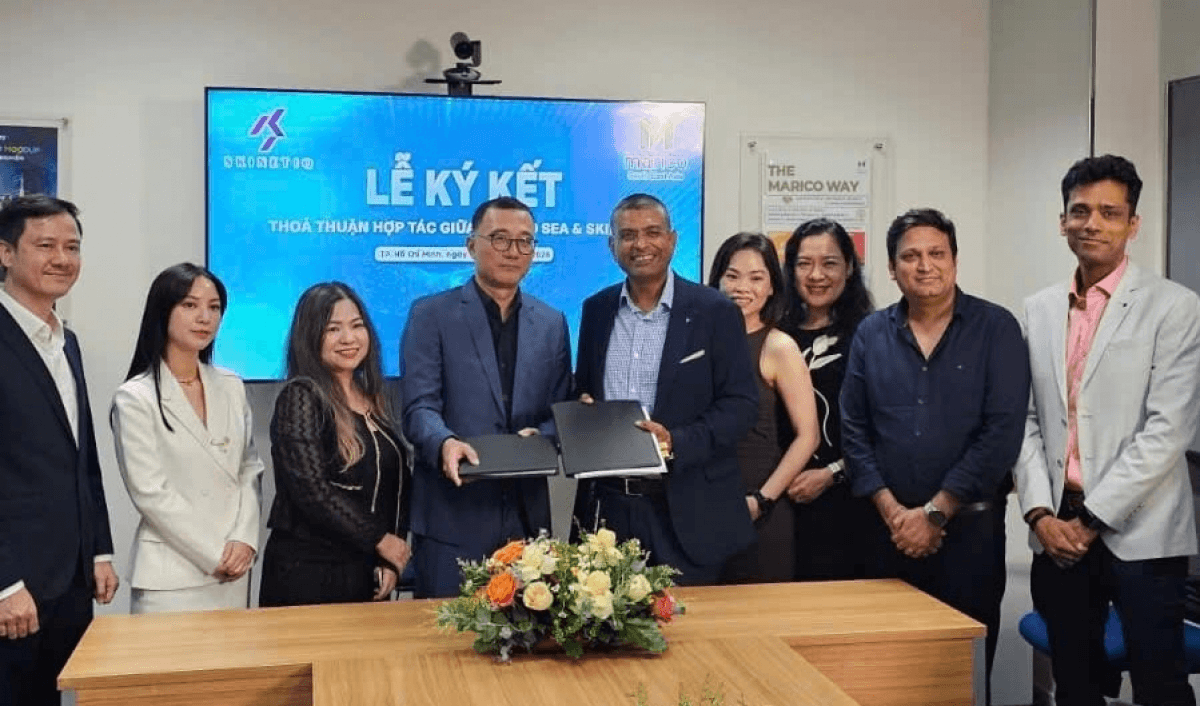
A $38M Startup Exit That Rarely Happens in Vietnam: How Skinetiq Founder Hannah Nguyen Built a Trust-First Beauty Brand and Landed a Deal with Marico

Big exits in Vietnam’s startup scene are rare, but Hannah Nguyen proved they’re possible with the right foundation.

Long before Skinetiq became a multi-million-dollar brand, her journey started with a simple curiosity for beauty.

What followed was a business built not just on products, but on trust, community, and systems that scale.

Image Source: The Business Times

Starting With Trust

Hannah Nguyen’s story began on a rural coffee farm, where she experimented with making lipstick from berries using whatever she had on hand. That early curiosity grew into a strong passion for beauty, shaping how she approached products and people. It became the foundation of how she would later build her brand.

As she shared her journey online, she built a loyal community that trusted her voice. In a market like Vietnam where counterfeit products are common, that trust became her biggest edge. Instead of following trends, she focused on being real, which helped her turn followers into customers.

Image Source: Vietnam Investment Review

Growing Into a Real Business

Rather than continuing to sell other brands, Skinetiq chose to create its own skincare line. By solving real customer problems, the brand reached $16.5 million in revenue and proved strong demand. This step helped shift the business from content-driven sales to a product-focused company.

At the same time, Skinetiq built systems that allowed the business to run without relying on Hannah every day. This made the company more stable and easier to scale over time. That independence attracted Marico, leading to a majority stake deal at a $38 million valuation and showing how creators can build businesses that last.

1-jpg

Stories

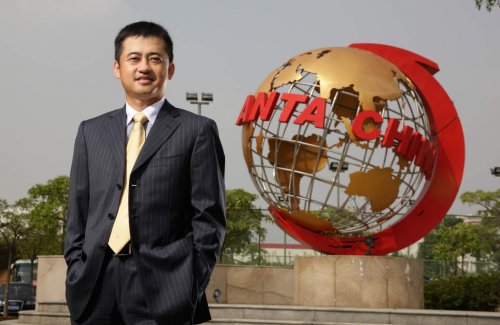
How China’s Anta Became Puma’s Largest Shareholder and the World’s No. 3 Sportswear Giant Behind Nike and Adidas

China’s Anta Sports is making a bold global move, stepping beyond its home market with a major investment in Puma.

The company acquired a 29 percent stake in the German sportswear brand in a $1.8 billion deal, becoming Puma’s largest shareholder.

This signals Anta’s growing ambition to compete head-to-head with the biggest names in the global sportswear industry.

Image Source: Yicai Global

From Small Workshop to Global Brand

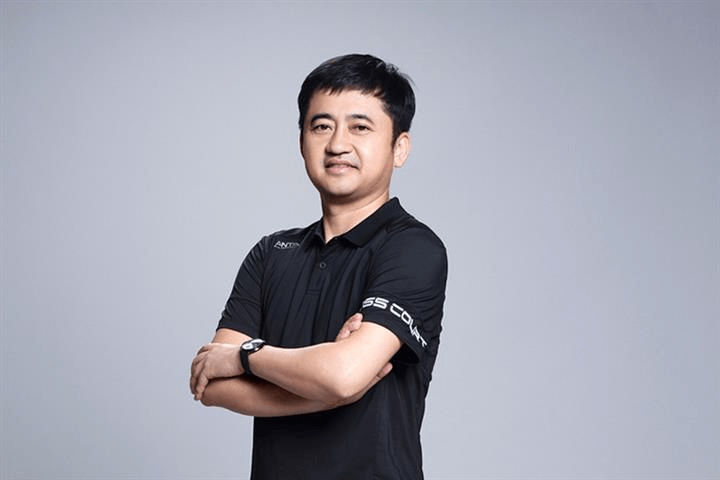
Anta’s journey began in 1986 when founder Ding Shizong, a high school dropout from Fujian, borrowed 10,000 yuan from his father to start reselling shoes. After quickly turning a profit, he reinvested his earnings and built a small manufacturing workshop. This early hustle laid the foundation for what would become one of China’s biggest sportswear companies.

By 1991, Anta had officially launched its own brand and began expanding across China. Over time, the company focused on scaling production, improving product quality, and building strong local distribution. These efforts helped Anta grow from a small business into a global brand with a strong foothold in the sportswear market.

Image Source: CGTN

Competing With the World’s Biggest Brands

Today, Anta controls around 23 percent of China’s sportswear market, surpassing both Nike and Adidas within the country. Its dominance at home has helped fuel its rise on the global stage, where it now ranks as the third-largest sportswear company. This growth reflects both strong local demand and strategic expansion beyond China.

Founder Ding Shizong has made it clear that Anta’s vision goes beyond being a regional leader. Rather than becoming the “Nike of China,” he aims to build what he calls the “Anta of the world.” With its recent investment in Puma, the company is taking a major step toward that goal and solidifying its place among the industry’s global giants.