Eunice Chen’s Táng Transforms Childhood Night Market into a Moving Animated Story
Stories
March 24, 2025
SHARE:
After transitioning from her career as a teacher to an animation artist and illustrator, the talented Eunice Chen once again decided to test her abilities by creating an animated short film project called Táng (糖).
“人算不如天算” — in Chinese belief, every encounter is predestined and our current state is the fruit of past karma. One life ago, we were somehow, unknowingly, cultivating our karmic connections, which ultimately led to this present life’s encounters or coincidences.
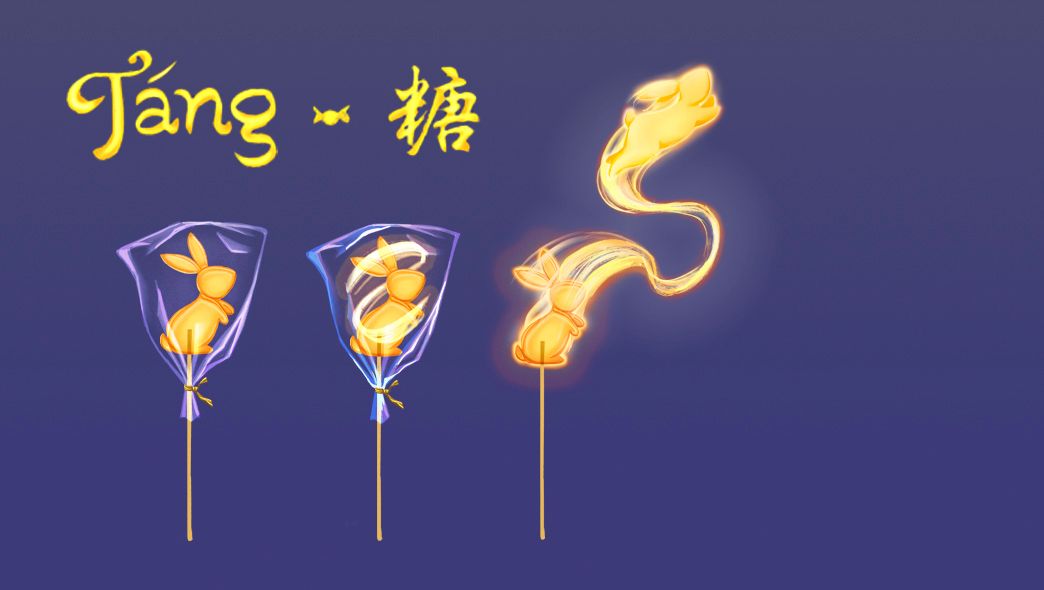
Táng is a movie about one of those by-chance encounters as well that integrates the art of 糖画 (tánghuà). Through the lens of tánghuà – a traditional Chinese sugar-painting art, this unexpected relationship arrives and flourishes into a confounding yet paramount work of fatherhood, family, and fate.
THE INSPIRATION BEHIND TÁNG
Growing up between the U.S. and Taiwan, Eunice developed deep-rooted cultural memories that shaped her appreciation for her heritage. In this new venture, she continues exploring culture—this time, through nostalgia.
Where should we begin? Back to her childhood in Taiwan, like every other child, Eunice loved going out and visiting open-air markets. Bustling lines of food vendors, jittery echoes of chatters, and also a rare occasion when one can play games without their parents’ side eyes, open markets are the idols of many young children in Taiwan. It is also where she was introduced to the art of sugar-painting.
Reflecting on this memory, Eunice shares:
Yes, the idea of this story first came from my childhood memories of visiting open-air markets and night markets in Taiwan. Whenever I visited those markets, I would always make sure to visit the candy stalls, where master candy makers sculpted these lollipops that were amazing pieces of art and also very tasty confections. And I’ve always had a giant sweet tooth, so I started my film out of a place of joy.
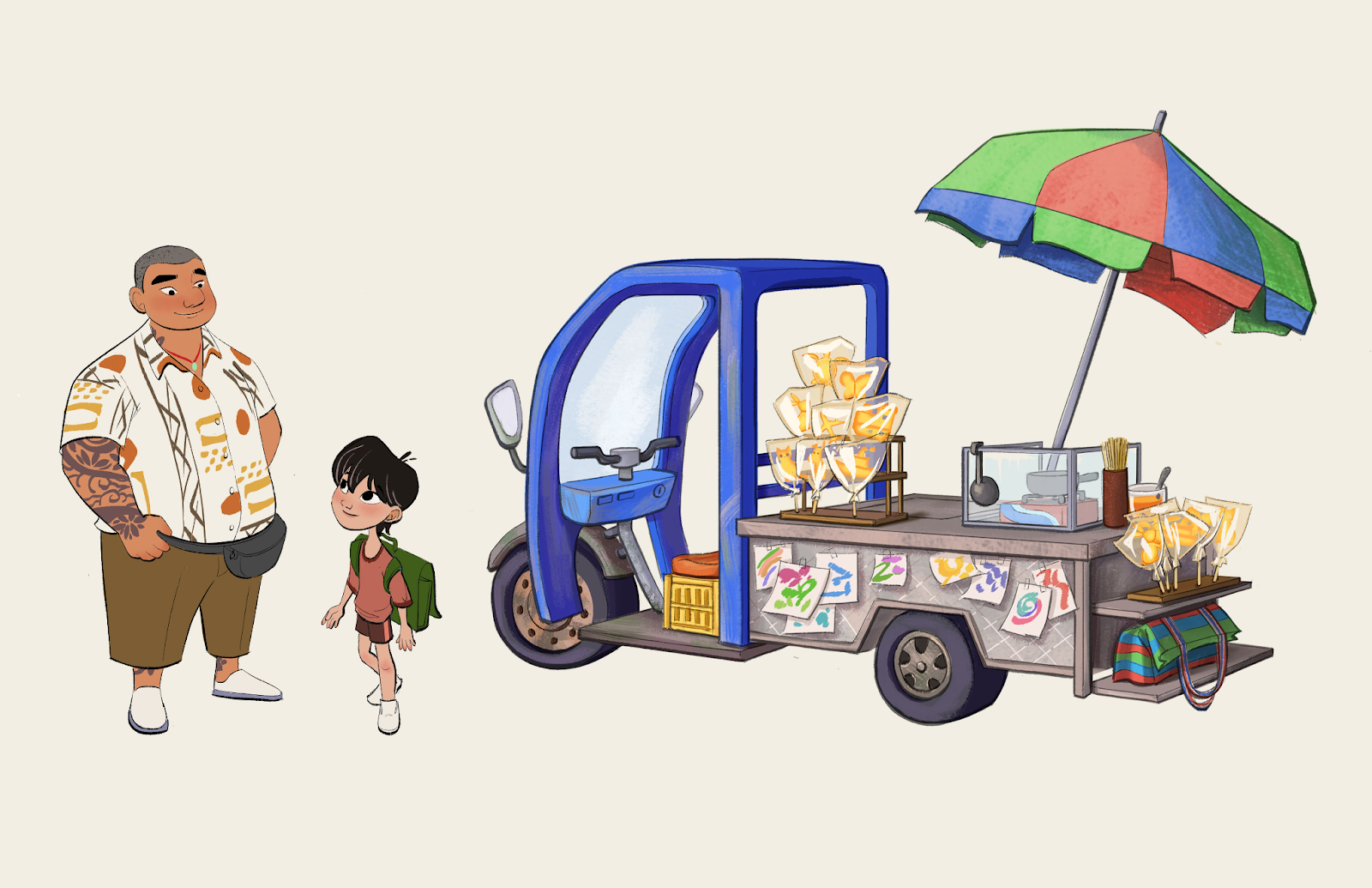
The short film centers around the meaningful connection between a sugar-painting street vendor (left) and a student.
A REFRESHING TAKE ON FATHERHOOD AND FAMILY
In Chinese families, “血浓于水” (Blood is thicker than water) has long been a staple for centuries—that family is of utmost importance, and the bloodbound places more value than strangers. It is only natural that the concept of a “chosen family” may irk some, who put a sense of filial piety and duty in high regard.
Of course, it feels almost peculiar for Eunice Chen – the eldest child, who has switched careers, from landing a “safe” job at teaching to taking a more off-the-beaten-path direction towards doll-making and now…animation artist and now…film director!! So expect the unexpected layers and nuances Eunice has painted Táng. Táng is more than just a love letter to Taiwanese night markets. It’s one that Eunice picks up the lack of positive portrayals of father-and-son relationships in the Asian community.
“When someone makes art or a film, sometimes they are painting a world they wish they had or would like to see in the future. I wish I had seen more strong bonds between Asian fathers and sons as I grew up,” Eunice shares.
While Táng’s messaging can cover this complex matter only to a certain extent; here, Eunice is after something more personal for many Asians: “a healing balm” for those with similar experiences. However, Eunice adds that she’s been seeing a lot of change in parenting recently. She says, “I am super proud of how intentional and hands-on Asian fathers from my generation (and beyond) have been with their children!”
Now, Eunice is bringing Táng to life, but she needs our support.
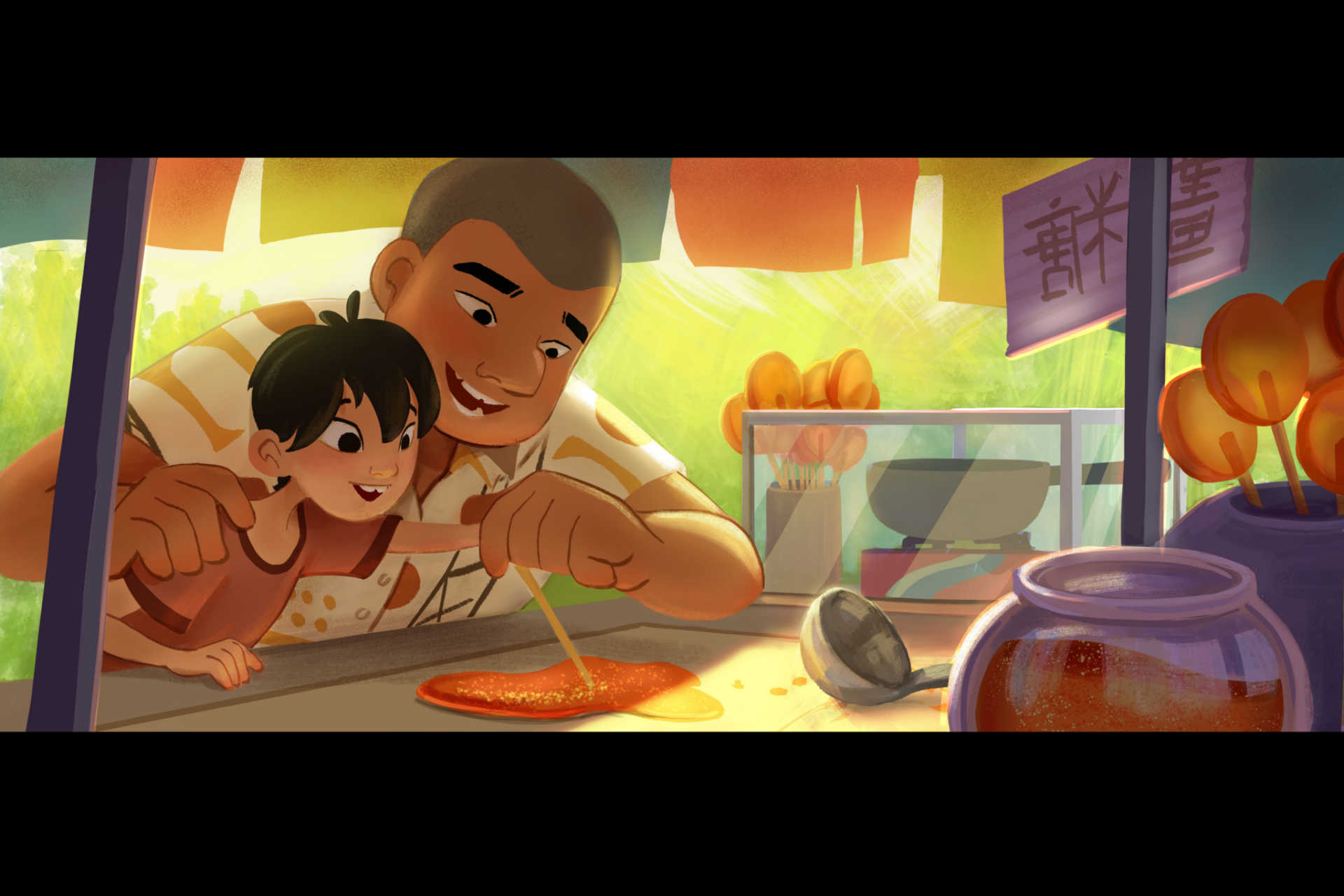
A scene involving the art of sugar-painting.
JOIN THE JOURNEY: SUPPORT TÁNG
The idea for Táng came to Eunice during a storyboarding class, when asked to create quick story concepts. Táng was one of the ideas she came up with, leading her to develop a script—her first ever. While world-building and character design might be her forte, the real challenge followed: securing funding. Facing multiple rejections, it took one “yes” from what she thought would be her final meeting to reignite her determination.
The initial funding allowed her to assemble a small but passionate team, who have since created the film’s first three minutes. Now, they need additional support to complete the project, leading to the launch of their Kickstarter campaign.
But independent films—especially ones that bring forward Asian heritage and underrepresented narratives—need tremendous community support.
Supporting the Táng crowdfunding campaign is a step forward to preserving a piece of cultural heritage while amplifying nuanced Asian fatherhood stories, and ensuring that art like this can continue to thrive.
“Keep working on your art and portfolio. Get to know people already working in the industry and learn from them. And make art that comes from the heart and makes you happy. It’s going to be very difficult, especially given the current state of things in the animation industry as a whole, but if this is truly what you want, then don’t give up!”
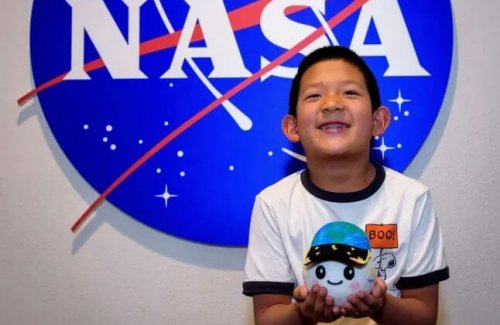
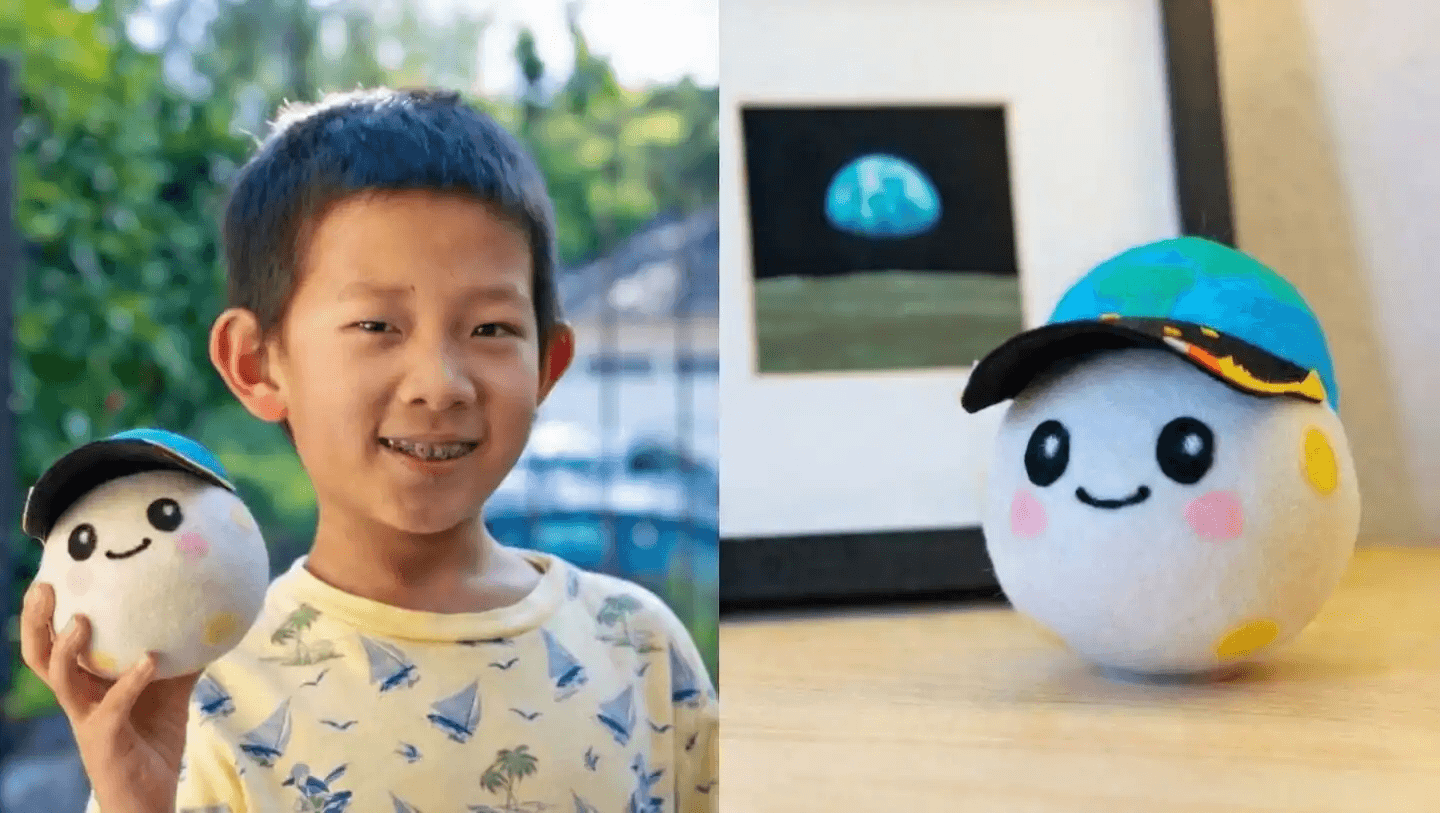
An eight-year-old in California turned a simple drawing into something that will travel beyond Earth.
Lucas Ye entered a global NASA contest and watched his idea rise above thousands of entries from around the world.
Now, his creation is not just a sketch, but a real mascot preparing to float alongside astronauts in space.
Image Source: NewsBytes
From Sketchbook to Spacecraft
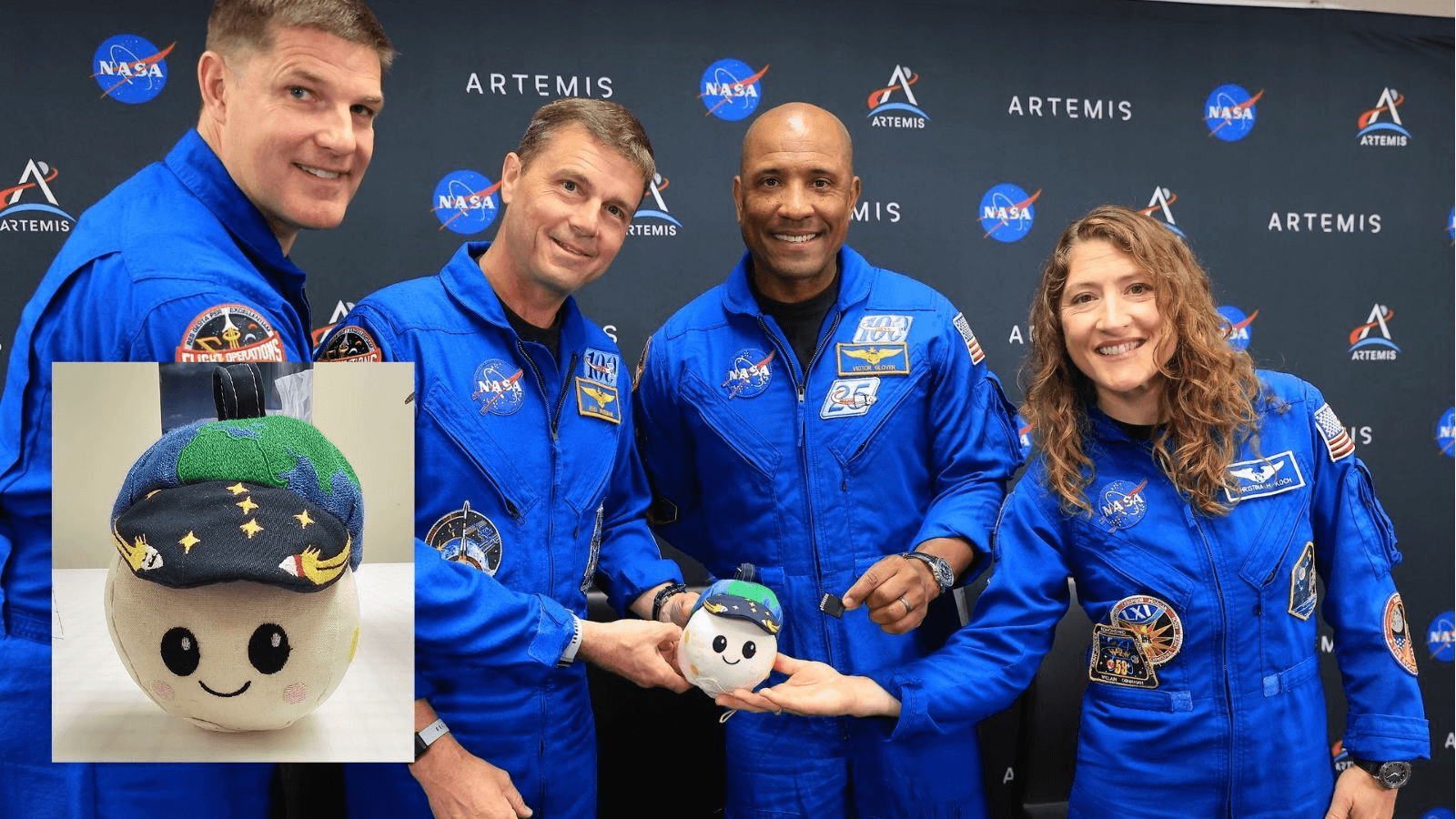
Lucas Ye was just eight years old when he decided to draw a mascot for the Artemis II mission, not knowing it would become something much bigger. His design stood out in a global competition, eventually winning and being transformed into a plush named Rise. What started as a simple idea on paper quickly earned a place inside a real spacecraft.
The journey from drawing to physical mascot shows how ideas can move fast when they resonate. NASA took Lucas’s concept and turned it into something tangible, something that could sit beside astronauts on a real mission. It is a reminder that creativity does not need years of experience to matter, it just needs a starting point.
Image Source: Sally Ride Science
A Small Toy With a Big Role
Rise is not just there for the ride, it plays a meaningful role inside the cabin. As the spacecraft reaches orbit, the plush will begin to float, signaling that the crew has entered zero gravity. It is a simple but powerful way to show a major moment in the mission.
NASA has a long tradition of using mascots like this, but this one carries a different kind of weight. It represents a child’s imagination becoming part of a real scientific journey, blending emotion with exploration. Lucas now joins a legacy of space mascots, showing that even the smallest ideas can make it all the way to space.
Loneliness is often seen as a personal feeling, but for Simone Heng, it became a question worth exploring on a global scale.
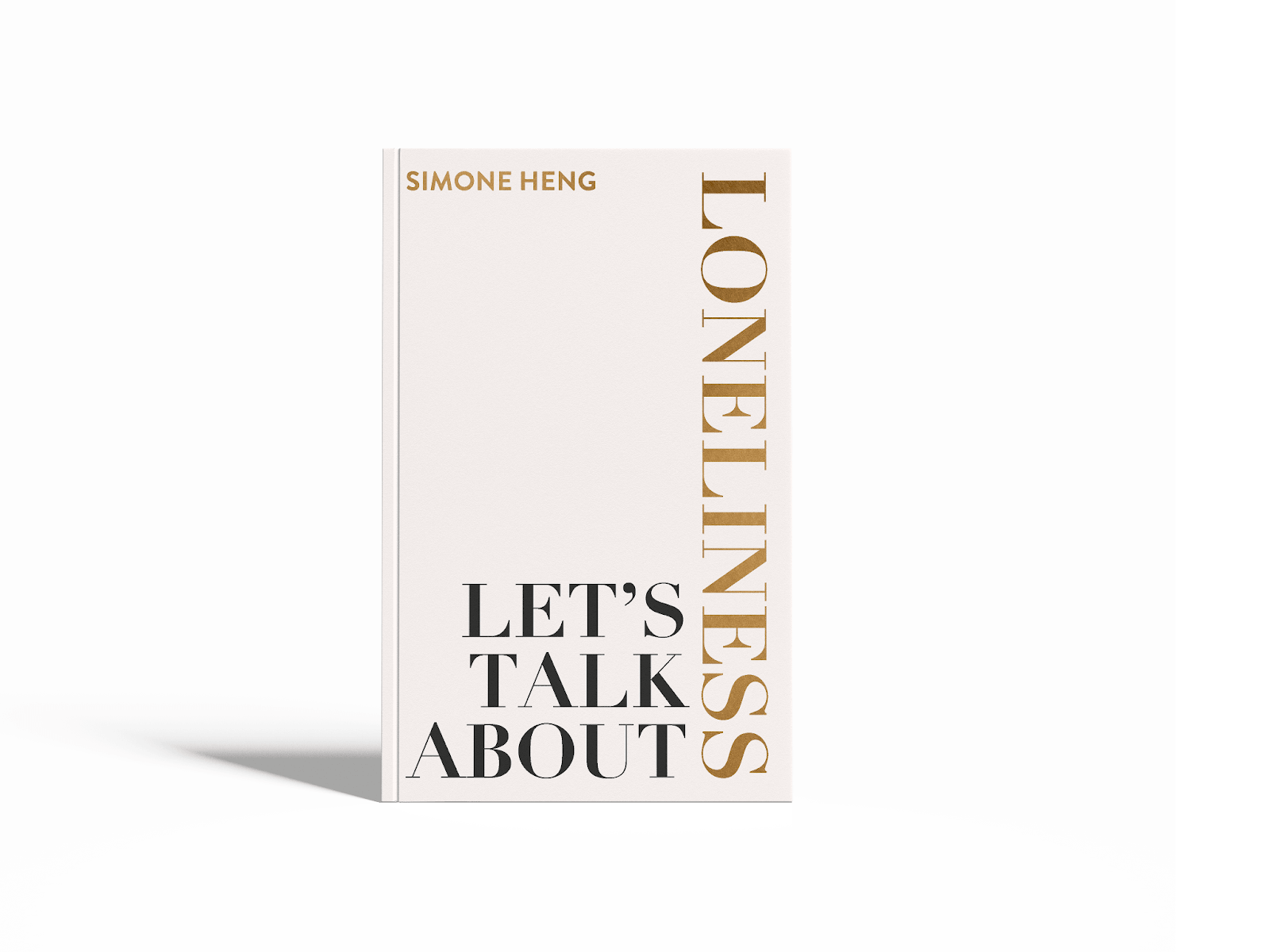
Now, with the upcoming Chinese translation of her 2023 book, Let’s Talk About Loneliness, her message is reaching a new audience and entering a new chapter.
What began as a deeply personal experience has grown into a wider mission to make conversations about loneliness more accessible across cultures.
From Personal Isolation to a Written Voice
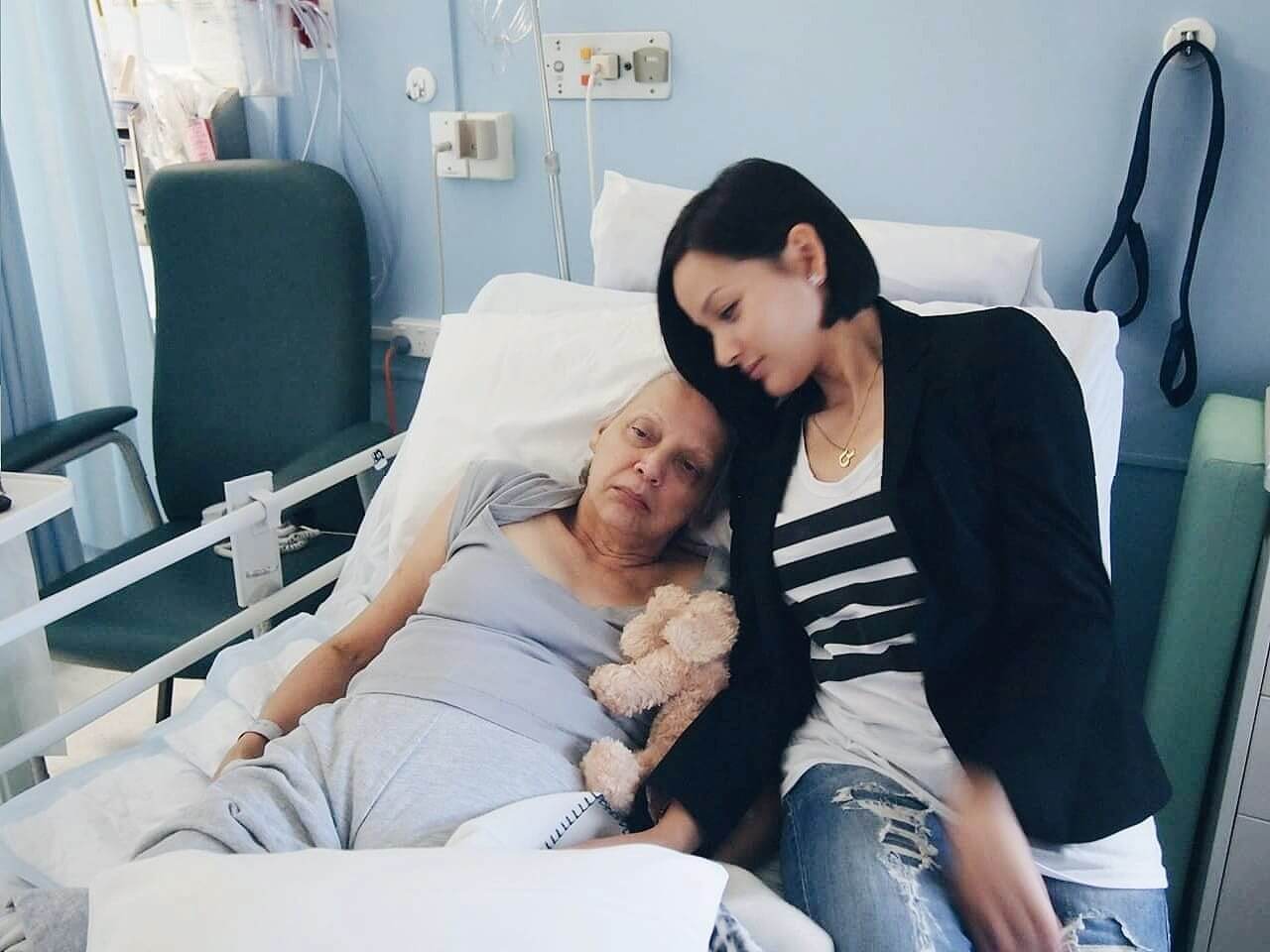
Simone Heng’s book Let’s Talk About Loneliness was born from a period of deep emotional isolation. After leaving her broadcasting career to care for her paralyzed mother, she found herself cut off from her social world. While others were building families and careers, she was navigating caregiving, grief, and isolation.
Before that chapter, her life had always been shaped by movement. She was born and is based in Singapore, grew up in Australia, studied in Switzerland, and worked in the UAE. Her background reflects a mix of cultures, even reflected in her DNA, which shows 11 different ethnicities.
But the defining moments were not just about where she had been, but what she had gone through. She lost her father at 19, and 10 years later, along with her sister, became the main support to her mother. Those experiences reshaped her priorities and slowly pulled her away from the life she was chasing.
In that quieter, more difficult season, she began asking questions she could not ignore. Why does loneliness feel so heavy, even when you are not physically alone? Why is it so hard to talk about?
Over time, Simone realized something that became central to her work. Loneliness is not simply about being alone. It is the gap between the kind and amount of connection a person wants and what they are actually experiencing.
A Book That Challenges Cultural Assumptions
Let’s Talk About Loneliness explores an idea many people overlook. Loneliness can exist even in collectivist societies. Simone highlights how cultural expectations, emotional restraint, and unspoken pressures can make it harder to express isolation. This perspective brought a diverse lens to the dialogue on loneliness often dominated by Western viewpoints.
She points out that in cultures where people are expected to always be surrounded by family, saying “I am lonely” can carry stigma. At the same time, many connections are shaped by obligation rather than genuine emotional closeness. These kinds of relationships do not always meet deeper emotional needs, and can leave people feeling alone even when they are not physically isolated.
Retitled in Chinese as “Anyway, I Am Just as Lonely,” it will be available in Xinhua, Sisyphus, and Yanijou bookstores in China. The book blends research with lived experience, making it both informative and deeply personal. With the release of the Chinese edition, the focus is on reaching Chinese-speaking communities where conversations around loneliness are often less visible.
Building a Mission Around Human Connection
Beyond the book, Simone Heng’s work continues to focus on one idea. Human connection is not just something we hope for, but something we absolutely must learn and build, particularly in the era of AI.
After spending 15 years in broadcasting, she chose to step away and start again in 2019. It was not an easy decision, and she built her career without financial backing, relying on persistence and clarity in what she wanted to create.
Today, she is a global speaker who works with leading organizations such as Google, Meta, Harvard University, and JPMorgan. She teaches audiences how to build meaningful connections both in and beyond the workplace.
Her message continues to resonate because it speaks to something many people are quietly experiencing. Without a sense of belonging and psychological safety, it becomes harder to think clearly, create, and show up fully.
At its core, her work is a reminder that connection is not about how many people are around us. It is about how understood we feel. And sometimes, putting that feeling into words is the first step toward changing it.
Two athletes, shaped by similar beginnings, turned personal challenges into a defining moment on the world stage.
Both were born in China and later adopted into the United States, where they grew up navigating identity, resilience, and belonging.
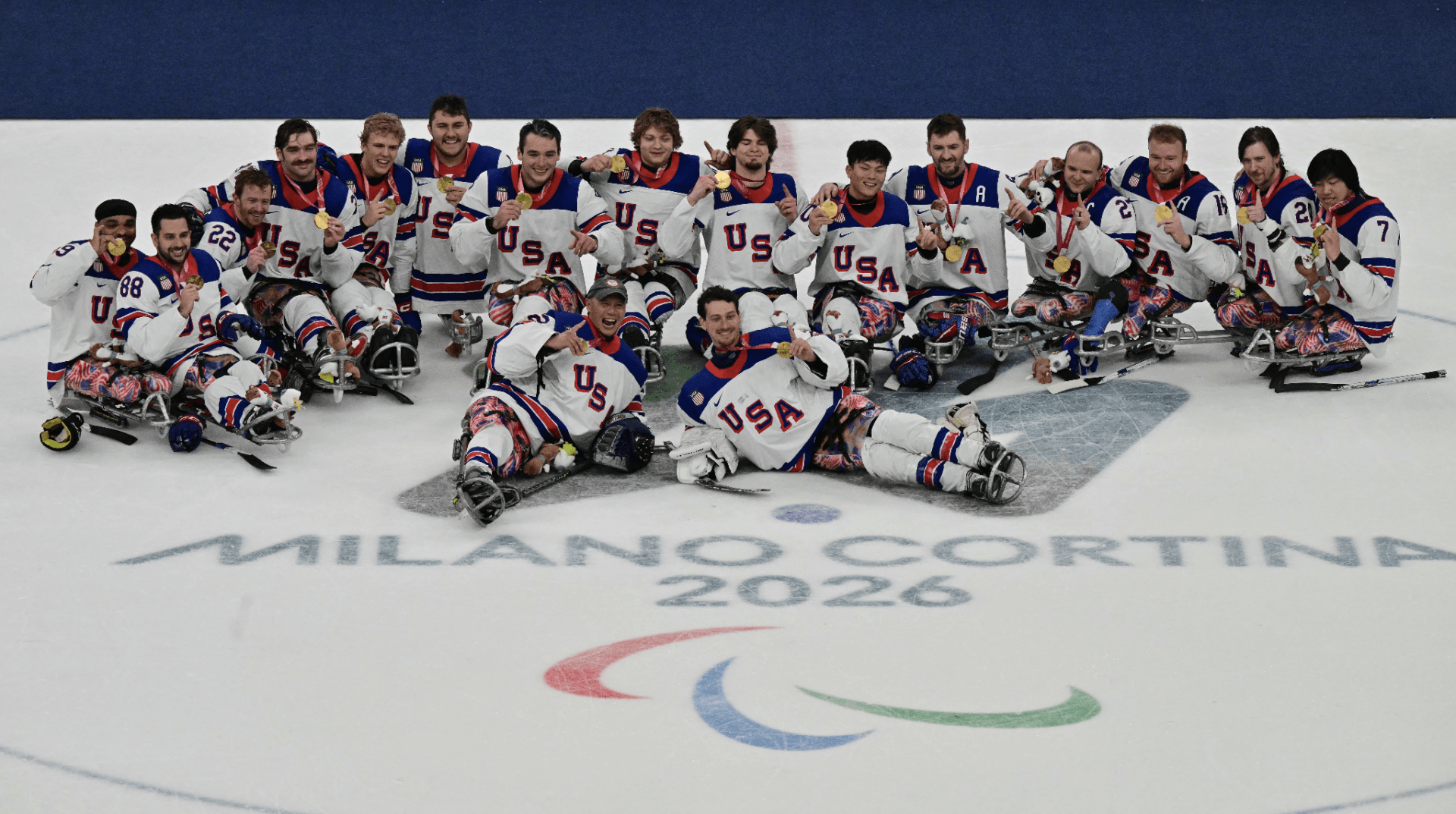
At the 2026 Winter Paralympic Games, their journeys came full circle as they helped lead Team USA to gold.
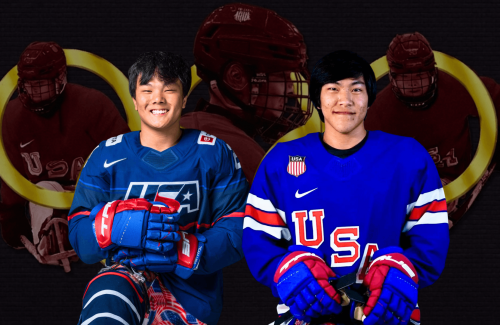
Image Source: Team USA Hockey
Brett Bolton’s Journey to the Top
Born in China with a congenital limb difference, Brett Bolton was adopted into the United States at just three years old, growing up in an environment that pushed him to adapt early and often. What could have been limitations became the foundation for resilience, shaping how he approached both life and sport.
That same quiet determination followed him onto the ice, where he carved out a place as a rookie forward for the U.S. sled hockey team. At the 2026 Winter Paralympic Games, Bolton didn’t just participate, he rose to the top, helping secure a gold medal and marking a powerful arrival on the global stage.
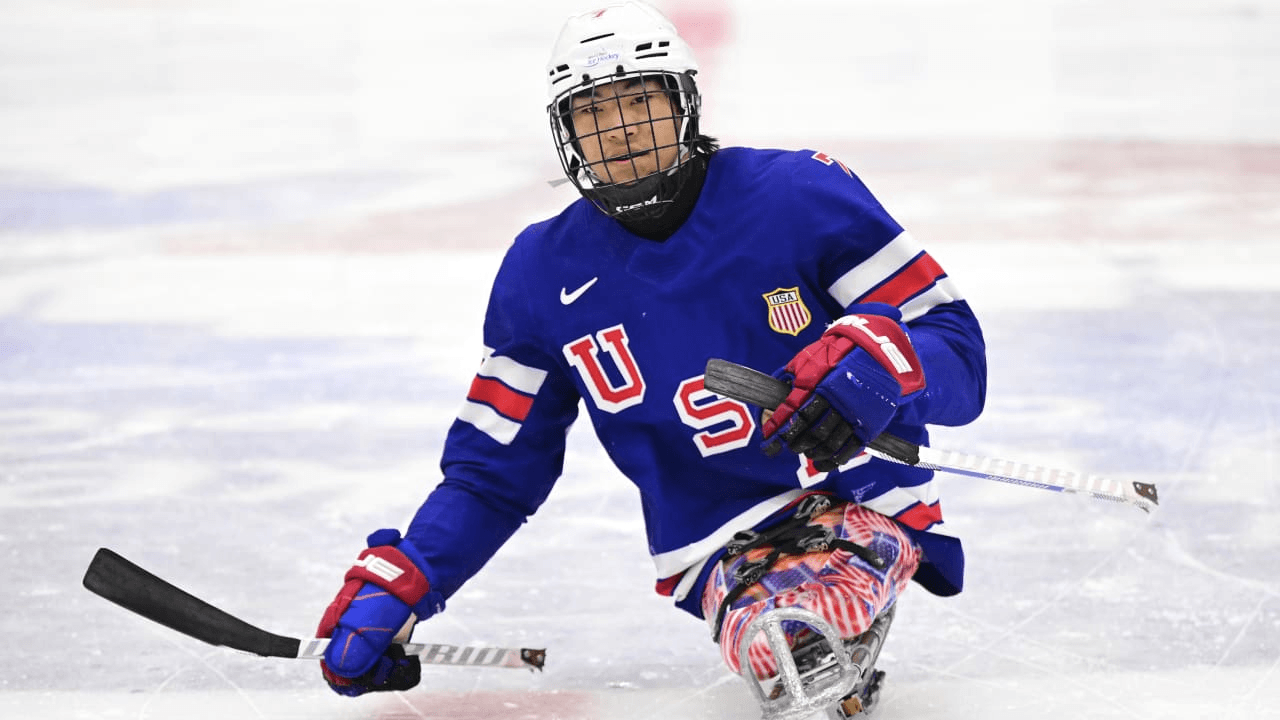
Image Source: NHL
Kayden Beasley’s Defining Moment
Like Bolton, Kayden Beasley’s story began in China before being adopted into the United States, where he grew up navigating questions of identity alongside his development as an athlete. Over time, discipline on the ice became his anchor, helping him build both physical strength and self-belief.
Years of training led to a defining moment at the 2026 Winter Paralympics, when Beasley delivered a clutch goal in the final. That single play helped seal a gold medal for Team USA, turning years of preparation into a moment that will be remembered on one of sport’s biggest stages.
Image Source: NPR
More Than a Medal: A Shared Story of Representation
At the 2026 Paralympic Games, their journeys intersected in a space that celebrates ability in all its forms. Beyond the competition, their presence highlights a broader shift in how athletes with impairments are seen, valued, and represented.
Their victories go beyond the scoreboard, carrying meaning for communities that rarely see themselves reflected at the highest levels of sport. Together, their stories stand as a reminder that representation is not just about visibility, but about redefining what strength and success look like.
Big exits in Vietnam’s startup scene are rare, but Hannah Nguyen proved they’re possible with the right foundation.
Long before Skinetiq became a multi-million-dollar brand, her journey started with a simple curiosity for beauty.
What followed was a business built not just on products, but on trust, community, and systems that scale.
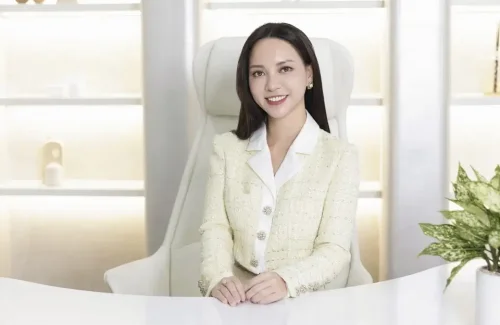
Image Source: The Business Times
Starting With Trust
Hannah Nguyen’s story began on a rural coffee farm, where she experimented with making lipstick from berries using whatever she had on hand. That early curiosity grew into a strong passion for beauty, shaping how she approached products and people. It became the foundation of how she would later build her brand.
As she shared her journey online, she built a loyal community that trusted her voice. In a market like Vietnam where counterfeit products are common, that trust became her biggest edge. Instead of following trends, she focused on being real, which helped her turn followers into customers.
Image Source: Vietnam Investment Review
Growing Into a Real Business
Rather than continuing to sell other brands, Skinetiq chose to create its own skincare line. By solving real customer problems, the brand reached $16.5 million in revenue and proved strong demand. This step helped shift the business from content-driven sales to a product-focused company.
At the same time, Skinetiq built systems that allowed the business to run without relying on Hannah every day. This made the company more stable and easier to scale over time. That independence attracted Marico, leading to a majority stake deal at a $38 million valuation and showing how creators can build businesses that last.