Stories

September 28, 2024

SHARE:

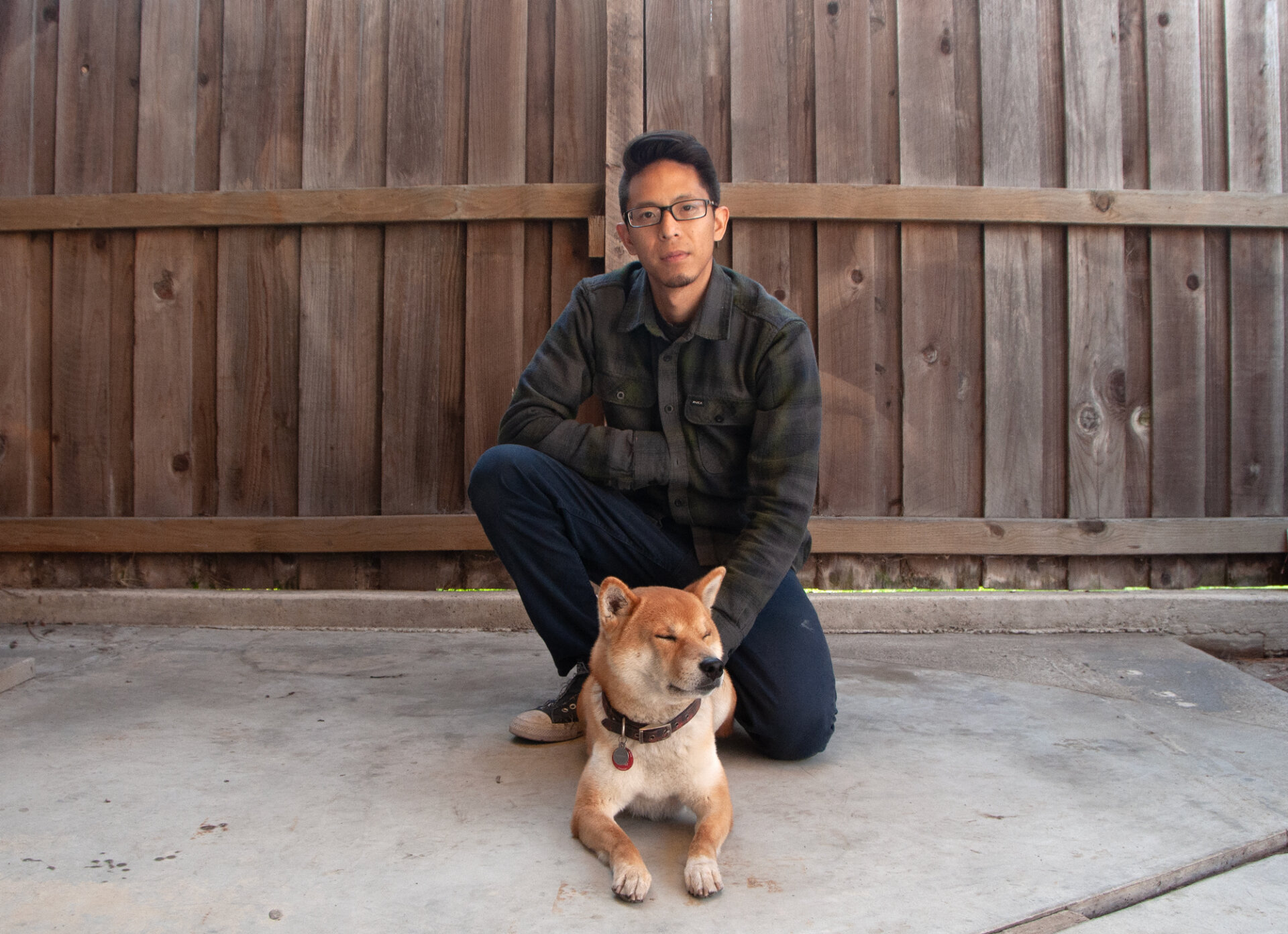
Eric Le Tai is not your typical product designer.

As the Founder of Collective Engram, an online design studio based in Nevada, Eric has carved out a niche for himself by blending creativity with purpose. With a background in art direction and a keen focus on user experience (UX) research, he is driven by research-based design that impacts the community and connects business brands with their customers.

But how did Eric get here?

Eric’s journey began in 2019 when he took a pivotal step by studying social impact in New York. There, he discovered how to craft digital solutions that address economic challenges. This ultimately inspired him to pursue entrepreneurship seriously. “My passion for entrepreneurship has always driven me, but transitioning from a traditional 9-5 mindset has been a journey,” Eric shared with AHN.

Despite all the hurdles that he’s encountered, Eric is proud of his willingness to take risks, embrace failure, and keep moving forward.

Through Collective Engram, Eric hopes to form a collaborative community of professionals—designers, researchers, and developers—working together to deliver innovative digital services to small businesses in need.

His mission is simple but profound: to empower entrepreneurs and small businesses by offering design and research services tailored to their needs, while also creating new opportunities for collaboration within the industry.

The Services of Collective Engram

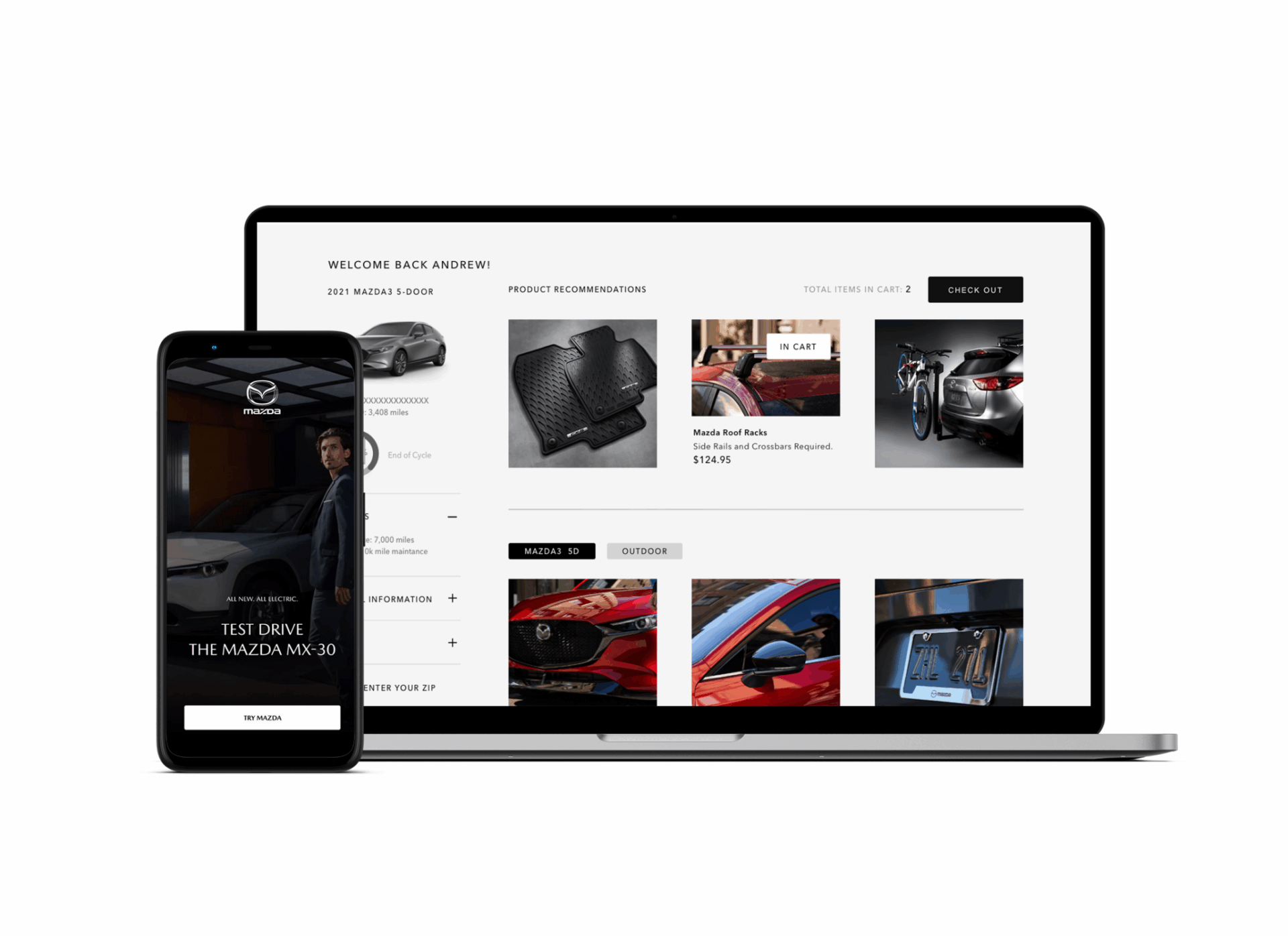
Eric offers a wide range of services that cater to businesses and entrepreneurs at different stages of their digital journeys. His primary focus is on final design deliverables for web, applications, and print. Clients can opt for additional research services, but they are not always required.
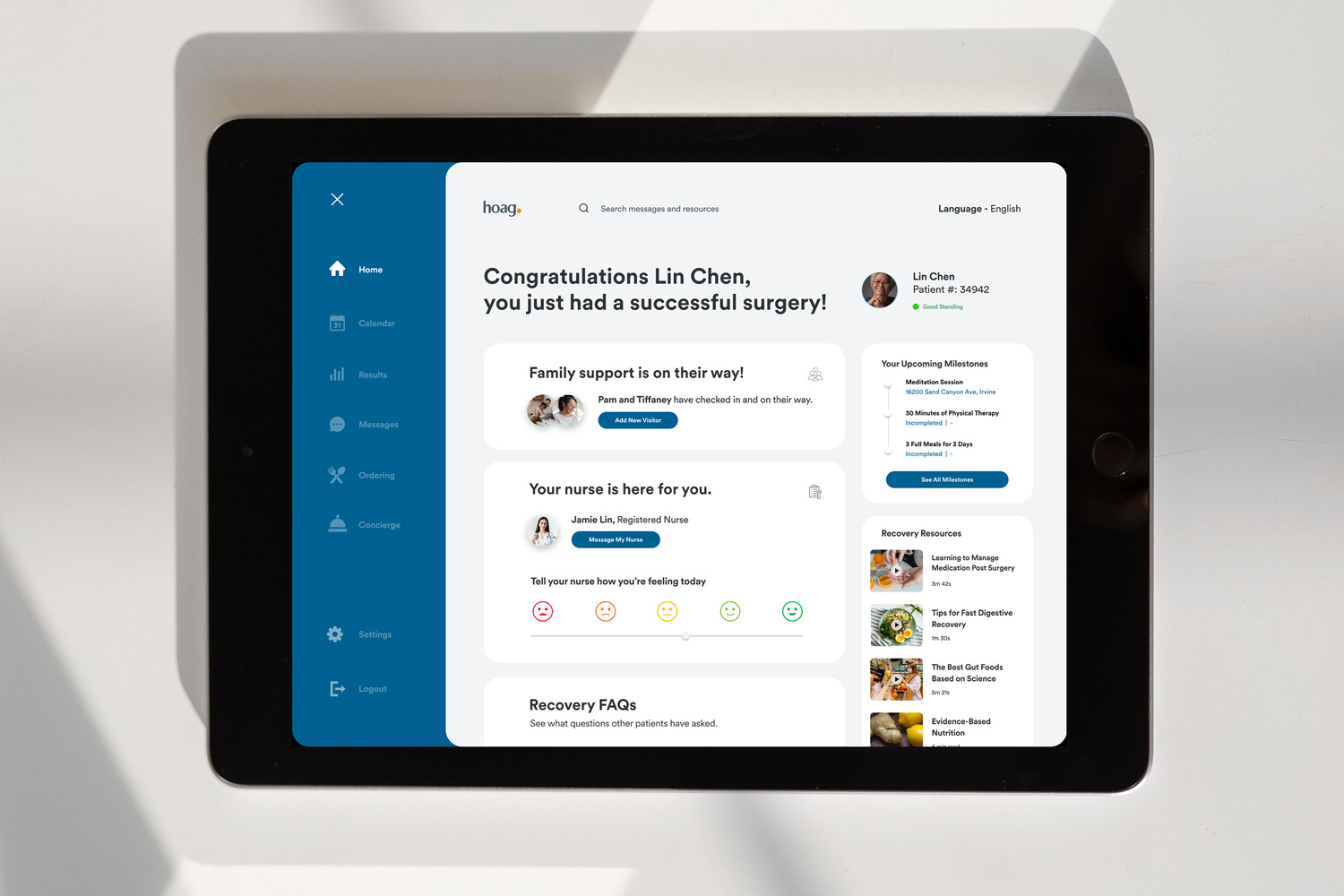
Here’s a breakdown of the services offered through Collective Engram:

User Research (optional):

  • UXR Research Report
  • Competitive Analysis
  • Personas

Final Designs (Figma, Photoshop, etc.):

  • Visual Design Final
  • Wireframe
  • Interactive Prototype

Design Support:

  • Design System/Components
  • User Journey Flow/Site Map
  • Product Strategy Workshopping
  • Presentation Support
  • Development Support (Hand-Off)

Any new business can benefit from creating an online website or blog for their product, but Collective Engram is especially beneficial for small businesses, entrepreneurs, and startups that need a professional and cohesive online presence.

For larger projects, such as application development or e-commerce platforms, Eric’s product design and research services become particularly valuable. He tailors his approach based on the client’s needs and the goals they wish to achieve with their product.
The Future of Collective Engram

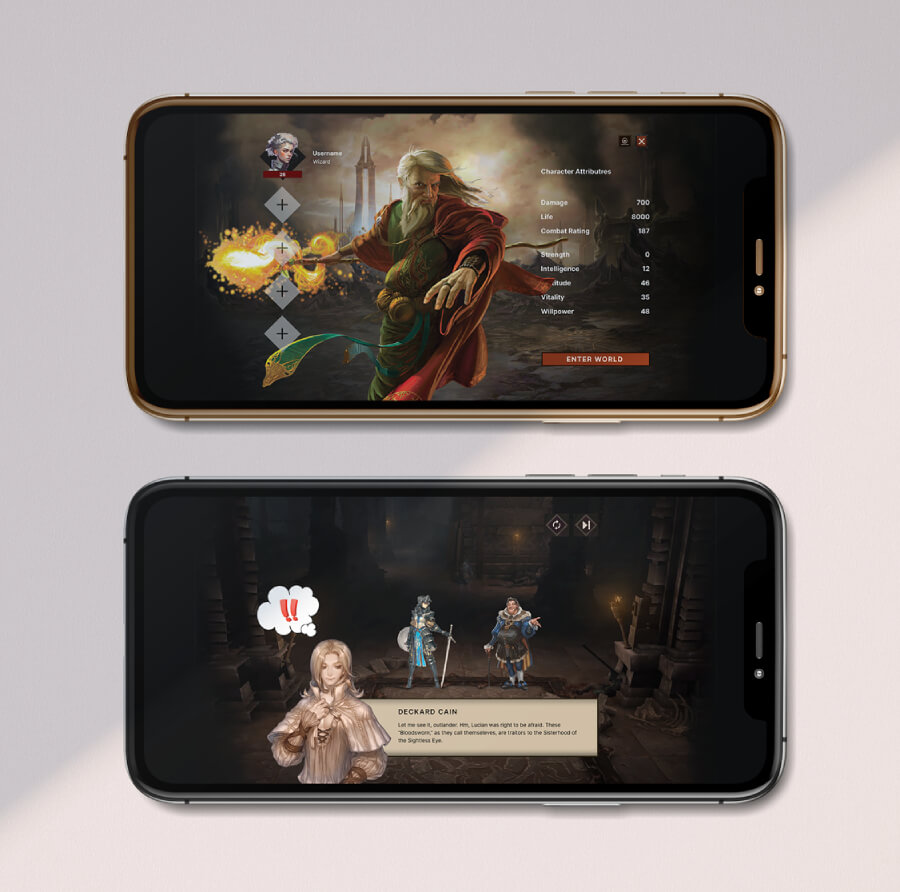
Looking ahead, Eric sees exciting opportunities for Collective Engram. “My main focus is bringing in new clientele and optimizing the workflow process for different client needs,” Eric says. Currently, his primary focus is web design, but he plans to expand into larger-scale projects such as application and product design and large e-commerce platforms.

Eric is also exploring opportunities in industries like healthcare and education, where large-scale data analytics play a crucial role. In addition, he is learning the basics of front-end development to work more seamlessly with developers on future projects.
Connect with Eric

In his efforts to better understand potential clients and their needs, Eric offers free consultations for businesses interested in working with him. You may reach him at: collectiveengram.com


Related Articles

Image Source: Brendan Duong

Stories

A Secret Business Purchase Grew Into A Multi-million Dollar Enterprise

Tess Nguyen who is a trained physiotherapist was searching Gumtree, Australia’s marketplace, for a physiotherapy clinic to buy. Instead, a sleepwear ad called Midnight Mischief captured her eye, “I’d never heard of personalised pyjamas, and I was pretty up-to-date with trends, so I sent an inquiry,” she told 7life.

She consulted her friends who have accounting and business experience and told Tess it was worth nothing and advised her not to buy it. However, she liked the pyjamas’ style and name, plus she was able to bargain the business down to $15,000. So, a month later she bought the business.

Tess kept the purchase secret from her family. The business was going slow during the first two years, and running the business while working as a full time physiotherapist, took its toll.

When 2020 hit, the business was ready for the huge demand prompted by COVID and people staying at home. The big moment was when TV presenter Jules Sebastian posted a photo of herself wearing Midnight Mischief pyjamas.

The brand grew 165% in the year to July 2021. And Tess has gone from pyjama girl to Pyjama Queen – selling a set every 10 minutes. The designs retail for about $99.95 – and her sleepwear empire is now turning over $2.3 million.

“I’m so glad I did it and I’d tell anyone else to do the same,” Tess told 7Life, “Just go for it. You can figure it out as you go along. It’s worked for me.”

Image Source: Chris Pizzello/ Invision /AP file

Stories

Awkwafina Knows Best About How She Is Still More Financially Great Living On $500 A Month

Even though the Crazy Rich Asians actress’ wealth is likely in the millions, she believes that a mere $500 per month is sufficient to cover her expenses.

The 32-year-old actress recently told Harper’s Bazaar that her money philosophy goes back to when she was building her Awkwafina musical and comedy persona, which she used as an outlet for her creativity while she worked a day job in book publicity.

Her grandmother brought her up in a one-bedroom apartment in Queens, New York. Because her family’s restaurant went out of business and they were forced to sell their home, she has developed a greater appreciation for monetary gain than any other aspect of her life.  

Awkwafina remembers that funds were tight at home and that she would stay up late with her grandma, who worried about paying the bills.

She also claims that despite being in a better financial position to support her family and herself, she still maintains a just-the-basics mentality. The actress has been known to buy clothes at Target and not spend much money on anything. She set out with the simple objective of covering her living expenses. 

She explains to Harper’s Bazaar, “I went into this mode off, if I can make $500 a month, that’s all I need.” 

Awkwafina’s motivation and success are attributed mainly to her refreshingly optimistic view of financial considerations. She has kept herself busy acting in the years since, including launching her comedy series on Comedy Central and becoming the first Asian-American actress to win the Golden Globe for best actress for her lead role in the 2019 drama “The Farewell.”

Image Source: Photograph by Ken Richardson Boston Magazine

Stories

Chef Tracy Chang Gives Back To The Community Through The Language Of Food

Restaurateur Tracy Chang started the nonprofit Off Their Plate and Project Restore Us through the COVID-19 pandemic in 2020. 

The owner of the Japanese tapas restaurant,  PAGU, started Off Their Plate as a way to feed healthcare workers, and Project Restore Us sends nutritious and culturally appropriate grocery boxes to families living in food deserts. Both groups work to support local kitchens run by women and BIPOC and volunteers.

As a chef, Tracy also finds herself more in tune with customers than ever before. As someone who grew up lactose intolerant, she sources ingredients responsibly and remains mindful of the way guests feel after they leave her restaurant. This is also part of her restaurant’s ethos.

Her grandmother has also influenced Tracy’s cooking. Although her grandmother didn’t speak English, she spoke the language of food really well, said Tracy, and that was something that always resonated with her.

For Tracy, her personal experience has definitely come into play — trained in Spain but worked at a Japanese restaurant, and she grew up with a lot of Japanese and Taiwanese food, “The menu at PAGU is autobiographical and about my experience learning very specific dishes and techniques from people like my grandmother, my mentor and some of the chefs I’ve worked with.” she told TimeOut.

Image Source: CNN

Stories

Young Tech Startup Founders In Asia Make Mental Health Support Accessible To Break Stigma

Breaking down societal stigma and creating a new mental healthcare system for the Asia-Pacific area are two of Theodoric Chew’s objectives, founder of the digital mental health app, Intellect.

Founded in 2019, the mobile app frequently monitors users’ moods, delivers rescue sessions and exercises, and lets them chat with therapists in real-time. 

The 26-year-old explained that mental health is just as important as physical health, “You and I face things like stress, burnout, sleep issues, and relationship struggle as well.” he told CNN, “ That’s where actually a lot of us should start working on our mental wellbeing.”

Since early 2020, the startup serves over 3 million Asia-Pacific users in 15 languages. According to CNN Business, the Singapore-based mobile app has raised $20 million in its Series A funding, the largest amount raised by a mental health start-up in Asia.

Early this year, Singapore and Jakarta-based digital mental healthcare start-up, Ami, has raised at least $3 million from a number of investors, including Meta, the owner of Facebook. The firm was founded by Justin Kim, a Forbes 30 Under 30 Asia alum with Beknazar Abdikamalov.

Both digital mental health companies are targeting employers in their business models, where companies can subscribe to provide staff unlimited, private access to their services.

According to the WHO, depression and anxiety disorders cost the global economy $1 trillion a year in lost productivity. In March, it was reported that anxiety and sadness surged 25% worldwide in the first year of the pandemic.