Stories

November 13, 2026

SHARE:

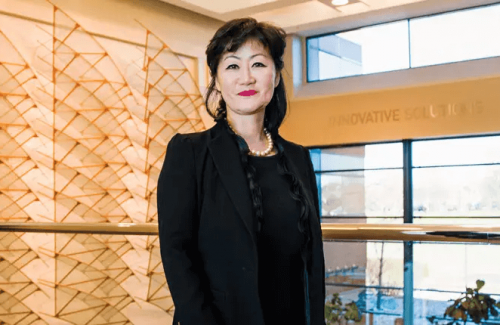
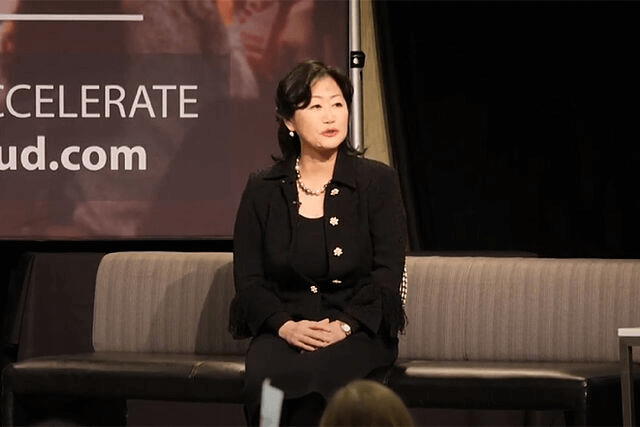
Vera Li, a Founding Product Designer at Gemini Legal and creator with over 260,000 followers, has won four international design awards for her social app concept, Season.

Inspired by her experiences across China, Singapore, and the United States, Season explores a different way of building online communities.

Unlike traditional social platforms, Season’s communities dissolve and re-form every 30 days, allowing connections to evolve as people do.

Building Communities Across Borders

Vera received Gold at the London Design Awards and Tokyo Design Awards, along with Silver at the MUSE Design Awards and NY Product Design Awards. Her concept, Season, challenges how traditional social platforms work. Instead of keeping people in the same online communities indefinitely, Season’s communities dissolve and re-form every 30 days, allowing users to connect with people who reflect who they are at that point in their lives.

The idea comes from Vera’s own experiences of moving between countries and building new connections.

She grew up in a small town in rural Henan, a farming province in central China, before her family moved to Zhengzhou, the provincial capital. At 15, she earned the Singapore government’s SM1 full-ride scholarship and spent four years studying abroad, far from home and everyone she knew. She later moved to the United States to attend UCLA, once again finding herself in a new environment where she had to build her own community.

Each move taught her something about belonging. The people and places around her changed, but she continued finding ways to connect with others.

Finding Connection Through Dance and Design

Dance became one of Vera’s earliest ways of bringing people together. At UCLA, she founded dance teams, organized dance camps across four international cities, and taught dance in Los Angeles.

She also performed as a backup dancer at major events, including the MAMA Awards and KCON, sharing stages with artists such as J.Y. Park, ITZY, IVE, and ZICO. She also shared the stage with AESPA at Long Beach Arena.

These experiences showed her how people from different backgrounds could come together through a shared interest, even if only for a short time.

Vera eventually brought that same experience online. Through @VeraLiStudio on YouTube and @vera_shalala on TikTok and Instagram, she built a community of more than 260,000 followers around dance and movement, connecting people across languages and cultures.

Her interest in building meaningful experiences later led her into product design. She moved to Pittsburgh to pursue a Master of Human-Computer Interaction at Carnegie Mellon University before returning to Los Angeles.

For the past three years, Vera has worked as the sole Founding Product Designer at Gemini Legal, a legal technology company. She has led design initiatives for several products from concept to launch, most recently the company’s legal drafting tool, DraftEngine.

Working as a one-person design team also meant creating a design culture of her own. When she noticed a lack of opportunities for designers in Los Angeles to share their work and connect, she organized “Designers in the Age of AI,” an event that attracted hundreds of designers.

A New Approach to Online Communities

Vera’s experiences across different cities, dance communities, and product design eventually shaped Season.

The concept draws inspiration from the Japanese aesthetic principle Mono no Aware (物の哀れ), which recognizes the bittersweet beauty of things that do not last forever.

Rather than encouraging users to maintain permanent online communities, Season allows groups to naturally end and form again every 30 days. The idea reflects Vera’s belief that relationships and communities can remain meaningful even as they change.

“I have spent my whole life walking into rooms full of strangers and turning them into places where people belong,” Vera shares. 

“Every one of those communities had a season. Some friendships lasted, but the room itself always changed. Season is the first time I designed software that tells the truth about that instead of pretending the room is permanent.”

This fall, Vera moved to San Francisco, marking another chapter in her career. She has also begun a Doctor of Business Administration with a concentration in Applied Computer Science, focusing her research interests on human-centered design and how digital products can better serve their communities.

Her work in design is also opening new opportunities. Vera was recently invited to join the  International Academy of Digital Arts and Sciences (IADAS) and will soon begin judging the Webby Awards.

For Vera, the same principle continues to guide her work: great design is always intentional, and the people using it should be able to feel the difference.

Follow Vera’s journey in rethinking digital connections. 
📍 Connect with Vera

Related Articles

image (1)-png

Stories

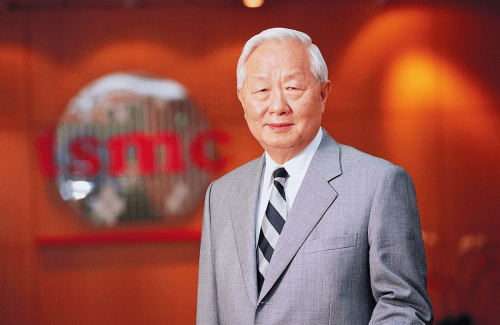
From Corporate Rejection to Global Power: The Story of Morris Chang Who Controls 90% of the World’s Advanced Chips

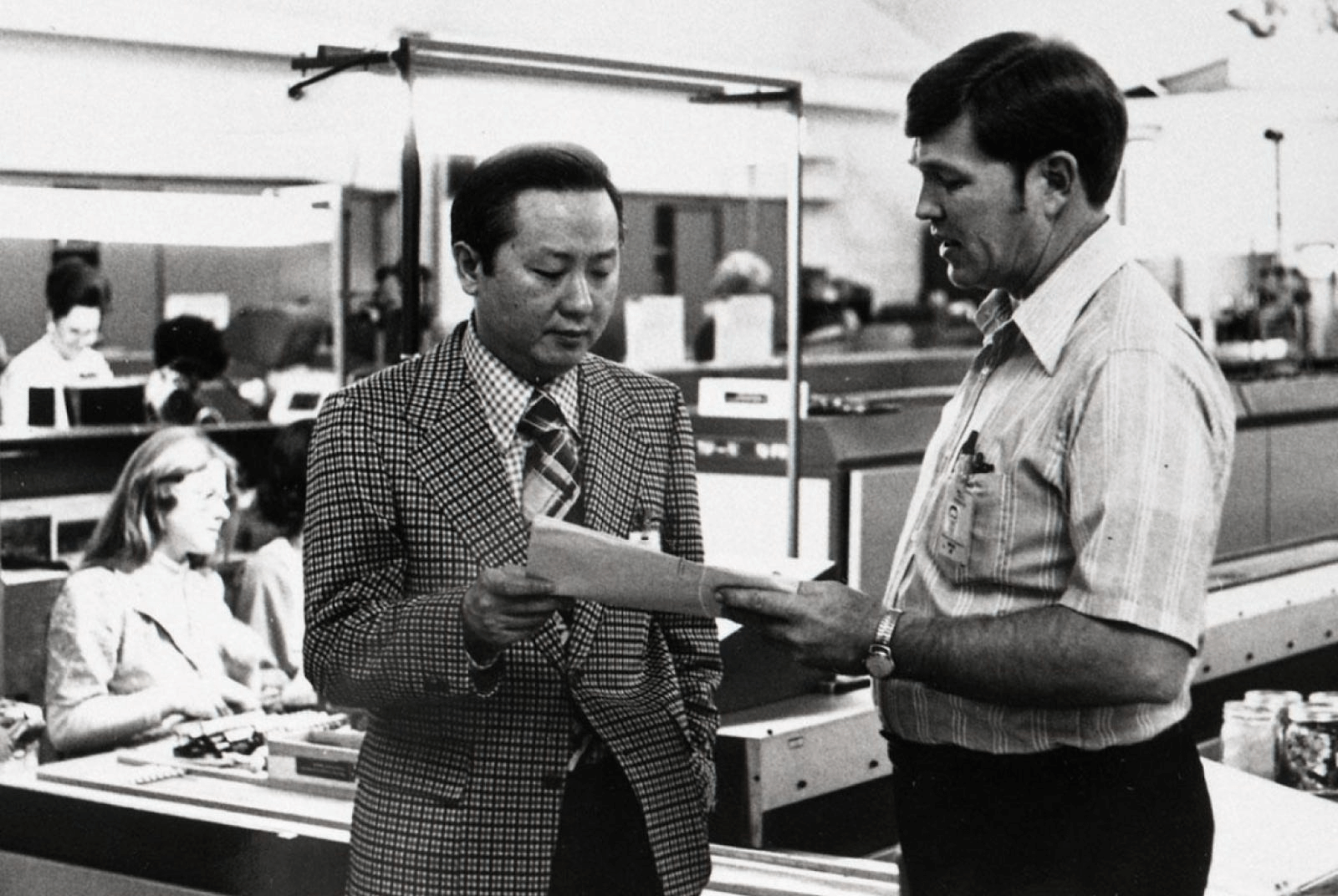
In 1985, Morris Chang reached a professional crossroads after being passed over for the top job at Texas Instruments. At 54 years old, he had a massive resume but felt there was nowhere left to go within the American corporate system. Instead of accepting a quiet retirement, he moved to Taiwan to build a business that addressed a major flaw in how computers were built.

This move was the first step in a journey that eventually placed him in control of the global tech supply chain. By choosing to solve a problem that many other executives ignored, he transformed a career setback into a global revolution. His transition from the United States to Taiwan set the stage for one of the most significant shifts in manufacturing history.

Image Source: Startup Synergy

The Career That Nearly Ended

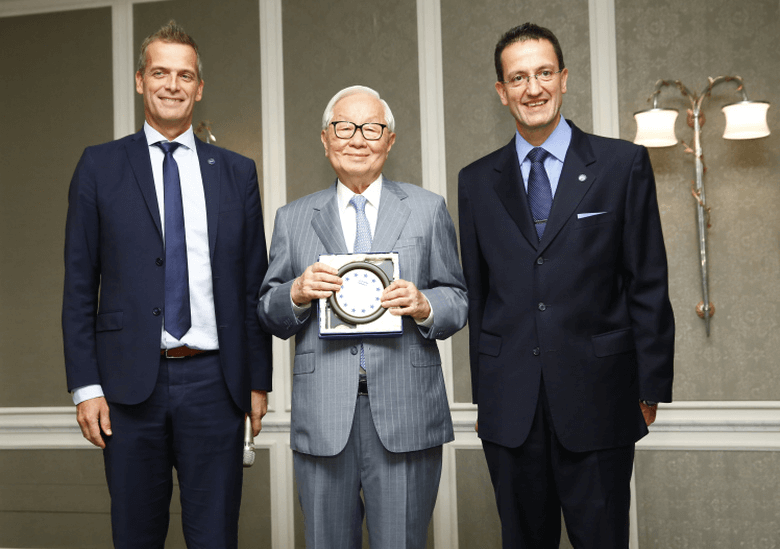
Back then, if you wanted to design a chip, you had to spend billions to build the factory as well. Chang realized that this massive financial requirement was slowing down progress for everyone in the industry. He envisioned a new model that would allow innovators to focus on their designs while his company handled the heavy lifting of production.

He founded TSMC in 1987 with a disruptive promise that he would manufacture chips for others but never design his own. By refusing to compete with his customers, he gained the trust of global tech giants like Nvidia. This specialized approach allowed these companies to thrive and scale without the burden of owning their own factories.

Image Source: European Chamber of Commerce Taiwan

The Idea Everyone Doubted

Decades of singular focus turned Chang into the most powerful man in tech, with his factories now producing 90% of the world’s advanced semiconductors. This level of market dominance makes TSMC the essential foundation for almost every modern electronic device we use. The sheer scale of his success proves that a single, well-executed idea can reshape the entire global economy.

The importance of his work is highlighted by the fact that if his production stops, the global supply of iPhones, Teslas, and AI systems stops with it. His legacy proves that the future isn’t just built in garages by young people, but by veterans with the grit to see opportunity where others see a dead end. Morris Chang didn’t just build a successful company; he built the infrastructure that the modern world depends on every day.

image (1)

Stories

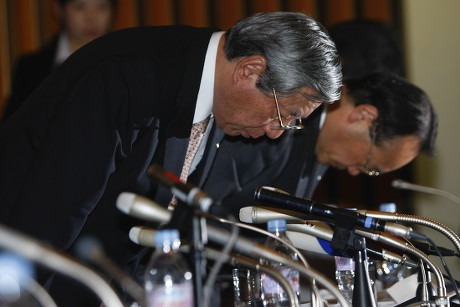
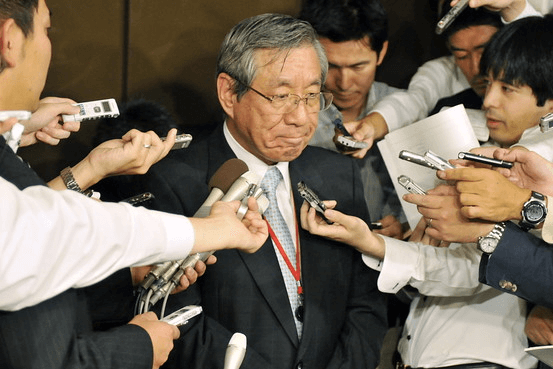
How Haruka Nishimatsu Defined Modern Leadership by Cutting His Salary to $90,000 a Year to Save Jobs

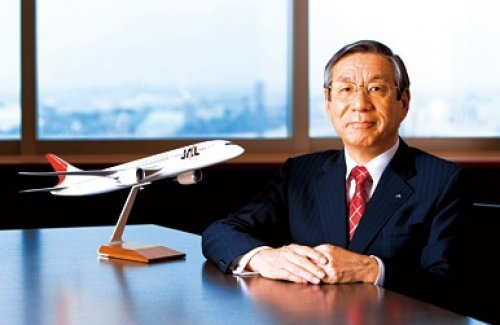
In the modern corporate landscape, it is common to see executives receive massive bonuses even as their companies face financial turmoil. Haruka Nishimatsu, the former head of Japan Airlines, famously broke this cycle by putting his employees’ security before his own wealth. He recognized that a company is only as strong as the people who keep it running every day.

When the airline faced billions in debt and the threat of bankruptcy, Nishimatsu decided to slash his own salary to just $90,000. This move ensured that he was feeling the same economic pressure as the frontline workers he led. His choice was a profound statement that leadership is a responsibility to others rather than a path to personal enrichment.

Image Source: NBC News

Leading by Example Through Shared Sacrifice

Nishimatsu discarded the traditional perks of his high-ranking position to remain grounded with his workforce. He traded a private limousine for the city bus and waited in line for lunch at the staff cafeteria.

These daily actions removed the social distance that typically separates a CEO from the rest of the office. By working at a regular desk in an open-plan room, he made himself accessible to everyone in the building.

Image Source: The Wall Street Journal

Prioritizing People Over Short-Term Profits

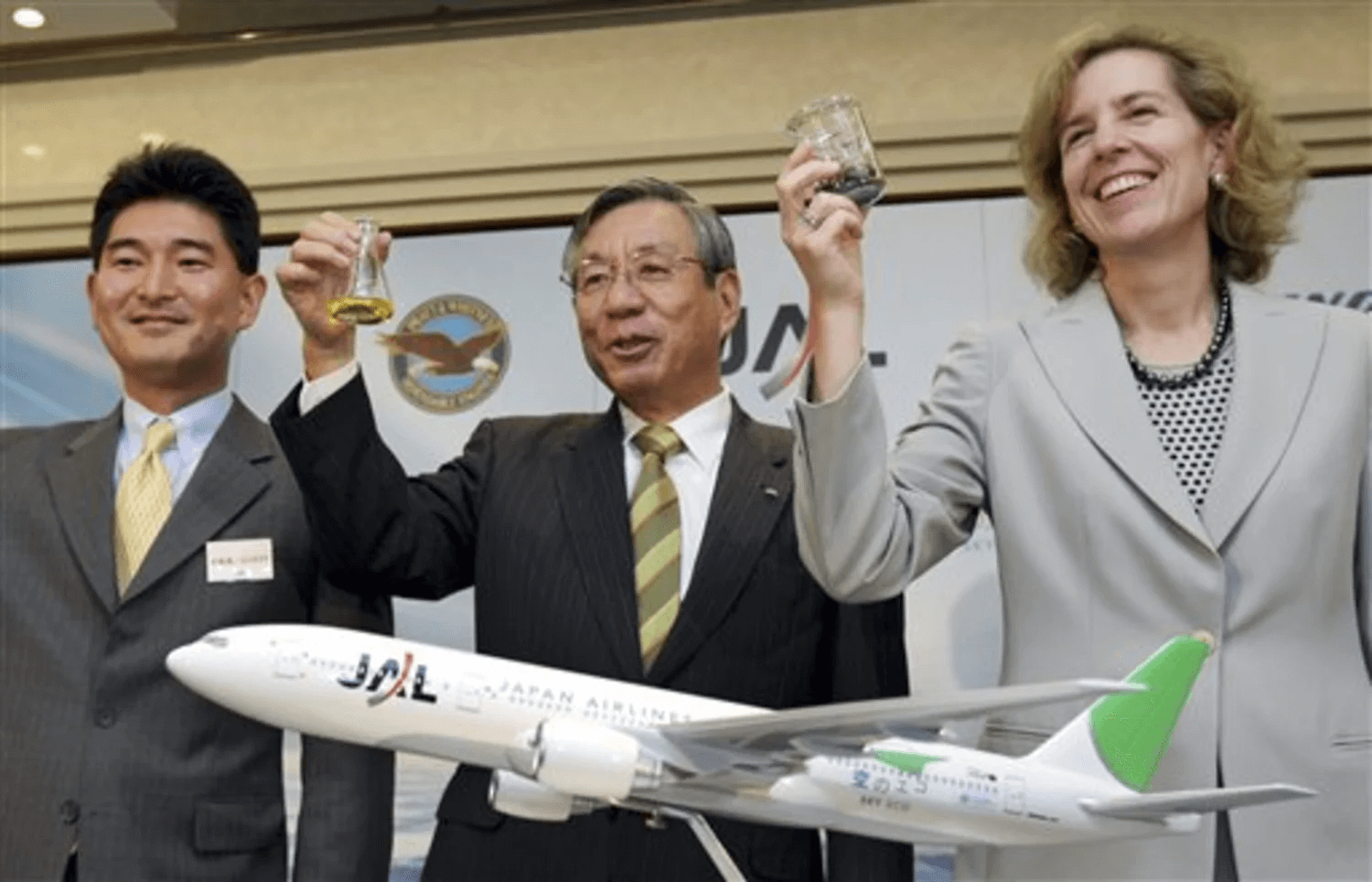
During the 2009 financial crisis, Nishimatsu refused to use mass layoffs as a quick fix for the company’s rising debt. He understood that protecting the livelihoods of his staff was more important than protecting the executive payroll.

This commitment to job security built a deep sense of trust and loyalty throughout the entire organization. His strategy proved that a business can navigate a crisis without ever abandoning its moral compass.

Image Source: The Wall Street Journal

The True Source of Professional Respect

Nishimatsu demonstrated that real authority is earned through character and shared experience rather than a fancy title. He did not need a corner office or a massive paycheck to command the respect of his pilots and flight attendants.

His influence came from the fact that he stood right beside them when the company was struggling. This style of leadership serves as a timeless reminder of what it means to be a true steward of a brand.

image (3)-png

Stories

How Buddhist Values Helped Thai Lee Build a $16B Tech Empire and Become the U.S.’ 5th-Richest Self-Made Woman

Born in Thailand and raised in South Korea, Thai Lee was shaped by constant cultural shifts from a young age. Although her family practiced Christianity, her early education in a Buddhist primary school introduced her to ideas that would quietly guide her life and leadership.

There, she learned that life is marked by suffering, impermanence, and uncertainty. Rather than seeing these as obstacles, she absorbed them as realities to work with—an outlook that later became central to her approach to business and power.

Image Source: Asia Society

Embracing Suffering as a Path to Growth

A core Buddhist teaching Lee internalized early was that suffering is not a failure, but a condition of growth. This belief trained her to stay calm under pressure and to see difficulty as something to be managed, not avoided.

That mental discipline carried her through an intense academic path, including a double major in biology and economics. It also shaped her resilience at Harvard Business School, where she became the first Korean woman to graduate by staying focused on long-term purpose rather than short-term comfort.

Image Source: Freepik

Practicing Utility Over Ego in Business

When Lee purchased a failing IT reseller in 1989 for $1 million and renamed it Software House International, she rejected the idea of growth for growth’s sake. Guided by the Buddhist value of utility, she asked one simple question: does this technology truly help people?

Instead of chasing trends or flashy innovations, she prioritized practical solutions that made work more efficient and reliable. This steady, service-driven approach allowed SHI to earn trust over time, scaling quietly into a $16 billion global company serving major institutions like Boeing and AT&T.

Image Source: Expansión

Right Livelihood as the Measure of Success

As her wealth grew, Lee leaned more deeply into the Buddhist principle of Right Livelihood—earning success through ethical means and responsibility to others. She believes leadership should reduce harm, not amplify ego or excess.

Despite being the fifth-richest self-made woman in the United States, she avoids executive privileges and symbolic power. By parking with employees, managing her own calendar, and staying close to daily operations, she reinforces her belief that real wealth is measured by trust, dignity, and the well-being of the 7,000+ people she leads.

Learn more about Thai Lee here:

📍LinkedIn

14a43197-8fdf-4db7-bc59-5931ce26eb91

Stories

The Healing Power of the 27-Foot Buddha over New York City by Vietnamese Artist Tuan Andrew Nguyen

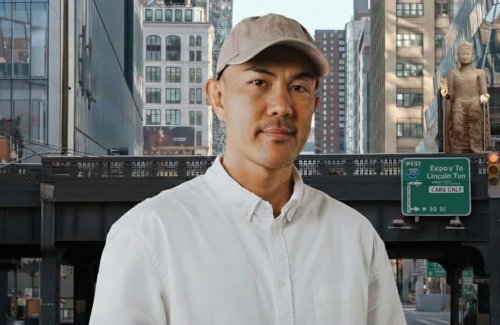
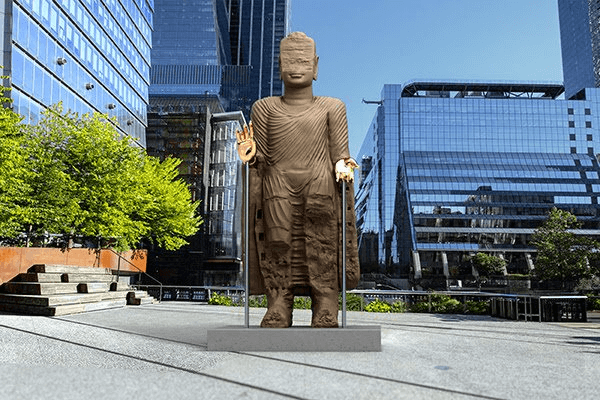
New York City is a place defined by constant noise and fast movement. Starting next spring, a 27-foot-tall Buddha statue will be installed on the High Line Plinth to change that atmosphere.

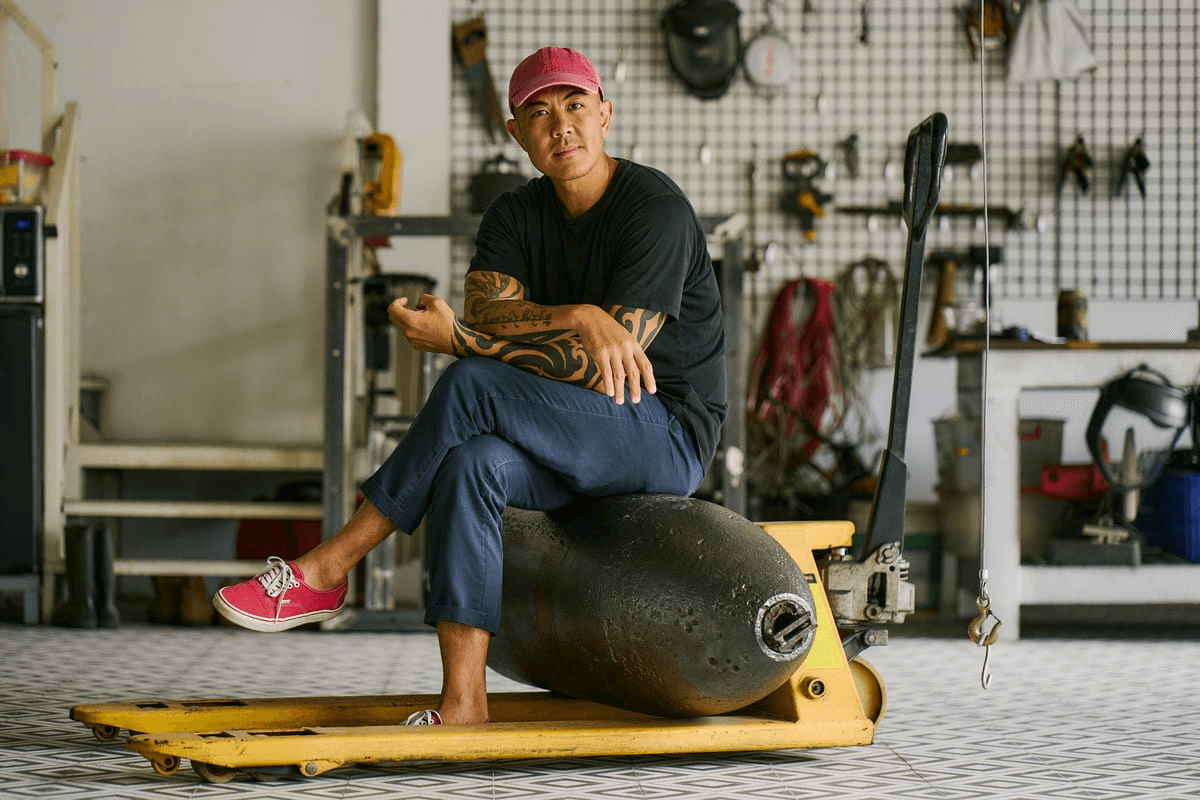
This 27-foot-tall sculpture is the latest installation on the High Line Plinth, towering over the city as a beacon of reflection. Created by Vietnamese artist Tuan Andrew Nguyen, it represents a profound intersection of ancient spirituality and modern history.

Titled ‘The Light That Shines Through the Universe’, the piece acts as a medium for healing and ancestral memory. More than just a statue, it represents an architectural prayer offered to a city that never stops moving.

Image Source: Art Asia Pacific

Historical Acupuncture: Healing Global Wounds

Tuan Andrew Nguyen describes his creative process as “historical acupuncture,” a method of using art to target and release the pressure of buried traumas. 

By placing this massive Buddha in one of the most active public spaces in the world, Nguyen addresses the deep-seated wounds of war, displacement, and erased histories. 

The sculpture serves as a physical needle intended to stimulate the collective memory of the public, forcing a confrontation with the ghosts of the past. In a city built on constant reinvention, this work insists on the importance of looking back to move forward.

Image Source: The High Line

Weapons into Wisdom: The Alchemy of Brass

The most poignant detail of the sculpture lies in its hands, which are not merely carved but recast from a darker history. 

Nguyen utilized brass artillery shells recovered from war-torn landscapes, melting down the literal tools of death to forge sacred gestures of compassion. This transformation represents a literal and figurative alchemy, turning the debris of violence into a silent blessing for New York City. 

Through this act of recycling and redemption, the artist proves that even materials born of destruction can be repurposed to serve a higher, more peaceful calling.

Image Source: The Collector

A Global Refugee: Resilience in Sandstone

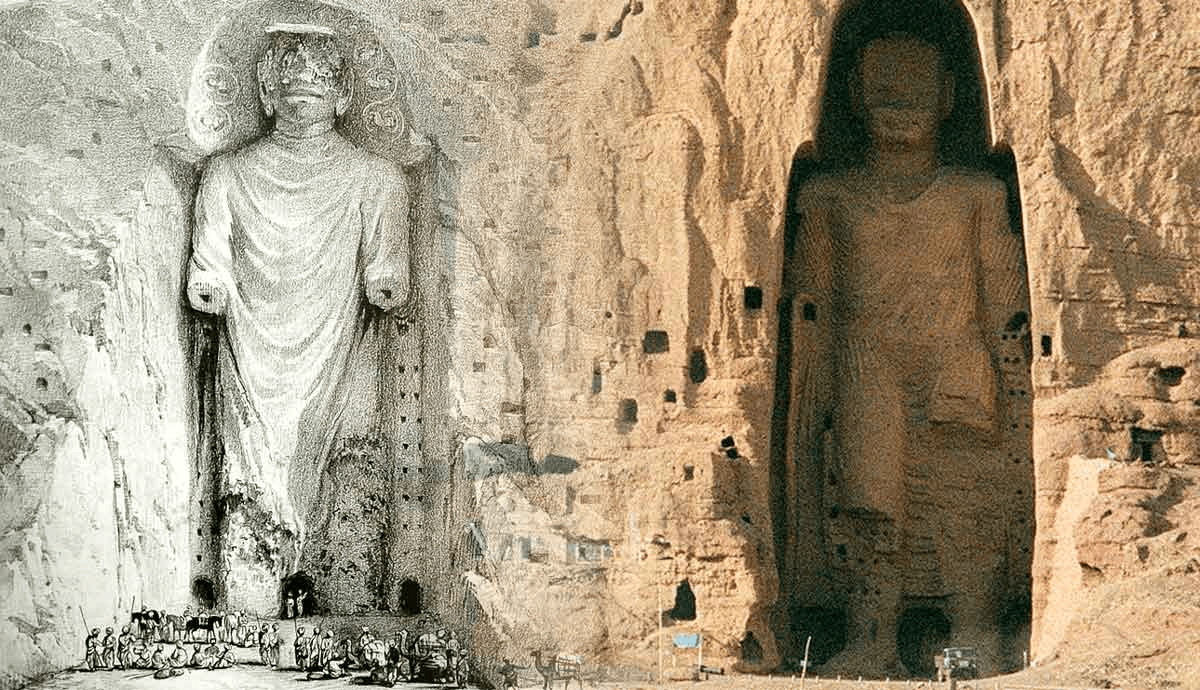
Carved in sandstone, the figure pays a haunting tribute to the Bamiyan Buddhas of Afghanistan, which were destroyed by the Taliban over two decades ago. 

Nguyen reimagines the spirit of those lost monuments as a “global refugee,” traveling from a workshop in Vietnam to find a temporary home in the heart of Manhattan. This journey mirrors the displacement of millions, turning the sculpture into a symbol of cultural endurance. 

It stands as a towering promise that while physical stone can be shattered by hate, the resilience of our shared human heritage remains fundamentally unbroken.

Learn more about Tuan Andrew Nguyen here:

📍Website