Stories

July 4, 2023

SHARE:

In a time when the world seemed to close its doors, Los Angeles native and talented writer Kesia Eng found her inspiration for her  delightful children’s book titled “Baby Bao at Dim Sum.”

Kesia shares with Asian Hustle Network her motivation and experiences behind this captivating story that captures the essence of family bonds and the rich cultural heritage of East Asian cuisine.

Growing up, Kesia cherished her visits to dim sum restaurants with her family. The savory aroma, the clinking of chopsticks, and the joy of feasting on delicious food became the backdrop of countless treasured memories.

Dim sum not only brought her family together but also offered a window into her Chinese heritage, teaching her the values of respect, care, and love for others. Ultimately, these shaped her identity and inspired her to write this book.

The pandemic threatened to rob younger generations of the invaluable experiences Kesia cherished, making her determined to pass on the cultural significance of dim sum to kids and share it with others.

In her debut children’s book, “Baby Bao at Dim Sum,” Kesia beautifully weaves a tale that explores the importance of family, selflessness, and the joy of bonding over a delicious meal. This book serves as a tool for parents and children to read together, sparking meaningful conversations about the values embedded in East Asian culture.

Join us as we delve into the story behind “Baby Bao at Dim Sum” through an exclusive interview with Kesia Eng.

Dim sum helped me better understand and appreciate my parents and our Chinese culture. I think I can speak for many American kids who have immigrant parents: There aren’t a lot of things in common between our upbringing and theirs. But food is our shared connection.

Kesia Eng

KESIA’S INSPIRATION FOR WRITING “BABY BAO AT DIM SUM”

As with most recent creative endeavors, the idea for the book sprouted during the pandemic. Everything was closed. Schools were shut down. Sports games were canceled. Even my favorite Target store started closing at 8 p.m. The world truly was ending. But the most devastating thing? My beloved dim sum restaurants have stopped indoor dining.

I know it didn’t seem significant. There’s plenty of other food. Plus, we can still get takeout. But I grew up coming to these restaurants with my family. Going there was a real treat as a kid – taking in the savory aroma that fills the air, hearing the excited chatter and clinking of chopsticks all around you, and of course, feasting on all the varieties of delicious food. Every time I came back from college for the weekend, my parents would take me to eat dim sum – it was a huge part of our everyday life.

Most importantly, dim sum helped me better understand and appreciate my parents and our Chinese culture. I think I can speak for many American kids who have immigrant parents: There aren’t a lot of things in common between our upbringing and theirs. But food is our shared connection. Food isn’t just something you eat. When you look closely, the experience of dim sum is filled with the values of East Asian culture:

  • pouring tea for the oldest person at the table first, and your own cup last
  • serving food to others before yourself
  • keeping an eye on everyone’s cup so you can refill it for them
  • fighting to pay for the check (and never backing down, even if you have to chase down the waiter and force your Visa card into their hands) 
  • and so on

All of the above embody community-oriented respect, care, and love for others. It’s how my parents showed how deeply they loved our family, even through the mundane act of eating at a restaurant. When my mom saves the biggest and best dumpling for me, or when my dad reaches across the table to fill my teacup first, I know it’s because they love me. And it’s a way for me to show my love in return – pouring their tea first, giving the best dim sum piece to them, (and yes, now that I’m a post-grad adult, literally fighting to pay that check). It’s not just nostalgia – dim sum is an essential part of my heritage, shaping how I’ve grown up, who I am, and who I want to become.

With COVID, it seemed like the pandemic would take these valuable moments away from younger generations. To be honest, it made me sad because I didn’t want them to grow up without having that experience, and thus a practical understanding of their cultural background. It’s a learning moment I want to pass on to kids and share with other people too.

“BABY BAO IS ME”

Part of the reason why I chose to focus on the theme of family and selflessness is in reaction to a lot of Asian American stories today that center on the difficult relationships that kids have with their immigrant parents.

I think the current popular narrative sometimes pushes this idea of hyperindividualism; that it’s all about the self and what the self wants. I totally understand the heart behind where that narrative/story comes from but sometimes it can demonize our parents for being hateful because they don’t agree with everything we say or do what we expect. Granted, nobody is perfect. But I think it’s important to have empathy towards our parents who grew up in a different environment than we did. We can try to put ourselves in their shoes, imagine the upbringing they had, the hardships they went through, etc.

And to be honest, I wrote it because of my own revelation. Baby Bao is me. I wrote Baby Bao as myself because I definitely was not a self-sacrificial loving kid growing up. It wasn’t until college that I realized I had taken their love and care for granted. I think it’s easy for us to be selfish and maybe not consider what our parents would appreciate or how they care for us. They do love us, but maybe it isn’t expressed in the exact fashion we expect it to be. 
FULL CREATIVE CONTROL AS A SELF-PUBLISHER

I knew the route of traditional publishing was long and a bit arduous. I felt like there were many gatekeepers and I didn’t want the flow/speed of my project to be hindered because of it.

It kinda goes like this: after you do your due diligence on finding the appropriate literary agent, you have to keep cold-emailing them about your manuscript, hoping they’d want to support you and your book. And finally landing a literary agent could range from a few months to a few years. They’re the best resource to connect you to a traditional publisher who would get your book published. 

But why wait for someone to give me the green light when I could just get my book out directly to the audience? I like to think I have an entrepreneurial spirit , because when I really believe in something, I don’t want to wait for someone to give me approval to do it. I just want to go for it. So I decided to self-publish my idea.

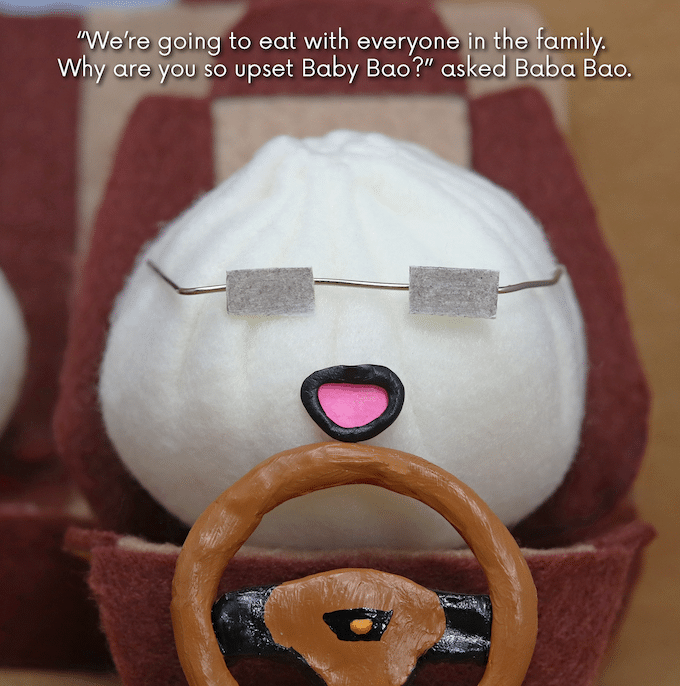
I think what’s truly unique about this book is that the illustrations are not 2D animated artwork that’s common in picture books. I can’t draw to save my life and I didn’t have enough funds to hire an illustrator, so I brainstormed ways to figure out how I was going to make the visual part of the story come to life.

While rummaging through my bookshelf, I found an old book my parents bought when I was young, that taught simple Chinese words. The front cover looked so interesting to me – it was a claymation of a girl. That basically spawned the idea of using claymation/”stop-motion” as the illustrations of the book.

I made all the sets, characters, and mini items by hand with lots of construction paper, cardboard, and other materials. I then taught myself product lighting, photography, and photo editing. I also run all the social media accounts. And this is in addition to writing the story myself, so it was truly a one-woman production.

Fun fact: I gave my book to Netflix Bling Empire’s Christine Chiu!

WHAT KESIA HOPES THAT READERS WILL TAKE AWAY

If I can narrow it down to just 3 takeaways I hope parents and children get out of this book, it’s that (1) family is important (2) loving others often requires self-sacrifice but is definitely worth it and (3) dim sum is an avenue we can use to love and cherish our families more!

I wanted parents and their children to think deeply about the message together. And that desire played a huge part in why I decided to deliver that through the form of a children’s book. I think the nature of children’s books often necessitates parent-child bonding because parents often read to their kids who aren’t strong independent readers yet.

So the book, “Baby Bao at Dim Sum” is a great opportunity for parents to bond with their cute kiddos just by reading it together. It also leads parents to talk through the story more with their children by mentioning the cultural values of it, going over the universal value of family, and asking them insightful questions about what they learned or what they noticed. 

DIVERSITY AND REPRESENTATION IN CHILDREN’S LITERATURE

I’m seeing a lot of great Asian American children’s books recently and I envision “Baby Bao at Dim Sum” adding depth to the representation of the Asian American experience in children’s literature.

The book shows that parents and/or family relatives ought to be given importance as well.

Additionally, the book does a great job showing and not just telling how the cultural values common in East Asian culture (community-oriented respect, care, and love for others) are embedded into the subtle actions (pouring tea for the oldest person at the table first and your own cup last, serving food to others before yourself, and keeping an eye on everyone’s cup so you can refill it for them) during a traditional Chinese meal.

Representation is showing the authentic experience of something, and I think showing chicken feet, regardless of people’s initial reaction to it, is an important unfiltered experience of dim sum. So I made it a mission for myself to include the chicken feet dish in my children’s book (right on the first page) because it’s an iconic Chinese cultural food. I think just because it’s different from what most people outside of the culture may see, it doesn’t make it weird or gross. Walk into a dim sum restaurant and you see it on the tables of so many diners.

I hope the story is an easy and welcoming way for people unfamiliar with East Asian culture, to learn about it and get a glimpse of what really goes on during an authentic Chinese meal of dim sum. Additionally, I think it’s a perfect book for East Asian families to personally connect with those experiences and pass them down to younger generations. 

It really warms my heart to see so many parents message me that their little ones love the book, want to read it every night with them, or want to eat dim sum because of it. Seeing those comments and messages never gets old!

UPCOMING PROJECTS

I drafted several storylines for the next potential “Baby Bao” adventure, and have whittled it down to two options. I can’t reveal when this project is going to be done just yet, but it’s in the works! Many of my readers have expressed that they’d love to see more of Baby Bao, so I’m happy to continue working on more stories with him as the protagonist.

In terms of other work, I’m actually in the process of finalizing a manuscript for my next writing project: a satirical poetry book about early adulthood! I enjoy comedy and I enjoy satire, so of course, I had to try writing with that flair. The book is a witty take on young adult life and pokes fun at relatable moments we experience in careers, friendships, and love. Final touches are being added. Release date TBA but aiming for before this fall season. 

Readers can expect that I’ll be pursuing different writing projects because I want to build upon my writing skills and flex my creative muscle. I think I have a knack for knowing my audience well and crafting stories that are relatable to all of us on a human level. So I’m really excited to continue exploring various story ideas and styles of writing to see what I’m the best at and produce work that my readers would love.

CONNECT WITH KESIA / BABY BAO AT DIM SUM

Instagram: @babybaoatdimsum

Tiktok: @babybaoatdimsum

Amazon: BUY HERE

Email: babybaoatdimsum@gmail.com

Website: kesiaeng.com
Related Articles

{"ARInfo":{"IsUseAR":false},"Version":"1.0.0","MakeupInfo":{"IsUseMakeup":false},"FaceliftInfo":{"IsChangeEyeLift":true,"IsChangeFacelift":false,"IsChangePostureLift":false,"IsChangeNose":false,"IsChangeFaceChin":false,"IsChangeMouth":false,"IsChangeThinFace":false},"BeautyInfo":{"SwitchMedicatedAcne":false,"IsAIBeauty":false,"IsBrightEyes":false,"IsSharpen":false,"IsOldBeauty":false,"IsReduceBlackEyes":false},"HandlerInfo":{"AppName":2},"FilterInfo":{"IsUseFilter":false}}

Stories

How Benny Yap and Jae Tan Drive TGFX Agency’s Success

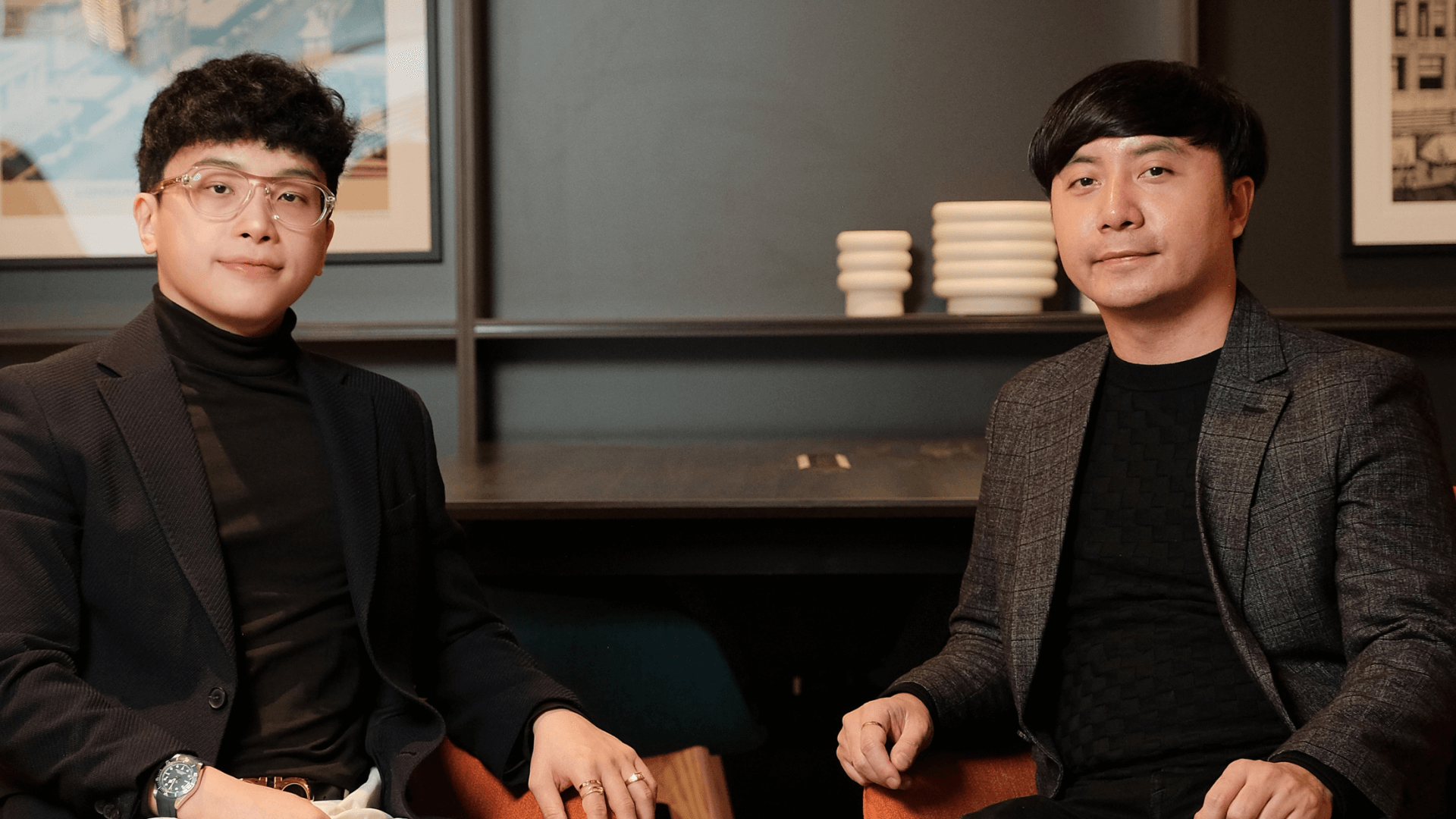
Benny Yap and Jae Tan are not just co-founders of TGFX Agency; they are a powerhouse duo transforming businesses through innovative branding and marketing.

Benny Yap, a seasoned entrepreneur, is renowned for his outstanding achievements in the marketing and advertising industry. His expertise encompasses advertising, branding, illustration, and ideation. Benny Yap’s leadership and artistic vision play a pivotal role in shaping TGFX’s distinctive approach to branding and marketing, driving its success.

Jae Tan is a dedicated and results-driven entrepreneur with over a decade of experience in branding, web development, and video production. Under his strategic guidance and leadership, Jae has propelled TGFX to unprecedented success.

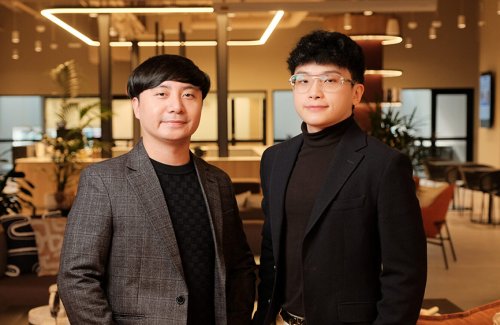
Jae Tan (left) and Benny Yap in a meeting.

In an exclusive interview with Asian Hustle Network, Benny and Jae share their journey, challenges, and insights, offering a glimpse into the dynamic partnership driving TGFX. Read on to discover how they are transforming brands and making a lasting impact on the marketing industry.

EARLY CAREER AND THE BIRTH OF TGFX

Benny Yap and Jae Tan both studied graphic design and advertising and initially met through a design project. This collaboration not only brought them together as best friends but also sparked the idea of starting a business together. They realized that by combining their forces—their creativity and design skills—they could tackle the business world more effectively as a team. This shared vision and partnership led them to start TGFX.

OVERCOMING INITIAL CHALLENGES

Benny and Jae faced significant challenges when starting TGFX, especially during the COVID period. One of the biggest hurdles was adapting their business model. Initially, they focused on one-off jobs, but they soon realized the need for stability and consistent cash flow.

They decided to pivot to a retainer basis, particularly in social media marketing. This shift not only helped them navigate through a difficult time but also allowed them to build stronger, long-term relationships with their clients.

DYNAMIC PARTNERSHIP

As co-founders, Benny and Jae complement each other perfectly in running TGFX. Benny, previously from BBDO Advertising agency, brings a wealth of creativity and innovative ideas, driving the creative direction and ensuring the campaigns are cutting-edge, Meanwhile, Jae excels in managing operations and strategic planning, providing a solid foundation for the business. This dynamic allows them to leverage their individual strengths, resulting in a well-balanced and effective partnership.

TGFX’S MISSION AND CORE VALUES

TGFX’s mission is to help businesses across Australia succeed and thrive. Their core values include providing world-class services and being recognized as one of the best and most innovative agencies in Australia. They emphasize treating clients like family and growing alongside them, fostering strong, long-term relationships built on trust and mutual success. 

INDUSTRY-SPECIFIC CHALLENGES

Having worked with numerous businesses across various industries, TGFX encounters several industry-specific challenges. Key issues include maintaining brand consistency, attracting the right customers, and building a loyal customer base.

TGFX addresses these challenges by tackling each core issue one day at a time and maintaining consistency in everything they do for the brand. This methodical and dedicated approach helps their clients overcome obstacles and achieve long-term success.

IMPACT ON THE ASIAN COMMUNITY

As entrepreneurs with roots in the Asian community, Benny and Jae see TGFX Agency as having a significant impact and contribution to this community. With 80% of their clientele being Asian-owned businesses, TGFX Agency is dedicated to helping the Asian business community in Australia thrive. By providing tailored branding and marketing strategies, they support these businesses in achieving success and growth.

Jae Tan (left) and Benny Yap
With TGFX, the duo aim to uplift Asian businesses in Australia.

ADVICE FOR ASPIRING ENTREPRENEURS

Benny and Jae emphasize the importance of adding value to the marketplace. Aspiring entrepreneurs should understand their consumers’ needs and preferences thoroughly, conduct extensive market research, and stay attuned to industry trends and client feedback.

“Persistence is key—never give up, even when faced with challenges. Building a successful agency requires resilience, continuous learning, and an unwavering commitment to delivering exceptional service and results. In addition to that, our team is the cornerstone of our success. Without their dedication and hard work, we wouldn’t have achieved our current position. Each member plays a crucial role in our accomplishments, bringing unique skills and perspectives that drive our progress forward. We are deeply grateful for their commitment and contribution to our shared goals. Together, we continue to grow and thrive, thanks to their invaluable efforts,” Benny and Jae shared.

Benny Yap (left) and Jae Tan
Benny (left) and Jae highlight persistence, market research, and a strong team as keys to success.

FUTURE VISION AND GOALS

TGFX Agency continually strives to expand into new areas across Australia and different industries, aiming to deliver data-driven results to businesses in need of growth. They are also committed to expanding their Malaysia agency, bringing on new businesses, and growing the team there.

Benny and Jae are excited about the future and look forward to furthering their impact on businesses both locally and internationally. Their advice to others is to stay focused, and consistent, and always strive to add value. Understand your customers’ needs and don’t shy away from innovation.

CONNECT WITH TGFX

Website: tgfx.com.au

Instagram: @tgfx.agency

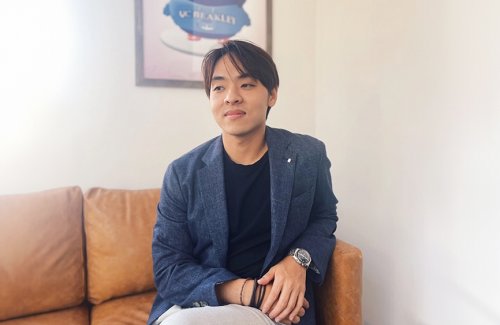
Kevin Tan

Awaken* newsletter

From Bytes to Bites, A Conversation with Snackpass Co-founder and CEO Kevin Tan

If you’ve ever ordered boba, you’ve probably used Snackpass before. Snackpass is a fast-growing startup that operates a social food-ordering app alongside a suite of software and hardware solutions for restaurant operations.

Boasting a $400 million valuation, Snackpass is backed by a slew of the best investors around, including Craft Ventures, a16z, General Catalyst, First Round, and Y Combinator. I had the pleasure to sit down with Snackpass’s co-founder and CEO, Kevin Tan, to talk about his background and experiences.

JOURNEY TO BECOMING A FOUNDER

My first question was if Kevin did anything entrepreneurial before Snackpass:

I had multiple projects before SnackPass. As a kid, I shot a movie with friends and made a comic book to sell. In college, I picked up programming, which sparked my interest in technology startups. I started that in my sophomore year. I tried a few different projects or companies and started SnackPass in my senior year.

Back in college, Kevin actually majored in Physics, not Computer Science. I asked Kevin what made him decide to pursue software over a career in Physics, and also why he decided to start a company as opposed to joining a big tech company:

I actually initially started in the humanities. After a year of humanities, I went and moved into Physics and started programming at the same time. I chose software because I felt that things were a bit more fast-paced in the world of technology. Also, I didn’t feel that I was going to be a top 1% physicist–though I still really enjoy Physics. As far as pursuing a startup instead of big tech, I did actually apply to Google for an internship, but I didn’t get in. One of my favorite things about startups is that you don’t necessarily need to impress any gatekeepers who hold power over your next job, you can go make your own! That’s something that made me super excited about startups.

STORIES AND THOUGHTS ABOUT SNACKPASS

I remember sometimes to get to the restaurant owners, I would set up a meeting and then trek across campus in the cold and in two feet of snow only for the owner to say “Oh, I rescheduled”, yet I always followed up and went back to meet them.

Kevin Tan

In an article by Free Ventures about Snackpass, I read “In the beginning, they partnered with restaurants by going door to door to mom-and-pop shops and talking personally with the owners. They also posted a bunch of flyers around campus and created referral mechanisms on the app to get the word out.” I asked Kevin what that experience was like:

Back then, we didn’t have any funding. We got rejected from Yale’s incubator, let alone venture capital. But we were able to get pretty far because I was able to code and go door to door to bootstrap our first set of customers. I’ve always had a very determined attitude about things and am willing to brute force it if I have to. I remember sometimes to get to the restaurant owners, I would set up a meeting and then trek across campus in the cold and in two feet of snow only for the owner to say “Oh, I rescheduled”, yet I always followed up and went back to meet them. Obviously, there needs to be a more efficient way to do that, but if you’re trying to learn something very quickly. That’s one way to do it. 

Even to this day, we’ll go to new installs and try to embody the customer as much as possible. It’s very hectic behind the restaurant counter. To make a product like ours work, we have to get very deep into how the staff interacts with our tech and how they are receiving orders. Like, were the printers printing? Were they able to confirm the order or did it get missed? 

As Kevin hinted in his answer, Snackpass started at Yale, then expanded to other colleges, and is now expanding to all restaurants. I asked Kevin how he decided it was time to expand to new markets:

There’s this blog post from Marc Andreessen about how there are two phases of a startup. One is before product-market fit, where you should do everything to find it. The second is after product-market fit, where you should do everything you can to exploit it. I think you don’t want to scale anything up before you have really strong product-market fit and a repeatable engine for driving revenue or growth. You can have an amazing product, but if you can’t get it out efficiently, that’s going to be a problem. 

Whenever I think about the restaurant business, one of the first things that comes to mind is the pandemic. I asked Kevin how the pandemic affected Snackpass:

It was definitely a huge curveball. At the height of the pandemic, people were asking if college campus restaurants would stay in business. People went back home. We saw a big dip in our volume in the same way a lot of local marketplaces did. We used that time to ask how we were going to expand outside of college campuses. The pandemic motivated us to shift our whole business model. We shifted into focusing on building an operating system for these restaurants, and we’re still playing that out today. 

I asked Kevin how Snackpass’s go-to-market motion has evolved over the company’s lifetime:

In terms of target customers, we’ve grown from just SMB restaurants to having some multi-location mid-market brands using us. In terms of how we acquire new customers, we get some inbound by being a market leader. Having a brand name and social proof is very important. Other channels that have worked for us are referrals and social media such as Instagram and Tiktok.

In a previous conversation I had with Gusto’s cofounder, Eddie Kim, he talked about the idea of sometimes needing to turn down larger customers and contracts to remain focused on the target customer. I asked Kevin if he ever thought about this:

Yes, we’ve definitely had to turn down some large potential customers. As a rule of thumb, larger and more enterprise-y customers tend to have more requirements, move slower, and want integrations and things that are not standardizable. These are often one-offs so we don’t get as much leverage with what we’re building. 

Unless your strategy is enterprise-focused, you probably want to focus your angle of attack on one segment. There’s a good book called Crossing the Chasm. One point it makes is that the market you go after should be a single entity, one with a common set of characteristics and needs that you can address as a whole. We’ve definitely had to find our niche because there were customers asking all sorts of things. In the world of restaurants, especially, there are so many different varieties operation-wise, that you can get pulled in many different directions. Sometimes it’s tempting to chase revenue, but that can easily lead to a very overreaching product surface area. It’s better to have a narrower angle of attack, generally speaking.

A key differentiator of Snackpass compared to other food-ordering apps is the social components of the app. In Snackpass, you are able to gift points to a friend with each order you make. Once you accumulate enough points from someone, you hatch a mini digital chicken–sort of like a minigame. I asked Kevin for some cool or surprising ways he has seen people using these features:

Oh, there are tons. There’s a feed where you can see who’s sending gifts to whom. The idea behind the feature was to give users a social way to figure out what restaurants are interesting or popular, but we’ve heard some people use it to see who’s flirting with whom. It’s kind of a sneaky way to get a closer look at some people’s relationships. Another cool one is that we’ve heard many anecdotes of someone sending points to all their co-workers in an office and then they not only try out Snackpass but also try out the restaurant the person ordered it from. It’s a win-win.

BUILDING A TEAM

I’ve talked to many founders and culture is brought up time and time again as something that is extremely hard but important to get right. To kick things off, I asked Kevin how to fire people in a way that minimizes the negative effect on the wider team:

I believe this is something that I, and probably many others, can always improve upon. I strive to excel in this area, though I’m not sure if I’ve reached that point yet. Having clear expectations, like a Performance Improvement Plan (PIP) process, is crucial. This way, it’s not a surprise when someone is let go. If we fire someone,  even though they may not realize it yet, they’re better off being successful somewhere else than being unsuccessful here.  It’s painful at the moment to be rejected or to reject someone, but it’s a necessary step to ensure both sides are in a situation where they can thrive.

I also asked Kevin what Snackpass’s cultural tenets are, and what he does to implement those tenets in practice:

Our slogan is that we are humble and hungry. On the humble side, part of it is being easy to work with, which facilitates collaboration. It’s also about asking questions, acknowledging fallibility, and striving to prove yourself wrong. It’s about starting from a position where you just want to learn and get closer to the truth. Having an ego can blind you to the truth, I’m also guilty of this. Sometimes pride prevents you from admitting you’re wrong, even subconsciously. You have to put that aside to find the right answer. That’s the humility side. The hungry part, obviously, we’re a food company, but we also look for people who have a chip on their shoulder and are willing to work hard. There’s nothing more demotivating than having part of your team that’s really hard-working and driving towards success, and then having others who are indifferent about it. So we generally want a team that is really hungry, ambitious, and genuinely cares about the outcome.

Some founders say they want to be completely authentic with their team, sharing their concerns or fears. Others want to always project confidence to avoid worrying the team. I asked Kevin how he prefers to show up:

I tend to wear my emotions on my sleeve and I’m quite transparent. If I’m excited or annoyed about something, I’ll show it. My co-founder, on the other hand, is better at separating her outward expressions from her inner feelings. It’s just a stylistic thing. I’m quite transparent. My co-founder and I balance each other out in many ways, including our aptitudes, styles, and communication methods.

Being a founder comes with a lot of very low lows, so I asked Kevin how he copes with the lows:

I realized that being unhealthy doesn’t make you better at your job. So, I started going to the gym and running. I see time away from the computer as just as valuable. Sometimes, you might be working hard in the wrong direction. It’s better to pause and think for a moment. The concept of working smarter, not harder, is crucial in technology and startups. You can spend years going down the wrong path. It’s important to always be asking questions and self-correcting your direction. This doesn’t always require hours of grinding. Sometimes, it just takes a clear head. 

I asked Kevin if his reflection time always took the form of exercise, or if it was anything away from work:

It could be taking walks or reading. There are some really good books that provide frameworks that expand the problem space even further or help me view problems from a different perspective. I like to read a lot. I also like to exercise and play music. It’s just something that isn’t focusing on the immediate problems in front of me. Sometimes, you can think really hard about something, but once you talk it through with someone or test it, you get so much more information quickly. You get out of the narrow set of parameters you’re working with.

ASIAN AMERICAN TALK

Anecdotally, I’ve noticed that a lot of places that use Snackpass are Asian restaurants. I asked Kevin if this lined up with reality, or if it was all in my head:

No, it’s not just you. We’re at a lot of Boba shops, for example. Part of it is because we initially launched on college campuses and there’s a lot of Boba near colleges, especially at Berkeley. I think it’s one of the most dense Boba areas in the country. We started off with just mobile order and pickup, and that has evolved into self-serve kiosks and digitizing the experience without a human in the loop. This has been particularly popular with Asians, especially Boba shops. It’s an interesting question as to why. I think we’ve found that Asian owners and operators are very practical. They see that it saves them money and increases efficiency, so they adopt it.

Next, I asked Kevin to tell me about his Asian background, and how it has impacted his own life journey, especially as a founder:

I was brought up by Chinese parents. They came from China for grad school. My dad arrived with only $50 in his pocket. My mom worked a full-time job while also taking care of me. I also spent a lot of time with my grandparents since my parents were working full-time, so they were also hugely influential for me.

I grew up in Ohio, where there weren’t a lot of Asians, so I grew up with a deep-seated feeling of being different and being an outsider. As a child or a teenager, I wished to fit in more with the mainstream. At some point, I learned to embrace going against the mainstream and being different. To this day, all my heroes are people who are counterculture and really go against the grain. As a founder, having a strong STEM background is helpful and I thank my family for that. My grandfather taught me math several years ahead of what I learned in school. It’s cool to see Asian-American founders like Jensen Huang or Tony Xu rising to the top. If you look at top leadership, a huge amount of them are Asian American, so I’d say that there’s a good match between tech and our culture. But, there’s also a sense of a bamboo ceiling. It takes time to break through that. The more examples there are of successful Asian leaders, the less of a bias there will be.

You know, the recent popularity of Asian culture has been incredible. Take K-pop for example, it’s like the new Hollywood in Korea. I feel like the 20th century was a century of unspeakable suffering for a ton of Asian countries. Our parents, my dad grew up in the cultural revolution and his dad went through the worst century of humiliation. Now, in the 21st century, I feel like they suffered for us to really thrive. Maybe this is the century where you see Asians globally–not just producing semiconductors or T-shirts–but being the cultural center of the world. 

SHOUTOUTS

Leaning into the cultural aspect, Kevin wanted to shout out a few of his favorite Asian American artists, namely EDM artist ZHU and the 88rising crew, especially Joji, please go check them out!

Also, if you ever find yourself looking to order food, consider using Snackpass! They often have great discounts and you can earn loyalty points which can be used to redeem free items. You can download Snackpass on any of the major app stores.

 If you own a quick-serve restaurant, please check out Snackpass’s offerings at https://www.snackpass.co/. Snackpass’s platform is trusted by many mom-and-pop shops as well as brands such as Sharetea, Somi Somi, and Pokeworks.

Thank you for coming to the newsletter, Kevin!

Creators Podcast- The Creative Minds Behind Tubby Nugget And Their Mission To Spread Joy -jpg

Stories

Creators Podcast: The Creative Minds Behind Tubby Nugget and Their Mission to Spread Joy

AHN and Meta Prosper have partnered on a new podcast series highlighting API creators. Meta Prosper is dedicated to amplifying and supporting the API community and driving economic growth and equitable representation. The Creators Podcast series delivers stories on how creators achieved success and created impact through their platforms, serving as an inspiration for the community.

Welcome to the third installment of the Creators Podcast series, where we delve into the inspiring stories behind some of the most beloved and innovative content creators. In this episode, we explore the charming and uplifting world of Tubby Nugget, a social media sensation dedicated to promoting self-love and mental health awareness.

Tubby Nugget is a delightful character from the whimsical universe of Nuggetville. This adorable alien loves eating chicken and has descended to Earth with a mission to spread positivity, laughter, and messages of self-care. With a growing presence on social media, Tubby Nugget offers a daily dose of joy and encouragement to fans around the world, reminding everyone to embrace their inner quirks and look after their mental well-being.

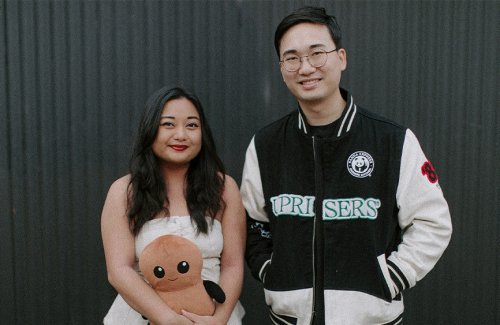
The creative minds behind Tubby Nugget are Joshua Jackson and Jenine Pastores.

Joshua, a skilled director, motion graphics artist, and film editor, has an impressive background working with notable media giants like Netflix, VEVO, and Jubilee Media. Leveraging his artistic expertise, he brings Tubby Nugget to life with vibrant animations and engaging storytelling. As the CEO and co-founder of Nuggetverse Inc., Joshua leads the team with a vision of spreading happiness through their unique content.

Jenine Pastores, the Chief Creative Officer of Nuggetverse, has a rich history as a creative producer and screenwriter, having collaborated with luminaries such as Jon M. Chu and companies like Jubilee Media, Alabaster Co., and VEVO. From a young age, Jenine’s passion for storytelling was nurtured by her love for books and her father’s bedtime stories. Pursuing a degree in screenwriting, she discovered the profound impact of storytelling in connecting people.

The story of Joshua and Jenine’s collaboration begins in 2015 during the Film Fellowship Program at Jubilee Media. Joshua, newly relocated from New Jersey to Los Angeles, met Jenine, who was already pursuing her screenwriting degree in LA. Their partnership started with Joshua directing a film that Jenine was involved in, marking the beginning of a creative journey that would eventually lead to the creation of Tubby Nugget.

Tubby Nugget’s mission is to provide a daily reminder of the importance of self-care and mental health. With a playful and humorous approach, Tubby Nugget encourages fans to embrace their unique selves and find joy in everyday moments.

Listen to the Creators Podcast featuring the creative minds behind Tubby Nugget here.

CONNECT WITH TUBBY NUGGET

Instagram: @tubbynugget

Facebook: Tubby Nugget

Website: tubbynugget.com

Stories

The Rise of Lola’s Fine Hot Sauce From Local Markets to 4000+ Walmart Stores

Last year, we had the pleasure of sharing the inspiring story of Taufeek Shah and Lola’s Fine Hot Sauce in the article “The Success Behind The First-Ever National Asian-Filipino-Owned Hot Sauce Brand,” delving into the brand’s multicultural roots and its recipe for success. With a unique blend of Filipino and Pakistani flavors, Lola’s Fine Hot Sauce, founded by Taufeek and his mother, has captured the hearts and taste buds of many across the United States.

Since then, Lola’s Fine Hot Sauce has achieved remarkable growth. From expanding its product line to securing a significant distribution agreement with Walmart, the brand has continued to build on its success.

We had the honor of interviewing their CEO and founder Taufeek Shah once again to discuss the latest updates and achievements of Lola’s Fine Hot Sauce. Join us and get inspired.

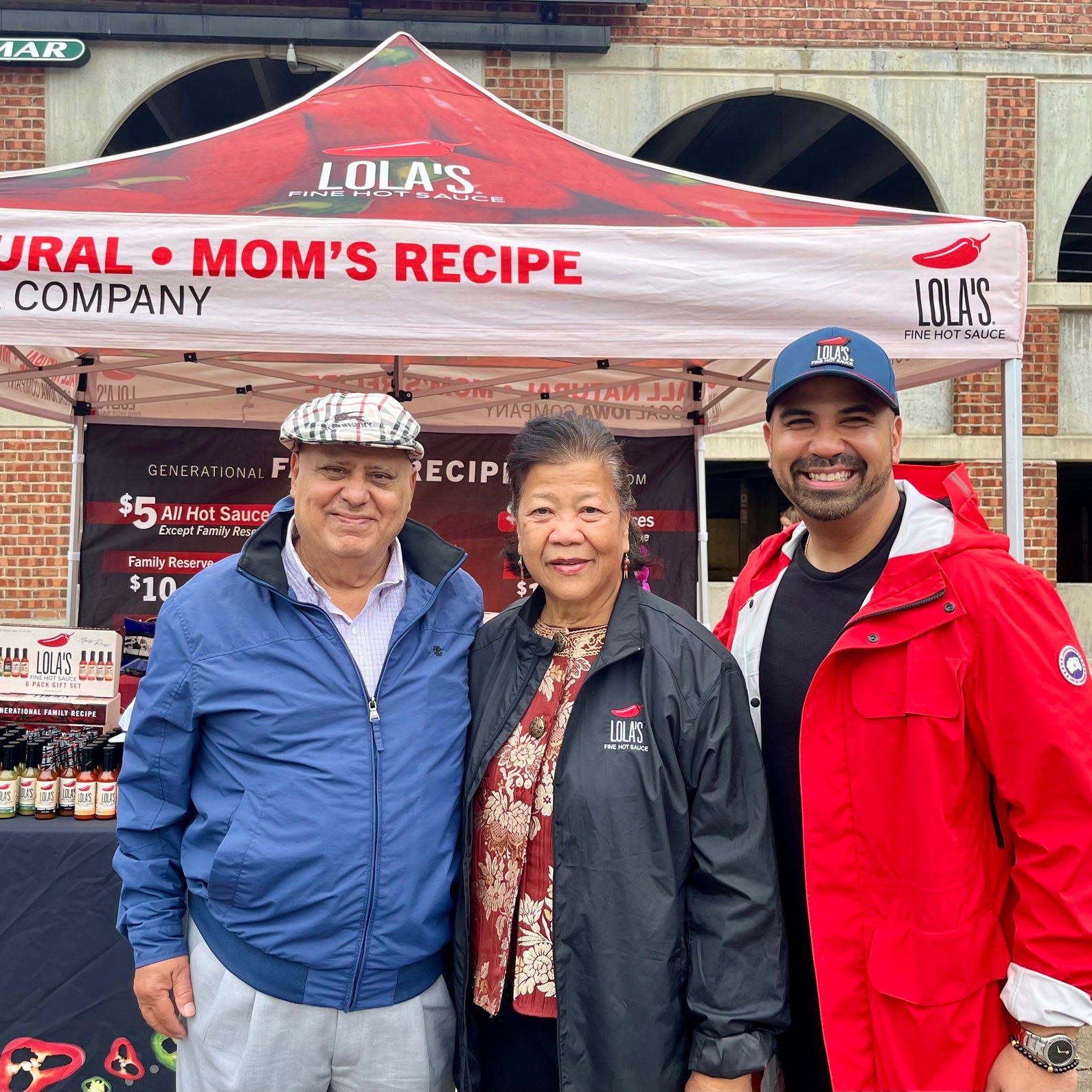
I remember when it was just my mom and I selling at farmers markets and now to see her recipes in every Walmart store in America is truly the American Dream.

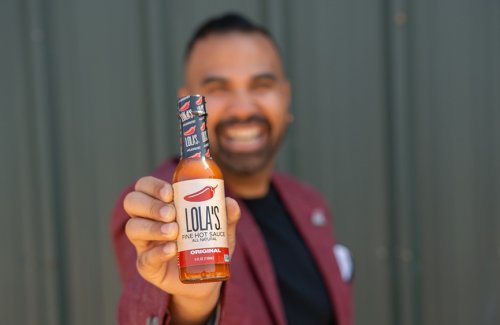
Taufeek Shah, CEO and Founder of Lola’s Fine Hot Sauce

WHAT’S NEW WITH LOLA’S FINE HOT SAUCE

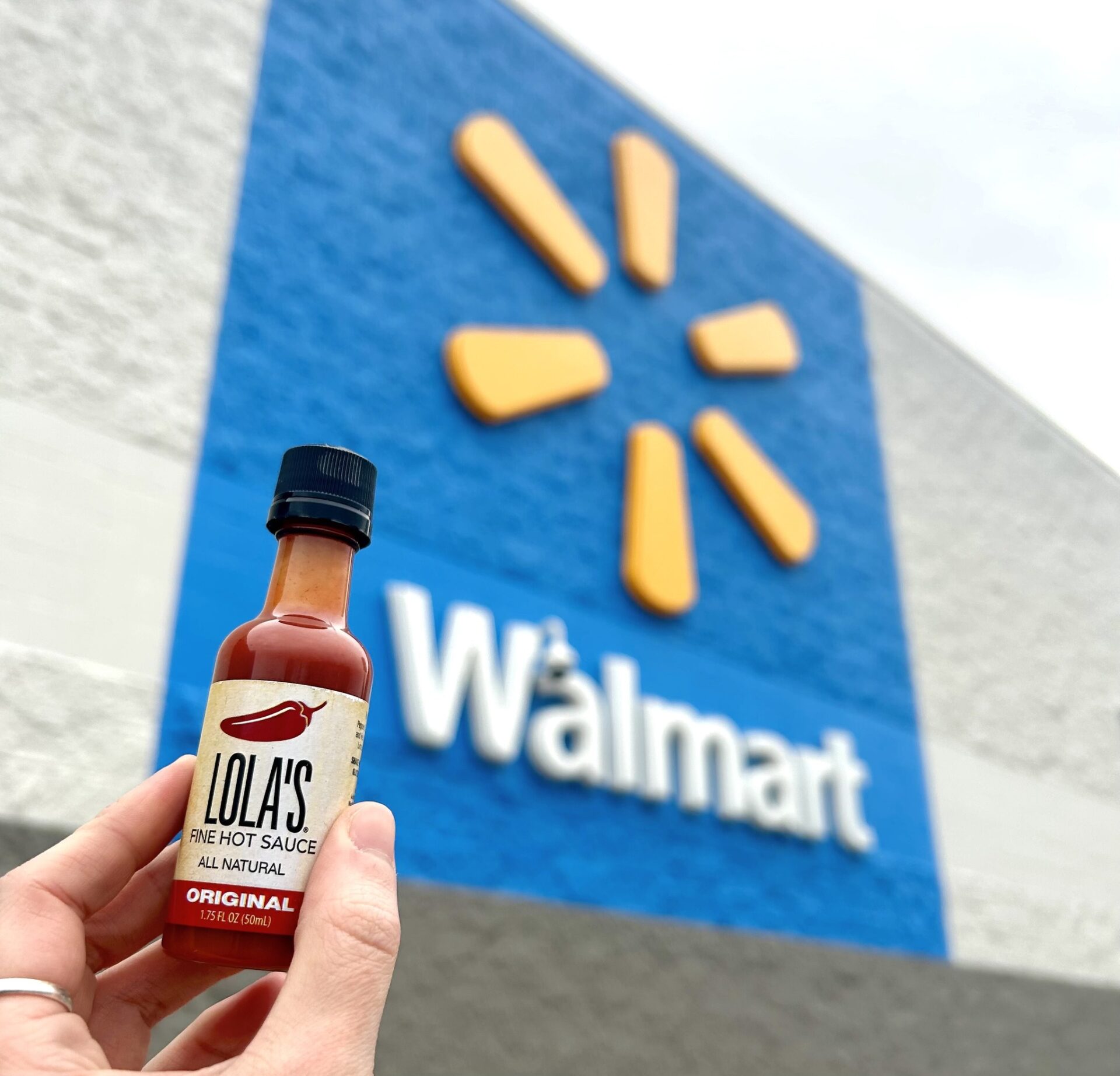
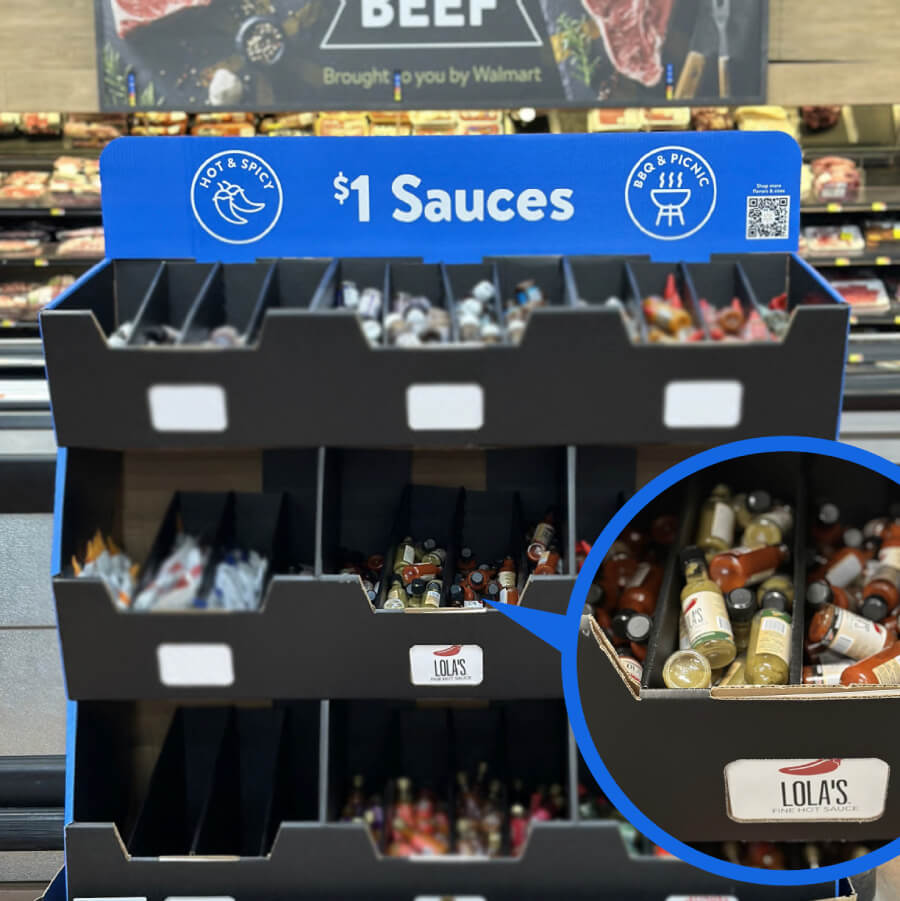
Since last year, Lola’s Fine Hot Sauce has achieved several significant milestones. We’ve expanded our product line by releasing Lola’s Fine Spicy Ketchup and AE Dairy Spicy Party Dip and introduced convenient mini bottles. Our distribution network has grown substantially, highlighted by a major partnership with Walmart: bringing our sauces to over 4,000 stores nationwide.

Product

We’ve also partnered with local farmers, packaging companies, and local supply chains to make sure our products are proudly made in America featuring fresh real all-natural ingredients.  Additionally, we’ve received numerous awards like the Best for Your Pantry Award by Better Homes and Gardens, awards in supplier diversity, and positive reviews, solidifying our reputation for quality and flavor. Overall, our growth and achievements reflect our commitment to bringing not only the best hot sauce but also our family’s recipe hot sauce to our customers while making a positive impact on the community.

HOW IT FEELS TO NOW BE AVAILABLE IN OVER 4000 WALMART STORES

It feels incredibly rewarding and humbling to see our family recipe hot sauces on the shelves of Walmart stores across the country! I remember when it was just my mom and I selling at farmers markets and now to see her recipes in every Walmart store in America is truly the American Dream.  This milestone represents years of hard work and dedication from our entire team, and it’s amazing to see our brand reach such a wide audience.

OVERCOMING PRODUCTION CHALLENGES

One of the major challenges was scaling up production to meet the demand of over 4,000 stores without compromising on quality. We had to streamline our processes, invest in new equipment, partners, and logistics, and ensure our supply chain could handle the increased volume. Great communication and great relationships with our current partners and new partners helped create new jobs within our community and also helped us understand our sauce better. Being all-natural and the amount of pepper/garlic and more that we brought in truly created an all-ships-rise in collaboration.

KEY LEARNINGS ON LARGE-SCALE PRODUCTION AND DISTRIBUTION

We’ve learned the importance of robust logistics and supply chain management. Ensuring that we have a reliable source of ingredients and efficient distribution channels is crucial. We also realized the value of maintaining flexibility in our production processes to adapt to unexpected changes in demand or supply. Additionally, building strong relationships with our retail partners has been essential in facilitating smooth operations.

FEEDBACK FROM THE CUSTOMERS

The feedback has been overwhelmingly positive. Customers love the convenience of our mini bottles, which are perfect for on-the-go use and trying out different flavors without committing to a full-sized bottle. Our expanded product line, including unique flavors like our Green Jalapeno & Serrano along with our coveted Original, has been well-received for its unique tastes with rich garlic nodes and just the right amount of heat and flavor.

LOOKING AHEAD

In the next few years, we aim to expand our product line with new and innovative flavors as well as continue to drive our signature original in both food service and retail. We also have a hot honey launching in the next few days which features a delicious flavor profile that matches our hot sauce with an all-natural honey.

We’re also looking to enter new international markets and increase our presence in existing ones. Another goal is to enhance our online shopping experience, increase direct-to-consumer sales, and expand internationally.

ADVICE FOR OTHER MINORITY-OWNED BUSINESSES

Stay true to your vision and values. Build a strong, dedicated team that believes in your mission. Networking and building relationships within the industry are crucial. Don’t be afraid to seek mentorship. But most importantly hustle – grinding hard and outworking everyone with the belief in your brand or product will get you to where you want to be.

CONCLUSION

We’re excited about the future of Lola’s Fine Hot Sauce and grateful for the support we’ve received from our customers and partners. We’re committed to continuing our journey of delivering high-quality, flavorful family recipe hot sauces while making a positive impact on our community and supplier diversity proudly made in America while staying true to our Filipino/Pakistani roots.

CONNECT WITH LOLA’S FINE HOT SAUCE

Website: lolasfinehotsauce.com

Instagram: @lolasfinehotsauce

TikTok: @lolasfinehotsauce

Facebook: Lola’s Fine Hot Sauce

X: @lolafinehotsauce