Stories

July 4, 2023

SHARE:

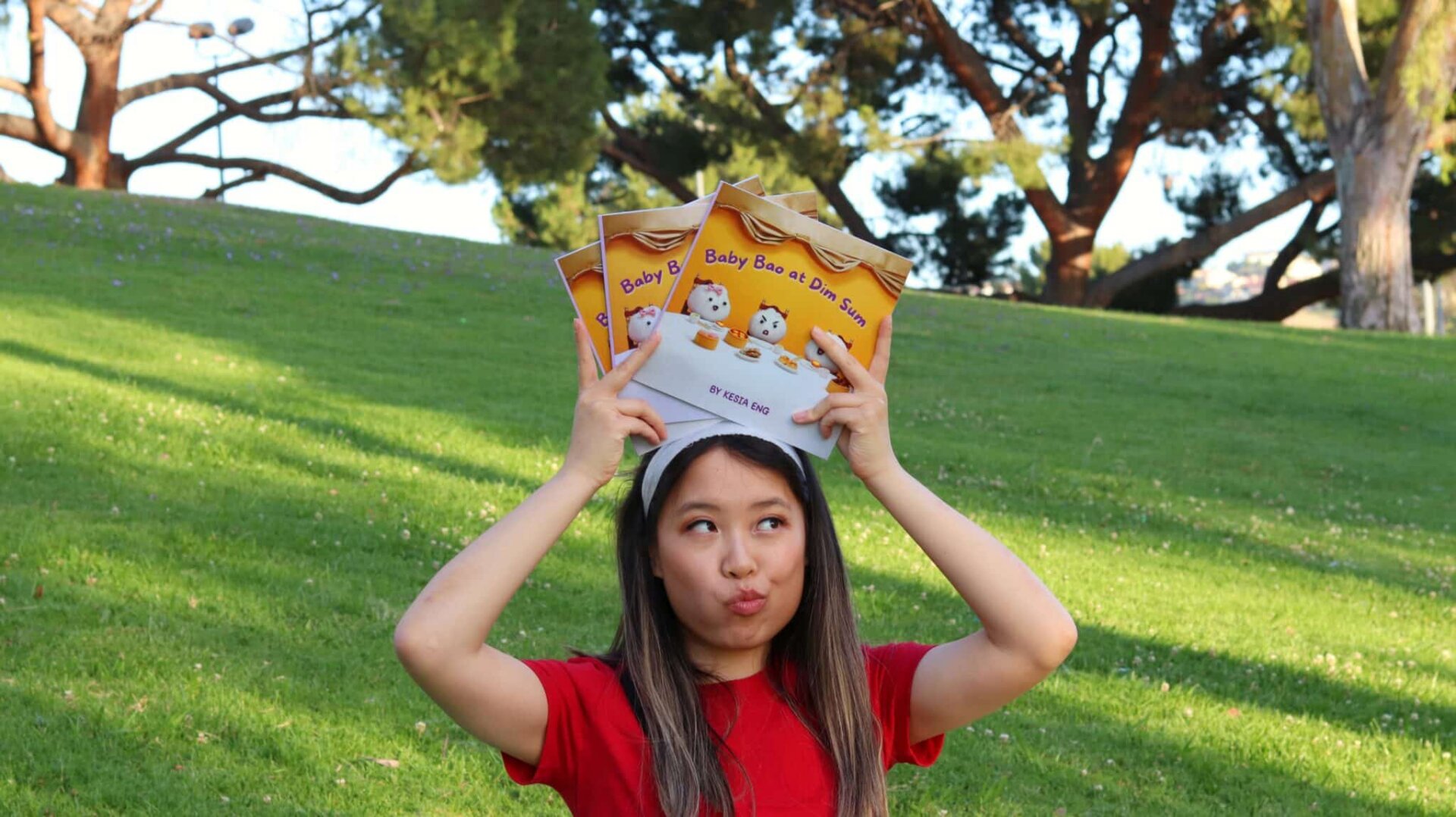
In a time when the world seemed to close its doors, Los Angeles native and talented writer Kesia Eng found her inspiration for her  delightful children’s book titled “Baby Bao at Dim Sum.”

Kesia shares with Asian Hustle Network her motivation and experiences behind this captivating story that captures the essence of family bonds and the rich cultural heritage of East Asian cuisine.

Growing up, Kesia cherished her visits to dim sum restaurants with her family. The savory aroma, the clinking of chopsticks, and the joy of feasting on delicious food became the backdrop of countless treasured memories.

Dim sum not only brought her family together but also offered a window into her Chinese heritage, teaching her the values of respect, care, and love for others. Ultimately, these shaped her identity and inspired her to write this book.

The pandemic threatened to rob younger generations of the invaluable experiences Kesia cherished, making her determined to pass on the cultural significance of dim sum to kids and share it with others.

In her debut children’s book, “Baby Bao at Dim Sum,” Kesia beautifully weaves a tale that explores the importance of family, selflessness, and the joy of bonding over a delicious meal. This book serves as a tool for parents and children to read together, sparking meaningful conversations about the values embedded in East Asian culture.

Join us as we delve into the story behind “Baby Bao at Dim Sum” through an exclusive interview with Kesia Eng.

Dim sum helped me better understand and appreciate my parents and our Chinese culture. I think I can speak for many American kids who have immigrant parents: There aren’t a lot of things in common between our upbringing and theirs. But food is our shared connection.

Kesia Eng

KESIA’S INSPIRATION FOR WRITING “BABY BAO AT DIM SUM”

As with most recent creative endeavors, the idea for the book sprouted during the pandemic. Everything was closed. Schools were shut down. Sports games were canceled. Even my favorite Target store started closing at 8 p.m. The world truly was ending. But the most devastating thing? My beloved dim sum restaurants have stopped indoor dining.

I know it didn’t seem significant. There’s plenty of other food. Plus, we can still get takeout. But I grew up coming to these restaurants with my family. Going there was a real treat as a kid – taking in the savory aroma that fills the air, hearing the excited chatter and clinking of chopsticks all around you, and of course, feasting on all the varieties of delicious food. Every time I came back from college for the weekend, my parents would take me to eat dim sum – it was a huge part of our everyday life.

Most importantly, dim sum helped me better understand and appreciate my parents and our Chinese culture. I think I can speak for many American kids who have immigrant parents: There aren’t a lot of things in common between our upbringing and theirs. But food is our shared connection. Food isn’t just something you eat. When you look closely, the experience of dim sum is filled with the values of East Asian culture:

  • pouring tea for the oldest person at the table first, and your own cup last
  • serving food to others before yourself
  • keeping an eye on everyone’s cup so you can refill it for them
  • fighting to pay for the check (and never backing down, even if you have to chase down the waiter and force your Visa card into their hands) 
  • and so on

All of the above embody community-oriented respect, care, and love for others. It’s how my parents showed how deeply they loved our family, even through the mundane act of eating at a restaurant. When my mom saves the biggest and best dumpling for me, or when my dad reaches across the table to fill my teacup first, I know it’s because they love me. And it’s a way for me to show my love in return – pouring their tea first, giving the best dim sum piece to them, (and yes, now that I’m a post-grad adult, literally fighting to pay that check). It’s not just nostalgia – dim sum is an essential part of my heritage, shaping how I’ve grown up, who I am, and who I want to become.

With COVID, it seemed like the pandemic would take these valuable moments away from younger generations. To be honest, it made me sad because I didn’t want them to grow up without having that experience, and thus a practical understanding of their cultural background. It’s a learning moment I want to pass on to kids and share with other people too.

“BABY BAO IS ME”

Part of the reason why I chose to focus on the theme of family and selflessness is in reaction to a lot of Asian American stories today that center on the difficult relationships that kids have with their immigrant parents.

I think the current popular narrative sometimes pushes this idea of hyperindividualism; that it’s all about the self and what the self wants. I totally understand the heart behind where that narrative/story comes from but sometimes it can demonize our parents for being hateful because they don’t agree with everything we say or do what we expect. Granted, nobody is perfect. But I think it’s important to have empathy towards our parents who grew up in a different environment than we did. We can try to put ourselves in their shoes, imagine the upbringing they had, the hardships they went through, etc.

And to be honest, I wrote it because of my own revelation. Baby Bao is me. I wrote Baby Bao as myself because I definitely was not a self-sacrificial loving kid growing up. It wasn’t until college that I realized I had taken their love and care for granted. I think it’s easy for us to be selfish and maybe not consider what our parents would appreciate or how they care for us. They do love us, but maybe it isn’t expressed in the exact fashion we expect it to be. 
FULL CREATIVE CONTROL AS A SELF-PUBLISHER

I knew the route of traditional publishing was long and a bit arduous. I felt like there were many gatekeepers and I didn’t want the flow/speed of my project to be hindered because of it.

It kinda goes like this: after you do your due diligence on finding the appropriate literary agent, you have to keep cold-emailing them about your manuscript, hoping they’d want to support you and your book. And finally landing a literary agent could range from a few months to a few years. They’re the best resource to connect you to a traditional publisher who would get your book published. 

But why wait for someone to give me the green light when I could just get my book out directly to the audience? I like to think I have an entrepreneurial spirit , because when I really believe in something, I don’t want to wait for someone to give me approval to do it. I just want to go for it. So I decided to self-publish my idea.

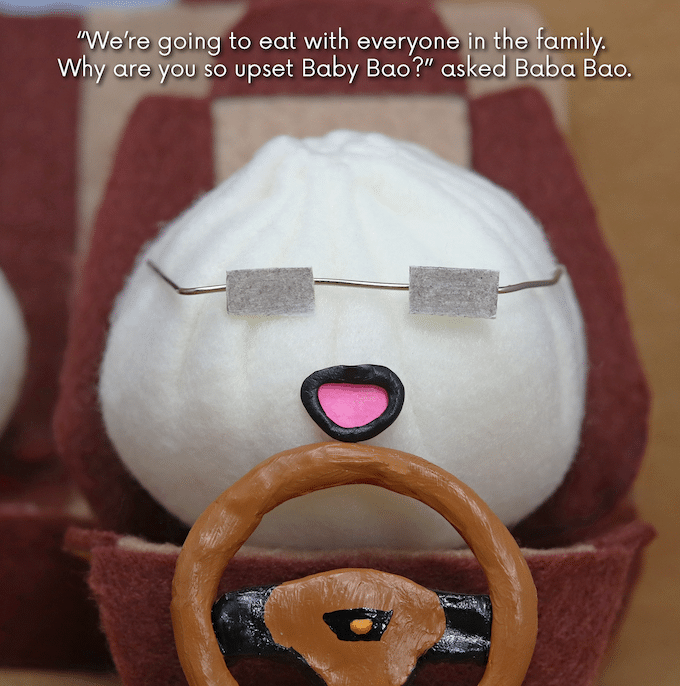
I think what’s truly unique about this book is that the illustrations are not 2D animated artwork that’s common in picture books. I can’t draw to save my life and I didn’t have enough funds to hire an illustrator, so I brainstormed ways to figure out how I was going to make the visual part of the story come to life.

While rummaging through my bookshelf, I found an old book my parents bought when I was young, that taught simple Chinese words. The front cover looked so interesting to me – it was a claymation of a girl. That basically spawned the idea of using claymation/”stop-motion” as the illustrations of the book.

I made all the sets, characters, and mini items by hand with lots of construction paper, cardboard, and other materials. I then taught myself product lighting, photography, and photo editing. I also run all the social media accounts. And this is in addition to writing the story myself, so it was truly a one-woman production.

Fun fact: I gave my book to Netflix Bling Empire’s Christine Chiu!

WHAT KESIA HOPES THAT READERS WILL TAKE AWAY

If I can narrow it down to just 3 takeaways I hope parents and children get out of this book, it’s that (1) family is important (2) loving others often requires self-sacrifice but is definitely worth it and (3) dim sum is an avenue we can use to love and cherish our families more!

I wanted parents and their children to think deeply about the message together. And that desire played a huge part in why I decided to deliver that through the form of a children’s book. I think the nature of children’s books often necessitates parent-child bonding because parents often read to their kids who aren’t strong independent readers yet.

So the book, “Baby Bao at Dim Sum” is a great opportunity for parents to bond with their cute kiddos just by reading it together. It also leads parents to talk through the story more with their children by mentioning the cultural values of it, going over the universal value of family, and asking them insightful questions about what they learned or what they noticed. 

DIVERSITY AND REPRESENTATION IN CHILDREN’S LITERATURE

I’m seeing a lot of great Asian American children’s books recently and I envision “Baby Bao at Dim Sum” adding depth to the representation of the Asian American experience in children’s literature.

The book shows that parents and/or family relatives ought to be given importance as well.

Additionally, the book does a great job showing and not just telling how the cultural values common in East Asian culture (community-oriented respect, care, and love for others) are embedded into the subtle actions (pouring tea for the oldest person at the table first and your own cup last, serving food to others before yourself, and keeping an eye on everyone’s cup so you can refill it for them) during a traditional Chinese meal.

Representation is showing the authentic experience of something, and I think showing chicken feet, regardless of people’s initial reaction to it, is an important unfiltered experience of dim sum. So I made it a mission for myself to include the chicken feet dish in my children’s book (right on the first page) because it’s an iconic Chinese cultural food. I think just because it’s different from what most people outside of the culture may see, it doesn’t make it weird or gross. Walk into a dim sum restaurant and you see it on the tables of so many diners.

I hope the story is an easy and welcoming way for people unfamiliar with East Asian culture, to learn about it and get a glimpse of what really goes on during an authentic Chinese meal of dim sum. Additionally, I think it’s a perfect book for East Asian families to personally connect with those experiences and pass them down to younger generations. 

It really warms my heart to see so many parents message me that their little ones love the book, want to read it every night with them, or want to eat dim sum because of it. Seeing those comments and messages never gets old!

UPCOMING PROJECTS

I drafted several storylines for the next potential “Baby Bao” adventure, and have whittled it down to two options. I can’t reveal when this project is going to be done just yet, but it’s in the works! Many of my readers have expressed that they’d love to see more of Baby Bao, so I’m happy to continue working on more stories with him as the protagonist.

In terms of other work, I’m actually in the process of finalizing a manuscript for my next writing project: a satirical poetry book about early adulthood! I enjoy comedy and I enjoy satire, so of course, I had to try writing with that flair. The book is a witty take on young adult life and pokes fun at relatable moments we experience in careers, friendships, and love. Final touches are being added. Release date TBA but aiming for before this fall season. 

Readers can expect that I’ll be pursuing different writing projects because I want to build upon my writing skills and flex my creative muscle. I think I have a knack for knowing my audience well and crafting stories that are relatable to all of us on a human level. So I’m really excited to continue exploring various story ideas and styles of writing to see what I’m the best at and produce work that my readers would love.

CONNECT WITH KESIA / BABY BAO AT DIM SUM

Instagram: @babybaoatdimsum

Tiktok: @babybaoatdimsum

Amazon: BUY HERE

Email: babybaoatdimsum@gmail.com

Website: kesiaeng.com
Related Articles

image

News

Asia’s Negative Mindset & Crab Mentality

Japan has an old proverb: “The nail that sticks up gets hammered down.” 

While in China, there is a saying, “The higher the tree, the stronger the wind.”

In a critical lens, both idioms illustrate harmony and unity – a vital essence of Asian culture and heritage. Nevertheless, the proverbs also shed light on a contrasting school of thought: conformity and crab mentality. 

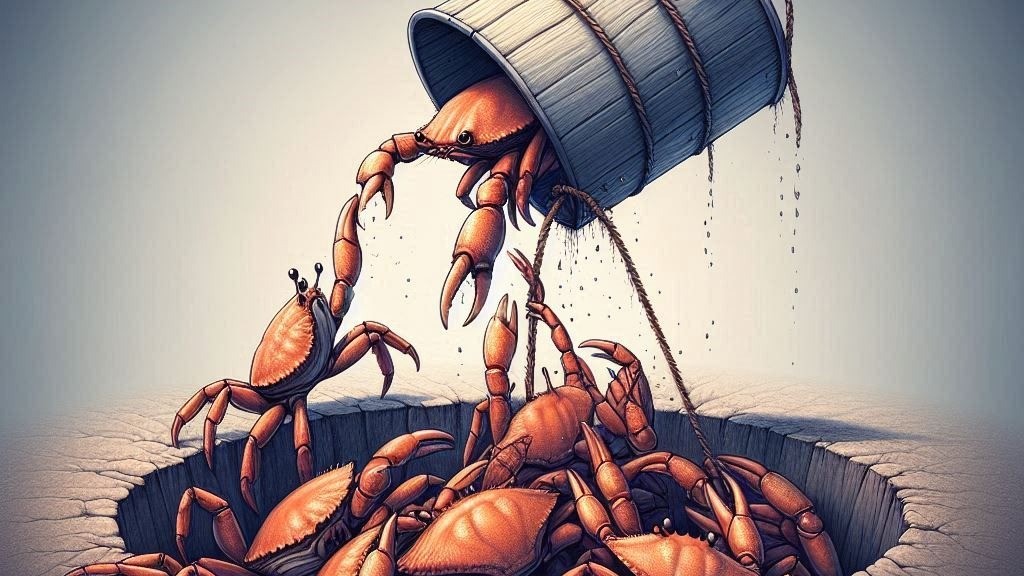
Crab mentality refers to the situation one can explore by placing a crab or a collective of crabs in a bucket. A lone crab can inevitably crawl out of the bucket, however, a peculiar scenario would arise if one situates a group of crabs in a bucket. As a crab tries to crawl out, the other crabs will pull it back down. If it tries again, the others will rip its claws off to ensure it can never do so again. Ultimately, no crabs can go anywhere besides the stew pot you are brewing. 

Crab in a bucket scenario (Image source: Microsoft Designer)

Crab in a bucket scenario (Image source: Microsoft Designer)

It is naivety to assume human beings are a unified collective group. History, wars, and jealous conflicts are testaments to human being’s selfishness. Hence, it is arguable that we are inclined to place ourselves above others, even if it means at the expense of our peers. Despite being a precarious thought, this insight opens new dimensions to understanding crab mentality in the human context. 

“Remember your cousin Timmy in China? He has 15 years of experience. He’s nine!” 

Steven He’s dad (played by Steven He) exclaimed.

Terms like “Asian-level difficulty,” “Tiger Moms,” and “Asian parents” have become widely recognized through memes, movies, and other mainstream media, serving as a lens for global audiences to understand and appreciate aspects of Asian culture. Yet, one community still paints a negative view of the Asian community, even discriminating against its individuals – and the answer is ironically the Asian community itself.

The purpose of this work is not to discriminate or criticize any peculiar group but to foster intellectual discourse and encourage reflection on societal dynamics and individual perspectives. The chosen quote embodies this intention, capturing four intertwined facets.

Understanding the concept of face is crucial when discussing Asian culture and heritage. Face serves as a societal construct that governs social interactions and determines one’s standing within a social hierarchy. It is a dynamic measure that can be given, earned, taken away, or lost, often extending beyond the individual to include family and friends. For those unfamiliar with this concept, here’s a simplified explanation:

  • A wife who earns a promotion gains face for herself in front of her boss, while also bringing face to her husband and parents through her achievement. 
  • Conversely, a student who performs poorly on an exam loses face among peers, and their parents, in turn, lose face within their social and familial circles.

Despite being debatable, visualizing face as a form of currency provides an interesting lens through which to examine crab mentality in Asian communities. Much like any valuable asset, currency must be earned, safeguarded, and strategically utilized. Losses, even those meant for long-term gains, are approached with caution and calculation. Consequently, individuals strive to enhance their reputation while using criticism to diminish the face of others.

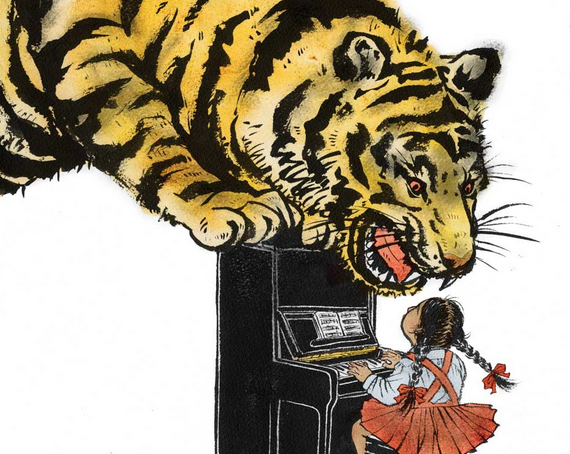
The concept of face is deeply tied to education and parenting, playing a role in fostering crab mentality. Asian children are often raised to prioritize self-achievement above personal aspirations, adhering to predetermined paths for the “greater good” of the family. This emphasis on collective reputation often comes at the cost of individual dreams, reinforcing a mindset where personal success is weighed against familial expectations.

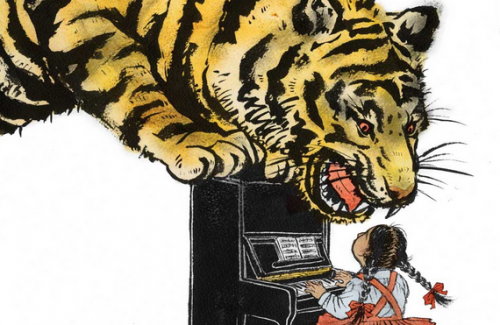
Parenting can affect mindsets, a reflection on Tiger Moms (Image source: Mims On The Move)

Parenting can affect mindsets, a reflection on Tiger Moms (Image source: Mims On The Move)

Indeed this is a generalized claim that leaves certain minorities for speculation, but the interplay between face and sacrifice is crucial in understanding the environment Asian children grow up. Literary works like Truyện Kiều (Tales of Kieu), a renowned Vietnamese poem, highlight traditional ideals through terms like cầm-kỳ-thi-họa—the four virtues defining a successful woman. Similarly, the stereotype of Asian children being expected to become doctors or lawyers has become a familiar cultural reference in contemporary discourse.

No parents want their children to grow up as bad people. Hence, it would be injudicious to blame parents and the system for a negative societal mentality. Yet, there are certain repercussions to sacrificing a child’s dream in return for a destined path to greatness. This leads to the third facet of crab mentality in Asian communities: A ramification for every child following the same success path means comparison and competition. 

Let’s revisit Steven He’s joke: Timmy is used as a benchmark for comparison. The only way for Steven to save face is by climbing the same ladder and offering Timmy a similar spiteful insult. This vicious cycle of comparison fuels crab mentality within families, peers, and the broader community. True to reality, Asian students often spend countless hours in extra classes and clubs to meet rigorous expectations. Tiger moms push their children to excel in every class as if their lives depend on it. There is no middle ground—you’re either a winner or a failure.

This brings us to the final facet: the absence of praise and apologies. Ironically, according to BBC and Vocal Media, Asia is home to some of the politest people in the world, with countries like Japan and Thailand leading the way. Despite this, hierarchy plays a pivotal role in relationship dynamics. To save face, many Asian parents rarely offer praise to their children. Astonishingly, when it comes to apologies, parents often go to great lengths to defend their actions rather than acknowledge their mistakes. 

A similar response can be seen in Asian workplaces, where higher-ups are more inclined to criticize and are far out of reach from their team members. Individuals will praise their peers and colleagues in hopes of receiving similar treatment instead of actual commemoration. Workers often segregate themselves into teams of interest to promote one another instead of collaborating as a group. These groups create outcasts who, despite their talents, are looked down upon and have their accomplishments taken or snuffed out by negative criticisms. This reluctance to give praise and apologize reinforces a mindset of self-achievement above all else. At first glance, mentality such as these are not wrong, but they leave cracks for detrimental thoughts of arrogance and selfishness – ultimately sustaining the crab mentality.

While this article explores the crab mentality within the Asian community, it is important to recognize that this negative mindset is not exclusive to any one group—it exists everywhere. The concepts of face, self-achievement, competitiveness, community, and sacrifice are what make Asian heritage unique and beautiful. This work argues that these cultural elements are not the root cause of the crab mentality, but rather, insights into why such a mindset may emerge. 

Avenue of Stars, Hong Kong

News

The Rise of Asian Representation in Food Shows: A Lunar New Year Celebration

Credits: Patricia Ratulangi Vice President, Global Communications Nielsen

In recent years, food shows featuring Asian chefs and cuisines have seen a surge in popularity, capturing the attention of diverse audiences around the globe. This trend highlights the growing appetite for cultural representation and inclusivity in entertainment. As we celebrate Lunar New Year—a holiday deeply rooted in food traditions—it’s the perfect time to reflect on how Asian representation in food media resonates with viewers and drives mass viewership.

Food shows featuring Asian chefs and cuisines highlight cultural diversity, resonating with audiences and driving viewership, especially during Lunar New Year celebrations.

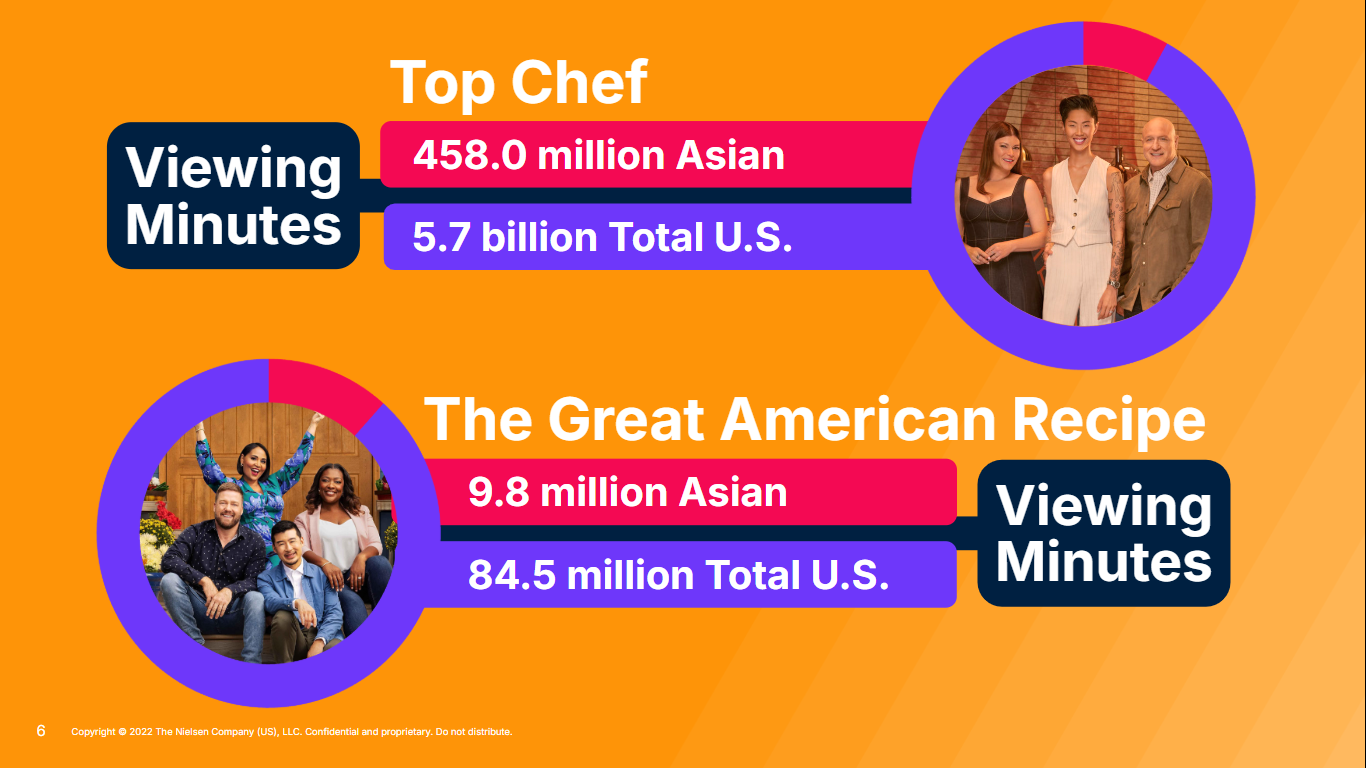
Food shows stand out as a medium where culture, tradition, and storytelling intersect seamlessly. Programs like Top Chef, which has featured contestants such as Melissa King and Hung Huynh, and The Great American Recipe, where home cooks celebrate diverse culinary heritages, showcase the rich variety of Asian cuisines and the personal narratives behind them. These stories invite viewers to connect with the cultural roots and contemporary adaptations of dishes they may have never experienced before.

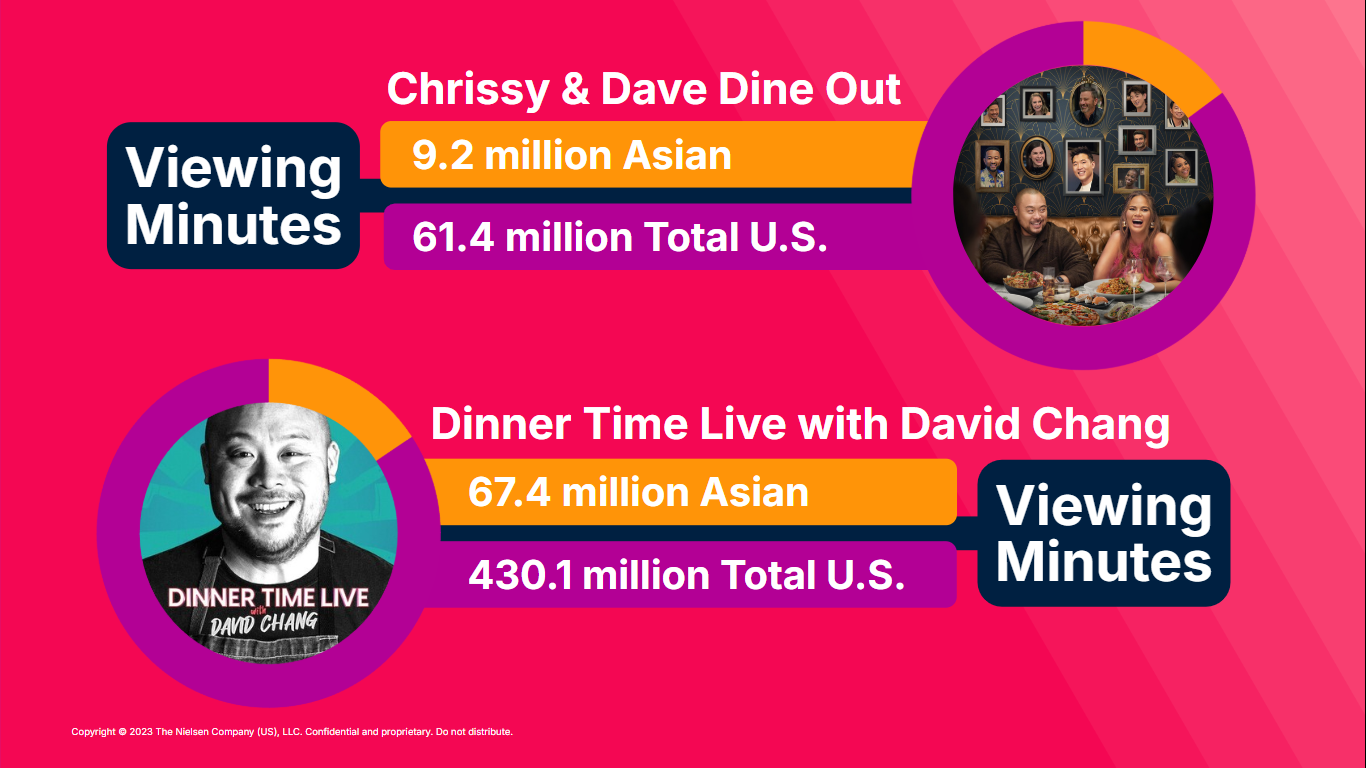
2024 Viewing MinutesAsianTotal U.S.
Top Chef‎‎  ‎ 458.0 million5.7 billion
The Great American Recipe‎ ‎ ‎ 9.8 million84.5 million
Chrissy & Dave Dine Out‎‎  ‎ 9.2 million61.4 million
Dinner Time Live with David Chang‎ ‎ ‎ 67.4 million430.1 million
Source: Nielsen audience measurement: Jan 1 – Nov 30, 2024

Lunar New Year exemplifies the central role food plays in cultural celebration. From dumplings symbolizing wealth to fish representing prosperity, the holiday is a sensory feast steeped in meaning. By spotlighting Asian chefs and their innovative approaches to dishes that represent their heritage, food shows bridge the gap between cultural nuance and modern audiences. 

A Tết (Vietnamese Lunar New Year) tray filled with traditional Vietnamese dishes for Lunar New Year, symbolizing happiness and peace.

The success of Asian-centered food programming aligns with broader audience preferences for authenticity. Nielsen data reveals that 63% of viewers are more likely to support brands and content creators that authentically represent diverse communities. For mass audiences, this means a greater willingness to engage with shows that go beyond superficial portrayals and offer genuine insights into Asian culinary arts.

The viewership data highlights the significant appeal of food shows among both Asian audiences and the broader U.S. audience, underscroring the growing đemand for authentic, inclusive food shows that celebrate diverse cultures.

Nielsen Chart A
Nielsen Chart B

As Lunar New Year festivities fill homes with the aroma of traditional dishes, the increasing visibility of Asian representation in food shows reminds us of the universal power of food to connect people across cultures—one dish, one story at a time.

Elegant Cinematic Wedding Thumbnail HD 169 (4)-png

Stories

Michele Wong McSween Brings Chinese Culture to Life Through Gordon & Li Li

Navigating one’s cultural identity is confusing, especially in a diverse nation like the United States (US). One minute, you proudly claim that heritage of yours, and two seconds later, you feel as if your identity were the main character of a roast party. That carries on to the parents, who face the challenges of keeping their children connected to their roots amidst the complexities of a multicultural society. 

As a Chinese parent, Michele Wong McSween knows this all too well. By the time Michele became a mother, the pressure of teaching her children Mandarin had only grown stronger. That gave birth to “Gordon & Li Li,” a series of books designed to make learning Mandarin and connecting with Chinese culture fun and approachable for kids.

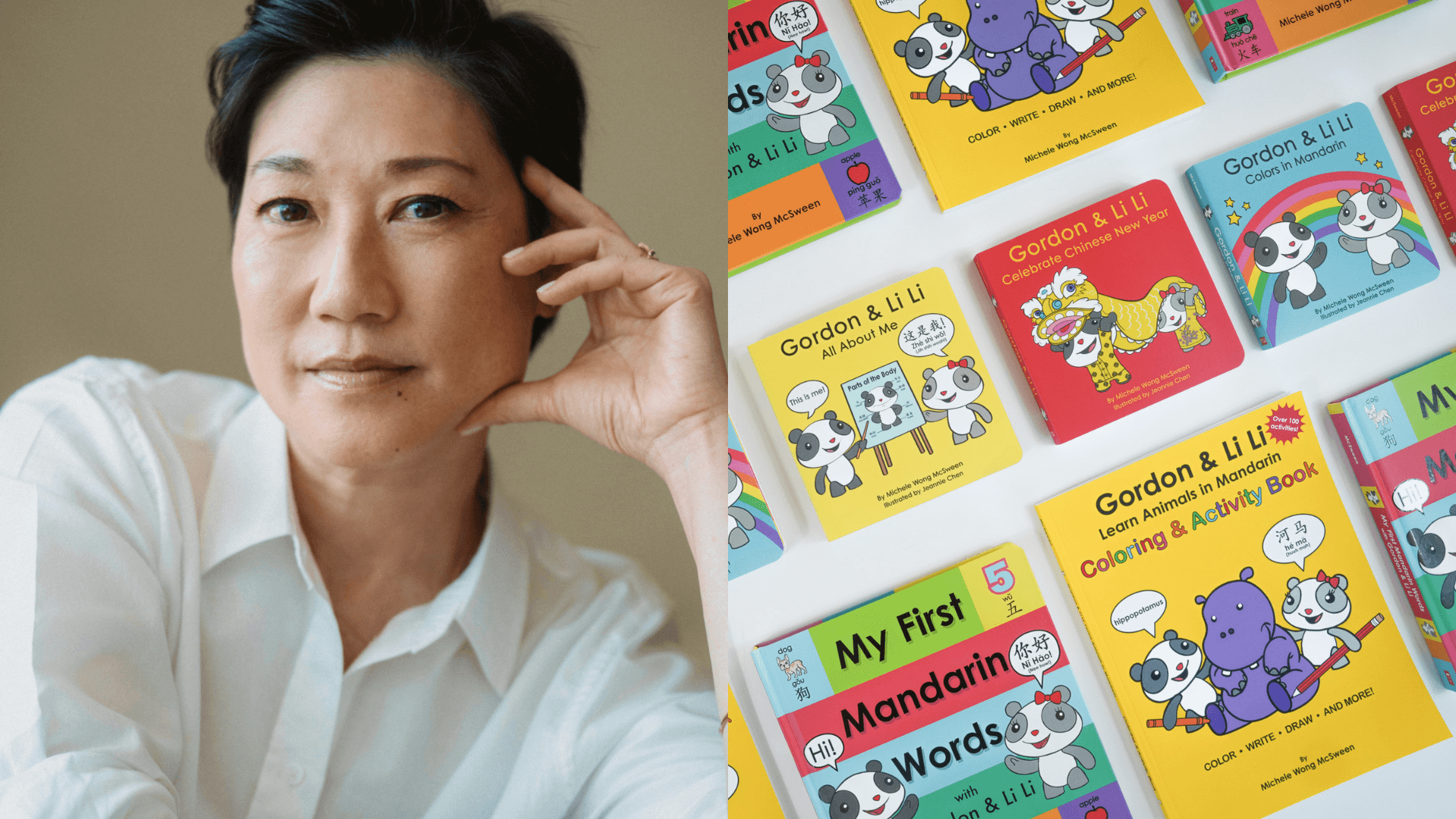
Michele Wong McSween cleverly dilutes the weight of this language in her new upcoming books, Gordon & Li Li: Celebrate Chinese New Year Coloring & Activity Book and All About Me, inspiring families to embrace their heritage, one book at a time.

Throwback New Year

Back in her early Lunar New Year days, Michele would help her mother decorate the house with blossoms, prepare lucky foods, and then gather at her grandparent’s home for a joyful dinner celebration. And what’s Lunar New Year without the iconic Hong Bao (red envelopes) and the sounds of familial peals of laughter? It was these little moments with her family that developed a lifelong passion for Chinese culture and language.

But the mounting pressure of growing up and starting a family soon dawned on her the challenges of instilling that same cultural pride in her children. “As a fourth-generation Chinese American, I didn’t grow up with the gift of language, and I found the books that existed to be intimidating, old-fashioned, and uninspiring,” she says. “How could I expect my children to get excited about learning a language when I wasn’t even inspired to?”

The Birth of Gordon & Li Li

The struggles to find suitable and engaging resources for her kids to learn Mandarin inspired Gordon & Li Li, a children’s book series that takes readers on the journey of two main characters, Gordon and Li Li. Mandarin Chinese is already a tough language, let alone studying it like a daily chore. So, she created her own educational books that blend entertainment and cultural values while adapting to modern technology, making these lessons more engaging and accessible.

The initial concept was to become the “go-to” board book series for families eager to introduce their little ones to Mandarin and Chinese culture. Within three years, I self-published three books, but as my children grew older and their learning needs changed, I knew I had to create something that could grow and engage with them in this next phase. Seeing how much they loved learning on an iPad, I entered the technology world and created and launched the Gordon & Li Li: Learn Animals in Mandarin app on iTunes in 2012.

Recognizing the challenges she faced while teaching her children Mandarin, she came up with the idea for "Gordon & Li Li" - a fun and engaging book series to help children learn Mandarin.
Recognizing the challenges she faced while teaching her children Mandarin, she came up with the idea for “Gordon & Li Li” – a fun and engaging book series to help children learn Mandarin.

For all the grand visions, there lie the grappling challenges Michele must balance: being both a full-time mother and a founder. Her working hours began when her children went to bed, often ending late into the night, only for her to start the day all over again. Not coincidentally, these burdens are further intensified by her lack of experience in publishing, marketing, or business management.

As a mom of three boys, the hardest part was trying to find the time and energy to spend on G&L while balancing the demands of motherhood. My work day wouldn’t begin until the boys were in bed. I’d clean the house, spend a few hours on G&L, go to bed by 1 a.m. or 2 a.m., then start the day all over again. On top of that, with no training in publishing, marketing, or running a small business, I often felt like I’d take one step forward and 100 steps back.

In those moments, the fleeting thoughts of giving up are already tempting enough. Despite this, her commitment and perseverance led her on a fortress path. Better still, the “heartfelt” feedback she received along the way has proven to be highly worthy and rewarding. After all, trees will bear fruits—and her fruits can help sustain many following generations on the heritage tree.   

Sixteen years in, and I’m finally learning to embrace the challenges as opportunities to grow instead of seeing them as failures. I’ve surrounded myself with a supportive network and a strong community, and I’ve become more patient with myself as I learn new skills. I’ve also learned to practice self-care because self-care isn’t selfish—it’s essential!

Michele Wong McSween continues growing this age-old tree of Chinese heritage through her two upcoming books, each offering a unique and engaging way for children to learn Mandarin.

Gordon & Li Li: Celebrate Chinese New Year Coloring & Activity Book and the Impact of Lunar New Year and Family

Michele’s work shows an emphasis on family, which is placed at the forefront in many Asian households. Her upcoming book Celebrate Chinese New Year Coloring & Activity Book is a reflective extension of that value, whereas Lunar New Year has always been traditionally associated with family gatherings. “My favorite childhood memories of Lunar New Year were the source of inspiration for Gordon & Li Li: Celebrate Chinese New Year,” she says. “These core memories have inspired me to continue the traditions with my own children and through my book. I hope that families everywhere can enjoy celebrating Lunar New Year, whether they’re reconnecting with their heritage like me, or learning about it for the first time.”

With the Celebrate Chinese New Year Activity Book, I hope to bring the fun and festive traditions of the Lunar New Year to children through interactive, hands-on activities. I specifically designed it to engage with kids as they grow. From simple coloring and matching activities to more challenging ones like Chinese Character Search, Crosswords, and Find the Differences. This book has something for everyone and helps connect children of all ages to the excitement and significance of the New Year.

Michele's upcoming book, Celebrate Chinese New Year Coloring & Activity Book, reflects her childhood memories of Lunar New Year and aims to engage children of all ages with interactive activities.
Michele’s upcoming book, Celebrate Chinese New Year Coloring & Activity Book, reflects her childhood memories of Lunar New Year and aims to engage children of all ages with interactive activities.

Exploring Body Awareness With Gordon & Li Li: All About Me

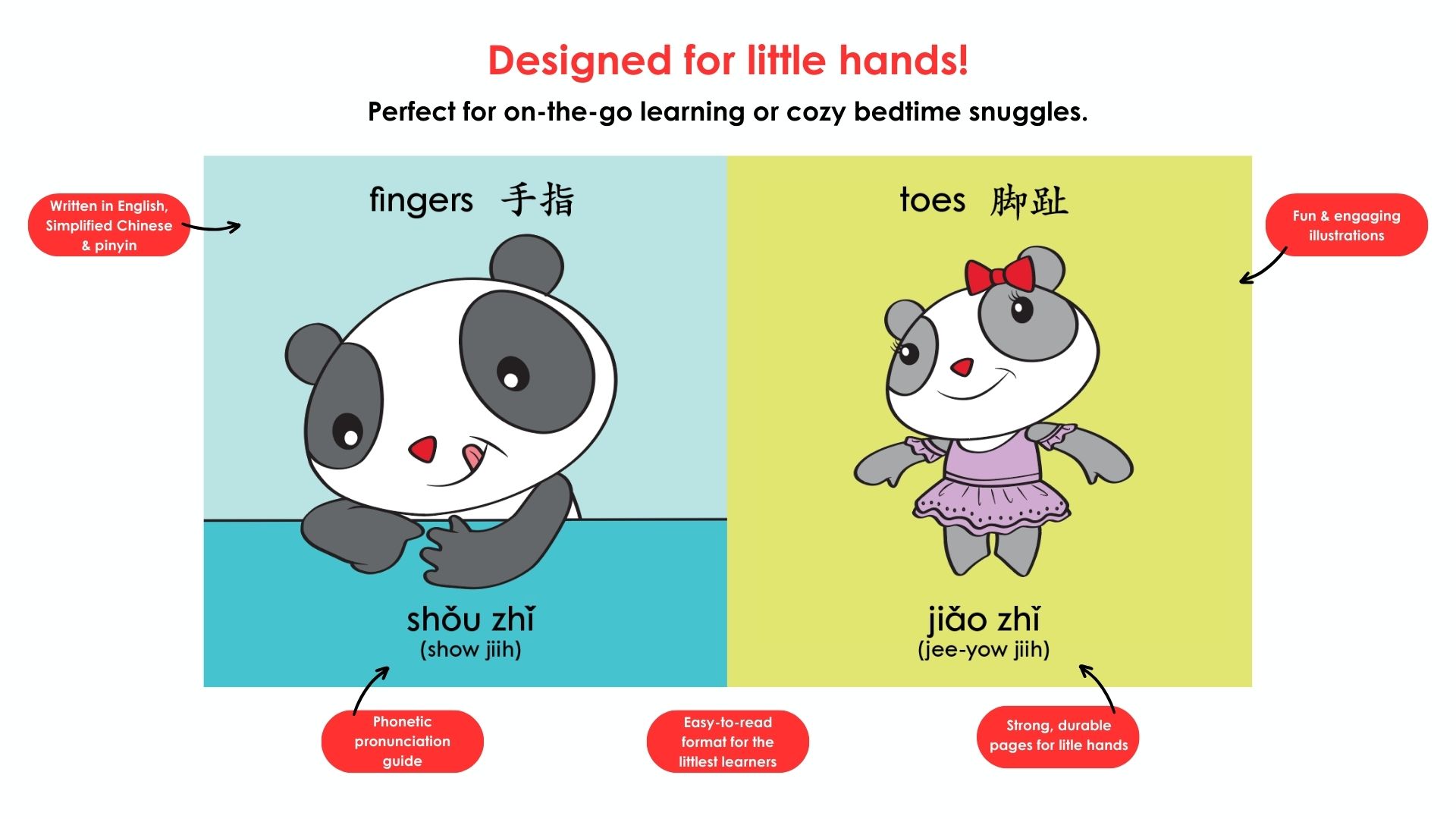
Gordon & Li Li: All About Me, on the other hand, tackles something closer and more physical, introducing young readers to parts of the body through Mandarin. Illustrated with playful and colorful artwork, each page opens a world of body parts such as fingers, toes, and shoulders. Basic words like “fingers” (手指, shǒu zhǐ) and “toes” (脚趾, jiǎo zhǐ) are demonstrated in fun and engaging ways with real-life examples to help children apply the words to their everyday activities. For example, “I am counting my ‘shǒu zhǐ’” or “Li Li is dancing ballet on her ‘jiǎo zhǐ.’”

Gordon & Li Li: All About Me introduces young readers to body parts in Mandarin, using playful illustrations and real-life examples to teach words.

This thoughtful approach allows children not only to learn new words but also to develop an early connection to body awareness and confidence. The simple, portable layout makes it perfect for children to carry wherever they go. And that’s not all! As the book comes to the last page, children can also practice singing along to the childhood anthem “Head, Shoulders, Knees, and Toes” in Mandarin, creating a fun and memorable activity for young readers.

Children reading a book from Gordon & Lili

Celebrate With Special Giveaways and Events

The journey is long, yet, the fruits are arriving. Landing a deal with Scholastic and building connections with talented individuals within the AAPI community has been inspiring and defining in her growth, professionally and culturally. 

What I’m most proud of is seeing the pride in my sons’ faces and the deeper cultural connection we’ve built as a family through this shared experience. It fills my heart with pride knowing that Gordon & Li Li connects us as a family and it inspires me to continue creating something meaningful for my boys—and for families everywhere.

In celebration of her new book’s release, Michele Wong McSween is hosting exciting Lunar New Year events and giveaways! These events are perfect opportunities for families to explore the books in-depth, enjoy a range of interactive activities, and learn more about Chinese culture and language. Stay tuned to AHN or Michele’s social media (mentioned below) for more updates on the giveaway!

Yet, Michele’s vision does not stop there. She shares that another book is already in the works, called Gordon & Li Li: ABC’s in NYC, set to launch in time for AAPI Heritage Month! This exciting new book will introduce children to learning their ABCs while exploring Gordon’s hometown, New York City.

Connect With Michele Wong McSween

Facebook: Gordon & Li Li 

Instagram: @gordonandlili

Website: Gordon & Li Li

IMG_4718-jpeg

Stories

Empowering the Future: Jason Chan on Uplifting Communities

“Hustle is more than just work, it is a movement that can change the world,” Jason Chan, Chief of Staff to AT&T President of the West Region and Director of External Affairs. 

Inspired by the hustle, sacrifice, and unwavering determination of his family and the first generation of Asian American immigrants, Jason felt a profound calling to make a difference for his community. This passion led him to a career in government affairs and advocacy, where he focuses on fostering collaboration between government entities, corporations, and organizations to create policies that truly support and uplift the communities they serve.

A Tale of Challenge and Inspiration

“I’ve been inspired by the countless stories of resilience and perseverance within our community,” states Jason. As a member of the Asian American, Native Hawaiian, and Pacific Islander (AANHPI) community, he is driven by a deep sense of responsibility to honor the legacy of those who paved the way before him—laying the groundwork for future generations.

Jason emphasizes that success is rarely a linear journey, and challenges are an inevitable part of the process. One of the most significant obstacles in his career has been navigating roles where AANHPIs are underrepresented, particularly in decision-making positions. This lack of representation has required Jason to work even harder to demonstrate his value, advocate for diversity, and ensure that the AANHPI community receives the recognition it deserves. 

What helped Jason overcome these challenges was leaning on a strong network of allies and mentors who believed in his vision and capabilities. He came to see setbacks not as failures but as opportunities for learning, growth, and redefining what’s possible. Jason firmly believes that the key to overcoming hardships lies in surrounding yourself with people who inspire, uplift, and challenge you to reach your fullest potential.

“During my time as Appointments Secretary for then-Mayor Gavin Newsom, it wasn’t always easy to challenge existing systems and push for diverse appointments. But I stayed committed to my belief that representation matters, and over time, those efforts led to tangible changes in the city’s leadership.” Jason exclaims.

The experience further solidified Jason’s conviction in the power of creating spaces for diverse voices and perspectives. It served as a powerful reminder that meaningful change becomes achievable when people unite and collaborate. With this belief at heart, Jason remains dedicated to his mission of uplifting others and dismantling the barriers that hinder progress.

Jason believes that overcoming hardships lies in surrounding yourself with people who inspire, uplift, and challenge you to reach your fullest potential.

Jason believes that overcoming hardships lies in surrounding yourself with people who inspire, uplift, and challenge you to reach your fullest potential.

From Dreams to Success

Jason has achieved numerous milestones, including being named Chairman of both the Asian Pacific American Institute for Congressional Studies (APAICS) and the California Asian Pacific Islander Legislative Caucus Institute (CAPILCI). These prestigious positions highlight his dedication to advocating for the representation and equity of the AANHPI community. Through these roles, Jason has been able to directly influence policies at both the national and state levels while fostering leadership development for the next generation.

In his current role at AT&T, Jason has demonstrated his commitment to supporting the AANHPI and LGBTQ+ communities through strategic partnerships, building strong relationships with stakeholders, and advocating for initiatives and policies that promote diversity and inclusion. His efforts have resulted in stronger connections, increased visibility for underrepresented groups, and meaningful investments in fostering equity and inclusion. However, Jason’s proudest accomplishment lies in the mentorship and guidance he has provided to emerging leaders, helping to shape the next generation of changemakers.

Jason shares with Asian Hustle Network, “Never underestimate the power of your story and the impact you can make. Our journeys, no matter how humble or challenging, hold immense value. They shape who we are and inspire others to dream bigger and aim higher.”

For Jason, the most rewarding achievement of his journey is witnessing the leaders he has mentored make meaningful contributions to their communities and careers. To him, success is not measured by personal accolades but by the impact one has on others and the legacy of opportunities created for future generations.

Success and the Journey Ahead

Jason’s vision is to create pathways that empower individuals to reach their full potential and, in turn, give back to their communities. He is dedicated to uplifting the Asian community by ensuring policies and decisions reflect our stories, perspectives, and needs. Through his work, he hopes to inspire others to take bold steps toward achieving greater representation and making their voices heard.

Jason affirms, “Let’s continue to hustle—not just for our personal ambitions, but for the collective success of our community. Together, we can create a future where every voice is heard, every dream is supported, and every barrier is broken.”

Connect With Jason

Facebook: Jason Chan

Linkedin: Jason C.

Twitter: Jason Chan

Instagram: @jayson326