Stories

July 4, 2023

SHARE:

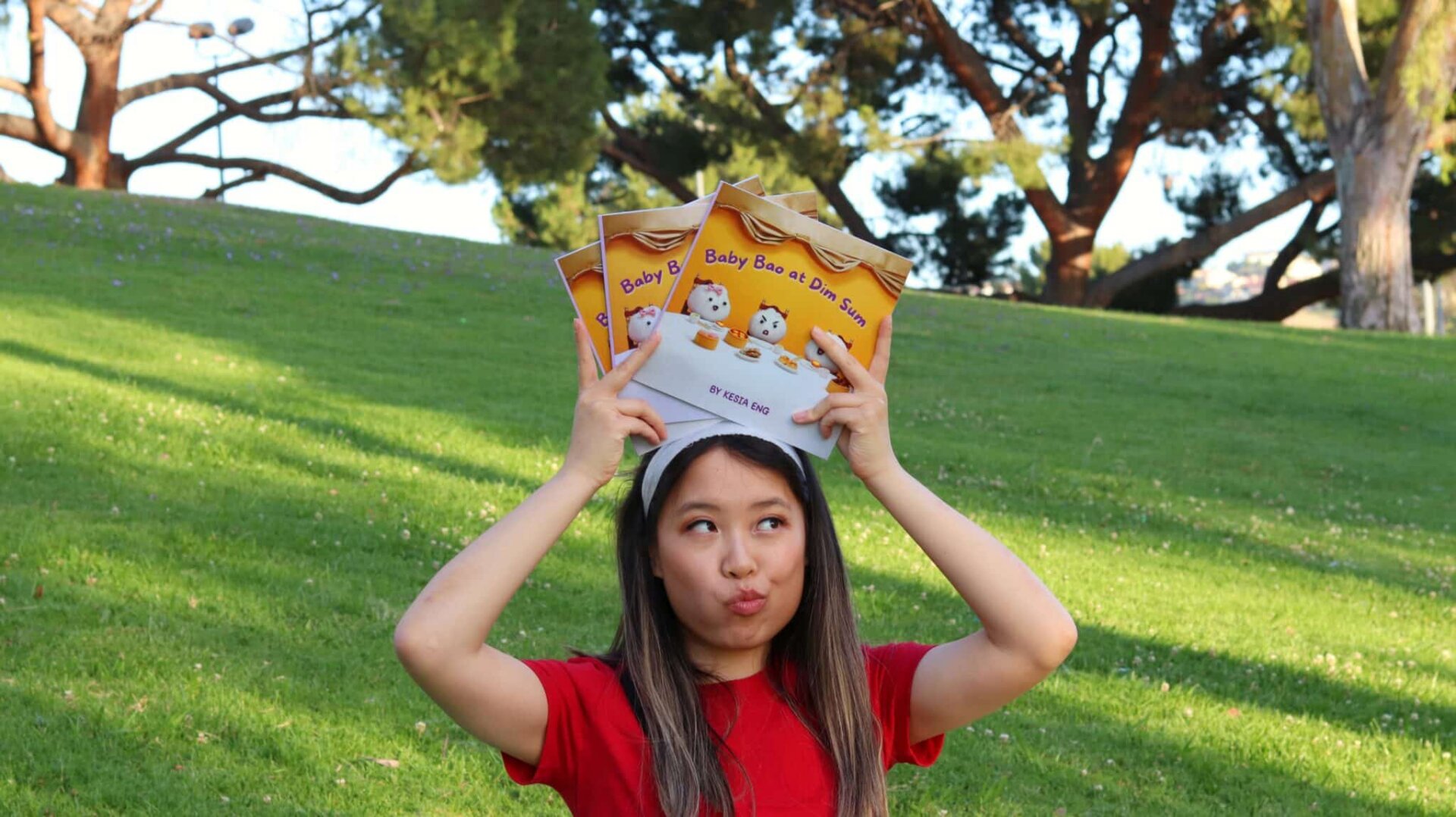
In a time when the world seemed to close its doors, Los Angeles native and talented writer Kesia Eng found her inspiration for her  delightful children’s book titled “Baby Bao at Dim Sum.”

Kesia shares with Asian Hustle Network her motivation and experiences behind this captivating story that captures the essence of family bonds and the rich cultural heritage of East Asian cuisine.

Growing up, Kesia cherished her visits to dim sum restaurants with her family. The savory aroma, the clinking of chopsticks, and the joy of feasting on delicious food became the backdrop of countless treasured memories.

Dim sum not only brought her family together but also offered a window into her Chinese heritage, teaching her the values of respect, care, and love for others. Ultimately, these shaped her identity and inspired her to write this book.

The pandemic threatened to rob younger generations of the invaluable experiences Kesia cherished, making her determined to pass on the cultural significance of dim sum to kids and share it with others.

In her debut children’s book, “Baby Bao at Dim Sum,” Kesia beautifully weaves a tale that explores the importance of family, selflessness, and the joy of bonding over a delicious meal. This book serves as a tool for parents and children to read together, sparking meaningful conversations about the values embedded in East Asian culture.

Join us as we delve into the story behind “Baby Bao at Dim Sum” through an exclusive interview with Kesia Eng.

Dim sum helped me better understand and appreciate my parents and our Chinese culture. I think I can speak for many American kids who have immigrant parents: There aren’t a lot of things in common between our upbringing and theirs. But food is our shared connection.

Kesia Eng

KESIA’S INSPIRATION FOR WRITING “BABY BAO AT DIM SUM”

As with most recent creative endeavors, the idea for the book sprouted during the pandemic. Everything was closed. Schools were shut down. Sports games were canceled. Even my favorite Target store started closing at 8 p.m. The world truly was ending. But the most devastating thing? My beloved dim sum restaurants have stopped indoor dining.

I know it didn’t seem significant. There’s plenty of other food. Plus, we can still get takeout. But I grew up coming to these restaurants with my family. Going there was a real treat as a kid – taking in the savory aroma that fills the air, hearing the excited chatter and clinking of chopsticks all around you, and of course, feasting on all the varieties of delicious food. Every time I came back from college for the weekend, my parents would take me to eat dim sum – it was a huge part of our everyday life.

Most importantly, dim sum helped me better understand and appreciate my parents and our Chinese culture. I think I can speak for many American kids who have immigrant parents: There aren’t a lot of things in common between our upbringing and theirs. But food is our shared connection. Food isn’t just something you eat. When you look closely, the experience of dim sum is filled with the values of East Asian culture:

  • pouring tea for the oldest person at the table first, and your own cup last
  • serving food to others before yourself
  • keeping an eye on everyone’s cup so you can refill it for them
  • fighting to pay for the check (and never backing down, even if you have to chase down the waiter and force your Visa card into their hands) 
  • and so on

All of the above embody community-oriented respect, care, and love for others. It’s how my parents showed how deeply they loved our family, even through the mundane act of eating at a restaurant. When my mom saves the biggest and best dumpling for me, or when my dad reaches across the table to fill my teacup first, I know it’s because they love me. And it’s a way for me to show my love in return – pouring their tea first, giving the best dim sum piece to them, (and yes, now that I’m a post-grad adult, literally fighting to pay that check). It’s not just nostalgia – dim sum is an essential part of my heritage, shaping how I’ve grown up, who I am, and who I want to become.

With COVID, it seemed like the pandemic would take these valuable moments away from younger generations. To be honest, it made me sad because I didn’t want them to grow up without having that experience, and thus a practical understanding of their cultural background. It’s a learning moment I want to pass on to kids and share with other people too.

“BABY BAO IS ME”

Part of the reason why I chose to focus on the theme of family and selflessness is in reaction to a lot of Asian American stories today that center on the difficult relationships that kids have with their immigrant parents.

I think the current popular narrative sometimes pushes this idea of hyperindividualism; that it’s all about the self and what the self wants. I totally understand the heart behind where that narrative/story comes from but sometimes it can demonize our parents for being hateful because they don’t agree with everything we say or do what we expect. Granted, nobody is perfect. But I think it’s important to have empathy towards our parents who grew up in a different environment than we did. We can try to put ourselves in their shoes, imagine the upbringing they had, the hardships they went through, etc.

And to be honest, I wrote it because of my own revelation. Baby Bao is me. I wrote Baby Bao as myself because I definitely was not a self-sacrificial loving kid growing up. It wasn’t until college that I realized I had taken their love and care for granted. I think it’s easy for us to be selfish and maybe not consider what our parents would appreciate or how they care for us. They do love us, but maybe it isn’t expressed in the exact fashion we expect it to be. 
FULL CREATIVE CONTROL AS A SELF-PUBLISHER

I knew the route of traditional publishing was long and a bit arduous. I felt like there were many gatekeepers and I didn’t want the flow/speed of my project to be hindered because of it.

It kinda goes like this: after you do your due diligence on finding the appropriate literary agent, you have to keep cold-emailing them about your manuscript, hoping they’d want to support you and your book. And finally landing a literary agent could range from a few months to a few years. They’re the best resource to connect you to a traditional publisher who would get your book published. 

But why wait for someone to give me the green light when I could just get my book out directly to the audience? I like to think I have an entrepreneurial spirit , because when I really believe in something, I don’t want to wait for someone to give me approval to do it. I just want to go for it. So I decided to self-publish my idea.

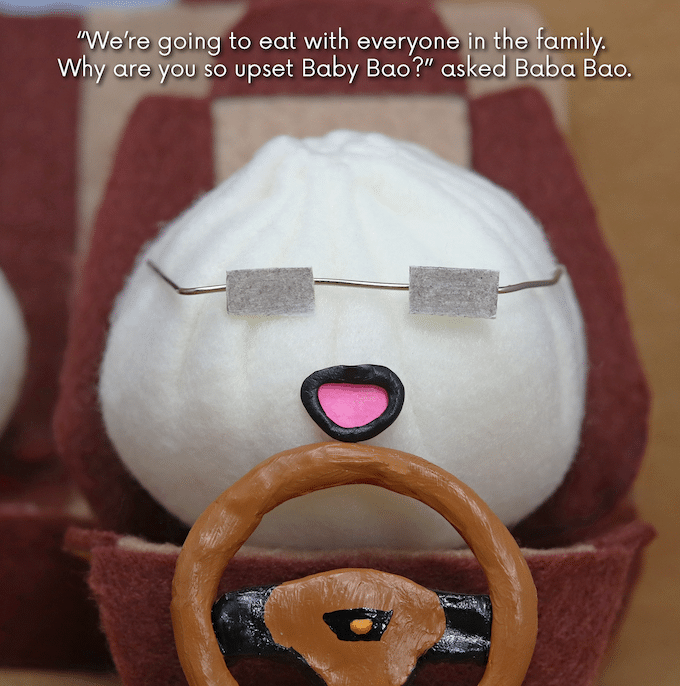
I think what’s truly unique about this book is that the illustrations are not 2D animated artwork that’s common in picture books. I can’t draw to save my life and I didn’t have enough funds to hire an illustrator, so I brainstormed ways to figure out how I was going to make the visual part of the story come to life.

While rummaging through my bookshelf, I found an old book my parents bought when I was young, that taught simple Chinese words. The front cover looked so interesting to me – it was a claymation of a girl. That basically spawned the idea of using claymation/”stop-motion” as the illustrations of the book.

I made all the sets, characters, and mini items by hand with lots of construction paper, cardboard, and other materials. I then taught myself product lighting, photography, and photo editing. I also run all the social media accounts. And this is in addition to writing the story myself, so it was truly a one-woman production.

Fun fact: I gave my book to Netflix Bling Empire’s Christine Chiu!

WHAT KESIA HOPES THAT READERS WILL TAKE AWAY

If I can narrow it down to just 3 takeaways I hope parents and children get out of this book, it’s that (1) family is important (2) loving others often requires self-sacrifice but is definitely worth it and (3) dim sum is an avenue we can use to love and cherish our families more!

I wanted parents and their children to think deeply about the message together. And that desire played a huge part in why I decided to deliver that through the form of a children’s book. I think the nature of children’s books often necessitates parent-child bonding because parents often read to their kids who aren’t strong independent readers yet.

So the book, “Baby Bao at Dim Sum” is a great opportunity for parents to bond with their cute kiddos just by reading it together. It also leads parents to talk through the story more with their children by mentioning the cultural values of it, going over the universal value of family, and asking them insightful questions about what they learned or what they noticed. 

DIVERSITY AND REPRESENTATION IN CHILDREN’S LITERATURE

I’m seeing a lot of great Asian American children’s books recently and I envision “Baby Bao at Dim Sum” adding depth to the representation of the Asian American experience in children’s literature.

The book shows that parents and/or family relatives ought to be given importance as well.

Additionally, the book does a great job showing and not just telling how the cultural values common in East Asian culture (community-oriented respect, care, and love for others) are embedded into the subtle actions (pouring tea for the oldest person at the table first and your own cup last, serving food to others before yourself, and keeping an eye on everyone’s cup so you can refill it for them) during a traditional Chinese meal.

Representation is showing the authentic experience of something, and I think showing chicken feet, regardless of people’s initial reaction to it, is an important unfiltered experience of dim sum. So I made it a mission for myself to include the chicken feet dish in my children’s book (right on the first page) because it’s an iconic Chinese cultural food. I think just because it’s different from what most people outside of the culture may see, it doesn’t make it weird or gross. Walk into a dim sum restaurant and you see it on the tables of so many diners.

I hope the story is an easy and welcoming way for people unfamiliar with East Asian culture, to learn about it and get a glimpse of what really goes on during an authentic Chinese meal of dim sum. Additionally, I think it’s a perfect book for East Asian families to personally connect with those experiences and pass them down to younger generations. 

It really warms my heart to see so many parents message me that their little ones love the book, want to read it every night with them, or want to eat dim sum because of it. Seeing those comments and messages never gets old!

UPCOMING PROJECTS

I drafted several storylines for the next potential “Baby Bao” adventure, and have whittled it down to two options. I can’t reveal when this project is going to be done just yet, but it’s in the works! Many of my readers have expressed that they’d love to see more of Baby Bao, so I’m happy to continue working on more stories with him as the protagonist.

In terms of other work, I’m actually in the process of finalizing a manuscript for my next writing project: a satirical poetry book about early adulthood! I enjoy comedy and I enjoy satire, so of course, I had to try writing with that flair. The book is a witty take on young adult life and pokes fun at relatable moments we experience in careers, friendships, and love. Final touches are being added. Release date TBA but aiming for before this fall season. 

Readers can expect that I’ll be pursuing different writing projects because I want to build upon my writing skills and flex my creative muscle. I think I have a knack for knowing my audience well and crafting stories that are relatable to all of us on a human level. So I’m really excited to continue exploring various story ideas and styles of writing to see what I’m the best at and produce work that my readers would love.

CONNECT WITH KESIA / BABY BAO AT DIM SUM

Instagram: @babybaoatdimsum

Tiktok: @babybaoatdimsum

Amazon: BUY HERE

Email: babybaoatdimsum@gmail.com

Website: kesiaeng.com

Related Articles

Blogs, Ideas

Pretty Isn’t Enough: 3 Functional Must-Haves for Your Website

A beautiful website doesn’t guarantee success if it lacks functional design. Here are some functional features that you need to consider for your website.

Loading Time 

Nobody likes waiting, so that means a slow website will significantly downgrade your audience’s experience. Improving your website speed is one of the first things to keep in mind when building a website.

loading-time

Mobile Responsiveness

Your audience won’t always find you on a laptop. With nearly 60% of global web traffic coming from mobile devices, it’s essential to design with phones in mind. Don’t just build for desktops—make sure the mobile experience is just as strong.

mobile-friendly

Clear Navigation

Users should find what they need in 2-3 clicks—anything more feels like ordering a coffee but going through a visa application to get it.

clear-navigation

Why Asian Hustle Solutions?

Looks are not all that the audience cares about. It’s the feels and experience that come along with it. At Asian Hustle Solutions, we help you build fast, functional, and stunning websites that don’t just look good—they convert.

If you want to learn more about our services, visit the Asian Hustle Solutions website at asianhustlenetwork.com/services/

Duolingo Shares Climb 7% as Users Swarm to App to Learn Mandarin (7)-png

Stories

Jelyca Villanueva Turns Passion for Color into a Purposeful Business

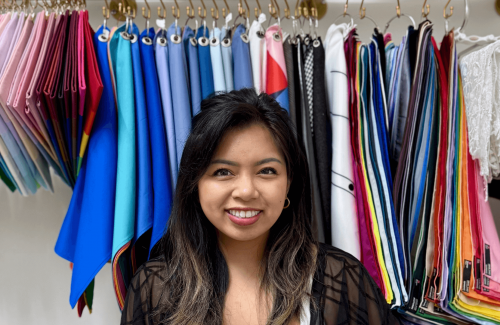
Being a female entrepreneur isn’t easy. Jelyca Villanueva is a mother of two, a wife, a certified personal color and image consultant, and the founder of Timeless Tones & Co. While juggling a range of responsibilities, one of her core priorities has always been helping others discover the power of color—not just to enhance their wardrobes, but to express themselves and reflect the unique tones of their lifestyles.

Her studio, Timeless Tones & Co., is more than just a color consulting brand—it offers an experience where clients feel truly seen.

Coming from a professional background in corporate environments, Jelyca brings a unique combination of analytical precision and sensory intuition to her work. She is known for her personalized approach that blends science, aesthetics, and cultural celebration.

jelyca-villanueva
Jelyca Villanueva | Founder of Timeless Tones & Co. 

From Curiosity to Passion

All passion begins with a simple question, and Jelyca’s interest is no exception. “It really started with curiosity. I’ve always loved the way color can completely transform how someone feels,” she shares.

That curiosity soon unfolded into a world of colors—where she was captivated not only through science, but also the cultural richness embedded in various systems, from Korean and Japanese frameworks to Western methodologies. “Once I learned about the science and cultural depth behind personal color analysis, I was hooked. I wanted to create a space where people could experience that same ‘aha’ moment—where everything just clicks and they feel seen.”

Realizing the transformative power of discovering one’s personal color palette, Jelyca decided to turn her passion into a professional journey. Timeless Tones & Co. came to life as a call for everyone to step into a world where color is more than just aesthetics—it’s a bridge to self-acceptance, cultural pride, and everyday confidence.

A Global, Tailored Approach to Color

As she immersed herself in advanced training—including professional certification under CPLUS3 Academy, where she studied Korean, Japanese, and American color systems—Jelyca developed a deep understanding of global color theories. She also trained under Francesca Cairns in the UK and received professional training in the Cocory colorimeter, a scientific tool widely trusted in Korea.

Currently, she is also expanding her expertise through certification in Colors in Nature: Wedding Colors by Leatrice Eiseman, further deepening her understanding of color harmony and seasonal palettes.

Determined to bring this knowledge home, she became San Diego’s first and only provider offering a multi-system approach—merging the best of Korean, Japanese, UK, and American frameworks to deliver deeply personalized results.

As a mother, her mission became even more personal. She aspired to create a business that embodied cultural pride, creativity, and empowerment. “There’s nothing better than seeing someone light up when they find the shades that make them feel confident and radiant,” she proudly shares.

Timeless Tones & Co.

Building a Business from Scratch

Working a stable office job while minding her own business at the same time was no easy task. “Shifting my mindset from structured systems to building something entirely my own was tough,” Jelyca reflects on this life-changing leap. However, it was this bold move that helped her develop the flexibility and creativity that would become the cornerstone of her entrepreneurial journey.

Adding to the challenge was the fact that personal color analysis was still a novel concept in San Diego. This meant Jelyca had to exercise patience, taking time to educate her clients while staying grounded in her belief in the value of her work. Through persistence and unwavering dedication to her craft, she gradually earned the community’s trust. With each session, her clients not only discovered colors that enhanced their features but also gained newfound confidence and a deeper understanding of themselves—solidifying the mission of Timeless Tones & Co. and highlighting the profound impact of her work.

Jelyca and her clients.

Connect with Jelyca Villanueva – Timeless Tones & Co.

Website: timelesstonesandco.com

IG: @timelesstones.andco

250514_AHS-EMAIL-MKT-jpg

Blogs, Ideas

Creating Websites That Connect With Asian Hustle Solutions

A good website goes beyond just its visual design. Its effectiveness hinges on user experience: the ease of navigation, the seamlessness of their journey, and the ability of the site to build brand trust and connection.

Make It Effortless to Explore

The process must stay accessible and navigation-friendly. Keep menus simple, pages scannable, links accessible, and CTA buttons recognizable. 

effortless-to-explore

Let Your Values Show, Naturally

A “good-looking” website means nothing if it doesn’t show who you are.
Your audience should feel your values—through your words, your visuals, your voice.
Whether it’s the copy, the images, or the testimonials, let your mission speak for itself

let-values-show

Optimize for Local SEO

Check out the latest SEO trends in your region. Optimizing for local search can help you stand out in specific markets. Utilize location-specific keywords, maps, and business hours.

optimize-local-seo

Why Asian Hustle Solutions?

At Asian Hustle Solutions, we understand that a great website is more than just a pretty design. It’s about creating an intuitive, seamless experience, and aligned with your brand’s values. Let’s create a website that feels right—for you AND your audience!

If you want to learn more about our services, visit the Asian Hustle Solutions website at asianhustlenetwork.com/services/

Duolingo Shares Climb 7% as Users Swarm to App to Learn Mandarin (7)-png

Stories

Jennifer Chun Blends Tradition With Innovation to Create Sustainable Fashion

Jennifer Chun, Uniformed’s designer, brings a refreshing collaboration of Korean-American heritage and sustainability practices. Her story began during the pandemic, when she discovered traditional natural dyeing techniques. After connecting with experts and artisans, she came to Korea and got directly involved in the dyeing lessons. “I had no idea Korea had its natural dyeing traditions,” Chun shared.

Her collection is a celebratory integration of hand-dyed materials and fabrics from traditional markets to create a sustainable, limited-edition line.

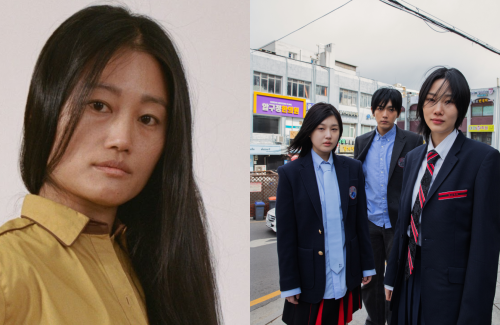
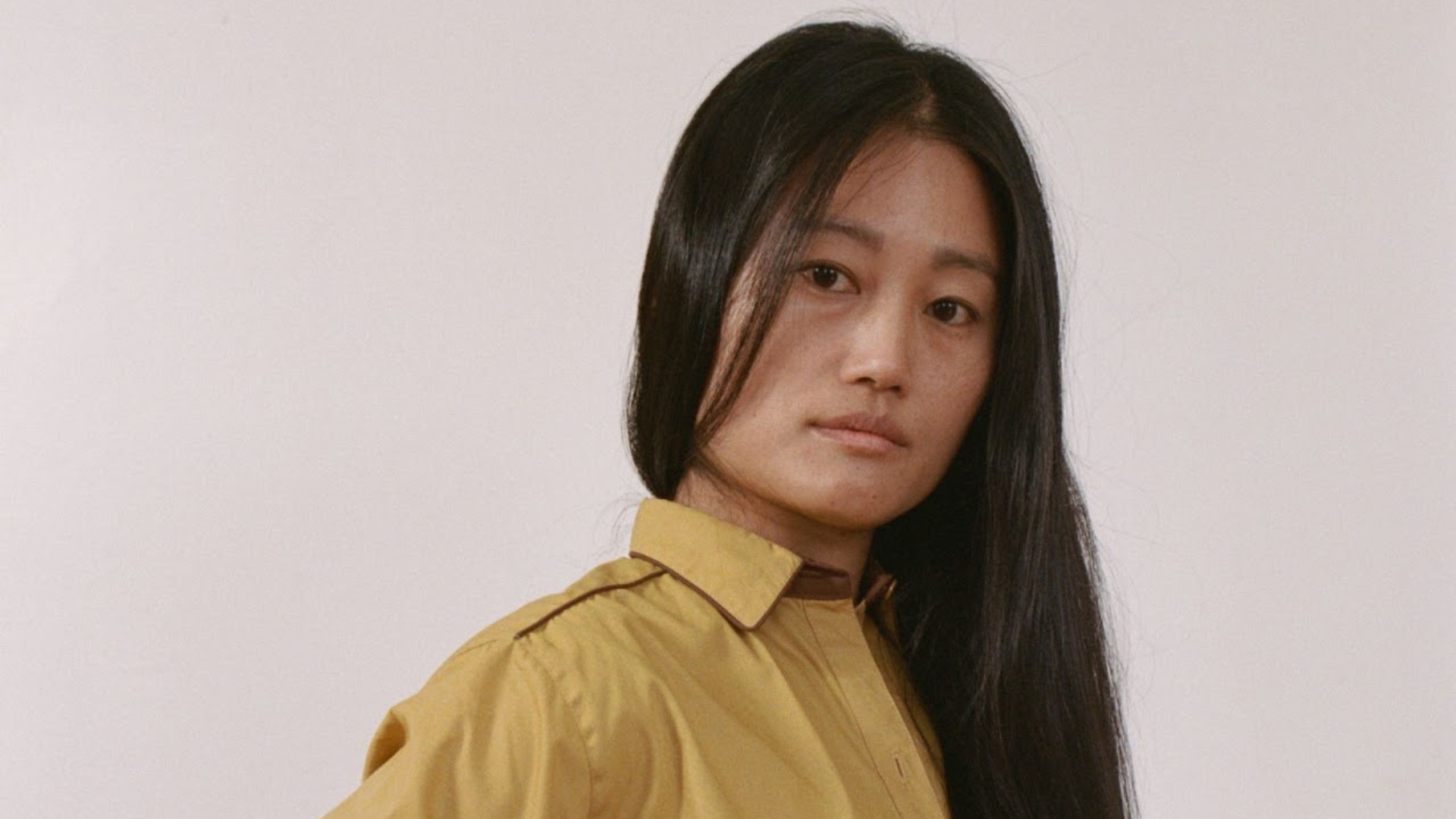
Jennifer Chun blends her Korean heritage into her sustainable fashion line, Uniformed. (Photo credit: Wayn Ohara Reid)

Overcoming the Challenges of Slow Fashion

Amidst the growing world of fast fashion, it is clear that Chun’s main challenge lies in maintaining sustainability while navigating an industry deeply accustomed to mass production and fleeting trends.

Fashion has changed so much that consumers want items faster or cheaper because we have gotten used to mass production. I make such limited quantities that it can be a challenge working with factories that would rather produce en masse and do not want to make specialized pieces that take thought or time, as producing less can increase manufacturing prices. It’s difficult to educate consumers on this when even people in my industry aren’t aware of what goes into the whole process.

During the global lockdown, designer Jennifer Chun found an unexpected bridge to her Korean heritage through a chance encounter with an article on Korea’s natural dyeing traditions—an art form predating the country’s unification.

I came across an article about Korea’s natural dyeing and artisans. I had no idea Korea had its own natural dyeing traditions and techniques that predated the formal unification of Korea. In the article, they interviewed a natural dyer outside of Seoul, and I decided to just email her. My mother was in lockdown, living in LA, and like many senior citizens, the isolation was incredibly difficult. So I asked her to collaborate with me by helping me communicate with the natural dyer.  

We all eventually became pen pals. Once travel restrictions were lifted, my husband and I visited my father, who was living in lockdown in Korea. We made arrangements to meet with the natural dyer and visited her indigo farm and studio. She taught me how to cut the indigo and showed me the basic process of her craft. She suggested we collaborate.

The line developed from there, eventually leading to a capsule collection, incorporating fabrics developed in Korea, including hand-dyed materials and fabrics purchased in traditional markets around the country. And constructed into limited edition pieces to ensure sustainability, and designed with a uniform aesthetic, in New York City’s garment district.

Working with Korean artists—who prioritize quality over quantity—has deepened her appreciation for true craftsmanship. ‘There is so much pride in the craft and process. They do not compromise sustainability at any cost, and I had to assure them that I wouldn’t either if we were to collaborate,’ she explains, highlighting Uniformed’s commitment to sustainability.

Jennifer, while in South Korea.

Integrating Heritage into Design

Jennifer is not one to shy away from how her heritage has a profound impact on her design. She takes great pride in how it informs her work, and she has learned to combine these cultural elements more skillfully as she refines her craft. “With Uniformed, I am really proud that I have been able to bring my Korean American heritage into my designs,” she shared. “None of this is easy or formulaic, but it is a new, interesting, and inspired challenge.”

The opportunities to reconnect with her roots, meet local artisans, and learn new techniques have been both humbling and transformative for Jennifer. “It can be a very humbling experience to adopt a new perspective and craft after working in this industry a certain way,” she reflected. “You’re almost starting over and sometimes have to prove yourself, but it’s all been worth it for the new experiences.” This humility and commitment to continuous learning form the foundation of her design philosophy and entrepreneurial values.

Fashion with a Global Vision

Jennifer’s ultimate goal for Uniformed is to collaborate with artisans around the world, incorporating the diverse experiences of Koreans globally. “I want to understand more about Koreans in different parts of the world,” she shared. By blending these cultural perspectives, she aims to create a brand that celebrates the universal appeal of the ‘uniform,’ merging tradition with modernity.

Jennifer Chun’s design (Photo Credit: Kim Jae Min)

Connect With Jennifer Chun

IG: @uniformed_world

Website: uniformedworld.com