Stories

September 17, 2026

SHARE:

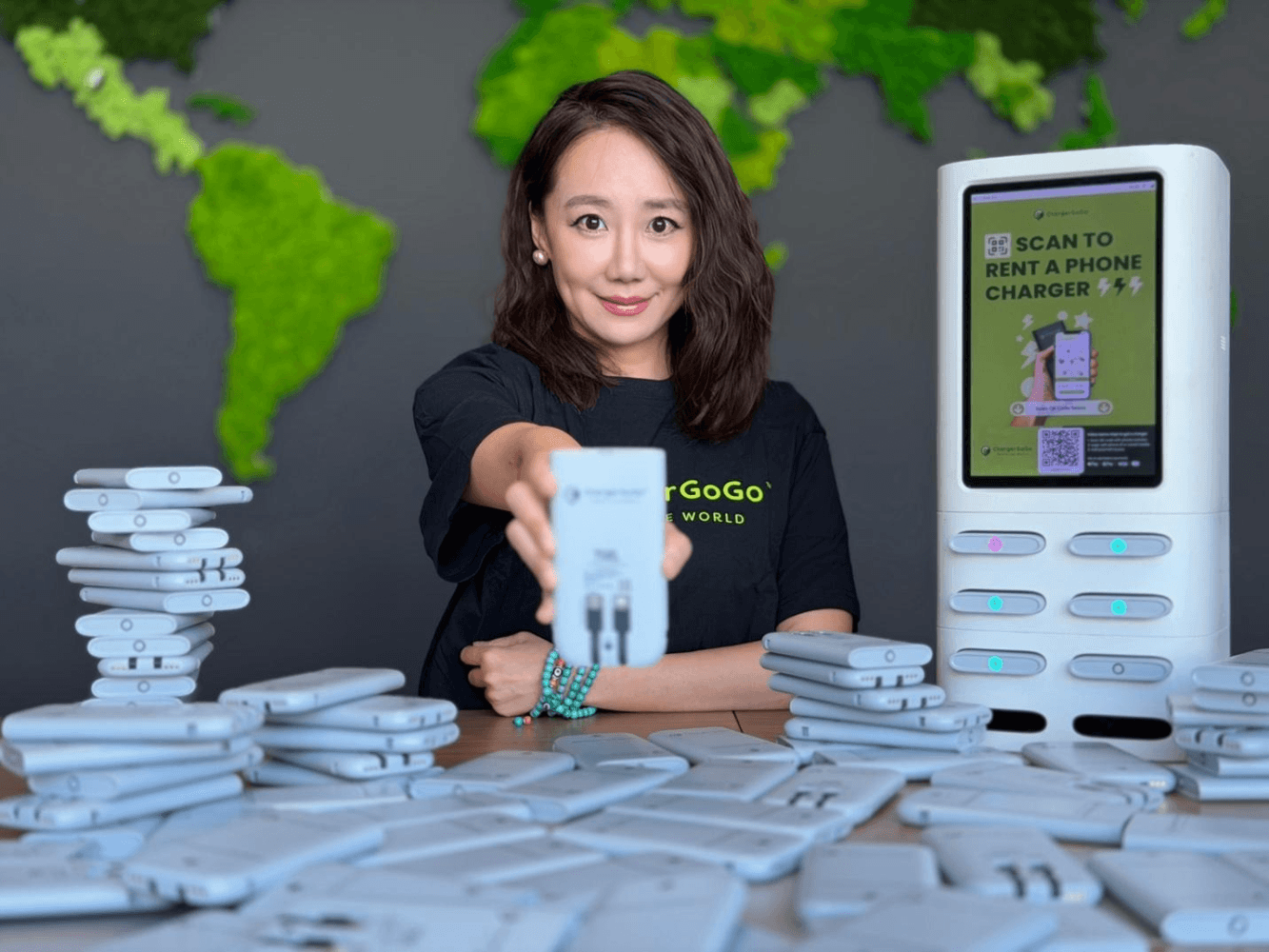
ChargerGoGo built its nationwide phone charging network by betting on everyday entrepreneurs.

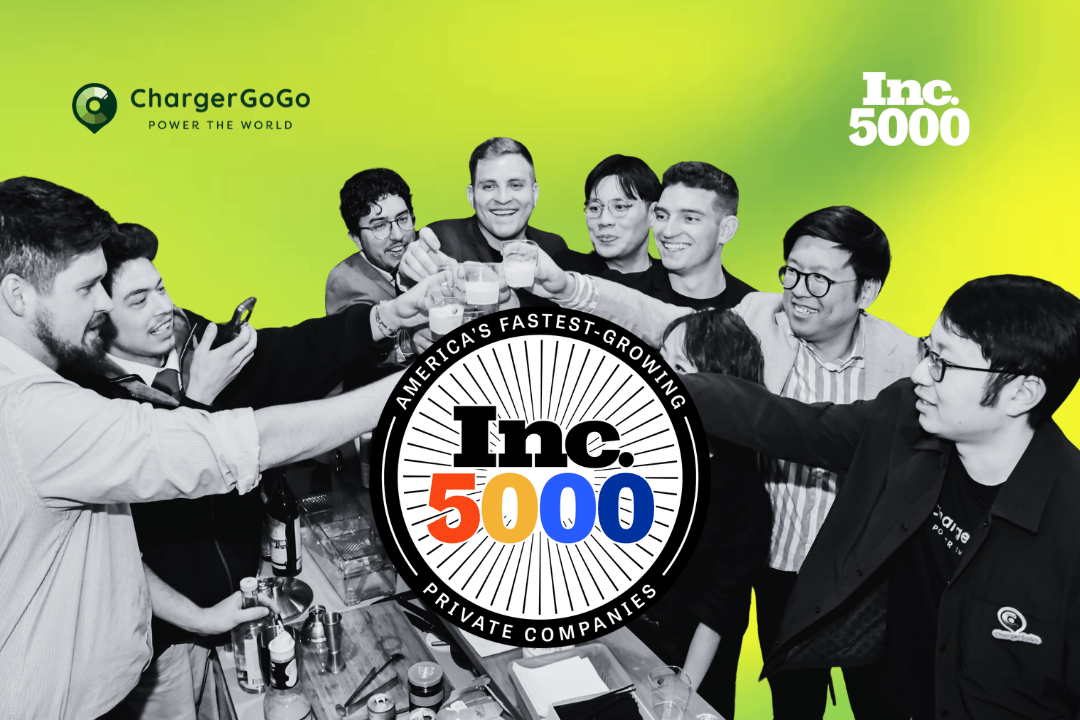
That bet is paying off. In 2026, ChargerGoGo landed at No. 744 on the Inc. 5000 (top 15%), No.5 in Las Vegas, and No.41 in AI and Data industry, the annual ranking of the fastest-growing private companies in America, after reporting 467% revenue growth over three years.

Led by founder and CEO June Zhu, the company has spent years helping local operators build businesses through its charging network. With GoGoSpark, it’s bringing AI into the picture.

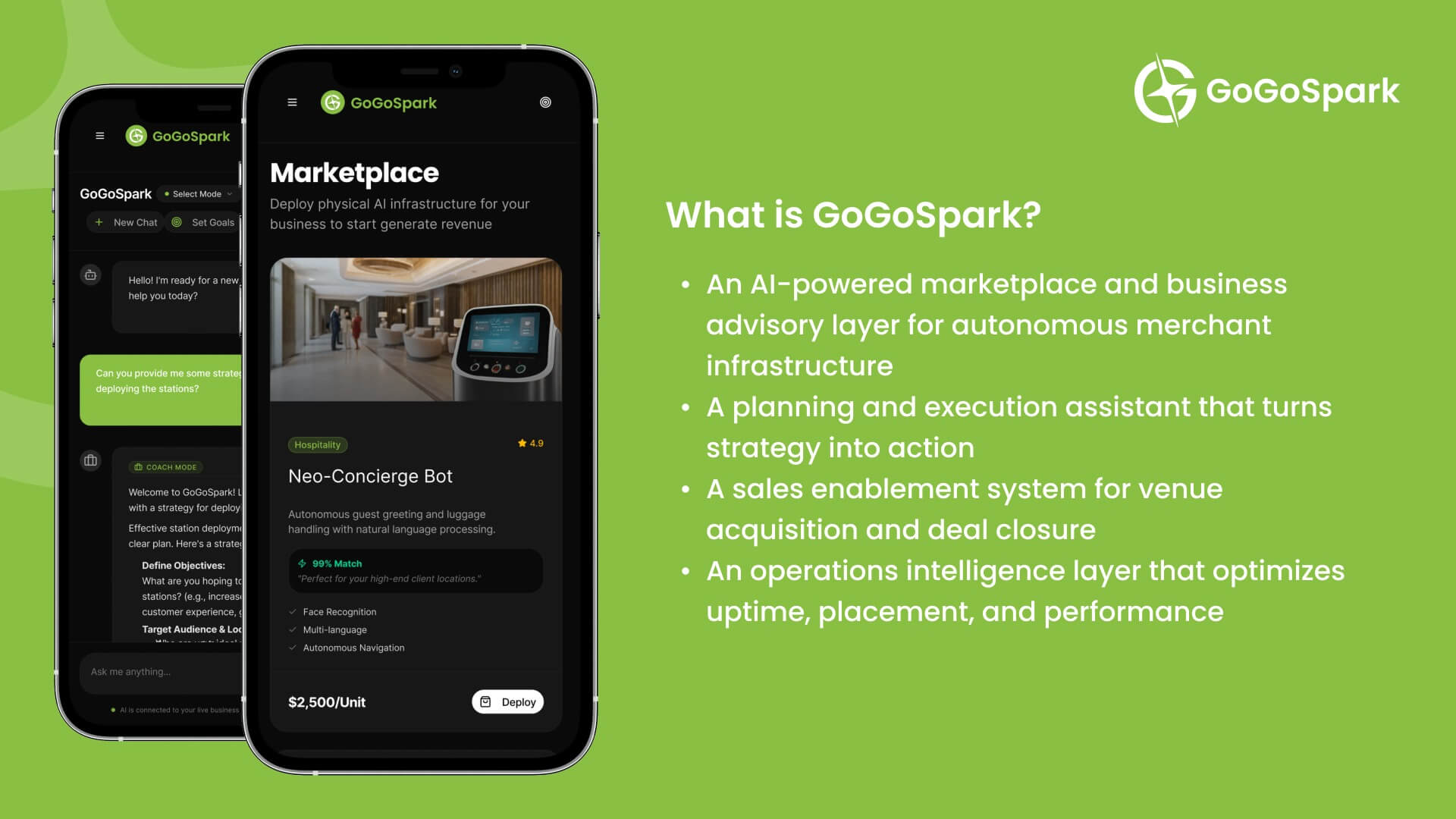
Launched at CES 2026, GoGoSpark is ChargerGoGo’s AI-powered business copilot and operations assistant, built to help operators handle the day-to-day work of running and growing their businesses.
What Does GoGoSpark Actually Do?

As AI reshapes the workforce, the next economic opportunity is not only about making employees more productive, it is about giving more people the tools to become business owners.

GoGoSpark was built around that mission.

ChargerGoGo believes the future of work will include a growing number of people, across both white-collar and blue-collar professions, who want to build independent income, own productive assets, and operate businesses of their own. But becoming an entrepreneur requires far more than capital or a good idea. New business owners need help with sales, operations, financial decisions, technology, strategy, and the hundreds of decisions that come with running a company.

GoGoSpark is designed to put that capability in their pocket.

Serving as an AI-powered COO and business mentor available 24/7, GoGoSpark can help entrepreneurs analyze performance, identify opportunities, improve sales, troubleshoot operational issues, understand financial decisions, and determine what actions to take next.

The vision extends beyond operating ChargerGoGo stations. ChargerGoGo is building GoGoSpark as an intelligent business platform that can lower the barriers to entrepreneurship and help everyday people transition from employees into capable, technology-enabled business owners.

In an economy increasingly shaped by AI and automation, ChargerGoGo believes AI should not simply replace work. It should help more people create, own, and participate in the businesses of the future.

GoGoSpark does not replace the entrepreneur. It gives the entrepreneur a COO, an advisor, and a mentor in their pocket—so they can make better decisions and build with greater confidence.
Five Years in the Making

GoGoSpark came out of five years of working directly with thousands of operators, partners, and small business owners.

Over that time, ChargerGoGo saw the same kinds of questions come up again and again: How do I sell this better? Why is one location outperforming another? What should I focus on next? How can I run this more efficiently?

Those real-world questions helped shape what GoGoSpark became.

Rather than building AI for the sake of having AI, ChargerGoGo built a tool around the work its operators were already doing.

As Zhu said when the platform launched, “GoGoSpark is built to be a business co-pilot, helping operators learn faster, operate smarter, and participate in the post-work economy.”
The Bigger Goal Behind GoGoSpark

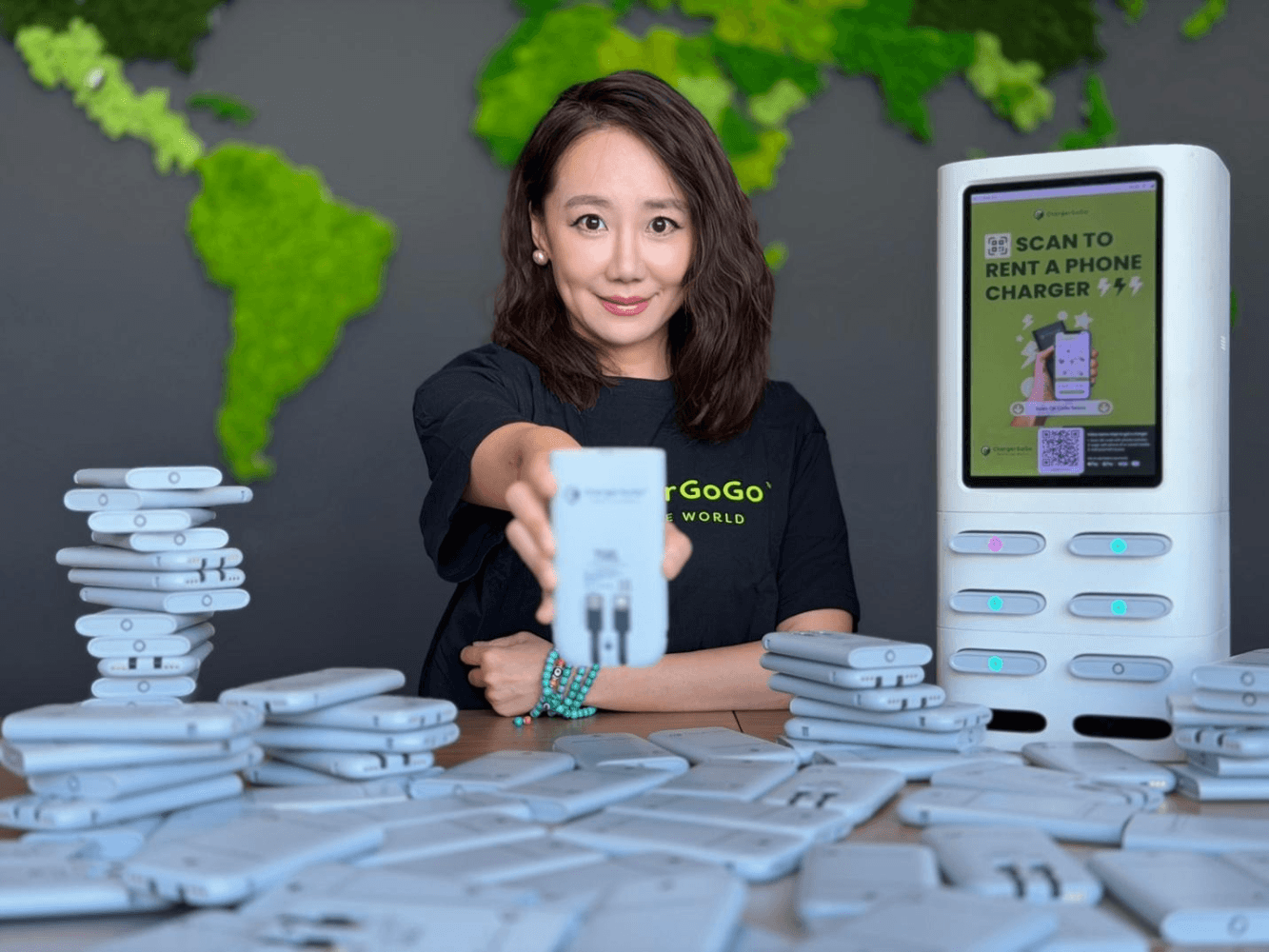
The Inc. 5000 ranking is a milestone for ChargerGoGo, but Zhu has been clear that she wants the company’s growth to reach beyond ChargerGoGo itself.

When the ranking was announced, she pointed to a bigger goal: giving ChargerGoGo’s Distribution Partners the technology, infrastructure, business model, and support to grow companies of their own.

She even said she hopes to one day see those entrepreneurs make the Inc. 5000 themselves.

GoGoSpark is one way ChargerGoGo is trying to make that happen.

As AI becomes part of how companies sell, analyze data, plan, and operate, smaller business owners risk being left with fewer resources to compete. GoGoSpark brings some of those capabilities directly to the people running businesses on the ground.

ChargerGoGo’s acceptance into the NVIDIA Inception Program also marks another step in that direction as the company continues developing its AI technology.

“The future belongs to those who engage with their AI,” Zhu said at CES 2026. “Our mission is to make sure everyone has that chance.”

ChargerGoGo made the Inc. 5000 this year. If its operators eventually start appearing on that list too, GoGoSpark may have played a part in getting them there.

Discover how GoGoSpark is helping entrepreneurs grow smarter.
📍Website

Related Articles

005_min_1_scaled.0-jpg

News

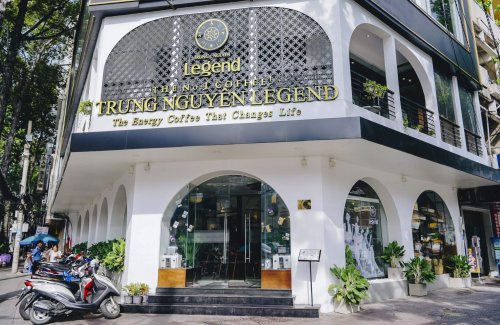
Trung Nguyên Legend Cafe Introduces Vietnamese Coffee From Saigon to U.S.

Adding a fresh chapter to its storied history, the esteemed Vietnamese coffee chain, Trung Nguyên Legend Cafe, has ventured across the Pacific to Westminster, Southern California.

With nearly three decades of experience and a robust presence in Vietnam comprising four factories and 110 stores, Trung Nguyên has also made its mark on the global stage, with distribution networks spanning over 60 countries.

Trung Nguyên Legend Cafe proudly serves phin- and espresso-based coffee drinks, crafted exclusively from 100-percent Vietnamese-grown Robusta and Arabica beans. The menu caters to diverse tastes, featuring an array of espresso-based classics such as lattes, mochas, and cappuccinos, alongside quintessential Vietnamese specialties like cà phê trứng (Vietnamese egg coffee) and cà phê chồn (civet coffee). Patrons can relish the brand’s signature dine-in coffee service, elegantly presented on ornate wooden trays, a unique experience now accessible in the U.S.

Jennie Tang, representing H & L Wholesale Food Corporation, the Los Angeles-based distribution company behind this franchise venture, underscores the essence of Vietnamese coffee culture. Beyond being a mere beverage, it embodies the art of connecting with one another while savoring the moment.

Trung Nguyên Legend Cafe is located at 9039 Bolsa Avenue #101, Westminster, CA 92683. The cafe welcomes visitors daily from 7 a.m. to 5 p.m., promising an authentic Vietnamese coffee experience.

Featured Image Source: LA Eater

337065635_5962298030490632_6699761041658586964_n-jpg

Stories

A Doctor’s Journey of Following His Passion and Becoming a Full-Time Comedian

In the world of comedy, they say that laughter is the best medicine, and for Dr. Jason Leong, this couldn’t be more true.

Up until 2010, Jason Leong’s life had followed the typical Asian narrative.

He had been a straight-laced kid, never earning anything less than an A in his exams. He secured a scholarship to pursue Medicine and eventually became a doctor in Malaysia.

Despite his initial success, the harsh reality of the workforce hit Jason hard. As a junior doctor, he endured grueling 36-hour shifts at least six times a month, with 100-hour workweeks becoming the norm. Sleep deprivation, constant hunger, overwhelming stress, and meager pay plunged him into the lowest point of his life. But things were about to change.

One day, he stumbled upon an opportunity for a monthly open mic show in Kuala Lumpur, the first of its kind in Malaysia. His wife encouraged him to try out. So he took 2 days off from work, drove 4 hours to the venue, and performed his first 5-minute standup. He left the stage saying to himself, “I want to do this forever.”

In 2011, Jason transferred to Kuala Lumpur and did regular gigs while being a full-time doctor. He loved being a doctor by day and a comedian by night, but it was still a lot of work for him. So in 2014, he made the big leap and did a not very Asian thing.

He quit being a doctor.

Having experience in the medical field not only informs Jason’s comedy, but it also makes his style a bit more unique. “The rigors of being a doctor made me all the more grateful to be able to tell jokes for a living,” he said.

At first, Jason didn’t tell his parents that he quit his job as a doctor. His parents now know of his career shift and support his journey wholeheartedly, with his mother saying, “If this comedy thing doesn’t work out, at least you have something to fall back on.” 

Jason’s comedy has since blossomed with two successful Netflix specials, “Hashtag Blessed” and “Ride With Caution.”

He boasts a portfolio of five solo one-hour specials, having graced stages at the Melbourne International Comedy Festival, featured on Comedy Central and Just For Laughs in Montreal, and won at the 7th Annual International Hong Kong Comedy Competition.

Jason is set to perform his solo show BRAIN DRAIN in Los Angeles on September 29 and San Francisco on October 4.

“Making a move to my passion and the arts is something that has allowed me to find real meaning in my work. I hope to inspire others within the Asian community to take the same risks and reach their real potential,” Jason shared with Asian Hustle Network.

CONNECT WITH JASON

Facebook: Dr. Jason Leong

Instagram: @drjasonleong

Tiktok: @drjasonleong

News

How Wang Xiaokun Turned His Milktea Business into a Billion-Dollar Success

Wang Xiaokun, a 40-year-old Chinese entrepreneur, has achieved a remarkable feat by becoming a billionaire through his milk tea venture. He is the visionary founder of Cha Panda, a Chinese tea chain.

Recent funding rounds have catapulted his tea business’s valuation to an impressive $2.1 billion. Forbes estimates Wang’s personal fortune at a staggering $1.1 billion, primarily due to his substantial 60% ownership stake in the Chengdu-based beverage chain.

Over the past three years, Cha Panda has experienced rapid expansion, now boasting an extensive network of over 7,000 stores. The chain is known for its signature beverages, including mango pomelo sago, taro bubble tea, and jasmine milk green tea, all offered at an affordable price point of $3.60 or less, as reported by Forbes.

Notably, Wang’s wife, Liu Weihong, has also enjoyed a substantial increase in her wealth, with an estimated fortune of $700 million, thanks to her 33% ownership stake in the company. She plays a pivotal role as the chair of the supervisory committee, responsible for overseeing Cha Panda’s daily operations, as indicated in a preliminary prospectus filed with the Hong Kong Stock Exchange. 

According to MSN, the roots of Cha Panda trace back to 2008 when Wang began selling fruit and bubble tea from a modest shop near a school in Chengdu, known for its spicy cuisine and as the home of giant pandas. Over the subsequent decade, Wang diligently expanded Cha Panda’s network of stores to 531 by 2020. However, the pivotal moment occurred when he embraced a franchising model.

Today, Cha Panda focuses on crafting beverage recipes and supplying ingredients like fruit and tea leaves to Cha Panda-branded beverage shops. This innovative approach allows Wang to maintain lower operational costs compared to competitors like Hong Kong-listed Nayuki Holdings, which grapple with higher employee salaries and rental expenses for their directly operated stores.

Featured Image Source: India Times

News

The Success Story of Each-A-Cup in the World of Bubble Tea

Back in 1999, Singapore was swept by the bubble tea craze. And while a lot of bubble tea shops have come and gone, Each-A-Cup kept thriving. This enduring success story is shown through the experiences of its founders: father and son, Michael and Ivan Chua.

Before entering the F&B industry, Michael Chua enjoyed a successful career as a musician, touring with Taiwanese singer Teresa Teng. However, his entrepreneurial spirit led him to start an ice cream business in Taipei, which later became Gelare. Afterward, he co-founded Healthy 2000, a beverage business in Taiwan. Sensing the growing interest in bubble tea in Singapore, Michael rebranded Healthy 2000 as Each-A-Cup in 1999, marking the beginning of their journey.

During the early years, Each-A-Cup faced fierce competition from rivals like Quickly and Happy Cup. However, they stood out due to the novelty and quality of their offerings, gaining widespread recognition.

The bubble tea industry in Singapore took a downturn in 2001 as prices dropped dramatically, and the market became oversaturated with hundreds of bubble tea shops. Many struggled to maintain quality, and even reputable brands faced losses. However, Michael remained resilient, believing in the enduring appeal of bubble tea.

Recovery came in 2003, and Each-A-Cup began rebuilding the business. Ivan, Michael’s son, joined in 2007, bringing fresh energy and ideas to the brand. The second wave of the bubble tea craze saw new players entering the market, but Each-A-Cup’s commitment to authenticity and quality set them apart.

As the founders, Michael and Ivan Chua, continue to guide the brand, the future of Each-A-Cup looks as bright as ever in the dynamic world of bubble tea.

Featured Image Source: CNA Lifestyle