British-Pakistani Chef Ali Ahmed Aslam Who Invented Chicken Tikka Masala Passes Away at 77
Stories
December 27, 2022
SHARE:
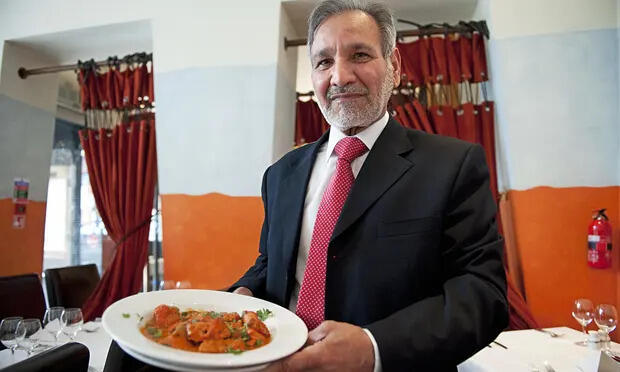
Ali Ahmed Aslam, a chef who is thought to have created Britain’s favorite curry the ‘chicken tikka masala’, passed away at the age of 77.
Aslam’s death was announced by his Glasgow restaurant, Shish Mahal, which closed for 48 hours as a sign of respect. His funeral was held at Glasgow Central Mosque, where the public was invited to attend.
Aslam was born in Pakistan and moved to Glasgow as a child, establishing Shish Mahal in 1964.
Aslam told the AFP news agency that he came up with the chicken tikka masala in the 1970s after a customer asked if there was a way to make his chicken tikka less dry. He then added a creamy tomato sauce.
In 2009, Aslam advocated for the city to be recognized as the chicken tikka masala’s birthplace.
He pushed for Glasgow to get EU Protected Designation of Origin status for its curry and introduced an early-day motion. However, several other places in the UK have claimed to have originated the dish.
Not every SEO win needs a click. With zero-click content, you can build visibility, authority, and trust—right from the search results. Here are 3 ways to make it work for you:
Answer Questions Directly
Create concise, clear answers to common search queries to increase your chances of landing in featured snippets.
Use Structured Data
Implement schema, a special code to help search engines understand your content better.
Prioritize Value Over Clicks
It’s not always about Google and clicks. Utilize your social content that gives immediate value to build authority and encourage users to seek you out.
Want your brand to show up, stand out, and stick—even without the click? At Asian Hustle Solutions, we create zero-click content that builds trust fast and keeps you top of mind. Let’s make your digital presence work smarter.
Creating a website is an easy task, but turning the visitors into loyal customers may take more than that. Here are three tips to help you bring in more customers.
Build Trust Fast
“Show, don’t tell.” People are not going to believe you just because you say big words. Actions matter. Include your portfolios, testimonials, or reviews. People buy from brands they trust.
Capture Leads Immediately
“Seize the moment.” When leads show any initial interest, don’t just sit still and do nothing. Offer them a freebie (discount or resource) in exchange for their email. Stay in touch and build a fun process to guide them towards a purchase.
Make Buying Easy
Simplicity is key. Clear calls-to-action, smooth checkout processes, and multiple payment options make it easy for visitors to say “yes.” Don’t expect leads to commit if the purchase process lasts over three working days.
Getting traffic is just the start—we help you turn visitors into loyal customers. With smart strategies, optimized designs, and proven tools, Asian Hustle Solutions empowers your business to grow faster and stronger online.
Before choosing SEO keywords, you’ve likely considered high-volume terms and difficulty metrics. But to weather never-ending algorithm updates, search intent might be your golden ticket. Here’s why:
Customer Intention
The most critical factor in keyword selection—it ensures your content aligns with what customers actually need (not just what they search).
Relevance
A keyword may be popular but irrelevant to your brand. Focus on phrases that mirror your customers’ pain points and your solution.
Existing Ranking
Overlapping words can lead to cannibalization. For every new content, use fresh keyword sets to re-optimize existing assets and further align with customer needs.
What makes a luxury product cost so much? The short answer is perceived value. But perception is a fragile thing: it shifts, it evolves, and when it does, things begin to get complicated.
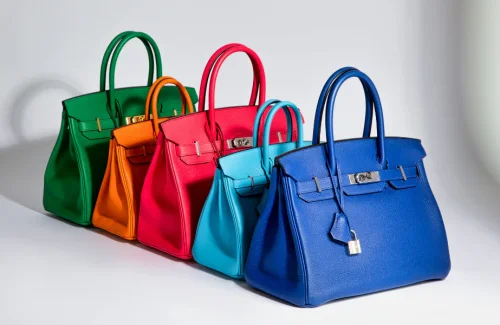
Take a luxury handbag, for example. Whether it’s Gucci, Prada, Louis Vuitton, or Hérmes, many of us are willing to spend thousands for that one beautifully crafted accessory. Why? Because we associate these brands with European sophistication, centuries of artisanal craftsmanship, and impeccable quality. We buy more than a bag; we buy into a story.
Now, imagine buying a bag labeled Made in China. If it’s affordable, you might not care. But if it has a luxury price tag? You might pause. The label alone could influence how you value the item.
The kicker is: Remember the bag you treasure from your favorite luxury brand? Based on the claims of factory workers and viral TikTokers, many high-end luxury products are manufactured in China, then shipped to Europe, to be relabeled and sold as European-made.
This controversial debate has sent the internet into a tailspin, asking: Are we paying for craftsmanship or the illusion of origin?
This is where soft power comes into play. It shapes how we see the world. We look at Hollywood movies and see the U.S. as a place filled with great dreams. We see the beautiful K-pop stars and K-drama idols, and we want Korean beauty products to fulfill our desire to be pretty like them. Customers don’t crave an expensive handbag because it’s objectively better; they buy it because of what luxury products emotionally and symbolically mean to them.
But in the wake of trade wars and rising consumer awareness, people are beginning to question the true value behind the price tag. Is it about where the product is made, or where we believe it’s made?
Whether this TikTok trend is a fleeting controversy or a wake-up call, one thing is certain: when perception changes, so do buying habits. And that could reshape the entire future of an industry.