Stories

May 27, 2025

SHARE:

From the Boardroom to the Comedy Club

Julie Kim didn’t begin her career in comedy—she initially followed the stereotypically ‘Asian’ path of stable jobs in academia and office work. Born and raised in Toronto to a Korean immigrant family, her upbringing took place in a tight-knit, two-bedroom apartment above her family’s grocery store. “At one point, there were seven people in the apartment,” she recalls. “And for a solid six or seven years, I slept on the pull-out sofa bed in the living room.”

With multiple degrees under her belt—including a Master’s and two attempts at a PhD—she straddled the worlds of business, education, and motherhood. Amidst the hustle and bustle, there remained a silent passion in her for a creative life. “At first, I wanted to speak well to stand out among a sea of old white men in boardrooms,” she says. “I also wanted to do a difficult, admirable thing. It was a checkbox.”
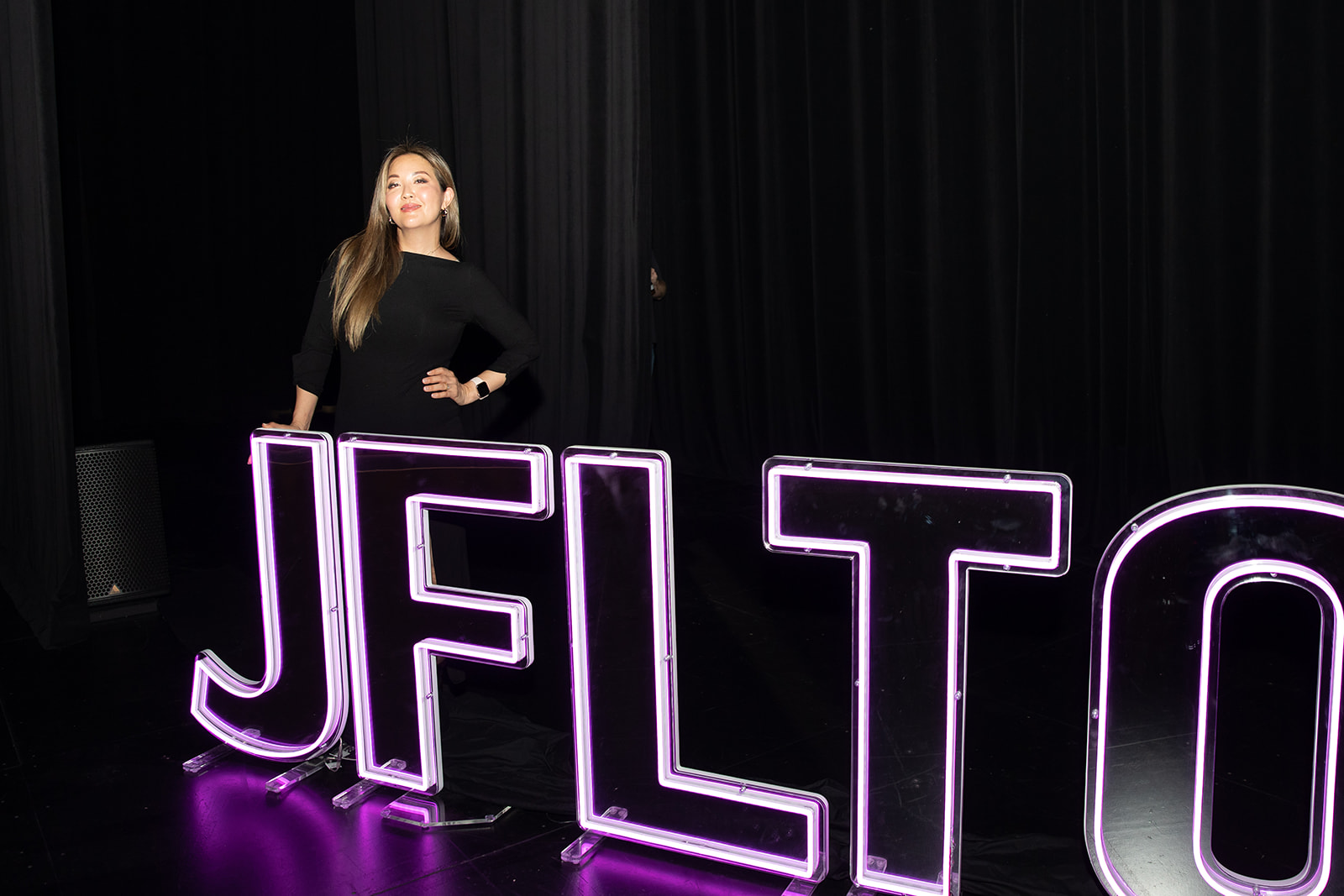
Julie Kim | Comedian

A Dramatic Shift to Comedy

Julie didn’t quit everything overnight to pursue comedy. She experimented with it while holding multiple stable jobs, contract roles, while also pursuing her PhD, oscillating between full and part-time focus on her studies. But passion has a way of growing, and eventually, she did what she had to—crossing what she describes as ‘a bridge between conventional pursuits and creative pursuits.’ She stepped away from academia, turned down secure opportunities, and entered a world full of uncertainty and creative risk.

However, Julie was no stranger to the industry’s harsh stereotypes. She faced mistreatment and discrimination, navigating everything from blatant racism to sexism disguised as condescension.  “One booker tried to push me out of the scene because I winced when someone tried to make me kiss him against my will,” she shares.  “A few local comics hated or resented me from the start because I didn’t ‘need’ to do comedy—as if they deserved it more because I had other options. It was a different kind of discrimination I hadn’t encountered before, but for sure it taught me to stay far, far away from the bitter ones in this industry.”

Jumping to comedy, Julie Kim’s now one of Canada’s most sought-after comedians.

Despite this, Julie pressed forward like the boss that she’s always been. “I had to learn how to produce and promote my own shows. And that built tenacity,” she says. “Now, I’m centered in my identity. My cultural identity and my confidence in it are central to much of the  success I’ve had in the past few years.”

Today, she’s one of Canada’s most sought-after comedians, performing alongside stars like Ronny Chieng, Atsuko, JR de Guzman, and more as she headlines major comedy clubs across North America. “This is the best time of my life,” she says. 

“I’m having the time of my life. But also, I’m still working on a little scarcity mentality and the feeling of constant survival mode,” she shares. “Part of me really enjoys that and part of me needs a new car and a real vacation.”

Being a Mom on the Mic

Being a mother in comedy isn’t easy—especially when constantly on the road. Julie has faced criticism from all sides: family members, fellow parents, and the weight of societal expectations. ‘I deal with it by blocking people out of my life or turning them into jokes—or both,’ she says with a laugh.

Her journey as a mother isn’t separate from her comedy—it is integral to it. “To do my work well, I need to be grounded, happy, and creative. So I try more and more to take care of myself to be those things,” she reflects. “I think it’s an accomplishment to still be writing and performing after more than a decade of true hustling. It’s taken a lot of grit, perseverance, some audacity, and foolishness.”
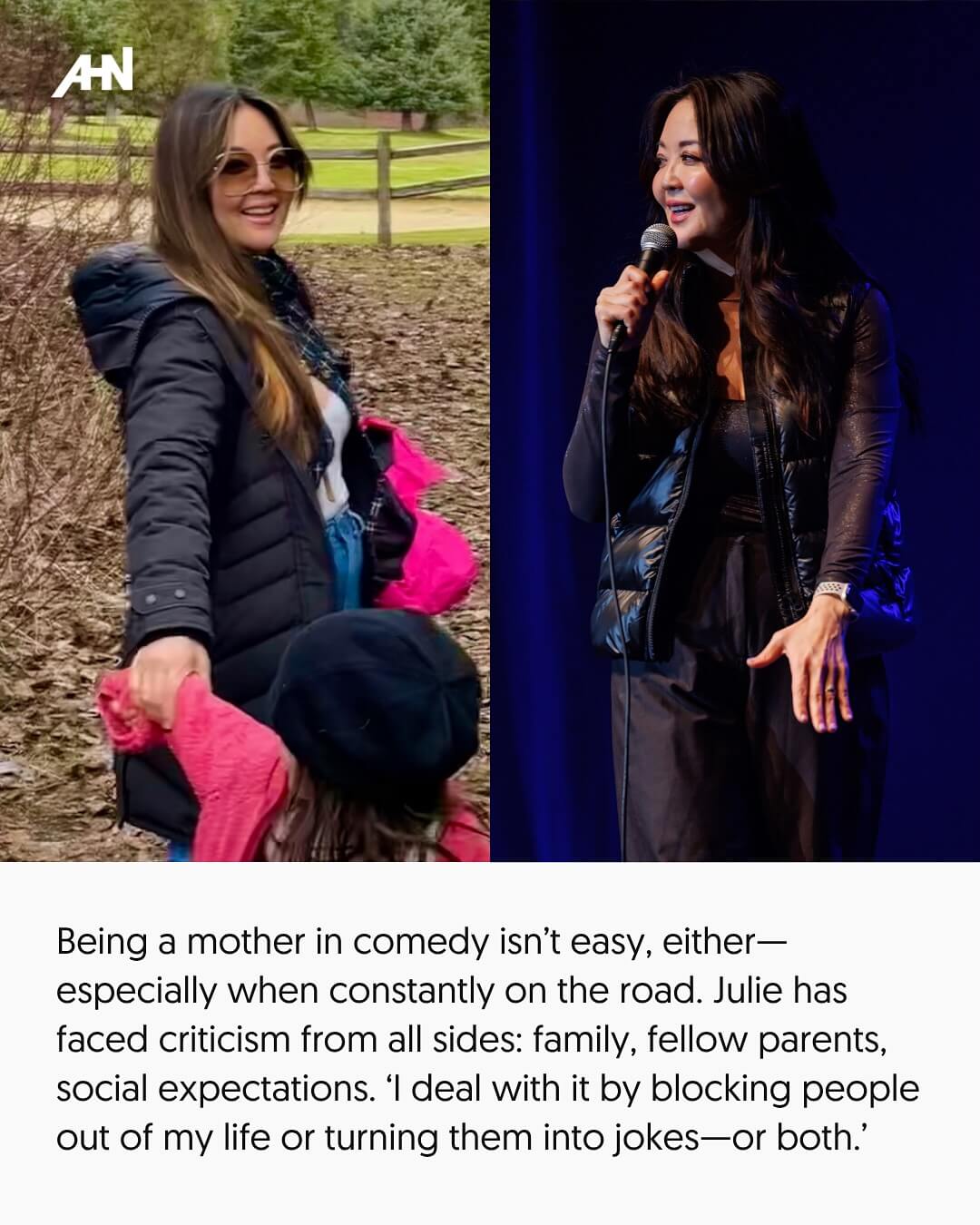
Julie Kim’s experience as a mother isn’t separate from her comedy career.

Julie Kim’s list of accolades is stacked: writing and producing Simu Liu’s iconic I Am Canadian monologue at the JUNO Awards, winning a 2023 Canadian Screen Award, and headlining four sold-out Just for Laughs shows in Toronto.  She’s also written for Kim’s Convenience and Run the Burbs, two shows centred around Asian Canadian families that have reached global audiences. 

As she continues to tour across North America, Julie is also working on upcoming television and film projects and producing her new podcast, Bothered. Next, she will prepare for a new 2026 tour of her solo storytelling show called ‘No One Special’ and writing her first book. 

Connect With Julie Kim

Website: https://www.juliekimcomedy.com/shows 

Podcast: https://www.juliekimcomedy.com/podcast 

Instagram: @juliekimcomedy

YouTube: @JulieKimComedy 

Facebook: Julie Kim

TikTok: @juliekimcomedy
Related Articles

The Spruce Eats-jpg

News

Vietnamese-Owned Food Brand Takes Over Whole Foods’ Instant Noodle Aisle with Bold Asian Flavors

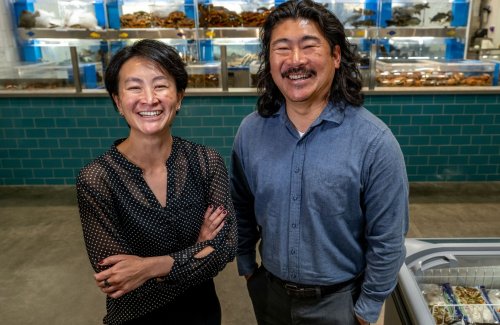
Omsom is a vibrant Asian food brand, owned by Vietnamese sisters Vanessa and Kim Pham, that has been on a mission to reclaim and celebrate the true flavors of Asian cuisine.

Aside from providing delicious food, Omsom aims to promote and educate on the richness of Asian-American culture on a national scale. Since its founding in 2020, the brand has fearlessly embraced its heritage, evident in its bold brand names, products, and engaging storytelling across digital and physical channels.

Now, Omsom is making waves by expanding its presence in Whole Foods with its latest offering, Omsom Saucy Noodles. These flavorful noodles come in enticing varieties such as Soy Garlic, Coconut Lemongrass Curry, Garlic Black Pepper, and Chili Sesame, priced at $4.99 MSRP. Last year, Omsom introduced its line of sauces, including Krapow, Vietnamese BBQ, Yuzu Misoyaki, and Spicy Bulgogi, to Whole Foods stores nationwide.

Omsom’s expansion to Whole Foods is an important milestone since it allows the brand to reach a bigger audience and migrate from online presence to in-store availability. Customers may now readily access Omsom products locally and get a taste of the vivid Asian flavors thanks to the fast expanding community of over 175,000 people.

Omsom competes in the instant noodle market that is dominated by well-known brands like Kraft Heinz and Nissin Foods, but the company distinguishes itself by providing convenience and quality. Unlike the conventional dry powder seasoning found in many instant noodle products, the company takes pleasure in providing sauces of restaurant-quality.

“But at the end of the day, I think when you’re playing in a category like noodles, like it’s got to be the taste; it’s got to be the product. And I think we’re bringing something really unique to the category,​” Kim Pham explains to Food Navigator.

Featured Image Source: The Spruce Eats

LA Times-jpeg

News

How a Local Grocery Turned into One of The Largest Supermarket Chains in The US

99 Ranch is a beloved Asian supermarket chain turned into a national powerhouse, under the management of the second-generation owners, Jonson and Alice Chen.

Established in 1984 in Westminster by their Taiwanese immigrant father, Roger Chen, the grocery store has now evolved into one of the largest Asian supermarket chains in America, with 58 stores in 11 states and its headquarters in Buena Park, California.

Catering extensively to ethnically Chinese communities, 99 Ranch Market has become more than just a grocery store for many Asian Americans in California. The name “99 Ranch” carries a double meaning: “ranch” symbolizes freshness, while “99,” pronounced “jiu jiu” in Mandarin Chinese, conveys longevity – signifying the company’s pursuit of near perfection with a commitment to constant improvement.

Jonson and Alice Chen represent the new generation of leadership steering the nearly 40-year-old grocery chain’s expansion across the United States. As children, they spent countless weekends at the store and their childhood experiences provided them with valuable insights and knowledge.

Today, the company grows most of its produce on specialty farms across the United States and Mexico, with a team of over 7,000 employees, 82% of whom are bilingual, to cater to the diverse needs of their customers.

According to Yahoo FInance, Part of 99 Ranch’s success lies in its responsiveness to the changing tastes of its customers. As trends evolve, the company actively includes Filipino ingredients, skewers, and spicy Sichuan flavors in their offerings.

As the Chen siblings carry the legacy of 99 Ranch forward, their commitment to serving their community and striving for excellence remains steadfast, ensuring the supermarket chain’s continued success on a national scale.

Featured Image Source: LA Times

tatler asia - maia & elaine-jpeg

News

These Dynamic Female Duos are Redefining the Food and Beverage Industry

The food and beverage industry, long dominated by men, is witnessing a transformation as a new wave of young female duos are making their mark and reshaping the sector to reflect their own vision. These inspiring women are blending their Asian heritage with a global upbringing and a willingness to take risks, showcasing the power of collaboration and innovation.

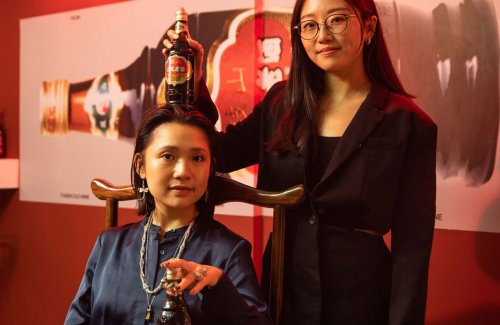
Elaine Chen and Maia Mah perfectly demonstrate this, as the regional director and creative director of Fukien Old Wine, a 181-year-old Chinese cooking wine brand. They organized a cocktail pop-up event at Soho House Hong Kong, combining traditional Chinese wine with modern trends.

Despite facing initial skepticism from their male-led head office, Chen and Mah are determined to introduce new ideas and adapt to societal changes. The success of the event surprised their colleagues, highlighting the duo’s ability to think outside the box.

Meanwhile, in Taiwan, Square Jao, a production designer, and her partner Lily Lin opened Plants Eatery, the country’s first gluten-free, whole-food restaurant. After the Fukushima disaster, Jao and Lin embarked on a mission to promote sustainable eating and raise awareness about the impact of food choices on the environment.

While vegetarianism is already popular in Taiwan, Jao and Lin’s restaurant offers strictly plant-based, gluten-free options, avoiding processed mock meats. Aside from their restaurant, they also published a cookbook in hopes to influence culinary schools to embrace plant-based and gluten-free cuisine, according to Tatler Asia.

In Japan, Eri Miyagi and Miki Nomura, both third-culture kids raised in the US, co-founded Cabi, a condiment brand aimed at introducing the flavors of Japan to Gen Z and Millennial home cooks. Cabi’s debut seasonings, including umami dashi soy sauce, sweet yuzu vinegar, and zesty sansho peppercorn miso, are designed to be versatile and cater to the modern urban lifestyle.

The rise of these female duos serve as an inspiration for a lot of underrepresented individuals, and remind us that with the proper determination and great collaboration, anything is possible.

Featured Image Source: Tatler Asia

seattle opera-jpeg

News

‘Bound’ Premieres at Seattle Opera Illuminating the Struggles and Triumphs of Asian Americans

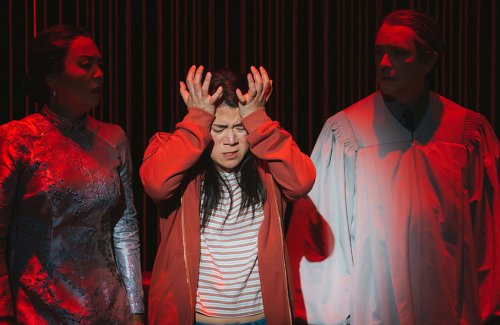
Huang Ruo’s captivating chamber opera, “Bound,” made its highly anticipated premiere at Seattle Opera’s Tagney Jones Hall.

The opera sheds light on the enduring discrimination faced by Asian Americans, a social issue that has persisted since the enactment of the Chinese Exclusion Act in the late 1800s. Huang Ruo, a prominent Chinese composer, openly explores these themes, creating a thought-provoking, visually stunning, and musically intense work. Teaming up with librettist Bao-Long Chu, a Vietnamese poet, both artists made their Seattle Opera debuts, showcasing their impressive talents and expertise.

“Bound” narrates the experiences of second-generation Asian immigrants who grapple with their cultural heritage while striving to be fully embraced as Americans. Inspired by the true story of a high school student imprisoned due to truancy, the opera delves into the conflicts between individual aspirations and familial obligations. 

The characters in “Bound” are intricately bound in their own ways. Diane Tran, the protagonist portrayed masterfully by Karen Vuong, grapples with the rules and expectations of being a second-generation Asian adult, constantly torn between her family, work, and education. Khanh, Diane’s mother, haunted by guilt and memories, remains tied to her immigrant past. Judge Moriarty, who sentences Diane to imprisonment, represents an unjust system lacking empathy and understanding.

Huang shared with The Seattle Times that he aspires to fill every performance with a diverse audience, showcasing how opera reflects the lives and times of contemporary society. He firmly believes that opera is not solely for the elite few, as it reflects the diverse experiences of many.

Featured Image Source: Seattle Opera