Stories

June 23, 2023

SHARE:

Christina is a dancer and the studio director of Lisa Performing Arts located in Bay Area. Through her dance performances, she tells stories about Chinese culture, including the ways people live, their mannerisms, and their unique clothing, all while passing down their unique stories from generation to generation.

Christina’s journey has been filled with success and opportunities for her dancers to showcase their Asian American dance styles. They have competed at international competitions, premiered on NBC TV, and performed at various high-caliber events. Most recently, they were given the privilege of performing a halftime show for the NBA Golden State Warriors.

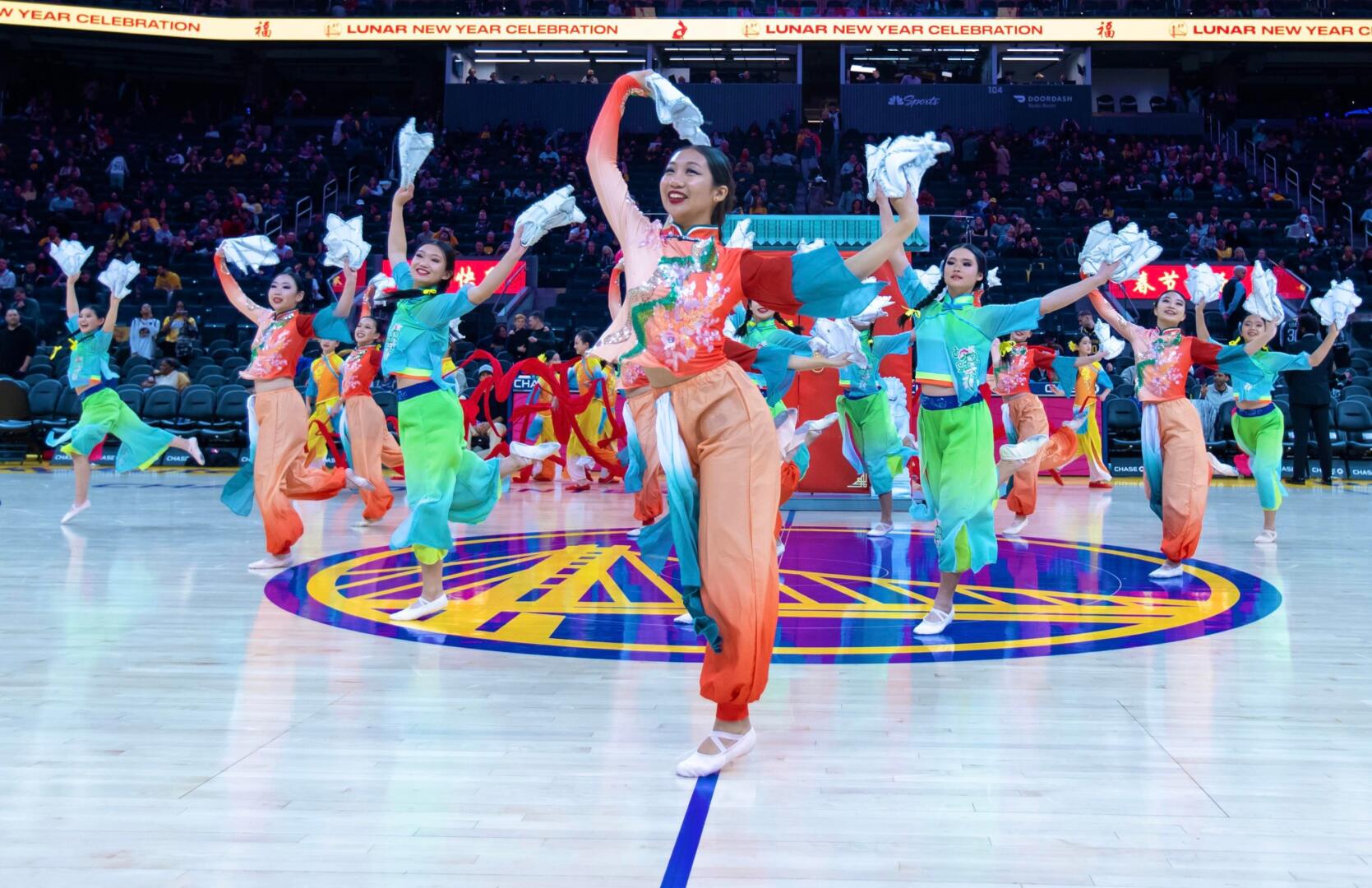
The troupe brought a unique and cultural experience to the game featuring the dynamic handkerchief dance, graceful and fluid movements of the ribbon dance, and intricate lantern dancing. The performance was the first of its kind, featuring “authentic Chinese dance” and a combination of fusion styles they have learned.

Read through as Christina delves deeper into the creative process of choreographing a new dance, her recent performance at the NBA Golden State Warriors halftime show, and the importance of celebrating one’s cultural identity.

BRIDGING THE GAP BETWEEN AMERICAN AND ASIAN CULTURES

Growing up as an Asian American, I experienced a lack of representation of Chinese culture in mainstream American platforms and faced the challenge of reconciling my traditional Chinese culture with the dominant American culture, which often excluded Asian Americans and perpetuated stereotypes.

I found solace in Chinese dance — a beautiful and intricate art form often overlooked in mainstream American platforms. My passion for bridging the gap between American and Asian cultures began when I started learning Chinese dance, which surprised me because not many people knew about it beyond the “lion dance.”

Chinese dance involves advanced technique, beautiful costumes, and a variety of unique dance styles, including Mongolian, Tibetan, Dai, Classical, and more. However, I noticed a lack of appreciation for Chinese dance at school rallies, outside performances, and dance competitions.

As I grew older, I realized that to bridge the gap between American and Asian cultures, I needed to find a way to blend the two in a way that was accessible and appealing to both. I was inspired by the success of Bollywood dance in America and dreamed of Chinese dance becoming just as popular. To achieve this, I realized it was necessary to incorporate elements of mainstream styles such as “contemporary” movements, technique, and storytelling, while adding our own Chinese dance elements such as costuming, music, and style.

I worked to create an “East meets West” fusion style of dance that combined both American and Chinese elements. I hoped to bring together teachers and dancers of both backgrounds to learn and appreciate each other’s styles and create unique fusion styles as Asian Americans.

Through my work in Chinese dance, I have seen a growing interest and appreciation for the art form from people of all ethnicities. I am proud to have helped spread awareness and understanding of Chinese culture and have given a voice to Asian Americans in the performing arts world.

Looking forward, I hope to continue to promote authentic representations of Chinese dance in mainstream media and to build a more diverse and inclusive society by encouraging greater cultural understanding and appreciation. My goal now is to form connections with Hollywood networks to ensure that authentic Chinese dance is portrayed in film and music videos and to prevent cultural appropriation.

I believe that the performing arts provide a universal language through which we can all communicate and that by embracing and celebrating our cultural identities, we can build a more harmonious and united world.

BEING ASIAN IS A STRENGTH, NOT A WEAKNESS

My interest in dance began at a young age. My mother was a professional dancer in China who opened her own dance studio in the US. I was exposed to a variety of dance styles, which allowed me to form strong friendships with people of all ages and backgrounds. Through dance, I not only learned about movement and performance, but also about teamwork, leadership, and resilience.

As I grew older, I became passionate about promoting and showcasing Chinese culture through dance. Chinese dance is a unique and vibrant art form with a rich history and tradition. It has a diverse array of costumes, props, and ethnic styles, as well as stunning technical skills, it was a hidden gem waiting to be shared on a larger platform. I felt that it was important to share this cultural identity with others and to show that being Asian is a strength, not a weakness.

Today, I am proud to say that our studio is well-known and respected in the Bay Area. Through our performances and outreach, we have been able to promote Chinese culture and inspire others to celebrate their own cultural identity.

I felt that it was important to share this cultural identity with others and to show that being Asian is a strength, not a weakness.

-Christina Wang

THE CREATIVE PROCESS

When choreographing a new dance, my creative process starts with considering the group of dancers I’ll be working with for the season. I think about each dancer’s individual strengths and how to create unity among the group. This includes deciding on a dance style that fits the group and identifying which dancers will perform which roles.

I then search for songs that will sound intriguing to the audience and consider modernized versions of traditional Chinese music if possible. Next, I find costumes that are in-season and on-trend to bring a contemporary Chinese feel to the performance. I also draw inspiration from trending technical work and group lifts that can work well with the group, as well as any props we may be using. The movements and facials themselves tell the story, and I choose ethnic styles that reflect the particular cultural traditions we’re exploring.

When creating a production piece, I try to tell a story that is easily understood by the audience. To achieve this, I brainstorm ideas inspired by TV shows, movies, and Chinese folklore that can be given an added twist through the use of props. For example, for our piece “The Legend of Avatar: East meets West,” we used props to tell the story of using Earth’s four elements.

Production pieces are more complex to choreograph, as I need to think about how different sections will mesh, color coordination for costumes, smooth transitions between segments, and how to coordinate rehearsals for a large group of people. I also need to consider which parts of the performance to cut or keep, depending on whether we’re performing for a competition or for a show. It’s a true team effort, with many people involved behind the scenes, including visionaries, teachers, prop makers, parents, costume designers, music editors, and dancers who make the vision come to life.

A PRICELESS MEMORY

The dance troupe’s recent halftime show performance for the NBA Golden State Warriors was a truly special and memorable experience. As the first Chinese dance studio to put on a full dance production at the Chase Center, it was an incredible honor to be able to showcase Chinese culture on such a large platform. While martial arts and lion dance have been featured in the past, Chinese dance had never been given the same opportunity until now.

This milestone not only allowed us to introduce Chinese dance to a wider audience who may not have seen it before, but it also provided a priceless memory for our dancers.

BREAKING DOWN CULTURAL BARRIERS

In addition to positive feedback on our technique and performances, we’ve also received comments on how our troupe’s performances have helped to promote cultural awareness and diversity. 

People have expressed appreciation for the opportunity to learn about Chinese culture through our dances, and many have shared how our performances have inspired them to explore and appreciate their own cultural heritage. We’ve also received word that our performances have helped to break down cultural barriers and build bridges between different communities. It’s all very encouraging and it keeps us motivated to continue doing what we do.

EMBRACING YOUR CULTURAL IDENTITY

For young Asian Americans who may be struggling with their cultural identity, my advice is to embrace your uniqueness and find your community. Don’t be ashamed or embarrassed about your heritage, as it is a valuable part of who you are.

Surround yourself with like-minded individuals who share your values and can help you grow. You can seek out cultural groups or organizations in your area, attend cultural events, or connect with others through social media.

Additionally, try to think outside the box and find creative ways to integrate your cultural identity with what people are already comfortable with, while highlighting the unique aspects of your heritage. 

Finally, don’t be afraid to take risks and pursue your passions, even if they may not fit the mold of traditional expectations. By embracing your cultural identity and celebrating your heritage, you can become stronger and more confident and inspire others to be the same.

Don’t be ashamed or embarrassed about your heritage, as it is a valuable part of who you are.

-Christina wang

VISION FOR THE FUTURE

Looking ahead, my vision for the future of my dance troupe and work in promoting Asian culture is to continue expanding our reach and impact. One of my top goals is to provide more opportunities for our dancers to perform at high-caliber events such as the White House, the Olympics, and major award shows like the Oscars and Grammys.

Beyond these major platforms, I hope to see Chinese dance become a more integrated part of the arts and cultural scene, potentially even becoming part of school curriculums to expose young people to this beautiful art form at a young age.


In the long term, I would love to take our work to the next level by establishing a Chinese American dance studio with a dance-specific talent agency sector, through which casting directors would be able to select dancers who can perform authentic Chinese dance for film, media, and commercials. This would create more opportunities for dancers to showcase their skills and help to further promote and introduce Chinese culture to a bigger audience.


Related Articles

Blogs, Development

Understand Whether Your Website Is User-Friendly: 7 UX Pillars

User Experience, commonly referred to as UX, is a very broad term, which makes it hard to evaluate whether your website works with users.

As such, Peter Morville simplified UX into 7 core pillars, allowing a comprehensive evaluation of the UX:

  • Useful: It should have features that help users achieve certain goals easily.
  • Desirable: It should have add-on features that can cater to users’ specific wants.
  • Accessible: It should be usable by users with disabilities, and it is equally easy to use on mobile devices and laptops/PC.
  • Credible: It should be smooth, and there should not be any major bugs that disrupt the user experience.
  • Findable: It should showcase information clearly, allowing for easy navigation across the website.
  • Usable: As simple as it sounds, users should be able to use the website intuitively; the User Interface should be familiar.
  • Valuable: It should bring value to the user; it should help them save in some way, whether it is time, money, or effort. Simply, what do they gain by using your website (over going in-store, for example)?

Why Asian Hustle Solutions?

At AHS, we specialize in helping brands capture attention and inspire action — whether you’re launching a new product or scaling your business, we’ll guide you to marketing that resonates and delivers results.

If you want to learn more about our services, visit the Asian Hustle Solutions website at asianhustlenetwork.com/services/

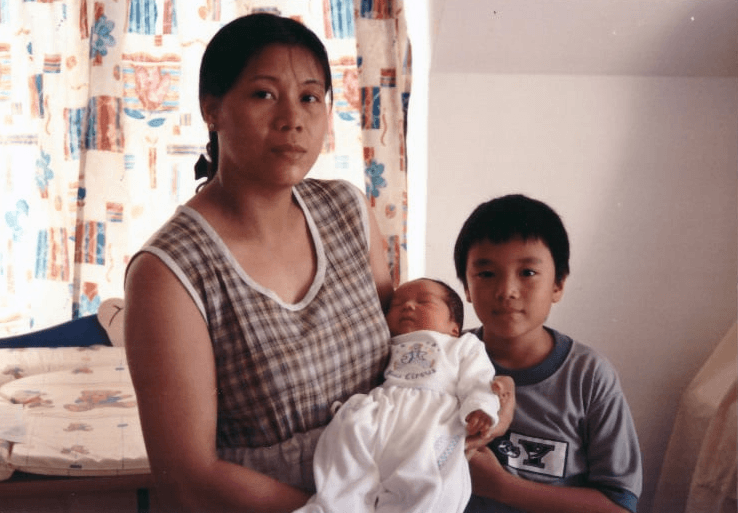
an_tran_banc

Stories

An Tran Turned a Receptionist Job Into a 25-Year Journey to Executive Leadership in Banking

When you first meet her, you feel her warmth—grounded, welcoming, and full of passion. With over 25 years in the banking industry, An Tran, Market Executive at Banc of California, has become known not only for her distinctive leadership but also for the deep care she gives to her family—and for her dedication as a passionate skincare and self-care advocate.

Yet behind these roles lies a journey marked by resilience—a story not only of her own, but of many Vietnamese immigrants who navigated life in a new country with hope for a brighter future and the American dream.

An Tran | SVP Market Executive at Banc of California

A Humble Beginning, A Lifelong Commitment

Banking wasn’t part of her plan at the start of her career. In fact, her first job was as a receptionist at a bank in San Francisco. But she didn’t let that humble beginning define her. Fueled by passion, relentless effort, and the sense of responsibility that came from being the eldest of eight children, she turned what she lacked in experience into unstoppable drive.

“My professional life has always revolved around service and sales, with a natural inclination to care for others, perhaps stemming from my role as the eldest of eight,” she says. 

Over the years, she took every opportunity whenever she could to learn, grow, and serve her clients better. Her work ethic and trust-building skills propelled her forward, step by step, until she eventually became the Market Executive for Banc of California—a role she holds today with pride and purpose.

A Journey Rooted in Sacrifice and Survival

By her own admission, she doesn’t have any news-breaking stories. She is simply a daughter born to Vietnamese immigrants who came to America during the 1970s and ’80s. Yet it was her generation that first began to rise out of poverty, despite arriving in the U.S. with nothing in hand. “Through relentless hard work, we’ve not only achieved the American dream but also built the lives our parents envisioned for us when they first arrived,” she reflects.

Her family’s story, like so many others, is one of hope and sacrifice. And through years of determination and resilience, she has proven the grit and strength of her community—successfully building the life her parents once dreamed of when they left Vietnam.

An Tran has successfully built what her parents imagined for their children in the US. 

Facing Challenges with Grace and Grit 

Climbing the banking ladder over the past 25 years was no easy feat for a young woman like An. She faced unique hurdles—from skepticism to subtle sexism in the workplace.

But instead of letting those experiences hold her back, she used them as fuel to move forward.

“Every challenge throughout my life and career has been a positive force, shaping me into the person I am today,” she shares. “These experiences pushed me to find new ways to grow and overcome adversity. I believe challenges are essential for growth—without them, we can’t truly learn. Remaining a lifelong student, absorbing both small and significant lessons daily, is key. The moment you stop learning is the moment you stop achieving.”

An Tran has faced criticism with grace and determination, climbing the banking ladder step by step.

Empowering the Asian Community, One Role Model at a Time

From receptionist to executive, her journey is a remarkable one. But for her, the real achievements aren’t just titles—they’re the impact she’s had on others and the example she’s set for her children, her colleagues, and her community.

“I’m incredibly grateful to be where I am today, creating the life I envisioned and providing for my family in a way my parents dreamed of when we left Vietnam. My pride extends to every step of this remarkable path,” she says. 

She’s living proof. A former refugee who arrived in America with nothing is now leading in one of the most competitive industries in the country—and doing so with compassion, integrity, and purpose.

Connect With An Na Tran 

“My goal is to be a resource for the Asian community, showing that we are strong, career-driven, and incredibly successful.”

LinkedIn: An Na T.

AHS EMAIL ANGLE (1)-png

Blogs, Development

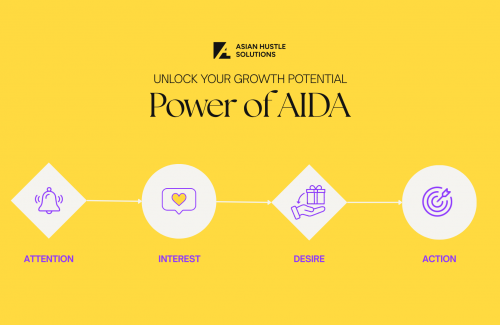
Unlock Your Growth Potential: Harness the Power of AIDA

Your audience is busy — if you want their attention, you need to earn it with a message that cuts through the noise.

AIDA is a time-tested framework that guides your messaging from first glance to final action, helping you craft marketing that actually converts.

  • Attention – Grab your audience with a bold headline, eye-catching image, or intriguing question.
  • Interest – Share a benefit or story that keeps them reading.
  • Desire – Build an emotional connection by showing how your product solves their problem or improves their life.
  • Action – End with a clear call-to-action so they know exactly what to do next.

Why Asian Hustle Solutions?

At AHS, we specialize in helping brands capture attention and inspire action — whether you’re launching a new product or scaling your business, we’ll guide you to marketing that resonates and delivers results.

If you want to learn more about our services, visit the Asian Hustle Solutions website at asianhustlenetwork.com/services/

KyLanActivewear-png

Stories

From Code to Culture: How Hải Bùi Left Tech to Build a Brand for Second Generation Asians

Embracing Heritage Through Style

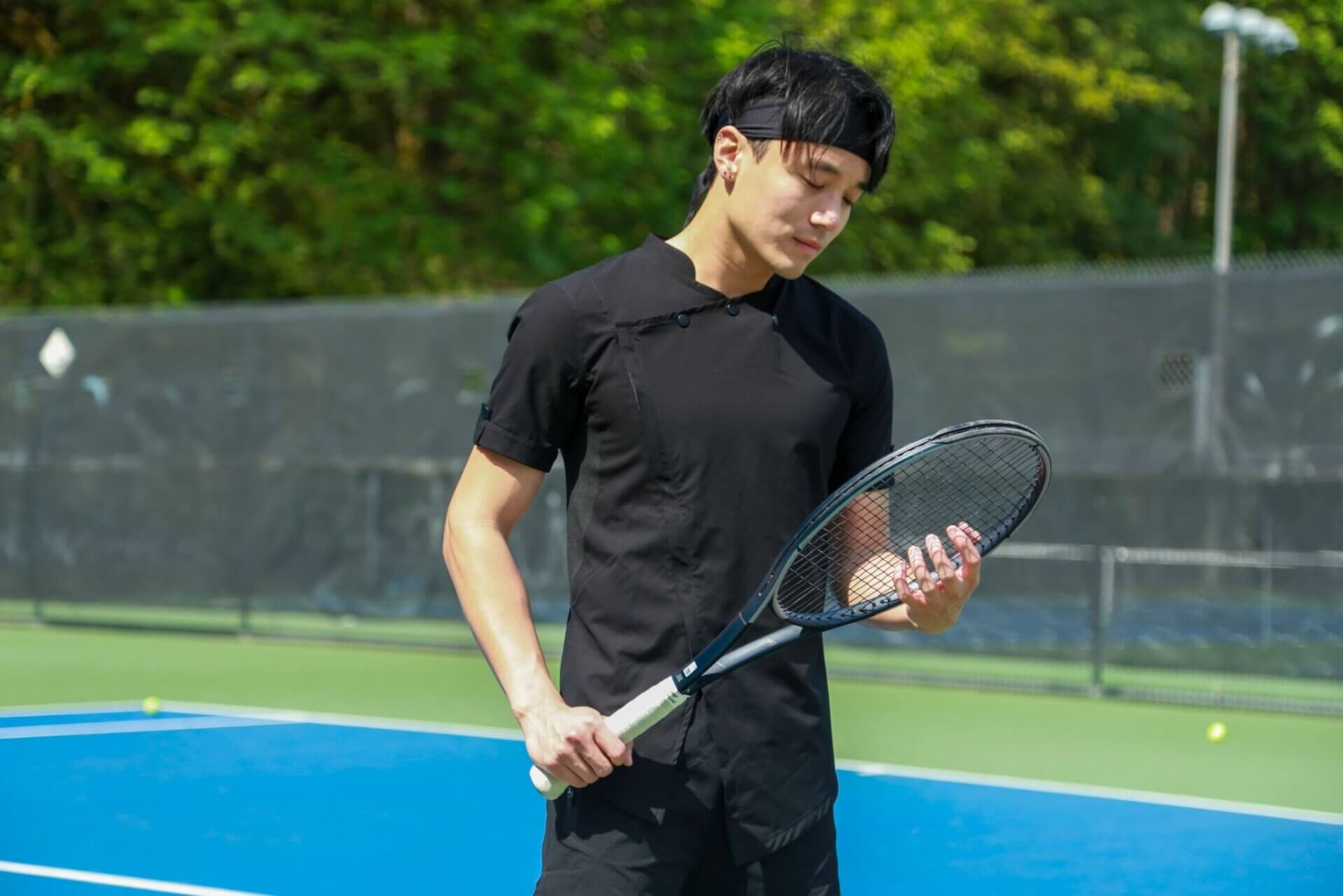
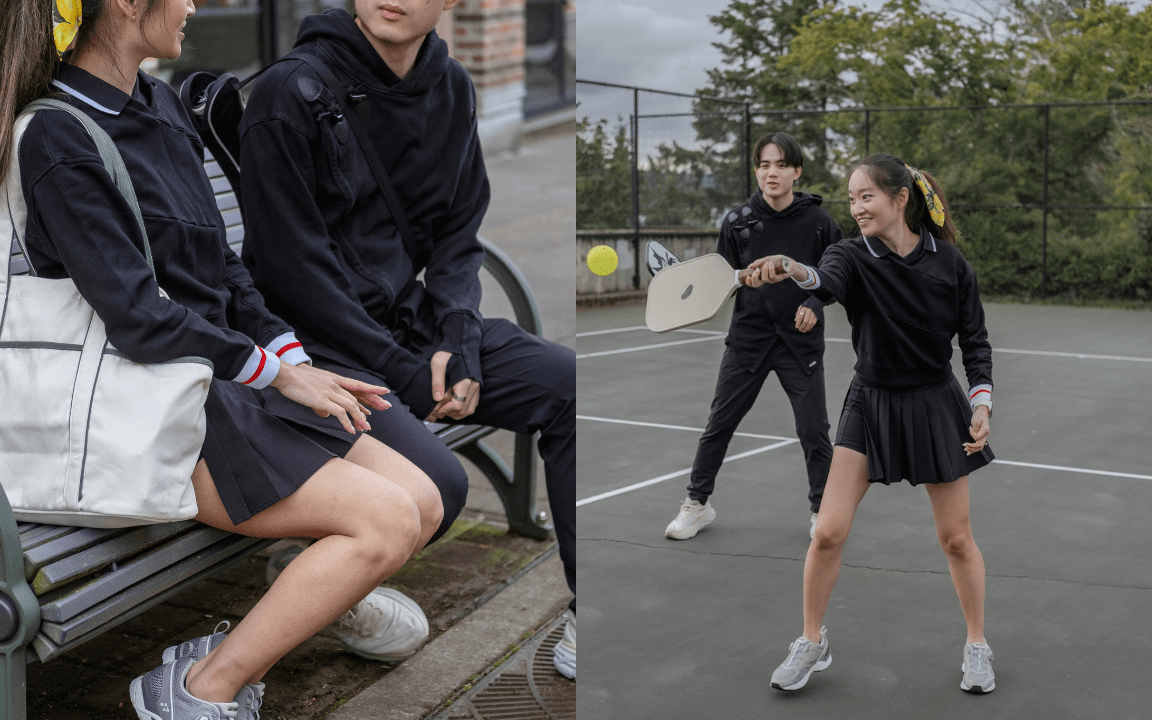
Kỳ Lân is the first activewear brand deeply rooted in Asian aesthetics, created with a powerful mission: to empower second-generation Asians worldwide to embrace their heritage with pride. Born from Hải’s personal journey growing up Vietnamese in Hungary and struggling to find a sense of belonging, Kỳ Lân reflects what it truly means to live between cultures, and finally feel proud of that identity.

For Hải, Kỳ Lân isn’t just about clothing. It’s about rewriting the narrative for second-generation Asians and bringing Asian representation to the forefront of mainstream sports- and streetwear. 

Kỳ Lân’s mission is to help second-gens embrace their Asian heritage through clothing

The Meaning Behind Kỳ Lân: A Symbol of Heritage and Unity

Kỳ Lân is a mythical creature from Asian folklore, often described as having the head of a dragon, the body of a horse, and the tail of a lion. It symbolizes peace, prosperity, and good fortune. Versions of the Kỳ Lân appear in Vietnamese, Chinese (Qilin), Japanese (Kirin), Korean (Girin), and Thai (Kilen) cultures, highlighting the deep cultural connections shared across Asia.

Hải chose this name to honor that shared heritage. As part of his efforts to reconnect with his roots, he began volunteering in the Vietnamese community and eventually became the organizer of a 6,000-member Asian Meetup and Discord group. This community centered around 1.5-generation and second-generation Asians, those who either immigrated as kids or were born abroad to immigrant parents. Together, they explored questions of identity, belonging, and the desire to reconnect. These conversations sparked the idea for Kỳ Lân: a brand that celebrates Asian aesthetics but, more importantly, gives voice to the in-between experience many second-generation live daily.

Kỳ Lân is more than just a clothing brand, it’s a tribute to these stories and a movement towards proudly reclaiming culture.

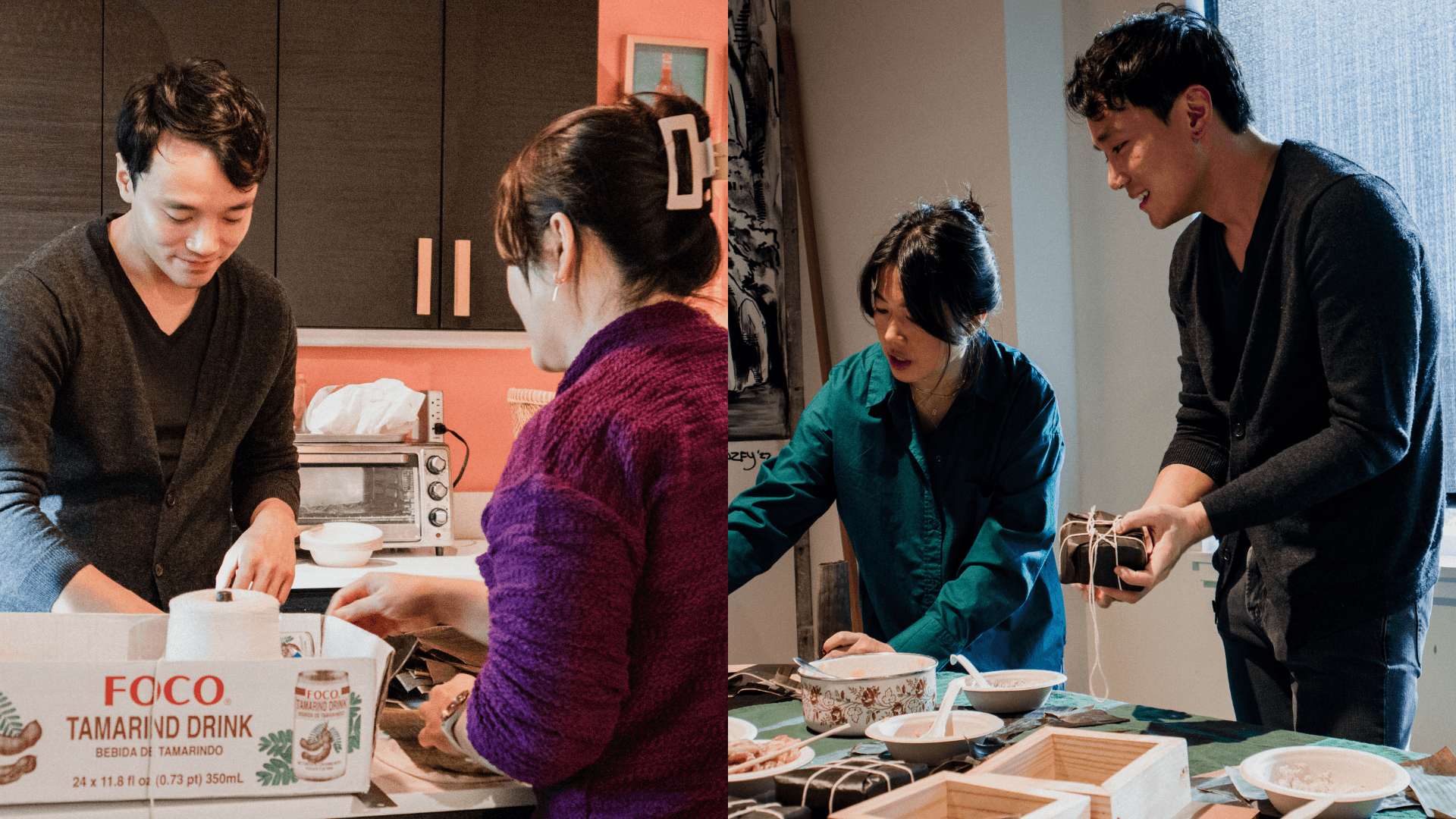
Hải volunteering in his local Vietnamese community

The Origin Story: From Hungary to the U.S. and Back to His Roots

Growing up in Hungary in the 1990s, often as the only Asian kid in school, Hải vividly remembers the bullying, the stares, and the relentless pressure to fit in. Like many second generation Asians, he spent much of his youth trying to blend in, often distancing himself from his Vietnamese roots just to feel accepted.

It wasn’t until years later, after moving to the U.S., that everything shifted. For the first time, Hải saw second-generation Asians unapologetically taking up space, celebrating their identities through art, food, fashion, and film. Vietnamese cafés were opening everywhere, Asian artists topped the charts, and streetwear inspired by Asian heritage became more mainstream. Gradually, pride replaced shame.

He became proud to be Asian, and curiosity toward his culture blossomed.

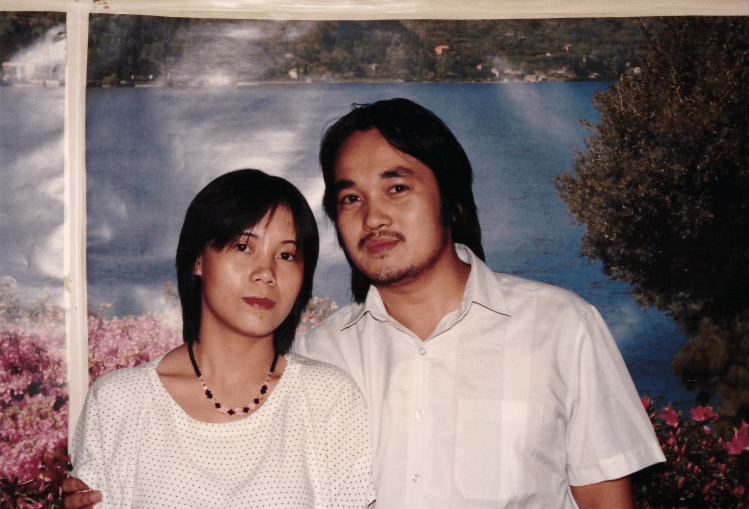
Hải, his little brother and his mom in Budapest

His parents’ story deeply influenced him, too. They immigrated to Soviet-era Hungary on scholarships and chose entrepreneurship over low-paying engineering jobs after graduation. Their hard work and resourcefulness deeply shaped Hải’s values, even though they initially encouraged him to take a safer path.

That growing sense of cultural pride deepened during a visit to Vietnam, where Hải saw relatives and locals running small storefronts straight from their homes. Every corner was buzzing with hustle. “That’s when it clicked,” he says. “Entrepreneurship is ingrained in our DNA. No wonder I felt this constant pull to build something of my own.” 

From Software Engineer to Fashionpreneur: Finding Purpose

For Hải, the realization that entrepreneurship was in his blood didn’t make the decision to quit his job any easier. Like many children of Asian immigrants, he grew up with a very clear definition of success which included stability, a good education and a respectable job. And he achieved exactly this: a successful career in software engineering, after decades of hard work and sacrifice from his parents, who had moved to Hungary in search of a better future.

For a while, he was unsure whether to commit to building a business or return to the comfort of a tech job. However, the dread he felt preparing for software interviews made it clear that he had to make some kind of business idea work, no matter what.

Like so many second-generation Asians, Hải carried an unspoken responsibility to make his parents’ struggles worth it, to succeed and stay on the path they paved.

Eventually, the pull toward his purpose was stronger than the fear of failure.

In a twist of fate, Hải is following in his parents’ footsteps. After immigrating to a foreign country and getting a degree in Engineering, he decided to leave it all behind and pursue Entrepreneurship.

Hải’s parents threw away their Engineering degree to open their heavy metal t-shirt business back in the ‘90s.

The Birth of Kỳ Lân: A Perfect Fit 

Inspired by his parents’ own clothing business selling heavy metal t-shirts at marketplaces, Hải worried initially that they might disapprove of him following a similar path. Instead, they became his biggest supporters once they saw his dedication.

While it might seem like a waste to throw away his engineering career, Hải’s background turned out to be a great asset in building Kỳ Lân. His time at Amazon Ads taught him how to run effective digital campaigns, his logistics experience at Convoy helped him navigate supply chains, and his coding skills meant he could build his own websites without outsourcing. Even his parents’ experience running a clothing business became unexpectedly useful. 

Looking at it all together, it started to make sense. This wasn’t him starting from scratch, it was him finally using all of his skills in one place.

A Movement Rooted in Identity, Representation, and Pride

Kỳ Lân is more than just activewear, it’s a cultural movement. It celebrates the rich fusion of Asian cultures and modern sportsmanship while giving second-generation Asians a platform to proudly reclaim their identities.

Through Kỳ Lân, Hải is not only creating clothing but also rewriting the story for second-generation Asians around the world – one that embraces heritage, community, and pride.

Kỳ Lân’s mission is to help second generation Asians embrace their heritage through clothing

Connect With Hải Bùi & Kỳ Lân Activewear

To celebrate Kỳ Lân’s pre-sale, Kỳ Lân is offering the Asian Hustle Network community an exclusive 20% off with the code AHN20 – valid for one week only.

Website: Kỳ Lân Activewear

IG: @kylan.athletics