
Stories

February 13, 2026

SHARE:

In 1980, a Vietnamese fighter pilot from a small rural province made history by becoming the first person from Asia to travel into space.

Long before rockets and research labs, Pham Tuan grew up in the rice fields of Thái Bình, far from the world of astronauts and orbiting stations.

Today, his journey beyond Earth remains a powerful story of courage, discipline, and possibility for young people across Asia.
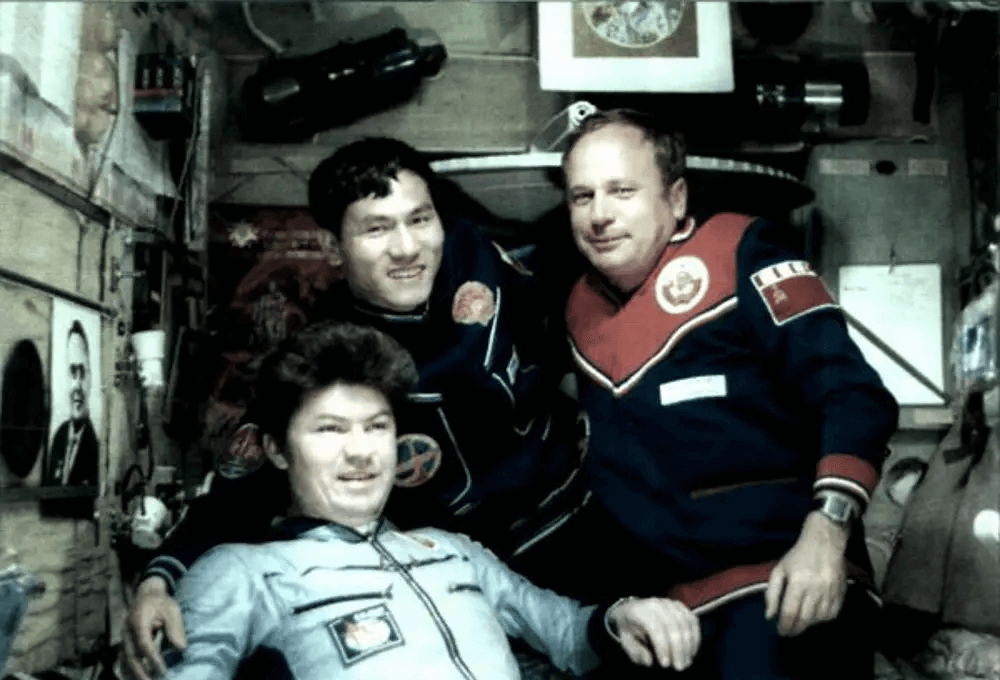
Image Source: Saigoneer

From Rural Fields to the Edge of Space

Before he ever saw space, Pham Tuan built his career as a fighter pilot in the Vietnamese Air Force. His skill and discipline eventually led to his selection for an international space program, a rare opportunity at the height of global political tension. It was a dramatic shift from flying combat missions to preparing for a journey beyond Earth.

The transition demanded years of intense physical and technical training. He had to master new systems, adapt to life in zero gravity, and prepare for risks no one from his continent had faced before. Each step brought him closer to a milestone that would place his name in history.
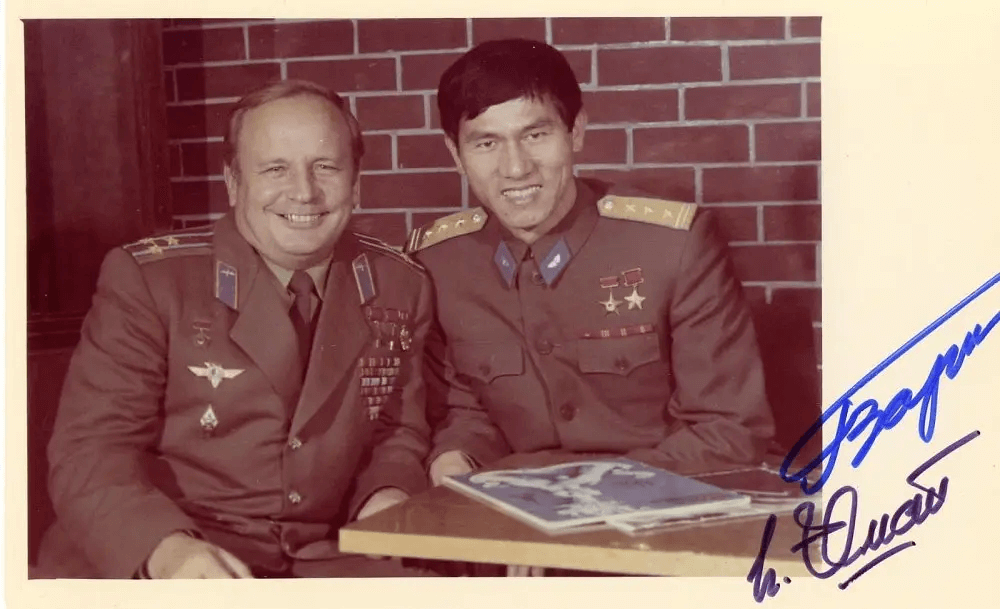
Image Source: Saigoneer

Seven Days That Changed Asia’s Story

On July 23, 1980, Pham Tuan launched aboard a Soyuz spacecraft and became the first Asian to reach space. He spent seven days aboard the Salyut 6 space station, conducting scientific research and observing Earth from orbit. During that time, he captured images of Vietnam from above, offering a view of his homeland few had ever seen.

After returning to Earth, he resumed life in Hanoi with his family, carrying memories of a journey that reshaped regional history. He continues to reconnect with former crew mates and remains one of only three people of Vietnamese descent to have traveled beyond Earth’s atmosphere. Decades later, his achievement still stands as a symbol of how far determination can take someone, even from the most humble beginnings.
Related Articles

Image Source generocity.org

Uncategorized

Founder of Penn Asian Senior Services Im Ja Choi Passed Away At 73

A well-known supporter of Asian American seniors and the founder and emeritus CEO of the nonprofit Penn Asian Senior Services, Im Ja Choi,  passed away on Wednesday, June 22, from lung cancer in a South Korean hospital, she was 73. 

A memorial service will be conducted on July 16 at 3:00 pm at the Evergreen Center in Philadelphia. Contributions in her name will be appreciated.

Ms. Choi was born in Seoul, South Korea in 1948, majored in literature, and graduated from Korea University. She moved to Philadelphia after marrying her childhood friend Jung Choi in 1971, where she studied organizational dynamics at the University of Pennsylvania. She was a top-producing real estate agent in the 1980s and 1990s. 

She started Penn Asian Senior Services in 2004 to help Asian American elders with linguistic and cultural obstacles. Because she couldn’t get home care for her mother, and after hearing horrible experiences from other caregivers, she founded the charity that provides in-home care and homemaking services in over two dozen languages.

She undertook the fundraising efforts and strategic planning of the nonprofit, for which the charity received grants from the U.S. Department of Health and Human Services and numerous organizations. 

Moreover, she has also opened an adult day care for immigrants with language and cultural barriers, a state-licensed vocational school for entry-level Asian health-care workers, and a seniors community center. 

In 2013, she received the Ellis Island Medal of Honor from the National Ethnic Coalition of Organizations. The Independence Blue Cross Foundation president Lorina Marshall-Blake wrote that the region needed more health visionaries like Im Ja Choi. Ken Yang, CEO of Penn Asian Senior Services, said Ms. Choi’s care, generosity, and love for her family and community matched her innovative leadership.

She was also recognized by the governor as a 2014 Distinguished Daughter of Pennsylvania for her “extraordinary service and achievements to the Commonwealth.” In the same year, she gave the commencement address at Penn State Abington where she quoted “Where there’s a will, there’s a way.”