Stories

March 17, 2023

SHARE:

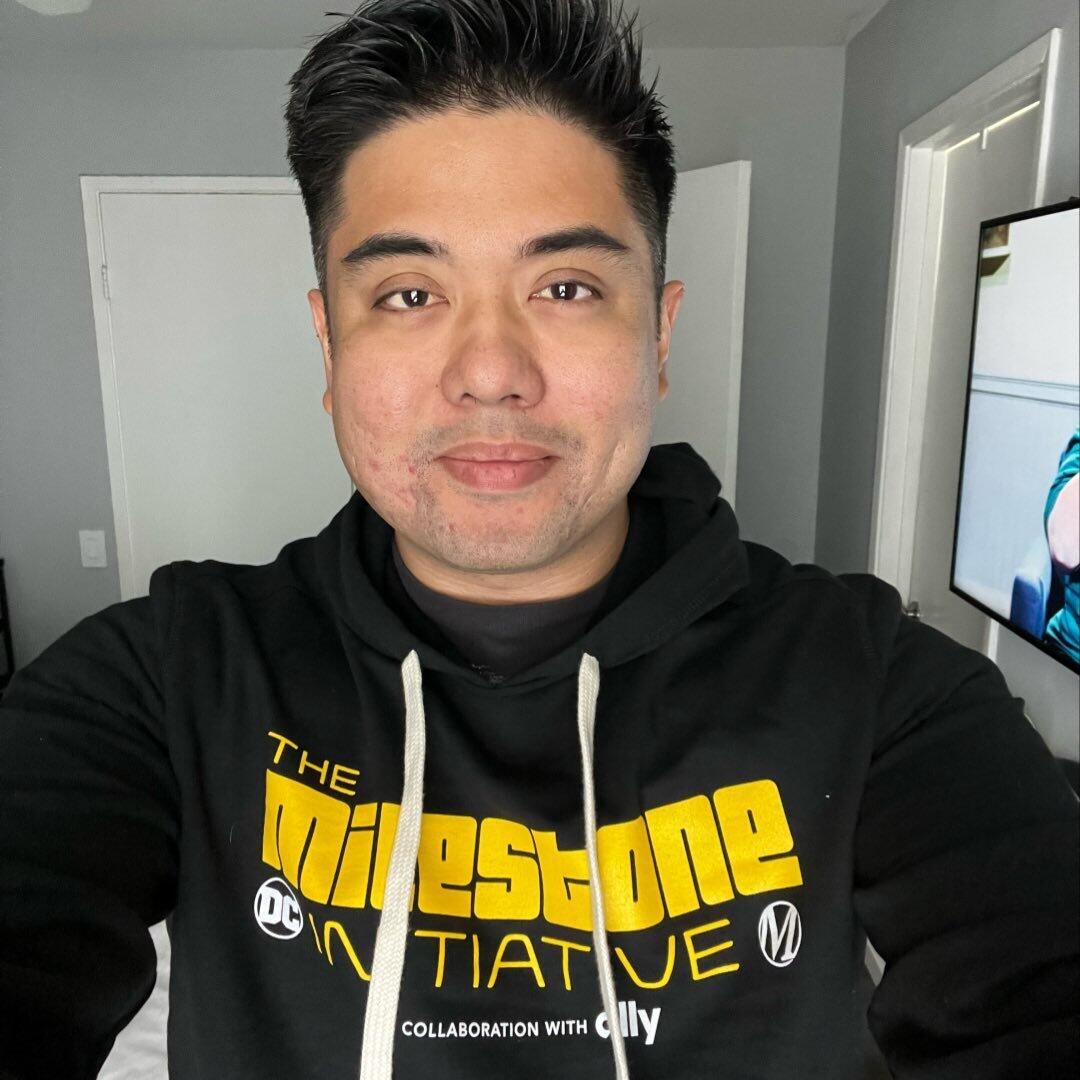
Nathaniel “Nathan” Cayanan is a Filipino-American currently working as a lecturer at Cal State Fullerton part-time, where he teaches business communication. He has been teaching English composition and academic writing for almost a decade and has been in education for 17 years, 8 of those years in college. He studied creative writing and screenwriting at USC and earned a master’s in writing because he wanted to be a filmmaker, but found himself teaching English comp – which he loved for a time.

On a whim last year, Nathan applied for DC Comics Milestone Initiative, a talent development program created in partnership with groundbreaking publisher Milestone Media and Ally Financial for marginalized writers and artists who want to break into the industry. It was highly competitive, but, somehow, the story he wrote for the application caught their eye, and he was officially accepted into their inaugural class. He took part in a program that mentored them as they tried to advance in the comic book industry.

He’s putting more effort into his creative career, not only writing some comics or graphic novels but drawing too. Now, he will be making his DC Comics debut as a writer. His story features the superhero Icon during the Cambodian Civil War.

With his first story to release in just a few months, Nathan’s career is on the rise. But how did he get to this point? Let’s explore the decisions and experiences that brought him here.

I APPLIED BELIEVING THAT I WOULD FAIL

I’ve always loved stories, be they in movies, books, or comics. I have read comics ever since I was about eight years old, my first comic being Batman #416. I watched movies as much as I could growing up, falling in love with not only the stories, but also the craft of telling them. 

I studied creative writing and screenwriting, but as most people know, it’s not a career rife with opportunities, so I found a day job teaching while I tried to develop my creative career. But teaching was a job that took a lot of time and energy, so the amount of effort into my writing career was relatively low. I loved teaching, so I was okay with this for a while, especially since I constantly got rejections for stories I wrote. In short, I settled.

However, about 5-6 years into my college teaching career, I started to feel pigeonholed. Despite earning stellar reviews and even winning Teacher of the Year in 2018, I wasn’t getting consistent opportunities. I was passed up for full-time positions several times. And even though it’s common for adjuncts to make up for a lack of full-time work by finding employment at multiple colleges, many community colleges would not hire me to teach part-time despite me having more experience and qualifications than other candidates they did hire.

So, I realized I needed to let go of this career and go back to school in 2019 for something more practical and get an MBA to pursue opportunities outside higher ed. My logic was that I would continue to teach part-time at only one school and leave my admin job at another school, while I went to graduate school (again).

Then the pandemic happened, and I started to also lose some of the classes at that school because of low enrollment and cut hours. Simultaneously, while I was doing well in my business program (I was earning a 4.0 at the time), I was a bit depressed. The world was collapsing, people were just very unpleasant, student-teacher dynamics changed, and I felt like a failure in TWO careers I pursued.

I applied for the Milestone Initiative, thinking that I’m going to just go work in an office if I give up my passions completely, so I might as well make one last effort and “die trying,” knowing that I fought until the bitter end. I actually applied believing that I would fail and that I just needed one more rejection letter to make it official. But, instead, I was accepted, and that really changed things moving forward.

The world was collapsing, people were just very unpleasant, student-teacher dynamics changed, and I felt like a failure in TWO careers I pursued.

nathan cayanan

CREATIVE INFLUENCES

I have so many creative influences. In film, there are Wong Kar Wai, Christopher Nolan, Quentin Tarantino, Martin Scorsese, and Aaron Sorkin.

If we’re talking literature: Haruki Marakami, Juno Diaz, Amy Tan, Lan Samantha Chang, Edgar Allan Poe, Cormac McCarthy. Comics, Tom King (who was my mentor in the Milestone Initiative), Scott Snyder, Jim Lee, Alan Moore, and Frank Miller. I mean, this list can go on and on, and they all have different influences on my creative voice and eye.

Digital illustration of Sugar Pie DeSant, Filipina jazz singer in the mid-1900s. Drawn by Nathan Cayanan. Colors by Lala Narita.

CHALLENGES OF TRANSITIONING INTO THE CAREER

Most of my work so far is indie and still in the process of being made. I have one comic I’m writing and drawing and any money I get will come after it’s printed, and assuming that it sells enough.

Similarly, I have a graphic novel I’m writing, and an artist is drawing it, and we’ve been offered the opportunity to publish it when it’s finished, but we won’t see a dime until we see units sold in the future. This is why many of us have day jobs. I still teach, just less than I did, and only at a university closer to home. But we do this because we love the art of telling stories.

Drawn by Nathan Cayanan: Ninoy Aquino, a Filipino politician who was assassinated during Ferdinand Marcos’ rule in the Philippines. This illustration depicts Aquino and his wife, future president Cory Aquino, when they lived in Boston, after he was exiled for standing against Marcos.

ADVICE FOR ASPIRING WRITERS OR ARTISTS

It’s not easy, and I think admitting that first is important. Too many young aspiring artists ask for advice, but what I feel like they’re asking is how they make this a career where the opportunities are plentiful, the money is endless, they can do it only from 9-to-5, get a 401K, and feel happy 24/7.

Every person I’ve met in the creative world (especially in comics) has said the same thing. It’s a grind. But, if you love the art, I mean genuinely love it (as opposed to the potential for fame and money), then go for it. But, as many writers and artists have told me, 90% of us have a day job. So, prepare to work, even if you make it. And even when you do, enjoy it, because it may not last.

Also, while it may not feel like it should be important, your ability to work and communicate with others is highly important. VERY few people are talented enough to never have to interact with others. Instead, most must be able to work with each other.

Editors have told me that they don’t care if you’re talented. If you’re not professional, no one’s going to give you the opportunity, especially if you’re rude, always late, flakey, or overly stubborn. You don’t have to be the life of the party or admired by the masses. But surely, you have to be reliable and don’t be a d*&k. 

Drawn by Nathan Cayanan: “It just speaks to the times as we see Asian hate crimes on the rise.”

Website: nathanielcayanan.com

Instagram: @nathan_a.k.a
Related Articles

News

Entrepreneur Avin Ong: From Selling Hangers to CEO of Macao Imperial Tea

Avin Ong, the visionary behind Macao Imperial Tea and CEO of The Fredley Group of Companies, has carved a remarkable path to success in the world of food and beverage. His journey, from humble beginnings to leading a multi-million-dollar empire, reflects his belief that opportunities are abundant for those willing to seize them.

Growing up in a blue-collar family with limited resources, Ong’s early life was far from extravagant. His family’s livelihood revolved around assembling hangers and selling them in the bustling streets of Divisoria, Metro Manila.

Today, Ong oversees a diverse portfolio of businesses, including New York Fries and Dips (NYFD), Nabe Japanese Izakaya and Hot Pot, Café Kitsuné, and the immensely popular Macao Imperial Tea. His recipe for entrepreneurial success is built on several key principles.

Firstly, Ong emphasizes the importance of seizing opportunities when they arise. Having experienced financial hardship in his past, he has become adept at embracing opportunities without hesitation, even if he feels unprepared.

Secondly, Ong stresses the significance of understanding your target market intimately. He recognizes that different consumer segments require tailored approaches. For instance, Café Kitsuné caters to a more upscale audience, while Macao Imperial Tea targets a younger demographic through social media influencers like TikTok. 

Furthermore, Ong emphasizes the scalability of his brands, which has allowed for rapid expansion. Starting with less capital-intensive concepts like NYFD and Macao Imperial Tea, he has achieved impressive milestones, such as opening 13 new stores in a single day.

Innovation and adaptability are also cornerstones of Ong’s success. During the pandemic, while some of his ventures struggled, Macao Imperial Tea’s sales surged by over 300 percent.

Lastly, Ong’s humility shines through in his readiness to admit failures and setbacks. While he had to close some branches, he prioritized retaining his loyal team members by reallocating them to more successful establishments. He shared with Tatler Asia how he acknowledges that surprises are inevitable in life, as exemplified by his initial failure to gain admission to De La Salle University. However, his determination led him to eventually fulfill his dream of attending the esteemed institution.

Featured Image Source: The CEO Magazine

News

How College Dropout Sanjith Konda House Became a Successful Entrepreneur

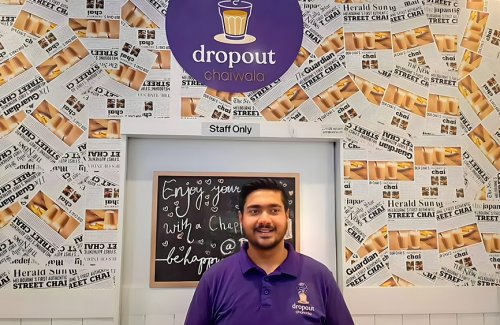
Sanjith Konda House, an 18-year-old from Bengaluru, India, set off on a conventional journey to Australia to pursue a Business Studies degree at La Trobe University in Melbourne. However, he made an unconventional turn, abandoning his studies in pursuit of an entrepreneurial dream that would later become a successful enterprise, ‘Dropout Chaiwala.’

Sanjith’s bold decision to step away from academia during his fifth semester in exchange for a tea business venture demonstrated exceptional courage, a trait deeply ingrained by his upbringing.

Supported by his parents—a father employed as a mechanical engineer at a Saudi Arabian oil company and a homemaker mother—Sanjith had always been instilled with the values of responsibility and independence beyond his years.

With an initial investment of $120,000, Sanjith, alongside his friends Asar Ahmed Syed, Preetam Akula, and Arun P. Singh, set up their first ‘Dropout Chaiwala’ outlet on Elizabeth Street. Their menu started simple, offering just five varieties of chai, but they gradually began to catch the attention of students and office-goers alike.

Despite facing initial obstacles, Sanjith’s unwavering determination was the driving force behind the business’s growth. By March, they had a mobile chai truck in operation, catering to university events, festivals, and weddings. Another significant milestone came in August with the opening of a third store on La Trobe Street.

Under Sanjith’s dynamic leadership and with the dedication of his team, which included Apoorva Singla overseeing the Elizabeth store, Dropout Chaiwala expanded its menu to include light snacks. Within a year, the business generated $600,000 in sales and provided employment to 40 individuals, turning Sanjith’s bold leap of faith into a thriving success.

Featured Image Source: India Times

News

BLACKPINK, TXT, Jung Kook, and Stray Kids Dominate the 2023 MTV VMAs

The 2023 MTV Video Music Awards proved to be an unforgettable night for K-pop, as three South Korean groups left an indelible mark on the music industry. These victories not only celebrated their remarkable talents but also emphasized the growing influence of K-pop worldwide.

The MTV Video Music Awards 2023 unfolded on September 12 at the Prudential Center in Newark, New Jersey.

TXT – Tomorrow X Together, affectionately known as TXT, had a groundbreaking night, bagging the Push Performance of The Year award for their electrifying single “Sugar Rush Ride.” The group also graced the stage with a spectacular performance of their new hit “Back for More,” featuring the sensational artist Anitta. In a fierce competition with nominees like Ice Spice, Jvke, Saucy Santana, and Reneé Rapp, TXT emerged victorious, marking their first-ever VMA win.

Stray Kids – Stray Kids joined the ranks of VMA winners, securing their first-ever VMA in the Best K-Pop category for their track “S-Class.” Their performance of the song during the show captivated the audience and showcased their incredible talent. Competing against esteemed K-pop acts like Aespa, Blackpink, Fifty Fifty, Seventeen, and TXT, Stray Kids’ victory is a testament to their growing influence in the industry.

BLACKPINK –  BLACKPINK, the global sensation, achieved an historic feat by winning the prestigious “Best Group of the Year” award. This victory is especially significant as it had been an astonishing 24 years since a girl group last held this honor – TLC in 1999.

BTS – While the spotlight shone on these remarkable wins, it’s crucial to acknowledge BTS’s continued dominance in the K-pop world. With an impressive nine VMA trophies to their name, BTS remains at the pinnacle of the K-pop genre, even during their well-deserved hiatus. Jung Kook also achieved a historic milestone by winning the ‘Song of the Summer’ award for his collaboration with Latto, securing the Moonman award.

The 2023 MTV VMAs will be remembered as a pivotal moment in K-pop history, with TXT, Stray Kids, BLACKPINK, and BTS making headlines and solidifying their status as global music icons. As K-pop’s influence continues to surge worldwide, we eagerly anticipate more groundbreaking achievements from these talented artists in the years to come. 

Featured Image Source: Lifestyle Asia HK

Peter Yang-jpg

Stories

The Inspiring Story of How Pokeworks Became the Largest Poke Chain in the US

Founded in 2015, Pokeworks emerged as a culinary venture stemming from a shared vision. Drawing inspiration from numerous trips to Hawaii, the founders were captivated by the distinct flavors of poke, prompting them to bring this fresh, healthful, and beloved island delicacy to the mainland United States.

With a steadfast commitment to a wholesome lifestyle and premium ingredients, Pokeworks offers a culinary experience that reverberates with authenticity. Their menu artfully captures the genuine essence of Hawaiian flavors, showcasing a medley of signature creations and customizable options.

Aside from this, Pokeworks champions sustainability, prioritizing responsibly sourced seafood and conscientious material choices. This ethos extends to all aspects of the brand’s operations, affirming a holistic dedication to social and environmental responsibility.

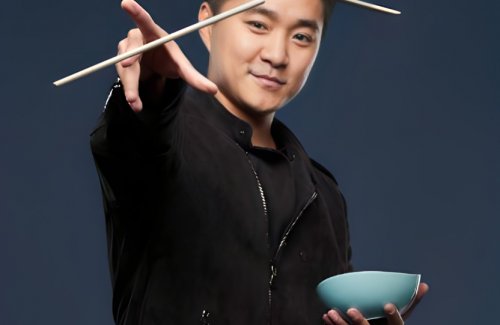
Asian Hustle Network had the chance to sit down for an interview with one of Pokeworks’ co-founders, Peter Yang. Join us as we delve deeper into their story and uncover the insights that drive their success.

HOW IT ALL STARTED

The idea of Pokeworks dates back to 2015, when my co-founders, Mike Chen and Mike Wu, met over lunch. Mike Chen just had his wedding in Maui and Mike Wu had just come back to the mainland after months in Oahu launching a restaurant. They reminisced about the delicious poke they enjoyed on the island and wondered why it’s not a staple on the mainland. We took inspiration from build-your-own fast casuals like Chipotle, and ran with the idea of “Poke Your Way”. As cliche as it sounds, we spent months R&D’ing out of Mike Wu’s garage until we all felt the flavors were perfect.

Several months later, we opened the doors to our first location in midtown Manhattan – a tiny 750-square-foot space. It was a cold December, and most of the city had left for the holidays – it was quiet… and our sales were bleak. Besides correcting our guests on the pronunciation of “poke”, I had to turn away several guests with “Sorry, no, we do not sell Pokemon cards.” Educating the market was definitely an early challenge we had to overcome.

The new year rolled around and our lines got progressively longer day after day. As business grew, we kept our heads down and continued to focus on operational excellence – great products and great guest service. Word quickly spread, and we became the popular kids on the block.

Fast forward 8 years and a pandemic later, we’re 70 locations proud across the U.S., Canada, Mexico, and Taiwan.

SUSHI BURRITO

THE CONCEPT OF SUSHI BURRITO

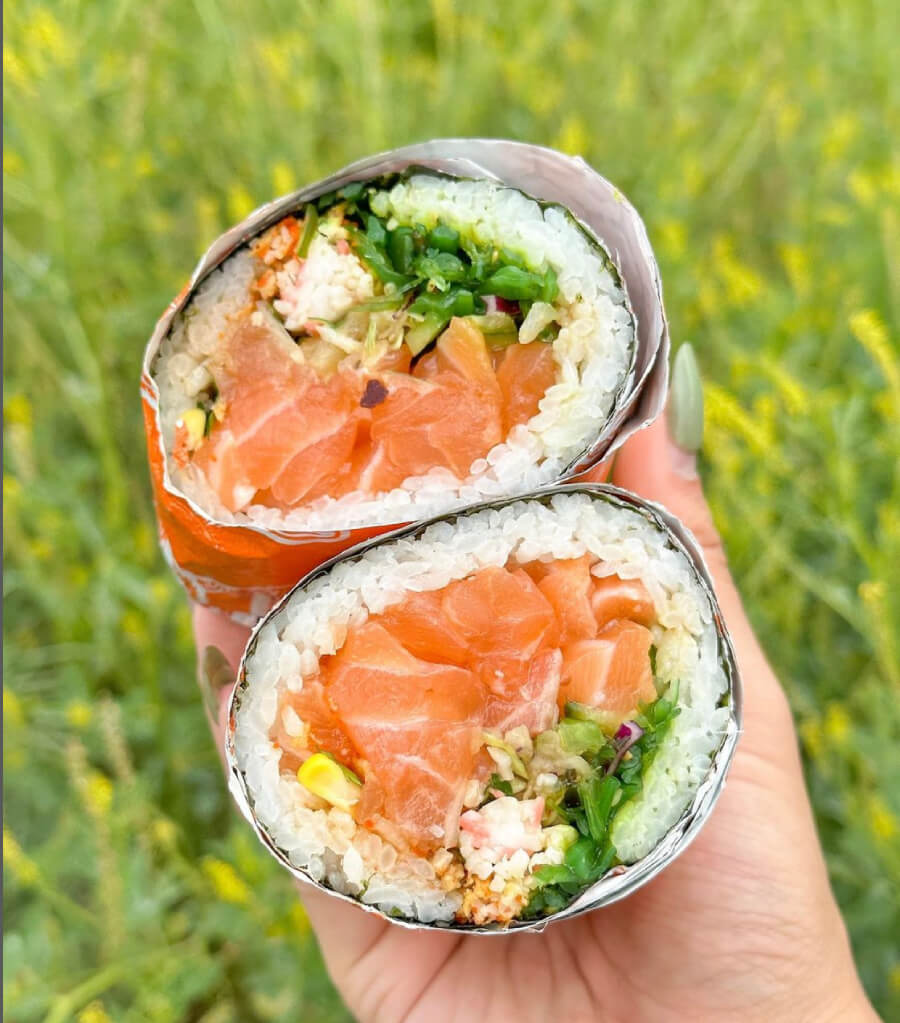
We aimed to create a handheld version of Poke by blending two of my personal favorites: a burrito and a sushi roll – what’s not to love? We had fun with it and added it to the menu.

Little did we know, this menu addition would become a turning point in our growth.

During a lunch rush one day, a representative from Business Insider walked into our tiny shop and asked if she could record a video featuring our Poke Burrito. Despite my initial hesitation – our shop was so small that my staff and I could barely squeeze another body in without slowing down our line – I agreed. Well, it was a good thing I let her shoot the video because once it was uploaded, it went absolutely viral.

It. Was. Insanity. This short 1 minute clip, triggered lines around the block for months. We had to hire bouncers for crowd control!

POKEWORKS’ COMMITMENT TO SUSTAINABILITY

Early in our brand development, the co-founders took deliberate steps to define our core values. One of them is: “Sustainability – meeting today’s needs without compromising tomorrow.” The founders understand that it goes beyond just making a profit, but how we can leave the world a better place for our children. Personally, since becoming a father recently, this sentiment has never rung louder. We want to make sure it’s not just a marketing buzzword, but a core value that helps guide our every decision. 

All of the seafood that we source carries a “Best Choice” rating by the Monterey Bay Seafood Watch, procured from vendors that are environmentally and socially responsible. Our tuna is exclusively procured from Marine Stewardship Council (MSC) certified sources, a reflection of our commitment to ending overfishing and promoting sustainable fishing practices. Our salmon holds certifications from both the Aquaculture Stewardship Council (ASC) and Best Aquaculture Practices (BAP), embodying the highest industry standards for minimizing environmental impact and upholding the well-being of communities, workers, and animals.

For many of our store build-outs, the wood used in our dining rooms is of local species and is certified by the Forest Stewardship Council. In some of our shops, the facade of our counters is made with recycled bamboo chopsticks.

Our commitment to sustainability extends to exploring alternative seafood and plant-based products. We are partnering with leading plant-based food manufacturers such as Impact Foods and Omni Foods to explore alternative seafood options. Our plant-based spam musubis are also a huge hit! We’ve also partnered with innovators like Wildtype, to explore cutting-edge cultivated seafood.

FRANCHISEE SPOTLIGHT

We seek franchisees who embody a passion for the brand and resonate with our mission statement and core values. One of which is being service-obsessed: We put the team’s needs first. We are here to serve our guests and community. We do this by being responsive, helpful, productive, and following through with our commitments, and spreading aloha.

I’d like to extend a big shout-out to Alvin Zhang, an exceptional franchisee at Pokeworks who embodies this value and who truly shines as both an entrepreneur and an outstanding individual dedicated to his community. At the peak of the pandemic, when hospitals were facing dire circumstances, Alvin and his Pokeworks team worked overtime to generously donate over 2000 poke bowls to 12 hospitals across Queens NY, and Long Island.

UPLIFTING THE AAPI COMMUNITY

We take pride in the Asian-inspired products and flavors that we serve. From spicy Sichuan poke to sweet chili gochujang poke. Sharing these flavors from our roots to the mainstream is a great privilege. 

During COVID, we partnered with Heart of Dinner to help nourish NYC’s community of Asian elders. They have a wonderful mission of supporting the AAPI community, and we’re proud to be a part of it.

We also take immense pride in having Regina Cheung, a Chinese-American, at the helm as CEO at Pokeworks, leading the charge with remarkable expertise and charisma. Furthermore, all of the co-founders are Asian-American and share the immigrant journey. 

We hope that our story and Pokeworks’ AAPI leaders can inspire future generations of AAPI entrepreneurs to dive confidently into their careers and passions. 

PETER YANG’S ADVICE TO ASPIRING ENTREPRENEURS

Don’t do it alone. Learn to ask for help. It all starts within your community.

We are very proud to say that there are a total of 8 co-founders at Pokeworks. Most advisors will tell you that’s crazy, but we made it work! We’ve learned to set aside our egos and each of us plays a distinct and vital role within the organization.

This principle aligns perfectly with another core value of ours: the incredible power of teamwork.

CONNECT WITH POKEWORKS

Instagram: @pokeworksco

Website: pokeworks.com

Franchise: pokeworksfranchise.com