Stories

March 17, 2023

SHARE:

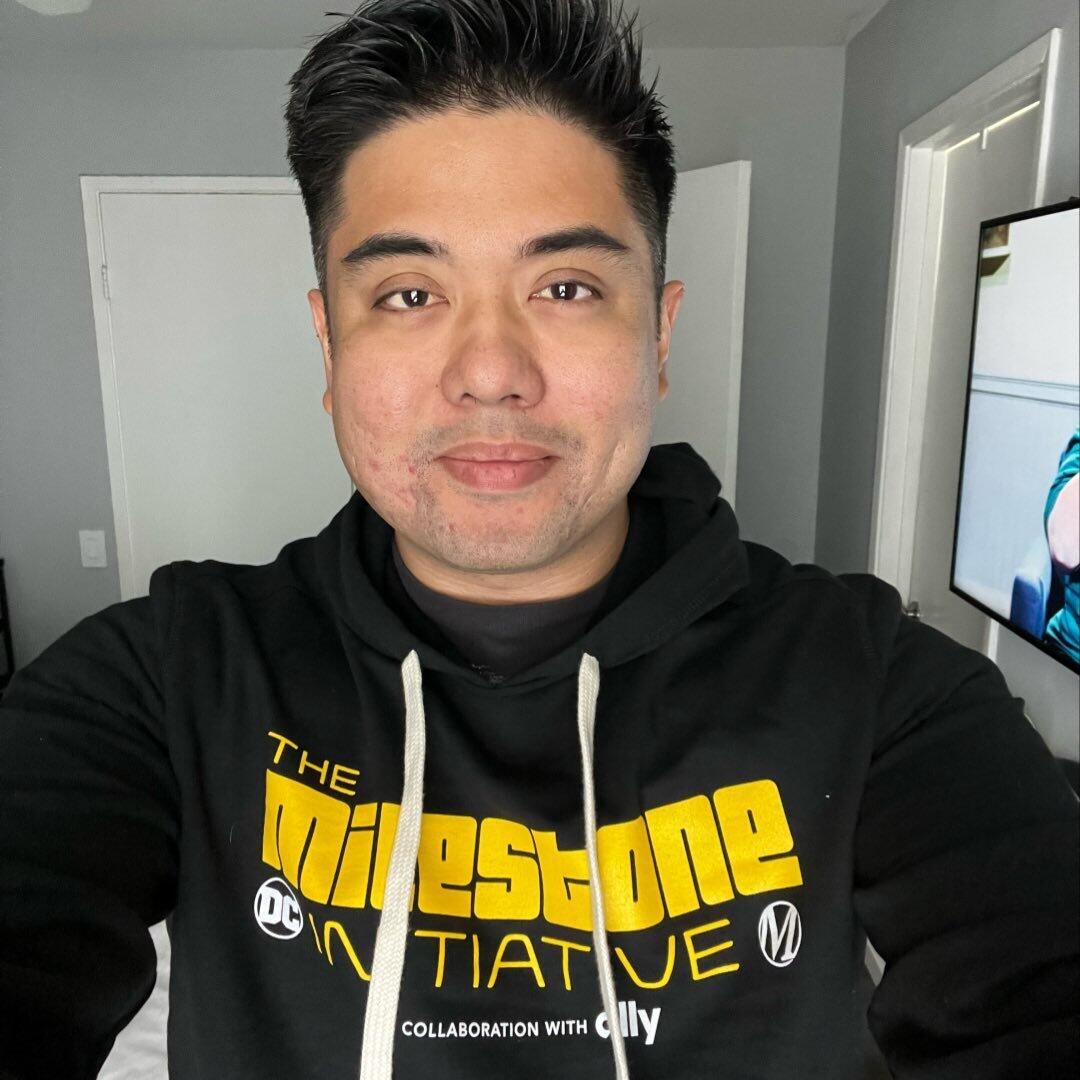
Nathaniel “Nathan” Cayanan is a Filipino-American currently working as a lecturer at Cal State Fullerton part-time, where he teaches business communication. He has been teaching English composition and academic writing for almost a decade and has been in education for 17 years, 8 of those years in college. He studied creative writing and screenwriting at USC and earned a master’s in writing because he wanted to be a filmmaker, but found himself teaching English comp – which he loved for a time.

On a whim last year, Nathan applied for DC Comics Milestone Initiative, a talent development program created in partnership with groundbreaking publisher Milestone Media and Ally Financial for marginalized writers and artists who want to break into the industry. It was highly competitive, but, somehow, the story he wrote for the application caught their eye, and he was officially accepted into their inaugural class. He took part in a program that mentored them as they tried to advance in the comic book industry.

He’s putting more effort into his creative career, not only writing some comics or graphic novels but drawing too. Now, he will be making his DC Comics debut as a writer. His story features the superhero Icon during the Cambodian Civil War.

With his first story to release in just a few months, Nathan’s career is on the rise. But how did he get to this point? Let’s explore the decisions and experiences that brought him here.

I APPLIED BELIEVING THAT I WOULD FAIL

I’ve always loved stories, be they in movies, books, or comics. I have read comics ever since I was about eight years old, my first comic being Batman #416. I watched movies as much as I could growing up, falling in love with not only the stories, but also the craft of telling them. 

I studied creative writing and screenwriting, but as most people know, it’s not a career rife with opportunities, so I found a day job teaching while I tried to develop my creative career. But teaching was a job that took a lot of time and energy, so the amount of effort into my writing career was relatively low. I loved teaching, so I was okay with this for a while, especially since I constantly got rejections for stories I wrote. In short, I settled.

However, about 5-6 years into my college teaching career, I started to feel pigeonholed. Despite earning stellar reviews and even winning Teacher of the Year in 2018, I wasn’t getting consistent opportunities. I was passed up for full-time positions several times. And even though it’s common for adjuncts to make up for a lack of full-time work by finding employment at multiple colleges, many community colleges would not hire me to teach part-time despite me having more experience and qualifications than other candidates they did hire.

So, I realized I needed to let go of this career and go back to school in 2019 for something more practical and get an MBA to pursue opportunities outside higher ed. My logic was that I would continue to teach part-time at only one school and leave my admin job at another school, while I went to graduate school (again).

Then the pandemic happened, and I started to also lose some of the classes at that school because of low enrollment and cut hours. Simultaneously, while I was doing well in my business program (I was earning a 4.0 at the time), I was a bit depressed. The world was collapsing, people were just very unpleasant, student-teacher dynamics changed, and I felt like a failure in TWO careers I pursued.

I applied for the Milestone Initiative, thinking that I’m going to just go work in an office if I give up my passions completely, so I might as well make one last effort and “die trying,” knowing that I fought until the bitter end. I actually applied believing that I would fail and that I just needed one more rejection letter to make it official. But, instead, I was accepted, and that really changed things moving forward.

The world was collapsing, people were just very unpleasant, student-teacher dynamics changed, and I felt like a failure in TWO careers I pursued.

nathan cayanan

CREATIVE INFLUENCES

I have so many creative influences. In film, there are Wong Kar Wai, Christopher Nolan, Quentin Tarantino, Martin Scorsese, and Aaron Sorkin.

If we’re talking literature: Haruki Marakami, Juno Diaz, Amy Tan, Lan Samantha Chang, Edgar Allan Poe, Cormac McCarthy. Comics, Tom King (who was my mentor in the Milestone Initiative), Scott Snyder, Jim Lee, Alan Moore, and Frank Miller. I mean, this list can go on and on, and they all have different influences on my creative voice and eye.

Digital illustration of Sugar Pie DeSant, Filipina jazz singer in the mid-1900s. Drawn by Nathan Cayanan. Colors by Lala Narita.

CHALLENGES OF TRANSITIONING INTO THE CAREER

Most of my work so far is indie and still in the process of being made. I have one comic I’m writing and drawing and any money I get will come after it’s printed, and assuming that it sells enough.

Similarly, I have a graphic novel I’m writing, and an artist is drawing it, and we’ve been offered the opportunity to publish it when it’s finished, but we won’t see a dime until we see units sold in the future. This is why many of us have day jobs. I still teach, just less than I did, and only at a university closer to home. But we do this because we love the art of telling stories.
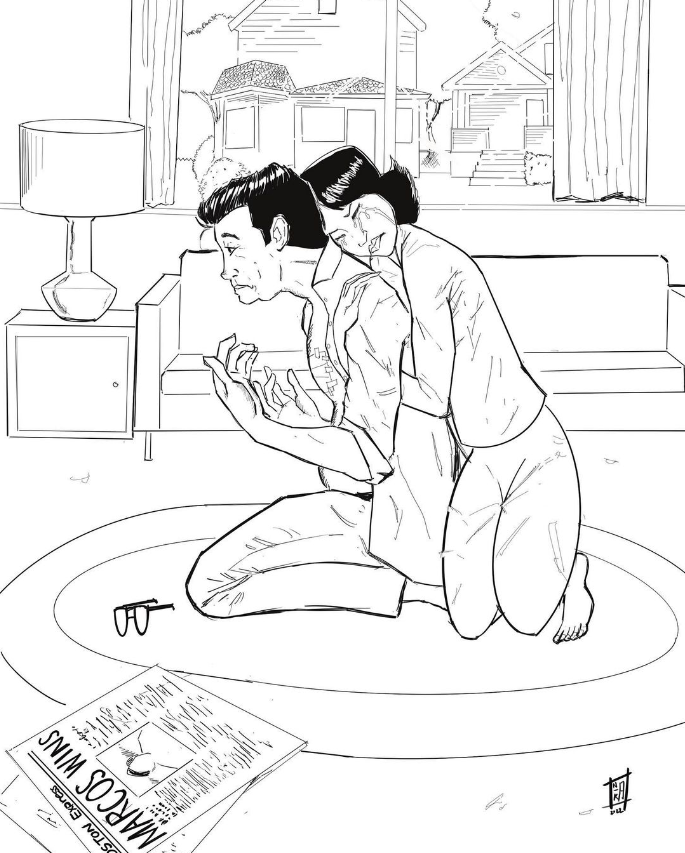
Drawn by Nathan Cayanan: Ninoy Aquino, a Filipino politician who was assassinated during Ferdinand Marcos’ rule in the Philippines. This illustration depicts Aquino and his wife, future president Cory Aquino, when they lived in Boston, after he was exiled for standing against Marcos.

ADVICE FOR ASPIRING WRITERS OR ARTISTS

It’s not easy, and I think admitting that first is important. Too many young aspiring artists ask for advice, but what I feel like they’re asking is how they make this a career where the opportunities are plentiful, the money is endless, they can do it only from 9-to-5, get a 401K, and feel happy 24/7.

Every person I’ve met in the creative world (especially in comics) has said the same thing. It’s a grind. But, if you love the art, I mean genuinely love it (as opposed to the potential for fame and money), then go for it. But, as many writers and artists have told me, 90% of us have a day job. So, prepare to work, even if you make it. And even when you do, enjoy it, because it may not last.

Also, while it may not feel like it should be important, your ability to work and communicate with others is highly important. VERY few people are talented enough to never have to interact with others. Instead, most must be able to work with each other.

Editors have told me that they don’t care if you’re talented. If you’re not professional, no one’s going to give you the opportunity, especially if you’re rude, always late, flakey, or overly stubborn. You don’t have to be the life of the party or admired by the masses. But surely, you have to be reliable and don’t be a d*&k. 

Drawn by Nathan Cayanan: “It just speaks to the times as we see Asian hate crimes on the rise.”

Website: nathanielcayanan.com

Instagram: @nathan_a.k.a
Related Articles

medschoolboiz-png

Stories

Creators Podcast: Surya Chinamuthevi on the Journey of Medschoolboiz

AHN and Meta Prosper have partnered on a new podcast series highlighting API creators. Meta Prosper is dedicated to amplifying and supporting the API community and driving economic growth and equitable representation. The Creators Podcast series delivers stories on how creators achieved success and created impact through their platforms, serving as an inspiration for the community.

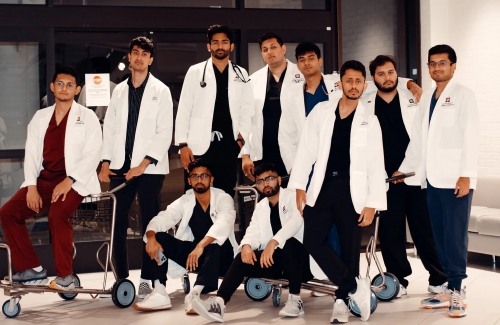
The journey through medical school is often depicted as one of relentless study and sacrifice, but the Medschoolboiz, a group of Texas A&M medical students, are flipping the narrative. With a mission to showcase the friendships, fun, and meaningful moments that make the medical journey worthwhile, Medschoolboiz has become a social media sensation.

Founded by a group of friends who bonded during a pre-medical school retreat, the Medschoolboiz started as an organic experiment. Their first video, a TikTok filmed at their white coat ceremony, captured their transition from casual attire to white coats. The video went viral overnight, and what began as a fun project evolved into a platform celebrating the lighter side of medical school.

Under the slogan “Camaraderie in Medicine” and the tagline “Excited for the journey, not just the destination,” the Medschoolboiz aim to highlight the importance of relationships and joy in what is often seen as a grueling profession.

In a recent episode of the Creators Podcast, hosted by Asian Hustle Network in partnership with Meta Prosper, Medschoolboiz member Surya Chinamuthevi shared insights into their journey. He discussed how the group balances medical school with content creation, the challenges of maintaining authenticity, and their vision for the future.

CONNECT WITH MEDSCHOOLBOIZ

Website: medschoolboiz.com
Instagram: @medschoolboiz
TikTok: @medschoolboiz

William Wang's

News

The Story Behind VIZIO Founder William Wang’s Lifetime Achievement Award

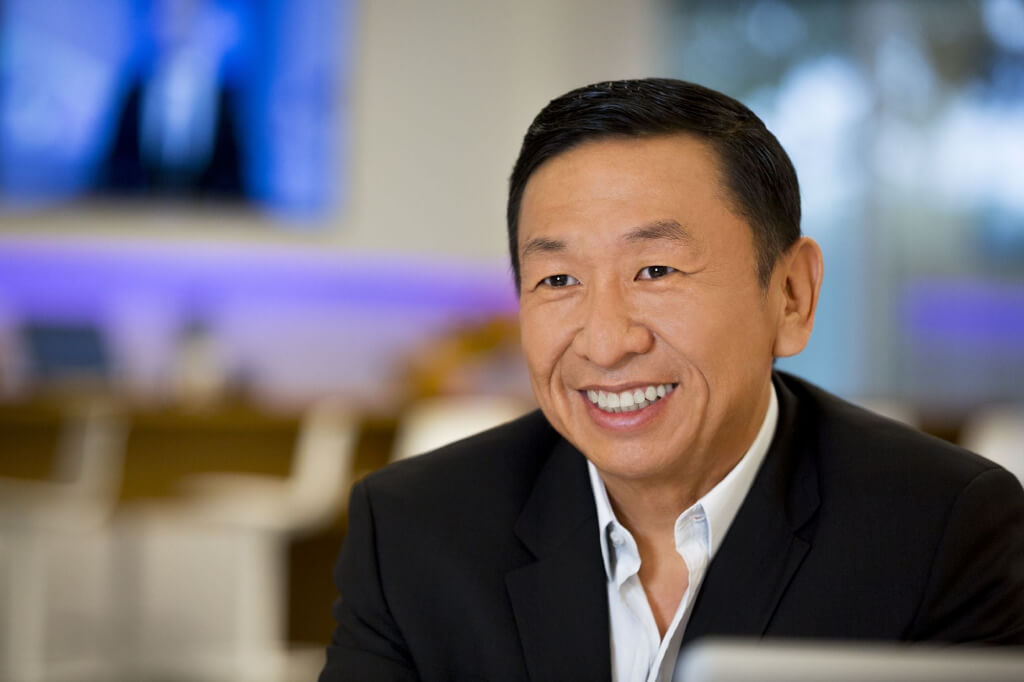
This October, William Wang was honored with Lifetime Achievement at the 75th Annual Technology & Engineering Emmy Awards. As the founder of VIZIO, Wang has revolutionized the television industry, shattering the cost-related concerns about whether quality and pricing can go hand in hand. From a Taiwanese immigrant to a trailblazer, his journey is one of innovation and persistence.

Humble Beginnings and Pursuit of the American Dream

Born in Taipei, Taiwan, William Wang immigrated to the United States as a teenager with his family. Settling in Southern California, cultural barriers arose as a major problem for an immigrant teenager like Wang. However, his persistence shone through: he excelled academically, leading him to pursue engineering at the University of Southern California (USC).

Image Soure: VIZIO

After graduation, Wang was on his way to materializing his dream: starting a company in the tech industry. Yet, he failed multiple times, draining his resources and budget. However, each failure gave him the opportunities and lessons to grow his entrepreneurial endeavors.

The Turning Point: A Life-Altering Experience

But life comes with unheralded events. In 2000, the Singapore Airlines Flight 006 that he was on encountered a crash, and he was one of the few survivors of that fatal incident.

This disastrous event completely altered his outlook on life: he became more grateful for his relationships and the comfort they provide, such as families spending cozy time together watching TV. This newfound perspective catalyzed his entrepreneurial shift into his next venture, fostering an idea that would transform the consumer electronics market. He envisioned a future where the gap between top-tier technology and affordability disappeared—a vision that soon became VIZIO. In 2002, he launched VIZIO. 

By 2007, just five years after its founding, VIZIO had become the top-selling LCD TV brand in the United States—a monumental achievement in an industry dominated by global giants like Sony and Samsung.

Wang’s Humble Reflections on the Achievement

William Wang's
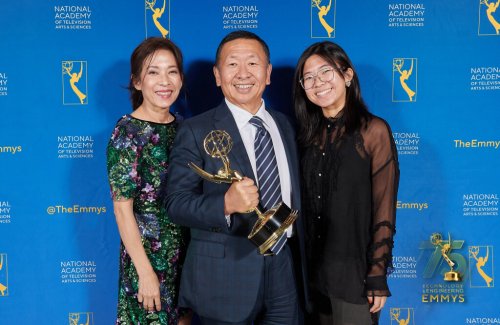
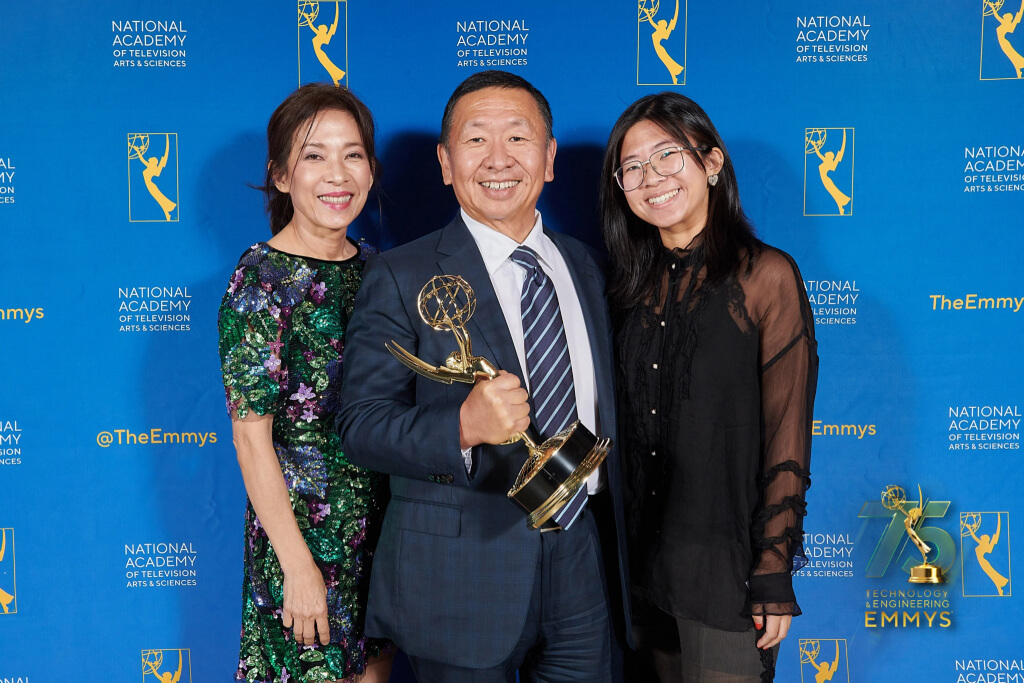
William Wang (center) with his family at the 75th Technology & Engineering Emmy Awards. (Image Source: VIZIO)

When receiving the prestigious Lifetime Achievement Award at the Emmy Awards, he couldn’t help but feel emotional about his near-death-inspired vision. At that moment, his survivor’s guilt had driven him to enrich lives, saying, “My life has been dedicated to bringing great technology to consumers in America.” As influential as he is, he expressed his gratitude for his team, stating, “This recognition is also a testament to the incredible team at VIZIO – it is our lifetime achievement. Together, we’ve challenged the status quo and have created new possibilities for the future of television. I’m proud of what we’ve accomplished and excited for the journey ahead as we continue to push the boundaries of technology and entertainment.”

Featured Image Source: VIZIO

2be9dbfe-8170-4a3a-8ef1-f1dd8a946db5 (1)-jpg

News

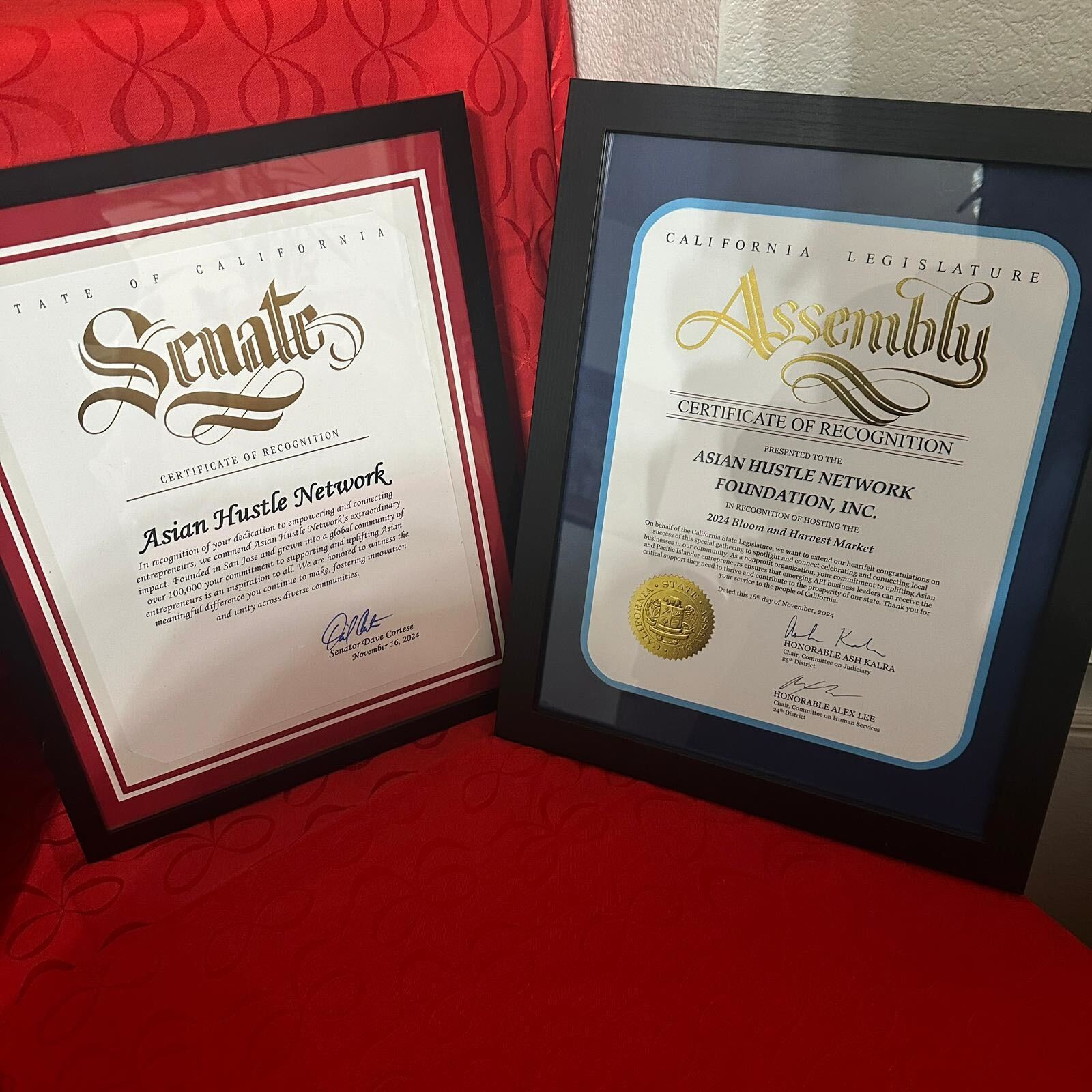
AHN and AHNF Celebrate Milestones with California Senate and Assembly Recognition

As an acknowledgment of Asian Hustle Network (AHN)’s contribution to the Asian and Pacific Islander (API) community, the California State Senate has extended its appreciation for AHN’s extraordinary efforts in fostering innovation and unity. Since its founding in 2019, AHN has continued to support and uplift the API community.

This year was a rewarding and progressive year for AHN, with numerous events and projects in the pipeline to build and strengthen the community while inspiring the next generation of future API leaders. 

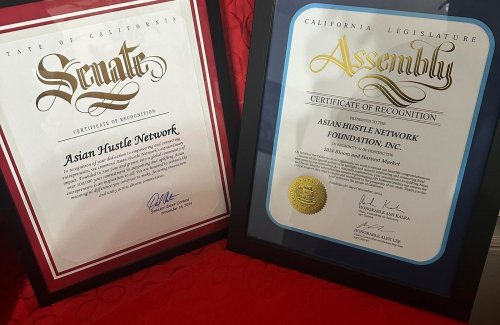
One of the highlights was having our executive director Tristan Paule, and the AHN organization honored with a Certificate of Recognition from the California State Senate and Assembly for successfully hosting the 2024 Bloom and Harvest Market in San Jose, CA. In partnership with SHOPLINE, Flora Haven, and Hot Boi Chili Oil, the event truly aligns with our vision, creating a vibrant marketplace for local AAPI vendors, entrepreneurs, creatives, and influencers. 

In addition, we want to extend our gratitude to those who have contributed to the event’s success:

Community Partners and Sponsors

@nestleusa, @yelpbayarea, @yelpsiliconvalley, @drinklunar, @banhmioven_ca, @andy_nguyen_photography, @lovemeknots_bridal, @varoundtable, @aodaifestival.sj, @vietsteps, @steph.eatsntravels, @amberkimv, @angelinahong_

Retail Vendors

@daesignstudio, @behabbi, @oyucosmetics, @shop_farols, @thebillyguan, @muzmak.official, @ajarofpickles_, @jhcandleco, @thehungryslothco

Prepackaged Goods

@chartruffles, @thepategirl, @thisisbabas.house, @bonjerksnacks, @nokkifarm, @drinklivingflora, @drinknarra, @hotboichilioil, @helladacbiet, @myjinka

Food & Drink

@nhathecafe, @_hetsay_

Beer Garden

@matchpointbrewing

As we look back on this incredible month, we are grateful for the support and excited for what’s coming. Thank you to the local legislation for believing in and enforcing our mission. 

Interior-Chinatown-e1729570164214

News

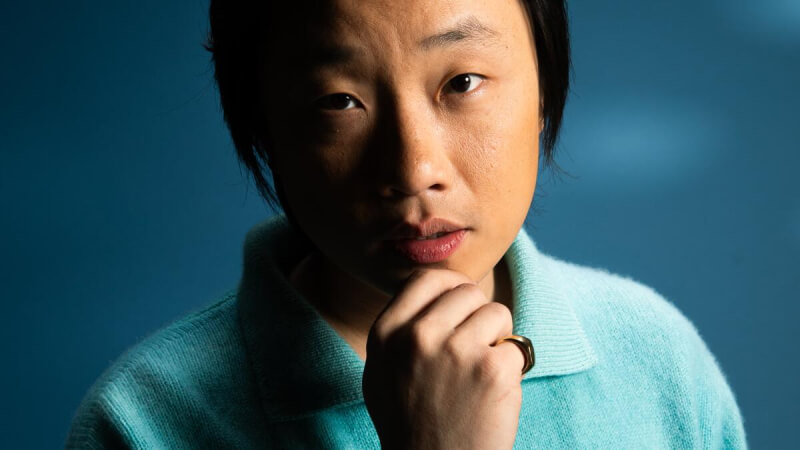
Jimmy O. Yang Finally Wins the First Lead Role in Charles Yu’s “Interior Chinatown”

After years of working at odd jobs, Yang has found his first lead role and left Yu knocked back in tears during his audition.

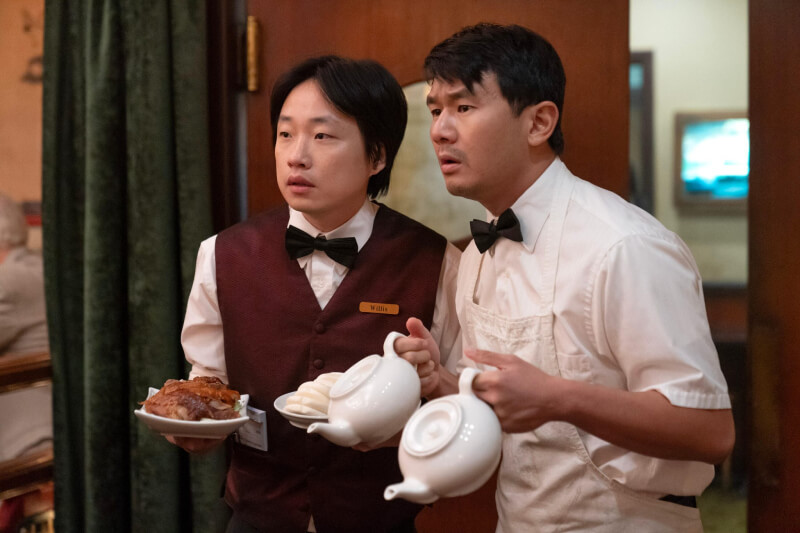
A Lemon. The $1,500 Toyota Corolla with no power windows, a busted side door, and poor brakes is what Jimmy O. Yang rode around Los Angeles to prepare for his role as Willis Wu, an overlooked Asian American everyman in the series “Interior Chinatown.” 

The result? “Pull over, call whoever got you in here. If you can’t, you gotta go…” A rude remark from the studio’s guard as Yang recalled in a Zoom with the Los Angeles Times (LA Times) even though he was No.1 on the call sheet. 

The experience reminded Yang of his life story as a Hong Kong immigrant moving to the United States. Yang stated in the interview, “Willis’ journey is such a metaphor for the Asian American experience because we are the model minority, but at the same time we are invisible. People talk about Black and white, but where do we fall? You’re just not seen for who you are.” In an article by SCMP, the actor-writer-comedian further exemplifies, “Willis laments feeling like a background actor in someone else’s story and longs to be in the spotlight, but that’s hard if you look like me.”

At the age of 13, Yang relocated to Los Angeles feeling the intense culture shock. “My goal was to just assimilate so I don’t get made fun of,” Yang recalled. In the school’s locker room, he was mocked for wearing whities instead of boxers. During 8th grade, his peers had mustaches and dunked basketballs while he barely hit puberty. Using a fake address, he enrolled in Beverly Hills High School and immersed himself in American pop culture. Unable to rap, Yang learned to incorporate his violin into the hip-hop beats he made through a software named Fruity Loops.

Despite his parents’ harsh opposition, Yang acknowledges, “I don’t think they were, like, anti-art by any means. My dad probably wishes he could have been an actor or a musician. It just truly wasn’t a real job for him. He wanted me to be financially stable, and not be homeless.” Yang started working at a string of odd jobs from selling used cars to DJing at strip clubs. Stand-up comedy, which Yang has now become notorious for besides acting, became his informal acting, writing, and directing school. 

Persistent in his passion, Yang landed small speaking roles in series like “Agents of S.H.I.E.L.D.,” where he was misunderstood as a background actor for his ethnicity, and “Silicon Valley,” originally a one-off guest role or a one-note cliché. Yang’s fame finally came in Crazy Rich Asians. Yang claims, “If I botched an audition, I never blamed the fact that they weren’t looking for an Asian actor. It didn’t deter me. But looking back, we had very limited opportunities. Since ‘Crazy Rich Asians,’ I think there’s more.” The success has made Yang’s father, Richard Ouyang, proud – even helping him with commercial and acting gigs with his son. 

The series “Interior Chinatown” became an immediate connection to Yang. According to the LA Times, Charles Yu, creator of the series which was adapted from his National Book Award-winning novel of the same name, was inspired by, “people who have these backstories, but they don’t get to tell those stories”. He was astonished by Yang’s performance as he felt a connection between Yang’s multicultural background, multilingualism, and his natural ability for acting. 

Despite the grueling six months of shooting, doing comedy, drama, and Kung Fu every week, Yang happily states, “It was very grueling. But of course, it’s a beautiful story worth telling.” At the end of the day, whether it is for better or worse, Yang’s days of being a sidekick are finally over.

Featured Image Source: Mike Taing from The Wrap