Stories

July 10, 2023

SHARE:

In a world where it can be easy to feel disconnected and jaded, Serene Chan’s art is a refreshing reminder of the beauty and magic that surrounds us.

With her ability to use digital art and visual storytelling to provoke child-like wonder and capture nostalgia, Serene creates images that are not just visually stunning – but also carry a deeper message about the importance of mental health and the value of diverse cultures and communities.

Serene is a Chinese-Canadian creative and expert daydreamer who worked as a freelance traditional painter and digital illustrator for 8 years, supporting other independent musicians, writers, and artists. Alongside her art, she works full time as an accountant. Her versatile background includes her academic education in business and years of entrepreneurial experience exemplified in three of her start-up businesses.

When she’s not painting, Serene channels her artistic energy into other creative endeavors such as crafting resin crafts, thrifting, sewing, and thrift flipping.

JOURNEY TO DISCOVERING ART AS AN OUTLET

Growing up, I was extremely socially awkward and spent a lot of time in my head. I like to call myself an expert daydreamer because I spent most of my life imagining different worlds that I fit in a little bit better than this one.

When I found art as an outlet, it just made sense because it allowed me to be able to create places that defied all odds; places where stars could be captured in your hands, where dragons roam free, a place that I can call home. I was inspired by the power that all artists have- the ability to create something from nothing, especially when it doesn’t exist in the real world. 

The traditional painting came naturally to me, but my immigrant parents pressured me to conform to their ideals of what a successful individual looks like and put little emphasis on my creative passions. I followed their well-intentioned guidance and wishes for their daughter to be self-sufficient one day. I did not receive the arts education I sometimes wish I received in my 20s. I followed the motions of getting a bachelor’s in business and my accounting designation, and ended up in a corporate budgets job.

Over time, I realized that going to art school does not determine the success of an artist. If I really wanted to have an art career, I was going to make it happen regardless of whether or not I had the connections or credentials to do so.

I began my art journey in 2015, starting an art website with no idea what I was doing. I transitioned into digital illustration only 2 years ago when I finally invested in an iPad to accelerate my painting process. For the last 8 years, I spent an uncountable amount of time experimenting with different tactics to maintain a part-time art career selling prints, doing custom artwork, and applying to every open call I qualified for.

I’ve spent much of my art journey finding resources to personally develop, and reached out to countless individuals in the art industry to learn about their experiences. Ambition is what fuels my love for learning and my efforts of sharing high-quality art content with the world. Though my art career is not full-time yet, I’m still excited to continue grinding it out and seeing where it takes me.

COPING UP WITH LIFE’S CHALLENGES

My immigrant parents pressured me to assimilate with society and put little emphasis on carrying out Chinese traditions from home. So, while I became comfortable with Westernized routines, I began to feel embarrassed about my culture in my youth.

I grew up developing mental health issues from suppressing my reactions to the microaggressions around me and being unable to cope with them. As time passed, I realized that resiliency comes from releasing some of the trauma and anxiety that’s been clouding my thoughts. However, it’s also understanding that although it might never disappear, it’s a part of what makes you-you. It’s transforming into someone who is at peace with the chaos and accepts it as something that has to happen in order to grow. This is why I’m now extremely driven to teach the importance of celebrating my Asian culture and incorporating the aspect of mental health to start conversations.

One of my favorite paintings with both of these concepts is “Remembered Always.” I painted this during a time when my family was trying to navigate grief from mental health-related death. Watching my family try to recover from that trauma made me realize how death, how to grieve, and mental health rarely gets talked about in an immigrant family, especially at an early age.

Remembered Always by Serene Chan

In Chinese symbolism, cranes are often believed to carry spirits to heaven after they die. This painting depicts loss remembered by the living and hopes that their spirits are brought to a happier place. My inspiration is to educate the values and symbolism the Chinese believe in to help them ease the pain of death.

PROMOTING MENTAL WELLNESS THROUGH ART

One of the worst parts of mental health is having thoughts or feelings that you can’t control. Any form of art (drawing, writing, music, etc) can be a way to express those thoughts you have. You don’t have to be good at it, or even have any experience. Using art to convey what’s on your mind lets you manifest those feelings into something physical that you CAN control. 

I know sometimes it sounds easier than putting it into practice. Maybe your mind is drawing a blank. Maybe it’s too difficult to put into words what you’re feeling because there are no words in the dictionary that describe what you’re going through. I would recommend finding paintings, poetry, stories, or music that speaks to you. I guarantee you that there’s someone out there who has felt what you feel and was able to put it into art. Perhaps then, you’ll feel a little less alone knowing there’s someone else in this universe who understands how you feel.

Just know that your mental struggles are never too small or insignificant. You matter in this world, so please take care of yourself.

THE PAINTING PROCESS

My process requires more planning than most might think. Before I begin a painting, I focus on a feeling I want to capture. I then refer to the resources I regularly collect from the internet or everyday life. I take inspiration from different components found in my references to construct an image in my head.

After I get an idea of the scene, I create a very rough sketch and a color mock-up. About 80% of the time, I have to do in-depth research about every item I’m painting so I have a better understanding of how each component looks in the environment it’s in. This could mean understanding how the light impacts each object, understanding how the body looks in a specific pose, or even how clothes fall on the body when positioned a certain way. After all that work, then I can finally begin the fun part: painting!

I usually start with the background and paint the figures on top after. Because I did so much planning and prep work beforehand, the painting process is pretty effortless afterward. The entire process can range between 1-2 weeks. 

Usually, the painting process is done digitally on my iPad. Lately, I’ve been doing sketches in pencil on paper before taking a picture of it and continuing the sketch digitally. I find that my hand-eye coordination is better when I can feel the pencil touch paper.

SUPPORTING AND SHARING OTHER ARTISTS’ STORIES

Art is meant to be shared and to inspire each other with our individual perceptions of the world. If I have the ability to help other artists/writers/musicians further their voices by providing thought-provoking artwork that attracts people’s attention, then why not? My art business is not only meant to share my own stories and experiences but to also help others share theirs.

One of my favorite collaborations includes one with RBC and VIBE Arts, where I created two huge poster ads to be displayed in a Toronto Transit Commission Subway station in Toronto. This project was meant to promote women in art and what speaks to them as an artist. This two-panel illustration represents my present self in one painting and my discovering my past ancestry in another painting. The present self-painting depicts my safe haven- my ideal room filled with all my favorite art forms and passions. The ancestry painting depicts 6 different Chinese hidden mythologies in an alternate ancient East Asian universe. This project highlights the importance of my ancestry and how it’s deeply rooted in my identity today.
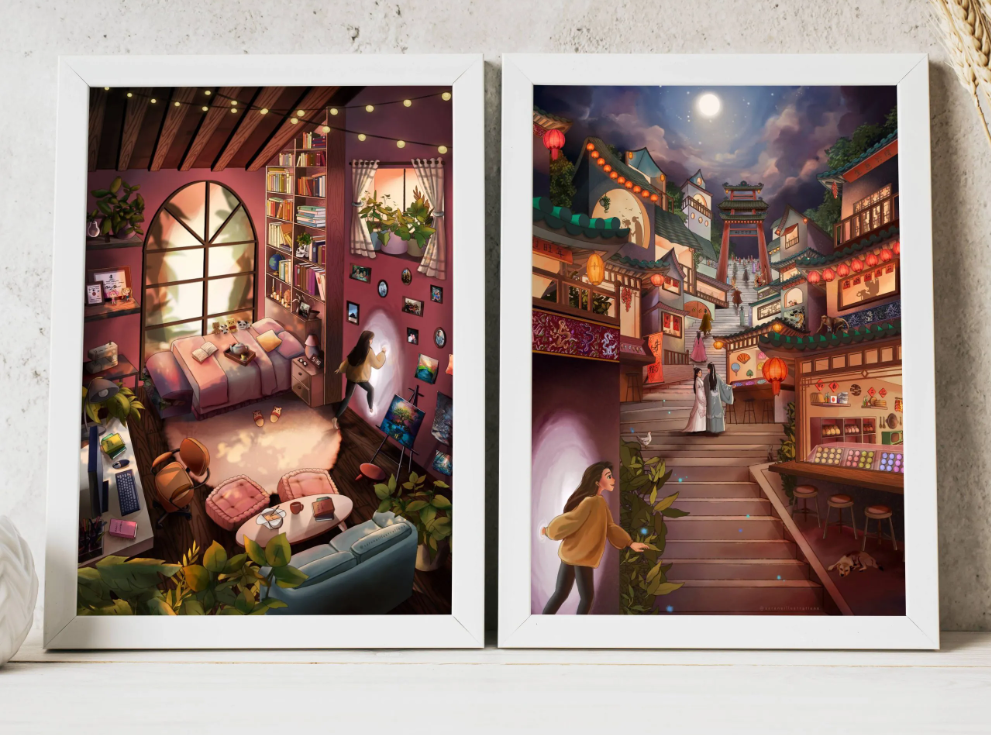
Stories That Made Me I & II by Serene Chan

Other honorable mentions include the collaborations I did with East Asian fashion and jewelry designers, such as DAWANG and Sublima Jewelry. They both focus on promoting their East Asian heritage with a modern twist, encouraging their audiences to feel beautiful and proud of being Asian while wearing their pieces. What made it extra special for me was being able to connect with other small businesses and learn about how they bring their visions to life. Being inspired by other talented artists is truly such an honor.

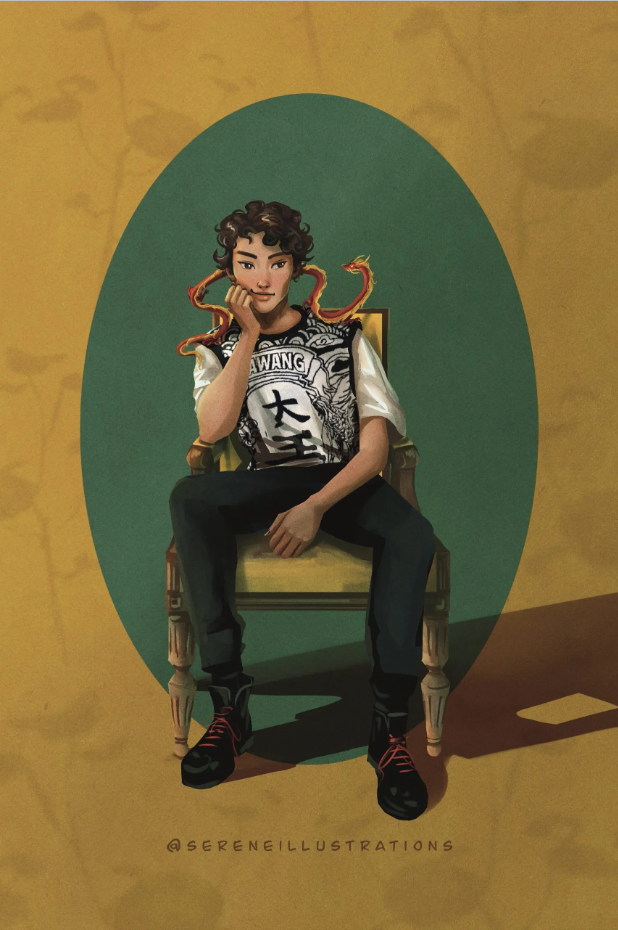
Chinese New Year by Serene Chan
Male Mulan & Mushu by Serene Chan

COLLABORATE WITH SERENE

I have a current collaboration with DrawaDot, where I created a piece celebrating the Lunar New Year and the concept of celebration. All proceeds of this project go toward supporting emerging artists who are striving to kick-start their art careers.

I also have a super fun collaboration with Toronto Pearson Airport coming up. So if anyone is flying to Toronto… they might just see my artwork in Arrivals in a couple of months!

My hope is that my art will inspire others to appreciate the many traditions and celebrations of Asia, and help people develop a child-like wonder everyone is capable of experiencing when viewing the world. Between just you and me, I’m in the process of illustrating a self-published book that promotes both mental health and an Asian festival.

For anyone who wants to stay updated on my work and give feedback on what they’d like to see, I encourage you to sign up for my newsletter! I send monthly updates of new art, art processes, shop updates, and painting tips/tricks. If you come along on my journey, I promise you’ll find art that helps people become daydreamers and find a sense of belonging in this world.

Website: sereneillustrations.com

Instagram: @sereneillustrations 
Related Articles

Siqi Chen

Awaken* newsletter

Deep Dive with Siqi Chen on Being an Asian Leader and Entrepreneur

On December 11th, I had the honor to chat with Siqi Chen. Siqi is a legendary figure in the startup space. He has led product at Zynga and growth at Postmates, served as CEO at SandboxVR, and is a 3x founder with two exits. Siqi currently works as the founder and CEO of Runway: a company which develops tools to allow businesses to painlessly model their finances. We had a great conversation which touched on topics such as high/low agency, PMF, insecurity. I thought this conversation was especially fruitful. Without further ado:

DEVELOPING AGENCY

I started out the conversation by asking Siqi if he felt he was always a high agency person, and it seemed so, he said:

Looking back, there were memorable things from my childhood that suggest that I probably did. For instance, when I was three or four, I would ride my tricycle in the yard. When my grandparents closed the gate, I would turn the tricycle around and ride it through the vegetable patch to get to the other side. That seems pretty emblematic of how I turned out. But it’s hard to tell when you’re young… One of the more profound impacts on how I turned out is–my dad is a physicist and he gave me a book by Richard Feynman when I was in the 6th grade. It’s called “Surely You’re Joking, Mr. Feynman”. That had a huge impact on my development. I recommend that book to everyone. He was a very iconic, first principles thinker, didn’t care what other people think. 

I followed up by asking how people like me can work on developing more agency. The short answer is self-awareness, but here’s the complete answer:

In my interactions with people, I think there are feedback loops that can become very productive or very negative, depending on where it starts. And I think maybe where it all starts is self-awareness. Like, what are the feedback loops that are feeding you right now? Where people become low agency, is when they ascribe blame or responsibility to people, to things outside of them. And it’s not even wrong, right? Like, we’re all affected by things outside of our control. But when everything that happens, you assign blame to something outside of you. Then you’re right, and it’s confirmatory. Next time it happens, you’re going to do it again and you increasingly get into this loop where you have less and less agency. And the converse is also true, right? If everything that happens, I could have done something about that. Increasingly, you become more capable and you have more agency. So I think it’s like identifying which feedback loop you want, and understanding what feedback loop you’re in now is probably the way to do it. 

I agreed with Siqi and added that I thought that the positive feedback loop was the more meaningful, but difficult way to live life–surprisingly, Siqi had a different opinion, explaining that a low-agency life is actually more difficult because you end up at the whim of other people, living a life you don’t want to live.

PRODUCT MARKET FIT

Naturally, as the master of all things growth, I had to ask Siqi about PMF. I started by asking him how he defined PMF:

One way I think about it is that product market fit is something that you want to always constantly be chasing. You can have perfect product market fit with the market that you have, but in order to grow you need to extend to new markets and increase the capabilities of it. There’s always going to be a customer in that new segment that is unsatisfied with your product and it’s going to feel bad.

I think it is a continuum that you chase, but there is also another part of my mental model about product market fit. I don’t think it’s a line. I think it’s actually a 2D grid. 

When I think about starting a new startup, there is like, are you even on the path to increasing product market fit? Initially, you’re just like searching in the wilderness for something. You don’t necessarily know what is the right target customer. You don’t know what the right solution is. There’s a bunch of unknowns. As you talk to more customers and you build more things, you can see further out into this forest, you can maybe see the exit from the forest, and that’s when you start getting on the tracks. 

So I think it’s very much a 2D grid, and so you want to first get on the track. To make sure that you understand what you’re doing. You have a pretty good understanding of what your ideal customer profile is, and you’re going to build towards it. Then it becomes like, okay, how many of the market can I actually service? Today is it 10, 100, a thousand? And can I expand to different segments?

Siqi also mentioned another framework he used for PMF which to me seemed retention focused:

One framework I do have is this idea of a boat. The problem with the boat is if you don’t have product market fit. The best boat will sink if there’s a hole in it. You can try to compensate by having a nicer boat, a bigger boat, or a faster boat, but if there’s a hole, you won’t be able to see it unless you focus on it. In terms of metrics, that’s retention. You could be really good at growth hacking and have a million people come in, but if they’re not sticking around, you probably do not have product-market fit.

I also brought up an article I had read recently, The Tyranny of the Marginal User, which is a great article that I recommend our readers read. Essentially, the main idea of the article is that modern apps are catering to the marginal user, the next user they’re going to get. By adding features or tuning our apps or products to reach the widest audience, the product can be degraded, especially for existing consumers. I had Siqi give his thoughts on this:

Andrew Chen referred to this as the next feature fallacy ten years ago. The next feature is the thing that’s going to get you there. What you’re describing is a version of that at scale, where you can only do the next feature because you have so many users. I think the framework that I have about this is that products are path dependent. If you start with a certain audience and a certain user base, they will lead you towards the shape of a certain product. Their asks and their problems are going to be a certain shape. That might not at all intersect with some other segment that you would find really valuable. 

If you’re building a product for a brand new startup with ten to 20 people, there’s a lot of these companies out there. It’s a pretty big market. There’s nothing wrong with that. You’re going to be building new products, but the things that they ask for a lot of the time, if not most of the time, are going to be very different from the things that an enterprise customer will ask for. If you actually want to get the enterprise with any level of latency, sooner rather than later, you have to go directly attack them. You can’t just next feature your way from there to here. You have to figure out, okay, I can focus on this product, but there is some other segment, another value we’re probably going to solve, and I’m going have to treat that almost independently of the product that I have.

I asked Siqi if he had run into this problem with Runway:

It’s a lesson I took for Runway. Initially, the thinking was, we’re going to build something for startups and just for startups. Like, companies of a certain size and we’ll grow with them. We built a product focused on reporting and Runway. It helps you understand your spend because you’re a brand new startup. What do you care about? You just care about burn. You’re not a very sophisticated business. What we quickly found is that we solved that problem.

It’s not that valuable a problem, as it turns out. Once you’re a startup, you learn that Runway tells you very succinctly, that you spend all your money on people this month and next month doesn’t change, right? Meanwhile, you have these larger companies who are making multimillion-dollar decisions, and they need some kind of modeling planning tool. These use cases are so far apart. We could have gotten a million startups, but they wouldn’t have had the pain and the detail of this problem. So we kind of threw it away after a year and focused on the SMB use case or 50,000 employees and you’re on excel, and there’s a lot of complexity. The product, as a result, looks completely different. If we kept on chasing more of those startups, the product would have looked completely different and would never have gotten us to where we are today.

I asked Siqi if they still offered the original product, turns out they’ve sunsetted it to focus their limited resources on building tools for SMBs, but they are planning to eventually go back and serve the very early startup market.

BEING ASIAN AND INSECURITIES

As Asian Hustle Network, I was obligated to ask Siqi how he felt being Asian qualified his experience as a founder–his answer was similar to Webflow cofounder Bryant Chou’s:

I try to avoid it as much as I can. Not because I’m not proud of being Asian. I think there’s plenty to be proud of. It’s generally seen as one of the model minorities. But I do think about it sometimes. I think about conflict avoidance. Or I can be introverted. And I noticed that it will surprise people who don’t know me, but I’m an INTP. I’m super introverted. And I tend to be kind of conflict avoidant. And I do wonder, when I look at people who are more outgoing and into football, would my career would have turned out better if I liked “white people” things. So I have thought about it, but I actively try to avoid thinking about it because it comes back to agency. Whether I’m Asian or not, it’s not something I can control.

I think being introverted is something a lot of Asians can relate to, so I asked him to drill down on that:

I felt like over time, you become confident in the things that you are good at. For me, at least, that was a big moment in my growth as a kid. Finding something that I could be proud of, something that I’m good at. And then you focus on that. I feel like once you have that, the introversion matters a lot less. Because you can focus on the thing that you’re good at and develop more confidence in there. As a byproduct, you sort of express or come off as less introverted.

What I took away from Siqi’s comments was that introversion/shyness and insecurity in your abilities were pretty related. I brought this up, and Siqi had a pretty interesting comment on the relationship between insecurity and extreme outcomes:

One of the things that a lot of entrepreneurs and high performing people have in common is this sense of insecurity. That also causes a desire to please people because you’re insecure. So that you have to push yourself to be better and you want to make sure other people like you because of that insecurity. And that is highly motivating for me, and I think many people. It’s like how people get, I think, to certain points in their life or certain levels of success, at least somewhat. And then once you’re there, all of those causes become less useful. Like, the insecurity, the willingness to please as a CEO, those are, like, really toxic things. That paradoxically got you to this point because it made you push yourself to be better. But once you’re there, it doesn’t get you further.  

BEING A LEADER

The last topic Siqi and I talked about was leading others, the first thing Siqi brought up was something he had recently heard in a Brian Chesky interview.

Brian described the job of a leader as believing that people can level up and exceed their own expectations and get them there. That was really a point of reflection for me. I believe in smart people and hiring and talent and all these things. But if you want to get the best out of people, the prerequisite is that you have to actually believe that they can be amazing. Because if you don’t even believe that, you’re not going to set those expectations or deal with any kind of motivation or inspiration.

I didn’t quite understand this, because I would expect Siqi to only hire people if he believed that they could be amazing. Siqi explained to me:

It’s just that my temperament is to quickly write people off. “They’re good at this particular role that we hired them for, and that’s all they’re going to do.” But people want to know that you have their interests in mind, that there is a growth path for them. If you don’t believe that there is, that’s a problem. You want to hire the best people that you can, but in how you lead and manage them, you have to always believe that they can do better than they are.

We also chatted a little about what made a good employee.

Edwin: One thing I’m curious about. What kind of person do you notice is the best employee? What matters more, their talent and technical ability or how much they believe or align with the mission of the startup?

Siqi: It’s a difficult question to answer because there’s a lot of wisdom out there that says, “This is the most important thing.” I think the reality is they’re all requirements. They’re all important. And you don’t want to compromise on any of those aspects. What are those aspects? High integrity, proactiveness, high agency. Some people think integrity is the most important thing. Others think intelligence is the most important. Those things are important, they’re all absolute requirements. You want extremely high intelligence, extremely high integrity, and extremely high self-awareness and agency. But out of all of those, I think the thing that is the most important is high agency. Intelligence is a lot of nature, so that’s fairly difficult to change, but there’s a certain baseline that you want.

But everything else outside of that is almost entirely driven by agency. Whether you are successful, whether you blame people, whether you can grow. Whether you’re a good collaborator, whether self-aware. There’s so many things that one thing affects. That is the thing that I look for the most. 

SHOUTOUTS

Runway is hiring for engineering and customer-success roles! You can check out current job openings at https://runway.com/careers/ 

[Hint: if this isn’t you but you still really want to work at Runway, I would drop Siqi a line and articulate how you would add value to the company, bonus points for bringing a demo/a plan]

If you are currently having financial planning problems, sign up for early access for Runway at https://runway.com/


Thank you to Siqi for chatting with us!

News

AAPI-Owned Smoke Queen Barbecue Celebrates its Brick-and-Mortar Debut

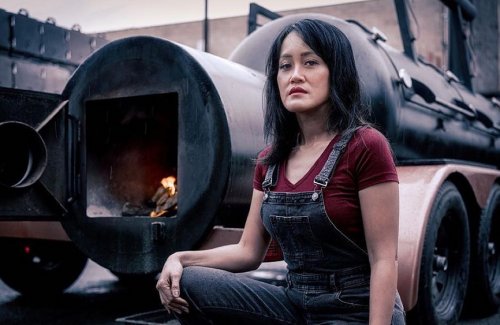
Winnie Yee-Lakhani’s Smoke Queen Barbecue celebrated its opening in Garden Grove on March 9, marking a significant shift from its origin as a pandemic experiment.

As the co-owner of Bruxie and a seasoned service franchisee, Winnie used the lockdowns to explore her passion for barbecue, leading to the birth of Smoke Queen Barbecue in 2020.

Smoke Queen Barbecue challenges stereotypes in Orange County’s dining scene and the wider American barbecue community, with Winnie, a petite Asian woman of Malaysian-Chinese descent, excelling in this traditionally male-dominated field.

Image Source: Orange County Register

In collaboration with pitmaster Jared Ruiz and her brother, Kevin Yee, Winnie’s culinary innovation fuses traditional Asian flavors with American smoking techniques. The menu features smoked brisket, pork belly, spare ribs, and chicken seasoned with unique Asian ingredients, like Thai basil, fermented soybean paste, black vinegar, and kaya custard.

Image Source: Orange County Register

The new Smoke Queen Barbecue location in Garden Grove’s Cottage Industries boasts a contemporary design with a charcoal-hued wooden slat exterior and a covered outdoor seating area. Smoke Queen Barbecue currently operates on Fridays, Saturdays, and Sundays from noon until 4 p.m., with plans for expanded hours and days in the near future. 

Featured Image Source: Facebook

Garry Tan

Awaken* newsletter

Garry Tan on Startups, Advocacy, and Overcoming Cultural Mindsets

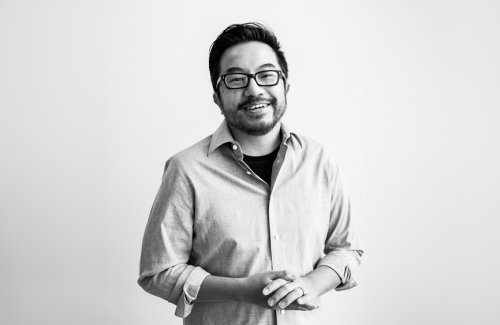
Few people in Silicon Valley are as high-profile as Y Combinator’s President and CEO, Garry Tan. Garry has worn many different hats over his illustrious career. In addition to leading the world’s most successful startup accelerator, Garry was the 10th employee at Palantir, co-founded Posterous (one of the earliest blogging sites), founded Initialized Capital (a VC fund with over $3.2B AUM), and has even ventured into the world of politics, becoming a prominent activist in San Francisco local politics. I got the chance to pick Garry’s brain about how being Asian has affected his life, and I hope that his answers can help and inspire our readers. Without further ado:

OVERCOMING DETRIMENTAL MINDSETS

My experience is that children of working class parents (especially Asian immigrants) tend to have a sticky mindset of scarcity–even when they improve their socioeconomic status. Garry has previously talked about his “$200 million mistake”. That is–he declined Peter Thiel’s offer to be a founding member at Palantir. To me, this seemed like a manifestation of this mindset, so I asked Garry how he overcame it:

I was able to realize that these things were two-way doors. Quitting a big tech company on good terms actually means you can go back anytime. There are one-way doors and two-way doors. For people who grow up with our upbringing, everything feels like a one-way door. But if you can recognize when that is wrong, then you have reclaimed some of the privileges those who come from money have by default.

The one-way vs two-way door framework is something Amazon founder Jeff Bezos has talked about extensively. You can hear him go more in depth here.

The stigma around mental health in the Asian community is another mindset that is gaining more attention. Personally, because my immigrant parents had to fight tooth and nail for survival, I don’t feel that I have the right to complain about my mental health since my life is comparatively easy. I asked Garry if this resonated with him and how he overcame this mental block:

I pretended I didn’t have any problems and spent a lot of time just trying to blend in, but in the end things about my childhood or unusual trauma-based reactions would pop up in my professional life. At some point I started going to therapy individually and it helped me immensely. All these things I didn’t have control over suddenly became something I could integrate and be aware of, and make better choices about. Carl Jung says if you don’t make the unconscious conscious, it will rule you, and you will call it fate. 

A third common mindset I see among Asian Americans is to keep their heads down and avoid rocking the boat, even if it means holding in their thoughts. Given that Garry is a very outspoken person, I asked him how he developed his confidence:

I remember in high school, I was editor of the school newspaper and noticed that students in our poorer high school got much more harsh sentences and expulsions for the same infractions that would get a slap on the wrist at the rich school. I was so angry about it, and I wrote an article exposing it but that was censored by my high school newspaper teacher. I was already going to graduate and go to Stanford so I let it slide, but deep inside me there was an anger at being silenced that I never forgot. Before newspaper, I would publish underground newspapers using Pagemaker and my English teacher would photocopy the newspapers for the class – it gave me a power I never forgot because otherwise I was the scrawny Asian nerd in the corner, but when I could channel the words of my community it gave me standing. I never forgot that.

ON ASIAN COMMUNITIES

On the topic of communities, I asked Garry about what motivated him to become a fierce advocate for the Asian community:

I feel strong solidarity with my Asian American community in San Francisco. We are a major part of the city but we are not seen. We are not heard. The local leaders would even denigrate our attempts at securing safety for our Asian American elders. Now I know I need to fight for those who don’t have a voice. One of the coolest things I found was a nonprofit called Dear Community that connects Asian Americans new to SF, often young professionals, to each other and to the existing SF Chinatown communities. It’s amazing to see smart driven people come together around that, and fight for our people in this city.

I also pointed out how he recently went to Singapore to attend a startup event called SWITCH, and asked him how he felt about the startup scenes popping up in Asian countries:

Startups are happening all around the world. You can learn from YouTube and the web. YC alums are everywhere in the world. I’m excited to see that what started in the Bay Area is now a global phenomenon and only growing.

THE ASIAN FOUNDER EXPERIENCE

On a friend’s recommendation, I asked Garry “Who are some non-technical Asian founder role models I might want to look towards? In terms of working at an early stage startup as a non-technical employee, what are the most valuable skills to learn?” Garry’s response kind of challenged the premise of my question:

In startups and in technology, being technical is a key strength. Be technical if you can be. And then be a polymath: it’s far easier for a technical person to pick up the soft skills than the other way around. 

In hindsight, I will admit that it seems silly to expect to get an outlier outcome (in the positive direction) in the tech industry if you aren’t willing to put in the effort to become technical. He got me on that one.

Lastly, I asked Garry the same question I ask all our guests–how does he think about his Asian-ness in the context of being a founder:

I didn’t think about it until much later. Frankly I tried to pretend it wasn’t an issue, even though there was absolutely a bamboo ceiling even for me. I was passed over for promotions and/or people didn’t think I was capable of doing what I have done. I would rage-quit jobs and it would work out, but I could see it going a different way. As a founder, I found that I needed to up-level my ability to speak up and speak out, and especially be as assertive as possible when I knew I was absolutely right. I had an unspoken desire that I was not even aware of for harmony, and without being aware of it I would sometimes self-abandon, and then be passive aggressive about it later. I don’t do that anymore, and it was a key step in my development as a leader. I wish I developed it earlier, and it was all because of unconscious programming from my childhood. 

The biggest lesson I took away from this interview was how the infallible and outspoken Garry Tan was not always so, and that at one point he was very much like the stereotypical Asian kid. Garry’s story proves that with self-awareness and determination, anybody can undergo tremendous growth and become an industry leader.

SHOUTOUTS

If you have an ambitious startup idea and want to be part of an amazing community of founders, apply to Y Combinator! Y Combinator runs batches twice a year–in the winter and summer. Applications for the summer 2024 batch are open, you can apply at https://www.ycombinator.com/apply

Thank you Garry for the interview!

Featured Image Source: Y Combinator

eunice 2-a -jpg

Stories

Former Teacher Launches Very First Asian Heritage Magnetic Dress-Up Dolls

Dolls have been with us for many centuries now, evolving from wooden dolls, clay dolls, and paper dolls, to plastic dolls, but the message that they send us has always been the same. They are often imbued with symbolism about what is acceptable and desirable in our society.

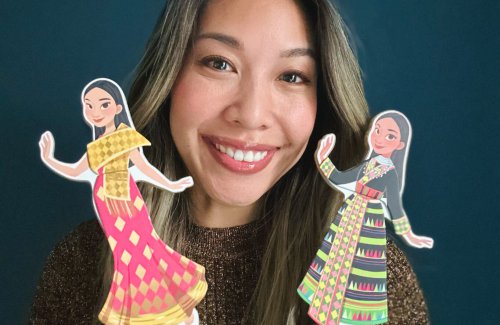
For children, dolls can mean a lot of different things, but most importantly, dolls can help them build their creativity, imagination, individuality, and even self-esteem. For this reason, Eunice Chen launched the World’s Very First Asian Heritage Wooden Magnetic Dress-Up Dolls.

Read through as we learn more about the journey that led Eunice to create Stay Curious Toys, all of which she shared through an exclusive interview with Asian Hustle Network.

THE CREATION OF STAY CURIOUS DOLLS

When Eunice first embarked on her project of designing an Asian princess and giving her many traditional Asian clothing, it was purely for her own enjoyment and fulfillment of one of her childhood wishes. She wanted to share her designs as a free resource to the Asian community, so she created paper doll versions and posted them online.

“I wasn’t expecting much response, but it BLEW UP!” Eunice said. She got thousands of likes and hundreds of comments from people thanking her and asking her to turn it into a real toy product.

Months passed and people were still asking her to make the dolls into a wooden toy. She did not know where to begin and literally just Googled and researched online. Somehow, she stumbled across a factory that she (later on) discovered also makes wooden toys for big brand names such as Disney, Fisher-Price, and Melissa and Doug! One thing led to another, and now she owns her own toy company called Stay Curious Toys, with her first products being magnetic dress-up dolls. 

PIVOTING FROM BEING AN ELEMENTARY TEACHER TO A FULL-TIME DESIGNER

Before becoming a designer, Eunice was an elementary school teacher. In December 2020, she decided to do a complete career pivot to become a designer, and had a dream of working as a designer in the animation industry. Growing up though, Eunice also wanted to become a fashion designer.

Little did she know that all of her dreams would come true, and that she would have the opportunity and enjoy designing her own toys and their clothes too.

Despite having no formal education in art and no connections in the art industry, Eunice worked hard, took art classes and learned to ask for help. She is now working as a full time designer on a Disney TV show, has illustrated four books, and designed toys.

OVERCOMING CHALLENGES

Just like everyone, Eunice faced some challenges along the way, one of which was fear of failure, and a lot of self-doubt.

“I still don’t know the best way to deal with it and I haven’t overcome it, but I just continue to push through. I know that if I take small steps towards my goal or dreams daily, then one day I will get to the destination,” she said.

CULTURAL ROOTS AND MODERN FLAIR

Eunice’s multicultural upbringing in Canada/US and Taiwan plays a significant role in shaping her dolls. Infusing Eastern and Western influences, she creates designs that celebrate Asian heritage while offering a modern and fresh perspective.

In Taiwan, Eunice had a lot of Asian role models to look up to and instill within her a lot of pride in her identity. It showed her more diversity in the types of careers and interests an Asian person could pursue.

In the US/Canada, Eunice experienced what a lot of Asian Americans go through, how they always feel like an outsider and constantly having to be perfect or prove themselves. But she also witnessed the grit behind every immigrant and stories of their families.

However, in both places, she hadn’t seen Asian dolls that truly represented the richness and diversity of Asian Culture. And in some way, her creation is something that she wished she had when she was a girl.

WORKING ON A DISNEY TV SHOW

“I knew I had limited time and a lot of catching up to do, and since I was starting from the very bottom, I had no ego (or no shame). So I just kept putting myself out there and tried to learn from everyone and everything. I also developed thick skin and learned to take rejection lightly. Eventually, after countless applications, I got an art test for Pupstruction to design a bus for the show. They liked my design and hired me!” Eunice shared.

Eunice uses the same lessons she learned from landing her Disney job now with Stay Curious Toys: “keep a clear goal, continue to learn, don’t let rejections or setbacks deter you from your goal, and make friends!”

LIFE-ALTERING PERSPECTIVE

A near-death experience shaped Eunice’s outlook on life. 

“It made me realize that life was too short to be lived for other people’s approval. And so I started making choices for myself…and through that process, I discovered that when I was making things that I truly enjoyed, it resonated with people and people responded,” she shared.

ADVICE FROM EUNICE

For those who want to pivot their career – “Be clear in what you want–even if you can’t see the final, ultimate goal, you have to know and believe what your next steps are. And in any change, risk is involved, so you have to know when to take that risk/jump. It is also important to filter out the noise/feedback you get from your friends and family–listen to them and then make your own assessment with the information you got from them. Each person and situation is different, so I am only sharing what has worked for me. But ultimately, the most important thing is to make or do what you love, and not what others want you to do.”

For those who want to pursue a career in art – “Make sure you develop a strong set of foundational art skills and learn those from good artists and references. Think about which field in the art industry you’d like to be in and curate your art portfolio to match the type of job you’d like. Stay humble and hungry, and surround yourself with peers and mentors by reaching out to them and asking questions. Keep putting yourself and your art out there, and know that even the best artists experience imposter syndrome.”

CONNECT WITH EUNICE CHEN / STAY CURIOUS TOYS

IG: @eunicesketches / @staycurioustoys

Website: eunicesketches.com / staycurioustoys.com

*Pre-order at staycurioustoys.com, starting February 1, 2024. The first 100 customers will receive an exclusive tote bag designed by Eunice.