Stories

August 21, 2023

SHARE:

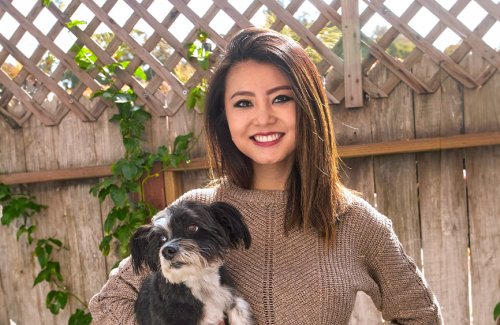
When COVID-19 forced Samantha Lee to put her wedding photography/videography business on hold, she seized the opportunity to cherish precious moments with her one-year-old daughter.

As news of the alarming increase in Anti-Asian hate spread, Samantha became deeply concerned about the world her daughter would grow up in.

Born in Malaysia to Chinese parents, Samantha’s family made the life-changing decision to relocate to Australia when she was just eight months old, motivated by her father’s aspiration for a better life. Growing up, Samantha only had blonde dolls to play with, so she wanted to be like her blonde classmates. She thought that they were so lucky to be born that way. 

She wanted differently for her daughter, so she embarked on a quest to find dolls that represented their Asian heritage to help her daughter feel proud of her Asian identity. However, Samantha was disheartened by the lack of diversity and representation available in the toy industry when she couldn’t find any.

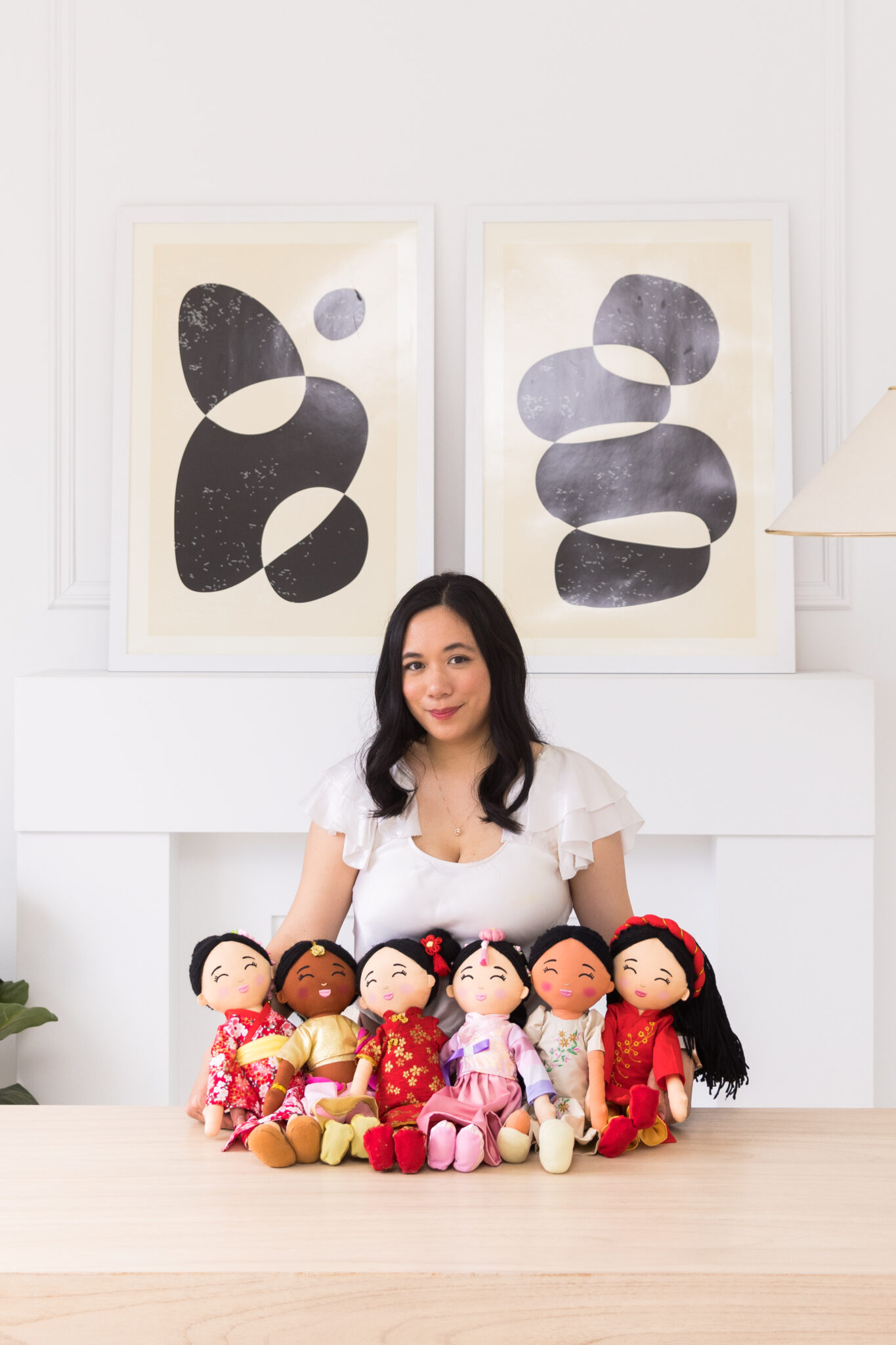
Fuelled by a passionate desire to make a difference, Samantha resolved to create dolls that would empower Asian children and celebrate the vibrant tapestry of Asian cultures. Starting with six cultures, Samantha’s goal was to expand her collection to represent as many cultures as possible, including underrepresented regions like Southeast Asia, Vietnam, and the Philippines.

Now, after months of hard work and unwavering dedication, Samantha’s dolls, Joeydolls, are finally ready to be ordered. These dolls embody the beauty and traditions of various Asian cultures, instilling a sense of pride and confidence in children.

Join us as we delve into the inspiring story of Samantha Lee, who, in an exclusive interview with Asian Hustle Network, shares her journey in creating Joeydolls.

LACK OF REPRESENTATION IN DOLLS

When I was growing up, I grew up with only blonde dolls and only saw the same on TV. I remember thinking that I was so envious of my classmates at school – that they were so lucky to be both that way. I also remember thinking that I could never be a princess or a famous actress. Not seeing myself represented meant that I always felt like I was not good enough the way I was, that I didn’t really matter, and that I was only meant to be on the sidelines. 

When I witnessed the rise in anti-Asian hate, I was scared for the world my daughter would grow up in. I began to reflect upon my own experience. I didn’t want her to feel the same shame I grew up with. Since we were in lockdowns during the pandemic, my daughter couldn’t play with other children so I started to look for dolls that could be her companion. Most of the dolls only had fair skin and black hair and they were considered “Asian”. I just couldn’t connect to them, especially since I also experienced colorism while pregnant. I was told that it would be better if my daughter was born with my husband’s fair skin and my eyes (double eyelids). I was really disheartened by the continued concept of beauty in the Asian community. 

Around that time, we celebrated my daughter’s first year birthday by putting her in traditional Chinese and Korean outfits and I wondered why dolls didn’t do the same. I wanted her to not only feel comfortable with who she is, how she looks, and where she comes from. 

THESE DOLLS ARE MORE THAN JUST DOLLS FOR PEOPLE, THEY ARE PART OF THEIR STORY AND THEIR HEALING

I faced a lot of challenges in creating the dolls. I didn’t know anything about producing a doll – or a toy for that matter. I also had no experience in fashion or sewing. I was just a mom who wanted to make a difference. It was hard to find the resources since I also had no contacts in the industry.

I started with the concept of doing 6 ethnicities and then expand in the future. I wanted to make sure that Southeast Asia was represented since they have been underrepresented for so long. Initially, I wanted the dolls to have different skin tones to pick from for each ethnicity, however, it was so difficult to do so on a mass scale.

I was also surprised at how difficult it was to find the right shades for the skin tones and at the same time keep costs low since my production numbers were not large enough. As I was losing so many of my contracts in my photography business, I didn’t have a sustained and reliable income to be able to support this passion project. So I really tried to develop the dolls on a shoestring budget. 

I wanted to start the prototyping and manufacturing process locally but the costs got exponentially larger especially when it was so difficult to find the fabrics and materials we needed. We were so limited in what we were able to source so that’s when I began to look overseas. 

I began developing the dolls with one company that gave a very good price for the dolls, but they had a lot of trouble finding the right skin tone and couldn’t do the hair like we wanted. Then, we found another company that was able to do the skin tones and hair we wanted, but I found that their quality was not acceptable. Quality was very important to me because I really wanted people to feel proud to have these dolls and what they represented.

I often posted to Instagram about my progress and people would respond by saying that they teared up seeing them. I knew that these dolls are more than just dolls for people, they are part of their story and their healing. So many people said that they would have so loved having these dolls when they were younger and it would have helped them feel better about themselves. That’s exactly what I wanted these dolls to do for people – to help them feel that they are worthy in this world. 

It took a lot of dedication to learn each of the cultures and the symbolism behind some of the traditional details. I also wanted the dolls to be safe for babies to have as well, so that’s where I struggled with keeping the details accurate, cost-effective, and most importantly safe for all children. There was a lot of back and forth and redesigning. We went through countless prototypes and so many times I wanted to give up because I felt that I was not up to the task to complete it.

I had to remind myself of my “why”. I decided that instead of trying to hide behind social media, I would be vulnerable and talk about the struggles behind developing these dolls. I was worried that people would tell me to just give up, but instead, they gave me so many messages of support. They pushed me to keep going and told me how much they appreciated what I was doing. That these dolls make such an impact on them! I knew I had to keep going. So I kept pushing. These dolls are not only for my children but also for the other children who NEED these dolls.

YES, WE ARE ASIAN BUT WE HAVE SO MANY DIFFERENCES THAT MAKE US SPECIAL AND UNIQUE

I hope that children will see the dolls and feel proud to learn more about their heritage and also just be comfortable in their own skin. I hope that it helps parents teach their children how worthy they are. I hope that the dolls will help foster positive self-esteem and self-confidence. 

I want to change the narrative – that Asians are not a monolith. Yes, we are Asian but we have so many qualities that make us special and unique. So in doing so, I also hope that these dolls will help create more awareness and education about Asian diversity. That each of our cultures is not the same. That each should be celebrated. 

I hope that our dolls can be a stark contrast to the hate. That’s why I created the campaign #StartAsianLove instead.

CHILDREN AND ADULTS WILL FINALLY FEEL INCLUDED AND REPRESENTED BY DOLLS THAT RESEMBLED THEM

Even when my daughters couldn’t speak, their faces would light up and they would giggle with delight as I designed the dolls on my computer. It was a heartwarming experience, even during moments when I wasn’t fully satisfied with the prototypes. I would hide them around the house or in my office, and my daughters would discover them, hugging and kissing the dolls as if they were their dear companions. The sheer joy they exhibited upon seeing those happy doll faces was truly priceless.

When my youngest daughter Jasmine turned 1, we dressed her in a traditional hanbok. To my delight, my oldest daughter Joey pointed at the Korean doll and exclaimed, “It looks like Jasmine!” On another occasion, she referred to the same doll as a “princess.” It was a deeply touching moment for me because I had never imagined that Asians, including myself, could be seen as princesses.

The feedback I received from parents further affirmed the impact of my work. One parent expressed gratitude for creating a different world for their child, where they could proudly embrace their culture and heritage without the fear of being bullied or pressured to assimilate. The acknowledgment of the value of diversity was deeply meaningful to them.

Another parent expressed admiration for how Joeydolls would positively influence the lives of other girls. The representation of Asian culture was applauded, as it meant that children and adults will finally feel included and represented by dolls that resembled them. The support and well wishes I received from these parents fueled my motivation, and I am grateful for their continued support.

I WAS IN TEARS READING EACH MESSAGE BECAUSE I COULD FEEL HOW EACH PERSON CONNECTED WITH MY STORY

It was amazing to receive all the messages of support on AHN! I was in tears reading each message because I could feel how each person connected with my story and just wanted to give me that push to keep going.

I knew that my story was important. As a community, we needed to see these dolls be finally made and put in the hands of young children, and how these dolls can further impact the community on a much greater level.

I was excited about being the one to push for changing our narrative, breaking stereotypes, and deconstructing racism and colorism. These are all important changes I wanted to make in the world and all the messages solidified how important my work was.

SAMANTHA’S HOPE FOR JOEYDOLLS

My goal is to represent as many ethnicities/cultures within Asia. This will further help solidify the messaging of how beautiful and diverse Asians are! Also, I want to create boy/gender-neutral dolls too.

I hope that children (and adults!) of all backgrounds (not just Asians) will appreciate and love our dolls and what they symbolize. I also have some other fun ideas that I hope to work on that still encompass celebrating the beauty of Asian culture and diversity. 

CONNECT WITH SAMANTHA

Website: joeydolls.com

Instagram: @joeydolls

Facebook: Joeydolls

Youtube: Joeydolls

TikTok: @joeydollsco
Related Articles

Hona-founder-jpg

Stories

Hona’s Mission to Improve Speech Therapy Access and Quality

In the ever-evolving landscape of healthcare technology, few startups have captured the imagination and promise of Hona. With a mission to empower speech pathologists through innovative AI solutions, Hona stands at the forefront of a transformative wave in healthcare.

We had the privilege of sitting down with Adam Steinle, CEO of Hona, to delve into the inspiration, challenges, and achievements that have shaped their journey.

The Trio Behind Hona

For Adam Steinle, the entrepreneurial spirit runs in the family. “My parents met by building a software company together. I quite literally wouldn’t be here without tech entrepreneurship and it’s always something I aspired to do myself.” he shared. This early exposure to the power of technology and entrepreneurship set the stage for Adam’s own career, which has seen him move from biomedical engineering to roles at Goldman Sachs and Facebook before founding Hona.

As for Danielle Yoesep, Hona’s COO, she found her entrepreneurial path through a passion for building. She fell into entrepreneurship in her last venture within research and wanted to get back to the building. In her last role, she realized that she’s super energized by the early stages of company building.

Shuying Zhang, the CTO, brought a unique blend of technical expertise and a desire to make a real-world impact.  As a former big tech SWE and biomedical engineer, she wanted to find a way to apply her skills to improve healthcare. Further, entrepreneurship allowed her to work in a faster-paced environment with more ownership.

Overcoming Challenges

The journey to success is rarely smooth, and Hona has faced its share of challenges. One of the most significant hurdles was pivoting from their original AI-automated patient intake product. “Despite initial success, we realized it wasn’t effectively addressing provider burnout. We improved one workflow aspect but added complexity with another portal to manage,” Adam explains.

The team made the tough decision to end existing customer relationships and explore more fundamental problems. After a month of interviews and brainstorming, they identified a significant issue in speech pathology that resonated with them. This led to a full pivot into developing vertical software for speech pathologists, aiming to support every aspect of their work. This experience underscored the importance of user feedback and adaptability in product development.

Proud Achievements

One of Adam’s proudest achievements is the ability to consistently surround himself with inspiring and talented individuals. “I’ve consistently invested in my network – from my Facebook RPM program to B-School to YC – and this has paid great dividends. I’ve been able to use this network for resources, advice, and sourcing great teammates.”

As a team, Hona takes pride in the difficult decision to leave comfortable jobs to make a meaningful impact in healthcare. Their dedication to improving the lives of speech pathologists and their patients is a testament to their commitment and vision.

A Vision for the Future

Hona’s mission is clear: to empower speech pathologists to operate independently without the burden of administrative overhead. “We aim to create a dynamic marketplace that efficiently connects speech pathologists with various opportunities, including cash-based services, school contracts, and insurance-covered treatments,” Adam explains.

Their vision extends to developing a platform where speech pathologists can easily build their own client base and manage their practice with minimal administrative work. This approach will allow therapists to focus on providing care while maintaining control over their income and work-life balance. By streamlining the connection between patients and therapists, Hona aims to reduce waitlists and ensure that more people can receive the care they need in a timely manner.

Empowering the Asian Community

While Hona’s primary goal is to support speech pathologists and improve access to speech therapy for all, they recognize the potential benefits for the Asian community. Their initiatives provide flexible work opportunities for Asian speech pathologists and increase access to culturally competent care for Asian patients. By reducing language and cultural barriers to accessing speech therapy, Hona is making it easier to match patients with therapists who understand their specific needs.

Connect with Hona

Instagram: @hona_care

Linkedin: Hona

Facebook: Hona Care

For more information about Hona and its innovative solutions, visit honacare.com.

Wendy Wen

Awaken* newsletter

From Dreams to Reality: Wendy Wen on Founding Senreve and Building Antelope

Wendy Wen, founder and CEO of pet CPG platform Antelope and co-founder of luxury handbag brand Senreve, shares insights on the early days of building the Senreve brand with her co-founder Coral Chung, creating their first iconic Maestra bag, and overcoming the challenges of scaling a startup. She reflects on the importance of focusing on vision, strategy, and hiring the right people, as well as maintaining resilience and equanimity as a CEO. Wendy also discusses her new venture, Antelope, her excitement for its potential, and the lessons learned from her Asian upbringing and entrepreneurial journey.

HanYue: Tell us a little bit about the early days of Senreve. And then what was the biggest challenge you had to overcome?

Wendy: You know, it was really just me and my co-founder Coral sitting across from each other in an empty conference room. We were borrowing an office space from one of our investors. And a lot of it was just kind of dreaming: thinking about what the brand could be. It was actually really, really fun. And I think because it’s before you have any metrics, any real product, anything. So anything is possible. In the early days of us, we were literally just trying to figure out what’s going to be our value proposition, positioning, and how we’re gonna get started. It was super fun. 

HanYue: That sounds fun. Tell us about your first “IT” bag, as you call it.

Wendy: Our first bag was the Maestra bag, which is a convertible bag that becomes a backpack. You can wear it in different ways: you can hold it over your hand on the handle, you can wear it as a crossbody, you can wear it as a shoulder bag, and then you can also wear it as a backpack. It fits a laptop, it’s water resistant, and it’s 100% made in Italy. It has all these nice compartments on the inside, so you can keep everything organized. It’s a beautiful bag that happens to be really functional, especially for the modern working woman who needs to carry a laptop. 

HanYue: Tell us a little bit about how you and your team created this popular bag.

Wendy: So I loved bags. Coral loved fashion. Personally, we just wanted something that was really beautiful and also worked with my busy professional life. So it kind of stemmed from a personal need. 

HanYue: Wow, that is amazing to hear. You really found a way to personally connect with the product that you’re building. Let’s switch gears a little bit, to what you’re currently building. Do you feel better prepared for a second go at entrepreneurship?

Wendy: Absolutely. Yes. There are always ups and downs in any startup journey, and I think I made a lot of mistakes with Senreve. 

I think, first of all, I didn’t necessarily focus on the important things. I was always kind of doing urgent things. Graham Weaver (a lecturer at GSB and founder of Alpine Investors) talks a lot about that matrix of important, not important, urgent, not urgent. As a founder, you really want to be operating in the non-urgent, important bucket. 

An example of what I didn’t focus on enough before would be our hiring culture. Instead, I was focusing on getting things done, which in retrospect, might not have been the best use of my time. For Antelope, I’m much more disciplined about how I spend my time. I really believe that the founder and CEO job should just be vision and strategy. Setting that vision, getting alignment across your team on that vision, helping your team truly understand how their work and their outcomes tie up to the grand vision, and what the dream outcome needs to look like. That’s one big rock for me. 

Another one is just hiring the right people. The people who are going to be better than you, at each division, at each function. Hire the best people who will help you dream up something better than what you can dream of, and then make it into a reality. So now I am always pushing for the dream candidate. After that, it’s about developing them, keeping them motivated, and building the culture so that they can thrive.

When I was at Senreve, I was younger, more junior, and much more just about blocking and tackling and getting things done. Now I try to think more about scalability. I think the third piece that I’ve learned, and just gotten a lot better over the years, is just being resilient. 

Part of being an entrepreneur and a CEO is maintaining a certain equanimity in the face of problems. I have to maintain an objective distance from the company. Because if you hold on to it too tightly, and it becomes life or death, then every problem can catch you off guard. Versus, if there’s a natural kind of distance, then you have space to treat everything as just a small problem or puzzle that you have to fix.

It makes you as a CEO think a lot more clearly, and a lot more strategically. Because at these higher levels, your main job is making decisions. It’s not fixing the problem. It’s about finding the right architecture, the right people, the right processes, and structures so that your team can fix the problem. And so having that equanimity as a muscle, to deal with the ups and downs, is a really important part of my job as CEO. 

HanYue: That’s really powerful. I love your learning about equanimity. Looking forward, what is your biggest challenge right now you want to solve?

Wendy: Our biggest challenge right now is to hire a chief supply chain officer. I have a big gap in operations and supply chain. So if anybody is really good at that kind of stuff, come to me! 1

I am also learning along the way, from 10 different colors to now 500 SKUs of pet treats, supplements, food, and dental treats with expiration dates. You have to get your planning and forecast super accurate. Every piece of the logistics needs to be precise and accurate in order to meet your demand. And it also has to be efficient from a cost perspective. We really need a C-level executive who has enough experience and lots of great attributes, so she/he can continue to learn and grow with us.

HanYue: Amazing. We hope someone in our subscriber base has this special talent! What are you most excited about next? 

Wendy: So many things excite me! I think Antelope is the next P&G/Honest Company of pet products. And we’re just getting started. And there’s just so much low-hanging fruit opportunity that we haven’t yet tapped. Every channel we are in can be grown by 10x. And I think that’s super, super, super exciting. It’s exciting to continue to educate pet parents. So many pet parents are not aware of the preservatives in their existing dog food, what the right content and makeup should be in their food, and what supplements they can give their dog to prevent cancer, arthritis, and joint pain. So I am super excited by this potential. 

HanYue: I think that there’s really nothing that compares to the potential as an early-stage founder. You can see this big dream just slowly unfolding in front of you. A lot of our new founders will be fundraising and thinking about working with their investors. I know you work very closely with Graham and Alpine Investors. Would love to hear a bit more about that partnership, and your advice on finding great mentors. 

Wendy: The relationship I have with Alpine and Graham has been just 20 out of 10 if I had to give it an NPS score. It’s beyond my wildest expectations what great partners they are. They provide the right level of support, but then they’re really hands-off. They’re empowering and trusting. And oftentimes, honestly, I think about how Alpine is treating and managing me, and how I should train and manage my executives and my direct reports, because they’re a really unique private equity fund that truly, truly has a heart of gold and focuses on people first. 

In terms of advice for how students can go out and build mentorship, and relationships with professors and people in their career. It’s simple –  just talk to them. Don’t be afraid to reach out. Make sure you follow up. That’s what I did to fundraise for Senreve. And those relationships have followed me through to Antelope.

I met Graham, in an MGE (Managing Growing Enterprise) class when he was practicing to become a lecturer at GSB. He was shadowing Dave Dodson back then. And I just had a conversation with him about what I wanted to do after school. That’s the most common question he gets nowadays, right? The students always go to a professor at Stanford and ask, what should I do with my life? Should I go back to private equity? Should I do this? And I remember, I think he actually offered me a job at Alpine as a CIT (CEO in Training), but I just didn’t want to move anywhere location-wise. So I politely declined.

Graham told the story about the genie goal in his class: if you have three wishes from the genie, what would your goals be? So when I was getting started with Senreve, I called him and I said, I think I’m gonna go pursue my genie goal – to cofound this handbag company. And he angel invested. It was really nice that he was willing to do that, and I think it came from the fact that I just asked and I had that prior relationship with him and reached out. 

After Senreve, when I was starting Antelope, I reached out again. So I think it’s just making sure you keep in touch with your professors. I remember going through every single person that I might have interacted with at the GSB. I was co-president of WIM (women in management), and I organized a ton of these speaker events. So I would email every one of the speakers I’d come into contact with. Many of them became mentors and some knew people in the handbag industry that could help. I was shocked that some of them remembered me. Most students don’t realize that all they need to do is a little bit of legwork and follow-up. Every time you go to a networking event, follow up. Even after a few months, send them an email, updating them on where you’re at. That’s how you build a relationship. It’s really not that hard. 

HanYue: That is really inspiring and empowering. The notion that a really good mentor relationship is just a few emails away is so powerful. 

Wendy: Definitely. Diane Von Furstenberg came to Stanford to speak once. After that, I was like, you know what, I’m just going to send her an email. And I said, “Hey, I loved your talk. I read your book, now I’m starting a handbag company. Would you mind talking to me?” And she replied, the same day, and said: “Here’s my number. Call me tomorrow at 9 am.” And that’s Diane Von Furstenberg. I think students overestimate how often these people get reached out to. I think you are probably thinking that – oh they get so many emails and pings. But the reality is that they probably don’t get that many. 

HanYue: Amazing. I want to switch gears a little bit again. If you don’t mind, we’d love to hear a little bit about your upbringing. How has being Asian impacted your entrepreneurship journey or maybe just the mentality of life? 

Wendy: I am Chinese, I grew up in Southern California to immigrant parents, who wanted me to be a doctor just like every other Chinese family. I remember doing like my freshman year summer internship in medicine and just being so bored. I was stuck in a lab all day. I think I was too extroverted to follow that path. I’m really dynamic. I love meeting people. I love talking, I love pitching. I get a high from pitching – probably why I enjoy entrepreneurship. And something just clicked. I realized that that medicine path wasn’t for me.

I think what my Asian upbringing helped with though was, that my parents were really good about rewarding effort and not outcomes. They always told me, “Hey, Wendy, it’s not about the grade that you get, if you get an A-minus, but you didn’t try, we will be disappointed in you. But if you got a B plus, and you tried your absolute best, we will be extremely proud of you.” They just wanted me to maximize my potential. And I think that notion really propelled me to just give it all to everything I do. If I’m going to put my mind to doing something, I want to knock it out of the park and do it really well. 

In terms of pursuing entrepreneurship, though, that is really not in my parents’ DNA, I think what happened is that they provided me with so many opportunities, by coming to the US and allowing me to have this American education, so that I just got so inspired and absorbed all these American thoughts. And I’m very American, obviously. But I still had the work ethic from my Asian upbringing. That, coupled with such family support, gave me the confidence to pursue what I really, really want to do, which is building companies. 

Mark Leslie, he’s another one of my angel investors and mentors, said, there are only three reasons why people want to start a company: one, it’s to make a lot of money. Two is to make a difference in the world. And then three is to build something of lasting value. He said usually people fall within one of these three camps. And I think for me, it’s definitely the last one like I just love building things. I love building culture. I love building a team, and I like building products. 

I also think being bilingual helped us expand into other regions for Senreve. We were in Singapore, Taiwan and Hong Kong. I think having multicultural blood and experiences in me, makes me more adaptable and flexible, and more resilient, potentially, because I know how to learn about a different culture. You know how to build a life somewhere else. That’s the entrepreneurial spirit. 

HanYue: So to sum it up, it’s like that notion of ‘give it your best’ that coupled with a little bit of risk-taking that allowed you to find out what you want to do and really go for it. On top of that, being open-minded and flexible when it comes to like, new obstacles, different experiences, and new regions. Those are amazing takeaways. You have accomplished a lot already. Do you have a few favorite moments from the past or favorite stories that you want to share?

Wendy: There was a time at my last company retreat for Antelope when I celebrated my birthday and the team surprised me with a birthday cake, a sash, and a crown. All 80 of our employees celebrated my birthday with me. And I thought that was really special. Because our team is so talented, they’re so smart. And for them to choose to contribute their talent, to Antelope’s vision – I take it very personally, I take it as a favor they’re doing for me. Seeing everybody in that room, working towards this Antelope vision was so inspiring. Running this company is the best job I could have asked for. 

HanYue: That is really heartwarming. You really build a great team and a great culture. And then you got to observe it taking on a life of its own! 

Wendy: Yeah, it did take on its own form. That’s the thing. I think seeing the moments when Antelope is taking on its own life just makes me so joyful. Our social media team is amazing. Last year, I remember seeing an Instagram post pop up on Bocce’s Bakery, which is one of our brands. The post was like PupChella – it was a play on Coachella. And they had a lineup of all these artists that were like, dog-named. Like Bark Pink, and Tailvin Harris. It was so cute. It was so funny. And I was so proud of my team. This team is so creative. And I was so proud to see their creativity come to life. 

HanYue: Wow. That sounds phenomenal. I think that is actually all my questions. Thank you so much. Wendy! 

Wendy Wen’s journey from Senreve to Antelope exemplifies the power of vision, resilience, and strategic focus in entrepreneurship. Her insights offer valuable lessons for aspiring founders on building successful and impactful companies.

  1. Since the time of this interview, Antelope was able to hire a great Chief Supply Chain Officer. ↩︎

Stories

Creators Podcast: Ryan Alexander Holmes Embraces Multiculturalism With Comedy and Storytelling

AHN and Meta Prosper have partnered on a new podcast series highlighting API creators. Meta Prosper is dedicated to amplifying and supporting the API community and driving economic growth and equitable representation. The Creators Podcast series delivers stories on how creators achieved success and created impact through their platforms, serving as an inspiration for the community.

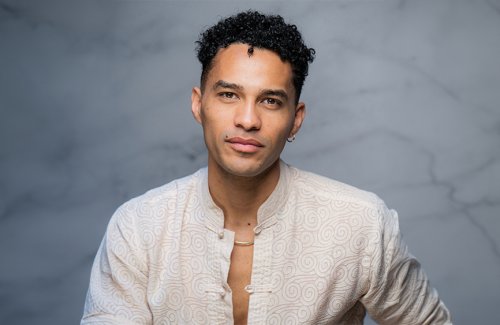
Venture into the fifth episode of Creators Podcast for an insightful exchange with Ryan Alexander Holmes, a Los Angeles-based actor and content creator. With his multicultural background of Chinese and African influences, Ryan shares his thoughts on content creation, creative process and his journey to embrace his mixed heritage through comedy and storytelling. 

The 34-year-old from LA makes comedic videos that celebrate both his African and Chinese blood. However, it was never an easy journey of cultural reconciliation. 

Being the only Black child among his friends, his Asian roots were mostly neglected but rather, he was told to conform to African American stereotypes, even though he still spoke Chinese and celebrated Chinese festivals at home. 

This story has a happy ending. Ryan now has fully embraced his biraciality and proudly shares it on his social media content. The acceptance was the long-established cultivation from his family and community. Ryan’s fraternity, Kappa Alpha Psi, was where he retrieved a vivid sense of Black excellence and discovered his passion for social advocacy. 

Family is also another driving force in his life. “I grew up with my Asian side in LA. My Black side lives in Jacksonville (Florida); we visit them often.” Raised by his Chinese grandmother, he still had a cherished bond with his Black grandmother who lives far away from him. These relationships have taught him different expressions of love, both valued and cherished by Ryan.

With a mission to advocate for broad minority representation in Hollywood and encourage self-love, Ryan utilizes social media to highlight the harmony and beauty of multiculturalism.

Amidst movements like Black Lives Matter and Stop Asian Hate, Ryan’s content emphasizes unity, showing that diverse communities can coexist harmoniously.

“I don’t necessarily want to disrupt or change Hollywood. I just want to be myself… I’m not really interested in watering down what I have to say to fit what Hollywood thinks what people want.” 

CONNECT WITH RYAN ALEXANDER HOLMES

Instagram: @ryanalexh

Threads: @ryanalexh

Website: ryanalexanderholmes.com

Stories

This AAPI Female-Run Startup Pioneers Accessible and Affordable Photography

Photography is not just about capturing images. For some, it can be about preserving memories, telling stories, and expressing emotions.

In today’s visually-driven world, high-quality photography has become more important than ever, yet it often remains out of reach for many due to its high costs.

Enter Shoott, an AAPI female-run startup co-founded by Jennifer Tsay and Jennifer Yeh, redefining photography with an innovative, affordable approach. Their pay-per-photo model offers free 30-minute sessions, allowing clients to pay only for the photos they love, creating a win-win situation for both photographers and clients.

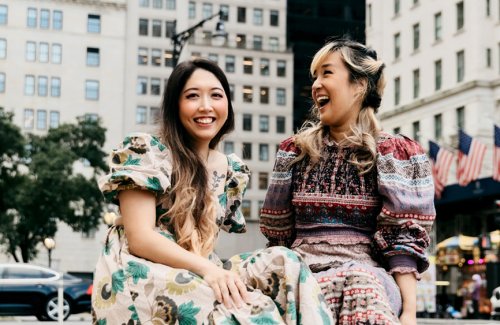
Jennifer Yeh (left) and Jennifer Tsay (right) co-founded Shoott after recognizing the financial struggles many photographers face in the gig economy.

In June 2018, they tested this idea in New York City, and it worked. Clients loved the convenience and affordability, and photographers appreciated the improved logistics and reduced travel time. The company grew rapidly during the pandemic, expanding to over 60 cities in the US and increasing revenue from $807K in 2019 to $9MM in 2023.

In an exclusive interview with Asian Hustle Network, Jennifer Tsay shared Shoott’s inspiring journey, the challenges they faced, and their vision for the future.

The Inspiration Behind Shoott

As an actor and creative, Jennifer Tsay saw firsthand how most artists struggle because their lives are gig to gig. You may have one gig a week, two in totally different places, or sometimes none at all. This led them to develop a business model with two complementary goals:

  • Goal #1: Improve logistics for the photographer.
  • Goal #2: Create a hard-to-resist offer for clients.

This blossomed into Shoott’s unique model which offers free photo sessions with clients only paying for the photos they want, and photographers benefiting from Shoott handling all marketing, scheduling, and logistics on top of a minimum hourly rate plus commissions.

A joyful family of four poses together, captured by Shoott

Early Challenges and Indicators of Success

Starting Shoott came with the typical hurdles of first-time entrepreneurship. The team had to learn quickly, constantly test hypotheses, and maintain strict alignment on goals. They also faced skepticism from photographers who feared exploitation. Shoott navigated this by ensuring transparency and creating a model where photographers’ earnings were directly tied to the company’s success. Positive client feedback and growing demand confirmed they were on the right track, with Shoott maintaining a 4.8 star rating on Google and expanding to over 60 cities in the US.

Staying Relevant in a Changing Industry

Shoott stays ahead by engaging with photographer communities, reading industry trends, and listening to feedback from clients and photographers. This constant evolution helps Shoott remain relevant and meet the changing tastes and demands of its clientele.

According to Tsay, “It’s also crucial to always stay sharp on what’s trending on social media in terms of tastes and demand. What do people like? What do people value? What are people trying to convey about themselves? This has so many implications for what we provide as a service and also how we approach our brand as a whole – to run a brand is to be continually evolving!”

Community Impact and Contributions

Shoott’s mission is twofold:

  • To support freelance photographers in the community by providing a reliable source of supplemental income so artists can stay artists if they so desire; and
  • To help people in the community capture their life moments both big and small with a beautiful and affordable photography service. 

“We truly hope our offer creates more demand for professional photography – anything we can do to promote and normalize the habitual support of artists is a major win in our book!” Tsay shared.

A Memorable Client Story

One touching story comes from Lydia, a solo parent who praised Shoott for capturing authentic moments with her daughter. Despite financial constraints, Shoott’s affordable model allowed Lydia to obtain high-quality photos that she otherwise couldn’t afford.

Diversity and Inclusion

Shoott is an AAPI female-run startup that prioritizes diversity and inclusion. They ensure varied representation in their marketing and hire team members from diverse backgrounds. Understanding the different personal commitments of their team, Shoott offers a flexible work environment, accommodating various needs while ensuring dedication to the job.

Personal Rewards

When Shoott started, their primary goal was to see if they could create a business model to balance all parties and create an ultimate win-win-win for clients, photographers, and staff. “We didn’t know if we could do it, but we had to try,” Tsay shared.

“What’s been personally rewarding is to see that we could start with this really ambitious goal and actually make it a reality. It sounds nuts to be able to make a business that offers free photo sessions work, but we just achieved profitability last year for the first time. It’s so gratifying to see that when we put our minds to something, we can make things work. And on top of that, we provide a service that is fundamentally about gratitude and love – how many people can say that?”

Shoott co-founders Jennifer Yeh (left) and Jennifer Tsay (right), celebrating their journey from an ambitious goal to a profitable reality, provide a service centered on gratitude and love for all parties involved.

Message from Jen and Jen

In addition to our free 30 minute consumer offer, we’re so proud to be building out our headshot and branding offer for teams, organizations, and conferences. We realized how many people hate having their photo taken and we wanted to provide a fun and empowering experience for folks while delivering high quality photos to support their endeavors. If your team is in the market for new and affordable headshots, please let us know!

Connect with Shoott

IG: @shoottphotos

TikTok: @shoottphotos 

Facebook: Shoott

LinkedIn: Shoott