Stories

October 12, 2023

SHARE:

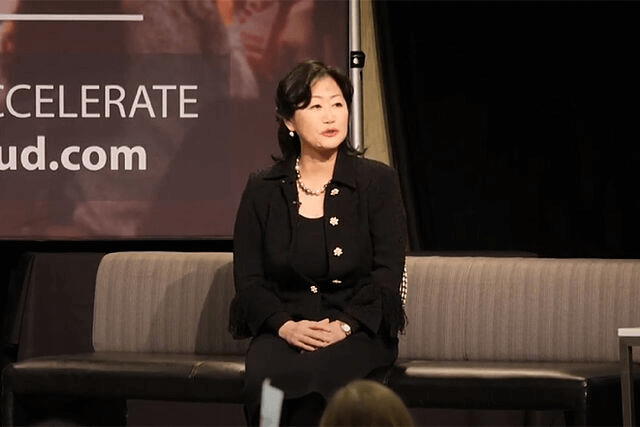
Jeanny Chai is an entrepreneur, coach, and cancer survivor. She’s inspired hundreds of women to break free from unfulfilling jobs and relationships. But she wasn’t always this way. In this exclusive interview she talks about how she went from a scared loner kid to a powerful leadership coach. 

Childhood Pressures and Shaping of Mindset

Growing up, Jeanny was always under pressure to achieve. Sound familiar? In episode 3 of her podcast, Asians Breaking Ceilings, she shares the expectations her parents placed on her.  “Oh, you’re going to be a doctor.” 

She lived under constant pressure to be perfect. “I was called careless when I missed math problems and my parents were displeased. I got disapproval and felt like a burden whenever I made mistakes, like spilling milk or getting sick. I felt like I had to be perfect to avoid anyone getting mad at me.”

You don’t need anyone’s permission, apology, validation, or approval for you to make the transition from unfulfilled to living your leadership potential.

Jeanny Chai

Her Battle with Cancer and Path to Transformation

As an adult she was free from her parents but then cancer got her. Her doctor told her that she had 3 tumors, stress-induced. Her reaction? “ashamed, scared, angry and then finally hopeful.” Despite cancer being a shitty experience, she had HOPE. How? 

Hope came when she realized that she was allowed to ask for help. It wasn’t her job to suffer alone in silence. She had managed to handle all the other stressors in her life alone, but this one was too much for her – and that was okay. For the first time ever, Jeanny learned asking for help was not a sign of failure or weakness. This theme would return later on.

A Glimmer of Hope in Solitude

Cancer threw Jeanny’s life and routine out the window. Yet the hardest part wasn’t the physical pain – it was the overwhelming sense of loneliness she experienced. Unable to have visitors, she was profoundly isolated, physically and emotionally. She shares, “When you are under so much medication, your days and nights mesh together and you get lost in your own thoughts,”

But in that time of sadness, Jeanny felt a glimmer of hope. One day, she heard a loud voice that declared, “You are already good enough.” The unexpected declaration left her in a state of awe. 

Jeanny had never entertained such a notion about herself before; this was a pivotal moment.  She kept repeating this idea to herself for the next few years, and that’s when she started to feel stronger, more confident, and more in control of her life. This also marked the starting point of her business, Bamboo Myth.

A Journey of Self-Discovery

After casually beating cancer, Jeanny embarked on a five-year journey of self-discovery.

“When I got sick, I was no longer focused on becoming the next Elon Musk or landing a job at the next unicorn start-up in Silicon Valley. Instead, I bought myself an electric piano and an acoustic guitar.  Later I bought a saxophone and ukulele and I gave myself voice lessons. I bought myself a baby rabbit, who was my bedside companion during my chemotherapy treatment. I remembered that I loved music, singing, and animals and learned to create my own happiness,” she shared.

With cancer showing her that life was short, Jeanny decided to leave the corporate world and start her own business, pursuing purpose instead of promotions. 

“Asians Breaking Ceilings” Podcast

Fast forward a few years and her business is thriving. She speaks about the Bamboo Ceiling at Fortune 500 companies and major conferences. 

She also runs a 12-week coaching program called “Live Your Leadership Potential,” and has coached over 300 Asian women, bringing “life-changing” results. Her program centers on 2 core principles that help women regain confidence, energy, and agency.

She teaches that what’s needed isn’t communication strategies, but permission to speak without guilt or shame. Once women overcome this barrier, their natural leadership abilities and newfound confidence are allowed to shine.

The best part? Jeanny emphasizes that this mindshift set doesn’t require years of therapy or yoga; all it takes is a focused approach to transform from burnout to happiness.

Now she is making these cultural-specific leadership strategies available to everyone,  through her podcast. In it, she shares a powerful new definition of success. 

“Confidence, assertiveness, and happiness are an inside job. So my new definition of success is this: Being able to decide, create, and ask for what you want in your career and life. And my podcast is designed exactly to do just that,” Jeanny shared.

Advice for Those with Similar Struggles

Did you resonate with any of this? Jeanny has the the following advice for individuals who struggle with people-pleasing, fear, or lack of self-compassion:

First, you must stop stuffing your feelings and coping by working harder and harder. Realize that you don’t need anyone’s permission, apology, validation, or approval for you to make the transition from unfulfilled to living your leadership potential.  

Stop getting more certifications and degrees to fill that feeling of “not being enough.”

Listen to my podcast! Start with Episode 1 and let yourself feel again. Many of us have numbed out our emotions so we can handle and cope with all the stress but this is the opposite of what we need to do to begin the transformation. 

Find a safe person (therapist, coach) and tell them your story. As Brene Brown says, shame thrives in silence. That’s why I’m paving the way by speaking up so others can speak up and be transformed for good.

And take this FREE assessment that I’ve created just for Asian Americans. It helps you identify in just under 5 minutes what is your biggest roadblock to success:

https://quiz.tryinteract.com/#/5daf9bbeb77a6e0014e41210

There is personal advice emailed to you based on your quiz results. 

CONNECT WITH JEANNY CHAI

Instagram: @jeannychai

Linkedin: Jeanny Chai

Twitter: @bamboomyth

Facebook: Bamboo Myth

Website (Bamboo Myth): bamboomyth.com

Website (Podcast): asiansbreakingceilings.com

Related Articles

image-png

Stories

Princeton Engineer Luisa Zhou Left Corporate Life to Build a Million-Dollar Business on Her Own Terms

Luisa Zhou once believed that a Princeton degree and a prestigious engineering title were the ultimate markers of a secure and successful life. However, that sense of safety evaporated the moment her family faced a health crisis and she realized her “perfect” job offered no room for her to actually be there.

She learned the hard way that even a massive salary is a poor substitute for the freedom to prioritize your family during their darkest hours. That realization sparked a fire within her to stop trading her presence for a paycheck and to start building a life where she held the keys.

Image Source: Forbes

Engineering a Great Escape

Luisa did not leave her career on a whim because she understood that true freedom requires a foundation built on more than just hope. She spent two long years working on her consulting business during every stolen lunch break and late night while her colleagues were resting. By applying her logical engineering mind to the world of entrepreneurship, she proved that you can build a bridge to a new life without burning the one you are currently standing on.

This methodical approach allowed her to test her ideas in the real world while the safety of her corporate salary was still intact. She advocates for the slow build because it removes the desperation that often leads new founders to make short-sighted decisions for quick cash. When she finally stepped away from her desk for the last time, she was not taking a leap of faith but rather walking through a door she had already unlocked.

Image Source: Business Insider

Redefining the Million-Dollar Life

By the time Luisa officially left the corporate world, her “side project” was already generating over a million dollars in annual revenue. Now at 36, she has designed a lifestyle where four hours of focused work allows her to sustain a million-dollar business on her own terms. Her daily schedule is no longer a list of demands from a manager but a reflection of the people and passions that she values most in the world.

The most inspiring part of her journey is the fact that her bank account is secondary to the absolute control she now has over her time. Wealth for Luisa is the quiet confidence of knowing she can close her laptop whenever a loved one needs her without seeking anyone’s permission. She has proven to the world that the most valuable thing you can ever own is the right to decide exactly how your day unfolds.

image (1)-png

Stories

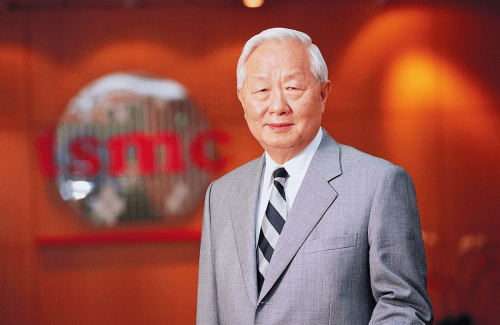
From Corporate Rejection to Global Power: The Story of Morris Chang Who Controls 90% of the World’s Advanced Chips

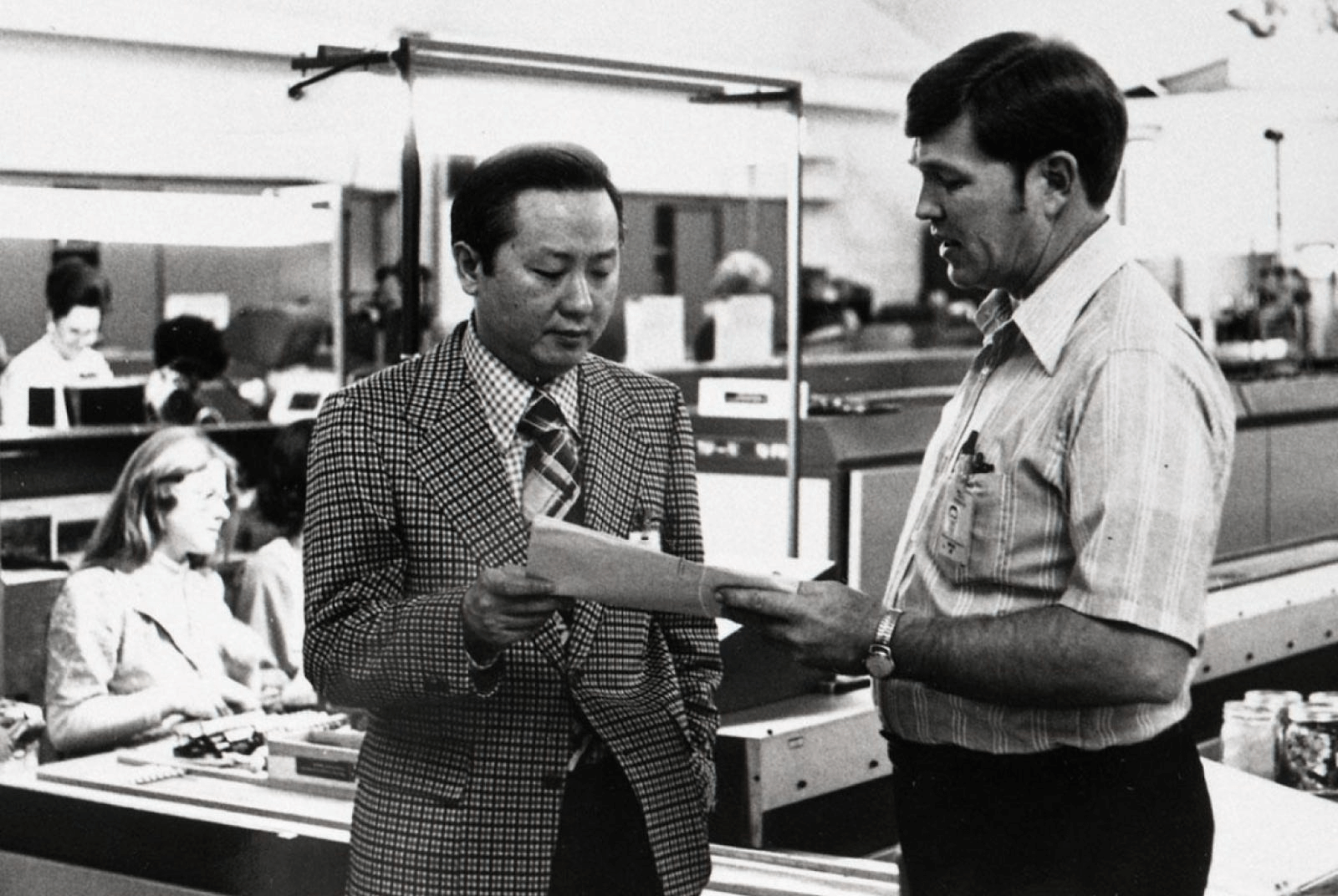
In 1985, Morris Chang reached a professional crossroads after being passed over for the top job at Texas Instruments. At 54 years old, he had a massive resume but felt there was nowhere left to go within the American corporate system. Instead of accepting a quiet retirement, he moved to Taiwan to build a business that addressed a major flaw in how computers were built.

This move was the first step in a journey that eventually placed him in control of the global tech supply chain. By choosing to solve a problem that many other executives ignored, he transformed a career setback into a global revolution. His transition from the United States to Taiwan set the stage for one of the most significant shifts in manufacturing history.

Image Source: Startup Synergy

The Career That Nearly Ended

Back then, if you wanted to design a chip, you had to spend billions to build the factory as well. Chang realized that this massive financial requirement was slowing down progress for everyone in the industry. He envisioned a new model that would allow innovators to focus on their designs while his company handled the heavy lifting of production.

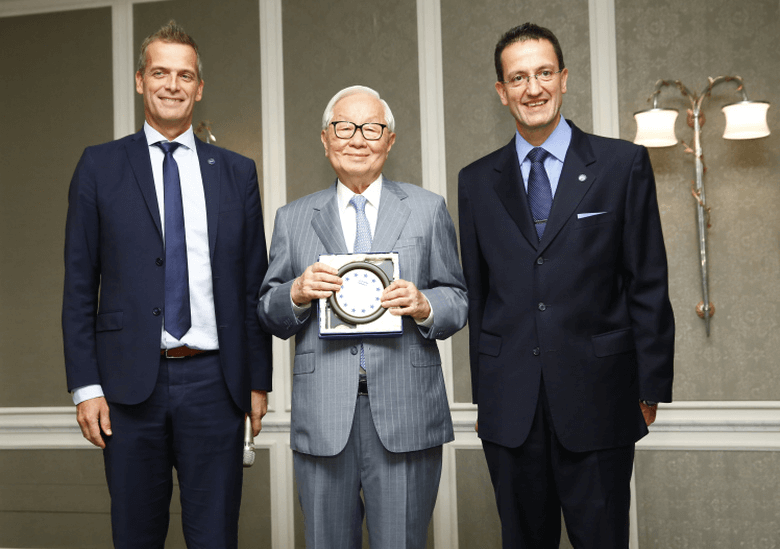
He founded TSMC in 1987 with a disruptive promise that he would manufacture chips for others but never design his own. By refusing to compete with his customers, he gained the trust of global tech giants like Nvidia. This specialized approach allowed these companies to thrive and scale without the burden of owning their own factories.

Image Source: European Chamber of Commerce Taiwan

The Idea Everyone Doubted

Decades of singular focus turned Chang into the most powerful man in tech, with his factories now producing 90% of the world’s advanced semiconductors. This level of market dominance makes TSMC the essential foundation for almost every modern electronic device we use. The sheer scale of his success proves that a single, well-executed idea can reshape the entire global economy.

The importance of his work is highlighted by the fact that if his production stops, the global supply of iPhones, Teslas, and AI systems stops with it. His legacy proves that the future isn’t just built in garages by young people, but by veterans with the grit to see opportunity where others see a dead end. Morris Chang didn’t just build a successful company; he built the infrastructure that the modern world depends on every day.

image (1)

Stories

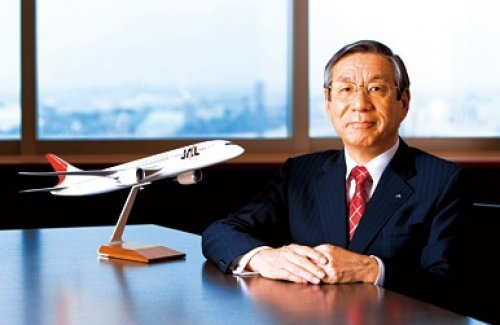
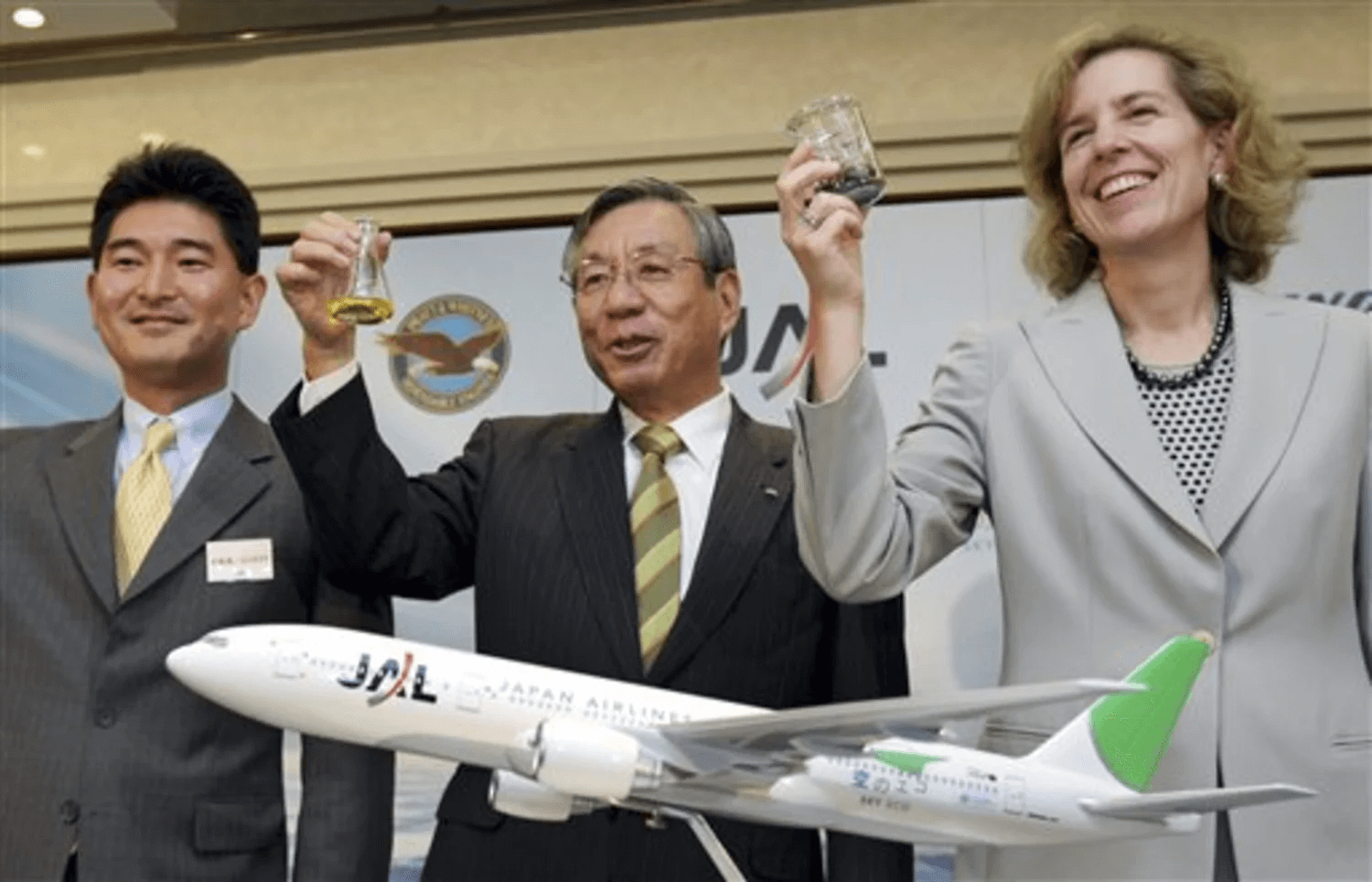
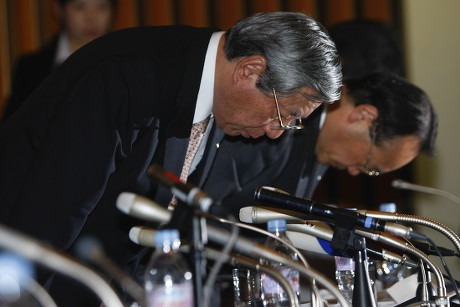
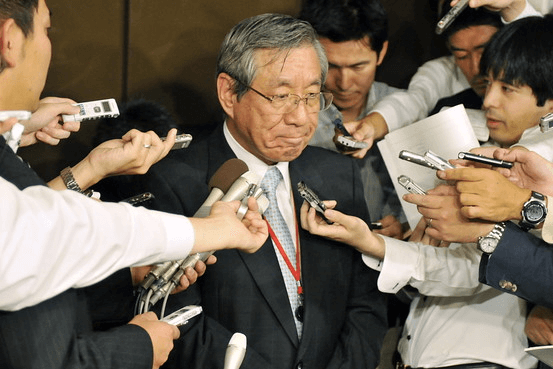
How Haruka Nishimatsu Defined Modern Leadership by Cutting His Salary to $90,000 a Year to Save Jobs

In the modern corporate landscape, it is common to see executives receive massive bonuses even as their companies face financial turmoil. Haruka Nishimatsu, the former head of Japan Airlines, famously broke this cycle by putting his employees’ security before his own wealth. He recognized that a company is only as strong as the people who keep it running every day.

When the airline faced billions in debt and the threat of bankruptcy, Nishimatsu decided to slash his own salary to just $90,000. This move ensured that he was feeling the same economic pressure as the frontline workers he led. His choice was a profound statement that leadership is a responsibility to others rather than a path to personal enrichment.

Image Source: NBC News

Leading by Example Through Shared Sacrifice

Nishimatsu discarded the traditional perks of his high-ranking position to remain grounded with his workforce. He traded a private limousine for the city bus and waited in line for lunch at the staff cafeteria.

These daily actions removed the social distance that typically separates a CEO from the rest of the office. By working at a regular desk in an open-plan room, he made himself accessible to everyone in the building.

Image Source: The Wall Street Journal

Prioritizing People Over Short-Term Profits

During the 2009 financial crisis, Nishimatsu refused to use mass layoffs as a quick fix for the company’s rising debt. He understood that protecting the livelihoods of his staff was more important than protecting the executive payroll.

This commitment to job security built a deep sense of trust and loyalty throughout the entire organization. His strategy proved that a business can navigate a crisis without ever abandoning its moral compass.

Image Source: The Wall Street Journal

The True Source of Professional Respect

Nishimatsu demonstrated that real authority is earned through character and shared experience rather than a fancy title. He did not need a corner office or a massive paycheck to command the respect of his pilots and flight attendants.

His influence came from the fact that he stood right beside them when the company was struggling. This style of leadership serves as a timeless reminder of what it means to be a true steward of a brand.

image (3)-png

Stories

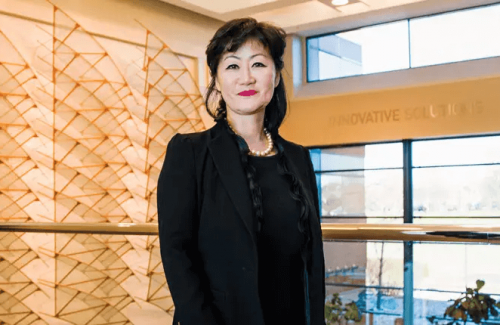
How Buddhist Values Helped Thai Lee Build a $16B Tech Empire and Become the U.S.’ 5th-Richest Self-Made Woman

Born in Thailand and raised in South Korea, Thai Lee was shaped by constant cultural shifts from a young age. Although her family practiced Christianity, her early education in a Buddhist primary school introduced her to ideas that would quietly guide her life and leadership.

There, she learned that life is marked by suffering, impermanence, and uncertainty. Rather than seeing these as obstacles, she absorbed them as realities to work with—an outlook that later became central to her approach to business and power.

Image Source: Asia Society

Embracing Suffering as a Path to Growth

A core Buddhist teaching Lee internalized early was that suffering is not a failure, but a condition of growth. This belief trained her to stay calm under pressure and to see difficulty as something to be managed, not avoided.

That mental discipline carried her through an intense academic path, including a double major in biology and economics. It also shaped her resilience at Harvard Business School, where she became the first Korean woman to graduate by staying focused on long-term purpose rather than short-term comfort.

Image Source: Freepik

Practicing Utility Over Ego in Business

When Lee purchased a failing IT reseller in 1989 for $1 million and renamed it Software House International, she rejected the idea of growth for growth’s sake. Guided by the Buddhist value of utility, she asked one simple question: does this technology truly help people?

Instead of chasing trends or flashy innovations, she prioritized practical solutions that made work more efficient and reliable. This steady, service-driven approach allowed SHI to earn trust over time, scaling quietly into a $16 billion global company serving major institutions like Boeing and AT&T.

Image Source: Expansión

Right Livelihood as the Measure of Success

As her wealth grew, Lee leaned more deeply into the Buddhist principle of Right Livelihood—earning success through ethical means and responsibility to others. She believes leadership should reduce harm, not amplify ego or excess.

Despite being the fifth-richest self-made woman in the United States, she avoids executive privileges and symbolic power. By parking with employees, managing her own calendar, and staying close to daily operations, she reinforces her belief that real wealth is measured by trust, dignity, and the well-being of the 7,000+ people she leads.

Learn more about Thai Lee here:

📍LinkedIn