Stories

August 11, 2024

SHARE:

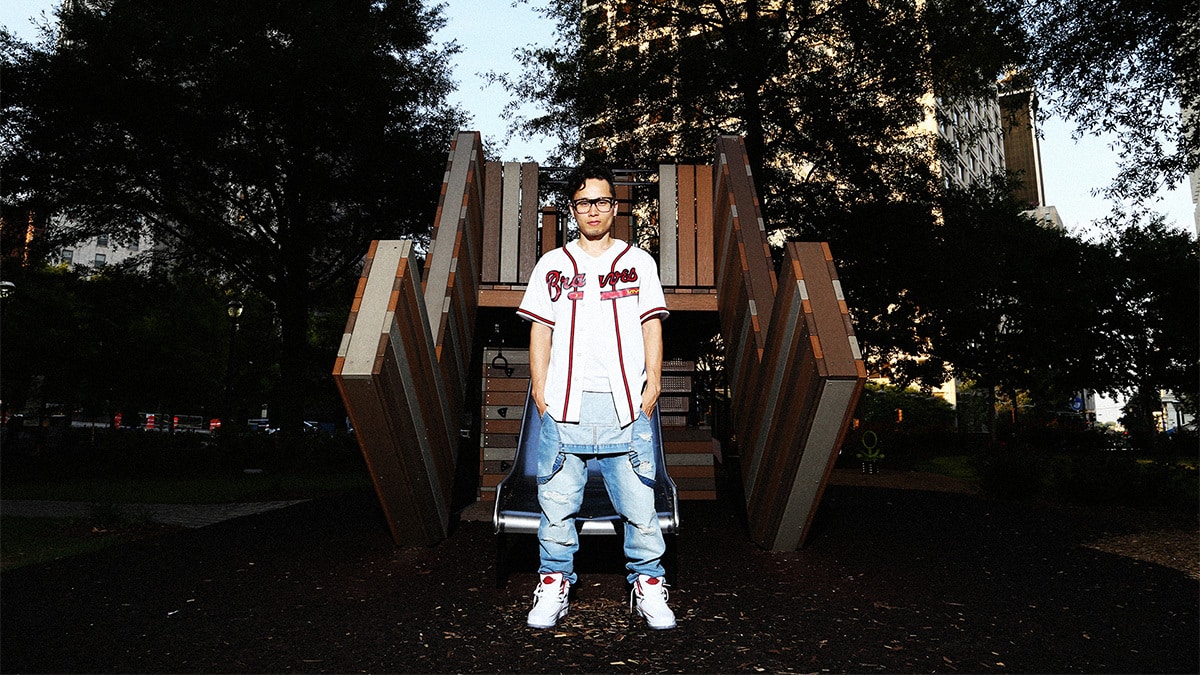
Paddling the world of parties and turntables, DJ Baby Yu’s story may not be in many Asian parents’ favor, who prefer more stable nine-to-five academic jobs. He talks about family expectations, the entertainment industry, the values of his “unconventional” job, and more. 

We all love dancing, don’t we? Sometimes, it feels good to just let your hair down and move to the music for a bit. That’s where DJs come in, blending beats and energizing crowds from all walks of life.

Nonetheless, this job may receive quite a few skeptical and questioning frowns from Asian parents. Uncontrollable parties, unprecedented futures, and unstoppable debaucheries are what the music industry is all about, many would argue. However, DJ Baby Yu is here to bring more Asian creatives to the forefront, shattering the traditional barriers that may hinder them.

Rewind to 28 years ago, in tight-knit local college radios and nightclubs, flooded with ravers and heart-throbbing hip-hop music. Daniel Nakayama, known as Baby Yu, who made mixtapes featuring hosts like Ye, Ciara, and The Game, might be unmoored; but he knew what he was doing and that he was doing it for the fun of it all.

Asian Parents and Conventional Jobs

If the nine-to-five cyclic life is considered to be successful in many Asian households, then the fun-blasting, bass-hitting life would be considered to be one of the most unconventional career paths. “Not all of us are destined for high-paying traditional jobs,” he said. “Generally speaking, our parents weren’t supportive unless we finished school, earned a degree, and pursued a prestigious job.”

Upon the chance meeting with an old friend who happened to be DJ-ing at a house party, uninvited yet inspired, he bought a pair of turntables and records the day right after. Starting to DJ in high school and defining his career at university, he describes the universal battle of fighting for your dream, especially for someone with an immigrant background, where traditional values were the guiding star.

As a child of immigrant parents from Miyazaki, Japan, I share the growing pains experienced by many first-generation Asian children. Our parents often try to shape our futures, pushing us toward careers like doctors, nurses, or lawyers, without considering our personal interests and passions.

At the end of the day, those expectations only came from their own experiences and their desire for their children to have a happy and stable future.

However, once my parents saw me perform on TV, heard me on the radio, and received praise from their friends’ children, they understood that I had found something that made me happy. That realization was all that mattered to them.

The Mash-Ups of Highs and Lows in the Music Industry

This industry is no stranger to a bad reputation, where another rising public darling replaces the ones who don’t transform, where every part of your career move is baselessly evaluated and overblown, where the radio label could count you out if they can no longer profit from you.

DJ Baby Yu (center) with Drake (left) and Jeezy

It’s tough work being an artist in this competitive landscape. One may have to toe the line for mainstream appeal. Some may scream “Smash it, I’m here to do my own thing.”

Whatever approach they may choose, the Internet has given rise to the demand for artists with distinctive musical personalities. “There are no rules for how you should express yourself in life,” he says. “If people understand and believe in you, they’ll follow. If not, that’s okay—they’re not your audience. There will always be those who appreciate your art and direction. Focusing on this has helped me overcome any obstacles life throws my way.”

He Did It for the Fun and He Did It for the Asians

Despite the struggles, Daniel took a moment to reflect on what he had learned from his shows around the world, where he gets to travel to new places, meet new people, throw joyful parties, and try new things.

As I matured in the industry, I ventured into new areas, working on artist development and taking on marketing and branding projects for companies like Puff Puff in Thailand and Whims in Austin. Event planning is another passion of mine, and I particularly enjoy creating fun and unique events.

A shot from the Wiz Khalifa: Under The Influence of Music Tour in Toronto, Canada, featuring Daniel as the tour DJ for Jeezy

Back in Toronto, he was holding a “branded party” called Playbook Social, where he mixed “food, cocktails, karaoke and DJs.” The party sold out, seated the most versatile community in the city. Of course, if you were in the game for the right purpose, like-minded individuals will team up and recognize what you’re doing, even way before you realize it. It turns out that what he’s been doing has such a tremendous impact on the AAPI community.

There have been several times in my life when loyal supporters have come up to me and thanked me for what I do, often ending with the phrase, “You’re doing it for all the Asians!” For a while, I didn’t fully understand that sentiment. In my mind, I was doing it for myself, for the love of music, and to make everyone around me happy.

However, as I traveled and understood my cultural position in the industry, whether I was the only Asian in a room full of Hip Hop leaders or in the pop scene dominated by white people, I realized there weren’t many Asians in these spaces. Times have changed now, with K-pop gaining global popularity, but back then, it was different. Asians weren’t the creators of R&B, soul, Hip Hop, house, rock, or pop music; we were lovers of these cultures, trying to fit in.

Connect With DJ Baby Yu

Curating a unique and eventful experience is the ultimate wish of any musician. DJ Baby Yu has never been one to shy away from collaborating with rising Asian talents. His upcoming event, a collaboration project with UPRISERS, a Japanese female-owned AAPI streetwear brand, is meant to bring together great Asian talent and leaders for celebration and appreciation.

I’ve teamed up with UPRISERS, a Japanese female-owned AAPI streetwear brand, to celebrate their 5th anniversary. Other AAPI groups, such as FACE (Filipinos Advancing Creative Education) and Represent ASIAN Project, are also promoting this event. My goal is to bring together great Asian talent and leaders under one roof to celebrate each other.

This event is also one of the official events of SKAM Summer 2024, a two-day DJ and influencer weekend at the Mondrian Hotel in West Hollywood, created by Sujit Kundu of SKAM Artist (more information at https://skamartist.com/skamsummer).

“Now, I truly understand when people say, “I’m doing it for the Asians.” As a leader, I want to guide and nurture the next generations with the experiences and knowledge I’ve gained over my 28-year career, especially within the Asian community. Collaborating with Uprisers is one way to bring Asian leaders together to celebrate life and acknowledge our achievements.”

Event details:
RSVP: https://UPRISERSxSKAMSUMMERxBABYYU.eventbrite.com
Date: Monday, August 19, 2024
Time: 8 PM – Midnight (PT)
Location: Kimpton Everly Hotel, 1800 Argyle Ave, Los Angeles, CA 90028

Personal contact
Website: https://babyyu.com/
IG: @djbabyyu
Related Articles

2

Stories

Billionaire Heir Enters Wall Street’s Hottest Trade With $480B in Assets

Andre Koo Jr. isn’t just inheriting a financial empire, he’s also reshaping what it looks like in a new era of investing. 

From Taiwan to New York, his latest move brings a centuries-old legacy into one of Wall Street’s fastest-growing spaces. 

With K8 Capital, he’s betting that the future of wealth lies in doing more than just one thing well.

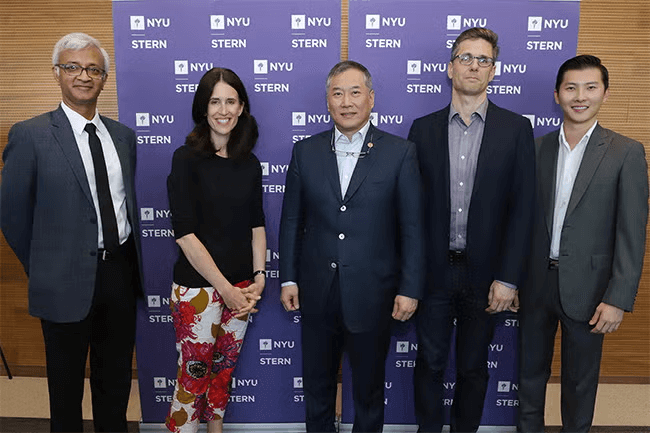
Image Source: NYU Stern

Building on a Financial Legacy

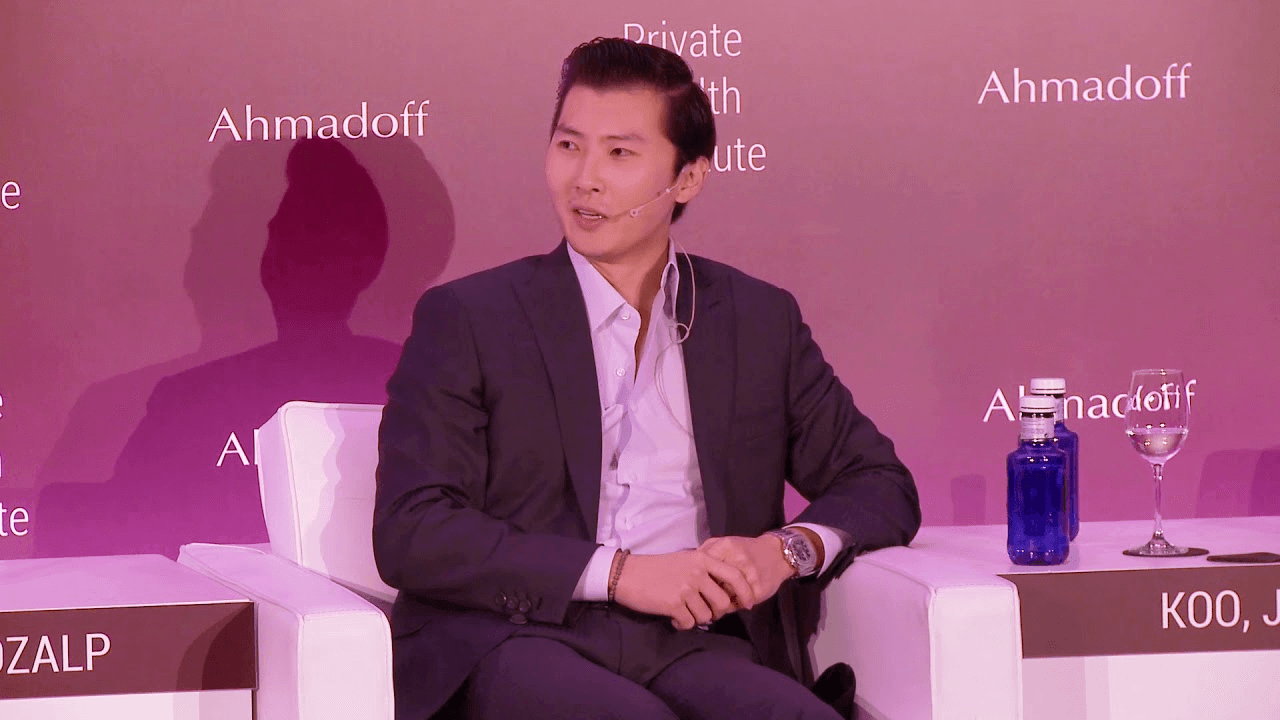
Andre Koo Jr. grew up in one of Taiwan’s most influential banking families, where scale and stability defined success. Today, that legacy spans a $16 billion family fortune and control of $480 billion in assets. But instead of staying within that system, he’s building something that looks very different.

K8 Capital, his new firm based in New York, is designed to be more flexible and forward-looking. It’s launching with a debut fund of at least $50 million, with a $500,000 minimum that signals who it’s built for. The focus is on US companies, along with early bets on AI and enterprise software, areas where growth is still taking shape.

Image Source: Sally Ride Science

A Dual Investment Approach

K8 is a fully integrated hybrid private credit and venture capital firm, combining short-duration, high-yield credit investments with long-term venture growth. Its dual strategy is designed to deliver both liquidity and capital appreciation, giving investors access to predictable income while still capturing venture upside.

What sets K8 apart is how it brings two distinct investment styles into one platform. It focuses on short-term credit deals that can generate returns relatively quickly, while also investing in startups that may take years to mature but offer strong long-term potential. This allows investors to earn steady income today while staying exposed to the companies shaping the future.

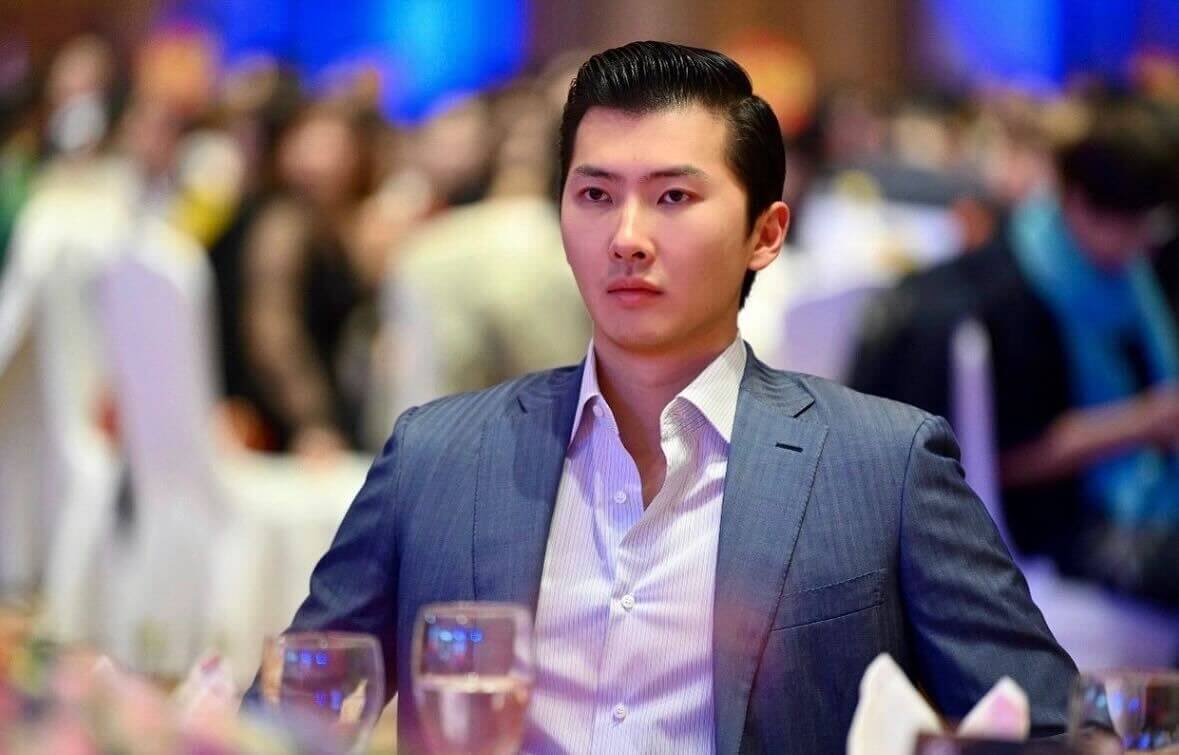
Image Source: @andrejrkoo (Instagram)

Entering a Rapidly Growing Market

Private credit has quietly grown into a market worth more than $1.5 trillion, as companies look beyond traditional banks for funding. Wealthy families like the Koos are moving in, seeing an opportunity to lend directly and capture higher returns.

K8 is already showing early signs of traction, with reported returns of at least 50 percent from short-term loans to US businesses. But for Andre, this isn’t just about performance. It’s also about carrying forward a legacy that began nearly 200 years ago with his ancestor Koh Lay Huan, while making sure it still matters in a very different financial world.

Learn more about K8 Capital here:

📍Website

IMG_0192-jpeg

Stories

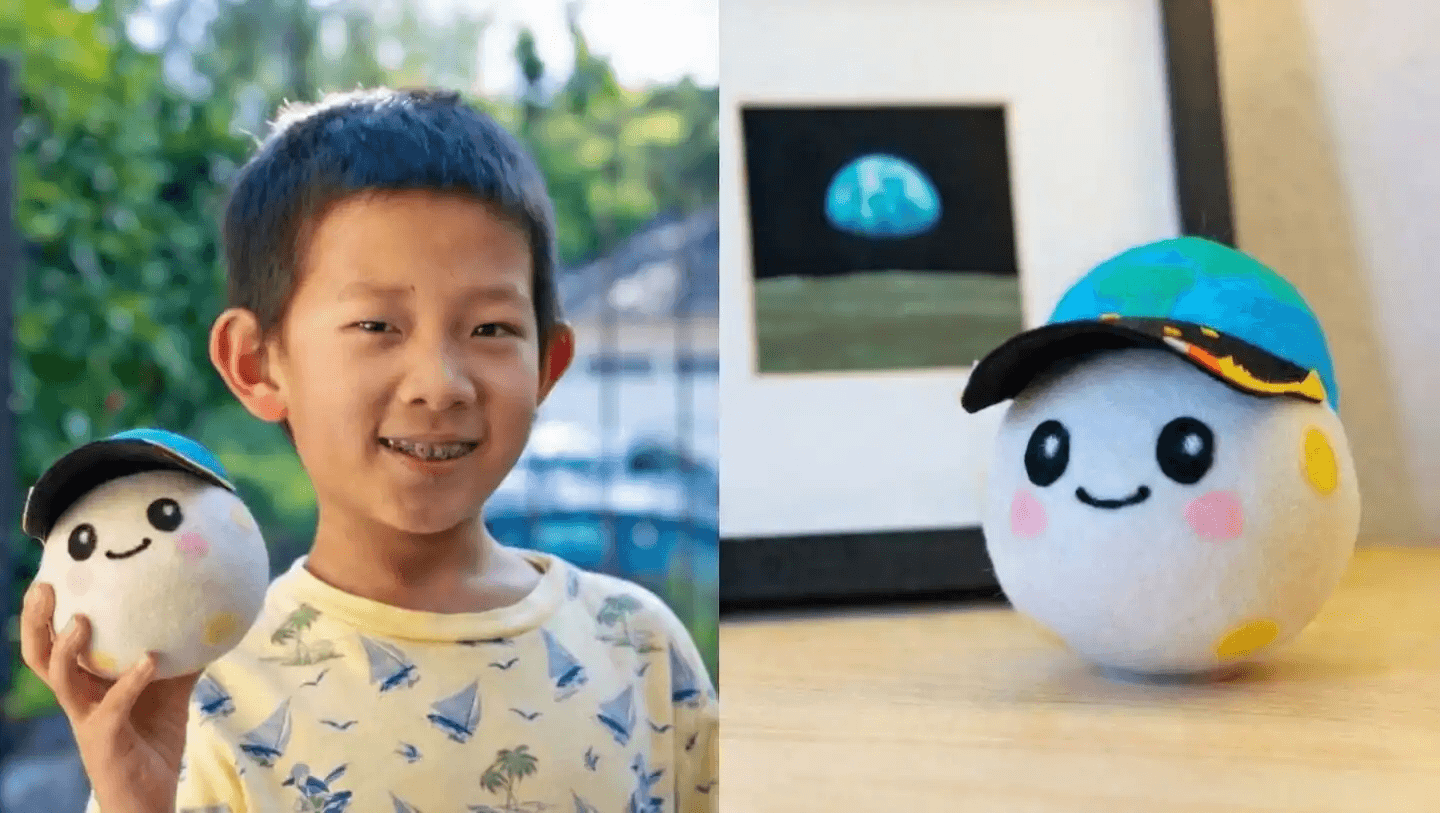
8-Year-Old Lucas Ye Designed a Mascot That Travels to Space With NASA’s Artemis II Crew

An eight-year-old in California turned a simple drawing into something that will travel beyond Earth.

Lucas Ye entered a global NASA contest and watched his idea rise above thousands of entries from around the world.

Now, his creation is not just a sketch, but a real mascot preparing to float alongside astronauts in space.

Image Source: NewsBytes

From Sketchbook to Spacecraft

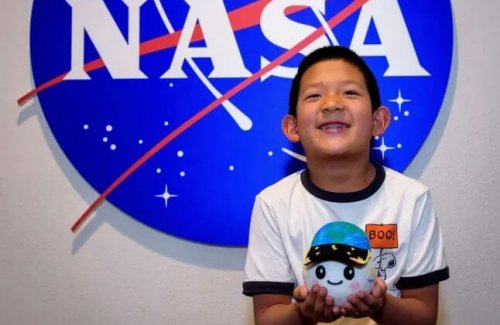
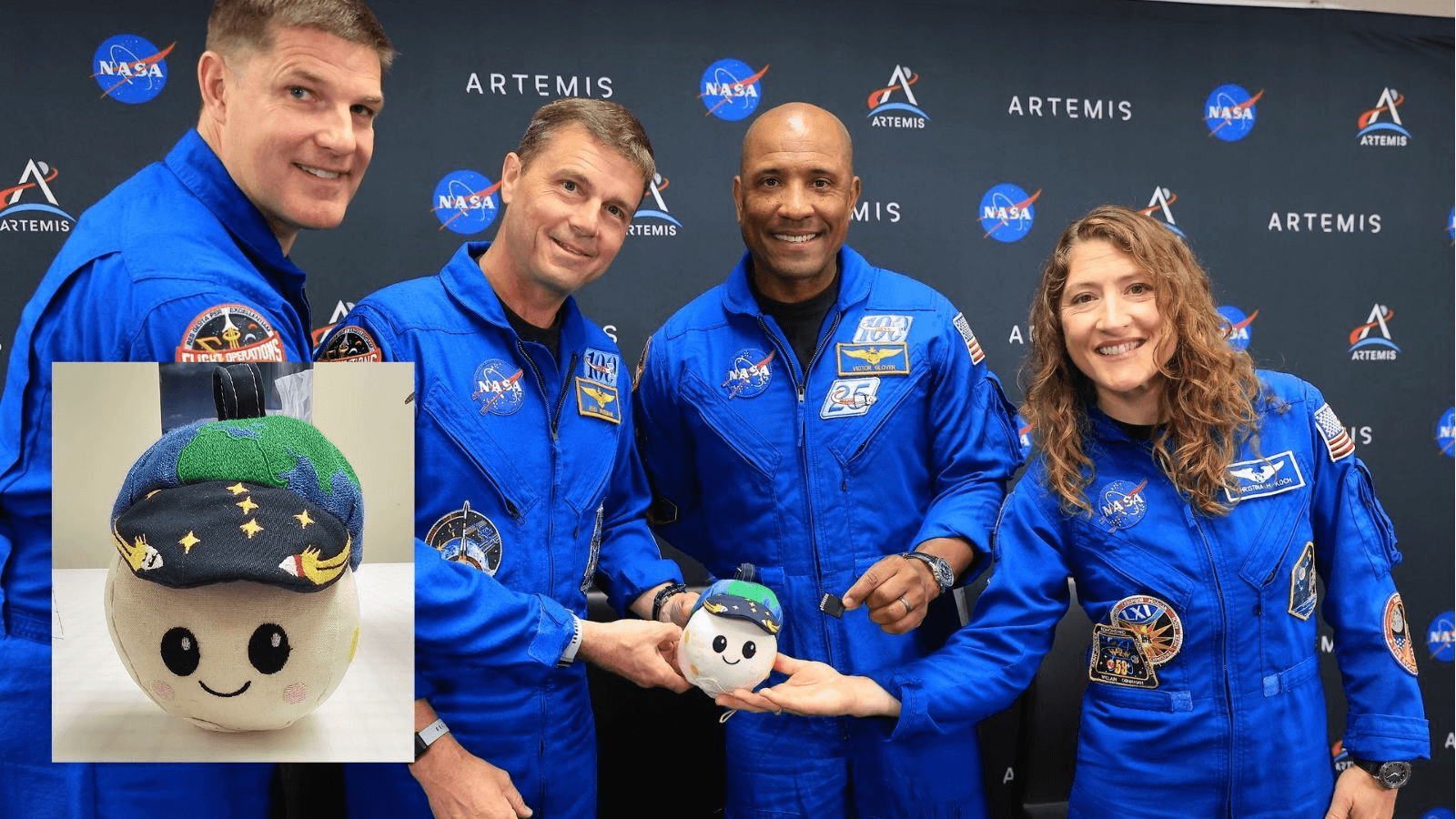
Lucas Ye was just eight years old when he decided to draw a mascot for the Artemis II mission, not knowing it would become something much bigger. His design stood out in a global competition, eventually winning and being transformed into a plush named Rise. What started as a simple idea on paper quickly earned a place inside a real spacecraft.

The journey from drawing to physical mascot shows how ideas can move fast when they resonate. NASA took Lucas’s concept and turned it into something tangible, something that could sit beside astronauts on a real mission. It is a reminder that creativity does not need years of experience to matter, it just needs a starting point.

Image Source: Sally Ride Science

A Small Toy With a Big Role

Rise is not just there for the ride, it plays a meaningful role inside the cabin. As the spacecraft reaches orbit, the plush will begin to float, signaling that the crew has entered zero gravity. It is a simple but powerful way to show a major moment in the mission.

NASA has a long tradition of using mascots like this, but this one carries a different kind of weight. It represents a child’s imagination becoming part of a real scientific journey, blending emotion with exploration. Lucas now joins a legacy of space mascots, showing that even the smallest ideas can make it all the way to space.

6060_Simone Portraits_2259_01_Edited-jpg

Stories

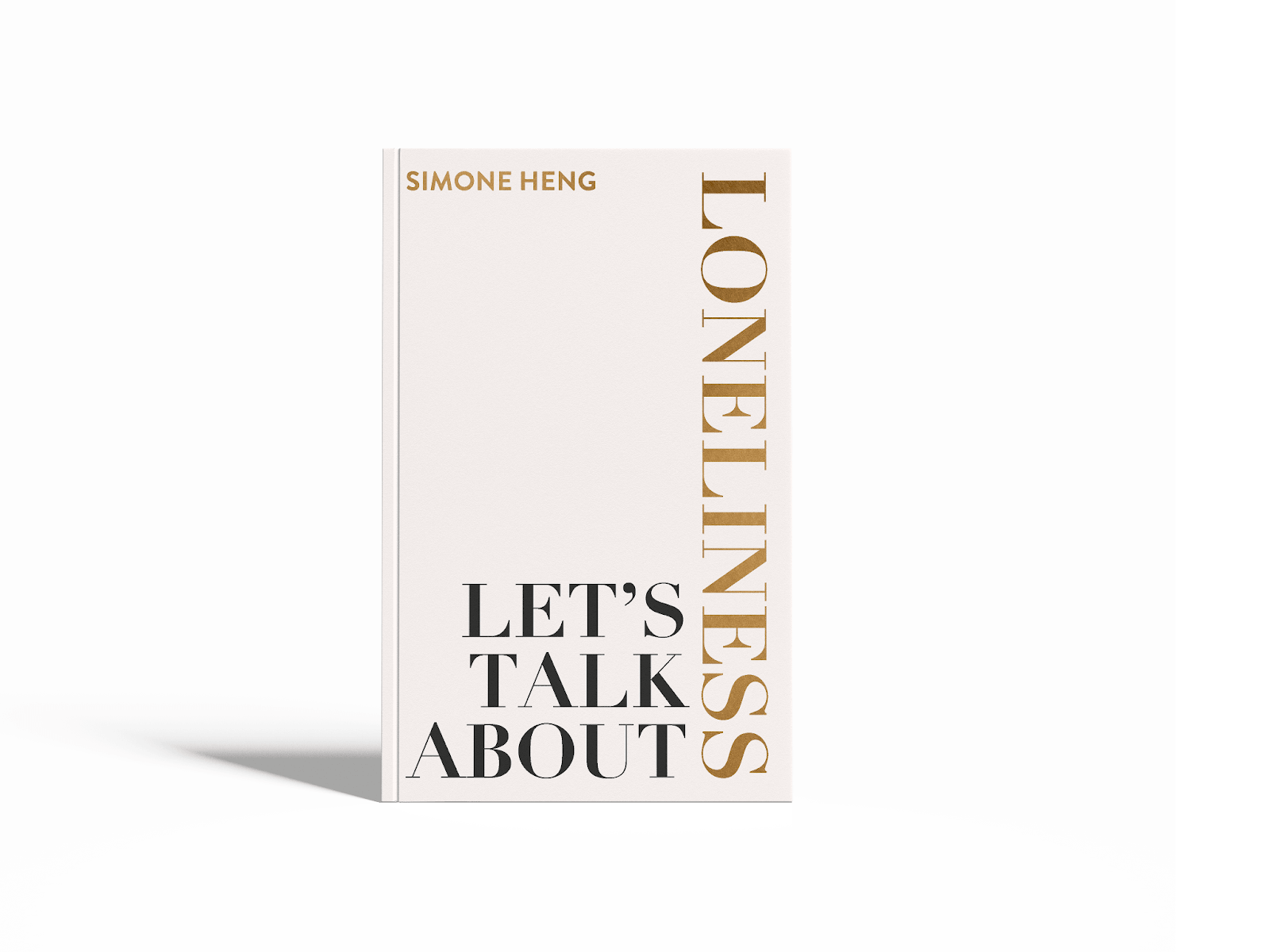
The Mission of Award-Winning Author Simone Heng and How Let’s Talk About Loneliness Expands Its Message Through Its Chinese Launch

Loneliness is often seen as a personal feeling, but for Simone Heng, it became a question worth exploring on a global scale.

Now, with the upcoming Chinese translation of her 2023 book, Let’s Talk About Loneliness, her message is reaching a new audience and entering a new chapter.

What began as a deeply personal experience has grown into a wider mission to make conversations about loneliness more accessible across cultures.

From Personal Isolation to a Written Voice

Simone Heng’s book Let’s Talk About Loneliness was born from a period of deep emotional isolation. After leaving her broadcasting career to care for her paralyzed mother, she found herself cut off from her social world. While others were building families and careers, she was navigating caregiving, grief, and isolation.

Before that chapter, her life had always been shaped by movement. She was born and is based in Singapore, grew up in Australia, studied in Switzerland, and worked in the UAE. Her background reflects a mix of cultures, even reflected in her DNA, which shows 11 different ethnicities.

But the defining moments were not just about where she had been, but what she had gone through. She lost her father at 19, and 10 years later, along with her sister, became the main support to her mother. Those experiences reshaped her priorities and slowly pulled her away from the life she was chasing.

In that quieter, more difficult season, she began asking questions she could not ignore. Why does loneliness feel so heavy, even when you are not physically alone? Why is it so hard to talk about?

Over time, Simone realized something that became central to her work. Loneliness is not simply about being alone. It is the gap between the kind and amount of connection a person wants and what they are actually experiencing.

A Book That Challenges Cultural Assumptions

Let’s Talk About Loneliness explores an idea many people overlook. Loneliness can exist even in collectivist societies. Simone highlights how cultural expectations, emotional restraint, and unspoken pressures can make it harder to express isolation. This perspective brought a diverse lens to the dialogue on loneliness often dominated by Western viewpoints.

She points out that in cultures where people are expected to always be surrounded by family, saying “I am lonely” can carry stigma. At the same time, many connections are shaped by obligation rather than genuine emotional closeness. These kinds of relationships do not always meet deeper emotional needs, and can leave people feeling alone even when they are not physically isolated.

Retitled in Chinese as “Anyway, I Am Just as Lonely,” it will be available in Xinhua, Sisyphus, and Yanijou bookstores in China. The book blends research with lived experience, making it both informative and deeply personal. With the release of the Chinese edition, the focus is on reaching Chinese-speaking communities where conversations around loneliness are often less visible.

Building a Mission Around Human Connection

Beyond the book, Simone Heng’s work continues to focus on one idea. Human connection is not just something we hope for, but something we absolutely must learn and build, particularly in the era of AI.

After spending 15 years in broadcasting, she chose to step away and start again in 2019. It was not an easy decision, and she built her career without financial backing, relying on persistence and clarity in what she wanted to create.

Today, she is a global speaker who works with leading organizations such as Google, Meta, Harvard University, and JPMorgan. She teaches audiences how to build meaningful connections both in and beyond the workplace.

Her message continues to resonate because it speaks to something many people are quietly experiencing. Without a sense of belonging and psychological safety, it becomes harder to think clearly, create, and show up fully.

At its core, her work is a reminder that connection is not about how many people are around us. It is about how understood we feel. And sometimes, putting that feeling into words is the first step toward changing it.

Learn more about Simone Heng here:

📍Website

Green Blue and White Minimalist Landscape Desktop Wallpaper-png

Stories

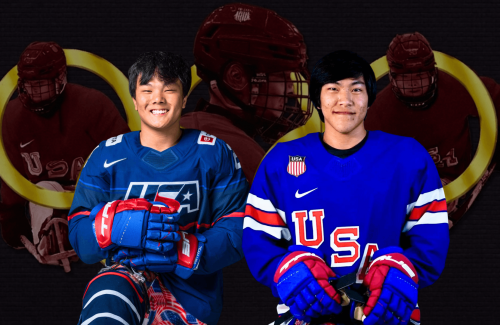
How Brett Bolton and Kayden Beasley Turned Adversity Into Triumph at the 2026 Paralympics

Two athletes, shaped by similar beginnings, turned personal challenges into a defining moment on the world stage.

Both were born in China and later adopted into the United States, where they grew up navigating identity, resilience, and belonging.

At the 2026 Winter Paralympic Games, their journeys came full circle as they helped lead Team USA to gold.

Image Source: Team USA Hockey

Brett Bolton’s Journey to the Top

Born in China with a congenital limb difference, Brett Bolton was adopted into the United States at just three years old, growing up in an environment that pushed him to adapt early and often. What could have been limitations became the foundation for resilience, shaping how he approached both life and sport.

That same quiet determination followed him onto the ice, where he carved out a place as a rookie forward for the U.S. sled hockey team. At the 2026 Winter Paralympic Games, Bolton didn’t just participate, he rose to the top, helping secure a gold medal and marking a powerful arrival on the global stage.

Image Source: NHL

Kayden Beasley’s Defining Moment

Like Bolton, Kayden Beasley’s story began in China before being adopted into the United States, where he grew up navigating questions of identity alongside his development as an athlete. Over time, discipline on the ice became his anchor, helping him build both physical strength and self-belief.

Years of training led to a defining moment at the 2026 Winter Paralympics, when Beasley delivered a clutch goal in the final. That single play helped seal a gold medal for Team USA, turning years of preparation into a moment that will be remembered on one of sport’s biggest stages.

Image Source: NPR

More Than a Medal: A Shared Story of Representation

At the 2026 Paralympic Games, their journeys intersected in a space that celebrates ability in all its forms. Beyond the competition, their presence highlights a broader shift in how athletes with impairments are seen, valued, and represented.

Their victories go beyond the scoreboard, carrying meaning for communities that rarely see themselves reflected at the highest levels of sport. Together, their stories stand as a reminder that representation is not just about visibility, but about redefining what strength and success look like.