Stories

July 12, 2023

SHARE:

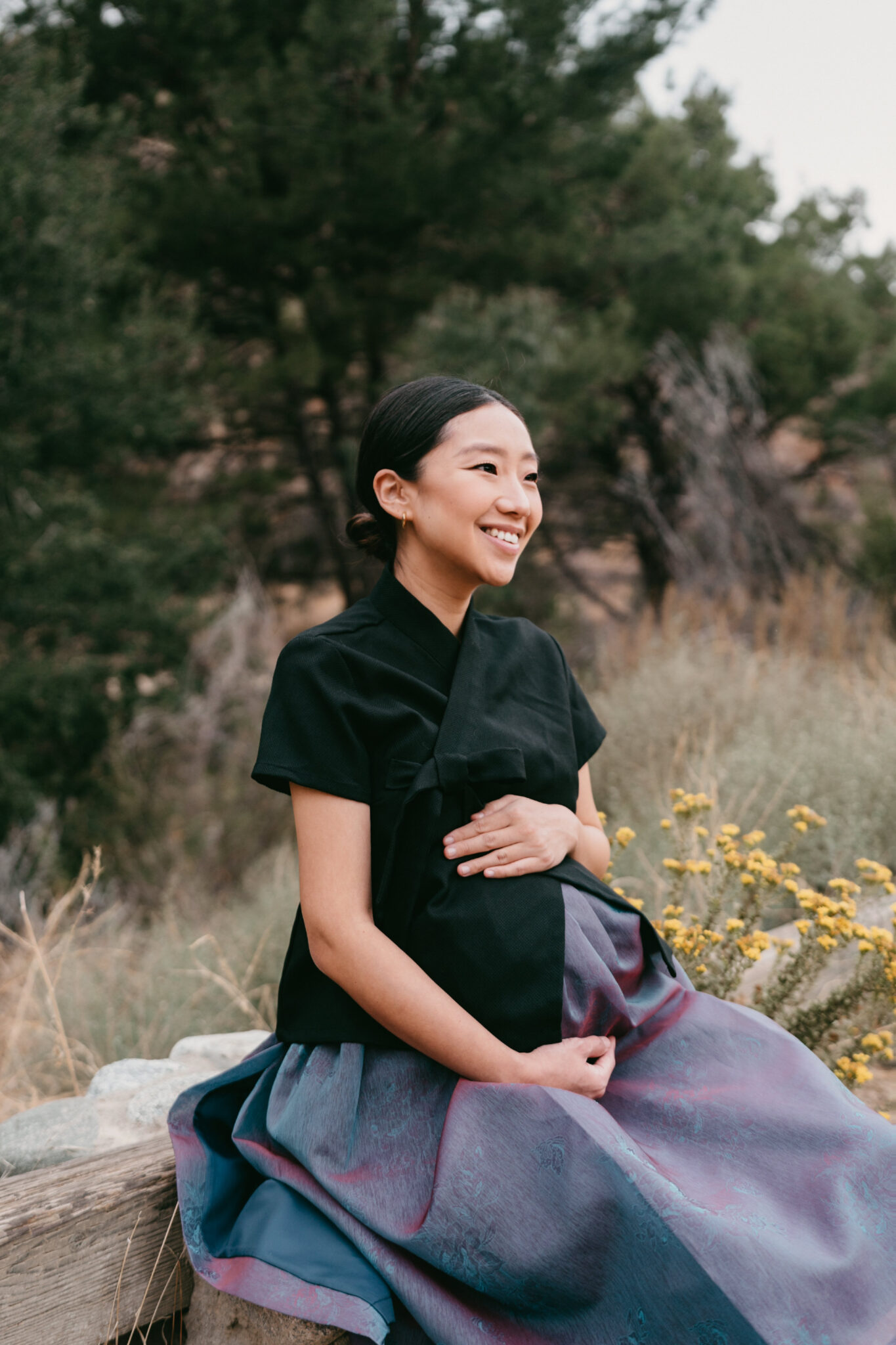
In a world where racial divisions persist and human dignity is often overlooked, Esther Park, a Korean American, has chosen to raise her voice and make a positive impact. Growing up as an immigrant child, she witnessed the struggles faced by her parents and the marginalized communities around her.

Esther’s journey led her to work with Liberty in North Korea, a non-profit organization that rescues refugees and advocates for their rights. She passionately believes in the inherent value of every human being, regardless of their background. Esther’s commitment to social justice extends beyond her work at Liberty in North Korea.

As a content creator, she has built a community of over 150,000 parents, using her platform to share knowledge and inspire others. Despite the challenges of balancing her various roles, Esther’s dedication to her daughter, her faith, and her mission remains unwavering. She aims to harness the power of social media to drive positive change, advocating for dignity, equality, and the betterment of society.

Through her journey and her inspiring message, Esther encourages everyone to embrace their influence and use it to uplift others, spreading love and serving those in need. Read through as Esther shares with us her experiences growing up as a Korean American, her work at Liberty in North Korea, her role in the church, and her journey as a social media influencer advocating for marginalized communities and give a voice to the voiceless. 

GROWING UP AS A KOREAN AMERICAN

Growing up in Seattle, Washington, a predominately majority culture city, I was the “popular Asian kid.” My friends would say things like “Oh but you’re the cool Asian.” There were some ways I clung to that. But it also unsettled me. A lot. It bothered me that certain people were determined as “in” and accepted or not by the color of their skin. But I never spoke up. Since then, I’ve witnessed many horrors of racism. And I truly believe in the need for racial reconciliation. Especially now, living as an Asian American through Covid-19, I’ve realized that I need to raise my voice.

MANY ASK IF I GOT INVOLVED BECAUSE I’M KOREAN, BUT MY ANSWER HAS AND ALWAYS WILL BE: “NO, I’M INVOLVED BECAUSE I’M HUMAN”. 

Growing up our family didn’t have much but I know that my mom always worked hard and tirelessly to make sure we had the best childhood growing up. We were fortunate enough that our hard working immigrant parents could make just enough, but I knew early on that it wasn’t the case for everyone. I went to school with friends who simply couldn’t get good grades or make it to all of their classes because they were busy working part time jobs while going to school to support their families from an early age. It was so heartbreaking for me. The experience as an immigrant child is unique yet unsettling. We see our parents working harder than most yet they struggle to even reach the middle class because of language barriers and learning to assimilate to a new culture. I always knew growing up that I’d want to make sure that I could do everything in my power to help minorities and to help those that didn’t have a voice.  

I’ve also spent almost my whole life in the church during ministry and mostly my focus has been on local outreach and missions. I currently oversee our City Partnerships ministry which is where me and my team are able to give our church members an opportunity to serve the city of Los Angeles that may be living under the poverty line. A few of the organizations that we work with is LA Mission, which is a non profit that works with the houseless population in Los Angeles to empower them to get back up on their feet and also with a non profit called Lincoln Heights Tutorial program that is a non profit with a mission to serve underserved and overlooked youth of East Los Angeles. They focus on making a local and significant community impact. They do this through a combination of tutoring services to close the academic gap, and youth programs to prepare teens for life after high school.

THE ROLE MY FAMILY PLAY IN SHAPING MY VALUES, PASSIONS, AND WORK

My mom immigrated to the States when she was in High School, as the eldest she was busy helping my grandparents with language barriers and her and my aunts and uncles all helped with their gas station. My dad came sometime after College, he started off as a dishwasher at a Sushi restaurant and eventually made his way up and now is a Sushi Chef and restaurant owner that is well known for some of his rolls in menus at different Sushi restaurants. He is also known for making Sushi for some of the top Major League Baseball players and South Korea baseball teams. My family came with absolutely nothing besides the thought of raising their families to achieve the “American dream”. I’m sure their eyes were opened to the brokenness of this country, but they worked hard to give their children everything. 

In many ways, my family and a lot of immigrant families were looked down on, this from an early age made me realize that I would never look down on someone for being different. I believe that we are all thread together as humanity and that we all must work together in helping this world become a better and brighter place.

Processed with VSCO with a6 preset

WORK AT LIBERTY IN NORTH KOREA

I’ve spent most of my late 20s working with Liberty in North Korea – a non-profit that rescues North Korean refugees hiding in China. Many ask if I got involved because I’m Korean, but my answer has and always will be: “No, I’m involved because I’m human”. What first sparked my interest in this issue was because I saw other human beings being treated less than just based on the circumstance or situation they were placed in. I hope that helping people dwelling in the margins, living every day in fear and helplessness, will never come with a condition. That we’ll continue to feel the tug to love and serve those in need. After all, we’re all human. 

Liberty in North Korea is a non-profit organization that believes that one day every North Korean man, woman and child will be free. We believe that every human being believes to have their basic human rights and dignities. We’re helping North Koreans escape a brutal regime through a 3,000-mile secret rescue route to freedom. It’s illegal for North Koreans to leave their country yet thousands of North Koreans risk their lives to reach freedom. Once they get into China, they are still not free. Because of the relationship that China has with North Korea, if North Koreans are caught by Chinese authorities they can be sent back to North Korea where they can face harsh punishments and imprisonment. 70% of women that are hiding in China are trafficked or sold as sex brides because of their difficult situations. This is where we come in to help them reach freedom through our rescue routes.

Once they have been rescued and resettled in South Korea and America, we also work with them in their resettlement journey to help them build self efficacy and reach success in their new lives. We also have a program called “Changing the Narrative”, unfortunately most of the world knows and sees North Korea based on what we see on the news which is about the Kim Regime or their nuclear missiles but we want to shift the focus to the 25 million innocent and real lives of the North Korean people, people who are just like you and I. 

I got involved with Liberty in North Korea when I went to UCLA, I helped start the chapter there and started having fundraisers very regularly and got involved with our headquarters that way. The summer of my senior year of college I went on a Christian mission trip to the border of China and North Korea that was life changing. I was able to hear from and befriend many North Koreans that were hiding in China and hear their stories. We would have to go to their homes at 3AM and turn off the lights and whisper to hear their stories. Right after that I interned with Liberty in North Korea where I traveled around the East Coast for 3 months sharing the stories of the North Korean people for hundreds of people. During that internship the HR manager called me and asked if I wanted to apply for a position and working at Liberty in North Korea was my first full time job after graduating at UCLA. 

BUILDING A COMMUNITY OF OVER 150K PARENTS AND PARENTS-TO-BE

During my maternity leave when I was able to step away from my day jobs to recover and to take care of my newborn, I was able to find a way to do something fun and meaningful. I spent a lot of time when my newborn was napping to learn about parenting and different methods and ways to ensure that my daughter was getting the best rest and care possible. I started posting my journey on Instagram and was able to build a following on Instagram and Tiktok of over 150,000 parents and parents-to-be in a matter of 3 months. It was an innovative way of creating value based on my circumstance. I’ve always believed that people come first, so this new venture I’ve entered into has always been about my community. I love being able to engage with them and share what I’ve experienced and learned so that they can learn from my mistakes and so that I can learn from them as well. 

BALANCING WORK AT LIBERTY IN NORTH KOREA,CHURCH, AND SOCIAL MEDIA

To be honest, it’s been hard. But I try to focus on my work at Liberty in North Korea from 9-5 and focus on Church ministry and content creation during the evenings or on weekends when Shiloh is asleep. But when Shiloh is awake I try to interact with her and spend as much time with her as possible. It’s important to me that she sees a mom that isn’t always working and on her screen but that is interacting with her and always putting her first. To be honest, a lot of this is of course because I am passionate about the work that I do but it’s also a means to a way to provide a life to Shiloh where she can flourish and grow in some ways that I may not have been able to. She is my ultimate motivation. 

CHALLENGES FACED IN VARIOUS ROLES, AND HOW I’VE WORKED TO OVERCOME THEM

I think the work I’ve done at non-profits isn’t very “cool” or “flashy”, it’s hard to get people to care about these issues, so that has always been very difficult. I love that there has been a huge movement of young individuals that have risen up to use their voices. For example, there was so much attention around the Black Lives Matters movement and the Stop AAPI Hate movement, which is so encouraging to me. It made me so happy to know that this type of awareness could be made. But it’s been heartbreaking to see that so few people in the world know about what’s going on in North Korea. The UN has deemed that North Korea has one of the greatest human rights crises in the world, yet I feel that there is little to almost no focus in the media on North Korea.

I know that it’s a complicated issue but they need our help. I oversee the grassroots movements of students and supporters at Liberty in North Korea and although it’s been discouraging at times, I am so grateful for the consistent supporters that we have all over the world. We have over 100 student and community led LiNK Teams all over the world that I have the privilege to lead and oversee. They are the ones that are showing up and helping to change the narrative to focus on the North Korean people. 

HARNESSING SOCIAL MEDIA TO DRIVE POSITIVE CHANGE TO ADVOCATE FOR DIGNITY AND EQUALITY

I think what I’m passionate about is two fold:

  1. When people are not treated with dignity and care, I believe that all human beings deserve this. 
  1. When people are suffering because of the lack of resources that they have, when there is an abundance in the world that ought to be shared.

So when it comes to these two areas, I want to be able to use my platform to share about what’s going on in the world and how we can help. For example, sharing different go fund me’s and fundraisers, sharing opportunities to help a specific person or community in need, starting my own fundraiser, sharing ways to contact your congressman or senator to push for change, etc. I have been able to raise over $40,000 holding fundraisers for Liberty in North Korea and other charities that I’ve mostly been able to leverage through my social media channels. 

ADVICE TO MOM CONTENT CREATORS  LOOKING TO MAKE A POSITIVE IMPACT THROUGH SOCIAL MEDIA 

I really don’t like the word “influencer”, but what I do want to share is that we indeed are all influencers whether small or big your following. There will always be someone that is influenced by you. You may be influencing your child everyday because they look up to you and learn from you just by watching you. You may have watched a good Netflix show that you’ve told all of your friends about. You may have taught your mom and dad how to use the latest app on their smartphones. We are all influencing others in some way or another, but whether we are influencing people to do good or to do bad, is the choice that we get to make everyday. My faith is very important to me and something that I have always lived by is to love God and to love others.

I know that God has placed me on this earth to love others and to always put others before myself. But whether you believe in God or not, I’d want to encourage other moms that want to make a positive impact in the world to always think of the other and to always look at everything you do (including social media and content creation) with the lens of “how can I love or serve the other today”. I know that everyone is fighting their own battles and struggling so I try to find ways to make people smile through my content and if that’s the way that God is using me as a channel of His love and blessing, then I’m grateful for that opportunity. 

CONNECT WITH ESTHER

Instagram: @estheryunpark  

Tiktok: @esthersoyunpark 

Youtube: Esther Soyun Park
Related Articles

40748b69-2f96-4629-bbbe-b024579ea217-jpeg

Stories

4 Creative Ways Trysen Kaneshige Uses Art to Keep Aloha Alive

Some artists create for attention or fleeting trends, but Trysen creates with intention, guided by a deep sense of responsibility to the culture that shaped him. Growing up in Hawaiʻi, he learned that Aloha is not just a feeling, but a way of living rooted in care, respect, and connection.

That belief now guides both his art and his creative studio, Inspire to Create Media. Through murals, design work, and storytelling projects, Trysen uses his business as a platform to protect culture while helping others share their stories with intention.

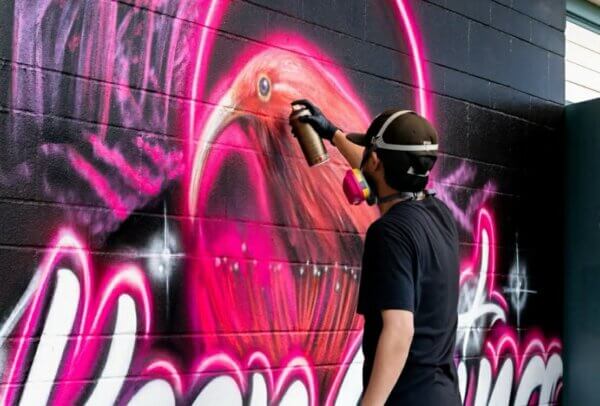
1. Reviving Local Stories Through Murals


Photo courtesy of Trysen Kaneshige, Founder of Inspire to Create Media

At the core of Trysen’s work is listening. On Kauaʻi, he spends time learning from residents about their histories, struggles, and sources of pride before creating any artwork. This approach reflects the values he also brings into Inspire to Create Media, where storytelling always begins with people.

The murals that follow are rooted in real voices. They transform blank walls into visual records that help locals feel represented and allow visitors to understand the island through the community’s lived experience.


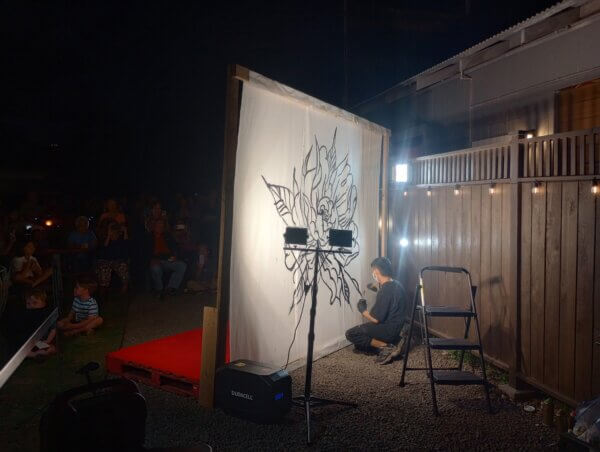
2. Designing With Aloha in Mind


Photo courtesy of Trysen Kaneshige, Founder of Inspire to Create Media

Aloha influences how Trysen collaborates, how carefully he considers each element, and how much intention goes into every decision. Design, for him, is about respect as much as aesthetics. That same mindset shapes the design work produced through Inspire to Create Media. 

Whether creating branding, apparel, or custom visuals, his goal is to make work that feels warm and grounded. Each piece is designed to reflect care, balance, and a sense of home rather than fleeting trends.


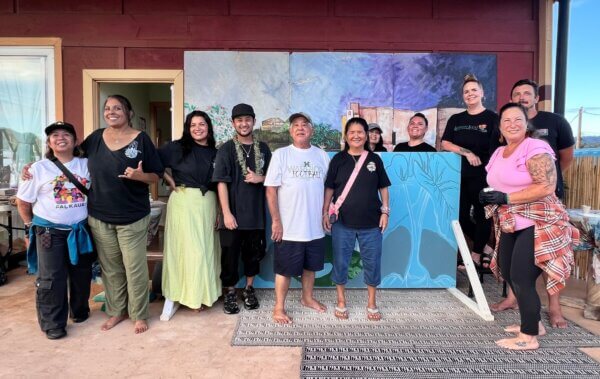
3. Empowering Youth and Community Spaces


Photo courtesy of Trysen Kaneshige (fourth from left), Founder of Inspire to Create Media

Beyond client work, Trysen uses both his art and his studio to invest in the next generation. Through partnerships with schools and wellness programs, Inspire to Create Media supports projects that turn shared spaces into places for expression and growth.

By involving young people in the creative process, he helps build confidence and identity. These initiatives focus less on the final product and more on giving youth a voice and a stronger connection to their roots.


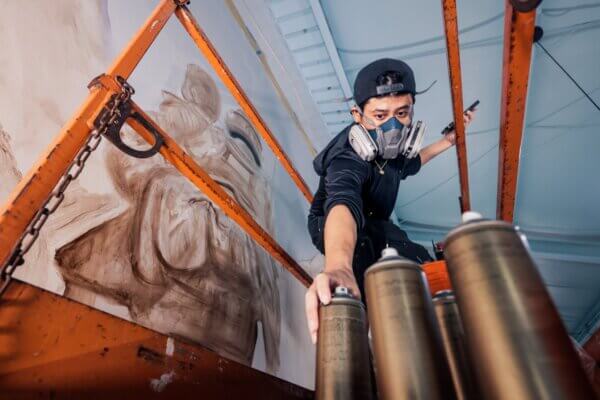
4. Building a Global Bridge From Island Roots


Photo courtesy of Trysen Kaneshige, Founder of Inspire to Create Media

While his work is deeply rooted in Hawaiʻi, its reach continues to grow beyond the islands. Through collaborations with global brands like Volcom and OluKai, Trysen shares an authentic island perspective with a wider audience.

These partnerships amplify his message without compromising its foundation. By staying grounded in culture, he shows that it is possible to connect with the world while remaining true to where you come from.


Photo courtesy of Trysen Kaneshige, Founder of Inspire to Create Media


Carrying Aloha Forward

At its core, Trysen’s work—through his art and his studio, Inspire to Create Media—is an ongoing act of care. Through each project, he honors his home, uplifts his community, and uses creativity as a way to carry Aloha forward with intention, respect, and lasting impact.

More than anything, his work reflects a belief that culture is something you actively protect and pass on. By choosing collaboration over ego and meaning over trends, Trysen ensures that Aloha is not only preserved, but lived, felt, and shared with future generations.

Discover more from Trysen Kaneshige here:

📍Facebook

📍Instagram

Learn more about Inspire to Create Media here:

📍Website

📍Instagram


01-png

Stories

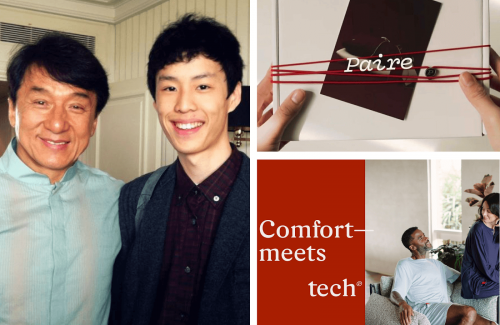
From Jackie Chan’s Assistant to Building Paire: How Nathan Yun’s Vision for Better Essentials Became a $15M a Year Brand

Nathan Yun did not start his career thinking he would one day build a consumer brand. His early years were spent on film sets and in editing rooms, learning how stories are shaped and how audiences respond to them. Working as an assistant to Jackie Chan gave him a front-row view of storytelling at its highest level. He watched how a single film could reach millions of people and create a shared emotional moment across cultures.

Yet over time, he noticed something that stayed with him. The inspiration was real, but it faded quickly. Once the credits rolled, people returned to their usual routines. That contrast made him question what lasting influence really looked like. Was it found in big, unforgettable moments, or in the small things people interacted with every day?

Paire grew out of that question, built not around trends or marketing tactics, but around everyday essentials, starting with socks. If stories could move people for a moment, Nathan believed products could shape how they lived every day.

From Film Sets to Daily Habits

Nathan came to understand that while stories stay with people selectively, habits are formed through repetition. Clothing, especially everyday essentials, plays a quiet but constant role in daily life. When something feels uncomfortable or wears out too quickly, people notice it immediately, even if they never say it out loud.

This insight marked a turning point. Nathan no longer wanted to create something people felt for a moment. He wanted to build something they could rely on every day. From the beginning, Paire was shaped around that idea.

Instead of chasing trends, the brand focused on fit, fabric, and longevity. The goal was simple: to make essentials people would reach for again without thinking.

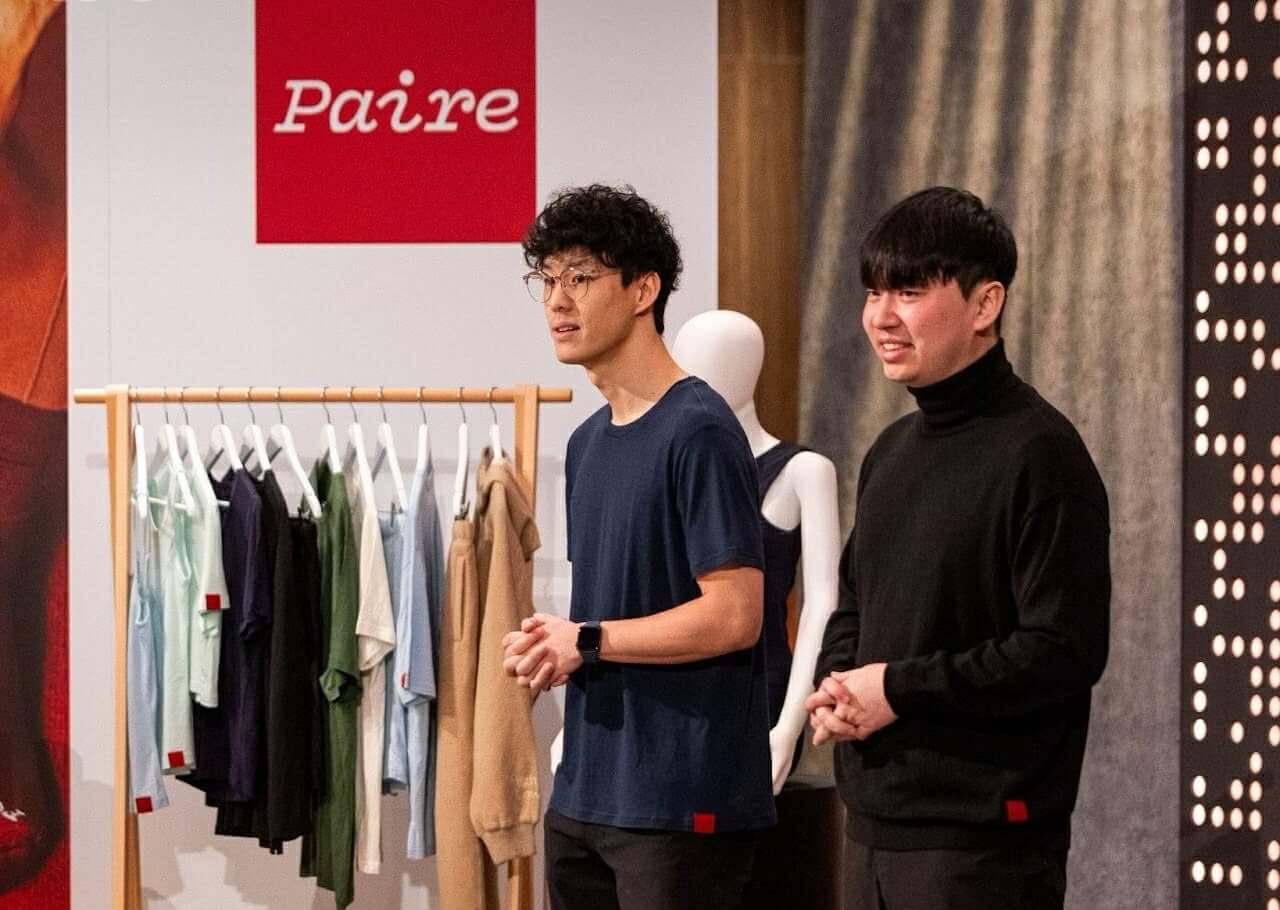
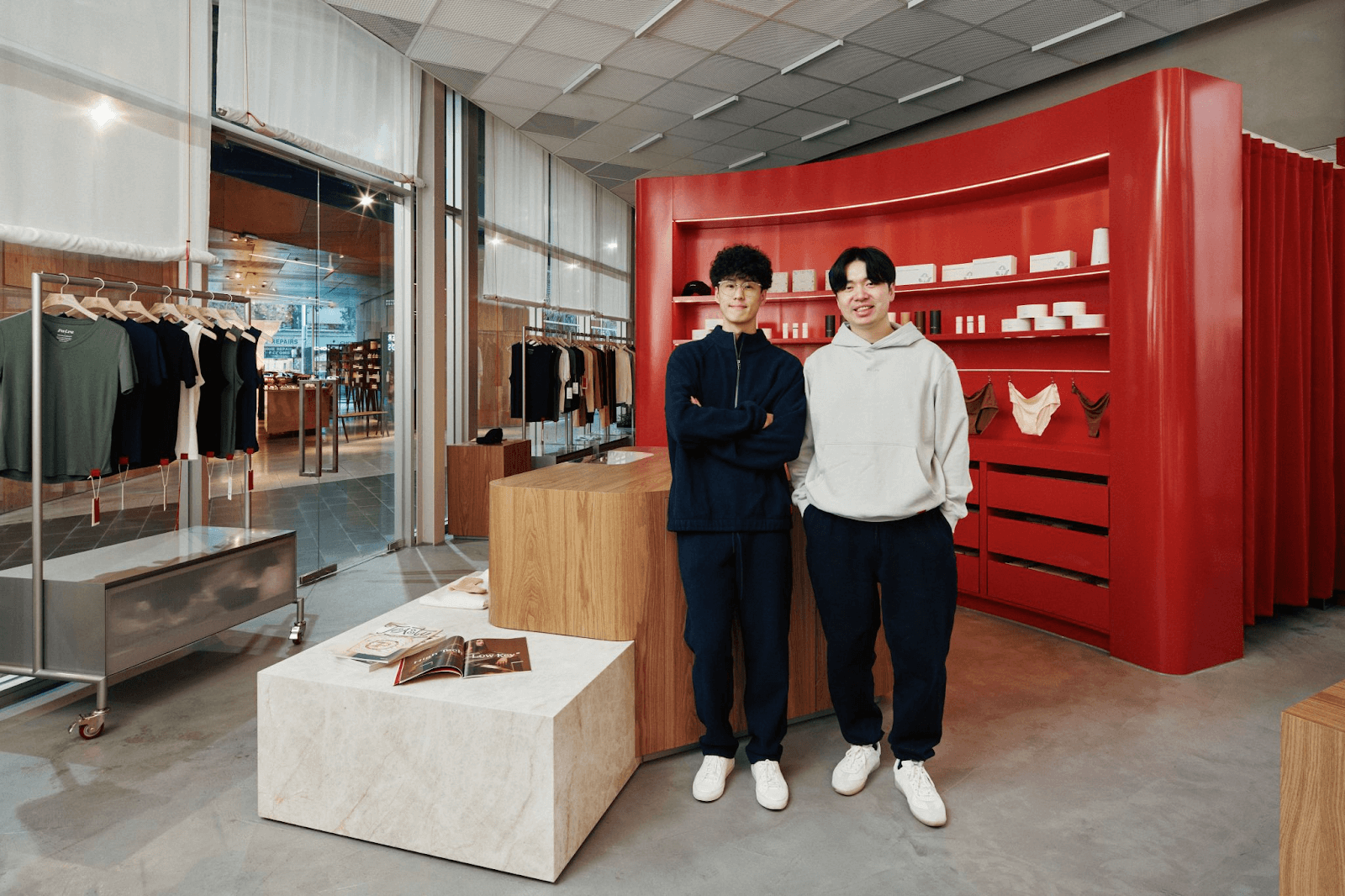
Nathan Yun (right), Founder of Paire

Learning How to Build Before Building His Own

Before launching Paire, Nathan spent five years at furniture startup Brosa, where he learned what it takes to grow a business beyond an idea. As the company expanded from a ten-person team to more than one hundred employees, his role evolved from content creation to leading brand and marketing.

During that time, he saw how forecasting affected inventory, how data guided growth, and how pressure increased as operations scaled. He also witnessed what happened when demand moved faster than systems, and how costly it could be to build those systems too late.

Those experiences shaped how Nathan approached entrepreneurship. He did not want to build Paire on instinct alone. He wanted a clear understanding of supply chains, margins, logistics, and customer behavior before committing to his own brand.

Nathan Yun (far right), Founder of Paire

The Trip That Made the Mission Personal

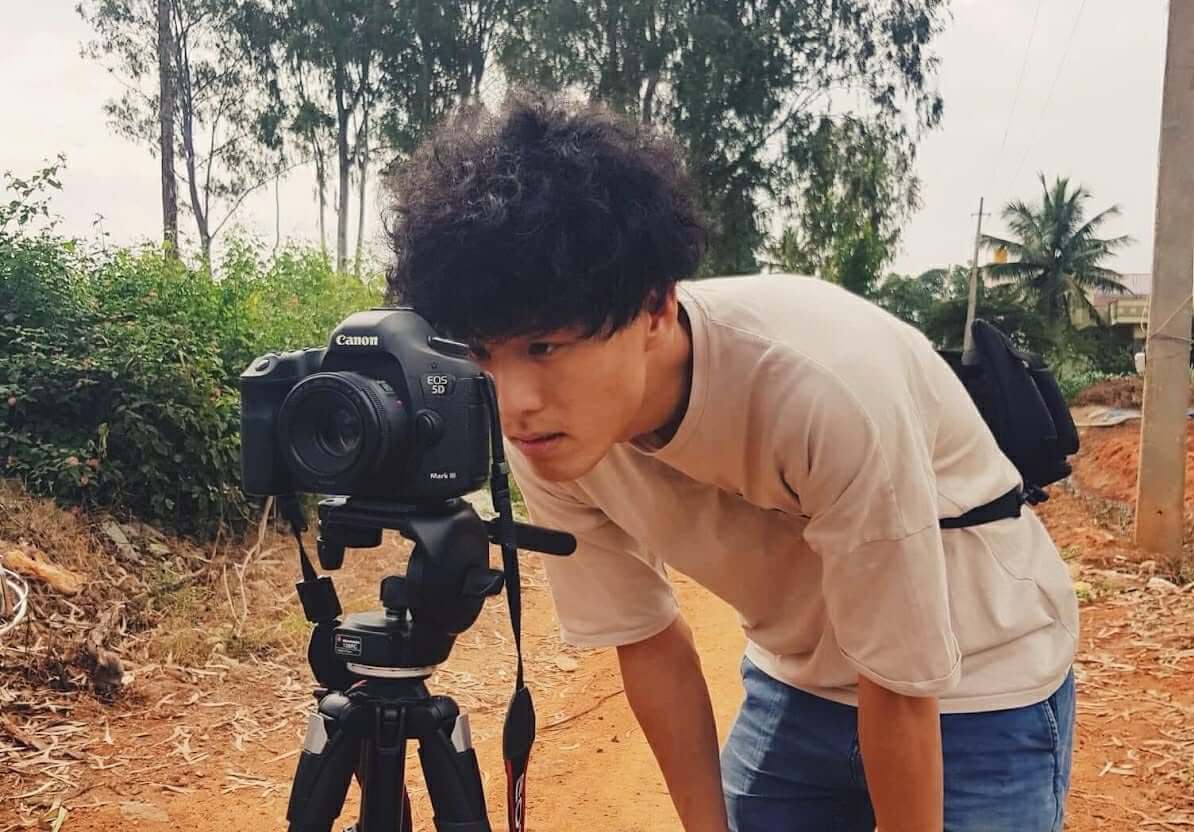
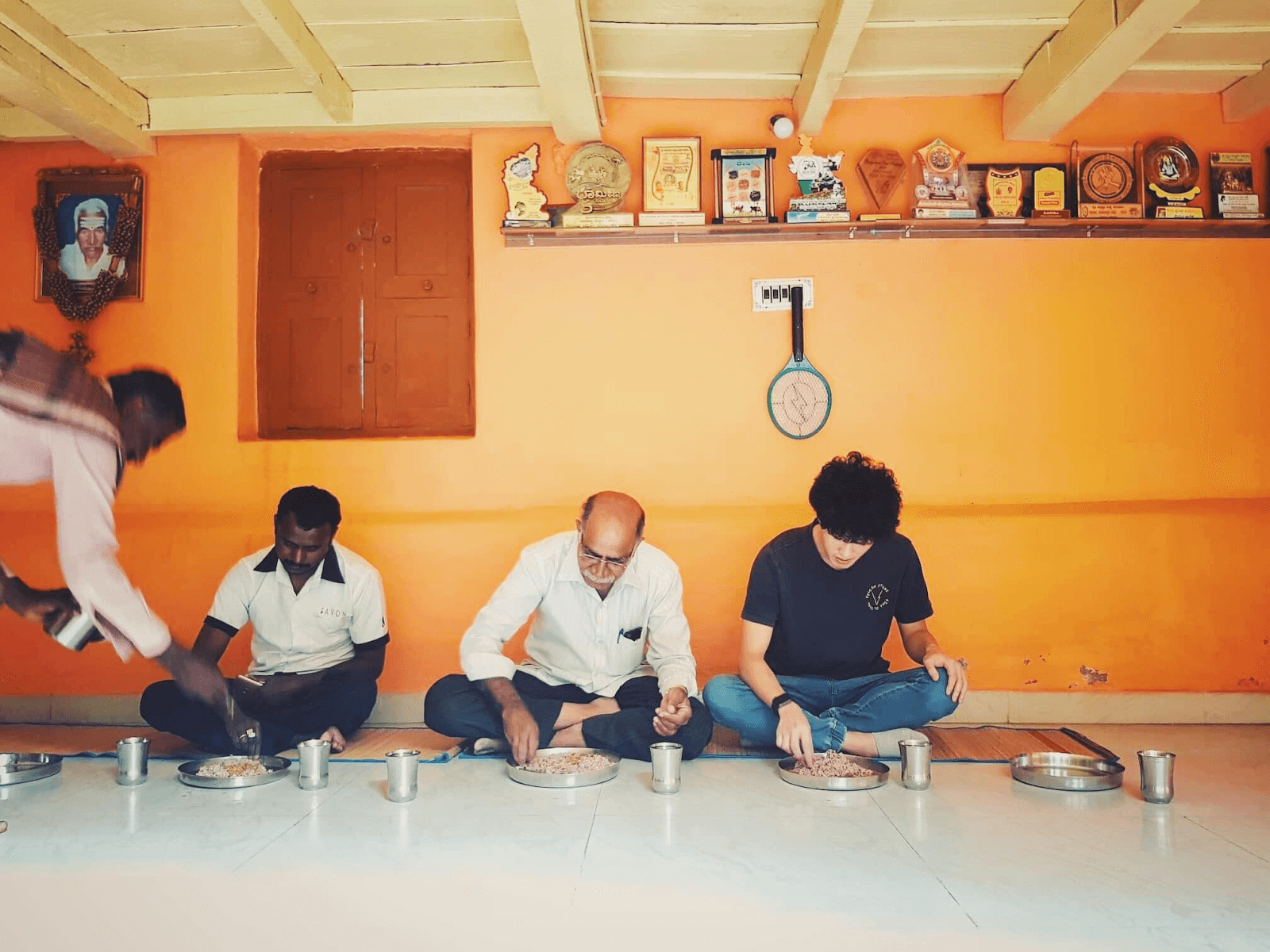
The purpose behind Paire became clear during a trip to India. Away from polished storefronts and online campaigns, Nathan saw the fashion industry in a very different light. He witnessed environmental damage near production sites and spoke with workers whose livelihoods depended on high-volume manufacturing.

“That experience made it clear something needed to change,” Nathan explains. What stayed with him most was how disconnected these realities were from everyday shopping habits.

Much of the damage he saw came from clothing treated as disposable. When he returned home, Nathan reached out to his longtime friend Rex, a textile expert. Instead of launching a wide range of products, they chose to start small. The focus was on improving a single item and making it last.

Nathan Yun (left), Founder of Paire

Earning Trust Through the Product Itself

Nathan understood that values alone would not earn loyalty. The product had to prove itself in everyday life. The team spent months refining fabric blends, improving breathability, and testing durability through repeated wear and wash cycles.

Pricing a pair of socks at twenty-four dollars came with risk. Most consumers were used to buying socks cheaply and replacing them often. But once people tried Paire, many returned. Nearly seventy percent became repeat customers, not because of marketing, but because the product became part of their routine.

By focusing on quality and longevity, Nathan Yun built a $15M-a-year brand that shows meaningful change does not always arrive loudly. Sometimes, it begins quietly, through the simplest things we rely on every day.

Follow Nathan’s journey:

📍 Website
📍 Instagram | LinkedIn

image (1)

Blogs, Development

What the Creator Economy Really Needs in 2026

The creator economy is no longer a niche corner of the internet. It is a $250 billion industry, powering modern marketing, culture, and commerce. Yet for the creators at its core, the experience often remains unstable and fragmented. Inconsistent rates, shifting platform demands, and “gifting” budgets paired with outsized expectations have left many navigating an ecosystem that hasn’t caught up to their value.

As we look toward 2026, the industry is approaching a tipping point. Growth alone is no longer enough. What creators need now are standards, systems, and support that allow them to build sustainable careers—not just viral moments.

Below are five critical shifts shaping the future of creator work, and the standards Meraki is building to support a stronger, more intentional industry.

1. Stronger Structure for a Growing Industry


Photo courtesy of Vivian Kwan (center), Founder of Meraki Group

While creator content has never been more polished, the backend of the industry remains disorganized. Uneven pay scales, scope creep mid-campaign, and unclear paths to professional growth are still common. Creators are often met with constant brief changes or “gifting” requests that require high-level deliverables without fair compensation.

The gap: There is no shared structure defining fair rates, clear deliverables, or realistic timelines across the industry. Expectations are often implied rather than stated, leaving creators to absorb last-minute changes, unpaid revisions, and expanded usage. Over time, this places most of the financial and emotional risk on creators instead of being shared evenly with brand partners.

The Meraki solution: Meraki builds every partnership on clarity. Terms and rates are established upfront, expectations are clearly defined, and communication stays transparent throughout the process. By setting strong boundaries early, creators are protected from underpayment, and brands begin each project with a shared roadmap for success.


2. Education That Powers Careers, Not Just Content


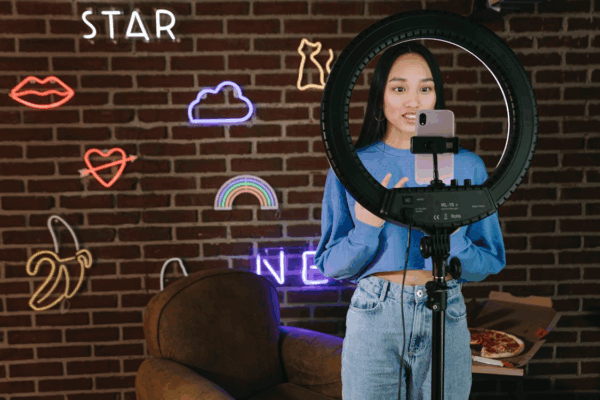
Image Source: Pexels

The biggest challenges creators face are rarely creative. They are structural. Pricing work correctly, understanding usage rights, and identifying harmful contract clauses remain major pain points—even for experienced creators.

Too often, creators are expected to learn these lessons the hard way.

The gap: Most creators enter the industry without access to professional guidance that supports long-term career growth. Knowledge around contracts, licensing, and negotiation is often gatekept or learned through costly mistakes. As a result, many creators stay stuck in short-term cycles instead of building sustainable paths forward.

The Meraki solution: Meraki focuses on training ethical, creator-first managers who act as true career partners. Through negotiation support and education around contract red flags, creators are equipped to think beyond the next deal and toward sustainable, multi-year growth.


3. Standards in Negotiation and Contracts


Image Source: Pexels

A significant number of creators still undercharge for their work, and 26% report needing help navigating contracts. Without standardized deal benchmarks, creators are often left guessing their worth—leading to pay gaps, rights misuse, and legal risk.

The gap: Negotiation norms vary widely, with no clear benchmarks for fair compensation or usage terms. Many contracts are written in dense legal language that creators are expected to sign without full understanding. This imbalance leaves creators vulnerable to losing control of their work and long-term earning potential.

The Meraki solution: Meraki empowers creators with defined negotiation standards and the confidence to secure fair, market-value deals. By demystifying contracts and usage terms, creators can focus on their craft knowing their income and intellectual property are protected.


4. Work Models That Protect Wellbeing


Image Source: Pexels

Burnout has become one of the industry’s most pressing issues, affecting more than half of full-time creators. The always-on model—driven by algorithm shifts and last-minute deadlines—is no longer sustainable.

Creativity cannot thrive under constant urgency.

The gap: Many campaigns are built around speed and volume rather than realistic creative timelines. Creators are expected to be constantly available, adapt instantly, and produce under pressure without recovery time. Over time, this erodes both creative quality and mental health.

The Meraki solution: Meraki advocates for structured planning and sustainable workflows. Campaign timelines are built to protect both creative quality and mental health, proving that high-level output does not require constant exhaustion.


5. Representation Rooted in Voice, Not Trends


Image Source: Pexels

Creators are increasingly resistant to being reduced to labels or treated as trend-driven checkboxes. True representation starts with understanding a creator’s voice—not forcing them into a predefined brand narrative.

The gap: Many partnerships remain transactional, prioritizing short-term relevance over genuine alignment. Creators are often selected to fill a category rather than for their perspective or long-term vision. This leads to inauthentic work that disconnects creators from their communities.

The Meraki solution: Meraki begins every partnership by listening. By understanding each creator’s goals and vision, Meraki aligns them with brands that share their values—fostering long-term relationships that feel authentic to both the creator and their community.


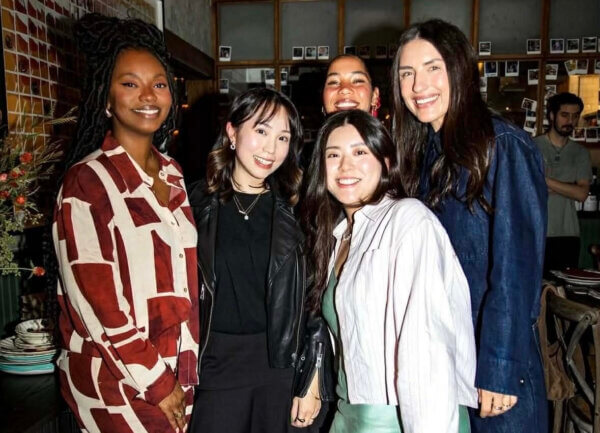
Photo courtesy of Vivian Kwan (second from left), Founder of Meraki Group


The Next Era: Purpose Over Pressure

As we look toward 2026, the transition from a “Wild West” to a professionalized industry requires more than just better tools—it requires a fundamental shift in how we value the humans behind the content. 

Meraki sits at the center of this new era, bridging creative passion with real professional growth. By pushing for fair standards, ethical representation, and sustainable careers, Meraki does more than manage creators; they help protect the future of creative work.wi

Learn more about Meraki Group:

📍Website

📍Instagram 

Joeydolls-Launch-Dolls-71-500px-jpg

Stories

Joeydolls by Samantha Ong: A Story of a Daughter’s Search and a Mother’s Mission

Where Identity Begins

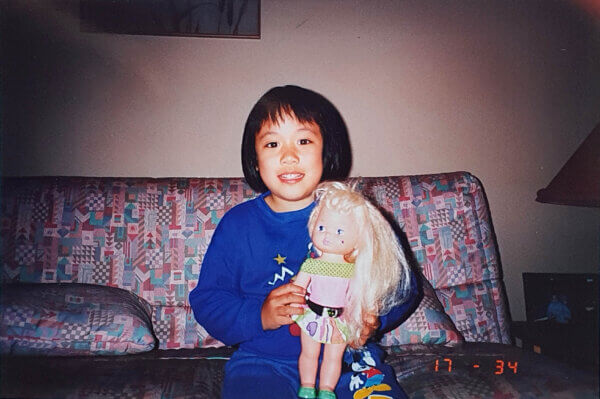
Growing up in Australia as part of a small minority shaped Samantha’s early understanding of identity. It taught her what it feels like to search for belonging, to look for pieces of yourself in the world and not always find them. Those early lessons sat quietly in the background as she moved into adulthood.

Her career began in finance, a path she chose for its stability and predictability. But creativity eventually led her in a different direction. She built a thriving wedding photography studio—one that grew from passion, long nights, and the joy of capturing love stories. It was a life she couldn’t have imagined at the start.

Then the pandemic arrived. Overnight, hundreds of thousands of bookings vanished. The business she had spent years building collapsed in an instant. And in that same period of loss, another reality weighed heavily on her: the rise in anti-Asian hate. As a mother, the headlines and the stories hit differently. Samantha began thinking deeply about the world she wanted for her daughters—what they would grow up seeing, feeling, and believing about themselves.

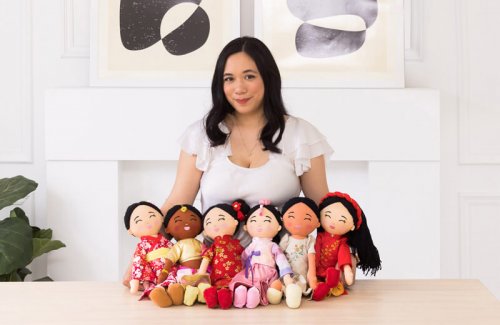
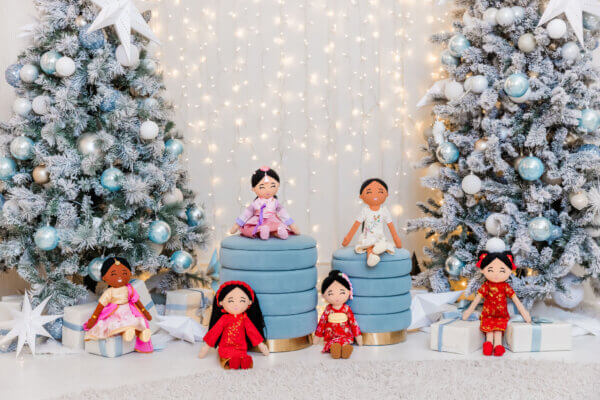
That led her on a simple search: dolls that reflected her daughters’ culture. But what she found were options that were limited, stereotypical, and often too expensive. It was a moment that crystallized something important. Realizing how quickly children learn about who they are, the idea for Joeydolls began to take shape—quietly, but powerfully.

Turning an Idea Into a Brand

An idea, however, is only the beginning. Turning it into a real toy brand meant stepping into a world Samantha knew nothing about. She had to learn everything from manufacturing to product design to e-commerce—starting from zero. There was no roadmap, just persistence and a mission that felt too important to abandon.

The timing made it even harder. Pandemic rules slowed communication. Shipping delays stretched out timelines from weeks to months. With very little funding, every decision mattered. Every misstep cost time she couldn’t afford to lose.

Then tariffs on goods from China jumped to 145%, and suddenly even the future of the business came into question. There were moments when it all seemed impossible—too expensive, too complex, too overwhelming for one person to navigate.

But Samantha kept going. She kept refining the vision, pushing through setbacks, and holding onto the mission that started it all. And she didn’t do it alone. Throughout the long nights and the uncertainty, she was supported by a husband working multiple jobs so she could stay focused on building the brand their daughters—and so many other children—deserved.

A Brand With a Bigger Purpose

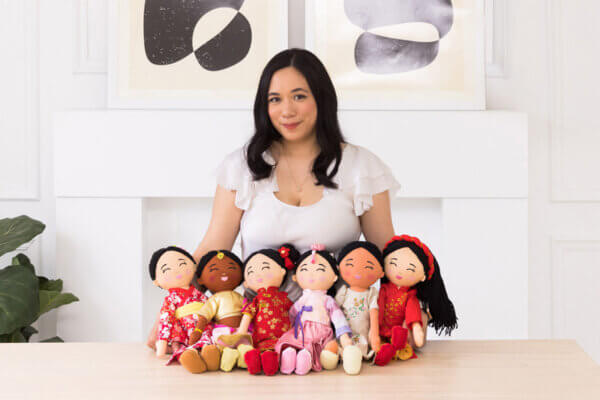
Today, Joeydolls has sold over 15,000 dolls and earned major recognition. But those numbers only tell part of the story. At its heart, the brand is Samantha’s answer to a question that began during one of the hardest moments of her life: How do we help children grow up seeing their cultures celebrated, not erased?

Joeydolls stands as that answer—a way for children to see their cultures reflected with pride, dignity, and everyday joy. What started as a search for her own daughters became a mission to help thousands of children feel seen, valued, and connected to where they come from.

A single doll can seem small. But for many families, it’s a beginning. And for Samantha, it’s proof that representation—when created with care—can grow into something far bigger than one person’s story.

Learn more about her story here: https://www.joeydolls.com/