News

February 14, 2025

SHARE:

The Immigrant Struggle

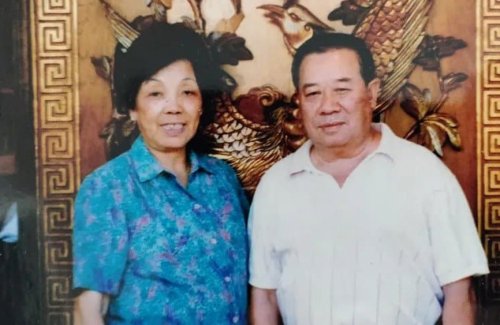
“We dream of going to America, to change our lives, we believed. But my life changed so much. I felt sad about life, didn’t know the language, and didn’t know the roads. I had no friends, so I felt very sad.” – Phong, a Vietnamese American expat interviewed by the Pew Research Center.

“I sometimes, just a little, wish that I would disappear so that my parents and my sister could be better off.” – Nolan, an Asian American interviewed by the Pew Research Center.

Dreams vs. Reality

The American Dream is often celebrated as a path to success, yet its reality is far more nuanced. Tales of rags to riches from Asian peers suggest its promise, but the Pew Research Center reports that one in ten Asian Americans still live in poverty as of 2024. The issue lies not solely in the Dream itself but in how it is constructed and understood.

For many Asians, the American Dream is synonymous with upward mobility achieved through hard work and resilience—a belief that effort alone can overcome systemic barriers. But resilience, by its nature, demands enduring hardship and accepting foreignness, perpetuating a narrative that reinforces isolation and discrepancy.

The American Dream is synonymous with upward mobility achieved through hard work and resilience (Image Source: Roberto Parada)

The American Dream is synonymous with upward mobility achieved through hard work and resilience (Image Source: Roberto Parada)

The Illusion of Gold

The idolization of a Western nation paved in gold is an illusion that perpetuates xenophobia and the model minority myth. This ideological flaw is alluring and dangerous. We have all heard heartbreaking stories of illegal labor exports and stowaway immigrants. Yet we tend to remember the rags-to-riches stories because it is comforting to view ourselves as the ones who might make it. All while labeling these immigrants as illegal, the other, the individual Asian Americans who will live in poverty. But by doing so, we have fallen trapped in the American Dream, clawing our way to the top for the sake of others. 

After the pandemic, anti-Asian and hate crimes have increased. The encounter paints a reflection of our society, there is no line between the one and the other nine, we are Asians and that is our identity. Then is the American Dream a lie? Not necessarily—but it is far from universal.

Community as the Key

Like all dreams, it is what we make of it.  Whether in America, Asia, or any part of the world, opportunities coexist with difficulties. Moving to another country means tackling obstacles such as language and cultural barriers alongside the burden you once had at home. Statistics show that 61% of Asian adults seek family and friends when facing financial burdens. This can become challenging when migrating to a new country. 

The key lies in recognizing that success is not achieved alone. Building networks and fostering solidarity within communities can challenge the isolating demands of resilience and redefine the Dream as a collective effort toward meaningful progress.

The American Dream is both a beacon of hope and a paradox. For many Asian Americans, the pursuit of upward mobility comes with sacrifices that are often overlooked. Yet, success doesn’t need to be a solitary journey. By embracing shared struggles and fostering a supportive community, one can find hope by redefining what the American Dream truly means.

Sources: Pew Research Center – 1 in 10: Redefining the Asian American Dream (Short Film), Pew Research Center – The Hardships and Dreams of Asian Americans Living in Poverty, Edelman, C&EN, Reappropriate.


Related Articles

cosmetics design asia-png

News

Baemin Introduces Skincare and Makeup Brand Lazy Bee in Vietnam

South Korean delivery giant, Baemin, has expanded its business horizons by venturing into the world of beauty in Vietnam. The company recently unveiled its very own beauty brand, Lazy Bee, offering a range of skincare and makeup products. This strategic move helps Baemin in diversifying its services beyond food delivery while capitalizing on the growing popularity of K-beauty trends in Vietnam.

Lazy Bee’s product lineup consists of 11 items, including facial masks, lipsticks, and toner pads. The brand’s core mission is to provide accessible and effective beauty solutions tailored to the specific needs of Vietnamese consumers. With Vietnam’s humid climate and environmental factors affecting skin, Lazy Bee focuses on creating products that address these challenges. The brand’s formulations are enriched with natural ingredients, such as calendula and red ginseng, sourced from Korea to cater to the local climate and skin types.

In its current phase, Lazy Bee products are exclusively available through the Baemin app, catering primarily to customers in Ho Chi Minh City. Baemin is actively working to enhance the user experience within the app. Additionally, the brand is organizing on-ground events in Ho Chi Minh City, offering customers the opportunity to personally experience their beauty products.

Looking ahead, Lazy Bee has ambitious plans for expansion. The brand aims to extend its reach through online sales platforms like Lazada, Shopee, and TikTok Shop in the coming months. Furthermore, Lazy Bee intends to establish a physical presence by collaborating with beauty retail chains and convenience stores. The brand is set to broaden its footprint by entering the Hanoi market and offering nationwide shipping, firmly positioning itself as a contender in Vietnam’s dynamic beauty industry.

Featured Image Source: Tin Tuc

News

Naomi Osaka Breaks Her Silence About Mental Health Struggles in Sports

In a candid discussion on mental health in sports at the Billie Jean King National Tennis Center, the four-time Grand Slam singles champion Naomi Osaka shared her personal battle with depression and how it made her “very scared of social media.” She has been an outspoken advocate for mental health in sports, and her revelations shed light on the challenges athletes face both on and off the court.

Osaka’s journey to becoming a vocal advocate began with her withdrawal from the 2021 French Open due to depression and anxiety. This incident had a significant impact on the discourse surrounding mental health in sports, prompting a much-needed conversation. During the panel discussion, which included luminaries like Olympic swimmer Michael Phelps, U.S. Surgeon General Vivek Murthy, and Dr. Brian Hainline, Osaka discussed various aspects of mental health, including the role of social media.

Osaka admitted that somewhere along the line, she got very scared of social media. This fear highlights the immense pressure athletes face in the digital age, where the relentless scrutiny of their personal lives can exacerbate mental health struggles.

During her hiatus from tennis, taken for her mental well-being and the birth of her daughter, Shai, Osaka gained a new perspective on her career. She emphasized the need to cherish every moment in the sport she loves and encouraged others to reach out for support when facing mental health challenges. She revealed to ESPN that she has plans to play again at the Australian Open next year in January.

As Osaka continues to use her platform to promote change, the sports world is gradually recognizing the significance of prioritizing mental health alongside physical performance.

Featured Image Source: Naomi Osaka

News

Expanding the Legacy of a Family-Owned Chinese Restaurant Chain

In the heart of Los Angeles is a vibrant embodiment of the American dream—a dream realized through the culinary journey of a family-owned Chinese restaurant chain.

In the early 1960s, Kai Tai Chang and his wife, May, left Hong Kong for Los Angeles, seeking a better future. Kai Tai, driven by his unwavering work ethic, found opportunities in Chinatown’s food industry. He worked tirelessly, holding multiple jobs to support his family.

Kai Tai’s dedication led him to become a chef at the Phoenix Inn, a restaurant at Ord and New High streets. Over time, a strong friendship with the retiring owner paved the way for him to purchase the restaurant.

May Chang played a pivotal role as the welcoming face of the Phoenix Inn, forging personal connections with customers. For two decades, the Chang family thrived by prioritizing personalized service, valuing their staff, and offering delicious cuisine.

In 1997, the family expanded to Alhambra, introducing a unique addition to their menu—desserts, including classic Asian treats and fresh fruit options. Their commitment to culinary excellence, even sending Elaina to Le Cordon Bleu in Pasadena to hone her pastry skills, was rewarded with success.

Image Source: KTLA

Despite the challenges posed by the pandemic, Phoenix persevered with take-out and delivery services, expanding to its 13th location in San Diego in 2023. Nick Chang, the next generation, took the reins as president in 2021, committed to maintaining their high standards of quality and exceptional customer service as they continue to grow.

The Chang family takes pride in their legacy, built on a foundation of culinary excellence and heartfelt service, reflected in the glowing Phoenix signs that now shine beyond the Southland.

Featured Image Source: KTLA

Spectrum News-jpg

News

Young Entrepreneur Olivia Huynh Rockets to Success with Unique Bubble Tea Shop

In the heart of North Texas is an extraordinary 11-year-old, Olivia Huynh, with big dreams and ambitions as diverse as acting, singing, and artistry.

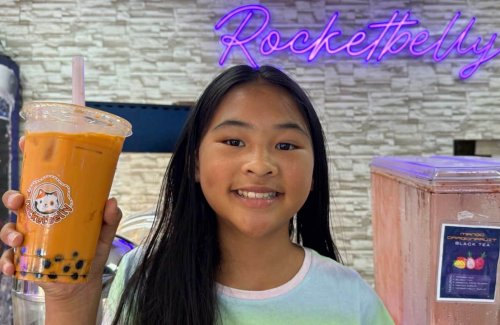
At her young age, Olivia is the proud owner of Rocketbelly, an Arlington-based bubble tea shop claiming to be the sole self-serve boba tea destination in Texas. “She really is the owner,” said Olivia’s mother, Mary Huynh, to Spectrum News. “She thought of the concept and runs the place. Most of the money we used came from money she’s earned in modeling and acting gigs.”

Olivia was 4 years old when she expressed her desire to be in movies. Her mother created a YouTube channel, featuring a young Olivia’s DIY arts and crafts, sweet treat tutorials, and imaginative gift ideas. Simultaneously, Olivia started auditioning for commercials, landing roles in major brand advertisements.

As for Rocketbelly, the outer space-themed shop opened its doors in the fall of 2022,  offering a diverse range of 10 milk tea and two fruit tea flavors, along with 28 different toppings, including freshly made boba.

Image Source: Spectrum News

The Huynh family has ambitious plans to expand Rocketbelly to multiple locations across North Texas, while Olivia remains resolute in pursuing her acting career with the full support of her family.

Featured Image Source: Spectrum News