News

February 5, 2025

SHARE:

Most people often overlook long-term care until they are older or faced with no other choice. Unfortunately, by that point, it may already be too late. Lily Vittayarukskul was pursuing a degree in aerospace engineering when she witnessed both her oldest brother and mother battle with an illness that required extensive long-term care. The situation became even more challenging when her aunt was later diagnosed with terminal colon cancer. The seek for quality care became daunting, even for those fortunate enough to have some form of insurance.

As a member of a Cambodian immigrant family, Lily experienced the challenges of caregiving firsthand, but the financial burden became unbearable. In a recent interview with TechCrunch, she exclaimed,  “It wiped us out financially.” The profound emotional and financial impact of the experience ultimately led her to shift her focus to genetic and data science.

Finally, in December 2021, she decided to take action by founding Waterlily, a San Francisco-based startup aimed at helping individuals and financial advisors navigate long-term care planning through cost modeling and funding strategies. Using artificial intelligence (AI) to forecast a family’s future long-term care needs and expenses, Waterlily predicts a family’s future long-term care needs and expenses, guides them in creating a care plan, and identifies the most suitable ways to finance it. Options may include purchasing life insurance with a long-term care rider, investing in a dedicated LTC policy, utilizing annuities, or self-funding.

Lily explains, “Most people begin thinking about long-term care between the ages of 65 and 70, or only when they need it, but by then, it can be too late.”

Leveraging more than 500 million data points and machine learning algorithms, Waterlily delivers highly personalized care and cost predictions. The platform forecasts when long-term care may be required, how it will unfold, and the potential expenses involved. Lily proudly states, “We have formal data-sharing agreements with long-term care providers, government databases, academic research studies, and individual users.”

Waterlily’s vision is undeniably compelling, and Lily isn’t the only one who sees its potential. She initially launched the company as a solo founder, but it soon caught the attention of angel investor Evan Ehrenberg, the former founder of Clara Health. Evan became intrigued by Waterlily’s early research and the industry’s reaction. Curious, he tested the platform himself and was stunned by its long-term care predictions—so much so that he hired a personal trainer, adjusted his diet, and revised his financial plans. Impressed by its impact, Evan, who became MIT’s youngest neuroscience PhD, officially joined Waterlily as a co-founder.

Evan Ehrenberg [left] and Lily Vittayarukskul [right] together (Image Source: Evan Ehrenberg)

Lily believes Waterlily differentiates itself from competitors by providing a more personalized experience through deep predictive modeling integrated into a user-friendly platform. Although it only launched in March 2024, the company’s monthly recurring revenue (MRR) has already grown to more than 22 times its initial level. Waterlily now serves eight major clients, including several Fortune 100 insurance carriers and Prudential.

Looking ahead, Waterlily aims to expand its services to include disability, critical illness, hospital indemnity, and Medicare planning, enabling families to make more informed health coverage decisions. Additionally, the company is exploring opportunities for international growth, with plans to enter markets in Asia, Canada, and the U.K.

John Kim, former president of New York Life and investor of Waterlily, sees the platform as the first AI-native guidance tool addressing one of the most pressing challenges of an aging American population.

Kim concluded, “Long-term care insurance is a growing and largely underserved need among trusted advisors today. Waterlily’s guidance tool stands alone in its ability to provide customized, personalized recommendations for long-term care needs. I believe it will be a game changer for the LTC insurance marketplace.”
Related Articles

LA Times-jpeg

News

How a Local Grocery Turned into One of The Largest Supermarket Chains in The US

99 Ranch is a beloved Asian supermarket chain turned into a national powerhouse, under the management of the second-generation owners, Jonson and Alice Chen.

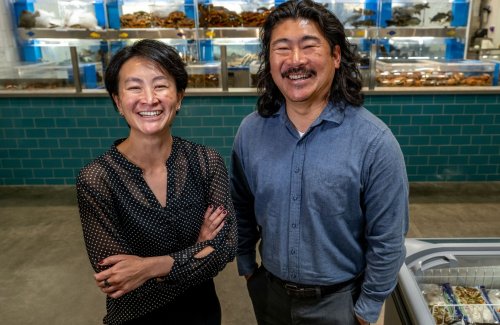
Established in 1984 in Westminster by their Taiwanese immigrant father, Roger Chen, the grocery store has now evolved into one of the largest Asian supermarket chains in America, with 58 stores in 11 states and its headquarters in Buena Park, California.

Catering extensively to ethnically Chinese communities, 99 Ranch Market has become more than just a grocery store for many Asian Americans in California. The name “99 Ranch” carries a double meaning: “ranch” symbolizes freshness, while “99,” pronounced “jiu jiu” in Mandarin Chinese, conveys longevity – signifying the company’s pursuit of near perfection with a commitment to constant improvement.

Jonson and Alice Chen represent the new generation of leadership steering the nearly 40-year-old grocery chain’s expansion across the United States. As children, they spent countless weekends at the store and their childhood experiences provided them with valuable insights and knowledge.

Today, the company grows most of its produce on specialty farms across the United States and Mexico, with a team of over 7,000 employees, 82% of whom are bilingual, to cater to the diverse needs of their customers.

According to Yahoo FInance, Part of 99 Ranch’s success lies in its responsiveness to the changing tastes of its customers. As trends evolve, the company actively includes Filipino ingredients, skewers, and spicy Sichuan flavors in their offerings.

As the Chen siblings carry the legacy of 99 Ranch forward, their commitment to serving their community and striving for excellence remains steadfast, ensuring the supermarket chain’s continued success on a national scale.

Featured Image Source: LA Times

tatler asia - maia & elaine-jpeg

News

These Dynamic Female Duos are Redefining the Food and Beverage Industry

The food and beverage industry, long dominated by men, is witnessing a transformation as a new wave of young female duos are making their mark and reshaping the sector to reflect their own vision. These inspiring women are blending their Asian heritage with a global upbringing and a willingness to take risks, showcasing the power of collaboration and innovation.

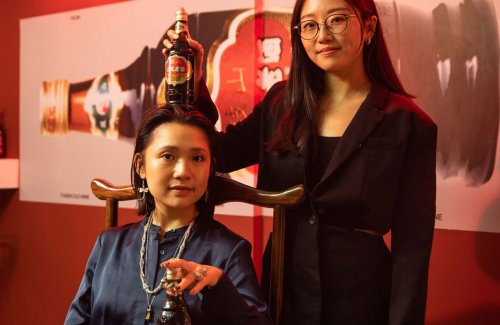
Elaine Chen and Maia Mah perfectly demonstrate this, as the regional director and creative director of Fukien Old Wine, a 181-year-old Chinese cooking wine brand. They organized a cocktail pop-up event at Soho House Hong Kong, combining traditional Chinese wine with modern trends.

Despite facing initial skepticism from their male-led head office, Chen and Mah are determined to introduce new ideas and adapt to societal changes. The success of the event surprised their colleagues, highlighting the duo’s ability to think outside the box.

Meanwhile, in Taiwan, Square Jao, a production designer, and her partner Lily Lin opened Plants Eatery, the country’s first gluten-free, whole-food restaurant. After the Fukushima disaster, Jao and Lin embarked on a mission to promote sustainable eating and raise awareness about the impact of food choices on the environment.

While vegetarianism is already popular in Taiwan, Jao and Lin’s restaurant offers strictly plant-based, gluten-free options, avoiding processed mock meats. Aside from their restaurant, they also published a cookbook in hopes to influence culinary schools to embrace plant-based and gluten-free cuisine, according to Tatler Asia.

In Japan, Eri Miyagi and Miki Nomura, both third-culture kids raised in the US, co-founded Cabi, a condiment brand aimed at introducing the flavors of Japan to Gen Z and Millennial home cooks. Cabi’s debut seasonings, including umami dashi soy sauce, sweet yuzu vinegar, and zesty sansho peppercorn miso, are designed to be versatile and cater to the modern urban lifestyle.

The rise of these female duos serve as an inspiration for a lot of underrepresented individuals, and remind us that with the proper determination and great collaboration, anything is possible.

Featured Image Source: Tatler Asia

seattle opera-jpeg

News

‘Bound’ Premieres at Seattle Opera Illuminating the Struggles and Triumphs of Asian Americans

Huang Ruo’s captivating chamber opera, “Bound,” made its highly anticipated premiere at Seattle Opera’s Tagney Jones Hall.

The opera sheds light on the enduring discrimination faced by Asian Americans, a social issue that has persisted since the enactment of the Chinese Exclusion Act in the late 1800s. Huang Ruo, a prominent Chinese composer, openly explores these themes, creating a thought-provoking, visually stunning, and musically intense work. Teaming up with librettist Bao-Long Chu, a Vietnamese poet, both artists made their Seattle Opera debuts, showcasing their impressive talents and expertise.

“Bound” narrates the experiences of second-generation Asian immigrants who grapple with their cultural heritage while striving to be fully embraced as Americans. Inspired by the true story of a high school student imprisoned due to truancy, the opera delves into the conflicts between individual aspirations and familial obligations. 

The characters in “Bound” are intricately bound in their own ways. Diane Tran, the protagonist portrayed masterfully by Karen Vuong, grapples with the rules and expectations of being a second-generation Asian adult, constantly torn between her family, work, and education. Khanh, Diane’s mother, haunted by guilt and memories, remains tied to her immigrant past. Judge Moriarty, who sentences Diane to imprisonment, represents an unjust system lacking empathy and understanding.

Huang shared with The Seattle Times that he aspires to fill every performance with a diverse audience, showcasing how opera reflects the lives and times of contemporary society. He firmly believes that opera is not solely for the elite few, as it reflects the diverse experiences of many.

Featured Image Source: Seattle Opera

cnbc-jpg

News

CEO Rose from Poverty to Build a Billion-Dollar Startup in Indonesia

EFishery, an agritech startup in Indonesia, has achieved unicorn status with a valuation of $1.4 billion, following a successful Series D funding round.

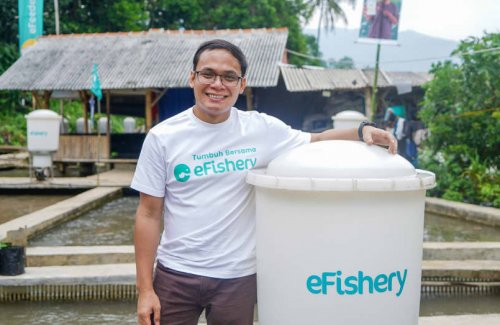
The company, co-founded by Gibran Huzaifah, who grew up in a disadvantaged neighborhood in Jakarta, raised $200 million in the latest funding round, led by Abu Dhabi’s 42XFund, with its value tripling from more than $410 million in 2022.

Notable participants in the funding round include Malaysia’s state pension fund Kumpulan Wang Persaraan, ResponsAbility Investments AG, 500 Global, and existing investors such as Northstar Group, Temasek Holdings Pte, and SoftBank Group Corp.

EFishery serves approximately 70,000 fish and shrimp farmers in Indonesia, providing them with technological solutions for their aquaculture operations. The recently secured funding will enable EFishery to fuel its expansion plans in Indonesia and India. Moreover, CEO Gibran Huzaifah expressed his ambition to pursue an initial public offering (IPO) in either the United States or Indonesia within the next two years.

According to Bloomberg, Huzaifah aims for EFishery to become a global leader in the aquaculture industry over the next five years, with an IPO potentially taking place as early as 2025.

Huzaifah grew up in the vicinity of slums in eastern Jakarta facing financial hardships due to his father’s job loss during his university years. With limited resources and no support network in a new city, Huzaifah found himself seeking shelter in various places, including the university campus and local mosques. At one point, he endured a three-day period without food. 

The personal story of CEO Gibran Huzaifah from poverty to building a billion-dollar startup serves as an inspiration to anyone facing adversity, showing that success can be achieved regardless of one’s humble beginnings.

Featured Image Source: CNBC