News, Stories

August 22, 2022

SHARE:

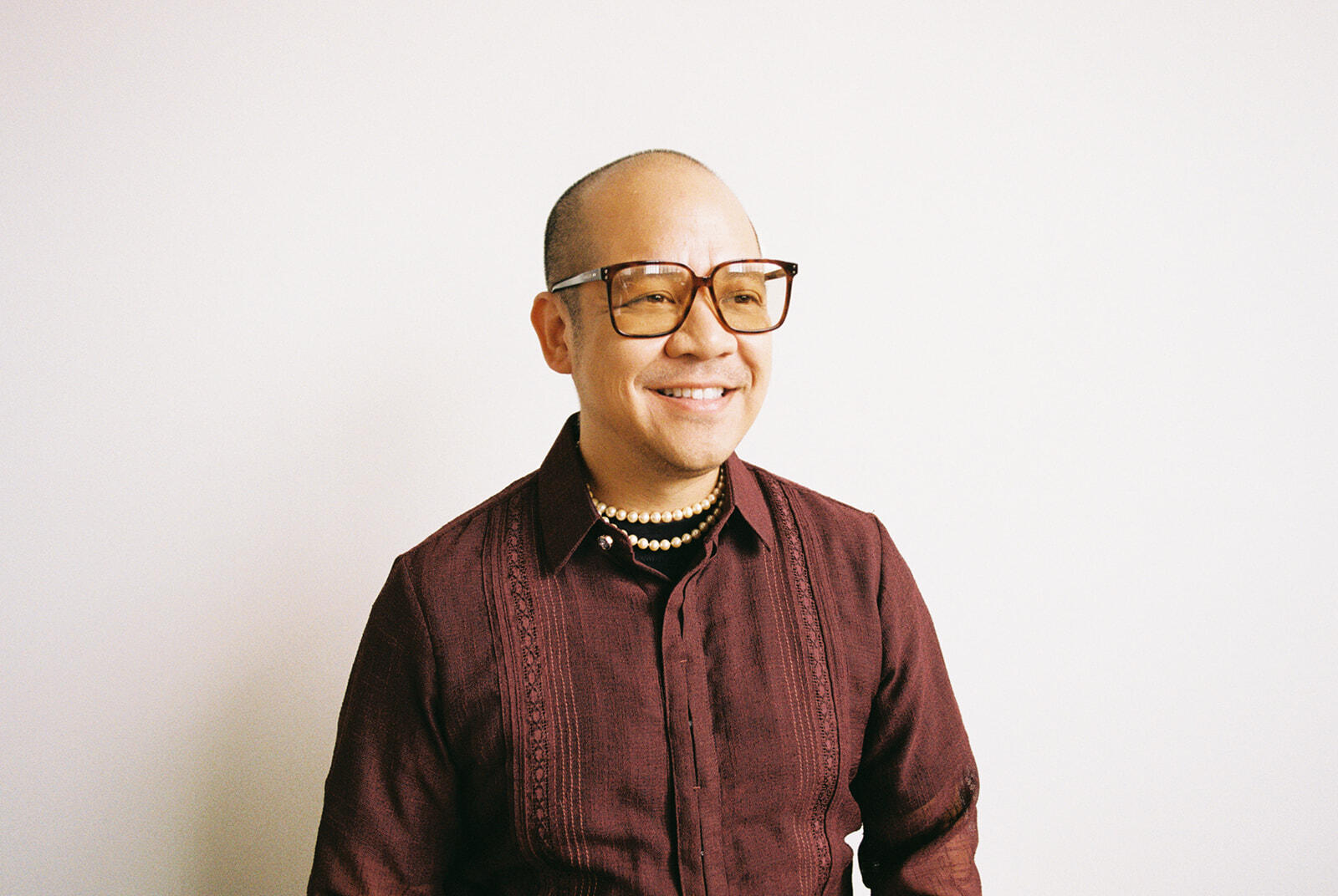
Jeremiah Abraham, the founder and CEO of Tremendous Communications, had bumps in the road in getting to where he is today. Starting his business right before the pandemic, he doubted the path that he created and considered quitting everything that he was doing. But with mentors along his side and his determination to uplift the AAPI community, his company has contributed to protecting and celebrating the Asian American and Pacific Islander communities when they needed it the most.

Working at renowned companies like Disney and Warner Bros., Jeremiah has spent years hustling at the intersection of technology and entertainment. Using his talent in marketing, he has constantly shed light on the AAPI community by promoting films such as Everything Everywhere All At Once and co-producing the Filipino American musical drama film Yellow Rose. He still finds ways to balance work and life by tearing down the systematically ingrained notion of working from 9 to 5.

In this one hour interview, Jeremiah lays out his story of how he entered this industry, experiencing ignorant approaches to different cultures in a white dominant workplace, and his immense passion for AAPI representation.

Blend of Tech and Entertainment

I got my degree in computer engineering from UC Irvine and that was when I needed to decide what I wanted to do in life. I wanted to make a difference in technology back then, so I got that degree. One of my first jobs was in the aerospace industry. I was working there and I realized that I was just really bad at math. I didn’t think I could realistically pursue this as a long-term career. It was one of those moments where you had to have this introspective, realization, or catharsis about what you thought you were going to be and what you want in life.

Then I found this blend of tech and entertainment, which I was always interested in. I ended up being a front-end developer for Disney, which was a nice blend of the programming skills that I learned from school and the entertainment brands that I’ve always admired. Social media was still fairly new at these companies. This was back in 2007, and I would say that the biggest leap from this tech world to this communications world was when I discovered a Master’s program for Digital Social Media and Online Communities at USC. So I worked at Disney full-time, and at night I tried to get my master’s degree. I knew in my head what I wanted to build for myself and that was this intersection.

An intersection of my interest in engineering and social dynamics is interesting because a lot of people didn’t know why I even majored in computer engineering and minored in sociology. Engineers build societies, but you can’t build it without understanding it first. I ended up pursuing this even more and realized that I had a knack for marketing which I ended up pursuing after receiving my degree at USC.

Uplifting the Filipino Community

After I got my master’s degree, I decided to pursue my thesis project as a full-on business venture, which was an online community and editorial group for Filipino Americans called BakitWhy.com. Uplifting the Filipino community has always been a constant in my life. Since high school, I was part of a Filipino club where we celebrated our culture and volunteered for Filipino community organizations. I knew that whatever I did, whether it was engineering or marketing, was in the service of our people.

So I started this website and it was one of the first, if not the first, Filipino American digital destinations for editorial and news content. We were covering events and a new emerging digital identity among the Filipino American community. I called this the golden age of Filipino YouTubers back in 2007. These were the days of HappySlip, NinjaDrops, ndtitanlady, and more. We were able to rally this community both on the digital side and also offline to develop not just a thriving company and brand, but a lifestyle destination that people could relate to. I wanted to create something wonderful for us.

One of the things that I pride Tremendous on is that we’re not just there to engage the AAPI community as a business, but we primarily want to instill genuine progress and impact. We are immersed in our Asian American community. We don’t clock out after a certain time and say “Sorry we’re done today Asians, it’s five o’clock and we’re not going to do anything anymore.” No, this is our life. This is what fulfills us and I think it helps set our campaigns apart. The way we communicate and interact with our clients also influences the strategy we give to them because we’re not just looking at numbers, we’re looking at people. We are all about uplifting authentic Asian American experiences, diasporas, stories and narratives. For us not to be authentic with that presence in our daily lives would be hypocritical.

One of the things that I pride Tremendous on is that we’re not just there to engage the AAPI community as a business, but we primarily want to instill genuine progress and impact

– Jeremiah Abraham

Marketing in a White Dominant Setting

There was one instance where I was the only person of color in the room at a large entertainment company, still very green and inexperienced. I didn’t feel like I had the authority and the voice to chime in and redirect these senior leaders of this space. And they’re sitting around going like, “Hey, it’s February next month. It’s almost Black History Month. What can we do?” And then someone just started listing off all the movies in their catalog that had some resemblance of Black narrative. And I’m just like, “All right, well, that’s very top-level. But what more can we do? Can we bring in more people who actually represent this community in the room and have a conversation about it?” That situation really helped me realize that we needed to be part of that room of decision-makers. Being there that day sparked a drive in me that I’ll never forget.

One of the things that I had issues with while leading the publicity and marketing for Yellow Rose before we got acquired by Sony Pictures, was that people didn’t understand what Filipinos were, that our stories were relatable to all moviegoers, and that we were equally as valuable in Hollywood. People couldn’t wrap their brains around this and asked “Why is a Filipino family living in Texas? Do they really sing country music like that? Will non-Filipinos even relate to this?” They were seeing the Filipino diaspora within one specific lens instead of embracing the spectrum of the Filipino experience. They didn’t realize that there are mechanisms that historically pushed us to these areas that we’re thriving in, to these places where they may not think that there is a large thriving Filipino community. The lead characters are Filipino American, but the story is universal. If you took the lead characters out and made them Latinx or Black, for example, you would still have the same emotion. You’d still have the same humanity. You’d still have the same story. It just so happened that these people are Filipino. This is one of the things that Jo Koy discusses during his  interviews for Easter Sunday. The movie isn’t about Filipinos, it’s a movie about his family and his mom. That’s one of the biggest things I appreciated about this film. It’s a story for everyone.

The first movie that I ever saw when I moved to the United States was Superman 2 with my dad and that’s always ingrained in my head. I was in such awe of this superhero and I’ve always wondered how impactful it would have been if Superman was Filipino. That would have made such a big difference for me growing up. I love Christopher Reeve as Superman, but imagine if it was a Christopher Santos or a Christopher Dela Cruz in that heroic cape instead! Today I’m so happy that our next generation can enjoy seeing themselves as heroes with films like Shang-Chi and people like Iman Vellani as Kamala Kahn making a difference.

I think it’s incredibly important for us to make these decisions on how we are portrayed and valued for ourselves, with representation across every part of the process –  behind the camera, in front of the camera, in business and below the line. We can bring these little nuances of authenticity to these stories that are so important and help shape the next generation of folks who want to do this work. 

They were seeing the Filipino diaspora within one specific lens instead of embracing the spectrum of the Filipino experience. They didn’t realize that there are mechanisms that historically pushed us to these areas that we’re thriving in, to these places where they may not think that there is a large thriving Filipino community.

– Jeremiah Abraham

A Chronicle of Starting a Business Right Before a Pandemic

Starting a business at the cusp of a global pandemic was a big lesson in resilience. There is a lot of strategy, planning, introspection and decisions that need to be made behind the scenes. I had been planning Tremendous for years. I spent so much time creating the structure of it, the business strategy, forecasting our trajectory and all those things that you need to help lay the foundation of a business… then the pandemic hit and I needed to shift very quickly.

Tremendous incorporated in 2019 and started to plant the seeds of studio partnerships. When we were ready to sign a couple of contracts, all the major movie studios suddenly shut down. I had to take a step back and I realized the mission of Tremendous is not rooted in movies and entertainment, but it exists to uplift the visibility of Asian Americans as a whole. We couldn’t work in entertainment at the time but that didn’t stop us from working within the community. That’s when we helped support Racism is a Virus, and co-founded Unapologetically Asian and CollaborAzian. We used our expertise to help uplift Stop AAPI Hate. We were able to leverage our network and our skills and our desire to make change in this very crucial moment of the Asian American community.

There certainly were many surprises along the way. I pitched this movie that was supposed to come out on January 2021. We were ready! We put this beautiful deck together, we brainstormed, we strategized. And then they told me, “Hey, we’re going to make an announcement today that this movie is going to be pushed to January 2022.” I was like, “What am I going to do for a year?” It’s a lot of those things that I learned as an entrepreneur that it doesn’t necessarily go how you forecast, even though you spend so much time strategizing and pulling numbers. And that’s fine because that will push you to be more dynamic as a business and help you imagine new, creative avenues for yourself. But for me, it was a lesson in resilience, being flexible, and not beating yourself up too much for things that are outside of your control.

I had to take a step back and I realized the mission of Tremendous is not rooted in movies and entertainment, but it exists to uplift the visibility of Asian Americans as a whole.

– Jeremiah Abraham

Confinements that Pull us Back

There were many moments where that lingering voice of doubt made me wonder if this was the right path for me. Should I go back to a safe, stable job with benefits and a retirement plan? What if I end up losing all my money in this venture? Is it okay that I decided not to work today?

Even now, I can make my own schedule. I can wake up at noon if I wanted to and keep working until 2:00 am or just take a random afternoon off. And that’s my choice to make. But because I’ve been so conditioned to think that the limits of my brain power need to be confined between nine to five, having this new freedom came with a sense of guilt.

I have such a hard time realizing that you don’t need to operate within those confines to be productive and successful and fulfilled. I just have to keep reminding myself that it’s okay to permit yourself to watch Netflix for an hour at 2:00 pm for you to refocus and recenter. It’s okay that you’re sleeping in until 11:00 am or 12:00 pm today because you worked until 1:00 am last night. I have to keep reminding myself that nobody is telling you what you need to do except for yourself. That’s the life of an entrepreneur and I’m still learning how to adjust to this new level of control, even today.

Shining Leadership Skills for Better Productivity

Throughout the years, I have applied my learning lessons in leadership – especially with how I lead my team and how I conduct business. Sometimes we have many projects to work on at the same time, sometimes we have less. I’ve always told my team, as long as you get your stuff done and you are communicative and responsive, then I’m good with that.

I really encourage them to explore their interests, experience life and bring those experiences back to the company. This helps bring fresh, new ideas during our brainstorms and campaigns. One of the things that I took away from working as a Marketing Director at Condé Nast is that they encouraged you to go travel. Travel changes you, it opens up your mind. It allows you to experience new things so you can bring that experience back into your editorial piece or your marketing strategy.

I’ve never liked the idea that you need to clock in at 9:00 am every day or else you’re considered a bad employee. Just because I’m sitting there physically doesn’t mean I’m mentally there. I’ve never understood that kind of leadership where it’s more important to appease other people and make them feel better about themselves because of your presence. It’s those antiquated expectations and older ways of doing business that I’m constantly reshaping for Tremendous. As long as we get our projects done, we don’t miss meetings, and our clients are happy… who cares if you sleep in an extra hour that day?

Travel changes you, it opens up your mind. It allows you to experience new things so you can bring that experience back into your editorial piece or your marketing strategy.

– Jeremiah Abraham

People that helped along the way

I never had one specific mentor during my career. Instead, I’ve had some amazing senior executives who have taught me different aspects of my leadership skills. One of them taught me negotiation skills, another taught me how to properly communicate my ideas in a meeting, another pushed me to be more assertive with what I need to succeed in a business setting. I’ve really taken these lessons and made them my own.

One of these executives is Terra Potts, who is the Executive Vice President of Worldwide Marketing at Warner Bros. Pictures. We kind of grew up at WB together back in the day. She taught me how to stand up for your worth in situations where people may not immediately see it. I take that into every negotiation that I am part of. Teal Newland, my Senior Vice President at Condé Nast Entertainment helped me hone my creative eye and incorporate different perspectives in my marketing campaigns. Diane Paragas, who is the director of Yellow Rose, mentored me in the filmmaking process. These are just some of the people who empowered me in my journey and I’m happy to give back to others who are working with me today.

Another friend of mine is Jose Antonio Vargas, who is the Founder of Define American. We had many check-ins during the pandemic and I told him straight up once that I was thinking about quitting because I didn’t know if I was doing the right thing. No studios hired me, no movies went out, the movies that were supposed to be in theaters were going out into streaming services. And it was hard for me to see what was coming down the line and the larger picture of it all. He gave me some tough love and said “Jeremiah, you’re building something that doesn’t currently exist. Obviously you’re going to run into these situations where the solution isn’t immediately there because you have to make it up for yourself.” I never thought about it that way. If the path has not always been taken, obviously you have the flexibility and the responsibility to forge a new one to create something that never existed before. That conversation inspired me to realize that I can’t hold myself to the same standard that I had before because I’m creating new standards for myself now. That helped shift my thinking and my perspective about it and, honestly, helped shape the development of Tremendous. I could have easily quit because of the pandemic, but I would have regretted it the rest of my life.

I would encourage people to pursue multiple avenues of mentorship. It was very valuable to me to learn from many very skilled individuals, not just one. And you never know where your new life lesson is going to come from or which experience you’re going to value for years to come. For me, it was the guidance of many people that helped me get to where I am today.

I can’t hold myself to the same standard that I had before because I’m creating new standards for myself now.

– Jeremiah Abraham

How to reach out

I am @jerabraham on Instagram and Twitter, and Tremendous is @tremendous_comm on all those platforms as well.

Interviewed by Tiff Soga
Related Articles

Uncategorized

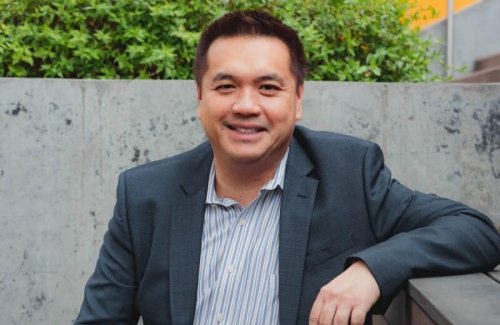
From Refugee To Legendary: The Roller Coaster Hustling of Serial Entrepreneur Tony Lam

“I want to tell everyone it is NOT EASY. For all the folks in the restaurant/food business, I respect you and take my hat off to you.”

Tony’s current passion projects include helping to bring popularity to Vietnamese coffee in the United States and guiding the next generation of young, ambitious entrepreneurs to realize their full potential. 

He is married to his lovely wife Van Lam and has two sons named Damon and Andy. His son Andy is on the spectrum (ASD), “Raising an autistic child has many challenges and requires a lot of patience. These kids have a special place in my heart.” Because of this, he is currently working closely with Linda Nguyen, founder Laugh Out Loud with Autism Foundation (LOLA) whom he got connected through the Asian Hustle Network (AHN), “Much respect for this beautiful human being for having a BIG heart. We need more compassionate leaders like her in this world.” he said. 

Known for being a successful serial entrepreneur, Tony shared his successes and his humble beginnings and challenges that made him the hustler he is today. 

Escaping Vietnam

My story began 45 years ago from today. During the Fall of Saigon (April 30th, 1975), I was only 3 months old when my family fled on a tiny boat to the US. My father was one of the Naval captains of the South Vietnam government. 

My mother had just given birth to me and they had to make the difficult decision: Should they stay, or should they go with a 3-month-old baby and risk death by the communist government? They made the decision to drop everything they had and took a chance on a better life into the unknown. 

My grandma, aunts, uncles, and cousins left everything behind and boarded the boat. My father to this day still has nightmares of the harrowing escape.

My mother had just given birth to me and they had to make the difficult decision: Should they stay, or should they go with a 3-month-old baby and risk death by the communist government?

-Tony Lam
3 year-old Tony

A Fresh Start

My family was refugees in the Philippines for about 6 months. Not knowing what would happen, my family prayed hard and God answered our prayers. We were sponsored by an American family through Catholic Charities.

This American family took in a total of 6 of us, gave us a roof over our heads, put food on the table, and gave my family support for a couple of years to survive. My “sponsored grandparents” are now angels in heaven, but their kids whom I called Aunt Kim and Uncle John still live in southern California and we still communicate every so often. My family is grateful to their parents’ kindness and open heart to take in complete strangers into their homes.

My family would move to the Bay Area a few years later for a fresh start. My brother and sister were born, and we quickly became a family of 5. My father got his AA degree from San Jose City College and his trade was being a technician fixing medical devices for hospitals while my mother worked as an assembly worker.

Building Blocks That Lead To Success

I remember growing up in a poor neighborhood, teased by classmates for being Asian. Racism did exist at an early age for me but I did not let it bother me.

I remember my parents giving me a $100 allowance to buy enough clothes every year during my middle and high school years. So no, I did not grow up with a silver spoon in my mouth, but I was grateful for what I had. I got decent grades but was not smart by all means in high school.

I attended California Polytechnic State University (Cal Poly) where I got my business degree. My dream was to open a business one day but I didn’t know at the time what it would be. My first job out of college was at Cisco Systems (’97). I worked for corporate for way too long (14 years). I was a workaholic working 60-70 hr. weeks to save up money to start a family one day.

I should mention that this all would not have been possible without the love and support of my wife. I met my beautiful wife Van Lam through a college friend. We chatted for 3 months via Yahoo Messenger, fell in love, and married her one year later in Vietnam. We have two boys (Damon – 10 yrs. old and Andy – 7 yrs. old)

While I was working at Cisco, I discovered my first hustle (Wingstop) and the many more that would follow after leaving the company.

I was a workaholic working 60-70 hr. weeks to save up money to start a family one day.

-TONY LAM

The Serial Entrepreneur

Wingstop Franchisee — for 5 Locations (San Jose, Milpitas, Fremont, Union City) in the Bay Area for over 3 decades.

COOP Marketing President — for 50 Wingstop in the Bay Area instrumental in inking the deal with the GS Warriors and becoming “The Official Wings of the Golden State Warriors” since 2015

Omni Bev Co-founder — the first company to have an RTD (Ready to Drink) Vietnamese cold brew with condensed milk on the market with a shelf life of over 6 months. Its coffee beans are imported directly from Da Lat. They also serve nitro cold brew!

Omni Bev Co-Founders Tony Lam and Tammy Huynh

Mavens Creamery Shark Tank Winner — a macaron ice cream place that started in a 400 sq. ft. garage, expanded to 300 venues, and 4 years later struck a Shark Tank deal on TV with Barbara Corcoran. 

alaMar Kitchen & Bar Co-Owner — voted the Best Seafood Restaurant in Oakland by Oakland Magazine in 2020, was also featured in the Michelin Guide for 3 years, and on KQED

Okashi Fusion Co-Owner — with a 4.8/5 star rating on Yelp reviewed by 710 customers, is the  “BEST POKE in town with the BEST desserts” as Tony describes.

VitaBowl Board Advisor & Investor — a premium on-demand delivery brand that serves locally sourced, vegetarian, superfood meals and beverages. Tony teamed up with Charles Michael Yim through Asian Hustle Network, who also struck a deal on Shark Tank. Charles has assembled an A-team of talent, “I am honored to be working with these guys. Together, we have started a new company VitaBowl.” he expressed.

Enterprise Purchasing Group Co-Owner — a group purchasing organization that leverages the combined volume of many e-commerce businesses to secure exclusive programs with major shipping carriers (USPS, UPS, DHL, FEDEX) for both domestic and international destinations. “Our team has saved 10’s of millions for many customers spending in the range of $10K to $70M+ to date,” Tony added, “If you ship at least 50 orders a day domestically, we can surely help you with saving with our program.”

A Few Hurdles That Turned Into Bigger Opportunities

When IOS apps were just coming out in 2011, my partner and I created a booking app called Chimpped, which allows users to book with all your service providers (e.g. your dentist, doctor, kid’s activities, restaurant, etc.). One and a half years later, we closed down our business because we ran out of money and did not get enough traction. The “high tuition” I had to pay through this failure allowed me to consult with other app companies.

The apps KEA, Nextforce, and WorkStream have gone through Series-A funding and 1 Seed round. The seeds have been planted, just waiting on fruits to grow.

The “high tuition” I had to pay through this failure allowed me to consult with other app companies.

-Tony Lam

What Is Next For Tony Lam? 

Tony wants to dedicate his time to the special needs / autistic community and provide resources such as jobs and career-building services.

He is also planning on launching Andy’s cafe where a large portion of the staff hires will be from the special needs community. The plan is to launch this in 2023 in California. If successful, he would like to open 100 of these in the next 5 years to give the special needs community a safe place to work and be able to socialize with people

Lastly, Tony is planning on starting up a PE fund to invest in startup CPG companies.

Advice To Aspiring Entrepreneurs

  • Surround yourself with mentors and successful entrepreneurs. Join a support network of folks that bring positive energy
  • Write up a business plan so that you have done the research before venturing out
  • Have 18 months of the runway of savings to cover your expenses while you launch your company

You can reach Tony at tony@launchyourfirst.com

295546115_608626004055198_2005064705537423309_n

Uncategorized

“Life as an entrepreneur is tough” Is An Understatement For Vanessa Techapichetvanich

Some business owners spend years building a company only to see it fail before it even takes off. How are you going to survive and cope? Will you just give up that dream business?

We all know that life as an entrepreneur is complex, but once you hit it, everything falls into place. Following the example of 27-year-old Thai entrepreneur Vanessa Techapichetvanich as she trusted the process and waited for the right moment to reap the benefits of her efforts.

Read through as Vanessa shares her story with the AHN community about building her passion-driven business Jamulogy, a 100% plant-based Indonesian herbal tonic. She discusses her struggles that almost made her give up, and what kept her going in order to reach her successes today.

Hitting Rock Bottom At The Very Start

2 years ago, I poured all my life’s savings into building Jamulogy. I raised quite a significant amount of funding through families and angel investors, built my first factory from scratch, and lost over $1M, due to the pandemic and an over-prioritization of FoodTech R&D.

I was devastated. This tremendous loss was beyond tragic. I was at the point where I wondered whether it was stupid for me to leave my high pay corporate job only to lose all my savings along with a sum of money from my investors.

What am I going to feed myself tomorrow? What will my employees do when they lose their job? How will I regain all the money I’ve lost? How will it affect women founders’ reputation in the startup ecosystem?

These questions and my desperation kept me wide awake at night for months. I was distressed, depressed, and hopeless. It was one of the lowest moments of my life.  

It also made me realize that when someone says “life as an entrepreneur is tough”, it is very much an understatement. You’re pretty much living on the edge 24/7, giving your 10000% best while success isn’t guaranteed.

What am I going to feed myself tomorrow? What will my employees do when they lose their job? How will I regain all the money I’ve lost? How will it affect women founders’ reputation in the startup ecosystem?

-Vanessa Techapichetvanich

Shedding Some Light On Untapped Opportunities

I almost gave up. I would have.. had I not coincidentally connected with someone from AHN who is in the import and export business. One really good thing about this group is you have people from everywhere around the globe, and they are able to share insightful expertise on some stuff you’re not familiar with. 

I joined AHN more than a year ago when Facebook suggested the group to me. One day, I saw some people posted about expanding their food products to big retailers like Walmart, Wholefoods, and Costco, and from there, I got to connect with someone from San Francisco who works for a national distributor company in the US, and that’s how Jamulogy’s products entered the US market. 

This encounter shed some light on untapped opportunities and calls for a pivot in our business model. And I have been rebuilding since January. Despite the adversity I have been put through, this journey has been my greatest teacher yet.

I’m proud to share that Jamulogy is now available in 5 countries worldwide, including the US, Australia, Singapore, Hong Kong, and Thailand. Jamulogy has also recently “graduated” from Southeast Asia’s biggest FoodTech accelerator program. 

Despite the adversity I have been put through, this journey has been my greatest teacher yet.

-Vanessa Techapichetvanich

Transforming Traditional And Holistic Drinks Into Recipes Of Yummy 

Jamulogy was born out of my passion for a healthy lifestyle and my dream to bring Asian pride to the global stage. My mother is Indonesian, and I was introduced to Jamu when I was 5. The word “Jamu” itself means herbs in Indonesian. Sadly, our generation in Asia has overlooked these Indonesian herbal drinks that have over 1,300 years of history as they often associate herbal blends with older people.

Vanessa and her mother

Using modern food tech and all-natural non-GMO ingredients, we aim to recreate traditional Indonesian Jamu as a way to restore health to modern consumers. We are also committed to debunking the myth that healthy food tastes terrible.

Our concept is “From farm to bottle,” and we take every opportunity to support local farmers & growers around Asia. Each bottle contains only 40-80 calories without cane sugar or highly processed ingredients.

Going forward, we are also diverging our product offerings into herbal powder mix to cater to different consumer lifestyles across the world. 

Inspiration To Keep Going and Work Harder

What inspires me the most are our customers. I received all sorts of feedback from customers, both positive and negative. Whenever I hear our customers telling us how our products have created a value-adding impact on their health and life, I can’t help but smile to myself. 

But of course, we also received negative feedback and complaints, which I got a lot of value from as those have helped us improve, adjust, and create even better products for our customers. Truth be told, we have experimented with over 150 recipes. It was a struggle at the start, but “fall seven times, get up eight.” 

It’s the joy of being able to create a positive impact in society that keeps me going. 

It’s the joy of being able to create a positive impact in society that keeps me going. 

-Vanessa Techapichetvanich

Advice To Aspiring Entrepreneurs

  1. Don’t be afraid to ask for help when you need it. 
  2. Do not let your failures define who you are, but do learn from them. Every successful person I know has gone through several major failures before they get to where they are today.
  3. Surround yourself with like-minded people. I can’t stress enough the importance of this. 

For me, the most important traits of being an entrepreneur are a growth mindset and adaptability. It’s not about who has the most brilliant ideas or who has the highest IQ, but more so who adapts the quickest to fit the market’s needs and customers’ expectations. 

Connect With Vanessa

You may check out our IG/FB at @drinkjamulogy.

If you’re just starting an F&B business or planning on exporting to Asia and want some advice, feel free to reach out as well. I’ll try my best to answer ⭐

Image Source: Reuters / IANS

Uncategorized

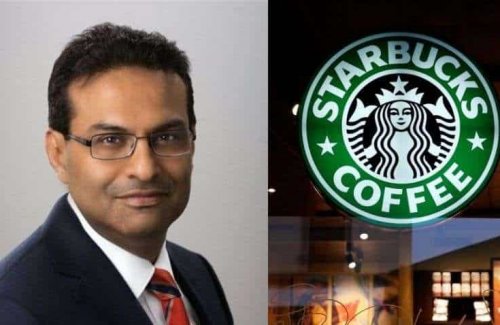
Starbucks Reveals Newest CEO Reckitt’s Laxman Narasimhan

Laxman Narasimhan, a seasoned executive with extensive experience in the consumer products industry, will succeed Howard Schultz as CEO of Starbucks.

Over the course of over 30 years, Narasimhan has led and advised several international consumer-facing companies. 

When he joined the consumer goods company Reckitt, it dealt with a cyber attack, a botched product launch, production problems, and a lackluster performance from its core brands. The company’s shareholders were very appreciative of Narasimhan’s three years as CEO, during which the company’s performance returned to levels that were considered to be sustainable.

Mellody Hobson, who chairs the board at Starbucks, also lauded Narasimhan as an “inspiring leader” who will contribute to the company’s expansion. Schultz also said that Narasimhan’s ideas would be fundamental to Starbucks as it builds on its past in this new era of greater well-being.

In the past, Narasimhan has also held executive positions at PepsiCo and McKinsey, in addition to his current role as a trustee at the Brookings Institute in Washington, District of Columbia. 

Narasimhan spent her younger years in India, but he came to the United States to earn a master’s degree and an MBA from the University of Pennsylvania (MBA). He is also proficient in three Indian languages English, Spanish, and German. The Indian languages of Hindi, Tamil, and Malayalam.

He will now be fully immersed in Starbucks over the next few months as he works and learns the plan that former CEO Schultz put in place during his brief third tenure at Starbucks. During this transitional period, Narasimhan will travel to various stores and factories to monitor the expansion and performance.

In a statement, Narasimhan remarked on how the company’s recent “reinvention” and investments in its partner and customer experiences had positioned it to meet the shifting demands of the present and prepare it for an even brighter future.

Image Source: Thuc Doan Nguyen

Uncategorized

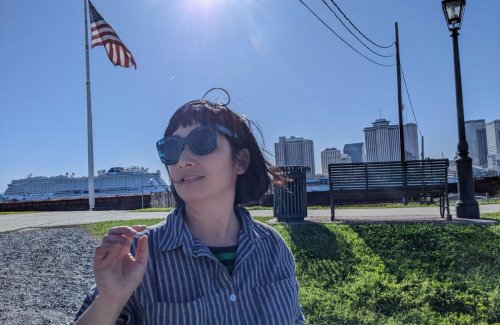
Vietnamese-American Writer Turned Down $5M To Shoot Her Own Story In New Orleans

“Everyone has tried to tell our stories on film and television, but they are inaccurate because the producers, directors, and storytellers haven’t lived it.”  — Thuc Doan Nguyen described the other filmmakers who wanted to finance her upcoming film but were never satisfied with what they could do for her story.

Nguyen was eager to continue working on her script “Scent of the Delta,” a semifinalist at the 2020 film festival that will shortly be filmed. Carrie, a multiracial lady in New Orleans, is caught between two cultures. The narrative discusses anti-Asian prejudice, Asian sex workers’ misery, human trafficking victims, and Vietnamese patriarchal standards.

This gave Nguyen focus and purpose, and she became a screenwriter. Her first assignment in New Orleans showed her how misunderstood the Vietnamese population was. She cited her family’s terrifying refugee experiences and which fueled her desire and determination to do more.

Nguyen’s initial career path never involved writing. As a 3-year-old, she was entrusted to churchwomen, whom she refers to as her American grandmothers, because her family did not speak English when they immigrated to the United States. Her family relocated to southern Maryland with new employment opportunities awaiting her parents.

Since Nguyen had already made it to the semi-finals of the 2022 festival and Sundance Film Institute had expressed interest in the script, she decided to push forward with the project. She anticipated additional difficulties and major setbacks while adapting the screenplay into a film. Vietnamese-American producers had expressed interest in funding the film, but she knew they were missing the mark. 

She believes that the production team and actors cast by the producers will not complement her story. Because of this, she has made a life-changing choice. She declined a $5 million sponsorship offer for her film and decided to make it herself. As a result of her discernment, she was able to meticulously plan out the production of the film version of the story that she envisioned. 

Her film will be developed and directed by her team and a well-known production. She chose Le Ly Haslip, who wrote Oliver Stone’s “Heaven and Earth,” and Maria Judice, a science-fiction film producer. 

Nguyen wants the audience to comprehend the genuine narrative behind her writing, as shared by people who experienced it. The film’s shooting is set to get underway in Louisiana in 2023.

This upcoming fall, she was also nominated for the 2022 Gold Fellowship Award from the Academy of Motion Picture Arts and Sciences due to her continued perseverance and incredible creative work.