Navigating Pivots and Perseverance: Wei's Journey with Clipboard Health - AHN Media Group

Awaken* newsletter

July 18, 2024

SHARE:

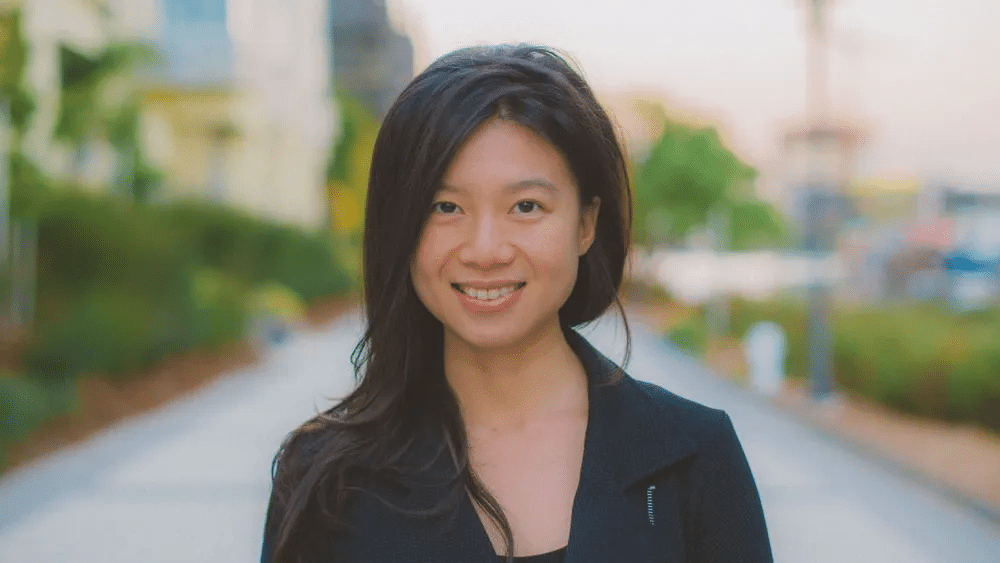
Wei Deng is the Co-Founder and CEO of Clipboard Health, a company that connects healthcare facilities with local professionals who can work unfilled shifts. Since Clipboard’s inception in 2016, Clipboard Health has filled millions of shifts for thousands of facilities nationwide, putting millions of dollars in the pockets of healthcare professionals. Throughout her journey, Wei has never lost sight of her ultimate mission of helping people socioeconomically. In this interview with AHN, she discusses her upbringing and the early days of her founder’s journey.

HanYue: Tell us about the early days of Clipboard Health, what type of challenges did you have to overcome? 

Wei: It wasn’t called Clipboard Health when I started. It was initially a way to refinance student loans. I spent time talking to customers, figuring out who wanted to buy the fintech products, and talking to different customers again but I just didn’t feel the pull of the market, but I noticed that nurses wanted help finding a job. However, the hospitals only wanted to help people with experiences. So I pivoted to a clinical fellowship to help train nurses, figuring out what the clinical partners need, and help nurses find jobs. 

After pivoting through 6-7 different ideas – I finally landed on the Clipboard Health model, a marketplace that helps with nurse staffing. In the early days, we were very much focused on launching a product and talking to users.

Edwin: How do you judge when to pivot and when to stop working on an idea?

Wei: I wish there was a magic formula – but there isn’t. Having seen some other friends who have found PMF was helpful. For our products, our customers could live with it or without it. They didn’t have any strong opinions about it. That was a sign to me that it’s not working. For most ideas, I gave it to 3-6 months. What was frustrating is that sometimes you would have some initial glimmer of hope – some people are using it, and you wonder to yourself, is that a real sign?

For a good product, I found out that even if the product isn’t built out, people still want to use it, and people care about it a lot. You can feel the pull of the market. 

HanYue: There is clearly an unrelenting drive to pursue entrepreneurship, what kept you going during the early days? 

Wei: Quitting just never occurred to me. In the beginning, I mostly called the things I worked on projects, and when they didn’t work out,  I just never gave up.

Of course, there were frustrating moments: when I first went fundraising, I got told no 16 times. I was a solo founder, so there was no one to help me. I taught myself coding and sales to get started. I think the big realization is that even if you encounter nos and the product is not working, as long as you keep working and don’t quit, you are getting closer to a yes. 

HanYue: That was really inspiring – as long as you keep working, you are getting closer to a yes. Want to switch gears a little bit, how did you meet your co-founder? What was it like building out the initial team? 

Wei: In the early days, it was just me. My husband joined me after 3 years. By that time we already raised Series A, we were growing and had some traction. He initially joined to help out for 3 months, then stayed on for a few years.

Building out the team, we had a lot of trials and errors. We definitely made some mistakes – I had engineers whom you couldn’t get ahold of even when I was trying to fire them. We had one head of sales who built out our sales team but it turned out he was working for a competitor at the same time and was giving them our customer list, and all the people who worked for him were also working for the competitor. But luckily, some good people stayed and really they are what made us successful. 

HanYue: Tell us about the people who stayed. What made them successful? 

Wei: Oh, I love talking about this because it is what we look for during hiring. They have to care about the problem a lot. It is actually very obvious whether people are just here to collect paychecks, going through the motions, or if they really care about the problem. 

They are really curious. They are always looking for clues. If a customer says no, or churns, they are always digging in and figuring out why, instead of taking it as a given – oh they just didn’t want to use the product.

They also have ownership and initiative. They never just bring a list of problems. The best people I’ve had, they’ve brought me problems I didn’t know we had, and they’ve already thought about how to solve them. 

So initiative, ownership, and curiosity are our people and company values. 

HanYue: That’s wonderful to hear that there is such a close alignment between the people’s values and company values. What was your proudest achievement so far?

Wei: Honestly, I think it’s assembling a great team. We’ve gone through a lot of great pains in hiring, but now we have an awesome team to move together. Nowadays, even if I pull my foot off the gas, they are still serving our customers the best they can, and that is very special. 

The second thing is the customers we’ve been able to help, but that is honestly more of a proxy of how great our team is. 

HanYue: Tell us a bit about your upbringing. How has being Asian influenced your entrepreneurship journey and your general approach to life?

Wei: I grew up with my mom and my dad. We grew up in Kentucky, there were not a lot of Asians in Kentucky. 

My dad had this mentality: you don’t need permission to learn something. I remember trying to go to a national science fair – I was 16 and needed to learn calculus, but calculus was a college-level class and I was thinking, “Oh, maybe I can’t because I had to wait to learn calculus later.” My dad just said, get a textbook and figure it out yourself. That’s something I carried forward in life.

When I started, I didn’t have to have someone who knew how to code, I could just learn coding myself and get started. I never did sales before and didn’t have someone I could rely on for sales, but I could just pick up a phone and start doing cold calls. It’s the sense that nothing is beyond my reach, you don’t need to wait for the perfect moment or something/someone to depend on to get started. 

There weren’t many Asians in the area I was from. We stuck together but we were also super competitive with each other. There were two people in high school I was constantly competing against, and I think in a lot of ways it brought out the best in me. Personally, I am not competitive, but I found having someone neck-to-neck with you really makes me thrive. 

HanYue: Congrats on the unicorn status – it’s an incredible achievement! What suggestion do you have for founders who are still searching for product market fit out there?

The only thing that matters is to understand the customer’s pain points deeper than anything else. Rather than spending time on solutions, spend more time on understanding the problem. Actually, you might find that you are not even starting with the right customers – you might have to pivot a few times to find the right customers.

When you find them – look at their habits. People who are saying they want to lose weight, but if they are not going to the gym or tracking their calories or metrics, then weight loss is just not that big of a deal to them.

When talking to them, you need to look for: Are they spending money on it? Are they spending a lot of money but still can’t solve the problem? That is a potential area you can go to. The chances are that you can find a lot of good solutions –  you can have the greatest AI and greatest product, but if it is not solving a real problem, then no one will end up paying for the solution. 

Edwin: Are there mechanisms and processes you use to tease this information out? 

Wei: We just look at their behaviors. Are they spending money? Is the pain point really painful? 

When it came to staffing, it was obvious, that the customers we talked to were spending all of this money to putting together spreadsheets and tracking attendance. It was clearly a big pain point they wanted to solve. 

My father passed last year, I remember spending so much time looking for a caregiver for him. If someone gave me a set of solutions, even if not super built out – just a list of caregivers or a list of places that could care for him, I would definitely want to talk to that person. 

HanYue: Thanks for sharing a deeply personal moment with us. It really makes sense that as founders we needed to find the most painful problem to solve. Where do you go from here? What’s next for Clipboard Health?

Wei: Personally, I have two kids and I spend a lot of time with them. For the company, we want to continue expanding beyond healthcare professionals. We started with nursing – but we wanted to allow workers of all industries the benefits of flexibility and economic empowerment. 

At Clipboard Health, we also have an internal MBA-like program. If you are a product manager but want to learn, we will teach you cross-functional skills – engineering, sales, and other things.

The hypothesis is that eventually if people leave and want to go and start their own company, I could enable them to have a much broader scope than just their own focus. We have engineers doing sales, customer support, and product and they all love it because they get to implement and continue to broaden their scope. One of our heads of sales was a product manager – they kept asking questions and wanted to learn about sales so they got the chance to lean into their curiosity.

I want to scale this program up as the company scales up to develop people. Because if you invest in people internally, what you get is phenomenal: People who are already invested in your culture, and know your product really well have more methods to help your customers and grow better. 

Edwin: I see some parallels to your journey as well – the early days when you had to teach yourself coding and sales. One thing you talked about is expanding to verticals, how are you finding the new verticals? 

Wei: We have a more systematic approach: we read the Bureau of Labor Statistics, and try to look at professions that need help. Maybe some professions are losing steam, etc. We also have lots of customers in healthcare and there is a a surprising number of professions to fill up there – we need janitors to clean up, cooks to cook for the dining hall, servers and waiters, and trainers for physical therapy patients. There are some natural adjacent areas. Customers are providing those insights to us and where they need help.

Edwin: Are you afraid of losing focus? 

Wei: Focus is overrated, You should try to be good at some core competencies – but it all depends on how you define your core. if we define our core as a flexible labor marketplace, then we have lots of room to build. 

If you look at any ambitious company, they have a ton of products and they might seem totally unorthodox to each other. Amazing doesn’t look focused: they have AWS and it has nothing to do with selling books. Or if you think of people around you, some of them are good at maths, instruments and some type of sports. No one is like: you should only be good at math – people develop expertise in multiple areas. 

There is certainly a concern about chasing shiny new projects. We try to only pursue things that we have pre-thought out and really ask ourselves – do we want to be more ambitious than we currently are, or are we just chasing a shiny new object? 

Wei’s journey with Clipboard Health underscores the importance of persistence, adaptability, and deep customer understanding. Her story is a testament to the power of resilience in entrepreneurship, demonstrating that with unwavering determination and a keen focus on solving real problems, success is within reach. The AHN team thanks Wei for having this conversation with us! 
Related Articles

14a43197-8fdf-4db7-bc59-5931ce26eb91

Stories

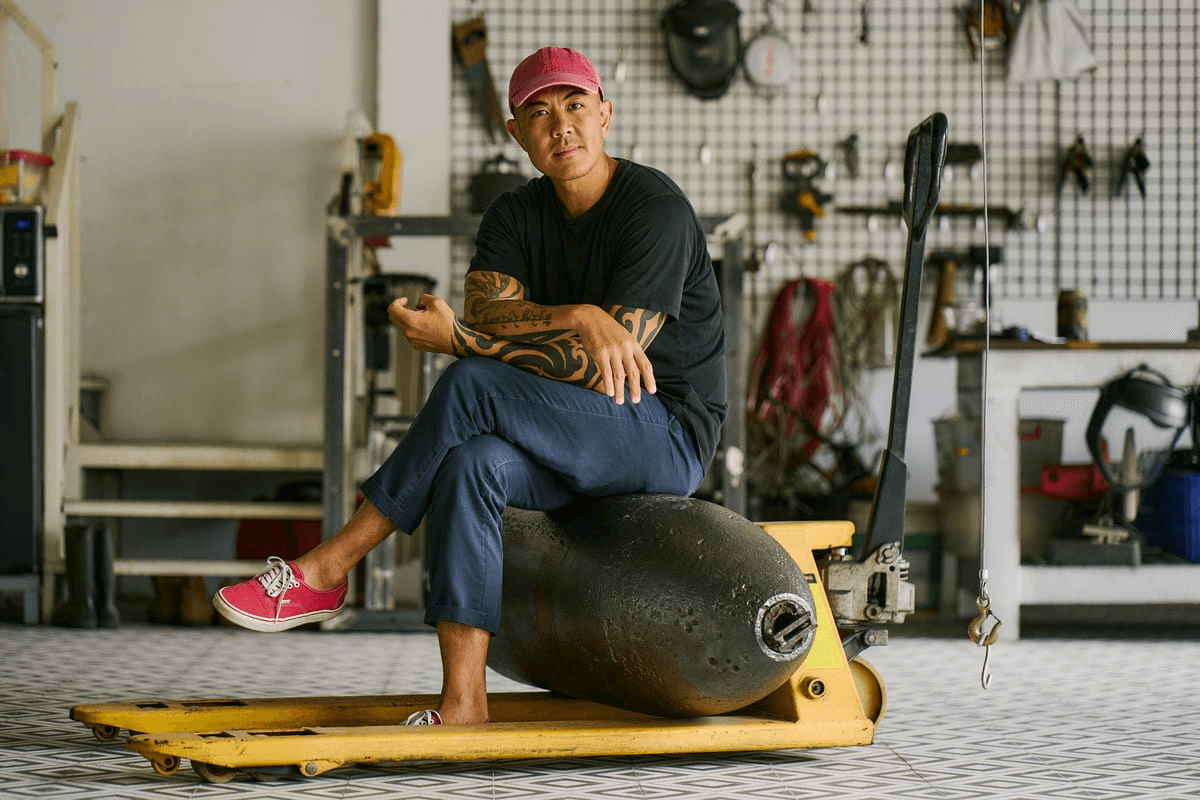
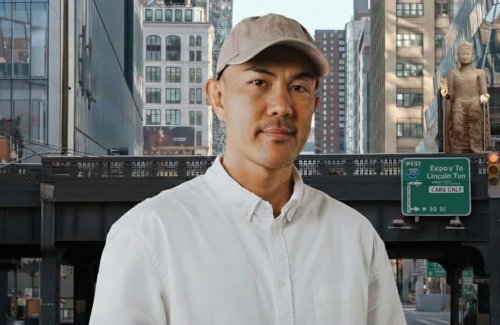
The Healing Power of the 27-Foot Buddha over New York City by Vietnamese Artist Tuan Andrew Nguyen

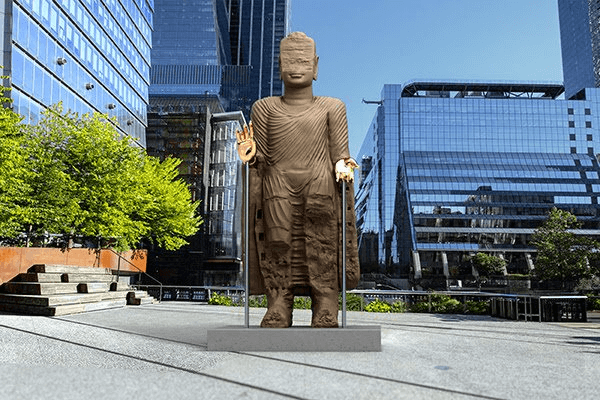
New York City is a place defined by constant noise and fast movement. Starting next spring, a 27-foot-tall Buddha statue will be installed on the High Line Plinth to change that atmosphere.

This 27-foot-tall sculpture is the latest installation on the High Line Plinth, towering over the city as a beacon of reflection. Created by Vietnamese artist Tuan Andrew Nguyen, it represents a profound intersection of ancient spirituality and modern history.

Titled ‘The Light That Shines Through the Universe’, the piece acts as a medium for healing and ancestral memory. More than just a statue, it represents an architectural prayer offered to a city that never stops moving.

Image Source: Art Asia Pacific

Historical Acupuncture: Healing Global Wounds

Tuan Andrew Nguyen describes his creative process as “historical acupuncture,” a method of using art to target and release the pressure of buried traumas. 

By placing this massive Buddha in one of the most active public spaces in the world, Nguyen addresses the deep-seated wounds of war, displacement, and erased histories. 

The sculpture serves as a physical needle intended to stimulate the collective memory of the public, forcing a confrontation with the ghosts of the past. In a city built on constant reinvention, this work insists on the importance of looking back to move forward.

Image Source: The High Line

Weapons into Wisdom: The Alchemy of Brass

The most poignant detail of the sculpture lies in its hands, which are not merely carved but recast from a darker history. 

Nguyen utilized brass artillery shells recovered from war-torn landscapes, melting down the literal tools of death to forge sacred gestures of compassion. This transformation represents a literal and figurative alchemy, turning the debris of violence into a silent blessing for New York City. 

Through this act of recycling and redemption, the artist proves that even materials born of destruction can be repurposed to serve a higher, more peaceful calling.

Image Source: The Collector

A Global Refugee: Resilience in Sandstone

Carved in sandstone, the figure pays a haunting tribute to the Bamiyan Buddhas of Afghanistan, which were destroyed by the Taliban over two decades ago. 

Nguyen reimagines the spirit of those lost monuments as a “global refugee,” traveling from a workshop in Vietnam to find a temporary home in the heart of Manhattan. This journey mirrors the displacement of millions, turning the sculpture into a symbol of cultural endurance. 

It stands as a towering promise that while physical stone can be shattered by hate, the resilience of our shared human heritage remains fundamentally unbroken.

Learn more about Tuan Andrew Nguyen here:

📍Website

image

Stories

The Fighter Mentality Driving Anthony Kwok, CEO and Co-Founder at ZILIO, to Fix Fashion’s Most Overlooked Problem

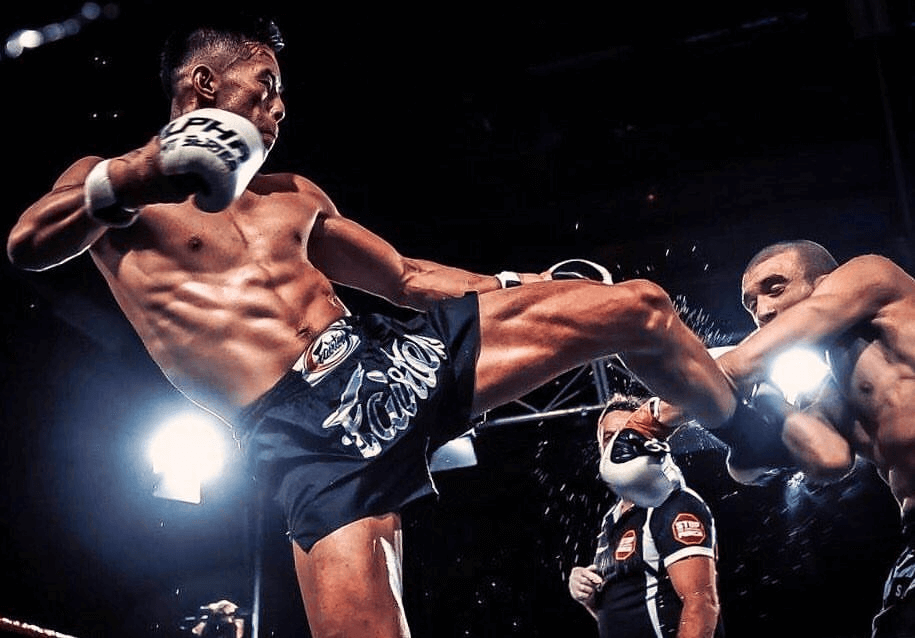
Anthony Kwok’s journey didn’t begin in a boardroom. It began in places that demanded discipline, resilience, and the ability to keep going when things got uncomfortable. First in the ring as a professional fighter, and later through a medical crisis that reshaped how he approached both life and leadership.

Those experiences now shape how Anthony runs ZILIO, a fashion tech company building AI-powered sizing solutions for brands and uniform providers. What looks like a startup on the surface is really the result of years spent learning how pressure exposes real problems, and how frustration often points to what needs fixing most.

At ZILIO, Anthony brings that mindset to one of fashion’s most overlooked challenges: the perfect fit. Not just as a sizing issue, but as a confidence issue that affects how people show up, move through their day, and feel in their own skin.

The Lessons That Carried Him Through

Before stepping into the tech world, Anthony spent his years as a professional fighter competing on FoxSports. Growing up Asian in a predominantly white environment, he felt he had to work twice as hard to be seen. This drive eventually led him to the ISKA Victorian Title. However, his toughest fight came outside the ring when he suffered two strokes the same year he founded ZILIO.

Walking away would have been understandable. Instead, Anthony leaned into the discipline he learned as a fighter. As he puts it, “Being a professional fighter taught me one non-negotiable principle: Never quit. No matter what. That philosophy carried me through recovery and continues to guide how I build today.”

Solving the “Booty Short” Problem

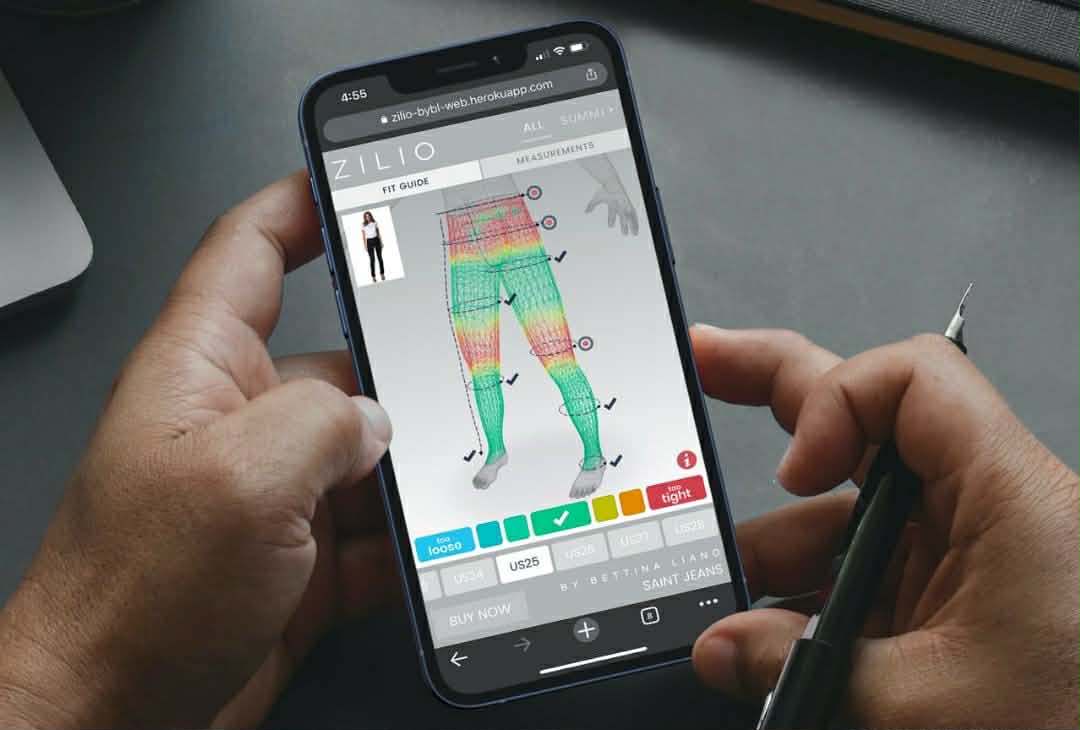
The idea for ZILIO was born from personal frustration. As an athlete with a specific build, Anthony found online shopping to be a constant gamble. He still remembers ordering gym shorts that arrived fitting like “booty shorts,” an experience that made him wonder why we can dress video game avatars perfectly but struggle to do the same in real life.

ZILIO solves this by replacing confusing size charts with accurate AI recommendations. The company started with corporate uniforms, where poor fit creates massive operational headaches for brands like Coles and Australian Unity. The impact was immediate. ZILIO has helped partners cut returns by 40% and significantly boosted customer engagement by giving them a fit they can trust.

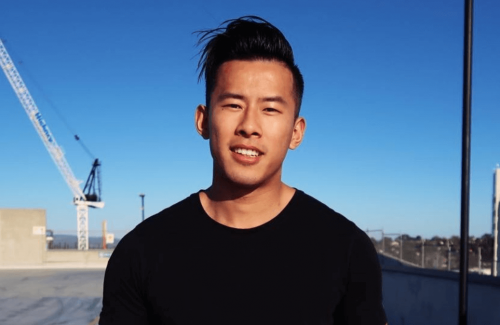
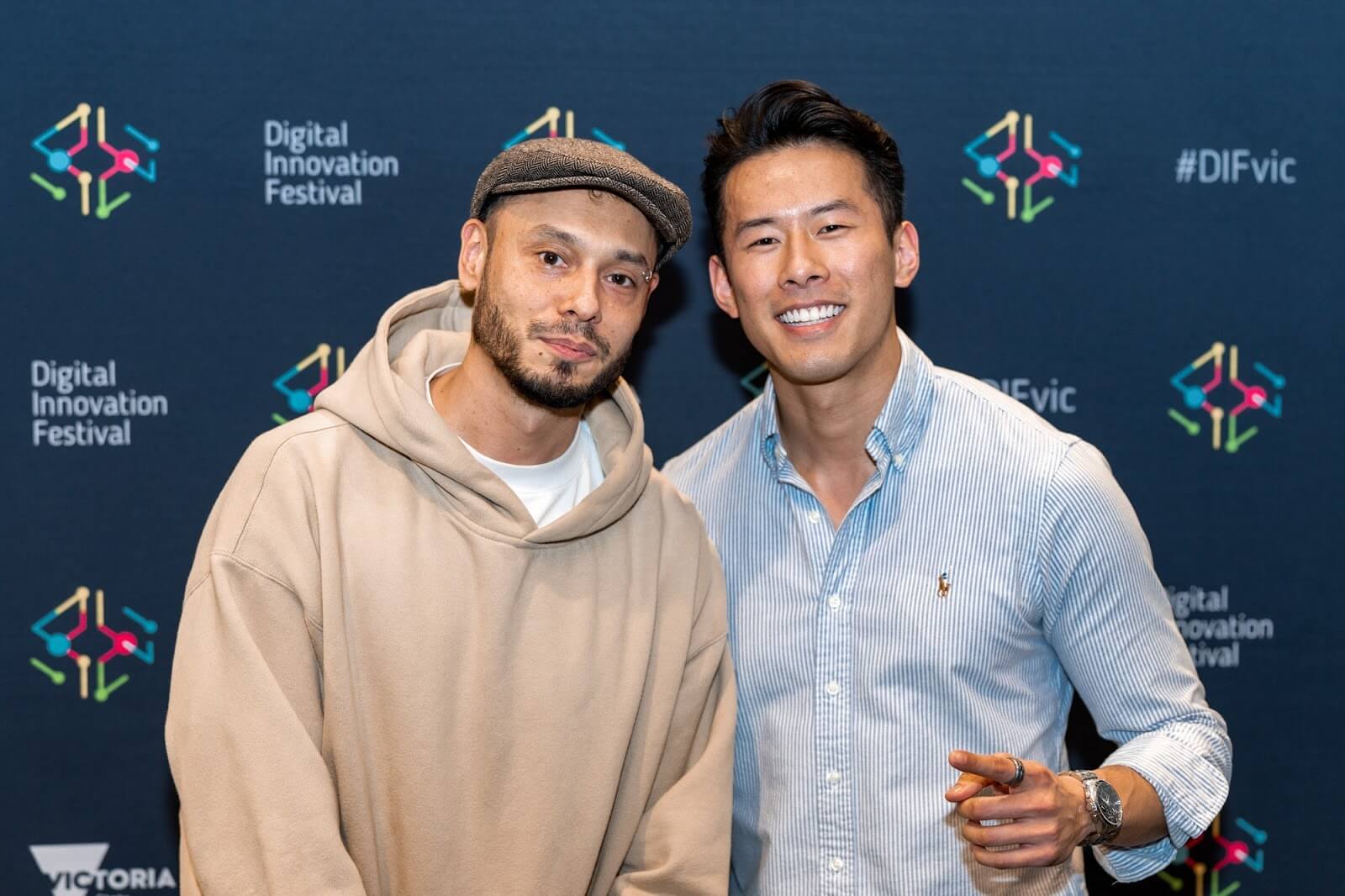
Anthony Kwok (right), CEO and Co-Founder of ZILIO

Helping People Stop Second-Guessing Their Bodies

For Anthony, this mission is personal. He knows that standard size charts often fail people with diverse backgrounds and body types, including many in the Asian community. His goal is to make sizing “invisible” so that people can focus on their style instead of their anxiety.

“Fashion is deeply emotional, and a bad sizing experience can stop someone from exploring style altogether,” Anthony explains. “ZILIO exists to navigate that complexity and give people clarity and confidence, regardless of body type or background.”

With $500,000 in funding and awards like the B&T 30 Under 30, Anthony is proving that a kid with a big imagination can change a global industry. Whether it’s through his upcoming 3D virtual fitting rooms or his work with major brands like Rebel Sport, he is making sure that the next time you shop online, you’re buying a piece of clothing that actually fits your life.

Discover more about Anthony Kwok here:

📍LinkedIn📍Instagram

Learn more about ZILIO here:

📍Website📍Instagram

5fb9cf02-106f-4637-a666-2db06176ce94-jpeg

Stories

From War Survivor to Literary Leader: The Remarkable Rise of Amy M. Le, CEO of Quill Hawk Publishing

Amy M. Le, CEO of Quill Hawk Publishing, has built her life around stories that matter. Not the polished kind that skip the hard parts, but the honest ones shaped by loss, survival, and growth. Her journey reflects how personal history can quietly become a source of strength.

Every stage of Amy’s life pushed her to adapt and redefine what success looked like. She learned early that resilience is not loud or dramatic, but steady and intentional. Over time, those lessons shaped the way she approaches both writing and leadership.

Today, Amy’s work centers on creating space for voices that are often overlooked. Through publishing and community-building, she helps others turn lived experience into stories that resonate far beyond the page.


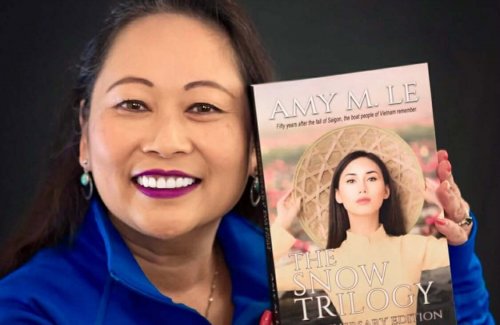
Photo courtesy of Amy M. Le, CEO of Quill Hawk Publishing

Born in War, Saved by Courage

Amy M. Le was born during the final months of the Vietnam War, a period defined by intense fear and systemic instability. As an infant, she faced a life-threatening heart condition that put her future in jeopardy before it had truly begun. Because medical resources were scarce in a war zone, her survival was never a guarantee.

Driven by a mother’s fierce love, her family made the harrowing choice to flee Vietnam in search of safety and essential medical care. This escape carried enormous risks, yet it was fueled by an unwavering hope for a life free from conflict. That courageous decision ultimately changed the trajectory of Amy’s life, setting her on a path toward a new world.

Photo courtesy of Amy M. Le (far right), CEO of Quill Hawk Publishing

A New Life and a Turning Point

Their journey eventually led them to Seattle, where Amy underwent the life-saving heart surgery she so desperately needed. This successful procedure gave her much more than physical health; it provided a second chance and a profound sense of purpose. With this renewed vitality, she grew up determined to make the most of every opportunity her new home provided.

Following this recovery, Amy spent over twenty years navigating the high-pressure tech industry to build a stable and successful career. However, the trajectory of her life shifted once again when she faced the devastating loss of her mother. In the wake of this grief, she turned to writing as an essential lifeline to heal her heart and rebuild her sense of identity.

Photo courtesy of Amy M. Le, CEO of Quill Hawk Publishing

Turning Story into a Mission

That personal healing became The Snow Trilogy, a powerful book series telling the true story of her family’s escape from Vietnam and their new life in America. The books resonated deeply with readers who saw their own stories reflected in its pages. What began as personal healing became a collective connection.

Inspired by that impact, Amy founded Quill Hawk Publishing, a hybrid company built to empower authors without stripping away their creative freedom. In just three years, the company has grown to support 70 authors from Seattle to Sydney, proving that no matter where you begin, you can always rewrite your story and help others tell theirs too.

Discover more from Amy M. Le here:

📍Instagram

Learn more about Quill Hawk Publishing here:

📍Website

40748b69-2f96-4629-bbbe-b024579ea217-jpeg

Stories

4 Creative Ways Trysen Kaneshige Uses Art to Keep Aloha Alive

Some artists create for attention or fleeting trends, but Trysen creates with intention, guided by a deep sense of responsibility to the culture that shaped him. Growing up in Hawaiʻi, he learned that Aloha is not just a feeling, but a way of living rooted in care, respect, and connection.

That belief now guides both his art and his creative studio, Inspire to Create Media. Through murals, design work, and storytelling projects, Trysen uses his business as a platform to protect culture while helping others share their stories with intention.

1. Reviving Local Stories Through Murals


Photo courtesy of Trysen Kaneshige, Founder of Inspire to Create Media

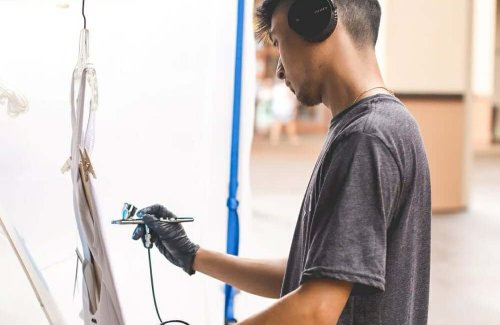
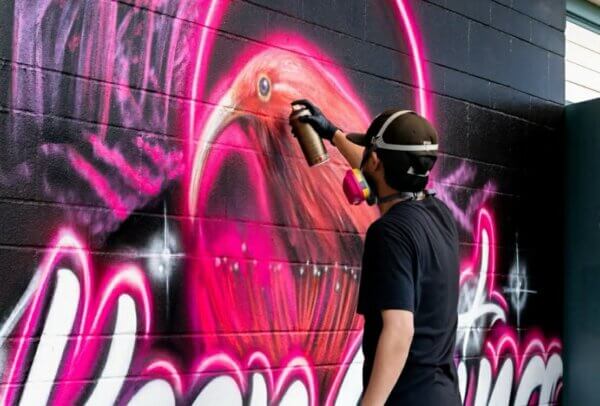
At the core of Trysen’s work is listening. On Kauaʻi, he spends time learning from residents about their histories, struggles, and sources of pride before creating any artwork. This approach reflects the values he also brings into Inspire to Create Media, where storytelling always begins with people.

The murals that follow are rooted in real voices. They transform blank walls into visual records that help locals feel represented and allow visitors to understand the island through the community’s lived experience.


2. Designing With Aloha in Mind


Photo courtesy of Trysen Kaneshige, Founder of Inspire to Create Media

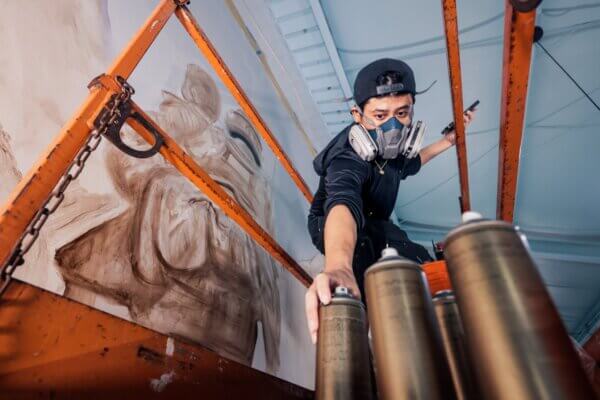
Aloha influences how Trysen collaborates, how carefully he considers each element, and how much intention goes into every decision. Design, for him, is about respect as much as aesthetics. That same mindset shapes the design work produced through Inspire to Create Media. 

Whether creating branding, apparel, or custom visuals, his goal is to make work that feels warm and grounded. Each piece is designed to reflect care, balance, and a sense of home rather than fleeting trends.


3. Empowering Youth and Community Spaces


Photo courtesy of Trysen Kaneshige (fourth from left), Founder of Inspire to Create Media

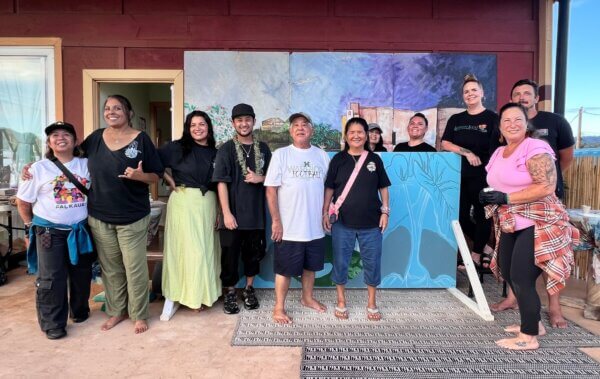
Beyond client work, Trysen uses both his art and his studio to invest in the next generation. Through partnerships with schools and wellness programs, Inspire to Create Media supports projects that turn shared spaces into places for expression and growth.

By involving young people in the creative process, he helps build confidence and identity. These initiatives focus less on the final product and more on giving youth a voice and a stronger connection to their roots.


4. Building a Global Bridge From Island Roots


Photo courtesy of Trysen Kaneshige, Founder of Inspire to Create Media

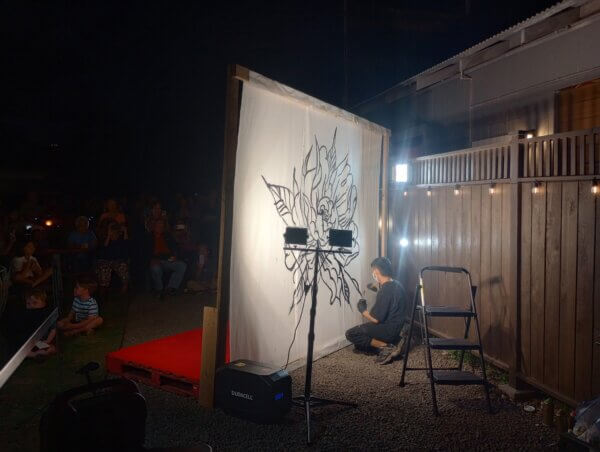
While his work is deeply rooted in Hawaiʻi, its reach continues to grow beyond the islands. Through collaborations with global brands like Volcom and OluKai, Trysen shares an authentic island perspective with a wider audience.

These partnerships amplify his message without compromising its foundation. By staying grounded in culture, he shows that it is possible to connect with the world while remaining true to where you come from.


Photo courtesy of Trysen Kaneshige, Founder of Inspire to Create Media


Carrying Aloha Forward

At its core, Trysen’s work—through his art and his studio, Inspire to Create Media—is an ongoing act of care. Through each project, he honors his home, uplifts his community, and uses creativity as a way to carry Aloha forward with intention, respect, and lasting impact.

More than anything, his work reflects a belief that culture is something you actively protect and pass on. By choosing collaboration over ego and meaning over trends, Trysen ensures that Aloha is not only preserved, but lived, felt, and shared with future generations.

Discover more from Trysen Kaneshige here:

📍Facebook

📍Instagram

Learn more about Inspire to Create Media here:

📍Website

📍Instagram