



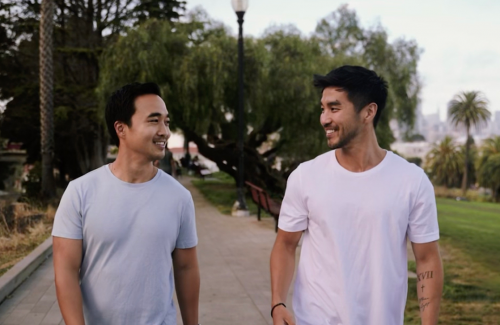
At the helm of Aura, one of the world’s largest mental wellness content platforms, is Steve Lee, the co-founder and CEO with an inspiring story to tell.
Steve’s journey began as an immigrant in the United States, facing the challenges of language and cultural barriers. However, it was his parents’ bitter divorce, entangled in unfamiliar Korean laws, that deeply impacted his life. Witnessing his mother’s mental health struggles, Steve recognized the need for support and the stigma surrounding mental wellness, particularly within the Asian community.
Initially on a pre-med track at UC Berkeley, Steve’s true passion emerged through his involvement in founding non-profit organizations and self-reflection. Together with his brother Daniel, who shared the same vision, Steve embraced entrepreneurship as a means to create a societal-level impact. Thus, Aura was born.
With a grand vision to help a billion people find peace, Aura set out to democratize access to the knowledge and expertise of coaches and therapists. They created a platform that enabled coaches worldwide to record their voices and generate high-quality audio content from the comfort of their homes.

Aura is a revolutionary two-sided platform, comparable to Spotify and Netflix, that empowers coaches and therapists worldwide to create engaging mental wellness content. In contrast to earlier wellness apps functioning as content studios featuring only a limited number of coaches, Aura stands out by offering an extensive range of content and creators.
The platform goes beyond mere curation, with coaches hosting live streams and providing personalized 1-1 coaching sessions, making Aura the ultimate all-in-one destination for individuals seeking mental wellness support.
Aura proudly boasts the world’s largest mental wellness library, encompassing a wide array of topics including sleep, life coaching, cognitive-behavioral therapy (CBT), spirituality, breathwork, and much more. Additionally, Aura has fostered a thriving community where users can engage in live events hosted by coaches and benefit from one-on-one coaching sessions.
The platform’s commitment to offering comprehensive content, live engagement, and personalized support has revolutionized the way individuals access and experience mental wellness, firmly establishing Aura as a game-changer in the industry.
Aura has achieved unprecedented success and garnered recognition from reputable sources. In 2017, Aura was prominently featured in TechCrunch’s launch feature, drawing attention to its innovative approach. The following year, the platform received the prestigious honor of being listed in Apple’s “Best of Apps,” solidifying its reputation as a top player in the mental wellness space. To fuel further expansion, Steve secured significant venture capital funding from esteemed investors such as Cowboy Ventures and SkyDeck.
The impact of Aura’s efforts can be seen in the numbers and testimonials. Users flock to the platform, spending hundreds of millions of minutes engaging in meditation and self-care activities each year. This remarkable level of engagement demonstrates the profound influence Aura has on individuals’ well-being.
Steve extends a generous invitation to those who prioritize mental health to avail themselves of a special offer. By using the code “TOGETHERAHN” at aurahealth.io/redeem, individuals can gain free access to Aura for one year. While there is a limit to the number of available codes due to security measures, Steve encourages interested parties to reach out to him should the code become unavailable. More information about Aura can be found at aurahealth.io.
CONNECT WITH AURA
Website: aurahealth.io
Instagram: @aurahealthhq
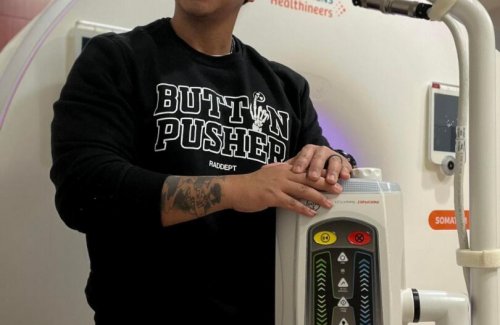
Jed is a first-generation Filipino-American who was born in Los Angeles, California and later on moved to San Diego when he was a teenager. He has spent 11 years in the military, serving as a Navy Corpsman for the Marines and later became a specialized X-ray tech. He was deployed to different countries like Afghanistan, Qatar, Japan, Philippines, Vietnam, Guam, Palau, and Solomon Islands. It was this during this time that he witnessed the need for better medical care in the world.
He always had an entrepreneurial mindset that started off early in high school, when he created a local clothing brand. This transitioned to his adult life where he continued to make fashionable lifestyle wear mixed with fitness culture. Although he had a passion for creating merchandise for others to wear, he wanted to create something that would have a deeper meaning and have the ability to help more people. He realized that he could combine his entrepreneurial mindset with his TikTok audience and quickly discovered that he could reach more people.
He started to use his newfound influence to raise awareness about issues that he is passionate about, and that’s when he realized he could do more.
This sparked an inspiration for him to rebrand his long-time lifestyle clothing line into RADDEPT. With every sale, his company donates 10% to a charity that provides radiological services in underserved communities around the world. His goal is to make fashionable clothing for healthcare workers while also making a positive impact on the world.
Jed is proof that one person can make a significant impact on the world. His story reminds us that even the smallest actions can lead to something greater. We all have the power to create positive change in the world, and it’s never too late to start.
HOW THE MILITARY MOLDED ME AS THE PERSON I AM TODAY
The military helped me mature as a person. People always compare their “10-year transformation,” how they have changed physically, and honestly, mine was a complete mental 180. I grew up as a child of a single mother. We were pretty poor, and at times we were homeless, bouncing around to my mom’s friend’s houses. She worked in the real estate realm, and the companies she worked for were either shutting down or downsizing due to the economy.
I started rebelling around high school so she kicked me out to live with my uncle in San Diego. He was a prior Corpsman in the Navy and became a solid role model. Eventually, after high school, I worked as a Certified Nursing Assistant for 3 years while attempting to complete the prerequisites for nursing school. I ended up joining the Navy so I could have nursing school paid for when I finally applied.
What was supposed to be a 4 year in and out Naval career, turned into an 11-year career that molded me into the person I am today. I excelled with being able to do the grunt work while developing excellent leadership traits. I used my background to help mentor the junior personnel and still continue that habit to this day. I remain in contact with peers, mentors, and mentees, and they all have a significant impact on my life.

THE BIGGEST BARRIERS IN HEALTHCARE
With my military experience, I have noticed that the biggest barrier to accessing quality healthcare for underserved communities is their access to ancillary services. During my last deployment to pacific countries, I recognized that the host nation’s patients had access to primary care visits and surgeries, but the patients had to pay out of pocket for ancillary services like medical imaging.
If you asked me about the significance of radiology before I ended up in this role, I would have laughed and said, ”They don’t do anything but push buttons.” But after completing school, I learned that Radiology has a significant impact on medical treatment – from early detection for diagnosis to being the eyes in the operating room or figuring out the next step for lifesaving intervention.
This deployment opened my eyes to the fact that many patients outside the United States are seriously prone to a lot of diseases that are uncommon in our country. Healthcare quality (although heavily scrutinized by the media) is actually pristine in America and we are lucky to have all these safety protocols in place.
With my military experience, I have noticed that the biggest barrier to accessing quality healthcare for underserved communities is their access to ancillary services.
jed rodriguez

RAISING AWARENESS FOR ANCILLARY SERVICES THROUGH RADDEPT
The first step I hope to achieve this year is to establish a community with my brand RADDEPT. The power of a community can achieve great accomplishments. My first milestone this year is to give 10% of each purchase to charity. I hope to collaborate with more people to be able to give more.
I plan to shine light on the effectiveness and importance of ancillary services. There is always a spotlight on becoming a doctor or a nurse. I plan on creating relatable merchandise for ALL healthcare workers. I’d like to be able to create products that I could donate to countries like the other ones I have previously traveled to and administered care to.

ONE DAY AT A TIME
My biggest advice for someone who wants to make a positive impact on the world but doesn’t know where to start is to take the first step and go for what they want.
One thing that always resonated with me was “Lay one brick a day and eventually, you would have built a well.” This is how I tackle the majority of my life goals. Small baby steps and take it one day at a time. If I keep focusing on the bigger picture, then it becomes overwhelming. Small daily/weekly goals and all those combined will help accomplish the bigger goals.
Also, surround yourself with like-minded individuals. Have mentors and mentees, everything you learn is important, but it is more important to spread the knowledge to the next person!
My biggest advice for someone who wants to make a positive impact on the world but doesn’t know where to start is to take the first step and go for what they want.
jed rodriguez
CONNECT WITH JED RODRIGUEZ
Social media is super important in today’s society. One thing I have learned from having my previous brand for years was the power of ad spending and email marketing. Now, I realized that TikTok could also act as a running ad, and I plan to maximize social media by influencer marketing and collaborating with other creators in the healthcare niche, in order to drive awareness and change.
Tiktok: jroddynotricch
ig: radxdept
www.raddept.com
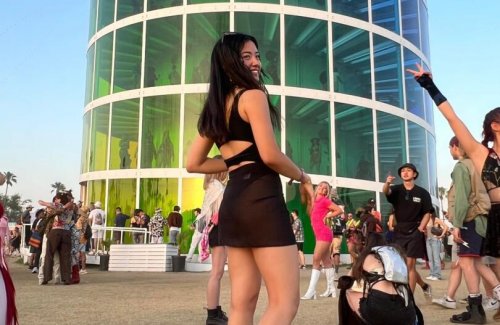
Meet Joyce Ai, a woman with a passion for two seemingly different things – healing and raving. By day, she’s a physical therapist, helping patients recover from injuries and regain strength. But by night (and on weekends), she transforms into something of a superhero: ThePhysioRaver.
That’s right! Joyce is a hardcore raver, and she’s on a mission to help others in the raving community party safely, including DJs, shufflers, and ravers. With her extensive background in strength and conditioning, Joyce is uniquely qualified to help fellow ravers stay healthy, fit, and injury-free.
Her ultimate goal? To keep herself and other ravers stay in top shape so they can keep dancing until they’re 80, or beyond!
Read through as Joyce dives into her journey, explores her passion for both healing and dancing, and let’s learn how she’s using her skills to make a difference in the world as ThePhysioRaver. So turn up the volume, lace up your dancing shoes, and get ready to rave – Joyce-style!
THE STORY OF ‘THEPHYSIORAVER’
I was born and raised in Guangzhou, China, where I spent most of my childhood before my parents and I immigrated to Canada.
I got into physical therapy because I thought the human body was super interesting. I took a human anatomy dissection course in my first year of college. I was amazed by how all the tissues, fascias, tendons, and ligaments were connected.
I have also always enjoyed being active and staying fit, so physical therapy seemed like the natural pathway for me. As I continue to work in this field, I’ve also discovered that the more fulfilling part of this job is being able to help people and truly make a difference in their lives, which is super meaningful and rewarding.

WORKING WITH THE RAVING COMMUNITY
What I love the most about working with the raving community is that we share a common culture and love for music. Music and live concerts are a big part of my life. Whenever I go to an event, I know everyone there comes to vibe out, enjoy the music, and take a break from their busy lives. Whenever I encounter a patient in the clinic who is also a raver, we always instantly hit it off and become best friends. Wouldn’t you want to be able to work with all of your best friends?
The most common injuries for ravers are back pain, knee pain, and foot pain. The most common injuries for shufflers are knee pain and ankle pain. The most common injuries for DJs are usually neck, shoulder, jaw, and back pain.
My treatment philosophy is that everything we do is goal oriented. There is a clear end goal in mind, and knowing these individuals’ goals helps me reverse engineer a solution to help them get there. In that way, my job is really cool because what it looks like for every patient is going to be different depending on their personality, their hobbies, their injury history, their demographics, and most importantly their goals and aspirations.
THE ROAD AHEAD FOR ‘THEPHYSIORAVER’
For now, this is a side hustle that I am doing that I eventually want to turn into a full-blown full-time business. I’m currently trying to produce consistent and high-quality educational content to bring more awareness to the importance of health and wellness in the raving community.
I have been connecting to some other accounts with a similar niche to potentially collaborate, and spread more awareness that way. I also plan on being more present in the local community, setting up booths at community events, and shuffle dance competitions to help broadcast my services.
FINDING HER CALLING
The most rewarding aspect of my work is making people feel heard. A lot of the time, the raving community tends to be an underserved community.
People who get hurt in a mosh pit tend to cover up the real reason they got hurt and tell the doctor something else to save themselves from embarrassment. When asked about goals, people also tend to not list “being able to last through a whole festival” as one of their goals, because most of the time, they will be told off by their doctors or physical therapists to “just don’t go to these festivals”.
Moreover, since I am an avid shuffler myself and have gone through my fair share of shuffling-related aches and pains, I am uniquely equipped to help this community rehab and reach its goals, something that a traditional physical therapist with no shuffling experience is not quite prepared to do. This is why they are always very appreciative when talking to me because I actually listen to their stories, relate to their pain points, and genuinely want to help them get better so they can go raving and dancing all night long.
The biggest lesson that I gleaned from this experience is to never stop trying and to always take consistent, uncertain action. I had a lot of doubts before launching this business. My inner critic kept telling me “but Joyce, you’re an academic, you’re not a businesswoman, and there is no way you’d be an entrepreneur.” Then, when I finally overcame that obstacle, my inner voice kept saying “you are creating a problem that does not exist. There is a reason why no one has done this yet because ravers, shufflers, and DJs do not need your services”.
It wasn’t until I got my first client that finally these voices were getting smaller. They still pop up from time to time, but I know that I am staying true to myself and my mission. This is corny, but you miss 100% of the shots you don’t take. If I never made the leap to put myself out there, I would have never had the opportunity to work with this population that I have been truly called to serve.
If I never made the leap to put myself out there, I would have never had the opportunity to work with this population that I have been truly called to serve.
-Joyce ai
Christina is a dancer and the studio director of Lisa Performing Arts located in Bay Area. Through her dance performances, she tells stories about Chinese culture, including the ways people live, their mannerisms, and their unique clothing, all while passing down their unique stories from generation to generation.
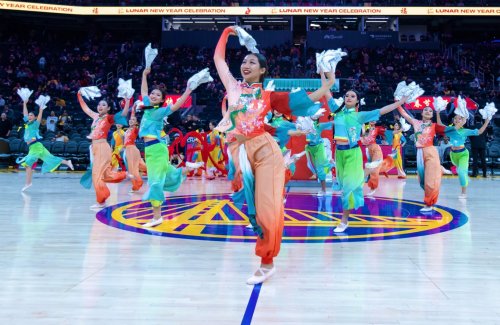
Christina’s journey has been filled with success and opportunities for her dancers to showcase their Asian American dance styles. They have competed at international competitions, premiered on NBC TV, and performed at various high-caliber events. Most recently, they were given the privilege of performing a halftime show for the NBA Golden State Warriors.
The troupe brought a unique and cultural experience to the game featuring the dynamic handkerchief dance, graceful and fluid movements of the ribbon dance, and intricate lantern dancing. The performance was the first of its kind, featuring “authentic Chinese dance” and a combination of fusion styles they have learned.
Read through as Christina delves deeper into the creative process of choreographing a new dance, her recent performance at the NBA Golden State Warriors halftime show, and the importance of celebrating one’s cultural identity.
BRIDGING THE GAP BETWEEN AMERICAN AND ASIAN CULTURES
Growing up as an Asian American, I experienced a lack of representation of Chinese culture in mainstream American platforms and faced the challenge of reconciling my traditional Chinese culture with the dominant American culture, which often excluded Asian Americans and perpetuated stereotypes.
I found solace in Chinese dance — a beautiful and intricate art form often overlooked in mainstream American platforms. My passion for bridging the gap between American and Asian cultures began when I started learning Chinese dance, which surprised me because not many people knew about it beyond the “lion dance.”
Chinese dance involves advanced technique, beautiful costumes, and a variety of unique dance styles, including Mongolian, Tibetan, Dai, Classical, and more. However, I noticed a lack of appreciation for Chinese dance at school rallies, outside performances, and dance competitions.
As I grew older, I realized that to bridge the gap between American and Asian cultures, I needed to find a way to blend the two in a way that was accessible and appealing to both. I was inspired by the success of Bollywood dance in America and dreamed of Chinese dance becoming just as popular. To achieve this, I realized it was necessary to incorporate elements of mainstream styles such as “contemporary” movements, technique, and storytelling, while adding our own Chinese dance elements such as costuming, music, and style.

I worked to create an “East meets West” fusion style of dance that combined both American and Chinese elements. I hoped to bring together teachers and dancers of both backgrounds to learn and appreciate each other’s styles and create unique fusion styles as Asian Americans.
Through my work in Chinese dance, I have seen a growing interest and appreciation for the art form from people of all ethnicities. I am proud to have helped spread awareness and understanding of Chinese culture and have given a voice to Asian Americans in the performing arts world.
Looking forward, I hope to continue to promote authentic representations of Chinese dance in mainstream media and to build a more diverse and inclusive society by encouraging greater cultural understanding and appreciation. My goal now is to form connections with Hollywood networks to ensure that authentic Chinese dance is portrayed in film and music videos and to prevent cultural appropriation.
I believe that the performing arts provide a universal language through which we can all communicate and that by embracing and celebrating our cultural identities, we can build a more harmonious and united world.
BEING ASIAN IS A STRENGTH, NOT A WEAKNESS
My interest in dance began at a young age. My mother was a professional dancer in China who opened her own dance studio in the US. I was exposed to a variety of dance styles, which allowed me to form strong friendships with people of all ages and backgrounds. Through dance, I not only learned about movement and performance, but also about teamwork, leadership, and resilience.
As I grew older, I became passionate about promoting and showcasing Chinese culture through dance. Chinese dance is a unique and vibrant art form with a rich history and tradition. It has a diverse array of costumes, props, and ethnic styles, as well as stunning technical skills, it was a hidden gem waiting to be shared on a larger platform. I felt that it was important to share this cultural identity with others and to show that being Asian is a strength, not a weakness.
Today, I am proud to say that our studio is well-known and respected in the Bay Area. Through our performances and outreach, we have been able to promote Chinese culture and inspire others to celebrate their own cultural identity.
I felt that it was important to share this cultural identity with others and to show that being Asian is a strength, not a weakness.
-Christina Wang
THE CREATIVE PROCESS
When choreographing a new dance, my creative process starts with considering the group of dancers I’ll be working with for the season. I think about each dancer’s individual strengths and how to create unity among the group. This includes deciding on a dance style that fits the group and identifying which dancers will perform which roles.
I then search for songs that will sound intriguing to the audience and consider modernized versions of traditional Chinese music if possible. Next, I find costumes that are in-season and on-trend to bring a contemporary Chinese feel to the performance. I also draw inspiration from trending technical work and group lifts that can work well with the group, as well as any props we may be using. The movements and facials themselves tell the story, and I choose ethnic styles that reflect the particular cultural traditions we’re exploring.

When creating a production piece, I try to tell a story that is easily understood by the audience. To achieve this, I brainstorm ideas inspired by TV shows, movies, and Chinese folklore that can be given an added twist through the use of props. For example, for our piece “The Legend of Avatar: East meets West,” we used props to tell the story of using Earth’s four elements.
Production pieces are more complex to choreograph, as I need to think about how different sections will mesh, color coordination for costumes, smooth transitions between segments, and how to coordinate rehearsals for a large group of people. I also need to consider which parts of the performance to cut or keep, depending on whether we’re performing for a competition or for a show. It’s a true team effort, with many people involved behind the scenes, including visionaries, teachers, prop makers, parents, costume designers, music editors, and dancers who make the vision come to life.
A PRICELESS MEMORY
The dance troupe’s recent halftime show performance for the NBA Golden State Warriors was a truly special and memorable experience. As the first Chinese dance studio to put on a full dance production at the Chase Center, it was an incredible honor to be able to showcase Chinese culture on such a large platform. While martial arts and lion dance have been featured in the past, Chinese dance had never been given the same opportunity until now.
This milestone not only allowed us to introduce Chinese dance to a wider audience who may not have seen it before, but it also provided a priceless memory for our dancers.
BREAKING DOWN CULTURAL BARRIERS
In addition to positive feedback on our technique and performances, we’ve also received comments on how our troupe’s performances have helped to promote cultural awareness and diversity.
People have expressed appreciation for the opportunity to learn about Chinese culture through our dances, and many have shared how our performances have inspired them to explore and appreciate their own cultural heritage. We’ve also received word that our performances have helped to break down cultural barriers and build bridges between different communities. It’s all very encouraging and it keeps us motivated to continue doing what we do.
EMBRACING YOUR CULTURAL IDENTITY
For young Asian Americans who may be struggling with their cultural identity, my advice is to embrace your uniqueness and find your community. Don’t be ashamed or embarrassed about your heritage, as it is a valuable part of who you are.
Surround yourself with like-minded individuals who share your values and can help you grow. You can seek out cultural groups or organizations in your area, attend cultural events, or connect with others through social media.
Additionally, try to think outside the box and find creative ways to integrate your cultural identity with what people are already comfortable with, while highlighting the unique aspects of your heritage.
Finally, don’t be afraid to take risks and pursue your passions, even if they may not fit the mold of traditional expectations. By embracing your cultural identity and celebrating your heritage, you can become stronger and more confident and inspire others to be the same.
Don’t be ashamed or embarrassed about your heritage, as it is a valuable part of who you are.
-Christina wang
VISION FOR THE FUTURE
Looking ahead, my vision for the future of my dance troupe and work in promoting Asian culture is to continue expanding our reach and impact. One of my top goals is to provide more opportunities for our dancers to perform at high-caliber events such as the White House, the Olympics, and major award shows like the Oscars and Grammys.

Beyond these major platforms, I hope to see Chinese dance become a more integrated part of the arts and cultural scene, potentially even becoming part of school curriculums to expose young people to this beautiful art form at a young age.
In the long term, I would love to take our work to the next level by establishing a Chinese American dance studio with a dance-specific talent agency sector, through which casting directors would be able to select dancers who can perform authentic Chinese dance for film, media, and commercials. This would create more opportunities for dancers to showcase their skills and help to further promote and introduce Chinese culture to a bigger audience.