



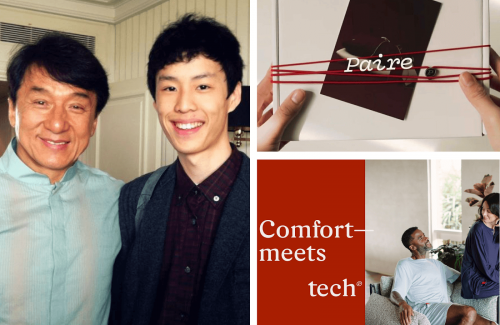
Nathan Yun did not start his career thinking he would one day build a consumer brand. His early years were spent on film sets and in editing rooms, learning how stories are shaped and how audiences respond to them. Working as an assistant to Jackie Chan gave him a front-row view of storytelling at its highest level. He watched how a single film could reach millions of people and create a shared emotional moment across cultures.
Yet over time, he noticed something that stayed with him. The inspiration was real, but it faded quickly. Once the credits rolled, people returned to their usual routines. That contrast made him question what lasting influence really looked like. Was it found in big, unforgettable moments, or in the small things people interacted with every day?
Paire grew out of that question, built not around trends or marketing tactics, but around everyday essentials, starting with socks. If stories could move people for a moment, Nathan believed products could shape how they lived every day.

From Film Sets to Daily Habits
Nathan came to understand that while stories stay with people selectively, habits are formed through repetition. Clothing, especially everyday essentials, plays a quiet but constant role in daily life. When something feels uncomfortable or wears out too quickly, people notice it immediately, even if they never say it out loud.
This insight marked a turning point. Nathan no longer wanted to create something people felt for a moment. He wanted to build something they could rely on every day. From the beginning, Paire was shaped around that idea.
Instead of chasing trends, the brand focused on fit, fabric, and longevity. The goal was simple: to make essentials people would reach for again without thinking.
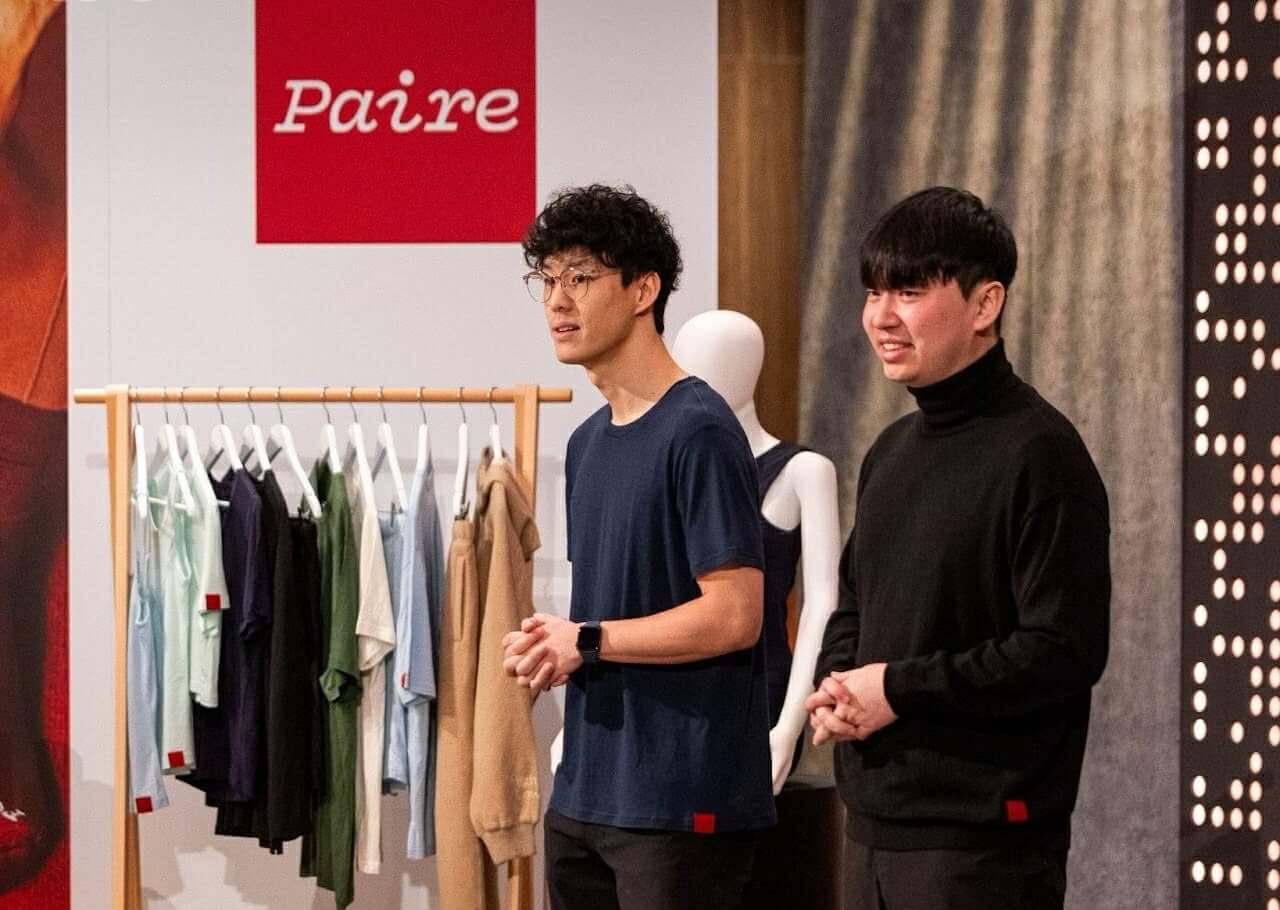
Nathan Yun (right), Founder of Paire
Learning How to Build Before Building His Own
Before launching Paire, Nathan spent five years at furniture startup Brosa, where he learned what it takes to grow a business beyond an idea. As the company expanded from a ten-person team to more than one hundred employees, his role evolved from content creation to leading brand and marketing.
During that time, he saw how forecasting affected inventory, how data guided growth, and how pressure increased as operations scaled. He also witnessed what happened when demand moved faster than systems, and how costly it could be to build those systems too late.
Those experiences shaped how Nathan approached entrepreneurship. He did not want to build Paire on instinct alone. He wanted a clear understanding of supply chains, margins, logistics, and customer behavior before committing to his own brand.
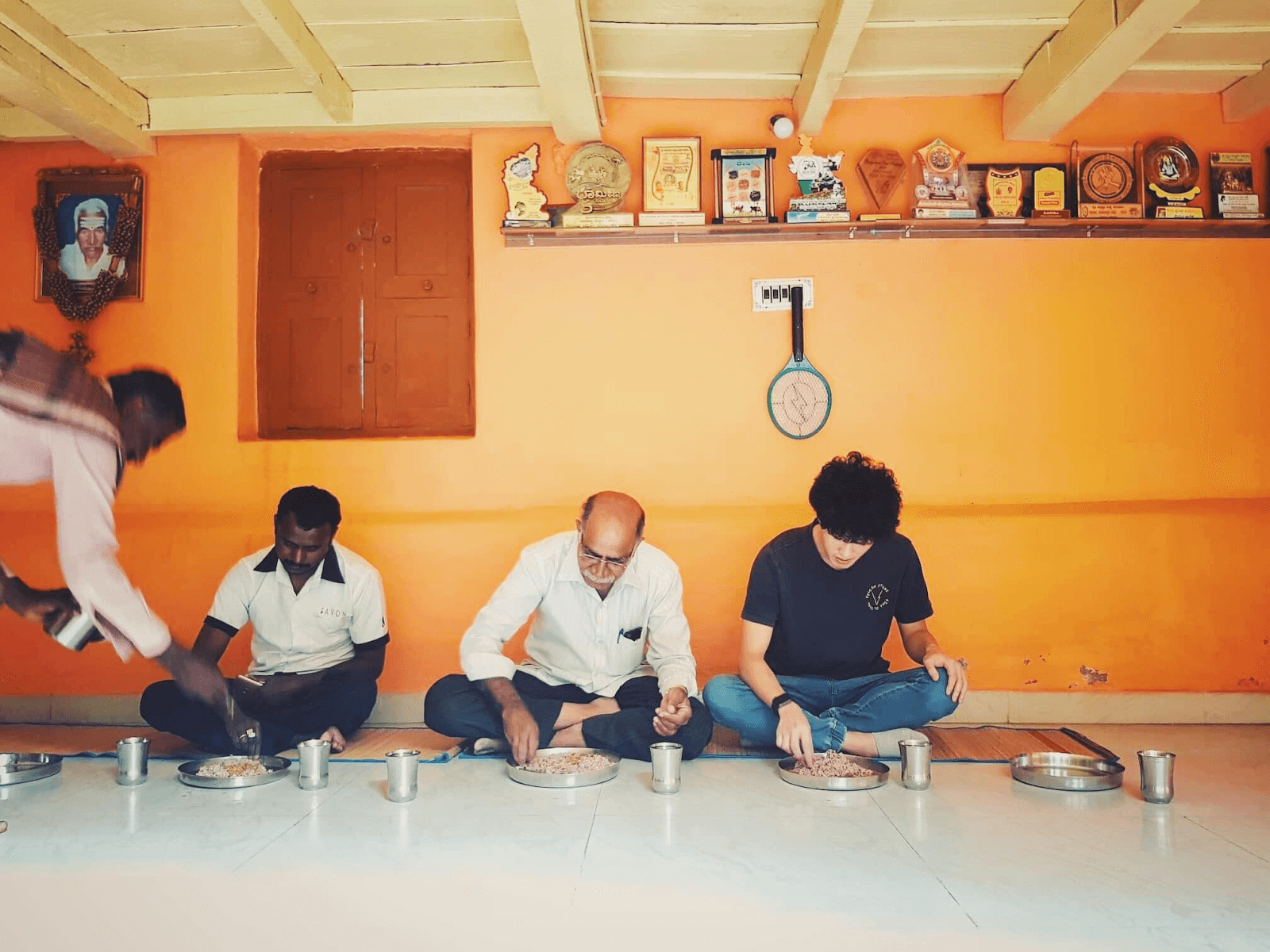
Nathan Yun (far right), Founder of Paire
The Trip That Made the Mission Personal
The purpose behind Paire became clear during a trip to India. Away from polished storefronts and online campaigns, Nathan saw the fashion industry in a very different light. He witnessed environmental damage near production sites and spoke with workers whose livelihoods depended on high-volume manufacturing.
“That experience made it clear something needed to change,” Nathan explains. What stayed with him most was how disconnected these realities were from everyday shopping habits.
Much of the damage he saw came from clothing treated as disposable. When he returned home, Nathan reached out to his longtime friend Rex, a textile expert. Instead of launching a wide range of products, they chose to start small. The focus was on improving a single item and making it last.
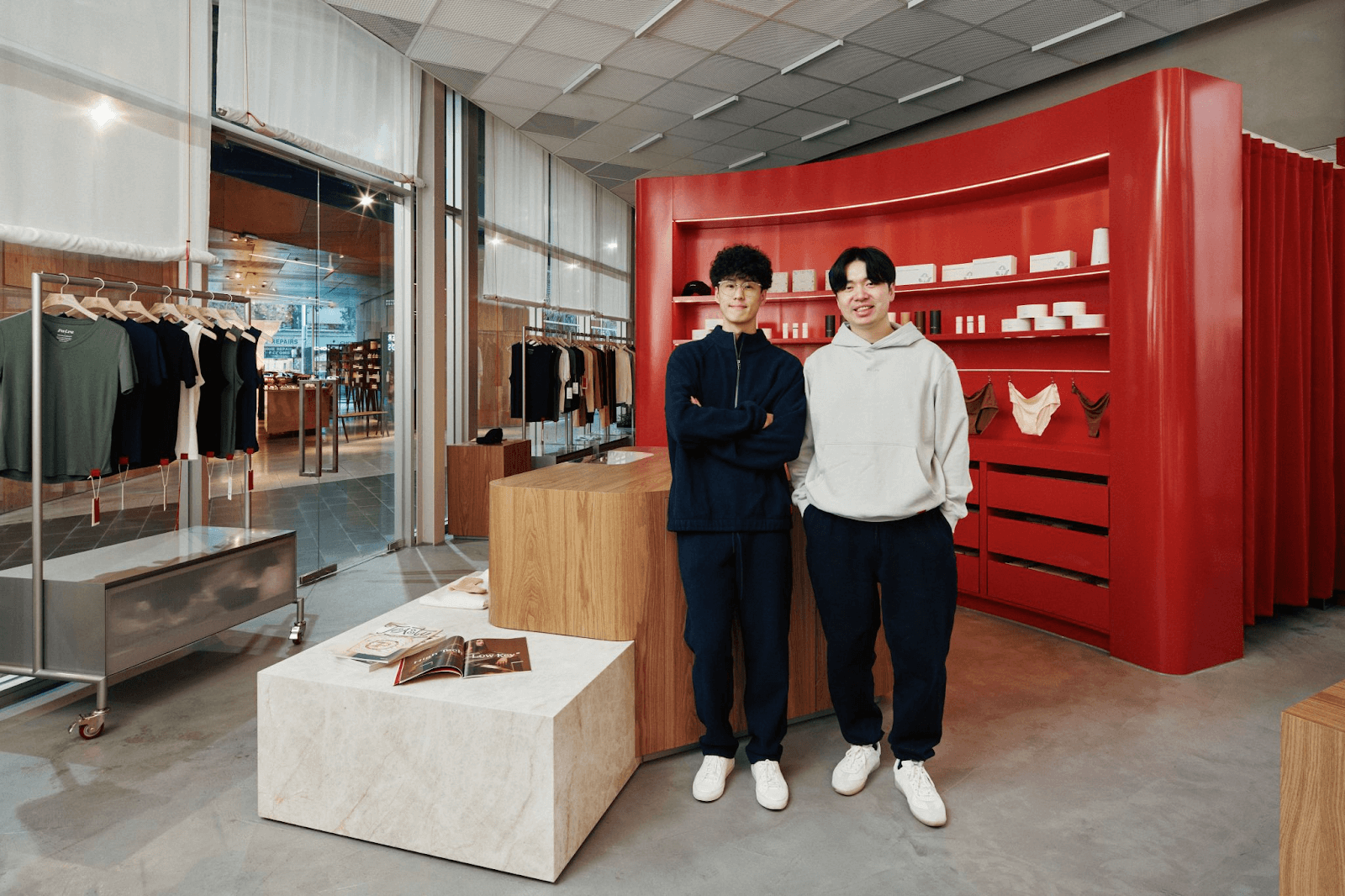
Nathan Yun (left), Founder of Paire
Earning Trust Through the Product Itself
Nathan understood that values alone would not earn loyalty. The product had to prove itself in everyday life. The team spent months refining fabric blends, improving breathability, and testing durability through repeated wear and wash cycles.
Pricing a pair of socks at twenty-four dollars came with risk. Most consumers were used to buying socks cheaply and replacing them often. But once people tried Paire, many returned. Nearly seventy percent became repeat customers, not because of marketing, but because the product became part of their routine.
By focusing on quality and longevity, Nathan Yun built a $15M-a-year brand that shows meaningful change does not always arrive loudly. Sometimes, it begins quietly, through the simplest things we rely on every day.
Follow Nathan’s journey:
The creator economy is no longer a niche corner of the internet. It is a $250 billion industry, powering modern marketing, culture, and commerce. Yet for the creators at its core, the experience often remains unstable and fragmented. Inconsistent rates, shifting platform demands, and “gifting” budgets paired with outsized expectations have left many navigating an ecosystem that hasn’t caught up to their value.
As we look toward 2026, the industry is approaching a tipping point. Growth alone is no longer enough. What creators need now are standards, systems, and support that allow them to build sustainable careers—not just viral moments.
Below are five critical shifts shaping the future of creator work, and the standards Meraki is building to support a stronger, more intentional industry.
1. Stronger Structure for a Growing Industry



Image Source: Pexels
A significant number of creators still undercharge for their work, and 26% report needing help navigating contracts. Without standardized deal benchmarks, creators are often left guessing their worth—leading to pay gaps, rights misuse, and legal risk.
The gap: Negotiation norms vary widely, with no clear benchmarks for fair compensation or usage terms. Many contracts are written in dense legal language that creators are expected to sign without full understanding. This imbalance leaves creators vulnerable to losing control of their work and long-term earning potential.
The Meraki solution: Meraki empowers creators with defined negotiation standards and the confidence to secure fair, market-value deals. By demystifying contracts and usage terms, creators can focus on their craft knowing their income and intellectual property are protected.
4. Work Models That Protect Wellbeing

Image Source: Pexels
Burnout has become one of the industry’s most pressing issues, affecting more than half of full-time creators. The always-on model—driven by algorithm shifts and last-minute deadlines—is no longer sustainable.
Creativity cannot thrive under constant urgency.
The gap: Many campaigns are built around speed and volume rather than realistic creative timelines. Creators are expected to be constantly available, adapt instantly, and produce under pressure without recovery time. Over time, this erodes both creative quality and mental health.
The Meraki solution: Meraki advocates for structured planning and sustainable workflows. Campaign timelines are built to protect both creative quality and mental health, proving that high-level output does not require constant exhaustion.
5. Representation Rooted in Voice, Not Trends
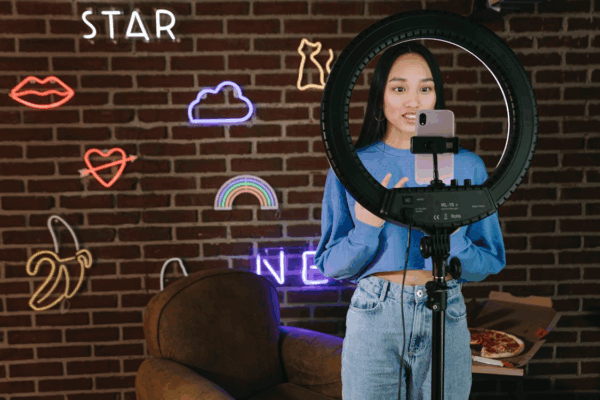
Image Source: Pexels
Creators are increasingly resistant to being reduced to labels or treated as trend-driven checkboxes. True representation starts with understanding a creator’s voice—not forcing them into a predefined brand narrative.
The gap: Many partnerships remain transactional, prioritizing short-term relevance over genuine alignment. Creators are often selected to fill a category rather than for their perspective or long-term vision. This leads to inauthentic work that disconnects creators from their communities.
The Meraki solution: Meraki begins every partnership by listening. By understanding each creator’s goals and vision, Meraki aligns them with brands that share their values—fostering long-term relationships that feel authentic to both the creator and their community.
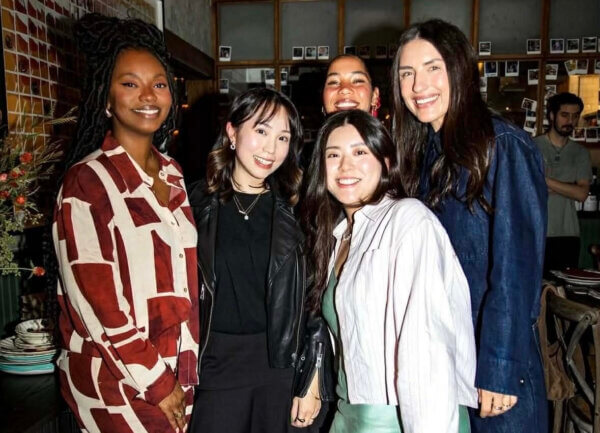
Photo courtesy of Vivian Kwan (second from left), Founder of Meraki Group
The Next Era: Purpose Over Pressure
As we look toward 2026, the transition from a “Wild West” to a professionalized industry requires more than just better tools—it requires a fundamental shift in how we value the humans behind the content.
Meraki sits at the center of this new era, bridging creative passion with real professional growth. By pushing for fair standards, ethical representation, and sustainable careers, Meraki does more than manage creators; they help protect the future of creative work.wi
Learn more about Meraki Group:
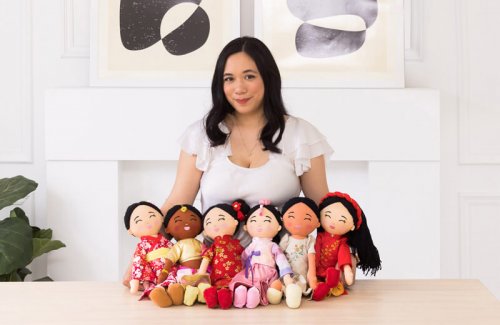
Where Identity Begins
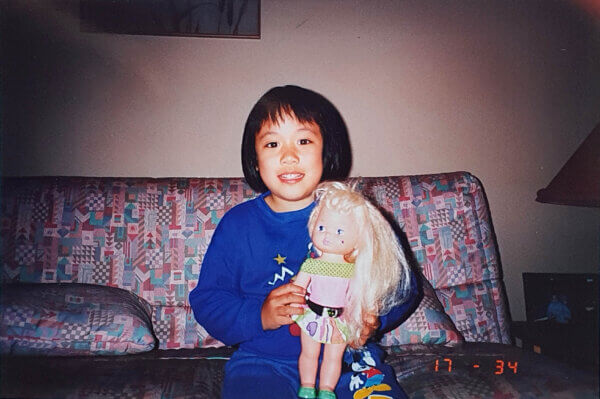

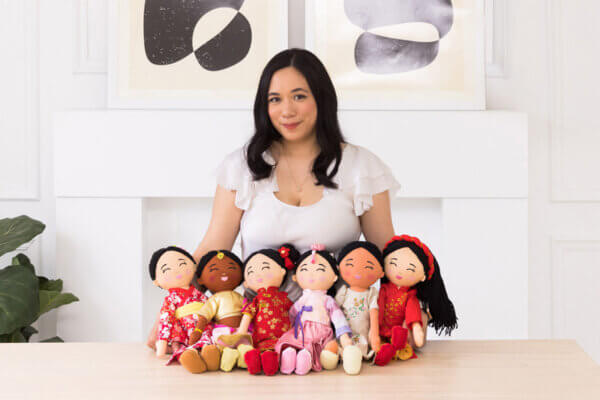
Learn more about her story here: https://www.joeydolls.com/

Lucy Liu is once again bringing us a powerful performance with Rosemead, a film that has been picked up by Vertical for a December theatrical release. The story follows a mother who begins to see troubling changes in her teenage son, opening the door to a deeper look at fear, love, and mental health.
Recently, the film gathered strong early interest after drawing a full audience at a special screening held at the Metreon in San Francisco. Hosted by Dave Lu, the event sparked conversations about topics often avoided in public spaces, especially within immigrant communities.
With its growing list of festival honors, positive reviews, and a narrative inspired by real events, Rosemead is already being recognized as one of Liu’s most powerful and personal performances to date.
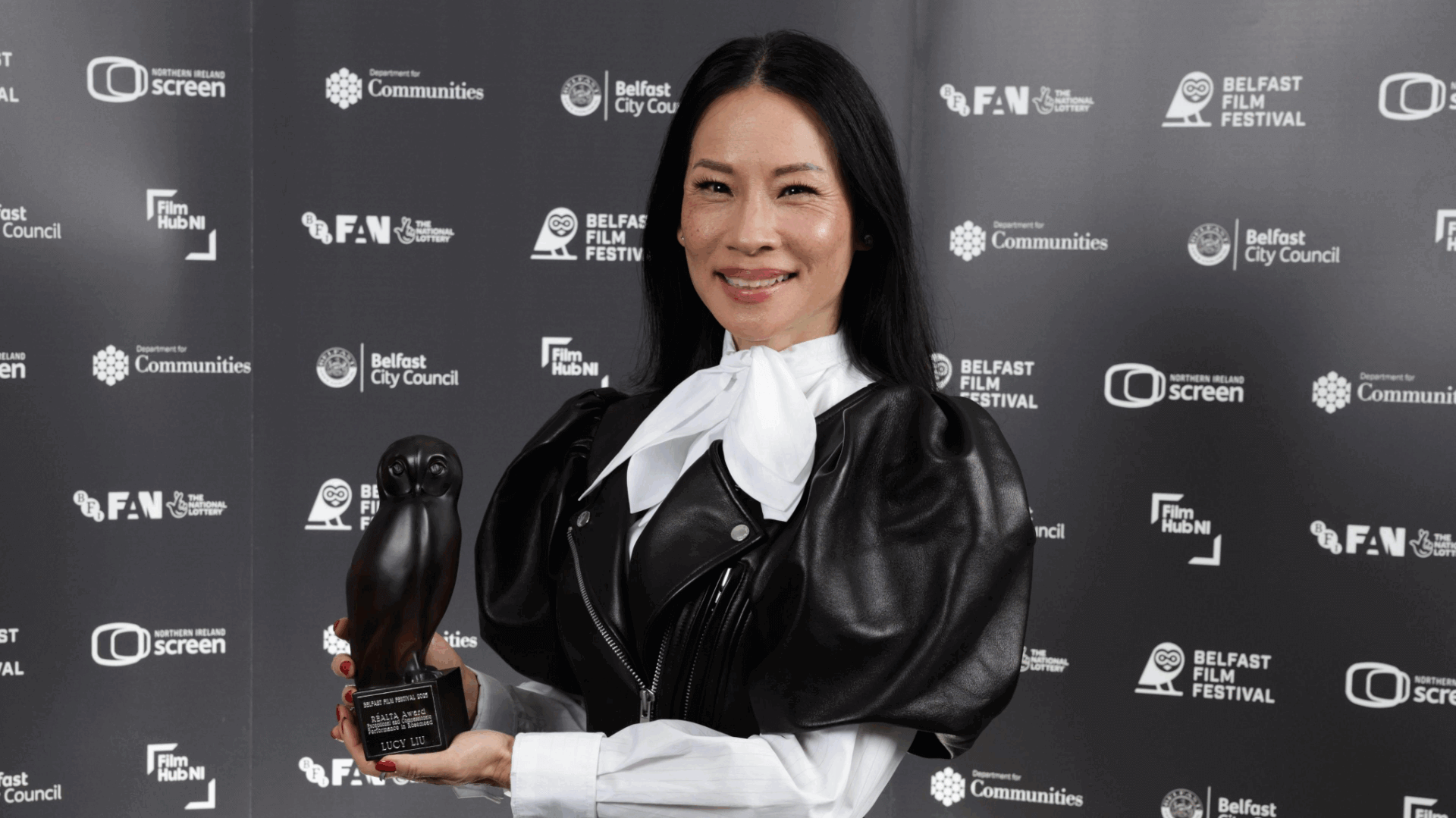
Image Source: BBC
A Story Built on Fear and Family Pressure
At the heart of Rosemead is a mother who becomes concerned as her son’s behavior shifts in unsettling ways. What begins as quiet anxiety slowly grows into a frightening urgency as she realizes the situation may be more dangerous than she imagined.
As her fear rises, she faces the painful question of how far a parent can go to protect the child they love. The tension builds with each scene, making her inner struggle feel both real and universal.
The story takes place within a Chinese American household where cultural expectations and unspoken worries create additional layers of pressure. Lucy Liu captures these emotions with precision, while newcomer Lawrence Shou brings a raw, unpredictable intensity that deepens the film’s emotional impact.

Image Source: The Traveler’s Take
Building Momentum Through Festival Wins
Before reaching theaters, Rosemead had already made a strong impression on the festival circuit. Its premiere at Tribeca drew praise for its gripping approach to storytelling and its standout performances.
The film’s momentum continued as it won Best Narrative Feature at the Bentonville Film Festival, adding to its early recognition. It gained even more attention after earning the Prix du Public UBS audience award at the Locarno Film Festival.
During its time at Locarno, Lucy Liu also received a Career Achievement Award that highlighted her long-standing influence in the industry. Vertical’s Peter Jarowey praised her work for its emotional depth, while also recognizing director Eric Lin’s bold and confident vision in his feature debut.
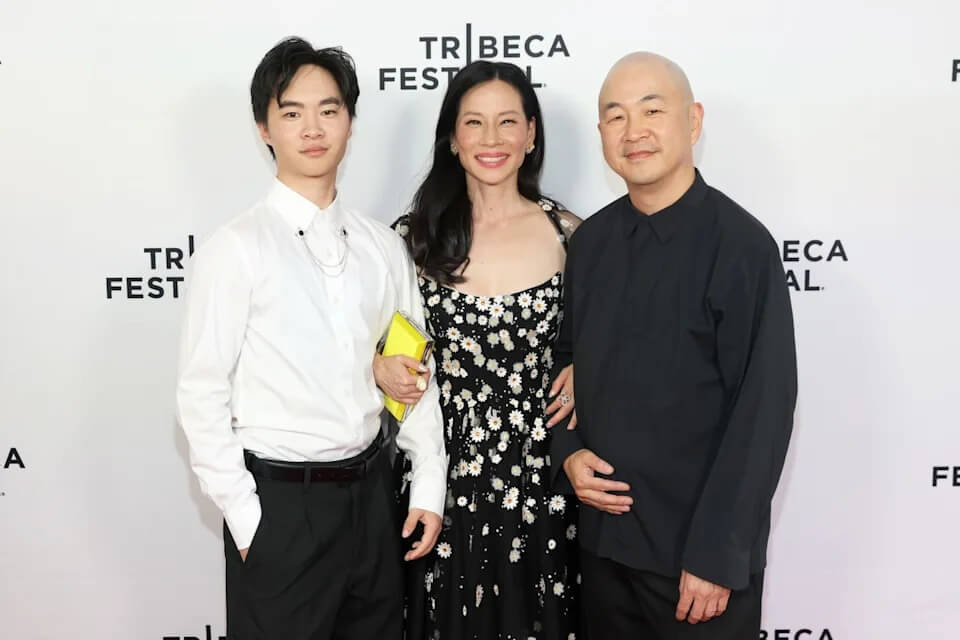
Image Source: Yahoo
A Strong Screening at the San Francisco Metreon
The event at the Metreon brought together creators, film lovers, and local community members for an open discussion about the upcoming release. The gathering served as a space for people to share expectations, explore the film’s themes, and talk about the real-life issues it aims to portray.
The audience noted how the film reflects real family struggles, especially those found in immigrant households. Its grounded approach to fear and uncertainty sparked discussions about mental health and cultural expectations.
After the screening, conversations centered on Liu’s controlled yet deeply affecting performance. Lawrence Shou also drew attention for his breakout role, adding to the anticipation for the film’s one-week run in selected theaters this December.
Experience the film in theaters and see why it’s already drawing strong early interest. Rosemead is set to premiere in select theaters on December 5, 2025 in New York City; December 12, 2025 in Los Angeles, and more cities to follow on January 9, 2026.
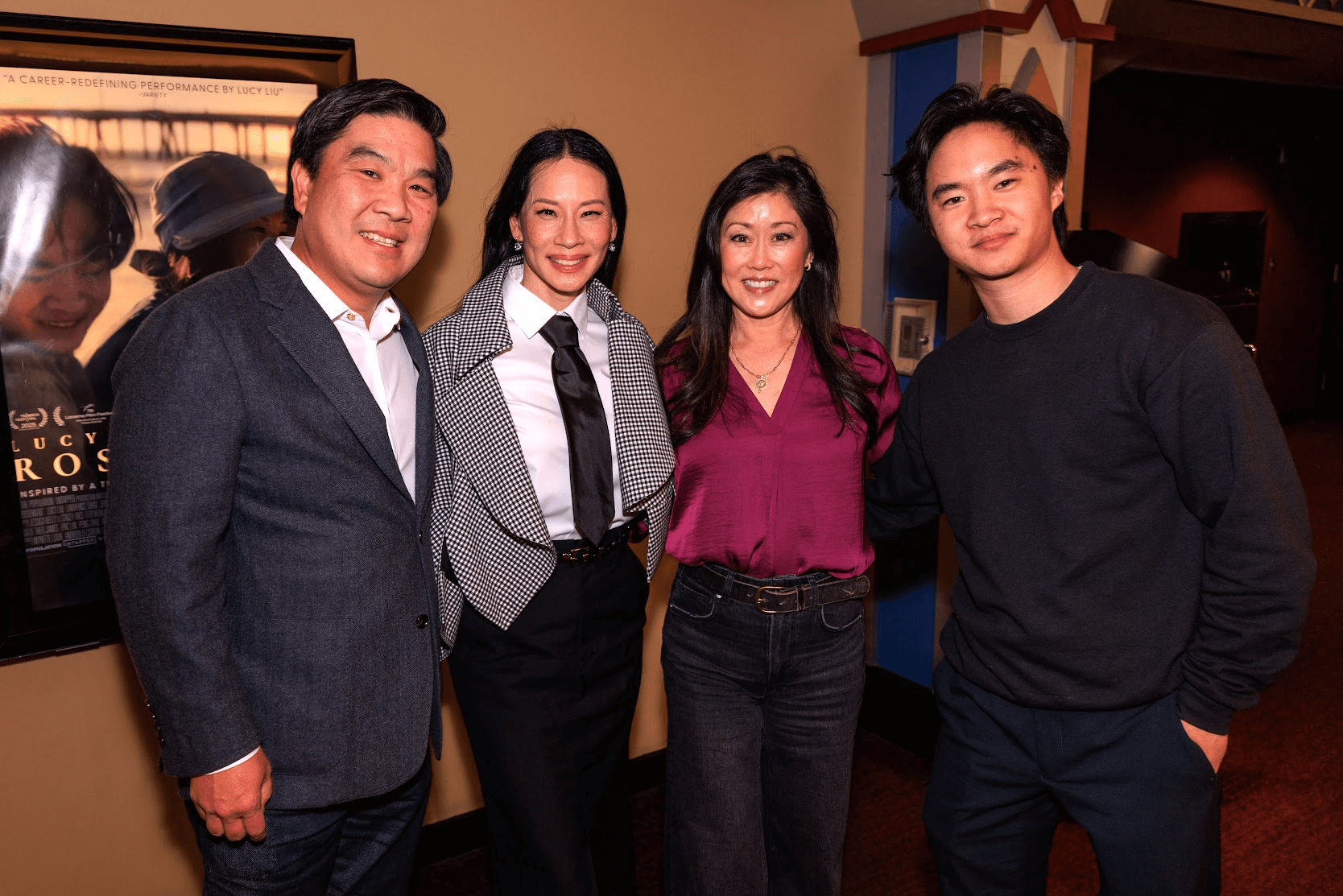
Image Source: Nikolas Liepens