

podcast
Latest Episodes


video
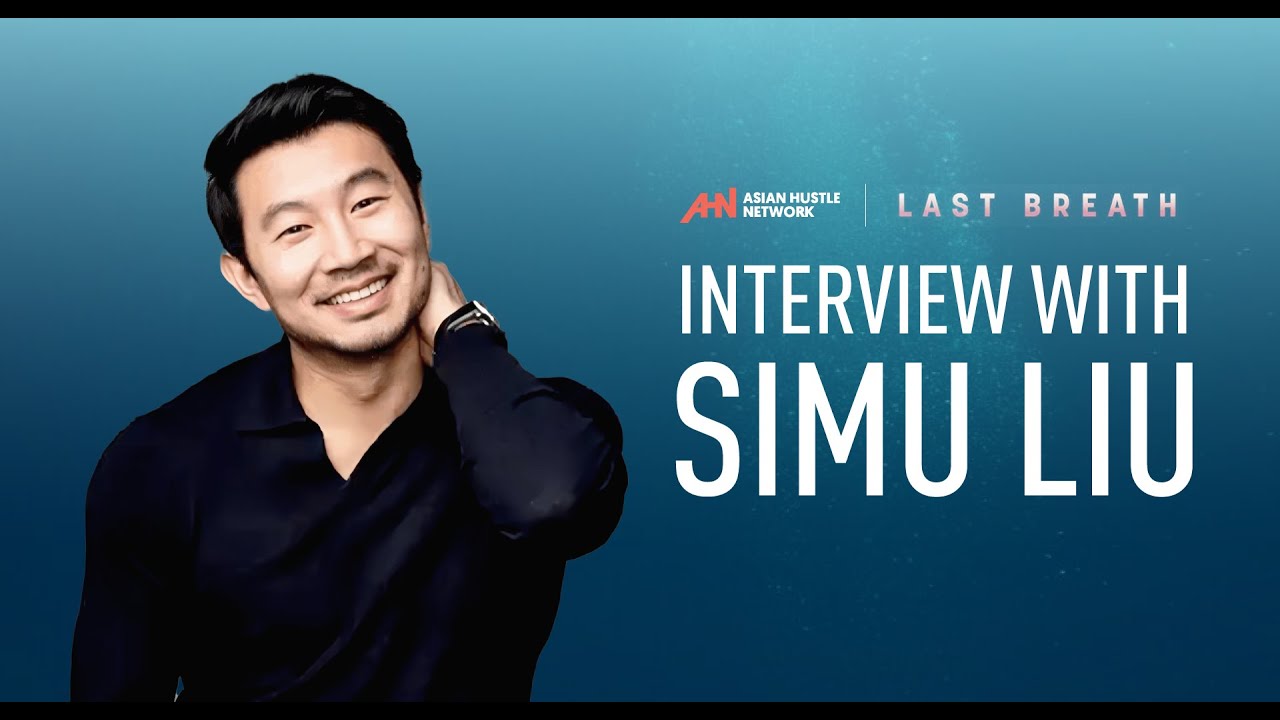
AHN Exclusive: Simu Liu Dives Deep Into “Last Breath,” Pushing Limits and New Horizons

AHN Podcast | S3 | EP212 | Dr. Tiffany Moon
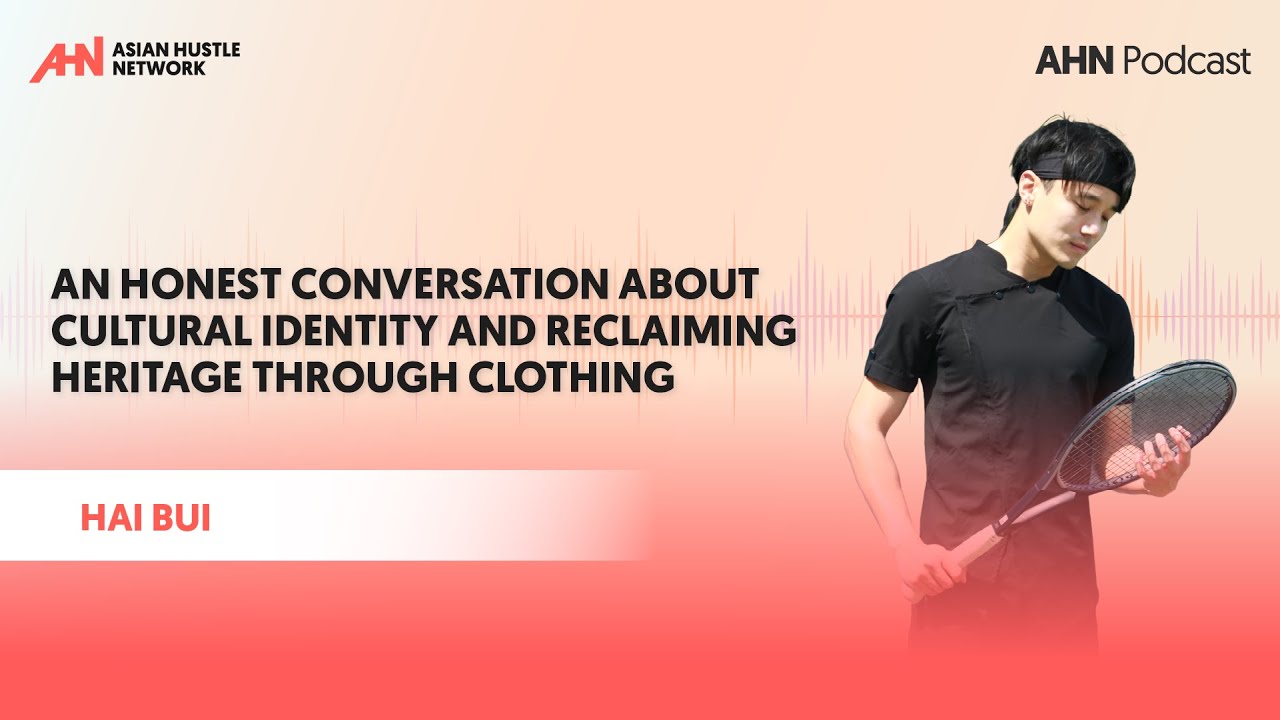
AHN Podcast | S3 | EP213 | Hai Bui
AHN Podcast | S3 | EP214 | Mark Espinoza
AHN Podcast | S3 | EP215 | Judy Zhu
AHN Podcast | S3 | EP216 | Israa Nasir
Article

Awaken* newsletter
On January 3rd, I had the honor to chat with Eddie Kim. Like myself–Eddie happens to be a Stanford alumni. Unlike me–Eddie is the CTO and co-founder of a $9.6 billion company named Gusto: a payroll, benefits, and HR solution for businesses in the US. It’s already hard to find Asian unicorn founders, finding Asian near-decacorn founders is an order of magnitude rarer, making Eddie a certified legend. Despite his success, Eddie remains a very down to earth and genuine person, and I greatly enjoyed chatting with him. Without further ado:
PARENTAL PRESSURES
A common trope with some truth to it, is that many Asian parents pressure their children to pursue more stable, high-prestige careers, such as being a doctor or lawyer. I asked Eddie if he had experienced this:
I got pressure from my dad. My dad was a doctor and, like many Asian parents who are doctors, wanted their kids to be doctors. I think there was a fair bit of pressure from my dad, and then from my mom through my dad, to become a doctor and do pre-med and all that stuff. Of the STEM subjects, which I really liked and was good at, I was good at math, chemistry, and physics. The one that I didn’t like was biology. For me, it always felt like it was about memorizing things as opposed to actually using your brain. It seemed like being a doctor would require more of this, where I have to memorize all these different body parts and so on. I never really considered becoming a doctor, even though my parents really wanted me to. For them, it was the safe path, a prestigious occupation. There’s a lot of good to like about it, you’re saving lives and things like that, and you make a decent amount of money.
However, once I was in college, my parents encouraged me to be in control of my destiny, which meant potentially starting my own business. They were supportive when I talked about it. Part of it was also that my dad is a doctor who started his own private practice, so he was an entrepreneur himself. When I was really young, my dad was just starting out. He immigrated from Korea and they didn’t have a lot of money. Once he became a doctor and had his own private practice, we were comfortable. We weren’t super rich, but money was not a huge worry. We’d always have food and basic necessities. We couldn’t buy super luxurious things and go on vacations, but it was enough that I could take risks early on. I think a lot of the reason why they were supportive of me starting my own business or doing something more risky was because even if it failed, it wouldn’t be devastating. I’d still have a home to go to and could fall back on my parents. It wouldn’t be a huge burden. So, I think I maybe had a little bit of a different experience than a lot of Asians once I was in college.
I asked Eddie if he thought that his parents were more understanding because they themselves were business owners:
Absolutely. My dad was a doctor and my mom was the one doing all the back office work. She was the receptionist, the insurance biller, the payroll runner. It was a small venture, just my dad and my mom, and they had one employee for 30 years. My dad never worked for a salary, he never joined Kaiser or anything like that. So, he definitely had a more entrepreneurial mindset.
My own mom is a small business owner, and Eddie’s parent’s attitudes paralleled my own parents’ so far. Since I sometimes ask my mom for advice when it comes to business, I wanted to see if Eddie did the same:
Not really. The whole tech world was so different from what they knew. Even questions about how to raise money or what is pre-money post-money valuation, all this sort of tech stuff, they had no idea. They weren’t practically helpful in that sense. But my mom was always super encouraging. She was very supportive, even though she didn’t really have a lot to contribute. It was more moral support more than anything.
SCARCITY MINDSET
Another common immigrant trope is having a scarcity mindset. This often persists even once families establish themselves in America. The traditional wisdom in startups is to build as lean as possible, and at first glance, having a scarcity mindset should help with this. I asked Eddie if he had this mindset and how it was expressed in his startup.
I remember, even though my parents’ practices were doing well, it wasn’t always like that. It started from nothing. We would rarely go out to eat, and when we did, it was at some chain like Sizzlers or maybe Red Lobster. Nothing super fancy. The thought of ordering an appetizer or a drink that wasn’t water felt wrong, like we were getting ripped off. There was definitely this mindset of being very frugal and not treating yourself to unnecessary luxuries.
As I got older, I was influenced by some of my friends, who had less of a scarcity mindset. They would go out to nicer restaurants. We all had jobs post-college. We weren’t making tons of money, but while I was always about saving everything, they were not. At my first job at Volkswagen, I would pack lunch and figure out how to save about 60-70% of my salary. The rest was for rent, food, and gas. I was able to save, not a ton of money, but I had this mindset of frugality and saving as much money as possible. I’m not sure for what, but it was just the thing you do for a rainy day. My friends, on the other hand, were not saving money at all. They would go out to bars and fancier restaurants. That’s how I got exposed to it. Even though I was always a bit more on the frugal side, I started to see the value in treating yourself a little bit more. I learned from my friends that there’s no point in money if you’re not going to use it for something. What are you saving it for? I think the combination of how I grew up and my friends’ influence helped me find a balance.
I think it wasn’t until my second startup, Gusto, where we had the fortune of raising a lot more money than my first startup. Often, we had this mindset that you could spend a little more money and get higher quality stuff. For instance, instead of buying an Ikea desk, we bought from a company called Room and Board. It was a couple hundred more dollars per desk, but they were much nicer than an Ikea desk. Or like our first hires that we made, right? You can go for super cheap, outsource offshore to build your first product, or you can hire someone that’s really good, pay a little more, and be more generous with equity to get really top talent.
So, I think it was at Gusto where I learned that if you have the resources to do so, it’s better to spend a little more. Don’t go super cheap on every single thing, don’t go frivolous and pay top dollar for everything either. But there’s a range, I would say, if it’s a range of one to a hundred, I would say a range of 70 to 80, or maybe 80 actually, where I think it’s worth spending that much because you just get so much more for it. Long term, it pays itself.
There’s a moment where once you have the means, I think your mindset should shift a little bit. Not to go extravagant, but to not have so much of that scarcity mindset that we grew up with.
BEING ASIAN AND BEING A LEADER
As I always do, I asked Eddie how he felt being Asian qualified his experience as a founder, and if it was something he thought about a lot:
I think to a certain extent, but not a ton. It’s not something that is always top of mind and something that I’m very self-conscious about or have imposter syndrome of. But also at the same time, it is something that’s kind of in the back of my mind. I sometimes ask myself, do I have what it takes to be a leader of hundreds of people in the organization? Will people not respect me as much because I’m Asian and Asians tend to be perceived as less of a leader than say, a white person. And so you definitely have a little bit of that, but also at the same time, I feel like whenever I have those thoughts, I tell myself that, no, why can’t you break the mold, right? Why can’t you be one of the first Asians that have done X or Y, right? Or one of the few Asian co-founders of a unicorn company, right? And so then I start to get excited about the concept of, “Hey, I can actually show people that it can be different.” And then, so it kind of turns into more of a motivating factor for me.
Eddie’s answer seemed to be focused on being a leader. From the research I did, it seemed like Eddie struggled in the transition from being an individual contributor to more of a manager role (or people empowerment at Gusto). I asked Eddie how he approached crafting his leadership skills.
One was, I had people that I could talk to that had more experience in it than I did that were very generous with their time and giving me advice and mentorship. Some of this came through investors that were early in the company. Our first seed round was basically a horde of angel investors that were entrepreneurs, right? It was people like Aditya, who was the head of engineering at Dropbox at the time. It was Jeremy Stoppelman, who’s CEO of Yelp. Drew Houston of Dropbox was among the founders of tech companies we wanted to invest in as some of the first investors. Through that, either directly or through people they knew, I got connected and would meet with some of these people regularly to get their advice on whatever issue I was facing. I remember actually talking to Aditya, at South Park in Soma, discussing how to structure comp bands.
Having people around to ask was really helpful. I read a lot of books. I have this shelf full of business books. Things like High Output Management from Andy Grove, The Score Takes Care of Itself by Bill Walsh, and Mindset by Carol Dweck. Those are my three favorite business books that I read and they really helped me learn the tactics as well as the characteristics that are helpful in becoming more of a people manager. A lot of it is just experience. You do, then you fail and you learn. Like anything else that you spend time on, the more time you spend on it, the better you get at it. It’s really a question of how fast you progress. You will progress the more time you do something. Some people progress really fast, some people progress more slowly. But the point is that as long as you do something for a long period of time, you stick with it, you do get better at it. And then you like it even more. So it’s those three things: people, literature, and your own experience.
CUSTOMERS VS. FEATURES
When I spoke with Siqi, one of the things we talked about was how different potential customer segments can want completely different types of products and features, and how to think about where to prioritize. I asked Eddie for how he navigates this with Gusto:
In an unrealistic scenario where you have unlimited resources, it’s always better to have more features than less. However, the reality is that you have constraints in your resources and can’t do everything all at once. You have to decide how to invest your limited resources. You could build new features, improve the quality and scalability of what you have, or create new front doors into the product and focus more on acquisition and growth type efforts.
At Gusto, we often have larger companies asking us for additional features for their businesses. At the same time, we have many small businesses that don’t know about us yet. So, we have to decide whether to focus more of our resources on creating more features for these large companies or creating more awareness of Gusto for all the small businesses that haven’t used any of our features.
It really comes down to what you want to prioritize. For different companies, the answer will be different. It’s important to stay disciplined about who your customer is, who your target demographic is. It’s easy to just answer feature requests and get pulled into a direction that some of your customers want in the short term. This might help you get more money in the short term, but over time, you might find yourself not really focused on who your product is serving.
Many companies have to be aware of this danger. If you start to prioritize too much of the short term feature requests and chase revenue short term, then you can miss the bigger picture. This company is building a product that works really well for this customer demographic.
At Gusto, we always think about who our customer is. For us, it’s really the small businesses. It’s very enticing to try to go upmarket and land companies that are in the 100 or 500 employee range or a few thousand because they pay you so much more money than small businesses. Every once in a while, an opportunity comes along where a larger company says, “if you do this, then we’ll sign up”. This could be a huge deal for the company. It’s really hard to say no to those things, but you have to, because you really want to stay focused on who you’re serving.
I asked Eddie to go a little deeper on the dangers of chasing the short term requests of the larger companies:
I think the danger is that there are two risks to this. One is you are diverting resources from something else. That could be a global maxima versus a local maxima. So that’s an opportunity cost that you could be missing. The second risk is that you lose focus on what makes your product or company so special. If we, for example, went and built a bunch of enterprise type features in Gusto that allowed any company to customize it to their heart’s content, that would be a very confusing experience for the 99% of our customers who are very small, who don’t want a customized solution because they have no idea how they want to do things and they want Gusto to guide them on how to do things.
GOALS FOR LARGER COMPANIES
Since Eddie is one of the few at the helm of a $500M ARR startup, I wanted to ask him what startups at that size prioritize, and if rapid growth was still the goal:
I think as you get more mature as a company, you start to think less about just growth at all costs. You start to think about growth at a reasonable price. There’s actually a non-standard technical term for this called GARP – Growth At a Reasonable Price. The rule of thumb for a later-stage company is that you want a GARP of 40 or above. GARP is essentially your growth rate minus your operating margins. So if you have a growth rate of 40% year on year, you’re growing your revenue 40%, then you should be breaking even because your operating margin is going to be zero. So 40 minus zero is 40. If your operating margin is 10%, then it’s 40 plus 10, which is 50. So that’s awesome. You’re going to get a really good response from your investors and the public.
Markets will be very happy if you could accomplish 40% year on year growth and 10% operating margins, right? You’re putting out 10% of profit cash flow every single year. If you’re growing at like, say 60% year on year, which is incredible growth, you can actually be negative 20% operating margin, and still have a GARP of 40%. You’re still going to be in a really good spot. So this formula really balances your growth with your profitability, your operating margins and using this rule of 40 is a pretty good rule of thumb for the markets when you’re a later stage company. When you’re early stage, it doesn’t really make any sense to use.
Eddie’s comment on how “the markets would be happy” suggests to me that mature startups at this stage are looking at the numbers more at an IPO angle, and determining what public investors want to see.
BENEFITS OF DEI
At this point in the interview we ran out of time, but there was still one question I had for Eddie that I really wanted to ask. At the time of writing, the daily Twitter discourse was about DEI, so I wanted to get Eddie’s opinion on DEI. I emailed him the question after our interview and he graciously responded:
Gusto clearly takes DEI seriously given the RISE report. Do you feel that DEI is important at every stage of a startup or does it start gaining importance once a company is a certain size?
In my opinion, DEI is actually the most important in the early stages because there really is a vicious or virtuous cycle when it comes to building diverse teams. If you start early with a diverse team, you’ll attract more candidates from diverse backgrounds. The opposite is true too.
I actually wrote about it a couple of times:
https://engineering.gusto.com/growing-our-engineering-team-in-denver-diversity-begets-diversity/
https://engineering.gusto.com/staying-ambitious-on-diversity-new-goals-for-gusto-engineering/
SHOUTOUTS
If you are looking to start a business and/or hire your first employee or contractor, please consider using Gusto, the #1 payroll software in 2023!
Additionally, Gusto is hiring across technical and non-technical roles. You can find their job postings at https://gusto.com/about/careers
Thank you Eddie for speaking with us!
- 16 min read
Awaken* newsletter
On December 15th, I had the honor to chat with Kevin Chou. Kevin is one of the foremost Asian American founders, having founded a number of gaming and web3 companies (Rally, Forte, Blocto, Gen.G, and Kabam) and currently spends his time working on Superlayer, a crypto venture studio he co-founded two years ago. Kevin also serves on the board of trustees at his alma mater UC Berkeley and notably made the largest donation to the school from an alumni under 40 years old. Without further ado:
FINDING YOUR OWN VOICE
In my research for this interview, I came across an article where Kevin said “Not working has helped me realize that by far the most important thing is finding that voice in your head that’s truly, authentically you”, but he never got around to sharing how to find your own voice, so that’s what I asked him:
One way to think about it is to try to meet as many people as possible, people that seem to inspire you–could be from all walks of life. It could be somebody in the government, the political field, someone doing nonprofit work, or even a church figure. Reach out to as many senior people, people that you admire, people whose work seems really cool. Reach out exactly like how you did. Say, “I’m a new graduate. I’m still trying to figure out what I want to do with my career. I’m really inspired by what you’ve done. Can I set up 30 minutes with you to talk about what you do, what you like about it, what advice you have, etc.?” It’s shocking how few people do this. I know it’s potentially a little scary. You’re reaching out to people who you don’t even know.
Personalize a note, find them on LinkedIn, or social media, or email, and just send them a note. It’s actually surprising. I took a look at your note. And I was like, “You know what, it’s half an hour of my time. If I could help somebody, I think about it as just paying it forward.” I think a lot of people who’ve had some success in their life are very happy to pay it forward and try to help young people figure out what they want to do, because I think we were all there when we graduated.
On a personal note: I’ll add that my success rate with my cold emails to these founders is about 5-10%, which Kevin noted was within expectations. That’s not to discourage anyone from emailing, but to set realistic expectations as to the response rate. If your response rate is better than mine, I’d love to hear what you’re doing so I can copy you!
ON BEING ASIAN
At Asian Hustle Network, our one recurring question is: “how has being Asian qualified your experience as a founder?”, here is Kevin’s response:
I think about it all the time. I didn’t grow up in an Asian community. I grew up in a very small, rural community. So it was a lot of white and Hispanic folks, and I didn’t really have any Asian restaurants in my town. There were only two other Asian kids in my high school. When I was a kid, I thought it was weird that I was Asian. I looked different from people, ate different food than other people, and my parents didn’t speak English as fluently. I tried to blend in and not really focus on it. Then I went to college at Berkeley. There, I found a lot of friends and felt like I fit in a lot more. As a founder, it’s again, thrust into an environment with very few Asians as CEOs. There are a lot of Asians in technical roles. I think I’ve been incredibly successful. Lately, there have been more and more Asian founders, but there’s not as much of a cohesiveness around it as much as, for example, the Indian founder community is very tight. The Pakistani community is very tight. There are a lot of other ethnic communities that are founders that I think are tighter.
I had recently talked to Bryant Chou from Webflow, and his method of approaching this was to take a colorblind approach when it came to business. I mentioned to Kevin that his approach seemed the opposite of Bryant’s:
I definitely feel differently about it. I’m doing business with a lot of people. In general, when I’m doing business, I’m working with all different types of people. But in terms of people that I want to help out, it’s very natural that I’m more likely to say yes to an interview or try to help somebody else out if I see a little bit of myself in them. Ethnicity helps. I’ve done a lot of business in Asia, including having a 300 person office in China and starting an esports company called Gen.G, which is based in Seoul, Korea.
Going to Asia, it’s a huge advantage to speak the language and understand some of the cultural aspects. I think about how I can take advantage of the good parts of being an Asian founder and entrepreneur, and then there are probably times where it’s a net negative, and I try to mitigate those as much as possible.
For example, during COVID, there was a big group of Taiwanese American entrepreneurs, like Steve Chen from YouTube, and Kevin Lin from Twitch, and Jameson Hsu. We decided to go to Taiwan during COVID. There are lots of times where we’re celebrating Chinese New Year together, and just like Chinese New Year events that you go to, and you meet a bunch of other founders. Having kids and a family, I spend a lot of time just enjoying meeting people from those cultural events.
Pulling on this thread, I asked Kevin what kinds of detriments he felt Asians faced:
I don’t think there’s as much of a detriment anymore. I would say in 2006, I was incredibly lucky that I was a VC. When I joined investment banking, there were like two other Asians in my hundred person office. And in all of the venture industry, there were maybe 10 Asians (circa 2005). How many CEOs were successful, CEOs of companies that were Asian, you had Jensen who ran Nvidia and that’s about it. There were just not many Asians. You think about all the .com companies, all of the e-commerce companies that were started in the late nineties and in that era of the technology world. It’s hard to think of many Asians. I would say Jerry Yang comes to mind.
Although he wasn’t the CEO initially, back then it was really hard to be a CEO who was Asian and trying to pitch to someone who’s generally not Asian. The investors do a lot of pattern matching. For example, they might think, “These kids are from MIT. That’s a good pattern match. I’m interested.” While nobody’s explicitly saying, “I don’t want to fund a woman or someone of a certain ethnicity,” they’re just pattern matching. They’re taking lots of meetings and they might think, “Something’s a little off about this one.” Think about it, how many CEOs have been Asian? It was a lot harder, but today there are a lot more, which is good. I think it’s less of an issue today. On the positive side, a lot of Asian founders get credit for being smart, being technologists, and for hustling. I don’t think it’s much of a detriment anymore the way it was 20 years ago. That’s good for the better in that regard.
Going off his comment on the lack of Asian CEOs, I asked him what kinds of things he practiced or studied to overcome the additional headwinds he faced:
If you want to be a CEO, everyone has different perspectives on this. My perspective, especially in the context of the Asian Hustle Network, is that one of the Asian stereotypes is that they’re quiet, smart, and they work really hard, but they don’t know how to get out there. They don’t know how to sell or get deals done. So, I think being a good communicator and developing your own leadership style in a way that is authoritative, compelling, and authentic is important. Everyone has their own way of doing this, but there is a certain projection or pattern match of somebody who is going to be a good CEO. As a founder, you’ve got to be someone who can overcome obstacles, regardless of your ethnicity or gender. You have to be good at running through walls. Being good at sales, being able to get your ideas across in a compelling way, these are all incredibly important. These days you can do that via a variety of means. It doesn’t have to all be in person.
FUNDRAISING
I have some friends who are looking to raise a pre-seed round for their startup. But they were having some difficulty as they weren’t located in the Bay Area and didn’t have existing connections to angel investors. I wanted to see if Kevin had any advice for people in their position:
It’s definitely a lot easier if you’re from Stanford, MIT, Cal, or other top programs with a technical background. If you’re not from that, my biggest advice is to move to San Francisco or New York. If this is what you want to do, you have to do it right. If you wanted to be an actor or be in show business, you would go to New York or Los Angeles. That’s where everything is. The various angel investors, seed investors, and larger institutional investors are primarily in these two markets. I would say the Bay area still tops, but New York is a very close second these days. It’s much easier if you go out, attend some of the easier events, meet some people, spend some time networking, and then get invited to other events. You start meeting investors, figure out what events they are going to, go there and meet them, and talk to them about your ideas. There’s no substitute for meeting somebody face to face and talking.
Kevin later added a few additional thoughts:
As a young entrepreneur, there are two ways to build a company. The way I did it was through luck. I raised half a million dollars for my first round in 2006, which wasn’t a lot of money. We were incredibly frugal and had enough money to pivot a few times. This is a harder way to do it because it involves a lot of networking to find investors. I was fortunate to have spent two and a half years as a VC in the industry, so I knew a lot of VCs. My own firm and a few others were willing to write me a check, but I chose the firm I used to work with because they offered better terms. However, the best way to build a startup is raising a few hundred thousand dollars, around $200,000. Those types of deals are easier to get. Ideally, you can even avoid raising anything because what you can do is get a few friends together who are technical and build the thing, launch it, and get some success. Then raise money. It’s much easier raising money once you’ve built something than when it’s just a story.
When I say I’ve been pitched hundreds of Gen AI startups, I would say 80% of those pitches did not build anything yet. A lot of those emails start with, “I’m looking for pre-seed funding and here’s what I’m looking to try to do.” I generally don’t even read those emails. And I think a lot of other investors don’t either at this point. So if you haven’t met the team, if the team doesn’t have a really good background in exactly the area that they’re tackling, it’s an easy archive email.
Whenever somebody built something and emailed me, “Here’s a link to the thing I built,” or “Here’s a video of the thing working,” I generally take the time to go take a look at it because I’m always interested in what’s new. I’ll take way more meetings with somebody who’s built something.
And there you have it! Just building something and getting a few users will put you ahead of most pitches.
TAKING CARE OF YOURSELF AS A FOUNDER
The last question I asked Kevin was how he dealt with the emotional toll that being a CEO takes.
You have to have either a community or a relationship. Besides parental relationship, some meaningful relationship in your life that is going to ground you through the tough times, because without that, it’s just so easy to slip into that place. These days, it’s much more normal to talk about the importance of mental health. Mental health, emotional health is incredibly important. I think it’s all rooted in physical health, too. It’s really hard to run a startup if you’re not physically healthy. If you’re not physically healthy, that also drags down your emotional and mental health. So I think physical health is actually the very base of the pyramid.
From SoulCycles to sports, for example, I highly recommend a book that has been really helpful for me. It’s a book called Younger Next Year. This book came out, I think, over two decades ago. I recommend it to everyone. You don’t even have to read the book. The very basic thing to do is strength training two times a week, and then try to do some cardio exercises, another three to four days a week. So basically spend five or six days a week being physically active, with two of those days being strength. Exercise and eat reasonably okay. That is my number one advice to people with a stressful lifestyle. Having a grounding of physical health is super important.
Then we get to the question that you started with, which is emotional health. Emotionally, mentally, it is incredibly important to have a community and to have a relationship that you care about. I know all this sounds like, “How am I going to do all this stressful stuff in your life?” But the whole point is, if you’re going to run a marathon, you have to pace yourself. The number one thing that I find is, if time permits, have something that you like doing. Ideally, that’s something that ties into physical health, because that way, you kill two birds with one stone. Whether it’s hiking, or a sport or something else, do things that you enjoy a few hours a week, because otherwise, you’ll just burn yourself out. So physical health, relationships for mental health, and then do some play every week.
I asked Kevin what exercises he tends to do and mentioned that I do mostly cardio:
Strength training is the number one thing that I recommend for everyone. That can come with all sorts of different things like circuit training, some sort of boot camps. It doesn’t have to be super intense, you’re not looking to necessarily get ripped and get a six pack. It’s just strength training, kind of a total body core strength training. Find something that you like that gives you energy, it could be a class, it could be one on one, it could be doing videos, something that you enjoy. Strength training doesn’t have to be a chore, it should be reasonably fun. On the cardio side, I love playing tennis, and lately pickleball. That’s what I do most of the time. On the weekends, I’m generally hiking, because I like spending time in nature with my family.
There’s a website called Bay Area Hiker, or BA Hiker, I think. It has all sorts of great hikes that are all ranked by community. You can search by area and city. We like driving out to Half Moon Bay. Near the ocean, there’s a ton of great hikes along the one freeway. If you drive south from San Francisco, as you get towards Pacifica, there’s a lot of great hiking trails that take you above the one freeway. You get a gorgeous view of the ocean and the waves coming in. It’s just beautiful.
SHOUTOUTS
If you like mobile games, check out Bored Button, a free mobile game where you can earn valuable loyalty points–made by one of Kevin’s companies. Bored Button is available to download on the Apple App Store, Google Play Store, and the Amazon App Store.
Thank you Kevin for speaking with us!
- 14 min read

News
Recent years witnessed Southeast Asia’s emergence as a dynamic center for innovation and entrepreneurship. Although the region’s entrepreneurial landscape is predominantly male-dominated, female entrepreneurs are taking actions to challenge barriers and create impact across different sectors.
According to a recent report by DealStreetAsia, female founders in Southeast Asia have raised equity funding of up to 1.41 billion USD. This accounts for 18.3% of the total private capital secured by startups in the same year, marking an outstanding rise from the 12.6% share in 2022.
Despite the pandemic-caused entrepreneurial slump, the drop for female-founded ventures was relatively low at 29.5%, showcasing the persistence and strength of female entrepreneurs.

Late-stage startups founded or supported by women are also making waves with established companies like Singlife and Vietnamese educational services provider EQuest, attracting remarkable late-stage funding. Their success serves as inspiration for aspiring female entrepreneurs.
In Southeast Asia, Singapore is at the forefront with female founders raising nearly $998 million in 2023. Vietnam, on the other hand, is the leader in female entrepreneurship with an impressive 53% share of total capital raised by female-led ventures. This rise of female-led startups in Southeast Asia has proven the region’s dynamism and a promising future for more inclusivity within the start-up space.
- 2 min read

Awaken* newsletter
Edwin Ong
2024.03.06
翻译:田头草
在硅谷,极少有人能像 Y Combinator 的总裁兼首席执行官 Garry Tan (陈嘉兴) 那样高调。Garry在其辉煌的职业生涯中担任过许多不同的职务。
除了领导世界上最成功的创业加速器(Y Combinator) 之外,Garry 是 Palantir (帕浪)的第 10 名员工,共同创立了 Posterous(最早的博客网站之一),创立了 Initialized Capital(管理规模超过 32 亿 美元的风险投资基金),甚至还由投资而步入政界,成为旧金山当地政治的杰出活动家。
(译者注;Palantir 帕浪公司基本上没有中文的介绍,帕浪服务的用户牛气冲天)
(译者注:Posterous 被Twitter 于2012 年收购)
我有幸有机会了解Garry 的亚裔身份如何影响他的生活,我希望他的答案能够帮助和启发我们的读者。言归正传:
一、克服有害的心态
1. 因稀缺环境而诱发稀缺的粘性心态
Ong:
我的经验是,工薪阶级父母(尤其是亚洲移民)的孩子往往有一种因稀缺环境而诱发稀缺的粘性心态——即使他们的社会经济地位已经有所提高。加里此前曾谈到过他的“价值 2 亿美元的错误”。也就是说,他拒绝了 Peter Thiel 成为 Palantir 创始成员的邀请。对我来说,这似乎是这种心态的体现,所以我问Garry他是如何克服的:
(译者注:Peter Thiel,“奇葩的牛人,自由穿梭于法律、金融、投资及创业之间。”)
(译者注:当时Garry 是微软高薪稳定的员工)。
Tan:
我能够意识到这些东西是双向门。以良好的条件退出一家大型科技公司实际上意味着你可以随时回去。有单向门和双向门之分。
对于与我们一样环境长大的人来说,一切都感觉像是一扇单向门。但如果你什么时候能意识到这是错误的,那么你就改造了那些有钱人默认拥有的一些特权。
Ong:
亚马逊创始人杰夫·贝索斯(Jeff Bezos)多次谈论单向门与双向门框架。你可以在这里听到他更深入的阐述。https://m.youtube.com/watch?v=VFwCGECvq4I&ab_channel=LexClips
(译者注:单向门VS双向门,贝佐斯认为决策有两种。一种决策是单向门(one-way door),不可逆转而且非常重要。另一种决策是双向门(two-way door),90%以上的决策都属于此。也就是说,可以制定决策并执行,一旦事实证明决策错误,马上可以推倒重来,损失不大。)
2. 亚裔社区对心理健康的耻辱感
Ong:
亚裔社区对心理健康的耻辱感,是另一种越来越受到关注的心态。就我个人而言,因为我的移民父母为了生存而拼尽全力,我觉得我没有权利抱怨我的心理健康,因为我的生活相对安逸。我问Garry这是否引起他的共鸣以及他如何克服这种心理障碍:
Tan:
我假装自己没有任何问题,花了很多时间试图融入其中。但最终,有关我童年的事情或不寻常的留下创伤的反应,会在我的职业生活中突然出现。在某个时候,我开始单独接受治疗,这对我帮助很大。
所有这些我无法控制的事情突然变成了我可以整合和意识到的事情,并做出更好的选择。卡尔·荣格说:你未觉察到的潜意识决定着你的人生,你却将其称之为“命运”。(译者注:荣格是瑞士心理学家、精神科医师,分析心理学的创始人。)
3. 第三种常见心态是低着头,避免搅局
Ong:
我在亚裔美国人中看到的第三种常见心态是低着头,避免搅局,即使这意味着抑制自己的想法。鉴于Garry是一个非常直言不讳的人,我问他是如何培养自信的:
Tan:
我记得在高中时,我是校报的编辑,注意到我们在比较贫困高中的学生因为同样的违规行为而受到严厉的判决和开除,而在富人区的学校则仅会受到不痛不痒的轻罚。我对此非常生气,我写了一篇文章揭露它,但被我的高中指导报纸的老师审查(没过)了。我已经快毕业,并已被斯坦福大学录取了,所以我就顺其自然了。
但在我内心深处,有一种对被压制的愤怒,我永远不会忘记。
在出报纸之前,我会使用 Pagemaker (译者注:一款页面排版软件)出版“地下”报纸,而我的英语老师会为班级复印报纸 – 这给了我一种我永远不会忘记的力量。因为否则我就是角落里骨瘦如柴的亚洲书呆子,但是当我可以传达我社区的声音,我有了立足点。我从未忘记过这一点。
二、关于亚裔社区
Ong:
关于社区的话题,我问Garry 是什么促使他成为亚裔社区的积极倡导者:
Tan:
我对旧金山的亚裔美国人社区有强烈的团结感。我们是这座城市的重要组成部分,但我们却没有被看到。我们没有被听到。
当地领导人甚至会诋毁我们为确保亚裔美国长辈安全所做的努力。现在我知道我需要为那些没有发言权的人而战。
我发现的最酷的事情之一是一个名为“亲爱的社区”的非营利组织,它将刚新到旧金山的亚裔美国人(通常是年轻的专业人士)以及传统的旧金山唐人街社区联系起来。看到聪明的人们聚集在一起,为这座城市的人民而战,真是太棒了。
(译者注:了解旧金山的严重的社会现状的读者,就能更深入理解Garry 的这段话)。
Ong:
我还提到他最近去新加坡参加一个名为SWITCH的创业活动,并问他对亚洲国家涌现的创业场景有何感想:
Tan:
初创公司正在世界各地涌现。您可以从 YouTube 和网络上学习。 YC 校友遍布世界各地。我很高兴看到从湾区开始的事情现在已经成为一种全球现象,而且还在不断增长。
三、亚裔创始人经验
Ong:
在朋友的建议下,我问Garry:“我可以向哪些非技术性的亚洲创始人榜样学习?对于在初创公司作为非技术员工而言,最有价值去学习的技能是什么?” Garry的回答有点挑战了我问题的前提:
Tan:
在初创公司和技术领域,技术是关键优势。如果可以的话,请更重于科技。然后成为一名博学者:科技人员掌握软技能比反过来要容易得多。
Ong:
事后看来,我承认,如果你不愿意付出努力来成为技术人才,那么期望在科技行业获得优异成果似乎很愚蠢。他给我上了一课。
四、如何看待自己的亚裔身份
Ong:
最后,我问了Garry,和我问所有受访人的问题一样——作为创始人,他如何看待自己的亚裔身份:
Tan:
直到很晚我才想到这一点。坦白说,我试图假装这不是问题,虽然绝对存在“竹制天花板”- 既使对我来说。我没有获得晋升和/或人们认为我没有能力做我所做的事情。我会愤怒地辞掉工作,这是解决问题的一种方式,但我看到事情可以有不同的解决方式。
作为一名创始人,我发现我需要提高自己畅所欲言的能力,尤其是当我知道自己绝对正确时,要尽可能自信。
我有一种隐而不发的心理,我甚至没有意识到这是为了和谐。在没有意识到的情况下,我有时会自我放弃,然后又被动地攻击它。我不再这样做了,这是我作为领导者发展的关键一步。我希望我早点发展这种能力,这都是因为我童年时无意识的编程。
(译者注:Garry 在 14 岁时开始编程,他通过制作网页和网站的互联网部分获得每小时 7 美元的报酬。这笔收入帮助他的父母支付了买房的第一笔首付。)
Ong:
我从这次采访中得到的最大收益是,“永远正确、直言不讳”的 Garry Tan 并不总是如此,而且在某一时刻,他非常像典型的亚裔孩子。Garry 的故事证明,只要有自我意识和决心,任何人都可以实现巨大的成长并成为行业领导者。
呼吁
Ong:
如果您有一个雄心勃勃的创业想法,并希望成为一个令人惊叹的创始人社区的一部分,请申请 Y Combinator! Y Combinator 每年运行两次批次——冬季和夏季。
2024年夏季批次的申请已开放,您可以通过 https://www.ycombinator.com/apply 进行申请
感谢Garry 接受采访!
照片来源:Y Combinator
英文采访链接
Garry Tan on Startups, Advocacy, and Overcoming Cultural Mindsets
附:福布斯中国对陈嘉兴的介绍
- 1 min read