Some business owners spend years building a company only to see it fail before it even takes off. How are you going to survive and cope? Will you just give up that dream business?
We all know that life as an entrepreneur is complex, but once you hit it, everything falls into place. Following the example of 27-year-old Thai entrepreneur Vanessa Techapichetvanich as she trusted the process and waited for the right moment to reap the benefits of her efforts.
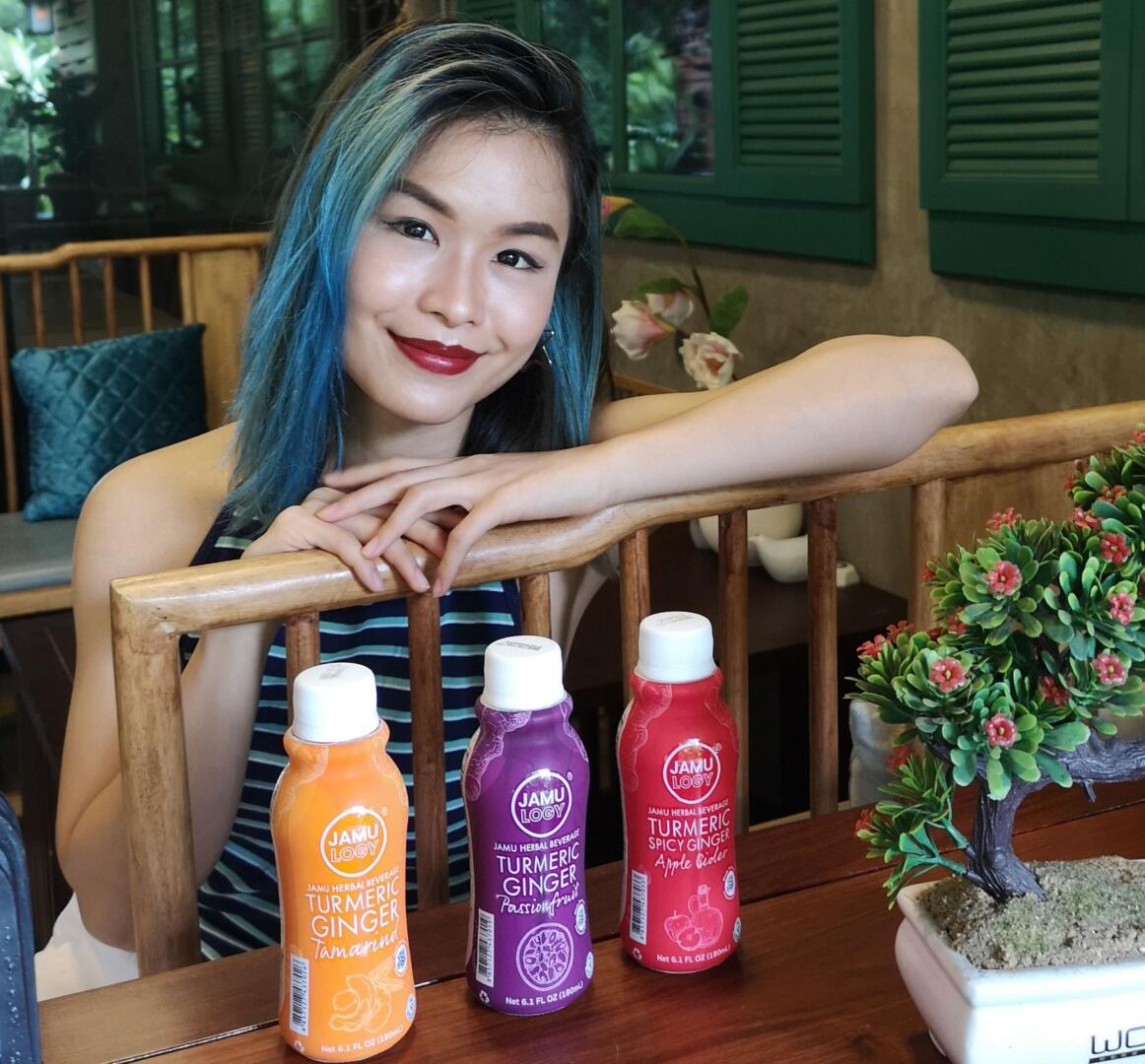
Read through as Vanessa shares her story with the AHN community about building her passion-driven business Jamulogy, a 100% plant-based Indonesian herbal tonic. She discusses her struggles that almost made her give up, and what kept her going in order to reach her successes today.

Hitting Rock Bottom At The Very Start
2 years ago, I poured all my life’s savings into building Jamulogy. I raised quite a significant amount of funding through families and angel investors, built my first factory from scratch, and lost over $1M, due to the pandemic and an over-prioritization of FoodTech R&D.
I was devastated. This tremendous loss was beyond tragic. I was at the point where I wondered whether it was stupid for me to leave my high pay corporate job only to lose all my savings along with a sum of money from my investors.
What am I going to feed myself tomorrow? What will my employees do when they lose their job? How will I regain all the money I’ve lost? How will it affect women founders’ reputation in the startup ecosystem?
These questions and my desperation kept me wide awake at night for months. I was distressed, depressed, and hopeless. It was one of the lowest moments of my life.
It also made me realize that when someone says “life as an entrepreneur is tough”, it is very much an understatement. You’re pretty much living on the edge 24/7, giving your 10000% best while success isn’t guaranteed.
What am I going to feed myself tomorrow? What will my employees do when they lose their job? How will I regain all the money I’ve lost? How will it affect women founders’ reputation in the startup ecosystem?
-Vanessa Techapichetvanich
Shedding Some Light On Untapped Opportunities
I almost gave up. I would have.. had I not coincidentally connected with someone from AHN who is in the import and export business. One really good thing about this group is you have people from everywhere around the globe, and they are able to share insightful expertise on some stuff you’re not familiar with.
I joined AHN more than a year ago when Facebook suggested the group to me. One day, I saw some people posted about expanding their food products to big retailers like Walmart, Wholefoods, and Costco, and from there, I got to connect with someone from San Francisco who works for a national distributor company in the US, and that’s how Jamulogy’s products entered the US market.
This encounter shed some light on untapped opportunities and calls for a pivot in our business model. And I have been rebuilding since January. Despite the adversity I have been put through, this journey has been my greatest teacher yet.
I’m proud to share that Jamulogy is now available in 5 countries worldwide, including the US, Australia, Singapore, Hong Kong, and Thailand. Jamulogy has also recently “graduated” from Southeast Asia’s biggest FoodTech accelerator program.
Despite the adversity I have been put through, this journey has been my greatest teacher yet.
-Vanessa Techapichetvanich
Transforming Traditional And Holistic Drinks Into Recipes Of Yummy
Jamulogy was born out of my passion for a healthy lifestyle and my dream to bring Asian pride to the global stage. My mother is Indonesian, and I was introduced to Jamu when I was 5. The word “Jamu” itself means herbs in Indonesian. Sadly, our generation in Asia has overlooked these Indonesian herbal drinks that have over 1,300 years of history as they often associate herbal blends with older people.

Using modern food tech and all-natural non-GMO ingredients, we aim to recreate traditional Indonesian Jamu as a way to restore health to modern consumers. We are also committed to debunking the myth that healthy food tastes terrible.
Our concept is “From farm to bottle,” and we take every opportunity to support local farmers & growers around Asia. Each bottle contains only 40-80 calories without cane sugar or highly processed ingredients.
Going forward, we are also diverging our product offerings into herbal powder mix to cater to different consumer lifestyles across the world.
Inspiration To Keep Going and Work Harder
What inspires me the most are our customers. I received all sorts of feedback from customers, both positive and negative. Whenever I hear our customers telling us how our products have created a value-adding impact on their health and life, I can’t help but smile to myself.
But of course, we also received negative feedback and complaints, which I got a lot of value from as those have helped us improve, adjust, and create even better products for our customers. Truth be told, we have experimented with over 150 recipes. It was a struggle at the start, but “fall seven times, get up eight.”
It’s the joy of being able to create a positive impact in society that keeps me going.

It’s the joy of being able to create a positive impact in society that keeps me going.
-Vanessa Techapichetvanich
Advice To Aspiring Entrepreneurs
- Don’t be afraid to ask for help when you need it.
- Do not let your failures define who you are, but do learn from them. Every successful person I know has gone through several major failures before they get to where they are today.
- Surround yourself with like-minded people. I can’t stress enough the importance of this.
For me, the most important traits of being an entrepreneur are a growth mindset and adaptability. It’s not about who has the most brilliant ideas or who has the highest IQ, but more so who adapts the quickest to fit the market’s needs and customers’ expectations.
Connect With Vanessa
You may check out our IG/FB at @drinkjamulogy.
If you’re just starting an F&B business or planning on exporting to Asia and want some advice, feel free to reach out as well. I’ll try my best to answer