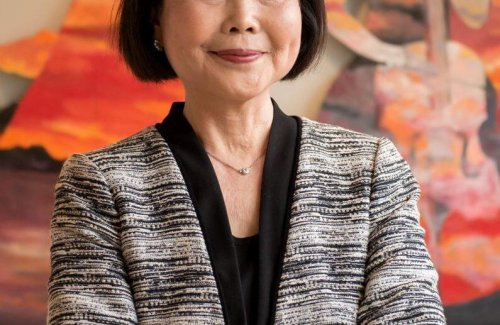
At 19 years old, most people are still trying to figure out who they want to become. Jonathan Quach, who also goes by Johny, was already thinking about how he could create space for others to grow.
He did not have investors backing him or access to elite facilities. What he had was a deep love for basketball and a growing frustration with how many talented kids were being left out of high-level programs simply because they lacked money, connections, or visibility.
The name Team Quachro (TQ) was originally created just to enter his first eight kids into a local youth league. What started as a play on words from his last name, ended up becoming a staple in the Orange County Basketball community, competing with the other heavy hitters in the industry.
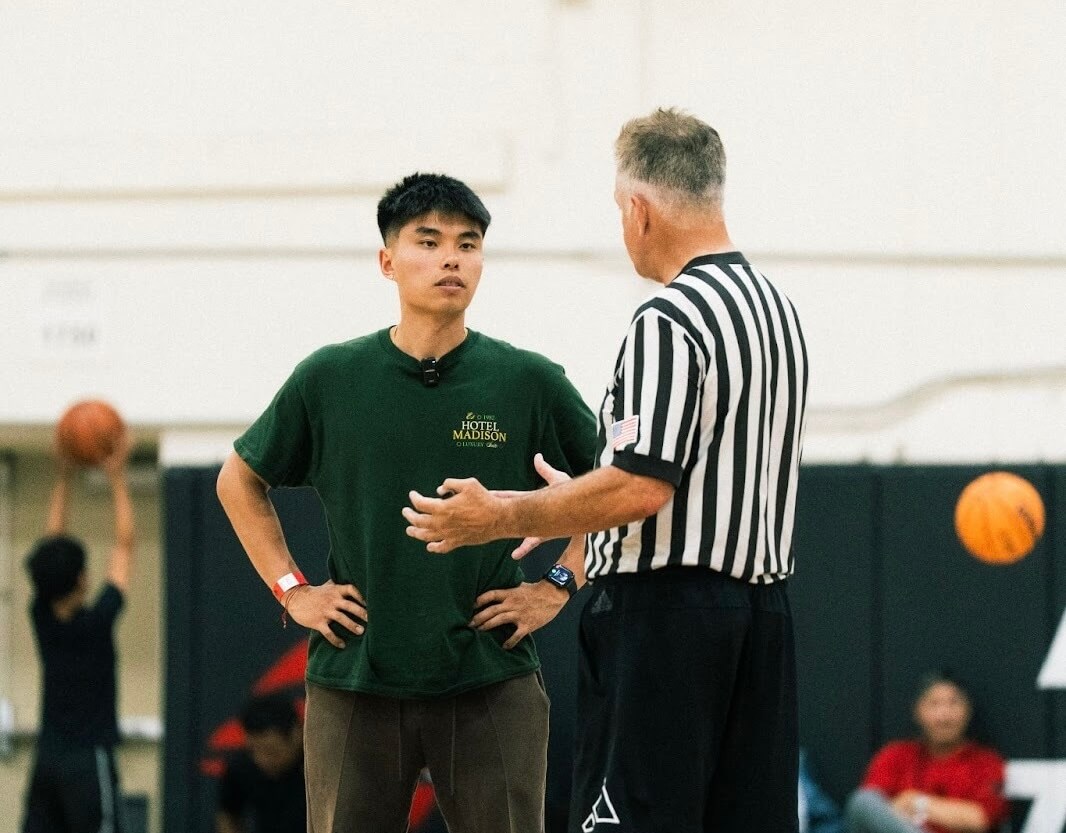
Starting at 19 with Nothing but Belief
Starting a program at 19 meant stepping into rooms where almost everyone was older. Johny had to lead coaches and speak with parents who had decades more life experience than he did. When he had only 50 kids in the program, a handful of larger, established programs recognized the early growth and tried to buy him out from the start.
As Team Quachro began gaining attention and players began leaving other programs to join his team, some competing coaches sent negative emails to others behind his back. Instead of responding with arguments, Johny chose to respond with action. He focused on developing his athletes and strengthening the culture of the program.
Now 26 years old, Johny has built one of the largest basketball programs and tournament operations in California. By remaining consistent and treating every family with respect, he gradually turned early skepticism into long-term trust. Team Quachro now serves more than 300 athletes, with thousands of families having come through the program over the years.
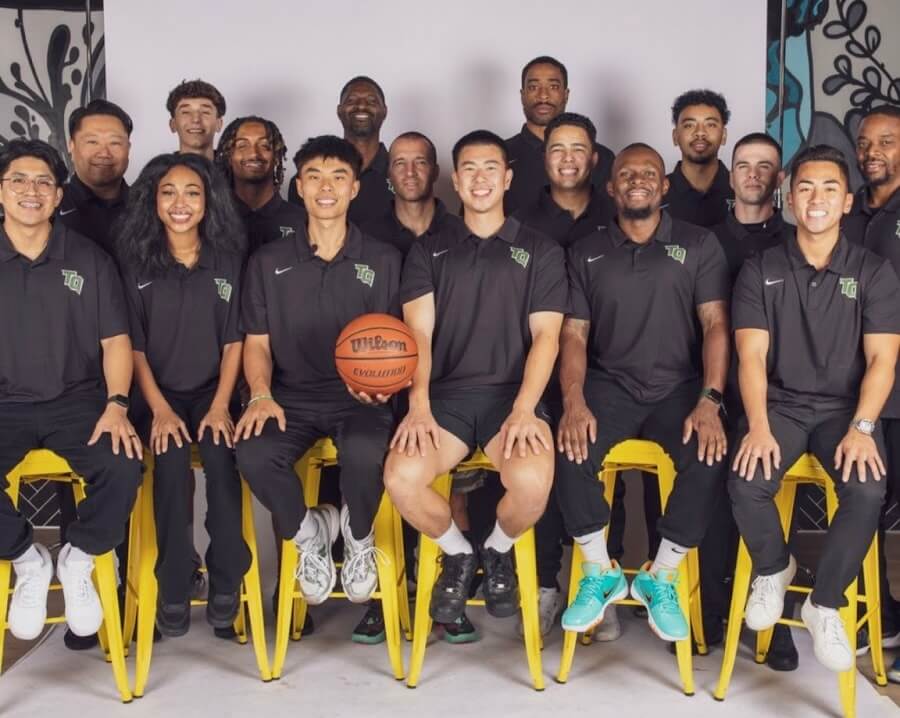
Carving a New Lane for Asian Leadership
Building one of California’s largest platforms by age 26 is a feat in itself, but doing so as an Asian founder carries even more weight. In the youth basketball world, Asian founders are rarely seen in leadership roles. Johny understood that reality and wanted younger players to see someone who looked like them leading from the front.
Representation, for him, was not about making statements. It was about building something real and lasting that could create opportunity for others. Every partnership and every opportunity had to be earned through persistence and relationship building.
Over time, that work transformed a small training group into one of the most respected sports organizations in California. Johny proved that leadership is not determined by age, background, or stereotype. It is shaped by commitment, integrity, and care for the people you serve.
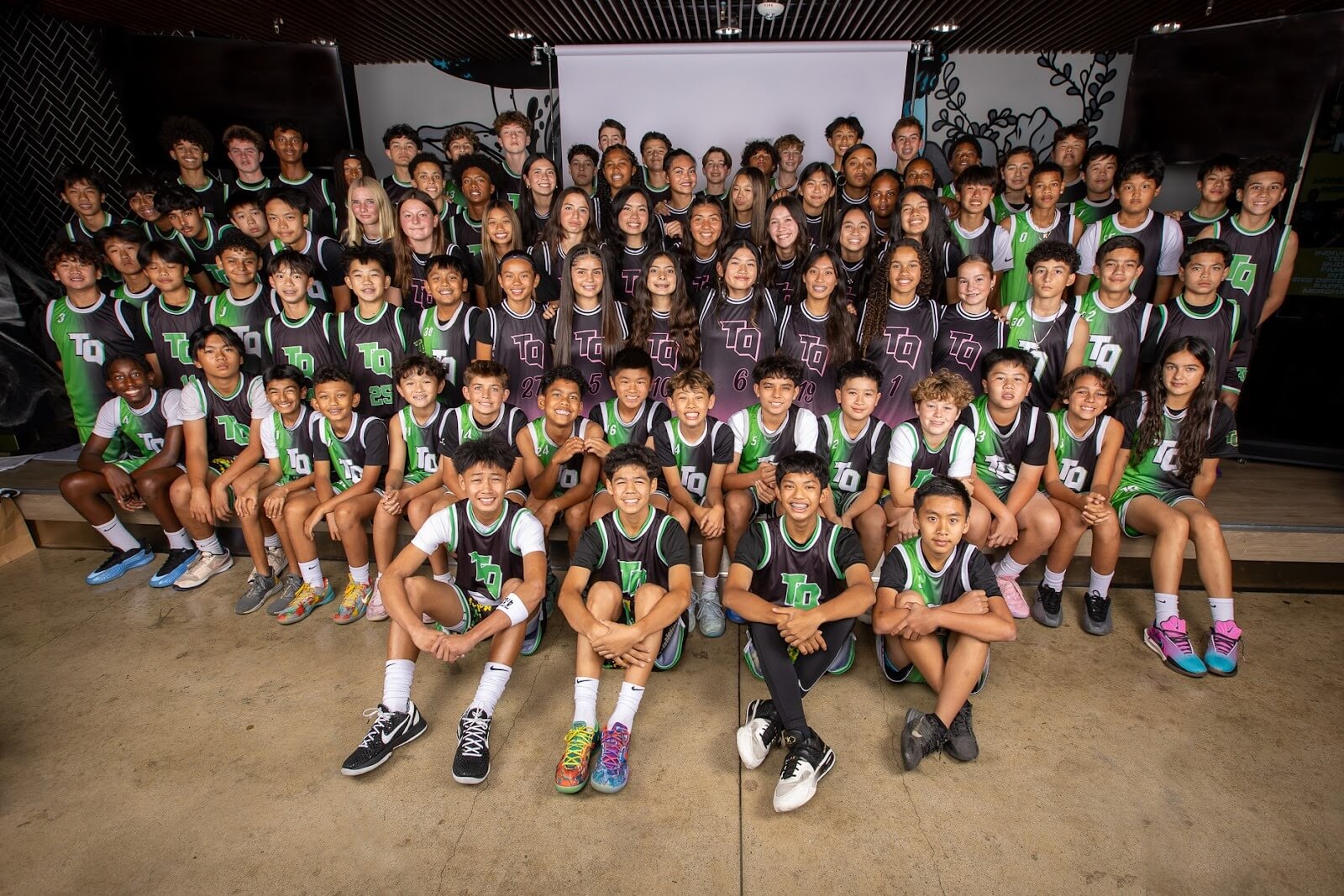
Leaving a Legacy Bigger Than Trophies
What began as a handful of local training sessions has grown into a thriving ecosystem of teams, tournaments, and mentorship. The results of that dedication are visible at the next level, with TQ athletes playing at the Division I college level, as well as at JUCO and NAIA programs.
Despite that growth, Johny has worked intentionally to keep the heart of the program intact. He continues to cover costs for athletes who cannot afford to participate and organizes free clinics to make the game more accessible. He believes that financial limitations should never be the reason a child cannot pursue their potential.
Johny did not inherit a platform, and he did not receive a head start. Today, the program stands as more than a basketball organization. It stands as a family built on loyalty, mentorship, and shared belief. For him, that culture is the greatest achievement of all, far greater than any trophy or tournament win.
Discover more from Johny Quach here:
Learn more about Team Quachro Basketball here: