Stories

March 26, 2025

SHARE:

“What fuels my passion is the personal stories of each of my clients. They teach me something new every day—whether it’s their high standards, attention to detail, or unique perspectives on the world,” states Grace Pei, founder of JINZA Oriental Couture.

Recognizing the power of handcrafted wedding dresses to connect people with their cultural heritage and express their unique stories, Grace is on a mission to highlight the beauty and sophistication of Chinese culture through JINZA Oriental Couture. 

The First Threads

Initially, JINZA Oriental Couture specialized in Western wedding dresses and custom evening gowns at Jinza Couture Bridal. But one fateful day, Grace was approached by a third-generation Asian American bride who wanted a custom Qipao for her wedding reception. 

Grace recalls, ‘This request sparked my journey into researching the Qipao and uncovering what had been lost over the years. Through this process, I discovered that my grandmothers used to wear tailored Qipaos in their time, and I began exploring my family roots.’ 

This reflective journey ignited a new passion in Grace: creating hand-embroidered designs that reflect her client’s unique family histories, cultural heritage, and personal stories. 

With a decade of expertise in bespoke fashion, JINZA Oriental Couture now specializes in handcrafted Chinese wedding dresses, Qipaos/Cheongsams, and Tang suits – all designed and made locally in Los Angeles for weddings and cultural celebrations.

Qipao Wedding Dress at Modern Tea Ceremony (Image source: JINZA Oriental Couture)

Qipao Wedding Dress at Modern Tea Ceremony (Image source: JINZA Oriental Couture)

Unraveling Tangles

Asian fashion has evolved dramatically over the years, with many traditional elements fading from modern designs. As a result, much of this cultural heritage has been lost or overlooked.

“One of the biggest challenges I’ve faced in my business journey is overcoming the misconception that Qipao and Cheongsam should be inexpensive or easily replaceable. Many people ask, “Why should I invest in something I can buy on Amazon or Etsy for $200?” Grace explains.

As the gap between mainstream fashion and Asian fashion narrows, Grace points out that these traditional dresses have become occasional pieces—costumes for special events rather than meaningful, handcrafted works of art. 

To address this, Grace focuses on educating her clients about the value of bespoke fashion: the intricate embroidery, high-quality fabrics, and cultural heritage woven into every piece.

“At Jinza Oriental Couture, we see our mission as both an artistic pursuit and a learning journey alongside our clients. Every client brings a unique story, and we don’t aim to replicate what was done centuries ago but instead incorporate meaningful elements that speak to their identity today.” 

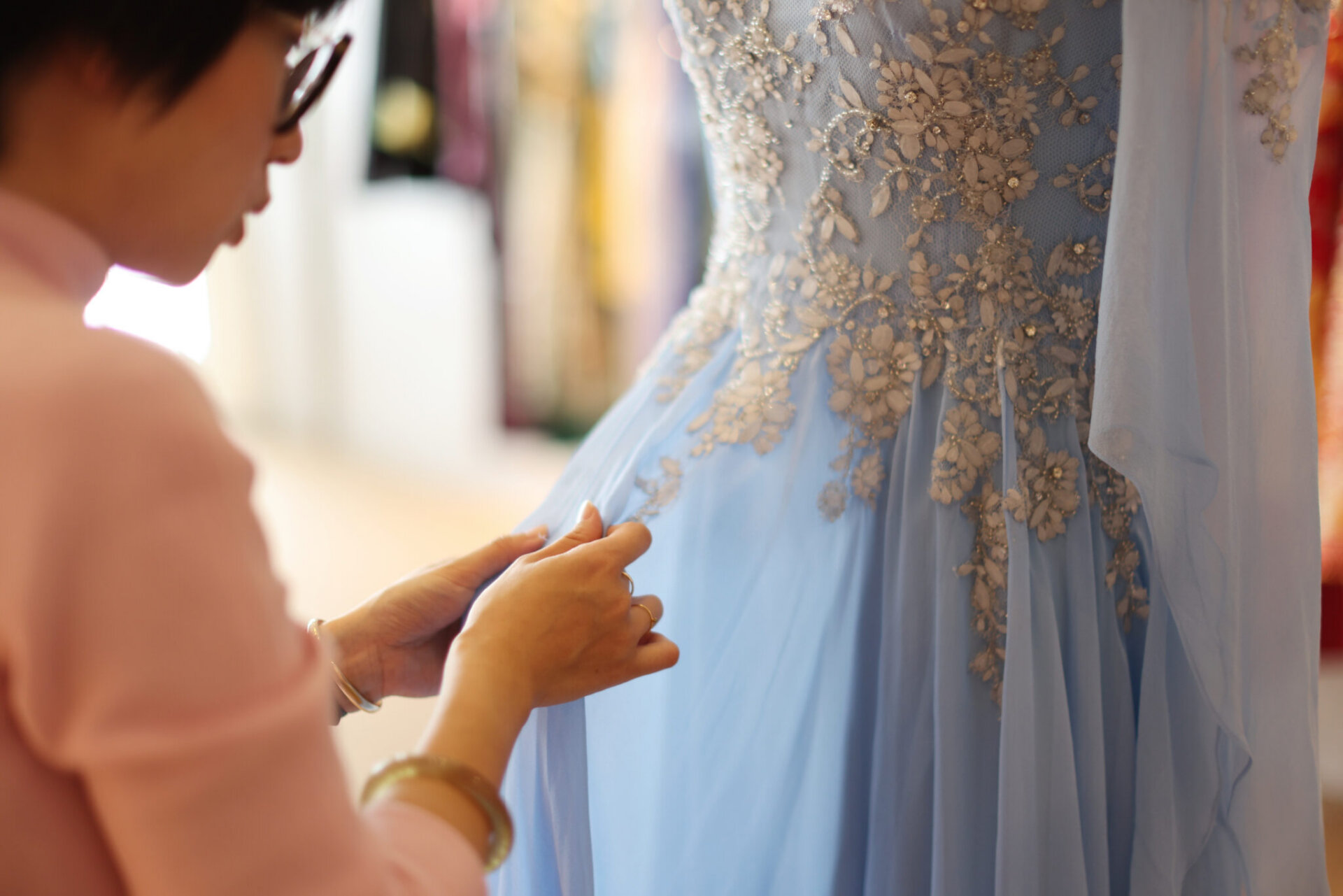
Artisan hand stitching embroidery (Image source: JINZA Oriental Couture)

Artisan hand stitching embroidery (Image source: JINZA Oriental Couture)

Threads of Resilience

“As a mother of two and a first-generation immigrant, I am most proud of the resilience I’ve shown throughout my journey,” Grace exclaims.

Whether overcoming depression or battling an avoidant mindset, Grace’s resilience has transformed JINZA Oriental Couture into more than a fashion brand, but a place for preserving culture and identity.

Grace’s resilience wasn’t built overnight but grew through her passion for helping her community. By preserving cultural heritage through bespoke fashion, she tirelessly designs intricate dresses that tell the unique stories of her clients’ identities.

Grace happily recalls, “Hearing their stories, especially when they share old family albums of grandmothers wearing Qipao, often brings tears to my eyes. The hand stitches, still vibrant and beautiful after 100 years, remind me that clothing can carry a story all on its own.”

From custom Qipaos and Cheongsams to Chinese wedding dresses, each piece reflects the personal histories of her clients. Grace’s vision for JINZA Oriental Couture extends beyond fashion—it’s about supporting female leaders, uplifting the Asian community, and ensuring these cultural treasures are passed down to future generations.

When asked which Asian or Asian American—real or fictional—she’d invite to wear one of her dresses, Grace responds, “Lisa Ling (a previous client) and Ronny Chieng are both role models for me due to their commitment to telling powerful stories, standing up for their communities, and offering true support. Phillip Lim is also a successful example of an Asian American designer who has carved out his own voice in the fashion world, and his influence and individuality would be a perfect match for the ethos of Jinza Oriental Couture.” 

A piece from JINZA Oriental Couture (Image source: JINZA Oriental Couture)

Lessons in Resilience and Unity

The two most important lessons Grace has learned from her entrepreneurial journey with JINZA Oriental Couture are authenticity and community.

“My advice to Asian creatives, founders, and entrepreneurs is to always be authentic. There were times when I wanted to take shortcuts or find quicker ways to get things done, but I learned that staying true to who you are and doing the right things, even if they take longer, is what truly matters. Another important piece of advice is to belong to a community you truly believe in. It will make things a lot easier, even when things don’t go as expected. When we, as a community, stay true to our values and support each other, we can create a stronger and more united future,” Grace affirms.

When asked about her future plans, Grace excitedly shares that she’s honing her storytelling skills to speak more boldly about heritage, culture, and community. She’s also open to collaborations, partnerships, and creating more content to amplify her mission.

Grace concludes, “Together, we are stronger, and by working together, we can have a greater impact. I look forward to the possibilities that lie ahead and the opportunities to connect with like-minded individuals and organizations.”

Please Include Contact

Website: JINZA Oriental Couture

Instagram: @jinzaoriental

Linkedin: Grace Pei

Facebook: Jinza Oriental Couture
Related Articles

Image Source: Chris Pizzello/ Invision /AP file

Stories

Awkwafina Knows Best About How She Is Still More Financially Great Living On $500 A Month

Even though the Crazy Rich Asians actress’ wealth is likely in the millions, she believes that a mere $500 per month is sufficient to cover her expenses.

The 32-year-old actress recently told Harper’s Bazaar that her money philosophy goes back to when she was building her Awkwafina musical and comedy persona, which she used as an outlet for her creativity while she worked a day job in book publicity.

Her grandmother brought her up in a one-bedroom apartment in Queens, New York. Because her family’s restaurant went out of business and they were forced to sell their home, she has developed a greater appreciation for monetary gain than any other aspect of her life.  

Awkwafina remembers that funds were tight at home and that she would stay up late with her grandma, who worried about paying the bills.

She also claims that despite being in a better financial position to support her family and herself, she still maintains a just-the-basics mentality. The actress has been known to buy clothes at Target and not spend much money on anything. She set out with the simple objective of covering her living expenses. 

She explains to Harper’s Bazaar, “I went into this mode off, if I can make $500 a month, that’s all I need.” 

Awkwafina’s motivation and success are attributed mainly to her refreshingly optimistic view of financial considerations. She has kept herself busy acting in the years since, including launching her comedy series on Comedy Central and becoming the first Asian-American actress to win the Golden Globe for best actress for her lead role in the 2019 drama “The Farewell.”

Image Source: Photograph by Ken Richardson Boston Magazine

Stories

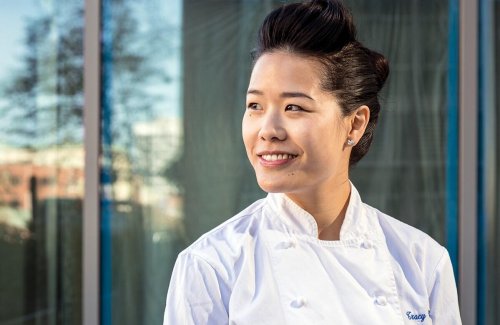
Chef Tracy Chang Gives Back To The Community Through The Language Of Food

Restaurateur Tracy Chang started the nonprofit Off Their Plate and Project Restore Us through the COVID-19 pandemic in 2020. 

The owner of the Japanese tapas restaurant,  PAGU, started Off Their Plate as a way to feed healthcare workers, and Project Restore Us sends nutritious and culturally appropriate grocery boxes to families living in food deserts. Both groups work to support local kitchens run by women and BIPOC and volunteers.

As a chef, Tracy also finds herself more in tune with customers than ever before. As someone who grew up lactose intolerant, she sources ingredients responsibly and remains mindful of the way guests feel after they leave her restaurant. This is also part of her restaurant’s ethos.

Her grandmother has also influenced Tracy’s cooking. Although her grandmother didn’t speak English, she spoke the language of food really well, said Tracy, and that was something that always resonated with her.

For Tracy, her personal experience has definitely come into play — trained in Spain but worked at a Japanese restaurant, and she grew up with a lot of Japanese and Taiwanese food, “The menu at PAGU is autobiographical and about my experience learning very specific dishes and techniques from people like my grandmother, my mentor and some of the chefs I’ve worked with.” she told TimeOut.

Image Source: CNN

Stories

Young Tech Startup Founders In Asia Make Mental Health Support Accessible To Break Stigma

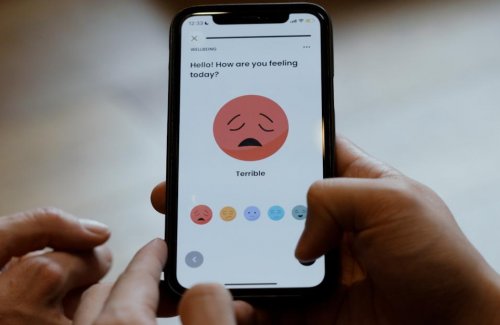
Breaking down societal stigma and creating a new mental healthcare system for the Asia-Pacific area are two of Theodoric Chew’s objectives, founder of the digital mental health app, Intellect.

Founded in 2019, the mobile app frequently monitors users’ moods, delivers rescue sessions and exercises, and lets them chat with therapists in real-time. 

The 26-year-old explained that mental health is just as important as physical health, “You and I face things like stress, burnout, sleep issues, and relationship struggle as well.” he told CNN, “ That’s where actually a lot of us should start working on our mental wellbeing.”

Since early 2020, the startup serves over 3 million Asia-Pacific users in 15 languages. According to CNN Business, the Singapore-based mobile app has raised $20 million in its Series A funding, the largest amount raised by a mental health start-up in Asia.

Early this year, Singapore and Jakarta-based digital mental healthcare start-up, Ami, has raised at least $3 million from a number of investors, including Meta, the owner of Facebook. The firm was founded by Justin Kim, a Forbes 30 Under 30 Asia alum with Beknazar Abdikamalov.

Both digital mental health companies are targeting employers in their business models, where companies can subscribe to provide staff unlimited, private access to their services.

According to the WHO, depression and anxiety disorders cost the global economy $1 trillion a year in lost productivity. In March, it was reported that anxiety and sadness surged 25% worldwide in the first year of the pandemic.

Image Source: Shoutout LA

Uncategorized

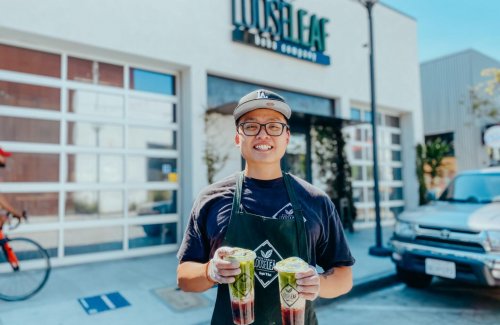
Loose Leaf Boba Company Blends Third-wave Coffee And Tea With Cultural Inclusion

Loose Leaf Boba Company is not only well-known for its expert “bobaristas.” but also for its diverse cultural representation including Burmese, Thai, Filipino, and Hispanic. “Going out for boba” was a childhood tradition that assisted the company’s mission of unifying people by normalizing cultural differences.

The brand constantly values cultural inclusivity and also empowers BIPOC, AAPI, women, and the LGBTQ+ community.

Loose Leaf Boba Company’s sharp vision of “Building a Better Boba Company” comes to life every time a customer experiences a foreign favorite, for which they make beverages for customers to try global favorites. This means making tasty beverages like Vietnamese Egg Coffee or Mexican-inspired Guava Atole.

Founded in 2012 by husband and wife duo Thomas and Jasmine Liu in West Covina, the viral third-wave shop has locations across the United States, including Connecticut, California, and Massachusetts.  This bubble tea tycoon has big plans to grow large retail sites in metro Dallas, TX, Northampton, MA, and Hadley, MA.