JINZA Oriental Couture’s Journey of Empowerment - AHN Media Group

Stories

March 26, 2025

SHARE:

“What fuels my passion is the personal stories of each of my clients. They teach me something new every day—whether it’s their high standards, attention to detail, or unique perspectives on the world,” states Grace Pei, founder of JINZA Oriental Couture.

Recognizing the power of handcrafted wedding dresses to connect people with their cultural heritage and express their unique stories, Grace is on a mission to highlight the beauty and sophistication of Chinese culture through JINZA Oriental Couture. 

The First Threads

Initially, JINZA Oriental Couture specialized in Western wedding dresses and custom evening gowns at Jinza Couture Bridal. But one fateful day, Grace was approached by a third-generation Asian American bride who wanted a custom Qipao for her wedding reception. 

Grace recalls, ‘This request sparked my journey into researching the Qipao and uncovering what had been lost over the years. Through this process, I discovered that my grandmothers used to wear tailored Qipaos in their time, and I began exploring my family roots.’ 

This reflective journey ignited a new passion in Grace: creating hand-embroidered designs that reflect her client’s unique family histories, cultural heritage, and personal stories. 

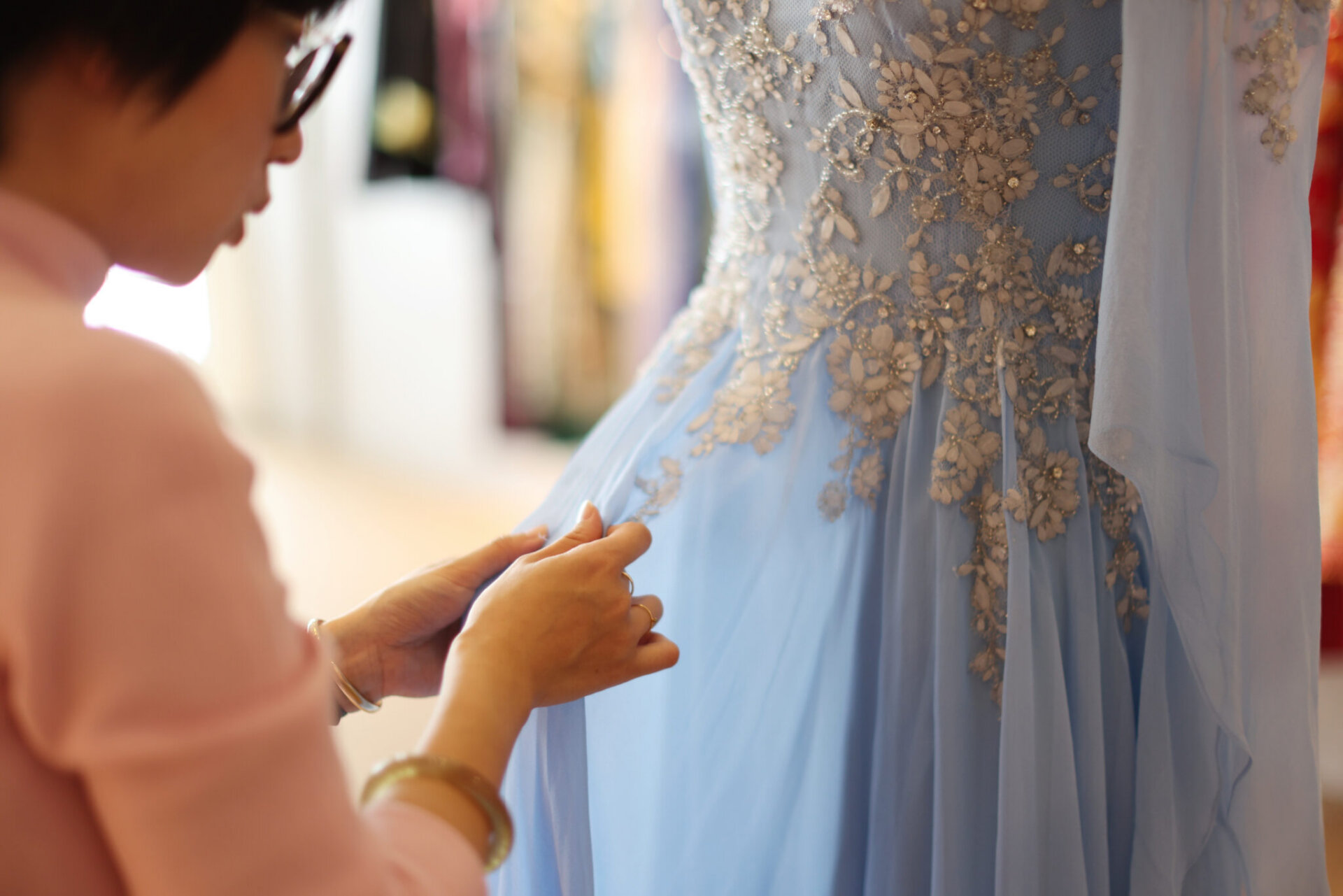
With a decade of expertise in bespoke fashion, JINZA Oriental Couture now specializes in handcrafted Chinese wedding dresses, Qipaos/Cheongsams, and Tang suits – all designed and made locally in Los Angeles for weddings and cultural celebrations.

Qipao Wedding Dress at Modern Tea Ceremony (Image source: JINZA Oriental Couture)

Qipao Wedding Dress at Modern Tea Ceremony (Image source: JINZA Oriental Couture)

Unraveling Tangles

Asian fashion has evolved dramatically over the years, with many traditional elements fading from modern designs. As a result, much of this cultural heritage has been lost or overlooked.

“One of the biggest challenges I’ve faced in my business journey is overcoming the misconception that Qipao and Cheongsam should be inexpensive or easily replaceable. Many people ask, “Why should I invest in something I can buy on Amazon or Etsy for $200?” Grace explains.

As the gap between mainstream fashion and Asian fashion narrows, Grace points out that these traditional dresses have become occasional pieces—costumes for special events rather than meaningful, handcrafted works of art. 

To address this, Grace focuses on educating her clients about the value of bespoke fashion: the intricate embroidery, high-quality fabrics, and cultural heritage woven into every piece.

“At Jinza Oriental Couture, we see our mission as both an artistic pursuit and a learning journey alongside our clients. Every client brings a unique story, and we don’t aim to replicate what was done centuries ago but instead incorporate meaningful elements that speak to their identity today.” 

Artisan hand stitching embroidery (Image source: JINZA Oriental Couture)

Artisan hand stitching embroidery (Image source: JINZA Oriental Couture)

Threads of Resilience

“As a mother of two and a first-generation immigrant, I am most proud of the resilience I’ve shown throughout my journey,” Grace exclaims.

Whether overcoming depression or battling an avoidant mindset, Grace’s resilience has transformed JINZA Oriental Couture into more than a fashion brand, but a place for preserving culture and identity.

Grace’s resilience wasn’t built overnight but grew through her passion for helping her community. By preserving cultural heritage through bespoke fashion, she tirelessly designs intricate dresses that tell the unique stories of her clients’ identities.

Grace happily recalls, “Hearing their stories, especially when they share old family albums of grandmothers wearing Qipao, often brings tears to my eyes. The hand stitches, still vibrant and beautiful after 100 years, remind me that clothing can carry a story all on its own.”

From custom Qipaos and Cheongsams to Chinese wedding dresses, each piece reflects the personal histories of her clients. Grace’s vision for JINZA Oriental Couture extends beyond fashion—it’s about supporting female leaders, uplifting the Asian community, and ensuring these cultural treasures are passed down to future generations.

When asked which Asian or Asian American—real or fictional—she’d invite to wear one of her dresses, Grace responds, “Lisa Ling (a previous client) and Ronny Chieng are both role models for me due to their commitment to telling powerful stories, standing up for their communities, and offering true support. Phillip Lim is also a successful example of an Asian American designer who has carved out his own voice in the fashion world, and his influence and individuality would be a perfect match for the ethos of Jinza Oriental Couture.” 

A piece from JINZA Oriental Couture (Image source: JINZA Oriental Couture)

Lessons in Resilience and Unity

The two most important lessons Grace has learned from her entrepreneurial journey with JINZA Oriental Couture are authenticity and community.

“My advice to Asian creatives, founders, and entrepreneurs is to always be authentic. There were times when I wanted to take shortcuts or find quicker ways to get things done, but I learned that staying true to who you are and doing the right things, even if they take longer, is what truly matters. Another important piece of advice is to belong to a community you truly believe in. It will make things a lot easier, even when things don’t go as expected. When we, as a community, stay true to our values and support each other, we can create a stronger and more united future,” Grace affirms.

When asked about her future plans, Grace excitedly shares that she’s honing her storytelling skills to speak more boldly about heritage, culture, and community. She’s also open to collaborations, partnerships, and creating more content to amplify her mission.

Grace concludes, “Together, we are stronger, and by working together, we can have a greater impact. I look forward to the possibilities that lie ahead and the opportunities to connect with like-minded individuals and organizations.”

Please Include Contact

Website: JINZA Oriental Couture

Instagram: @jinzaoriental

Linkedin: Grace Pei

Facebook: Jinza Oriental Couture
Related Articles

99-jpg

Stories

From a Childhood Dream to the Red Carpet: How Elenor Mak’s Two-Year Mission to Give Michelle Yeoh a Personalized Doll Finally Happened

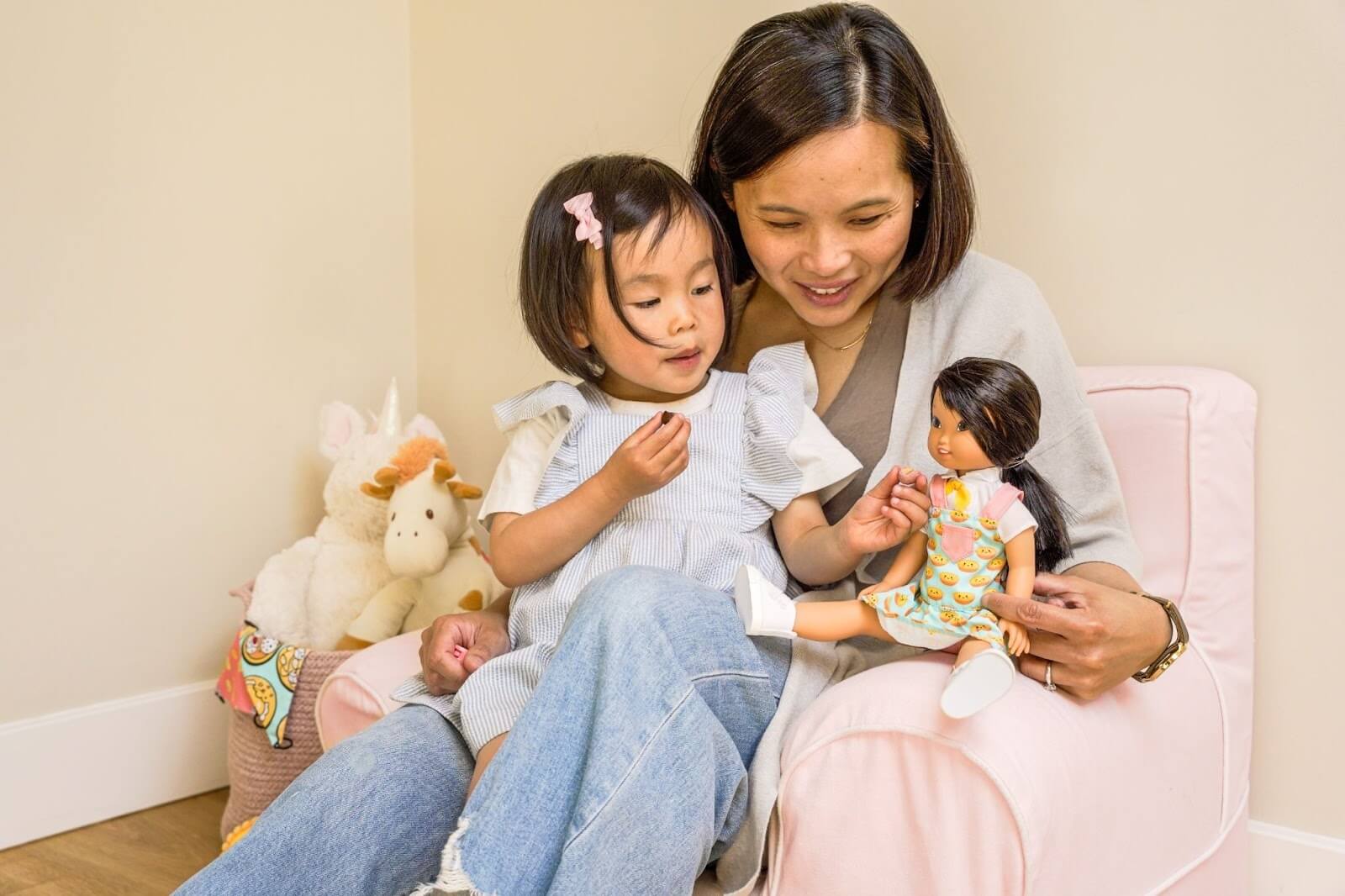
What started as a small tribute from a mother turned into a two year journey filled with patience, rejection, and hope.

Elenor Mak simply wanted to honor Michelle Yeoh and show her daughter that Asian girls can be the hero of the story too.

No one expected that the journey would end on the red carpet at the Hollywood Walk of Fame.

Image source: Elenor Mak

The Childhood Inspiration

Elenor Mak grew up watching Michelle Yeoh on Cantonese VHS tapes at home. Seeing an Asian woman lead films and command the screen made a deep impression on her as a child. It showed her that someone who looked like her could be strong, fearless, and at the center of the story. That belief stayed with her for years.

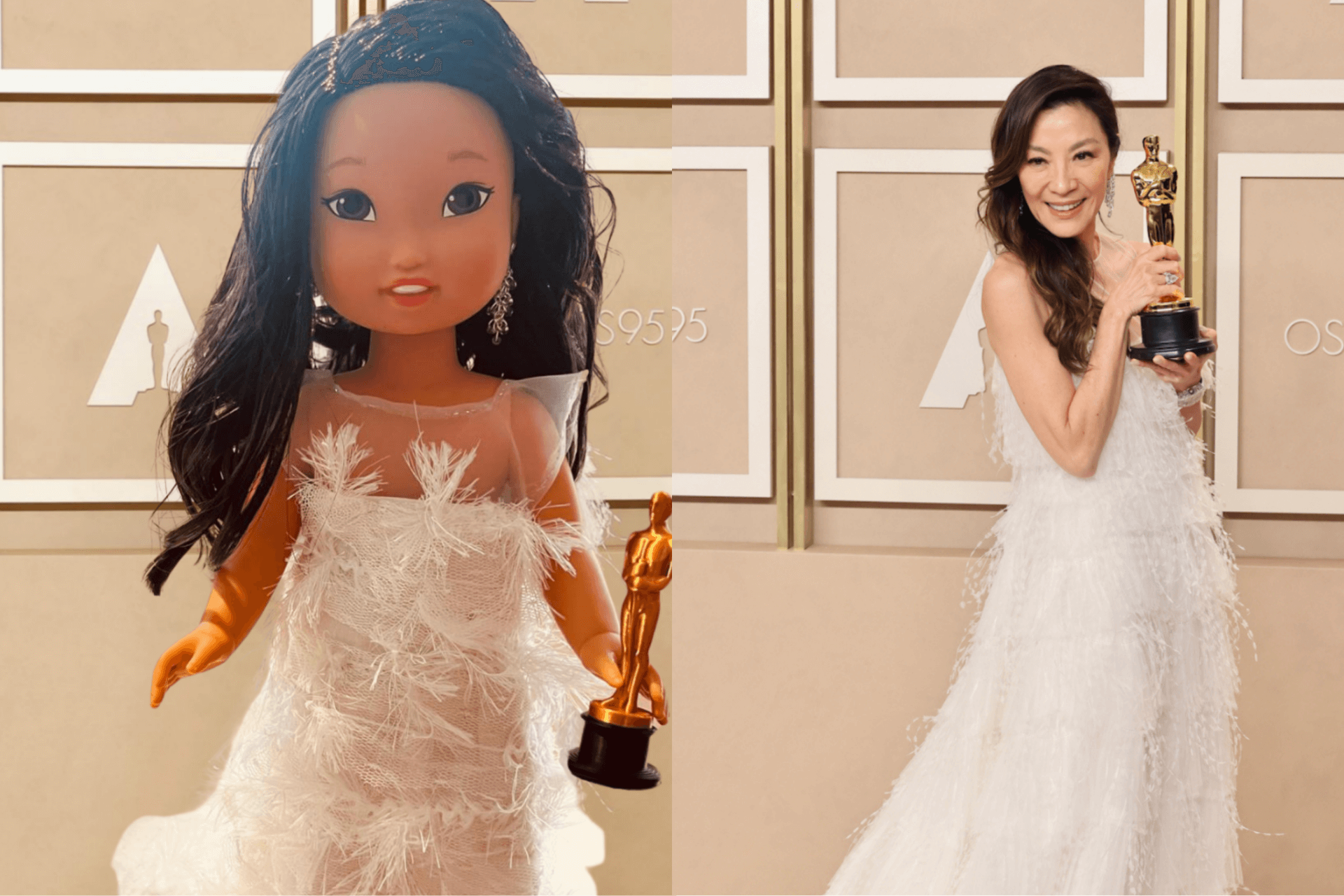
When Michelle Yeoh won the Academy Award for Best Actress, Elenor listened closely to the speech. Michelle spoke about being a beacon of hope for children who were waiting to see themselves represented. The moment felt personal to Elenor. That was when she decided to create a doll that captured that historic win.

Image source: Elenor Mak

A Two Year Mission

Creating the doll was a careful process that took five months. A professional stylist in Los Angeles helped shape the look, while a supporter in Hong Kong hand sewed the detailed feathery gown. Each part was made slowly and thoughtfully. Everyone involved wanted the doll to reflect Michelle Yeoh’s iconic Oscar moment.

At the center of it all was Elenor’s mother. She sat at the kitchen table attaching the final accessories with crazy glue and steady hands. When the doll was finished, the real challenge began. For two years, Elenor tried to find a way to get the doll into Michelle Yeoh’s hands.

Image source: @jonmchu (Instagram)

The Hollywood Moment

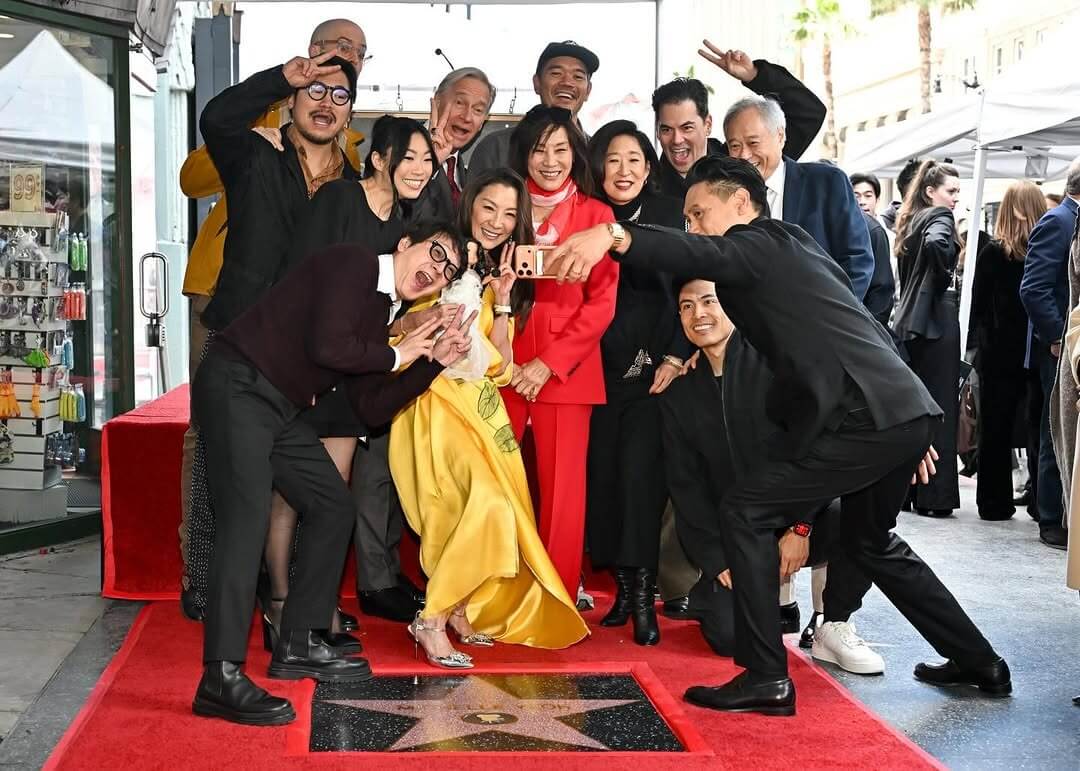
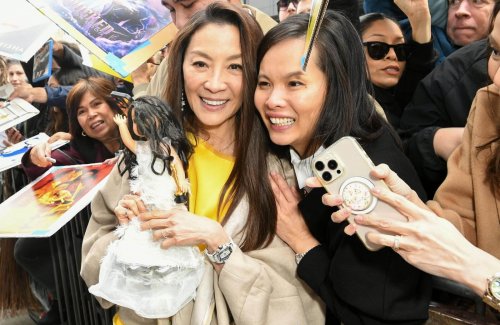
When Michelle Yeoh’s Hollywood Walk of Fame ceremony was announced, Elenor knew she had to try again. She flew to Los Angeles with her friend Dion Lim, an Emmy Award winning journalist, hoping for one last chance. They waited behind barricades for hours as the crowd gathered. After hearing no from security several times, they almost gave up.

Then something unexpected happened. Janet Yang, a producer and former head of the Academy, stepped in and helped make the moment possible. Soon after, Michelle Yeoh lifted the doll on the red carpet while Sandra Oh and Awkwafina cheered nearby. For Elenor, the moment meant more than giving a gift. It was for the little girl who once watched Michelle Yeoh on old VHS tapes and believed she could belong too.

IMG_9529-jpeg

Stories

Jonathan Quach Was Told He Was Too Young and Too Asian to Lead—Now He’s Built Team Quachro Into One of California’s Largest Youth Basketball Platforms

At 19 years old, most people are still trying to figure out who they want to become. Jonathan Quach, who also goes by Johny, was already thinking about how he could create space for others to grow.

He did not have investors backing him or access to elite facilities. What he had was a deep love for basketball and a growing frustration with how many talented kids were being left out of high-level programs simply because they lacked money, connections, or visibility. 

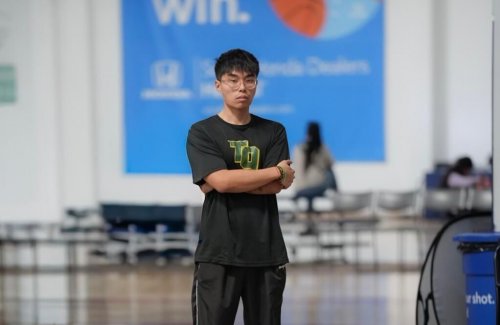
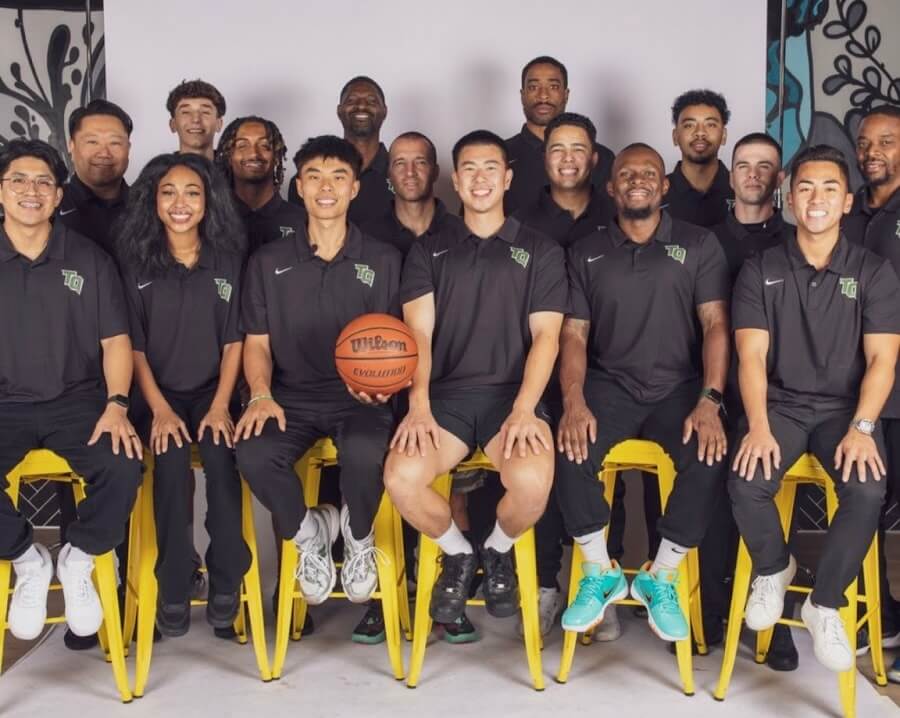
The name Team Quachro (TQ) was originally created just to enter his first eight kids into a local youth league. What started as a play on words from his last name, ended up becoming a staple in the Orange County Basketball community, competing with the other heavy hitters in the industry.

Starting at 19 with Nothing but Belief

Starting a program at 19 meant stepping into rooms where almost everyone was older. Johny had to lead coaches and speak with parents who had decades more life experience than he did. When he had only 50 kids in the program, a handful of larger, established programs recognized the early growth and tried to buy him out from the start.

As Team Quachro began gaining attention and players began leaving other programs to join his team, some competing coaches sent negative emails to others behind his back. Instead of responding with arguments, Johny chose to respond with action. He focused on developing his athletes and strengthening the culture of the program.

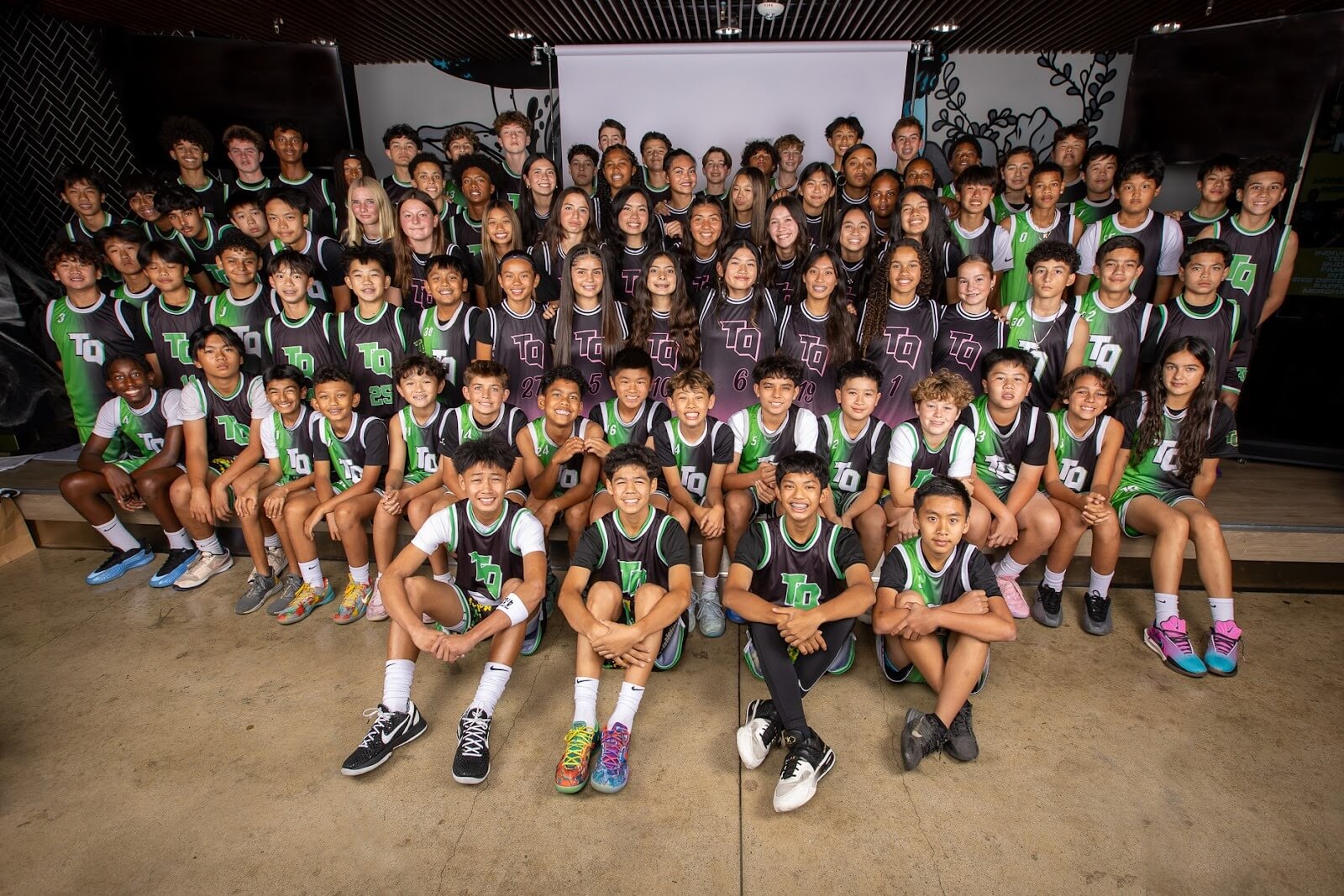
Now 26 years old, Johny has built one of the largest basketball programs and tournament operations in California. By remaining consistent and treating every family with respect, he gradually turned early skepticism into long-term trust. Team Quachro now serves more than 300 athletes, with thousands of families having come through the program over the years.

Carving a New Lane for Asian Leadership

Building one of California’s largest platforms by age 26 is a feat in itself, but doing so as an Asian founder carries even more weight. In the youth basketball world, Asian founders are rarely seen in leadership roles. Johny understood that reality and wanted younger players to see someone who looked like them leading from the front.

Representation, for him, was not about making statements. It was about building something real and lasting that could create opportunity for others. Every partnership and every opportunity had to be earned through persistence and relationship building.

Over time, that work transformed a small training group into one of the most respected sports organizations in California. Johny proved that leadership is not determined by age, background, or stereotype. It is shaped by commitment, integrity, and care for the people you serve.

Leaving a Legacy Bigger Than Trophies

What began as a handful of local training sessions has grown into a thriving ecosystem of teams, tournaments, and mentorship. The results of that dedication are visible at the next level, with TQ athletes playing at the Division I college level, as well as at JUCO and NAIA programs.

Despite that growth, Johny has worked intentionally to keep the heart of the program intact. He continues to cover costs for athletes who cannot afford to participate and organizes free clinics to make the game more accessible. He believes that financial limitations should never be the reason a child cannot pursue their potential.

Johny did not inherit a platform, and he did not receive a head start. Today, the program stands as more than a basketball organization. It stands as a family built on loyalty, mentorship, and shared belief. For him, that culture is the greatest achievement of all, far greater than any trophy or tournament win.

Discover more from Johny Quach here:

📍Instagram

Learn more about Team Quachro Basketball here:

📍Website

image (1)-png

Stories

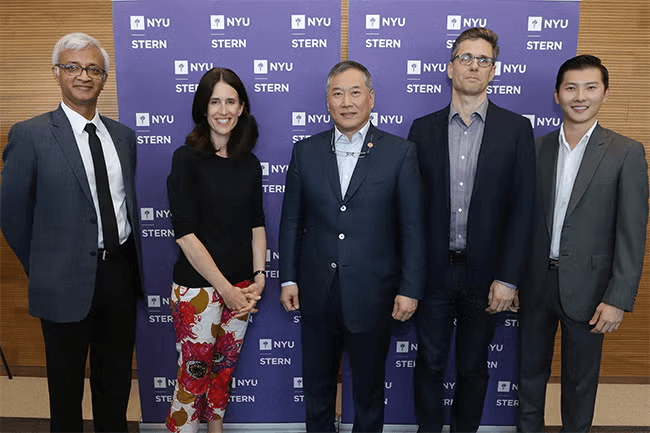
Taiwan Heir Andre Koo Jr. Steps Beyond a $6.3B Dynasty to Build the Future of AI in New York City

Andre Koo Jr. was born into one of Taiwan’s most influential business families, where legacy and leadership have shaped industries for more than a century.

As a fifth-generation heir to a $6.3 billion empire, he had every reason to remain within the comfort and stability of an established dynasty.

Yet instead of staying home, he chose to build something new in New York, placing a focused bet on the future of artificial intelligence.

Image Source: NYU Stern

Honoring a 130-Year Legacy While Charting His Own Path

For generations, the Koo family has played a defining role in Taiwan’s business landscape, building institutions that span finance, infrastructure, and beyond. Growing up within that environment meant understanding both the privilege and the responsibility tied to the family name. Legacy, in this case, was not just inherited wealth but a long-standing commitment to growth and impact.

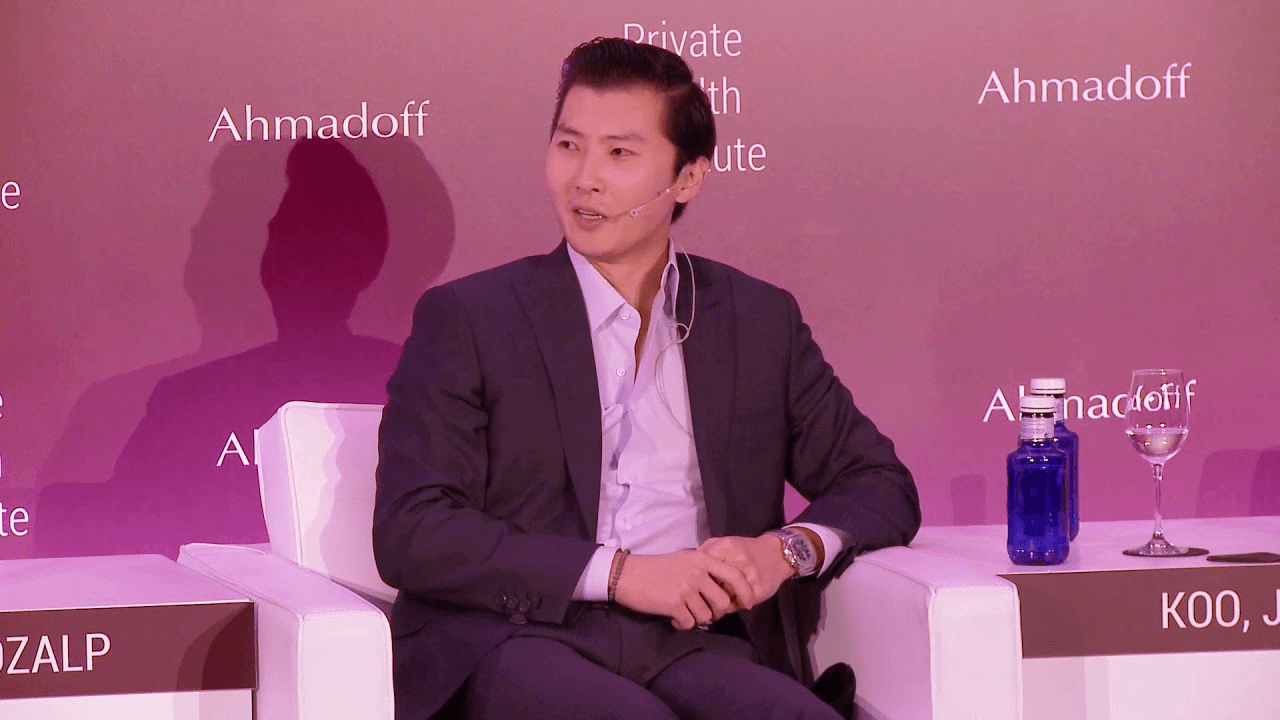
Still, Andre Koo Jr. believed that honoring tradition did not require standing still. While remaining actively involved in the Koo Family Office, he set his sights on expanding the family’s global footprint. His move to Manhattan marked a deliberate step toward independence, signaling a desire to test his vision in one of the world’s most competitive markets.

Image Source: Private Wealth Institute

Building K8 Capital for the AI Era

That vision took shape through K8 Capital, a firm designed to invest in artificial intelligence and enterprise software. Rather than following typical venture capital models, Andre structured a hybrid strategy that blends private credit with venture investments. This approach allows him to pursue innovation while maintaining disciplined risk management.

The strategy is already delivering results, with gains of over 50 percent achieved through carefully structured short-term loans. K8 Capital has secured five major investors and is actively deploying capital into promising technology companies. By combining the prudence of established wealth with the speed of modern tech investing, Andre Koo Jr. is building a bridge between a historic dynasty and the next generation of innovation.

image-png

Stories

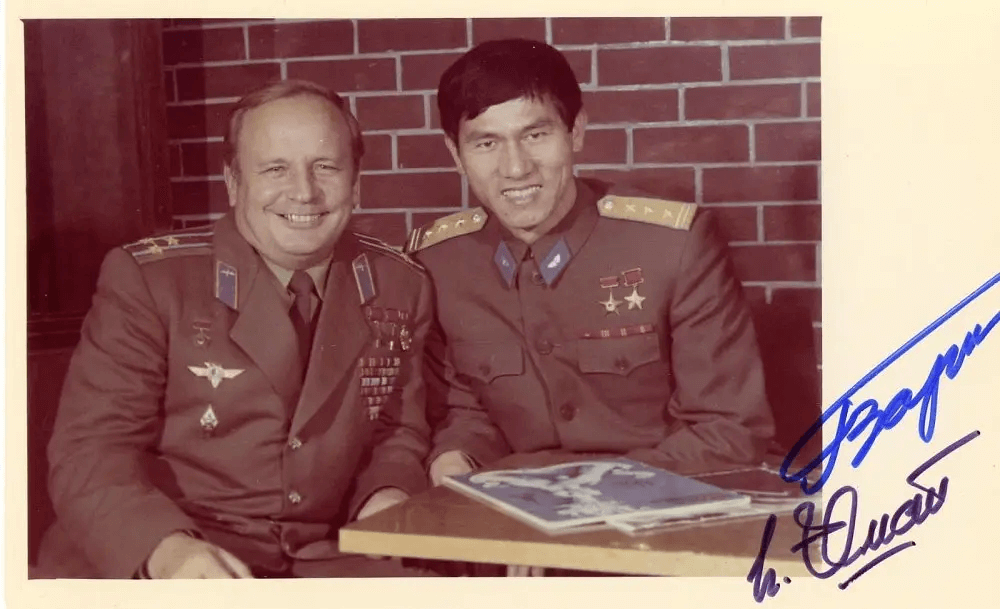
Asia’s First Person to Reach Space Was Vietnamese Fighter Pilot Pham Tuan, Who Continues to Inspire a New Generation

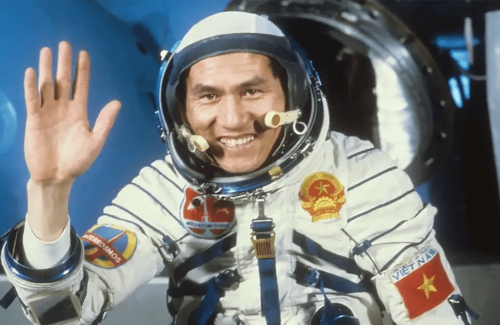
In 1980, a Vietnamese fighter pilot from a small rural province made history by becoming the first person from Asia to travel into space.

Long before rockets and research labs, Pham Tuan grew up in the rice fields of Thái Bình, far from the world of astronauts and orbiting stations.

Today, his journey beyond Earth remains a powerful story of courage, discipline, and possibility for young people across Asia.

Image Source: Saigoneer

From Rural Fields to the Edge of Space

Before he ever saw space, Pham Tuan built his career as a fighter pilot in the Vietnamese Air Force. His skill and discipline eventually led to his selection for an international space program, a rare opportunity at the height of global political tension. It was a dramatic shift from flying combat missions to preparing for a journey beyond Earth.

The transition demanded years of intense physical and technical training. He had to master new systems, adapt to life in zero gravity, and prepare for risks no one from his continent had faced before. Each step brought him closer to a milestone that would place his name in history.

Image Source: Saigoneer

Seven Days That Changed Asia’s Story

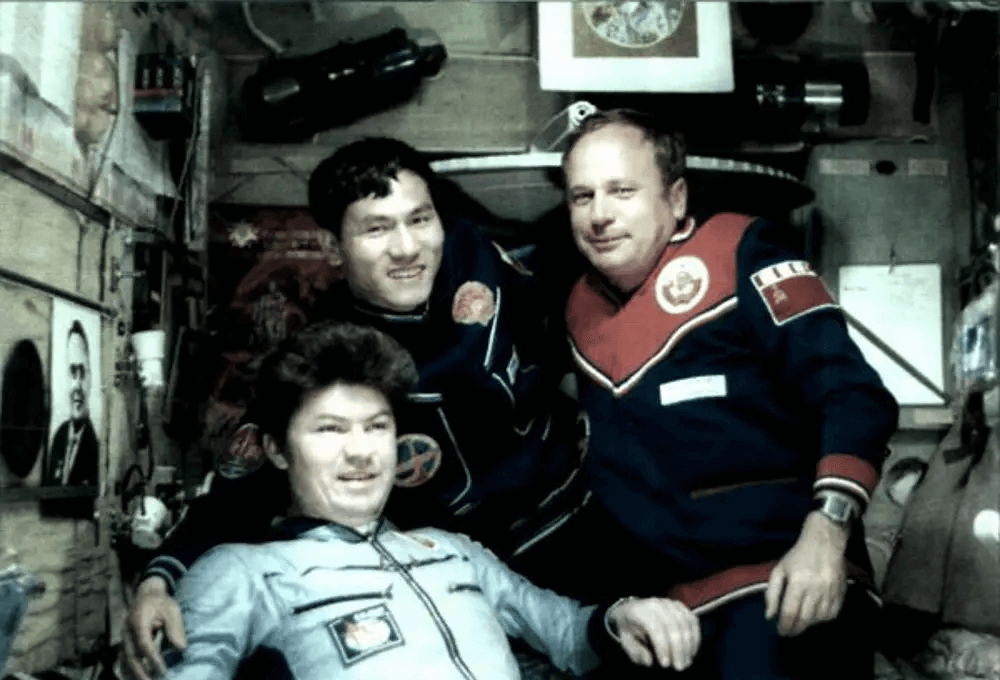
On July 23, 1980, Pham Tuan launched aboard a Soyuz spacecraft and became the first Asian to reach space. He spent seven days aboard the Salyut 6 space station, conducting scientific research and observing Earth from orbit. During that time, he captured images of Vietnam from above, offering a view of his homeland few had ever seen.

After returning to Earth, he resumed life in Hanoi with his family, carrying memories of a journey that reshaped regional history. He continues to reconnect with former crew mates and remains one of only three people of Vietnamese descent to have traveled beyond Earth’s atmosphere. Decades later, his achievement still stands as a symbol of how far determination can take someone, even from the most humble beginnings.