In Luffy Huang’s Vision for Pulse Events, Cultures Align Through EDM Music
Stories
September 22, 2024
SHARE:
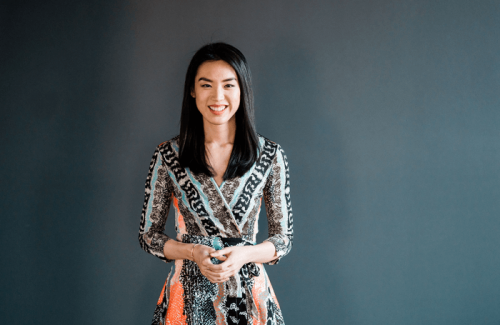
CEO of Pulse Events Luffy Huang made waves across New York City this past Labor Day weekend. Known as “the world’s wettest party,” the S2O event made a splash in the Brooklyn neighborhood, delivering euphoric EDM melodies with Thai-inspired traditions that stretch across borders to America.
But as the CEO of Pulse Events, his vision yearns for unity and togetherness through the power of music. Throughout the years, Luffy has been a driving force behind the diversification of the EDM festival scene, condensing the beats into a spectacular celebration of culture and community.
The Sounds of Luffy Huang’s Chinese Upbringing and American Dream
Growing up in China, his early passion for music led him to a career as a singer and TV host between 15 to 20 years ago. Encouraged by the eclectic soundscape in the U.S., his American dream for a successful music career was granted by one of the artists he was touring along with, paving the way for his move to the States.
“I grew up in China and following my passion for music, I became a singer and TV host 15 to 20 years ago. Since it was always my dream to break into the music industry in the U.S., I began touring with artists and finally came to America with one of them in 2020.”
When he arrived in the U.S., Luffy was bewildered yet determined. The hustle in a foreign land might have caught him off guard for a moment but it also helped him head towards a new direction. “I found the industry here to be very open-minded and felt inspired and encouraged to start my own entertainment company here,” he says.
Luffy left China for the U.S., driven by the fast-paced music scene.
This geographic shift is a tableau of music inspirations, cultural shock and a deepening sense of identity, all of which prompted him to create Pulse Events, an event agency focused on bridging the Eastern and Western cultures through music and community.
Cultural Harmony Through Music and Luffy Huang’s Pulse Events Journey
“What inspired me the most was seeing people of different cultures embrace shows produced in Asia and influenced by Eastern traditions,” he says.
Such ethos were themselves echoed throughout his work, by introducing a global audience to the purpose he wanted to share more of, from highlighting notable Asian creatives and talents, to celebrating the vibrant culture of the Asian community. “I realized that this experience was missing in the U.S. and it became my mission to produce shows here that expose fans to the traditions and dance community culture in Asia,” he says. “I am proud that my shows include elements like Asian night markets, lion dances and spraying water that is the Songkran Thai New Year custom.”
One of the drawbacks of starting Pulse Events in a new country, however, is the balance and harmony among different communities, especially in the U.S. where multiculturalism has long been its celebrated trademark. Yet, despite this animated diversity, Luffy needs to traverse the tricky waters of inclusivity, representation and U.S. culture:
“Turning my vision into a reality took a bit of time. But once we put on our first Pulse Events show, we learned from the process and got into a good rhythm where we put on multiple shows annually and continued to expand. One of thechallenges I face on a daily basis is figuring out how to represent Asian culture in the most authentic way possible, while having our shows appeal to a diverse audience. Striking that balance takes a lot of thought and hard work, finding the right partners to bring that to life. Another challenge I face is that English is my second language, so I sometimes have to take the extra step of using translation tools or making a greater effort to make sure my ideas are communicated correctly.”
Luffy Huang leads Pulse Events with determination, expanding the reach of Asian culture through unforgettable shows
While those challenges might have vexed him in the beginning, every show, event and festival was an emblem of the connectivity that he always has in mind for Pulse Events. The 2023 Spring Festival that Pulse Events had orchestrated last year was an EDM-heavy event to honor Lunar New Year and pull together traditional elements, joyful moments and different communities. It was the first event to infuse electronic music and Asian culture that introduced the beauty of this cultural festival to more American youths:
“I am proud of every show Pulse Events has put on and the legacy we are slowly building by making them annual. We are gearing up for our second Winter Festival in November and our third Spring Festival next year, and planning to bring back S2O after debuting it to the U.S. this past Labor Day weekend. I feel fortunate that we have established a good working relationship with one of the most famous venues in New York City and the world, The Brooklyn Mirage. I am also proud to be the founder of the Krazy Super Concert elevating K-pop in America.”
When East Meets West in Luffy Huang’s Vision for Pulse Events
As an organization that holds the same values as AHN to uplift and highlight the Asian community, AHN takes this interview as a special opportunity to explore how Asian talents are being showcased and represented in the industry. Luffy’s vision remains unchanged:
“Themission and vision of Pulse Events is to bridge the East and the West through music events that unite people of all backgrounds and educate them. Through bringing fans of all kinds together through the common love of music, we are able to open their minds and hearts to understanding Asian culture and embracing the immense talent within our community, from music producers and DJs to entrepreneurs like myself and my colleagues.”
This determination and commitment has led Luffy on a road of success, producing annual mega shows like the Lunar New Year Spring Festival, the Winter Festival and most recently S2O New York, all to celebrate cultures and unite communities through EDM. Even just at the start, Pulse Events has landed performance deals with many prominent artists in the electronic music scene, from the enigmatic Marshmello to platinum record-selling DJ Afrojack.
Luffy’s goal is clear: bridge the East and West through music, uniting fans from all backgrounds while showcasing Asian talents.
Connect With Luffy Huang
Much of Luffy’s current success comes less from pure luck and more from a consistent performance of hard work and innovation. Whether it be electric live festivals, or getting deep down into his heritage, Luffy knows better than ever that Pulse Events was a child of hustle and resilience, no matter where you came from and who you are:
“From my own journey,I believe that if you hustle hard enough and never give up on your dreams, you will succeed, even in a foreign country or place outside of your comfort zone.”
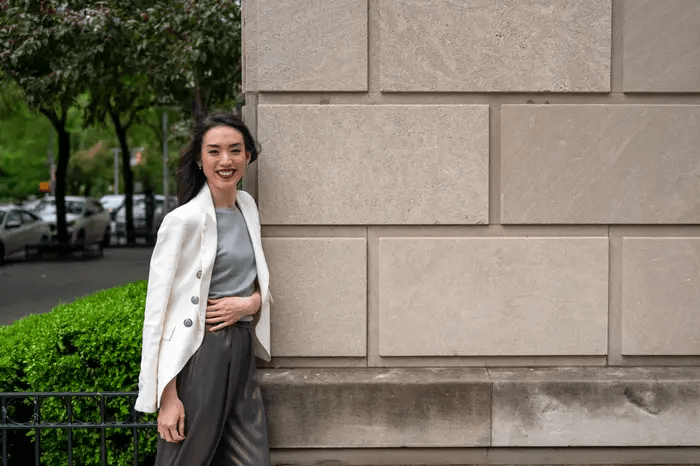
Luisa Zhou once believed that a Princeton degree and a prestigious engineering title were the ultimate markers of a secure and successful life. However, that sense of safety evaporated the moment her family faced a health crisis and she realized her “perfect” job offered no room for her to actually be there.
She learned the hard way that even a massive salary is a poor substitute for the freedom to prioritize your family during their darkest hours. That realization sparked a fire within her to stop trading her presence for a paycheck and to start building a life where she held the keys.
Image Source: Forbes
Engineering a Great Escape
Luisa did not leave her career on a whim because she understood that true freedom requires a foundation built on more than just hope. She spent two long years working on her consulting business during every stolen lunch break and late night while her colleagues were resting. By applying her logical engineering mind to the world of entrepreneurship, she proved that you can build a bridge to a new life without burning the one you are currently standing on.
This methodical approach allowed her to test her ideas in the real world while the safety of her corporate salary was still intact. She advocates for the slow build because it removes the desperation that often leads new founders to make short-sighted decisions for quick cash. When she finally stepped away from her desk for the last time, she was not taking a leap of faith but rather walking through a door she had already unlocked.
Image Source: Business Insider
Redefining the Million-Dollar Life
By the time Luisa officially left the corporate world, her “side project” was already generating over a million dollars in annual revenue. Now at 36, she has designed a lifestyle where four hours of focused work allows her to sustain a million-dollar business on her own terms. Her daily schedule is no longer a list of demands from a manager but a reflection of the people and passions that she values most in the world.
The most inspiring part of her journey is the fact that her bank account is secondary to the absolute control she now has over her time. Wealth for Luisa is the quiet confidence of knowing she can close her laptop whenever a loved one needs her without seeking anyone’s permission. She has proven to the world that the most valuable thing you can ever own is the right to decide exactly how your day unfolds.
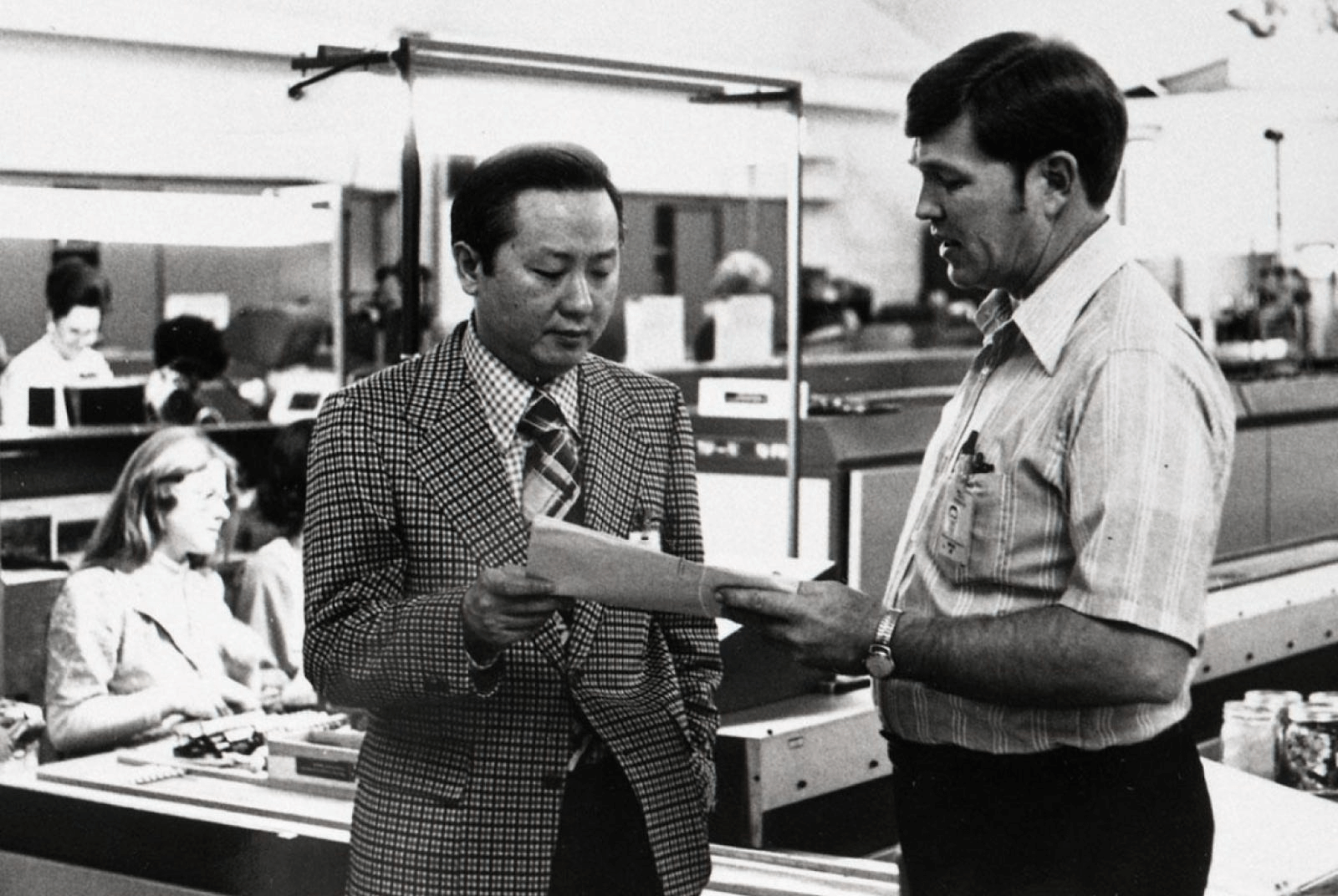
In 1985, Morris Chang reached a professional crossroads after being passed over for the top job at Texas Instruments. At 54 years old, he had a massive resume but felt there was nowhere left to go within the American corporate system. Instead of accepting a quiet retirement, he moved to Taiwan to build a business that addressed a major flaw in how computers were built.
This move was the first step in a journey that eventually placed him in control of the global tech supply chain. By choosing to solve a problem that many other executives ignored, he transformed a career setback into a global revolution. His transition from the United States to Taiwan set the stage for one of the most significant shifts in manufacturing history.
Image Source: Startup Synergy
The Career That Nearly Ended
Back then, if you wanted to design a chip, you had to spend billions to build the factory as well. Chang realized that this massive financial requirement was slowing down progress for everyone in the industry. He envisioned a new model that would allow innovators to focus on their designs while his company handled the heavy lifting of production.
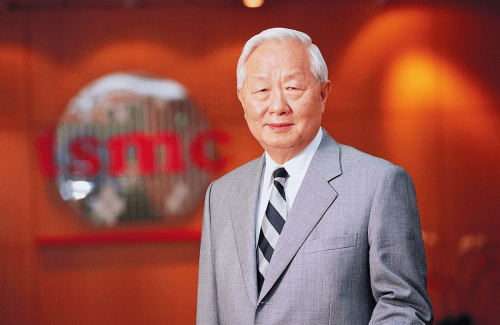
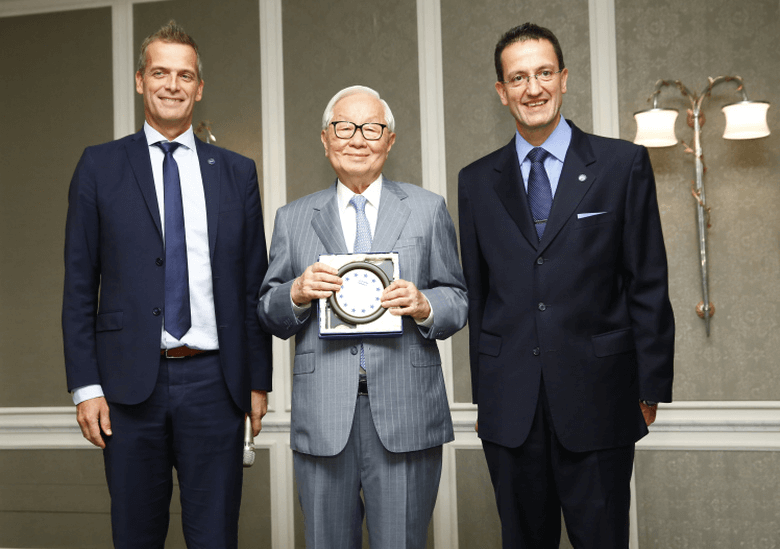
He founded TSMC in 1987 with a disruptive promise that he would manufacture chips for others but never design his own. By refusing to compete with his customers, he gained the trust of global tech giants like Nvidia. This specialized approach allowed these companies to thrive and scale without the burden of owning their own factories.
Image Source: European Chamber of Commerce Taiwan
The Idea Everyone Doubted
Decades of singular focus turned Chang into the most powerful man in tech, with his factories now producing 90% of the world’s advanced semiconductors. This level of market dominance makes TSMC the essential foundation for almost every modern electronic device we use. The sheer scale of his success proves that a single, well-executed idea can reshape the entire global economy.
The importance of his work is highlighted by the fact that if his production stops, the global supply of iPhones, Teslas, and AI systems stops with it. His legacy proves that the future isn’t just built in garages by young people, but by veterans with the grit to see opportunity where others see a dead end. Morris Chang didn’t just build a successful company; he built the infrastructure that the modern world depends on every day.
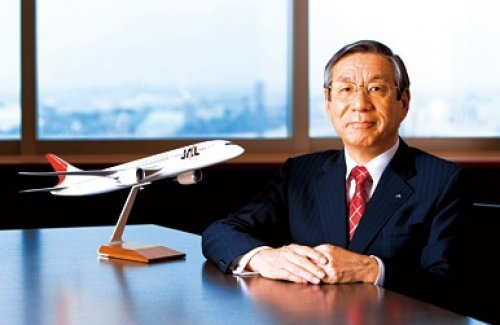
In the modern corporate landscape, it is common to see executives receive massive bonuses even as their companies face financial turmoil. Haruka Nishimatsu, the former head of Japan Airlines, famously broke this cycle by putting his employees’ security before his own wealth. He recognized that a company is only as strong as the people who keep it running every day.
When the airline faced billions in debt and the threat of bankruptcy, Nishimatsu decided to slash his own salary to just $90,000. This move ensured that he was feeling the same economic pressure as the frontline workers he led. His choice was a profound statement that leadership is a responsibility to others rather than a path to personal enrichment.
Image Source: NBC News
Leading by Example Through Shared Sacrifice
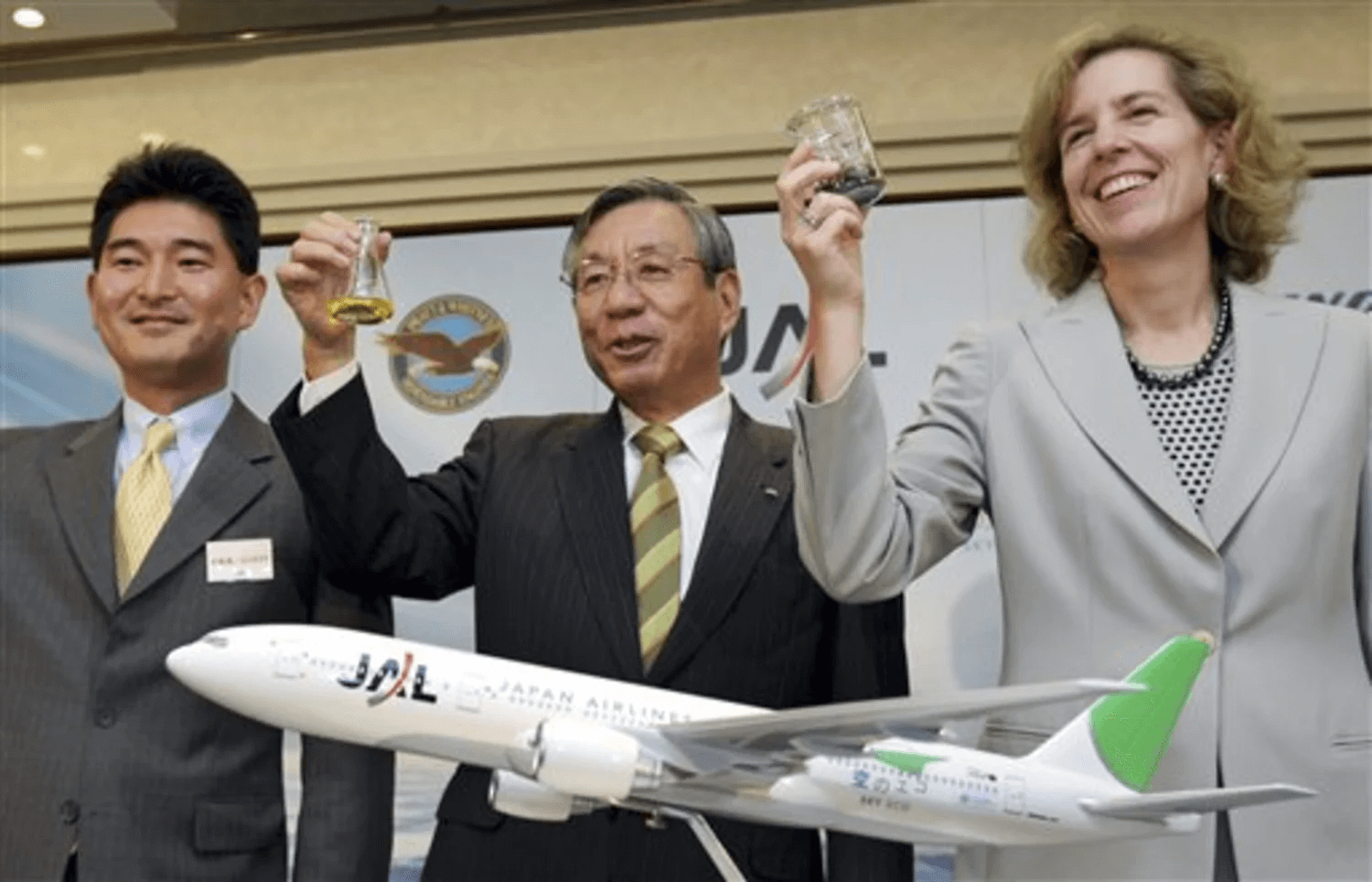
Nishimatsu discarded the traditional perks of his high-ranking position to remain grounded with his workforce. He traded a private limousine for the city bus and waited in line for lunch at the staff cafeteria.
These daily actions removed the social distance that typically separates a CEO from the rest of the office. By working at a regular desk in an open-plan room, he made himself accessible to everyone in the building.
Image Source: The Wall Street Journal
Prioritizing People Over Short-Term Profits
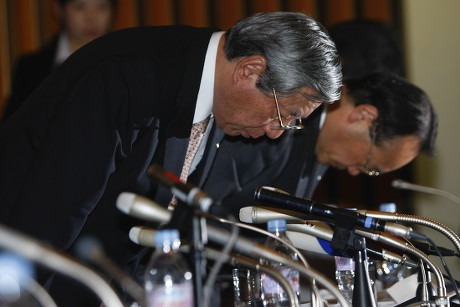
During the 2009 financial crisis, Nishimatsu refused to use mass layoffs as a quick fix for the company’s rising debt. He understood that protecting the livelihoods of his staff was more important than protecting the executive payroll.
This commitment to job security built a deep sense of trust and loyalty throughout the entire organization. His strategy proved that a business can navigate a crisis without ever abandoning its moral compass.
Image Source: The Wall Street Journal
The True Source of Professional Respect
Nishimatsu demonstrated that real authority is earned through character and shared experience rather than a fancy title. He did not need a corner office or a massive paycheck to command the respect of his pilots and flight attendants.
His influence came from the fact that he stood right beside them when the company was struggling. This style of leadership serves as a timeless reminder of what it means to be a true steward of a brand.
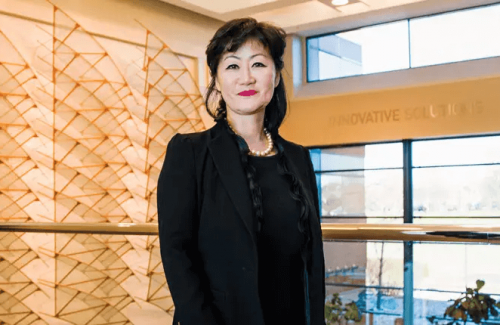
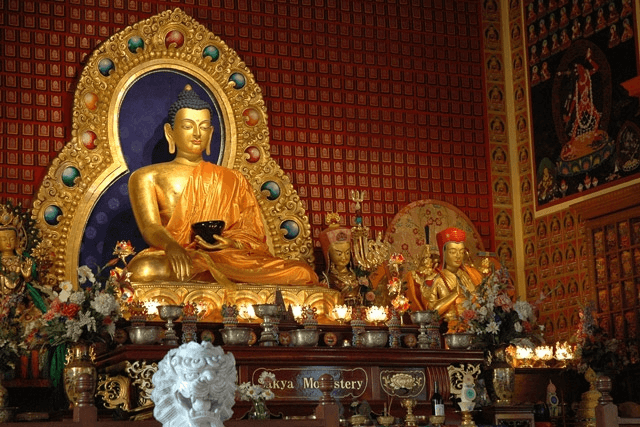
Born in Thailand and raised in South Korea, Thai Lee was shaped by constant cultural shifts from a young age. Although her family practiced Christianity, her early education in a Buddhist primary school introduced her to ideas that would quietly guide her life and leadership.
There, she learned that life is marked by suffering, impermanence, and uncertainty. Rather than seeing these as obstacles, she absorbed them as realities to work with—an outlook that later became central to her approach to business and power.
Image Source: Asia Society
Embracing Suffering as a Path to Growth
A core Buddhist teaching Lee internalized early was that suffering is not a failure, but a condition of growth. This belief trained her to stay calm under pressure and to see difficulty as something to be managed, not avoided.
That mental discipline carried her through an intense academic path, including a double major in biology and economics. It also shaped her resilience at Harvard Business School, where she became the first Korean woman to graduate by staying focused on long-term purpose rather than short-term comfort.
Image Source: Freepik
Practicing Utility Over Ego in Business
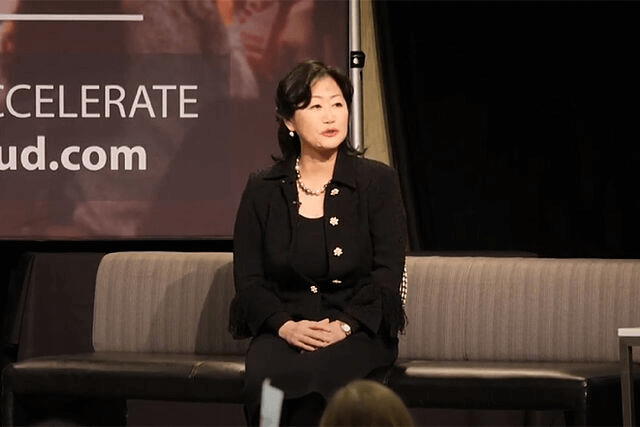
When Lee purchased a failing IT reseller in 1989 for $1 million and renamed it Software House International, she rejected the idea of growth for growth’s sake. Guided by the Buddhist value of utility, she asked one simple question: does this technology truly help people?
Instead of chasing trends or flashy innovations, she prioritized practical solutions that made work more efficient and reliable. This steady, service-driven approach allowed SHI to earn trust over time, scaling quietly into a $16 billion global company serving major institutions like Boeing and AT&T.
Image Source: Expansión
Right Livelihood as the Measure of Success
As her wealth grew, Lee leaned more deeply into the Buddhist principle of Right Livelihood—earning success through ethical means and responsibility to others. She believes leadership should reduce harm, not amplify ego or excess.
Despite being the fifth-richest self-made woman in the United States, she avoids executive privileges and symbolic power. By parking with employees, managing her own calendar, and staying close to daily operations, she reinforces her belief that real wealth is measured by trust, dignity, and the well-being of the 7,000+ people she leads.