Stories

August 10, 2023

SHARE:

Anise Health is on a mission to improve mental healthcare for Asian Americans.

Recognizing the lack of health equity in the existing mental healthcare system, especially for people of color, Anise Health aims to create a positive change by offering culturally-responsive care.

Anise Health wants to make mental health care accessible and affordable for everyone. They work with different health plans and offer affordable plans for those who pay themselves. They have big plans to reach more people of color and support them in their mental health journey. 

Anise Health believes that everyone deserves the care and support they need to live a happier and healthier life. Read through the inspiring insights from Anise Health in an interview with Asian Hustle Network.

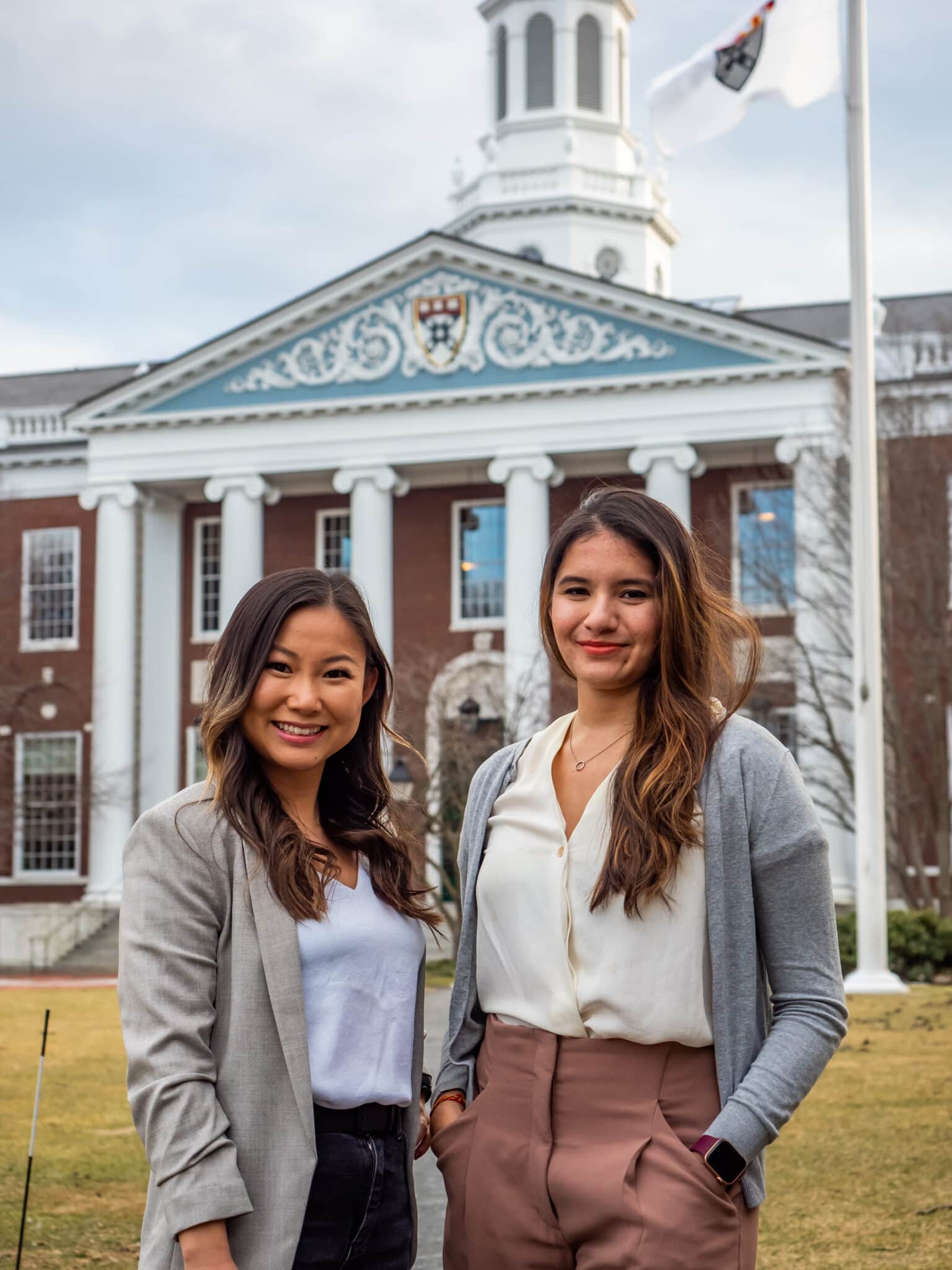
Alice and Nisha, founders of Anise Health

ADDRESSING THE UNIQUE MENTAL HEALTH NEEDS OF THE ASIAN COMMUNITY

Anise Health is building the gold standard of mental healthcare for Asian Americans because there is an urgent need to advance health equity.

People of color are extremely underserved by the existing mental health care system, with 50% dropping out of therapy after just the first session. Specifically, 41% of Asian Americans experience current symptoms of depression and anxiety, yet only 30% report feeling supported today. The sharp increase in anti-Asian hate crimes compounded with the model minority myth means that the Asian community often suffers in silence, leading to devastating consequences such as Asian young adults being the only ethnic group with suicide as the leading cause of death.

Anise is on a mission to change these trends by creating a culturally-responsive digital mental health platform built by and for the Asian community. We’re humbled by the incredible results our clients achieve on our platform, including:

  • 97% completion rate of the first 4 weekly sessions, which far exceeds the industry benchmark of outsized dropouts after the first session
  • 95% of our clients report feeling heard or understood by their provider, demonstrating a strong therapeutic alliance between providers and clients
  • Net promoter score of 84 (46 points above the industry average), indicating unparalleled satisfaction with our provider curation and training

SPECIFIC CHALLENGES THAT INDIVIDUALS FACE WHEN SEEKING MENTAL HEALTH SUPPORT

Asian Americans experience unique stressors such as collectivistic family dynamics, bicultural tension living as a minority in a majority culture, pressure to achieve and perfectionism from reinforced narratives of self-sacrifice, intergenerational trauma from unhealed historical wounds, excessive shame and guilt leading to internalized self-criticism, rigid gender norms and relationship expectations, to name a few. 

Our clinical advisory board comprises pioneering experts in the field who are leading evidence-based research to address these stressors and empower the well-being of the Asian community. We infuse their expertise into our care models and translate this information into digestible educational formats which are curated in our digital resource library.

DESTIGMATIZING MENTAL HEALTH

Anise normalizes mental health by delivering psychoeducational webinars and interactive workshops tailored to Asian Americans. Our clinicians lead these group services across a diverse range of topics for a variety of enterprise partners and schools, including Netflix, LinkedIn, Microsoft, and many more. We also host free community engagement programming with a large network of over two dozen nonprofit partners, as well as speaking at multicultural conferences and celebratory events.

For individuals seeking 1-on-1 services, Anise has developed care models that are clinically validated and culturally tailored, which research shows to be ~5x more effective than one-size-fits-all offerings. We are the only platform providing a holistic suite of services that integrate individual teletherapy, behavioral coaching, peer support groups, alternative medicine, and a curated library of self-service digital resources. Furthermore, our approach enables the accurate assessment of cultural stressors and personalization of care using machine learning technology. Anise’s proprietary clinical care model incorporates cultural adaptation along every step of the client’s journey from intake to blended treatment plans.

THE CULTURALLY-RESPONSIVE CARE MODEL

At Anise, culturally-responsive care means seeing a client as more than just a set of symptoms and diagnoses. Clients are seen as unique individuals whose racial and cultural contexts shape how they experience the world and how their needs are not being met.

Our providers are recruited for their deep expertise in culturally-responsive care and extensive experience supporting Asian clients. Once hired, providers are trained in our proprietary curriculum to explore clients’ intersecting identities and empowered in monthly consultation sessions, which offer providers their own space for connection and continued learning. In fact, our providers are diverse and maintain a wide range of ethnic backgrounds, sexual orientations, language capabilities, and therapy approaches.

Therapists and coaches work together as a dedicated team for clients, where the therapist helps the client navigate through psychological history and set concrete therapy goals, while the coach works with the client to achieve these goals. This empowers Asian clients to achieve lasting outcomes.

TESTIMONIALS

  • Anise Client – “Therapy had not worked for me before, but after meeting my Anise clinician I have regained confidence in the process and am excited to continue working with my therapist.”
  • Anise Clinician – “I found Anise’s clinical model to be such a culturally effective way to provide mental health services for clients and clinicians. Especially the way it incorporated coaching with therapy.”
  • Enterprise Partner – “I had never thought about burnout through the lens of cultural identity and how that may impact me. This session helped me understand deeper elements of what I was dealing with.”

ACCESSIBILITY AND AFFORDABILITY

Anise is in-network with Managed Health Network and Optum, and is in the process of contracting with several large health plans, in addition to accepting HSA and FSA benefits. For self-pay clients, Anise is affordable with subscription plans averaging $200 per month, nearly 1/4 the cost of average private practice rates in New York and California. For clients who want to supplement their holistic health, Anise offers clinician-led peer support circles along a variety of diverse themes at only $25 per week.

LOOKING IN THE FUTURE

We have ambitious growth plans to support the Asian community and people of color more broadly, which include expanding to more states, partnering with universities to support students, and offering our services as covered employee benefits for businesses. We are open to feedback and love piloting solutions with our community. Contact Anise Health’s Head of Growth, Angel Wang, for ideas at angel@anisehealth.co

CONNECT WITH ANISE HEALTH

Website: anisehealth.co

Instagram: @anisehealth

Linkedin: Anise Health

TikTok: @anisehealth

Facebook: Anise Health
Related Articles

2

Stories

Billionaire Heir Enters Wall Street’s Hottest Trade With $480B in Assets

Andre Koo Jr. isn’t just inheriting a financial empire, he’s also reshaping what it looks like in a new era of investing. 

From Taiwan to New York, his latest move brings a centuries-old legacy into one of Wall Street’s fastest-growing spaces. 

With K8 Capital, he’s betting that the future of wealth lies in doing more than just one thing well.

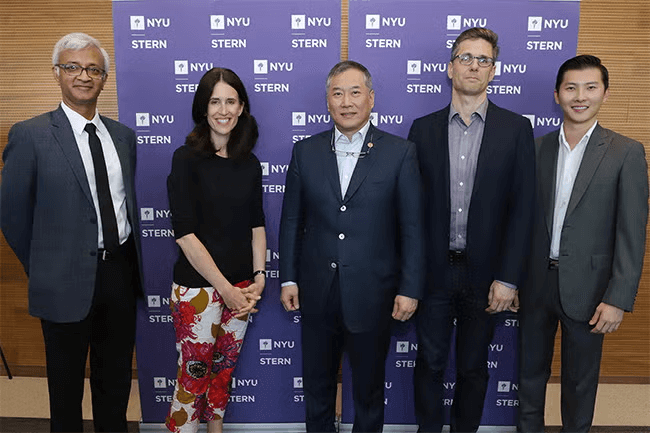
Image Source: NYU Stern

Building on a Financial Legacy

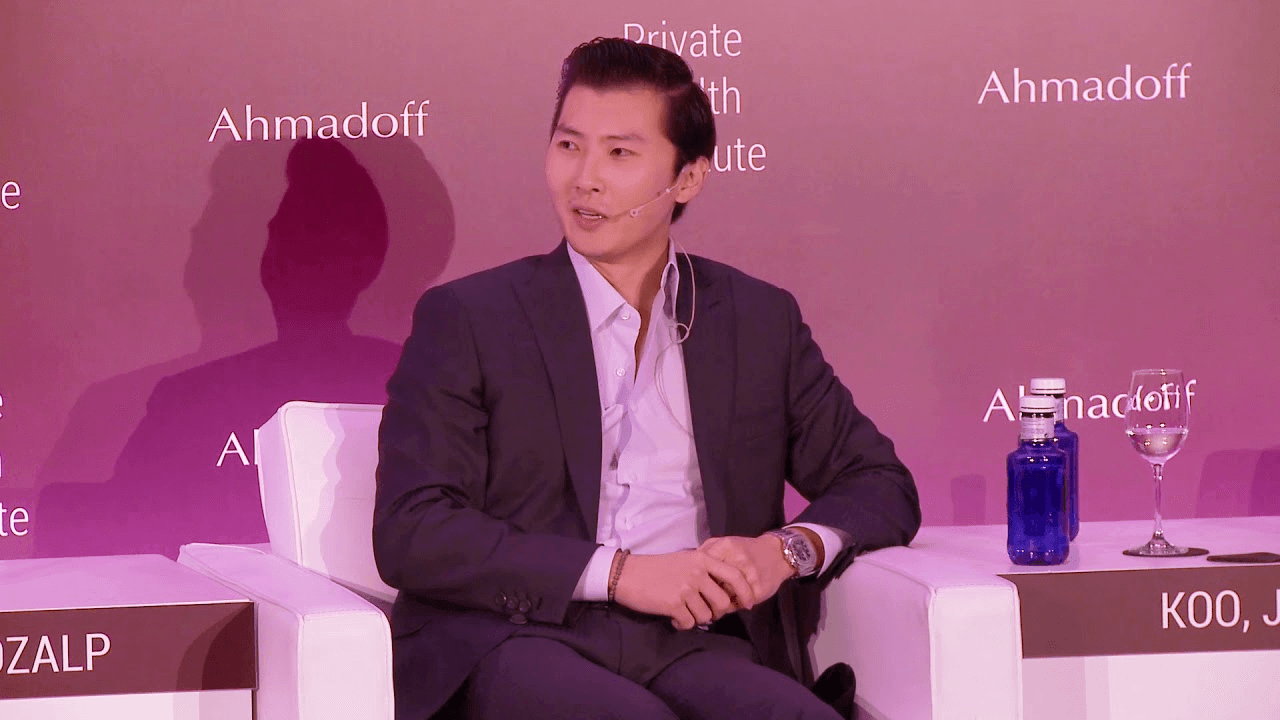
Andre Koo Jr. grew up in one of Taiwan’s most influential banking families, where scale and stability defined success. Today, that legacy spans a $16 billion family fortune and control of $480 billion in assets. But instead of staying within that system, he’s building something that looks very different.

K8 Capital, his new firm based in New York, is designed to be more flexible and forward-looking. It’s launching with a debut fund of at least $50 million, with a $500,000 minimum that signals who it’s built for. The focus is on US companies, along with early bets on AI and enterprise software, areas where growth is still taking shape.

Image Source: Sally Ride Science

A Dual Investment Approach

K8 is a fully integrated hybrid private credit and venture capital firm, combining short-duration, high-yield credit investments with long-term venture growth. Its dual strategy is designed to deliver both liquidity and capital appreciation, giving investors access to predictable income while still capturing venture upside.

What sets K8 apart is how it brings two distinct investment styles into one platform. It focuses on short-term credit deals that can generate returns relatively quickly, while also investing in startups that may take years to mature but offer strong long-term potential. This allows investors to earn steady income today while staying exposed to the companies shaping the future.

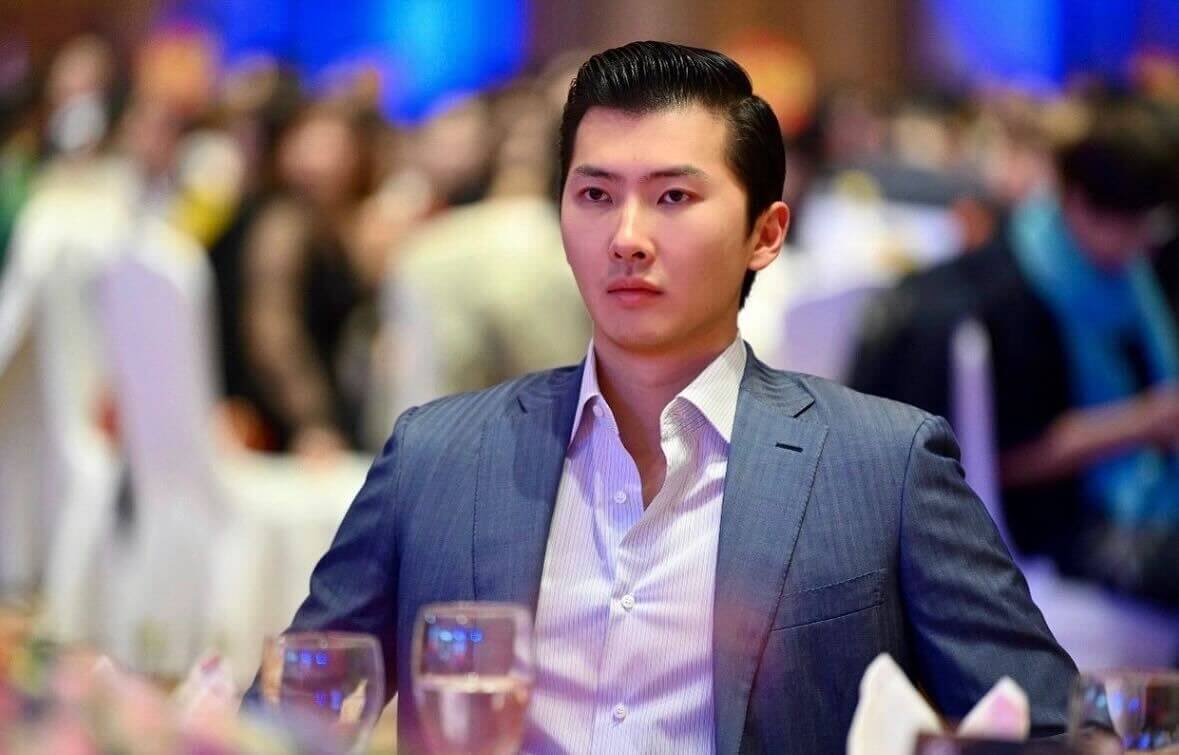
Image Source: @andrejrkoo (Instagram)

Entering a Rapidly Growing Market

Private credit has quietly grown into a market worth more than $1.5 trillion, as companies look beyond traditional banks for funding. Wealthy families like the Koos are moving in, seeing an opportunity to lend directly and capture higher returns.

K8 is already showing early signs of traction, with reported returns of at least 50 percent from short-term loans to US businesses. But for Andre, this isn’t just about performance. It’s also about carrying forward a legacy that began nearly 200 years ago with his ancestor Koh Lay Huan, while making sure it still matters in a very different financial world.

Learn more about K8 Capital here:

📍Website

IMG_0192-jpeg

Stories

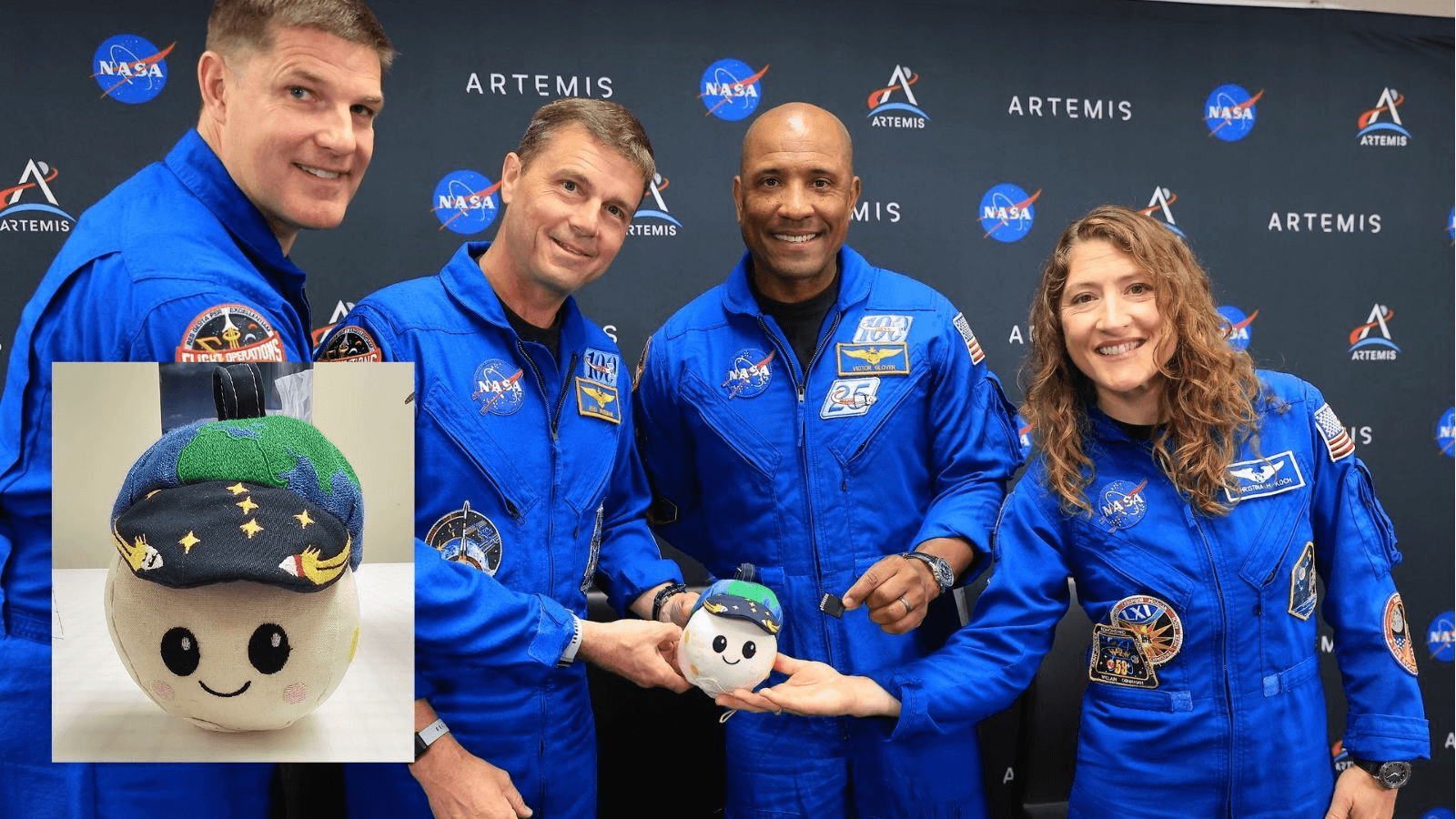
8-Year-Old Lucas Ye Designed a Mascot That Travels to Space With NASA’s Artemis II Crew

An eight-year-old in California turned a simple drawing into something that will travel beyond Earth.

Lucas Ye entered a global NASA contest and watched his idea rise above thousands of entries from around the world.

Now, his creation is not just a sketch, but a real mascot preparing to float alongside astronauts in space.

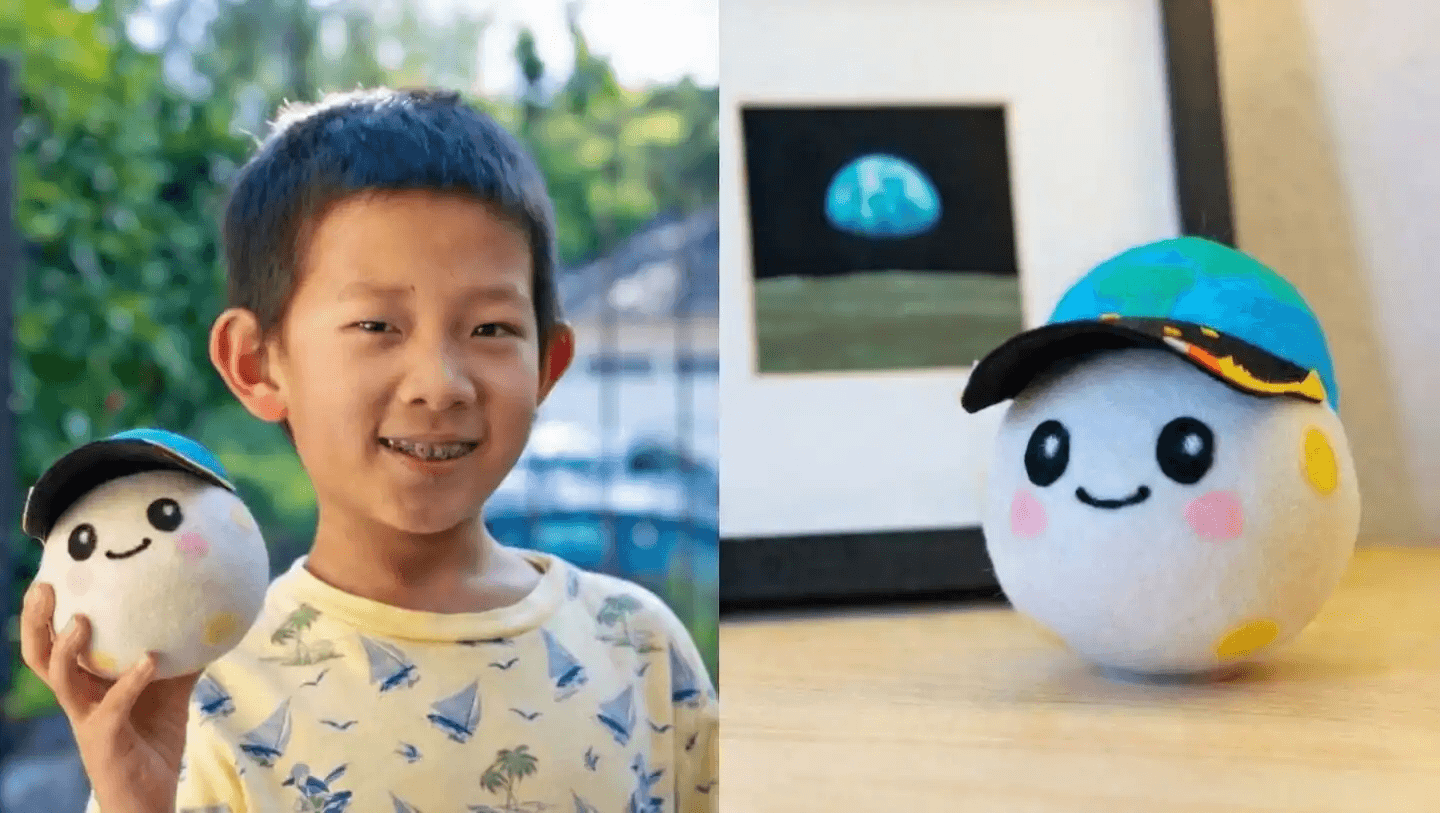
Image Source: NewsBytes

From Sketchbook to Spacecraft

Lucas Ye was just eight years old when he decided to draw a mascot for the Artemis II mission, not knowing it would become something much bigger. His design stood out in a global competition, eventually winning and being transformed into a plush named Rise. What started as a simple idea on paper quickly earned a place inside a real spacecraft.

The journey from drawing to physical mascot shows how ideas can move fast when they resonate. NASA took Lucas’s concept and turned it into something tangible, something that could sit beside astronauts on a real mission. It is a reminder that creativity does not need years of experience to matter, it just needs a starting point.

Image Source: Sally Ride Science

A Small Toy With a Big Role

Rise is not just there for the ride, it plays a meaningful role inside the cabin. As the spacecraft reaches orbit, the plush will begin to float, signaling that the crew has entered zero gravity. It is a simple but powerful way to show a major moment in the mission.

NASA has a long tradition of using mascots like this, but this one carries a different kind of weight. It represents a child’s imagination becoming part of a real scientific journey, blending emotion with exploration. Lucas now joins a legacy of space mascots, showing that even the smallest ideas can make it all the way to space.

6060_Simone Portraits_2259_01_Edited-jpg

Stories

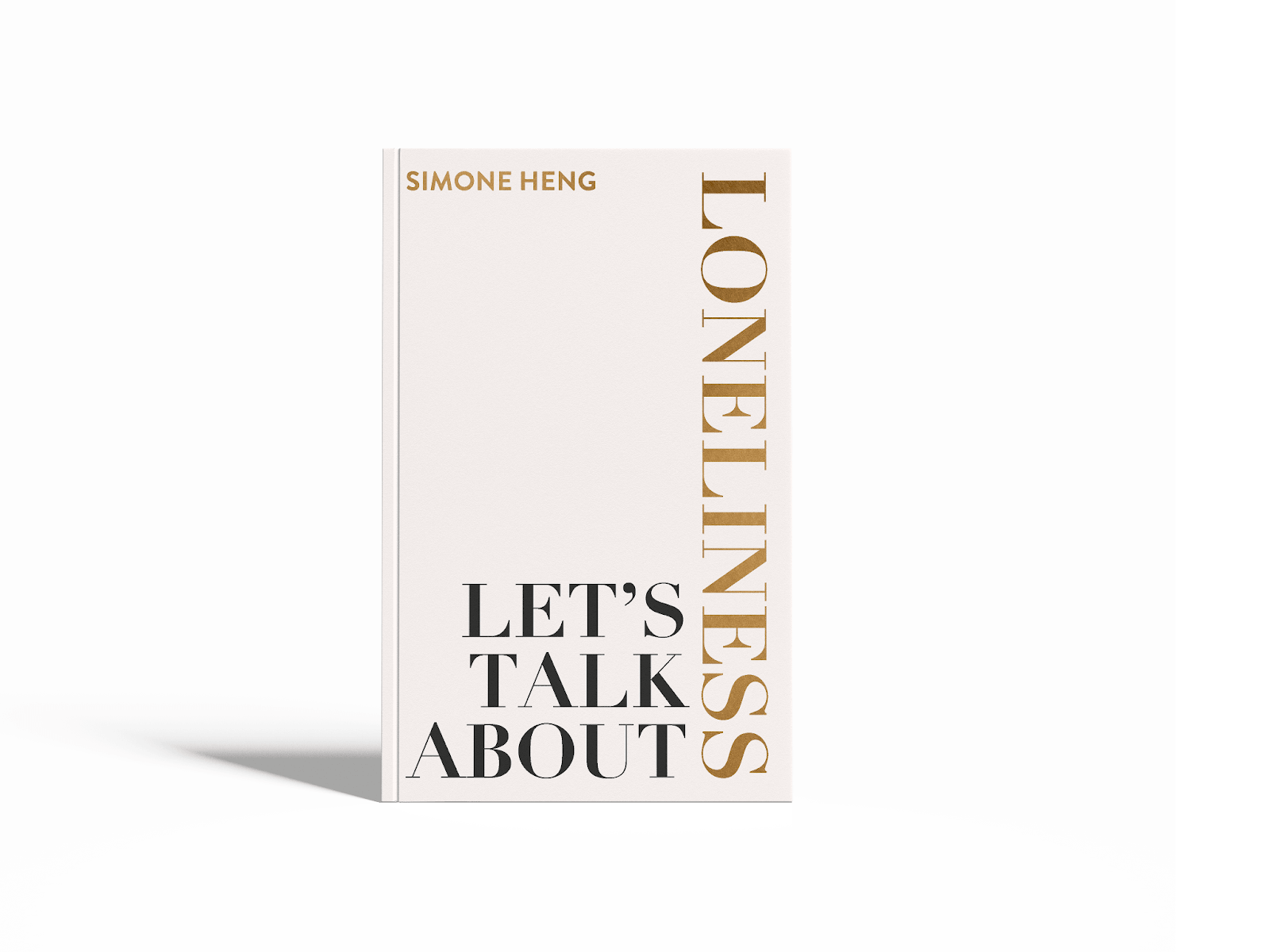
The Mission of Award-Winning Author Simone Heng and How Let’s Talk About Loneliness Expands Its Message Through Its Chinese Launch

Loneliness is often seen as a personal feeling, but for Simone Heng, it became a question worth exploring on a global scale.

Now, with the upcoming Chinese translation of her 2023 book, Let’s Talk About Loneliness, her message is reaching a new audience and entering a new chapter.

What began as a deeply personal experience has grown into a wider mission to make conversations about loneliness more accessible across cultures.

From Personal Isolation to a Written Voice

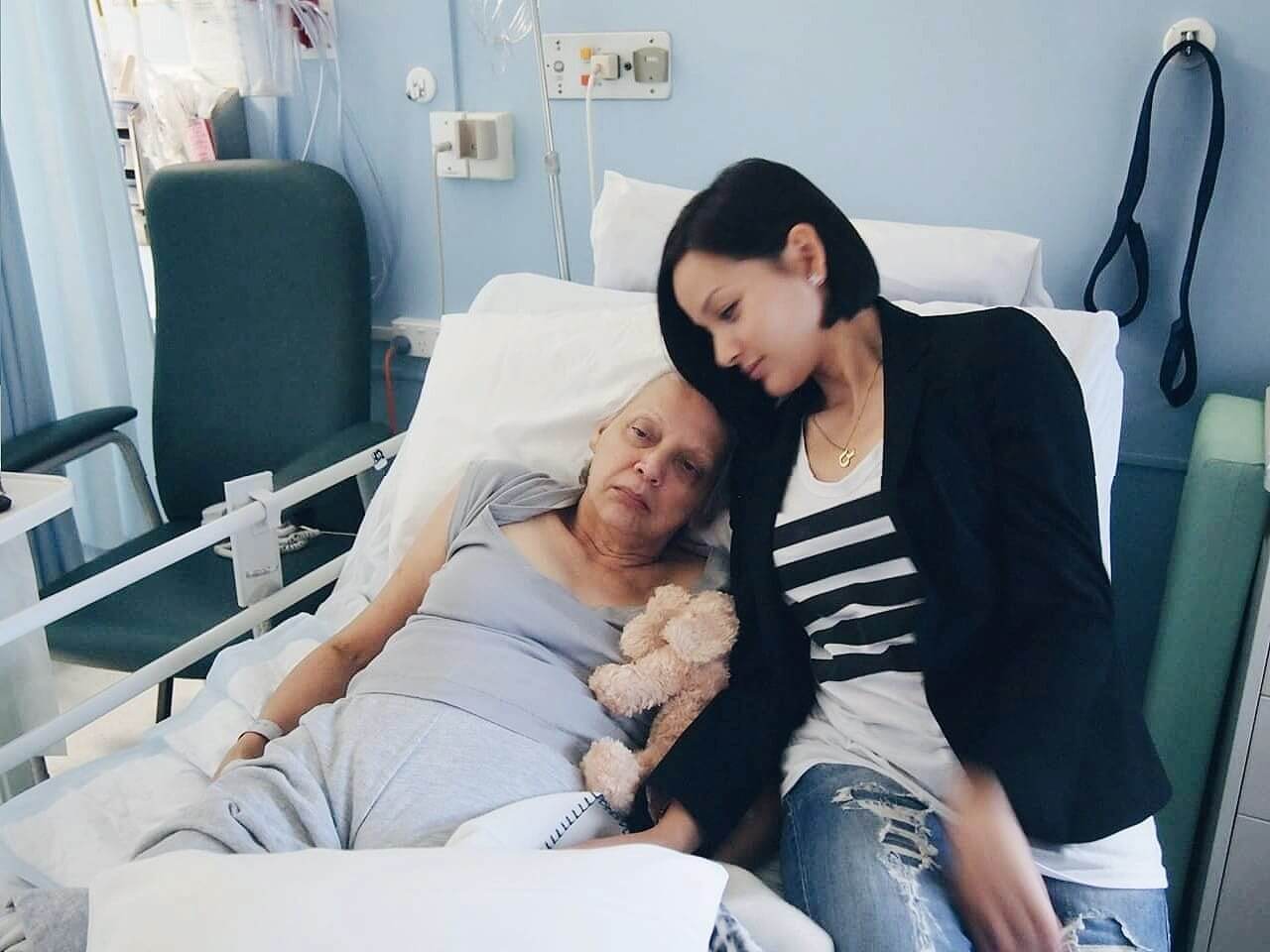
Simone Heng’s book Let’s Talk About Loneliness was born from a period of deep emotional isolation. After leaving her broadcasting career to care for her paralyzed mother, she found herself cut off from her social world. While others were building families and careers, she was navigating caregiving, grief, and isolation.

Before that chapter, her life had always been shaped by movement. She was born and is based in Singapore, grew up in Australia, studied in Switzerland, and worked in the UAE. Her background reflects a mix of cultures, even reflected in her DNA, which shows 11 different ethnicities.

But the defining moments were not just about where she had been, but what she had gone through. She lost her father at 19, and 10 years later, along with her sister, became the main support to her mother. Those experiences reshaped her priorities and slowly pulled her away from the life she was chasing.

In that quieter, more difficult season, she began asking questions she could not ignore. Why does loneliness feel so heavy, even when you are not physically alone? Why is it so hard to talk about?

Over time, Simone realized something that became central to her work. Loneliness is not simply about being alone. It is the gap between the kind and amount of connection a person wants and what they are actually experiencing.

A Book That Challenges Cultural Assumptions

Let’s Talk About Loneliness explores an idea many people overlook. Loneliness can exist even in collectivist societies. Simone highlights how cultural expectations, emotional restraint, and unspoken pressures can make it harder to express isolation. This perspective brought a diverse lens to the dialogue on loneliness often dominated by Western viewpoints.

She points out that in cultures where people are expected to always be surrounded by family, saying “I am lonely” can carry stigma. At the same time, many connections are shaped by obligation rather than genuine emotional closeness. These kinds of relationships do not always meet deeper emotional needs, and can leave people feeling alone even when they are not physically isolated.

Retitled in Chinese as “Anyway, I Am Just as Lonely,” it will be available in Xinhua, Sisyphus, and Yanijou bookstores in China. The book blends research with lived experience, making it both informative and deeply personal. With the release of the Chinese edition, the focus is on reaching Chinese-speaking communities where conversations around loneliness are often less visible.

Building a Mission Around Human Connection

Beyond the book, Simone Heng’s work continues to focus on one idea. Human connection is not just something we hope for, but something we absolutely must learn and build, particularly in the era of AI.

After spending 15 years in broadcasting, she chose to step away and start again in 2019. It was not an easy decision, and she built her career without financial backing, relying on persistence and clarity in what she wanted to create.

Today, she is a global speaker who works with leading organizations such as Google, Meta, Harvard University, and JPMorgan. She teaches audiences how to build meaningful connections both in and beyond the workplace.

Her message continues to resonate because it speaks to something many people are quietly experiencing. Without a sense of belonging and psychological safety, it becomes harder to think clearly, create, and show up fully.

At its core, her work is a reminder that connection is not about how many people are around us. It is about how understood we feel. And sometimes, putting that feeling into words is the first step toward changing it.

Learn more about Simone Heng here:

📍Website

Green Blue and White Minimalist Landscape Desktop Wallpaper-png

Stories

How Brett Bolton and Kayden Beasley Turned Adversity Into Triumph at the 2026 Paralympics

Two athletes, shaped by similar beginnings, turned personal challenges into a defining moment on the world stage.

Both were born in China and later adopted into the United States, where they grew up navigating identity, resilience, and belonging.

At the 2026 Winter Paralympic Games, their journeys came full circle as they helped lead Team USA to gold.

Image Source: Team USA Hockey

Brett Bolton’s Journey to the Top

Born in China with a congenital limb difference, Brett Bolton was adopted into the United States at just three years old, growing up in an environment that pushed him to adapt early and often. What could have been limitations became the foundation for resilience, shaping how he approached both life and sport.

That same quiet determination followed him onto the ice, where he carved out a place as a rookie forward for the U.S. sled hockey team. At the 2026 Winter Paralympic Games, Bolton didn’t just participate, he rose to the top, helping secure a gold medal and marking a powerful arrival on the global stage.

Image Source: NHL

Kayden Beasley’s Defining Moment

Like Bolton, Kayden Beasley’s story began in China before being adopted into the United States, where he grew up navigating questions of identity alongside his development as an athlete. Over time, discipline on the ice became his anchor, helping him build both physical strength and self-belief.

Years of training led to a defining moment at the 2026 Winter Paralympics, when Beasley delivered a clutch goal in the final. That single play helped seal a gold medal for Team USA, turning years of preparation into a moment that will be remembered on one of sport’s biggest stages.

Image Source: NPR

More Than a Medal: A Shared Story of Representation

At the 2026 Paralympic Games, their journeys intersected in a space that celebrates ability in all its forms. Beyond the competition, their presence highlights a broader shift in how athletes with impairments are seen, valued, and represented.

Their victories go beyond the scoreboard, carrying meaning for communities that rarely see themselves reflected at the highest levels of sport. Together, their stories stand as a reminder that representation is not just about visibility, but about redefining what strength and success look like.